
The Influence of Chinese Military Treatises on Japanese Tactics

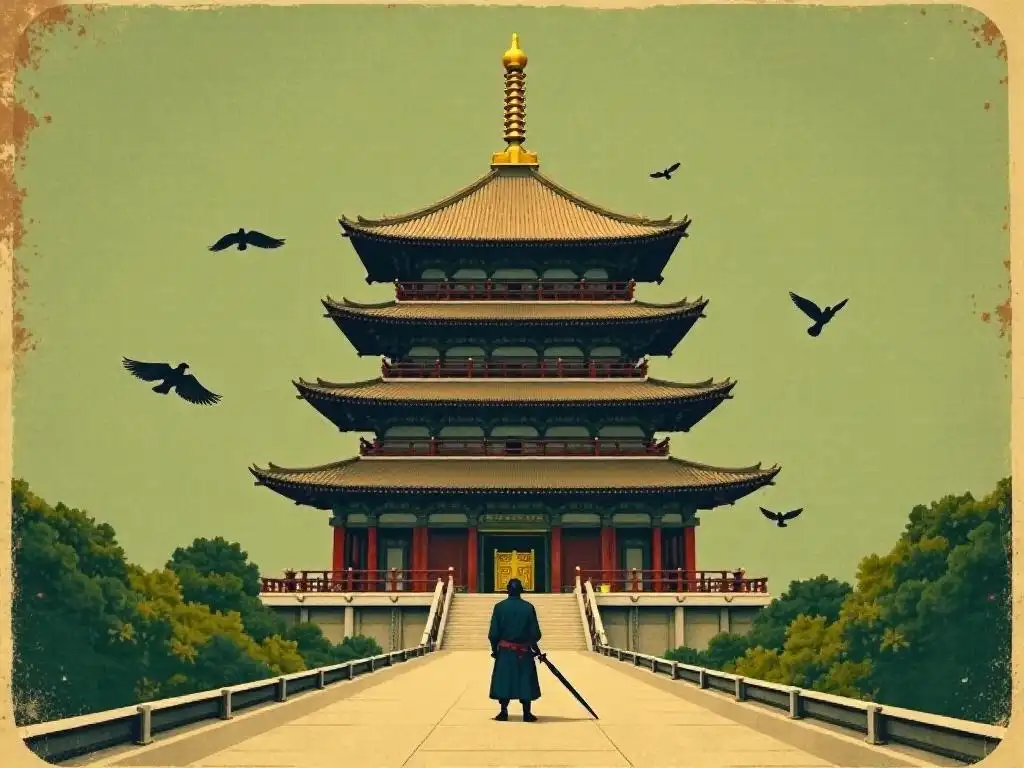
Welcome to Feudal Japan History, where the past comes alive through a deep dive into the intricacies of Japan’s feudal era. Here, we unravel the fascinating connections between cultures, exploring how the Chinese military influence on Japan shaped tactical advancements and transformed warfare strategies. Are you ready to discover the profound impact of ancient Chinese military treatises on Japanese tactics? Join us as we embark on a journey through time and uncover the rich tapestry of military history that defines this captivating period!
The intricate tapestry of Japan's feudal era is woven with threads of cultural and military influences, with one of the most significant being the impact of Chinese military treatises on Japanese tactics. As Japan emerged from its nascent state into a complex society characterized by clan warfare and regional power struggles, the transfer of military knowledge from China played a pivotal role in shaping its martial strategies.
This article delves into the profound effects of Chinese military literature on Japanese combat practices, illustrating how these texts not only informed tactical decisions but also contributed to the broader cultural exchanges between these two rich civilizations. By exploring key military texts and their historical contexts, we aim to illuminate the nuanced ways in which Chinese military influence facilitated the evolution of Japanese warfare.
Introduction to Chinese Military Influence on Japan
The influence of Chinese military strategies on Japan extends back centuries, particularly during the Heian period (794-1185) when Japan began to adopt various elements of Chinese culture, including military doctrines. As Japanese leaders sought to strengthen their military capabilities, they turned to the wisdom embedded in Chinese texts that had stood the test of time. This shift marked the beginning of a transformative period where the Japanese samurai class adopted and adapted these teachings, integrating them into their own martial practices.
Overview of Chinese Military Treatises
Chinese military treatises, such as The Art of War by Sun Tzu, were seminal texts that provided comprehensive insights into strategy, tactics, and warfare psychology. These treatises emphasized principles such as deception, the importance of terrain, and the role of leadership in warfare. The richness of these texts not only influenced military tactics but also shaped the philosophical underpinnings of conflict in Japan. The transmission of these ideas was facilitated by envoys, monks, and traders who traveled between the two nations, ensuring that vital military knowledge was shared alongside cultural and spiritual exchanges.
The Historical Context of Military Exchanges
The historical context of military exchanges between China and Japan is marked by significant events, such as the Tang dynasty's influence on early Japanese state formation. During this time, Japan was eager to adopt advanced military techniques and organizational structures to confront internal and external threats. The Mongol invasions in the late 13th century further underscored the need for effective military strategies, leading to an increased reliance on the insights found in Chinese military literature.
Key Chinese Military Texts Impacting Japan
An examination of the key Chinese military texts that significantly impacted Japanese tactics reveals a rich narrative of adaptation and application. Each of these texts brought unique perspectives and methodologies that the samurai would integrate into their warfare practices.
The Art of War by Sun Tzu
The Art of War by Sun Tzu is arguably the most influential military treatise in history. Its principles of strategy, such as the importance of adaptability and the psychological aspects of warfare, resonated deeply with Japanese military leaders. The concepts of deception and indirect engagement became fundamental tactics employed by samurai generals during battles. The text provided a framework for understanding not just the mechanics of war, but also the broader implications of conflict on society and governance.
The Six Secret Teachings
Another critical text, The Six Secret Teachings, attributed to the military strategist Jiang Ziya, offered insights into the use of formations and troop movement. Its teachings on the importance of reconnaissance and the effective deployment of forces were particularly relevant to the samurai, who often engaged in skirmishes and battles that required keen awareness of the battlefield landscape. The text's emphasis on discipline and the moral conduct of soldiers paralleled the samurai code, further cementing its relevance.
The Book of Lord Shang
The Book of Lord Shang is a foundational text that emphasized the role of law and order in maintaining military strength. It advocated for a centralized authority and strict governance, ideas that found fertile ground in the feudal structures of Japan. The prescriptions for military organization and resource management influenced the way feudal lords structured their armies and maintained control over their domains.
The Chinese military influence on Japan is a testament to the dynamic interplay of ideas and strategies across cultures, fundamentally shaping the tactics and philosophies of Japanese warfare during the feudal era.
The Adoption of Chinese Tactics in Japanese Warfare
The adoption of Chinese military tactics in Japan marks a significant evolution in the country's martial practices. From the Heian period onwards, various Chinese treatises, notably "The Art of War" by Sun Tzu, began to permeate Japanese military thought. These texts provided insights into strategy, battlefield management, and troop organization, which were essential in shaping the way samurai and their warlords approached combat. The initial influences laid down the groundwork for future adaptations and innovations, reflecting the dynamic interplay between two rich martial cultures.
Early Influences in the Heian Period
During the Heian period (794-1185), Japan experienced a cultural flourishing that included the assimilation of Chinese philosophies and practices. The introduction of Buddhism and Confucianism led to a greater appreciation for the strategic principles detailed in Chinese military writings. While warfare in this era was primarily characterized by small-scale conflicts and the burgeoning samurai class, texts like Sun Tzu's work began to circulate among the elite, influencing early samurai leaders. They integrated concepts such as deception, terrain analysis, and psychological warfare into their tactics, albeit in a form more suited to the feudal context of Japan.
The Kamakura Shogunate and Military Innovations
The establishment of the Kamakura Shogunate (1185-1333) heralded a new era of military innovation in Japan. This period saw the rise of the samurai as a dominant military class, and with it, a more organized approach to warfare. Chinese military treatises were used to inform the strategic development of the samurai, particularly in the context of the Mongol invasions (1274 and 1281). The shogunate adopted defensive strategies inspired by Chinese principles, such as fortifications and the effective use of terrain. The successful repulsion of the Mongol forces showcased how these adapted tactics could be pivotal in achieving military success.
The Muromachi Period: Synthesis of Tactics
The Muromachi period (1336-1573) was marked by a synthesis of Chinese and indigenous Japanese military tactics. As Japan became embroiled in civil wars and regional conflicts, the samurai sought to refine their methodologies. This era saw the incorporation of the Chinese strategy of "cavalry mobility" alongside traditional Japanese infantry tactics. The famous battle manuals, including those influenced by Chinese thought, emerged, providing samurai with a framework for military organization and engagement. The blend of these tactics facilitated innovative approaches to warfare, such as the deployment of ashigaru (foot soldiers) alongside mounted samurai, reflecting both Chinese influence and Japanese adaptation.
Comparative Analysis of Chinese and Japanese Military Strategies
The comparative analysis of Chinese and Japanese military strategies reveals both convergence and divergence in their approaches to warfare. While both cultures emphasized the importance of strategy and preparation, the execution of these principles often reflected their unique sociopolitical contexts.
Similarities in Tactical Approaches
Both Chinese and Japanese military strategies share foundational principles rooted in the importance of strategy over mere force. Key similarities include:
- Use of Deception: Both cultures valued deception as a means to confuse the enemy and gain a tactical advantage. This is emphasized in Sun Tzu’s writings and mirrored in Japanese tactics.
- Terrain Utilization: The strategic use of terrain, whether for ambushes or defensive positions, was a common aspect, with both cultures recognizing that the environment could dictate the outcome of battles.
- Chain of Command: Both military structures emphasized a clear hierarchy and discipline, ensuring that orders were executed efficiently on the battlefield.
Differences in Execution and Adaptation
Despite these similarities, significant differences exist in how each culture executed their strategies:
- Cavalry vs. Infantry: While Chinese strategies often emphasized the use of cavalry, especially during the Tang and Song dynasties, Japanese tactics evolved to highlight the effectiveness of infantry, particularly the samurai.
- Philosophical Underpinnings: Chinese military thought was heavily influenced by Confucian ideals, promoting a sense of order and morality in warfare. In contrast, Japanese strategies were often more pragmatic, focusing on the samurai's code of bushido, which emphasized honor in battle.
- Adaptability: Japanese warfare demonstrated a notable ability to adapt and innovate in response to foreign influences, such as the Mongol invasions, leading to unique tactical responses that were not present in traditional Chinese methods.
Case Studies of Notable Battles
Several battles exemplify the influence of Chinese military thought on Japanese tactics:
- The Battle of Dan-no-ura (1185): This naval battle showcased the strategic importance of positioning and the effective use of small, agile ships, principles that resonate with Chinese naval strategies.
- The Battle of Hakata Bay (1281): During the Mongol invasions, Japanese forces utilized fortifications and guerrilla tactics to successfully repel a larger enemy, reflecting both adaptation of Chinese defensive strategies and local innovation.
- The Battle of Okehazama (1560): Oda Nobunaga's surprise attack on a much larger force demonstrated the effectiveness of deception and rapid mobility, principles drawn from Chinese military texts, but executed with uniquely Japanese flair.
These battles illustrate how the infusion of Chinese military literature into Japanese warfare not only shaped tactical approaches but also led to significant innovations that defined the feudal era in Japan.
The Role of Confucian Values in Military Tactics
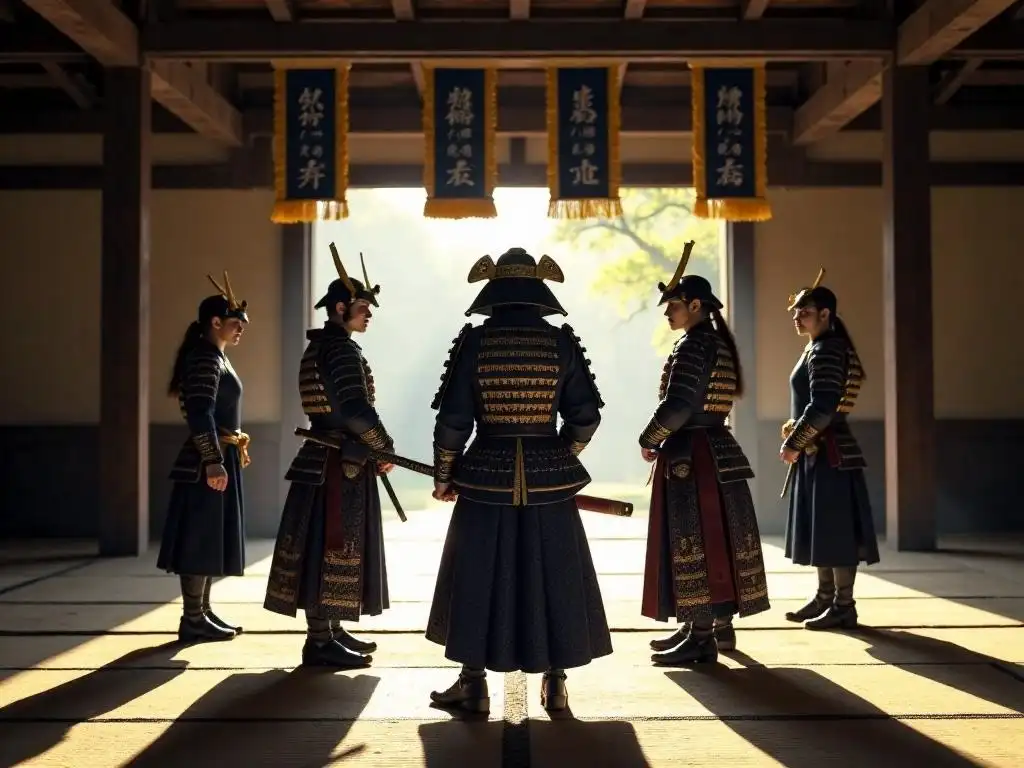
Confucianism, a philosophical system rooted in the teachings of Confucius, has had a profound impact on various aspects of East Asian societies, including Japan. The influence of Confucian values on military tactics can be seen in the emphasis on hierarchy, discipline, and moral conduct within the Japanese military structure. These values were instrumental in shaping the conduct of warfare and the relationship between leaders and soldiers.
The Confucian ideal of a morally upright ruler who leads by example resonated deeply in Japan, where the concept of loyalty became paramount. Samurai, as the warrior class, were expected to embody these ideals, displaying not only martial prowess but also ethical behavior. This fusion of military and moral obligations was crucial in forming the Japanese military ethos, where honor and duty governed actions on the battlefield.
Moreover, the teachings of Confucius encouraged a strategic mindset that prioritized calculated decisions over brute force. Japanese commanders began to view warfare not merely as a series of battles but as a complex interplay of strategy, morale, and ethics. This perspective allowed for the development of sophisticated military tactics that were informed not only by the immediate needs of warfare but also by a broader ethical framework.
Influence of Confucian Philosophy on Japanese Strategy
The integration of Confucian philosophy into Japanese military strategy can be traced back to the Kamakura period (1185-1333), when samurai culture began to crystallize. Confucian texts such as the "Analects" were studied, leading to a growing appreciation for strategic thinking and governance. As a result, military leaders adopted Confucian principles to justify their actions and motivate their troops.
One significant aspect of this influence was the emphasis on the moral superiority of the ruler. Military leaders were expected to cultivate personal virtues, which would, in turn, inspire their soldiers. This approach fostered loyalty and cohesion within the ranks, as soldiers were more willing to follow a leader who embodied the ideals of righteousness and benevolence.
Additionally, Confucian values encouraged the practice of diplomacy and negotiation over direct confrontation whenever possible. The understanding that relationships with other clans could be as important as battlefield victories led to a more nuanced approach to warfare, where strategic alliances and political maneuvering became critical components of Japanese military strategy.
Ethical Considerations in Warfare
Ethics played a vital role in shaping Japanese military tactics, influenced heavily by Confucian thought. The concept of "bushido," or the way of the warrior, emerged as a code that emphasized honor, respect, and ethical conduct in battle. This code dictated not only how samurai fought but also how they treated their enemies and non-combatants.
The ethical considerations of warfare led to specific tactical approaches, such as the avoidance of unnecessary cruelty and the honoring of surrendering foes. This resulted in a form of warfare that was not solely focused on annihilation but rather on achieving victory with dignity. Samurai were trained to strive for decisive, honorable victories rather than resorting to tactics that would bring shame or dishonor.
Furthermore, the influence of Confucian ethics extended beyond the battlefield into the treatment of captured soldiers and civilians. The expectation of humane treatment was a reflection of the belief that a virtuous warrior would uphold moral standards, even amidst the chaos of war. This ethical framework contributed to the development of a distinctive Japanese military culture that prioritized honor alongside effectiveness.
The Evolution of Japanese Military Thought
The evolution of Japanese military thought is marked by a gradual integration of Chinese military principles while simultaneously adapting them to fit the unique cultural and social contexts of Japan. As Chinese military treatises began to circulate in Japan, they provided a wealth of strategic knowledge that would shape the Japanese approach to warfare.
During the Heian period (794-1185), the influence of texts such as Sun Tzu's "The Art of War" began to permeate Japanese military strategy. These works emphasized the importance of strategy, deception, and understanding one’s enemy, which were readily adopted by Japanese commanders. The synthesis of these ideas with local practices laid the groundwork for a distinctive Japanese military doctrine.
Over time, as Japan faced internal strife and external threats, the need for effective military strategies became increasingly urgent. This led to a period of experimentation and adaptation, where Japanese generals began to refine and innovate upon the imported Chinese concepts to better suit the realities of Japanese warfare.
Integration of Chinese Concepts into Native Practices
The integration of Chinese military concepts into Japanese practices was a complex process that involved both acceptance and adaptation. Key texts, including "The Art of War," provided frameworks for understanding strategy, logistics, and battlefield tactics. Japanese military leaders studied these texts and incorporated their principles into their own strategic planning.
One notable adaptation was the Japanese emphasis on the importance of terrain in warfare, which mirrored Chinese principles but was tailored to the unique landscapes of Japan. This understanding of geography became fundamental to Japanese tactics, influencing decisions about formations, ambushes, and defensive strategies.
Additionally, the concept of “shuhō” (the “way of the general”) was developed as Japanese leaders synthesized Chinese military thought with native customs. This led to a more holistic approach to warfare, where military tactics were informed by cultural values, social hierarchies, and environmental considerations. The result was a distinctly Japanese military strategy that was both effective and reflective of its cultural heritage.
Development of Unique Japanese Tactics
As Japanese military thought evolved through the integration of Chinese principles, it also gave rise to unique tactics that distinguished the Japanese approach to warfare. The development of specific formations, such as the "kibagata" (battle array) and the "tachi" (mounted warriors), showcased how Japanese commanders adapted Chinese concepts to suit their needs.
One key innovation was the use of archers and cavalry in coordinated assaults, which became a hallmark of Japanese battlefield strategy. This integration of different military units allowed for greater flexibility and adaptability during engagements. The Japanese also placed significant emphasis on surprise attacks and the element of shock, drawing inspiration from Sun Tzu's teachings on the importance of deception in warfare.
Moreover, the concept of “kamikaze” (divine wind) emerged as a tactical approach to defending against invasions, particularly during the Mongol invasions in the late 13th century. This idea combined spiritual beliefs with military strategy, demonstrating how Japanese tactics were not only practical but also deeply rooted in the cultural fabric of the nation.
The interplay between Chinese military influence and the unique adaptations of Japanese military thought resulted in a rich tapestry of tactics that defined the feudal era of Japan. The synthesis of Confucian values, ethical considerations, and innovative strategies contributed to a distinctive approach to warfare that continues to be studied and admired today.
Conclusion: The Lasting Legacy of Chinese Military Treatises
The influence of Chinese military treatises on Japanese tactics is profound and enduring. These texts not only introduced new strategies and philosophies of warfare but also shaped the very fabric of military thought in Japan during the feudal era. The integration of Chinese principles, such as the importance of terrain, deception, and the moral imperative in warfare, allowed Japanese commanders to refine their tactical approaches. This cross-cultural exchange altered not just military strategies but also the broader societal perceptions of warfare, leadership, and governance.
As Japan evolved, these foundational teachings continued to resonate, influencing samurai ethics and the strategic considerations of military leaders throughout various periods. The legacy of these treatises can be seen not only in the tactics employed during battles but also in the philosophical underpinnings of Japanese martial culture. Thus, the Chinese military treatises serve as a critical link in understanding the development of Japan's military strategies and the intricacies of its feudal society.
Summary of Key Influences
- Strategic Frameworks: Chinese treatises like Sun Tzu's "The Art of War" provided Japanese military leaders with essential frameworks for understanding conflict, emphasizing the significance of strategy over brute force.
- Tactical Innovations: Concepts such as the use of formations, maneuver warfare, and psychological tactics were directly adopted and adapted by Japanese commanders, enhancing their effectiveness in battle.
- Philosophical Underpinnings: The moral and ethical considerations articulated in these texts influenced the samurai code (Bushido), integrating principles of honor, loyalty, and duty into military conduct.
- Military Organization: Chinese military structures and hierarchies inspired Japanese warlords to develop their own systems, which improved coordination and efficiency in military campaigns.
- Cultural Exchange: The translation and interpretation of these texts fostered a greater appreciation for scholarship within the military, leading to a culture that valued learning and strategic thought.
Future Implications for Understanding Military History
The study of Chinese military influence on Japan opens new avenues for understanding the complexities of military history beyond mere battles and outcomes. By examining how ideas traveled and were transformed, historians can gain insight into the dynamics of cultural exchange and adaptation in warfare. Future research may focus on:
- Comparative Studies: Analyzing the military strategies of other cultures influenced by Chinese thought, enabling a broader understanding of cross-cultural military developments.
- Impact on Modern Warfare: Investigating how these ancient principles still resonate in contemporary military strategy and philosophy, particularly in the context of joint operations and multinational forces.
- Interdisciplinary Approaches: Incorporating perspectives from sociology, anthropology, and cultural studies to explore how military tactics reflect societal values and norms.
By exploring these dimensions, scholars can enrich the narrative of military history, highlighting the importance of intellectual exchange and the lasting impact of ancient texts on modern military practices.
References
Recommended Reading on Chinese Military Influence on Japan
- "The Art of War" by Sun Tzu: A foundational text that discusses strategy, tactics, and the philosophy of warfare, widely studied and applied in various cultural contexts, including Japan.
- "Samurai Warfare" by Stephen Turnbull: This book explores the evolution of samurai tactics and how they were influenced by Chinese military writings and practices.
- "War in Japan: 1467-1615" by Ralph D. Sawyer: A detailed analysis of the military history during the feudal period, emphasizing the significance of Chinese texts in shaping Japanese warfare.
Academic Articles and Journals on Feudal Military Tactics
- "Chinese Military Influence on Medieval Japan": A scholarly article exploring the direct impacts of Chinese military treatises on the tactics and strategies employed by Japanese warlords.
- "The Samurai and the Art of War: Chinese Influences on Japanese Military Strategy": A journal piece that delves into the philosophical and tactical adaptations of Chinese military thought in the context of the samurai class.
- "Cross-Cultural Military Exchanges: The Case of Japan and China": An academic study examining the broader implications of military exchanges between these two civilizations and its effects on their respective histories.
By engaging with these resources, readers can deepen their understanding of the intricate relationship between Chinese military treatises and Japanese tactical evolution.
- Introduction to Chinese Military Influence on Japan
- Key Chinese Military Texts Impacting Japan
- The Adoption of Chinese Tactics in Japanese Warfare
- Comparative Analysis of Chinese and Japanese Military Strategies
- The Role of Confucian Values in Military Tactics
- The Evolution of Japanese Military Thought
- Conclusion: The Lasting Legacy of Chinese Military Treatises
- References
- What are the main Chinese military treatises that influenced Japan?
- How did Chinese military strategies impact Japanese warfare?
- Were there any specific battles or conflicts where this influence was evident?
- How did the cultural exchange between China and Japan affect military practices?
- Are there modern implications of this historical military influence?
Frequently Asked Questions
What are the main Chinese military treatises that influenced Japan?
Several key texts such as "The Art of War" by Sun Tzu and "Six Secret Teachings" played a pivotal role in shaping Japanese military strategies during the feudal era.
How did Chinese military strategies impact Japanese warfare?
Chinese military strategies introduced advanced tactics and concepts, which were adapted by Japanese samurai, enhancing their combat effectiveness and battlefield organization.
Were there any specific battles or conflicts where this influence was evident?
Yes, the influence of Chinese military treatises can be seen in conflicts such as the Genpei War, where Japanese commanders employed tactics learned from Chinese sources to gain advantages.
How did the cultural exchange between China and Japan affect military practices?
The cultural exchange fostered by trade and diplomacy led to the adoption of Chinese philosophies and military practices, ultimately enriching Japan's own feudal military traditions.
Are there modern implications of this historical military influence?
Yes, understanding the historical influence of Chinese military tactics on Japan can provide insights into contemporary strategic thinking and military doctrine in the region today.
Final Reflection: The Enduring Legacy of Chinese Military Influence on Japan
The intricate relationship between Chinese military treatises and Japanese tactics underscores a profound historical dialogue that continues to resonate today. As we explore the depths of this influence, it becomes evident that the principles laid out in ancient texts not only shaped the battlefield strategies of the past but also inform contemporary military thought and practice. The enduring relevance of these teachings highlights the importance of understanding historical contexts in shaping modern approaches to conflict and strategy.
Cultural exchanges and adaptations have always played a pivotal role in the evolution of societies. The influence of Chinese military philosophy on Japanese tactics is a testament to the power of knowledge transfer across borders. This dynamic interaction not only enriched Japan's military capabilities but also fostered a unique identity that blended indigenous practices with foreign wisdom. In the realm of strategy, the greatest victories are often won through the synthesis of diverse ideas.
This quote encapsulates the essence of how Japan has harnessed Chinese military insights to forge its own path, demonstrating that the legacy of these ancient texts is still alive in the strategies employed today.
As we reflect on the lessons drawn from this historical interplay, I invite you to consider how the principles of adaptability, strategic thinking, and cultural exchange can be applied in your own life. Embrace the wisdom of the past as a guide for the future, and seek to learn from diverse perspectives in your personal and professional endeavors. By doing so, we not only honor the legacy of those who came before us but also empower ourselves to navigate the complexities of the modern world with greater insight and resilience.
Unleash the Power of Strategic Wisdom!
Thank you for diving deep into the fascinating interplay between Chinese military treatises and Japanese tactics. By exploring these historical influences, you've begun to unlock valuable insights that can enrich your understanding of warfare and strategy across cultures. Now, let's take that knowledge further!
Here are a few steps you can take to deepen your engagement and exploration:
- Apply the Lessons: Experiment with the strategic concepts you've learned by analyzing a current situation or conflict in today’s world. Consider how principles from Chinese military strategies could be relevant in contemporary scenarios.
- Join the Discussion: Connect with fellow history enthusiasts by sharing your thoughts on social media or in our comments section. Reflect on which specific tactics resonated with you the most.
- Delve Deeper: Consider reading excerpts from notable Chinese military works, such as The Art of War, and compare them with similar Japanese texts. What unique adaptations and interpretations do you discover?
How do you think these ancient strategies can influence modern decision-making in conflict resolution or business strategies? We invite you to share your thoughts!