
How the Mongol Invasions Shaped Japanese Battle Strategies


Welcome to Feudal Japan History, where we invite you to embark on an intriguing journey through the complexities of Japan’s feudal era. Here, you will uncover the profound impact of the Mongol invasions on Japan, a pivotal moment that reshaped not only battle strategies but the very fabric of Japanese culture and society. As you delve into our expert-driven articles, you'll discover how these historic encounters influenced military tactics and national identity. Are you ready to explore the echoes of the past that continue to resonate today? Your adventure begins now!
- Introduction to the Mongol Invasions and Their Impact on Japan
- Understanding Japanese Battle Strategies Before the Invasions
- The Mongol Invasions: A Turning Point in Japanese Military History
- Analyzing the Impact of the Mongol Invasions on Japanese Battle Strategies
- The Role of the Kamikaze: Divine Winds and Their Symbolism
- Long-Term Effects of the Mongol Invasions on Japanese Military Doctrine
- Conclusion: The Lasting Influence of the Mongol Invasions on Japan’s Battle Strategies
- References and Further Reading on Mongol Invasions and Japanese Military History
-
Frequently Asked Questions
- What were the Mongol invasions of Japan?
- How did the Mongol invasions affect Japanese battle strategies?
- What role did the kamikaze play during the invasions?
- How did the Mongol invasions influence Japanese society?
- What long-term effects did the Mongol invasions have on Japan's military development?
- Final Reflection: The Enduring Legacy of the Mongol Invasions on Japanese Warfare
- Unveil New Strategies: Transform Your Understanding of Japanese Warfare!
Introduction to the Mongol Invasions and Their Impact on Japan
The Mongol invasions of Japan in the late 13th century represent a pivotal moment in the archipelago's military history, influencing not only battle strategies but also shaping the broader socio-political landscape of the time. Spurred by the ambition of Kublai Khan, these invasions in 1274 and 1281 were marked by fierce confrontations between the Mongol forces and the samurai warriors of Japan.
Understanding the Mongol invasions' impact on Japan is crucial for comprehending how these events catalyzed changes in Japanese military tactics, fortified national identity, and fostered a sense of unity against foreign threats. This article delves into the intricacies of these invasions, examining their historical context and the profound implications they had on Japanese battle strategies and society.
Overview of the Mongol Invasions (1274 and 1281)
The Mongol invasions of Japan unfolded in two significant waves, the first occurring in 1274 and the second in 1281.
- First Invasion (1274):
- Fleet Composition: The Mongol fleet comprised approximately 900 ships, carrying an estimated 15,000 to 25,000 soldiers, including Chinese and Korean troops.
- Initial Engagement: The invasion commenced with a landing on Tsushima Island, where the Mongol forces met initial resistance from the samurai but quickly overpowered them.
- Battle of Hakata Bay: The Mongols advanced to Kyushu, where they faced the samurai at Hakata Bay. The battle ended inconclusively, primarily due to the onset of a typhoon that severely damaged the Mongol fleet, forcing a retreat.
- Second Invasion (1281):
- Larger Force: This invasion was significantly larger, with estimates of around 4,000 ships and 100,000 troops.
- Two-Pronged Attack: The strategy involved simultaneous assaults from both the northern and southern routes. Despite their numerical advantage, the Mongols encountered fierce resistance.
- Kamikaze: Just as in the first invasion, a devastating storm—later termed "kamikaze" or "divine wind"—swept through, decimating the Mongol fleet and contributing to their ultimate defeat.
These invasions not only showcased the ferocity of the Mongol military but also underscored the resilience of the Japanese samurai, who adapted their tactics in response to the new and formidable threat posed by the Mongols.
Significance of the Mongol Threat to Japan
The Mongol invasions had profound implications for Japan, both in terms of military tactics and national identity.
- Military Adaptation:
- The invasions prompted a reevaluation of Japanese battle strategies. The samurai began to adopt new tactics to counter the Mongol's use of mounted archers and siege warfare, leading to the development of more flexible and responsive fighting techniques.
- The integration of defensive fortifications and the use of naval warfare became more pronounced as a result of the Mongols' demonstrated capabilities.
- Cultural Unity:
- The threat of invasion fostered a sense of unity among the disparate clans of Japan. The need to defend the homeland against a common enemy galvanized the samurai class and bolstered national identity.
- This newfound sense of unity laid the groundwork for the eventual rise of centralized power in Japan, as local leaders banded together to resist foreign incursions.
- Religious and Spiritual Implications:
- The miraculous nature of the kamikaze was interpreted as divine intervention, reinforcing the belief in the protection of the Japanese archipelago by the gods. This belief played a significant role in shaping the cultural narratives surrounding the samurai and their duty to defend Japan.
The Mongol invasions were not merely military encounters; they were transformative events that reshaped Japanese society, instilled a sense of national identity, and prompted significant evolution in military strategies. The legacy of these invasions continues to resonate in the annals of Japanese history, marking a defining moment in the country's feudal era.
Understanding Japanese Battle Strategies Before the Invasions
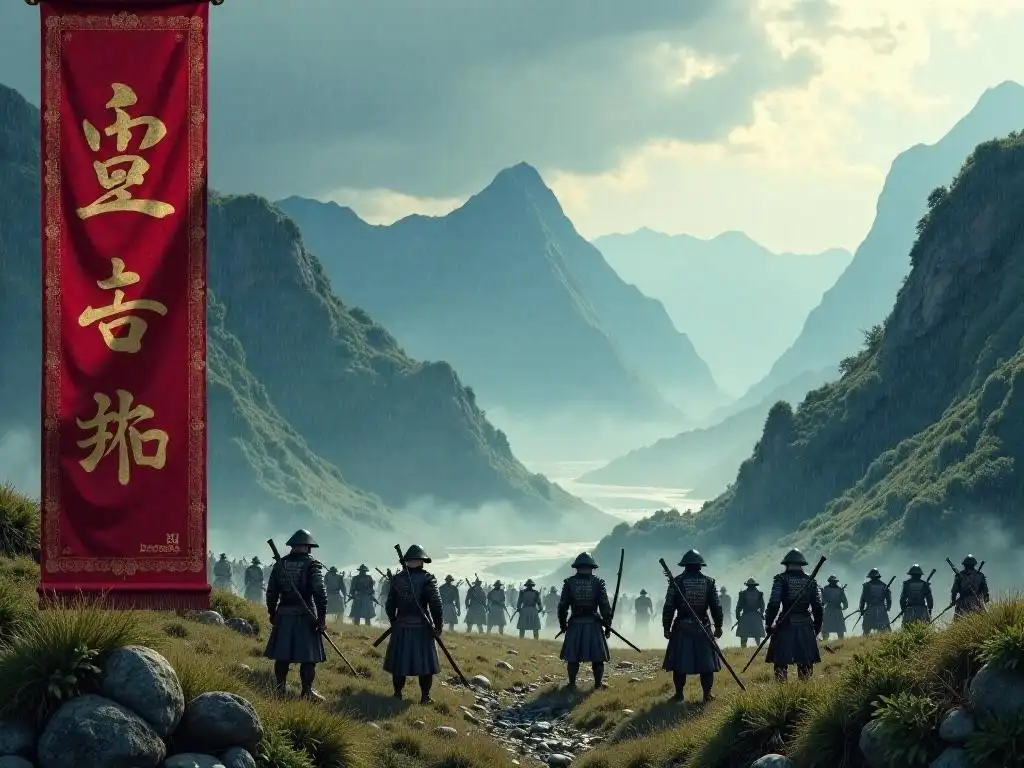
Traditional Japanese Warfare Tactics
Before the Mongol invasions in the late 13th century, Japanese battle strategies were heavily influenced by the unique social and cultural context of feudal Japan. Warfare during this period primarily revolved around the samurai class, whose code of conduct— Bushido—shaped their approach to combat. Traditional tactics included:
- Skirmishing and Ambush: Japanese armies often employed hit-and-run tactics, utilizing the terrain to their advantage. This guerrilla-style warfare aimed to disrupt enemy formations and create chaos.
- Formation Fighting: The use of formations like the Tachiwaki, which involved a line of infantry or cavalry attacking in unison, was common. This tactic aimed to maximize the impact of their numbers and weaponry.
- Siege Warfare: Fortifications were crucial in Japanese warfare. Castles served as strongholds during conflicts, and strategies for besieging these fortresses included encirclement and cutting off supply routes.
The emphasis on honor and personal combat also influenced Japanese tactics, leading to a preference for direct confrontations between individual samurai, often resulting in one-on-one duels that were seen as a test of skill and bravery.
Key Weapons and Armies of Feudal Japan
The effectiveness of Japanese battle strategies was further enhanced by the weapons and military organization of the time. Key elements included:
- Weapons:
- Katana: The iconic sword of the samurai, renowned for its sharpness and craftsmanship, played a central role in close-quarters combat.
- Yari (Spear): Used by foot soldiers, the yari was effective for thrusting attacks and could be employed in formation fighting.
- Bow and Arrow: Archery was a significant component of warfare, with samurai trained to shoot accurately while mounted.
- Military Organization:
- Samurai Clans: Feudal Japan was characterized by powerful clans led by samurai lords (daimyō). Each clan maintained its own army, composed of samurai and ashigaru (foot soldiers).
- Retainers: Lesser samurai served as retainers to their lords, forming a hierarchical structure that provided military resources and loyalty in exchange for land or protection.
The combination of these weapons and military organization enabled Japanese forces to engage effectively in both offensive and defensive operations.
Cultural Attitudes Toward Warfare Pre-Invasion
Cultural attitudes toward warfare in pre-Mongol Japan were deeply intertwined with social norms, religion, and the samurai ethos. Key aspects included:
- Honor and Prestige: Warfare was not merely a means to an end; it was also a way to gain honor and prestige. Victories in battle were celebrated, while defeats could lead to loss of status and shame.
- Spiritual Beliefs: Many samurai believed in divine protection and sought the blessings of kami (spirits) before battles. Rituals and prayers were common to ensure victory and safeguard their lives.
- Artistry in Combat: The samurai viewed combat as an art form, emphasizing skill, technique, and grace over mere brute strength. This perspective fostered a deep respect for the discipline and training required for effective warfare.
These cultural attitudes not only shaped the samurai's approach to battle but also set the stage for the profound impact the Mongol invasions would have on Japanese military strategies in the years to come.
The Mongol Invasions: A Turning Point in Japanese Military History
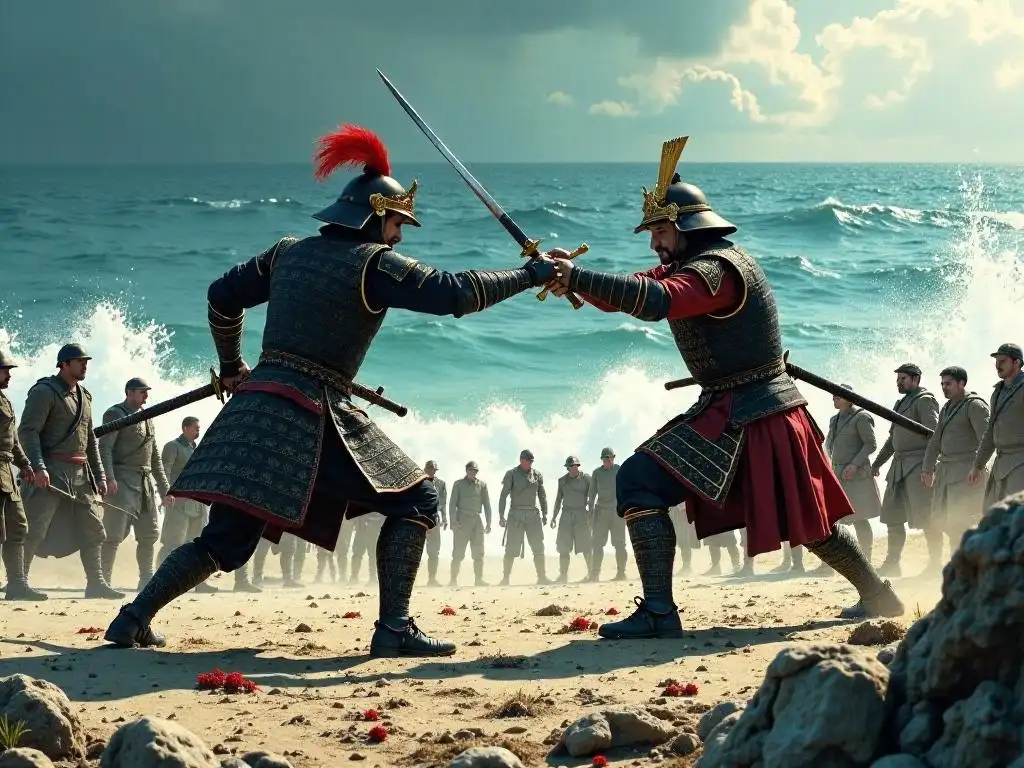
The Mongol invasions of Japan in the late 13th century represented a pivotal moment in Japanese military history, influencing not only battle strategies but also the broader socio-political landscape of the time. These invasions, launched under the leadership of Kublai Khan, were marked by unprecedented military tactics and challenges that forced Japan to adapt and evolve its own strategies in response to external threats.
Description of the 1274 Invasion
The first invasion occurred in 1274, involving a formidable fleet of around 900 ships and an estimated 15,000 troops, primarily made up of Mongol and Chinese soldiers. This invasion was notable for its rapid approach and the element of surprise, as the Mongols targeted the Tsushima and Iki islands before landing on the mainland at Hakata Bay, near present-day Fukuoka.
- Military Tactics Employed:
- Use of Composite Bows: The Mongol forces utilized powerful composite bows that allowed for longer-range attacks, which was a significant advantage over the traditional Japanese longbows.
- Mobility and Coordination: The Mongols were highly mobile and coordinated their land and naval assaults effectively, creating a multi-front attack strategy that Japan had never encountered before.
The initial skirmishes were characterized by the Mongols' superior tactics and organization, which put the Japanese defenders at a significant disadvantage. However, the invasion was ultimately thwarted due to a combination of fierce resistance from the samurai and the onset of a typhoon, known as "kamikaze" or "divine wind," which devastated the Mongol fleet and forced a retreat.
Description of the 1281 Invasion
The second invasion in 1281 was even more ambitious, with two separate fleets estimated to carry over 140,000 troops. This time, the Mongols sought to consolidate their previous gains and establish a more permanent foothold in Japan.
- Two-Pronged Attack:
- The invasion was divided into two main forces: one from the north, sailing from Korea, and another from the south, launching from China.
- Strategic Planning: The Mongol commanders aimed to encircle Japanese defenses and overwhelm them with sheer numbers.
Despite the Mongols' meticulous planning and overwhelming force, the Japanese had learned from their previous encounter. They fortified their coastal defenses and improved their battle strategies, which included:
- Construction of Defensive Works: Japanese forces built walls and fortifications along the coast to withstand the Mongol onslaught.
- Utilization of Terrain: The Japanese were adept at using their knowledge of local terrain to their advantage, engaging in guerrilla tactics and ambushes against the invading forces.
Like the first invasion, the second was met with a catastrophic turn of events. Another typhoon struck during the critical moments of the battle, leading to the destruction of a significant portion of the Mongol fleet, ultimately forcing them to retreat.
Initial Japanese Responses to Mongol Forces
In response to the Mongol invasions, Japan's military strategies underwent a significant transformation. The initial shock of the invasions led to a reevaluation of tactics, troop mobilization, and defense strategies.
- Mobilization of Samurai Forces:
- The samurai class rallied in defense of their homeland, showcasing their loyalty and martial prowess. The invasions sparked a sense of unity among the various clans, leading to increased collaboration.
- Adoption of New Tactics:
- The Japanese began incorporating more flexible tactics, drawing on the lessons learned from the Mongol strategies. This included improved communication and coordination among different samurai groups.
- Cultural Impact:
- The invasions fostered a nationalistic spirit and a distinct identity among the Japanese people. This period marked a shift in the samurai's role from mere retainers to defenders of the nation.
The Mongol invasions not only tested the military capabilities of Japan but also catalyzed a profound evolution in its battle strategies, ultimately shaping the future of Japanese warfare and contributing to the storied legacy of the samurai. The impact of these invasions remains a significant chapter in the narrative of Japan’s military history, illustrating the resilience and adaptability of its forces in the face of formidable external threats.
Analyzing the Impact of the Mongol Invasions on Japanese Battle Strategies
Changes in Military Organization and Structure
The Mongol invasions of Japan in the late 13th century prompted profound changes in the military organization and structure of the Japanese forces. Prior to these invasions, the samurai class operated within a feudal system that prioritized individual prowess and localized loyalty; however, the need for a coordinated national defense against a formidable foreign enemy led to significant reforms.
- Centralization of Command: The invasions necessitated a more centralized military command structure. Local warlords (daimyōs) began to unify their forces under a singular command to enhance coordination and strategic planning. This shift was crucial during the Mongol sieges of 1274 and 1281, where fragmented forces could have resulted in disaster.
- Formation of Alliances: The threat posed by the Mongols encouraged the formation of alliances among various clans. Uniting against a common enemy, clans that might have otherwise been rivals created a more cohesive defense strategy. These alliances often included promises of mutual support and resource sharing, enabling a larger and more effective military presence.
- Recruitment and Training: The invasions led to an increase in recruitment efforts, drawing more warriors into the samurai ranks. The urgency of the situation prompted changes in training regimens, emphasizing teamwork and discipline over the traditional focus on individual skill. This shift was essential for adapting to the Mongol tactics, which relied on coordinated assaults and group maneuvers.
Adaptation of Weapons and Armor in Response to Mongol Tactics
The Mongol invasions also catalyzed significant adaptations in the weapons and armor used by the Japanese forces. As the Mongols were known for their effective use of mounted archers and composite bows, the Japanese had to rethink their armaments to ensure they could counter these tactics.
- Enhanced Range and Firepower: Japanese forces began to adopt longer-range weapons to counter the Mongol archers. The use of the yumi (Japanese longbow) was refined, allowing for greater distance and accuracy. Additionally, gunpowder weapons, which were still in their infancy in Japan, started to gain attention and were gradually incorporated into the military arsenals.
- Armor Modifications: The Mongol style of warfare, which favored mobility and speed, prompted changes in Japanese armor. Traditional heavy armor was reconsidered in favor of lighter, more flexible designs that allowed for improved mobility on the battlefield. This adaptation enabled samurai to engage more effectively in hit-and-run tactics that could counter the Mongol cavalry's rapid maneuvers.
- Shielding Tactics: Japanese forces also began to develop new shielding tactics. The use of formations that maximized protection against arrows became standard practice. By adapting their battle formations to include overlapping shields and protective barriers, Japanese warriors could better withstand the initial barrages from Mongol archers.
The Mongol invasions not only impacted land warfare but also significantly influenced naval strategies in Japan. The necessity of defending the islands from Mongol fleets led to innovations that would reshape Japanese naval capabilities.
- Ship Design and Construction: In response to the Mongol naval threat, the Japanese began to enhance their shipbuilding techniques. The design of ships was modified to improve speed and maneuverability, crucial for engaging the larger Mongol vessels. Larger fleets were constructed, capable of carrying more troops and supplies, ensuring better logistical support during naval operations.
- Naval Tactics: The Mongol invasions prompted a reevaluation of naval tactics. Japanese commanders innovated by utilizing smaller, faster ships to outmaneuver the bulkier Mongol ships. Tactics such as flanking maneuvers and surprise attacks became essential components of Japanese naval engagement strategies.
- Defensive Measures: The construction of coastal fortifications increased significantly as a direct response to the Mongol threat. These fortifications were designed not only to repel invasions but also to provide safe harbors for Japanese fleets. The strategic placement of these defenses allowed for better control of maritime routes and protection of vital coastal regions.
The Mongol invasions had a profound impact on Japan's battle strategies, leading to significant changes in military organization, weaponry, and naval tactics. These adaptations not only helped Japan repel the Mongol forces but also laid the groundwork for future military developments in the centuries to come.
The Role of the Kamikaze: Divine Winds and Their Symbolism

Historical Context of Kamikaze in the Mongol Invasions
The term kamikaze, meaning "divine wind," is intrinsically linked to the Mongol invasions of Japan in the late 13th century, particularly the failed attempts in 1274 and 1281. The Mongols, led by Kublai Khan, sought to expand their empire by conquering Japan, believing that the islands could be easily subdued. However, both invasions met with fierce resistance from the Japanese samurai and were ultimately thwarted by powerful typhoons that struck during critical moments of the Mongol fleet's assaults.
These storms were not merely meteorological phenomena; they were interpreted by the Japanese as manifestations of divine intervention. The Japanese viewed the kamikaze as a protective force sent by the gods, specifically the Shinto deities, to preserve their homeland and way of life. This belief imbued the term kamikaze with deep spiritual significance and reinforced the notion that the Japanese were under divine protection against foreign invaders.
The first invasion in 1274 began with the Mongol fleet landing on the island of Tsushima, and while the Japanese forces initially struggled, they managed to regroup and repel the invaders. However, it was the catastrophic storm during the second invasion in 1281 that decimated the Mongol armada, leading to the destruction of a significant portion of their fleet. This event solidified the kamikaze's role in Japanese history as a symbol of hope and resilience against overwhelming odds.
The Psychological Impact of the Kamikaze on Japanese Forces
The psychological ramifications of the kamikaze phenomenon on Japanese forces were profound. The belief in divine intervention served to bolster the morale of the samurai and the general populace, fostering a sense of unity and purpose among the defenders. They viewed the kamikaze as a clear sign that their cause was just and that they were favored by the gods, which galvanized their resolve to fight against the Mongol invaders.
Additionally, the narrative surrounding the kamikaze helped to shape the identity of the samurai class. The idea that their bravery and commitment to defend Japan were backed by divine forces elevated their status and reinforced their martial ethos. Samurai warriors began to see themselves not just as skilled fighters but as the chosen defenders of the realm, tasked with upholding their honor and that of their ancestors.
This psychological boost was crucial during the chaotic battles against the Mongols. It instilled confidence in the samurai ranks, enabling them to counter the superior numbers and tactics employed by the Mongol forces. The conviction that they were protected by the kamikaze led to fierce and spirited resistance, which played a significant role in the eventual repulsion of the invasions.
Kamikaze's Legacy in Japanese Military Strategy
The legacy of the kamikaze extended beyond the immediate context of the Mongol invasions, influencing Japanese military strategy and ideology for centuries to come. The notion of divine support in battles became a recurring theme in Japanese warfare, shaping the strategies and tactics employed by samurai in subsequent conflicts.
The kamikaze phenomenon also contributed to the development of a unique military ethos characterized by a strong sense of nationalism and spiritual devotion. This ethos emphasized the importance of fighting for one's homeland and the belief that the spirits of their ancestors were watching over them. Such perspectives became integral to the samurai code of conduct, or Bushido, which prioritized loyalty, honor, and bravery in battle.
Moreover, the concept of kamikaze re-emerged during World War II, where it was adapted for use by Japanese pilots in suicide missions against Allied forces. The term was repurposed to reflect the same spirit of sacrifice and devotion that characterized the samurai during the Mongol invasions, illustrating how deeply embedded the symbolism of the kamikaze was within Japanese culture and military tradition.
The kamikaze not only played a critical role in the success of Japan during the Mongol invasions but also left an indelible mark on the evolution of Japanese military strategies and national identity. Its legacy continues to resonate in contemporary understandings of Japan's martial history and cultural narratives.
Long-Term Effects of the Mongol Invasions on Japanese Military Doctrine
The Mongol invasions of Japan in the late 13th century were not only significant military events but also pivotal moments that profoundly shaped Japanese military doctrine. The invasions, led by Kublai Khan in 1274 and 1281, prompted a reevaluation of Japan's military strategies, tactics, and overall approach to warfare. The encounters with the Mongol forces, known for their formidable organization and innovative techniques, instigated a transformation in how the Japanese viewed their own combat systems.
Evolution of Samurai Warfare Tactics Post-Invasion
The samurai class, which had been the backbone of Japan's military for centuries, underwent a notable evolution in tactics following the Mongol invasions. Initially, samurai warfare was characterized by individual combat skills, honor, and the use of swords and bows. However, the Mongol threat necessitated a shift towards more cohesive unit tactics and broader strategic considerations.
- Increased Emphasis on Naval Power: The invasions highlighted the necessity of a strong naval presence. The Japanese learned that controlling the seas was crucial for both defense and offense. Consequently, the samurai began to prioritize naval training, leading to the development of specialized naval units.
- Formation of Defensive Structures: The invasions prompted the construction of fortified coastal defenses. Castles and watchtowers became common along Japan's coasts, enabling better monitoring of potential threats and enhancing the samurai’s ability to respond effectively to invasions.
- Use of Archers and Gunpowder: The Mongols' effective use of mounted archers influenced Japanese tactics. Samurai began to incorporate more archers into their formations, focusing on ranged combat. Furthermore, the introduction of gunpowder weapons in the following centuries can be traced back to the changes initiated by the Mongol invasions.
This evolution of tactics represented a shift from an individualistic approach to a more collective mindset, where unit cohesion and strategic planning became paramount in military engagements.
Influence on Future Conflicts and Strategies
The impact of the Mongol invasions extended beyond immediate tactical changes; they also influenced Japan's military strategies in subsequent conflicts. The lessons learned from the invasions fostered a culture of preparedness and adaptability that would prove vital in later military engagements.
- Strategic Alliances: The invasions underscored the importance of forging alliances. Japanese leaders recognized that unity among the clans was essential in repelling foreign threats. This realization led to temporary alliances between rival samurai factions, setting a precedent for cooperative military efforts.
- Adaptation to Changing Warfare: The Mongol invasions served as a catalyst for the Japanese to adapt their military strategies to evolving warfare dynamics. For example, the need to counter the Mongol's cavalry tactics led to the development of new formations and combat techniques that would be employed in later conflicts, such as the Sengoku period.
- Incorporation of Mercenaries: The post-invasion period also saw an increase in the use of mercenaries and non-samurai fighters, reflecting a shift towards a more diverse military structure. This adaptation allowed for greater flexibility and resourcefulness in military campaigns.
Overall, the Mongol invasions instigated a strategic renaissance in Japanese military thought, allowing future generations to approach warfare with a more holistic perspective.
The Lasting Legacy of the Mongol Invasions in Japanese Military History
The legacy of the Mongol invasions is evident in the long-term evolution of Japanese military history. The events of the late 13th century established a foundation upon which future military doctrines were built.
- Cultural Memory and Military Identity: The successful defense against the Mongol invasions became a source of national pride and a significant part of Japanese military identity. This cultural memory persisted through generations, influencing the samurai ethos and military conduct in later conflicts.
- Influence on Feudal Governance: The invasions also had a profound impact on the political landscape of feudal Japan. The need for a unified response to external threats led to changes in governance structures, with more centralized power emerging in response to the need for coordinated military action.
- Historical Narratives in Warfare: The Mongol invasions shaped the narratives surrounding warfare in Japan. Stories of heroism and valor against a formidable foe became embedded in Japanese culture, influencing literature, art, and the collective consciousness of the samurai class.
The Mongol invasions left an indelible mark on Japanese military doctrine, shaping not only tactical approaches but also influencing broader strategies and cultural perceptions of warfare. The lessons learned from these encounters continue to resonate in Japan's military history, illustrating the profound and lasting impact of this pivotal period.
Conclusion: The Lasting Influence of the Mongol Invasions on Japan’s Battle Strategies

The Mongol invasions of the late 13th century were pivotal events that dramatically reshaped Japanese battle strategies. The attempts made by Kublai Khan's forces to conquer Japan in 1274 and 1281 were not only significant in their immediate military outcomes but also in the long-term evolution of Japanese warfare. The resilience displayed by the Japanese in repelling these invasions led to a series of strategic adaptations that would influence military practices for generations.
Summary of Key Changes in Japanese Warfare
The Mongol invasions prompted several crucial changes in the way Japanese warriors approached battle:
- Adaptation of Naval Tactics:
- The invasions underscored the importance of naval power. The Japanese learned to develop strategies that took advantage of their home waters, using smaller, faster ships that could outmaneuver the larger Mongol vessels.
- The use of fire ships became more prevalent, allowing Japanese forces to disrupt Mongol fleets effectively.
- Increased Emphasis on Fortifications:
- The Mongols' initial successes highlighted the need for stronger defensive structures. This led to the construction of coastal fortifications and watchtowers, enabling better surveillance and defense against future threats.
- Samurai began to incorporate fortification tactics into their strategies, learning from the siege techniques employed by Mongol forces.
- Evolution of Combat Techniques:
- The invasions introduced the Japanese to new combat methods, including the use of mounted archers, which were a hallmark of Mongol warfare.
- This necessity to adapt led to a fusion of traditional samurai techniques with learned Mongolian tactics, resulting in a more versatile approach to combat.
- Strategic Alliances and Unity:
- The Mongol threat unified various Japanese clans, fostering a sense of collective identity among the samurai. This led to more organized military campaigns and a focus on collaborative tactics during warfare.
- The invasions set a precedent for future alliances, influencing how samurai and clans would approach conflicts in the years to come.
Reflection on the Historical Significance of the Mongol Invasions Impact on Japan
The impact of the Mongol invasions on Japan transcends mere military tactics; it is a testament to the resilience and adaptability of the Japanese people. The invasions not only strengthened the samurai ethos but also solidified the idea of Japan as a formidable power in East Asia.
Moreover, the experiences gained from these conflicts contributed to the evolving narrative of Japanese nationalism. The successful defense against the Mongol invasions became a source of pride and myth, influencing literature, art, and cultural identity. The legacy of this period is evident in how Japan approached future conflicts, always recalling the lessons learned from resisting one of the largest empires in history.
The Mongol invasions were not merely a historical footnote but a catalyst that profoundly shaped the trajectory of Japanese military history. The adaptations in battle strategies, the emphasis on unity, and the cultural reflections spurred by these invasions resonate throughout Japan's subsequent military endeavors, marking a significant turning point in its feudal era.
References and Further Reading on Mongol Invasions and Japanese Military History
Suggested Books and Articles
- "The Mongol Invasions of Japan 1274 and 1281" by Stephen Turnbull
- This book provides an in-depth analysis of the two major Mongol invasions of Japan, detailing the strategies employed by both the Mongol forces and the Japanese defenders. It explores the socio-political climate of the time and the aftermath of these invasions on Japanese military tactics.
- "Japan's Mongol Wars: The Samurai's Last Stand" by David H. Kahn
- Kahn's work offers a captivating narrative of the battles, focusing on the role of the samurai and their evolving battle strategies in response to the Mongol threat. The book includes illustrations and maps that enhance the understanding of the tactical challenges faced by the Japanese.
- "The Kamakura Period: A History" by Richard Bowring
- Although broader in scope, this book contextualizes the Mongol invasions within the Kamakura period, shedding light on how these events reshaped Japanese military organization and societal structures.
- "War in Japan: 1336-1615" by John W. Hall
- This comprehensive study discusses the changes in warfare strategies throughout Japanese history, including the impact of the Mongol invasions on subsequent military practices.
- "The Making of Modern Japan" by Bruce Cummings
- This book offers a more modern perspective, linking the historical context of the Mongol invasions to the development of contemporary Japanese military thought and strategy.
Online Resources for Further Exploration
- The Samurai Archives
- A valuable online repository of articles and discussions about samurai history, including detailed accounts of the Mongol invasions and their implications for Japanese warfare.
- The National Diet Library of Japan
- This site provides digitized historical documents and resources related to the Mongol invasions, offering primary sources that can deepen understanding of the events and their impact.
- The Asia-Pacific Journal: Japan Focus
- A platform featuring scholarly articles on various aspects of Japanese history, including military strategies and the influence of the Mongol invasions.
- Japan Society
- An organization that offers various resources on Japanese history and culture, including seminars, lectures, and publications focusing on military history.
- YouTube Documentaries
- Channels such as "Kings and Generals" and "History Time" provide engaging video content that visually documents the Mongol invasions and their effects on Japan, making complex information more accessible.
By delving into these suggested readings and online resources, scholars and enthusiasts alike can gain a deeper appreciation of the Mongol invasions' impact on Japan's military strategies and historical development.
Frequently Asked Questions
What were the Mongol invasions of Japan?
The Mongol invasions refer to two failed attempts by Kublai Khan in 1274 and 1281 to conquer Japan, which significantly influenced Japanese military tactics and national identity.
How did the Mongol invasions affect Japanese battle strategies?
The invasions led to the development of new strategies focused on defensive warfare, including the use of fortifications and naval tactics that better prepared Japan for future conflicts.
What role did the kamikaze play during the invasions?
The kamikaze, or "divine winds," were typhoons that destroyed much of the Mongol fleet, reinforcing the belief that divine intervention protected Japan from foreign threats.
How did the Mongol invasions influence Japanese society?
The invasions fostered a sense of unity against a common enemy, leading to increased nationalism and the eventual rise of the samurai class as defenders of the realm.
What long-term effects did the Mongol invasions have on Japan's military development?
The invasions prompted Japan to enhance its military organization, leading to advancements in weaponry, tactics, and the establishment of a more structured feudal system.
Final Reflection: The Enduring Legacy of the Mongol Invasions on Japanese Warfare
The Mongol invasions of the 13th century were not just a series of military campaigns; they were pivotal events that reshaped Japan's battle strategies and national identity. Today, as we examine the historical narratives of resilience and adaptation, it becomes clear that the lessons learned from these invasions continue to resonate in contemporary discussions about defense, strategy, and national unity. The courage displayed by the samurai and the innovative tactics developed in response to the Mongol threat serve as a powerful reminder of how adversity can forge strength and ingenuity.
The impact of the Mongol invasions on Japan is not merely a relic of the past; it has profoundly influenced the cultural and social landscape of the nation. The spirit of unity and determination that emerged during this tumultuous period is still evident in Japan's approach to challenges today. As historian Stephen Turnbull noted, The Mongol invasions were a crucible that tested and ultimately defined the Japanese warrior ethos.
This enduring ethos continues to inspire not only military strategies but also the broader cultural narrative of perseverance and resilience that characterizes Japan's identity.
As we reflect on the lessons gleaned from the Mongol invasions, I invite you to consider how these historical events can inform your own life. How can the principles of adaptability and unity in the face of adversity guide you in your personal or professional challenges? Embrace the spirit of the samurai, drawing strength from the past to navigate the complexities of the present and future. Let the legacy of these invasions inspire you to confront your own battles with courage and creativity, ensuring that the lessons of history remain alive in our hearts and actions.
Unveil New Strategies: Transform Your Understanding of Japanese Warfare!
Thank you for diving into the fascinating world of Japanese battle strategies shaped by the Mongol invasions! Your interest in this pivotal period not only enhances your knowledge but also connects you with the resilient spirit of feudal Japan. Now, it's time to take action and deepen your insights.
Here are a few practical steps you can take:
- Explore further: Investigate how various historical events influenced Japanese warfare. Discover additional resources or books that delve into the intricacies of feudal tactics and strategies.
- Share your insights: Discuss your newfound knowledge with friends or participate in online forums. Spark conversations about how these historical battles continue to resonate in today's world.
- Join a community: Connect with history enthusiasts through social media groups or local clubs that focus on Asian history. Engaging with others can deepen your understanding and provide new perspectives.
What modern strategies do you believe today’s leaders could learn from the resilience and tactics employed during the Mongol invasions?