
The Evolution of Archery Tactics in Feudal Japan

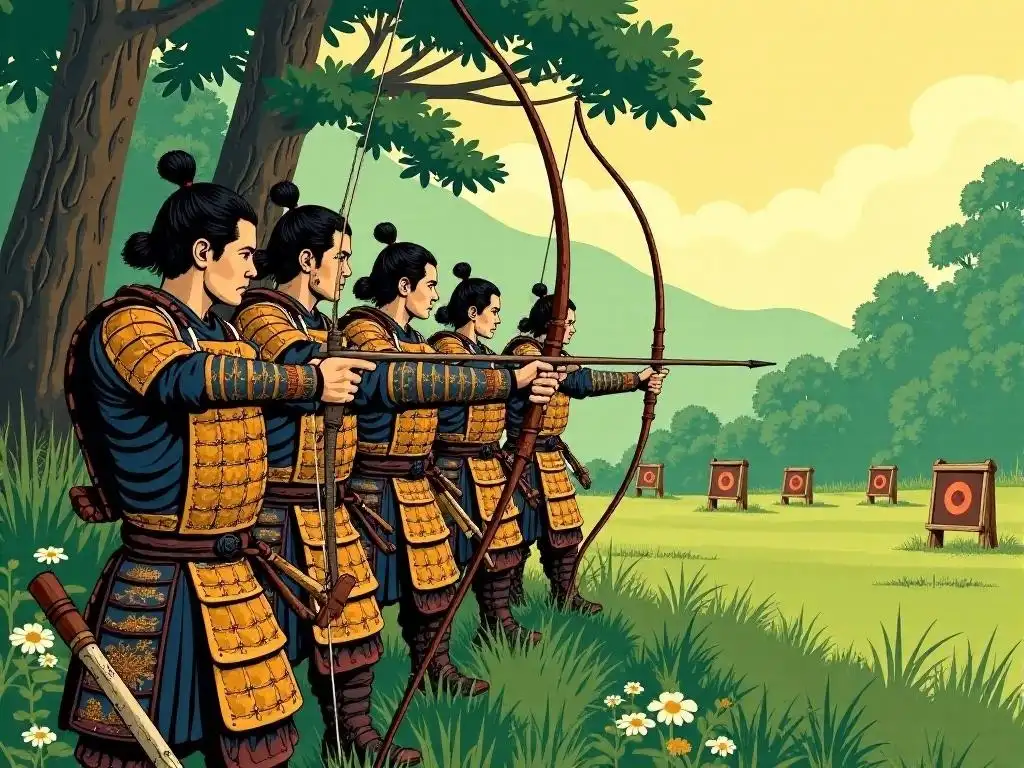
Welcome to Feudal Japan History, where we delve into the rich tapestry of Japan's feudal era, unraveling the intricate threads of its historical, cultural, and societal aspects. In our featured article, "The Evolution of Archery Tactics in Feudal Japan," we invite you to discover the strategic brilliance that shaped battles and defined honor on the field. What innovations and techniques did warriors employ to master this ancient art? Join us as we explore the fascinating world of archery tactics, revealing insights that will leave you eager to learn more about the military history that forged a nation.
Introduction to Archery Tactics in Feudal Japan
Archery has long been an integral component of Japan's military history, particularly during the tumultuous periods of feudalism. The development of archery tactics in feudal Japan is not merely a tale of bows and arrows; it reflects the evolving warfare strategies, cultural values, and societal structures of the time.
This article aims to provide a comprehensive exploration of the various archery tactics employed throughout Japan's feudal era, illustrating how these techniques were shaped by historical events, regional conflicts, and the cultural significance of archery itself. By examining the evolution of these tactics, we gain insight into the martial prowess of samurai warriors and the pivotal role archery played on the battlefield.
Historical Context of Archery in Japan
Understanding the evolution of archery tactics necessitates a look at the historical backdrop against which these techniques developed. The practice of archery in Japan has its roots in ancient traditions and has undergone significant transformations over the centuries.
The Origins of Archery in Ancient Japan
The origins of archery in Japan can be traced back to prehistoric times, when it was primarily used for hunting and rituals. Early bows were often simple in design but effective in function, highlighting the ingenuity of early Japanese hunters. As society progressed, archery began to gain prominence in warfare. The introduction of the Yumi, a uniquely shaped longbow, marked a significant advancement in archery technology. Its asymmetric design allowed for greater power and accuracy, leading to its widespread adoption among samurai.
- Key Developments:
- Prehistoric Use: Archery for hunting and ceremonial purposes.
- Introduction of the Yumi: A pivotal moment in archery evolution.
- Cultural Significance: Archery as a symbol of martial virtue.
The Rise of Feudalism and Its Impact on Archery
The rise of feudalism in the late 12th century dramatically reshaped the landscape of Japanese society and its military tactics. With the emergence of powerful samurai clans, archery tactics evolved to meet the demands of warfare during this period. The samurai’s code of conduct, known as Bushido, emphasized skill in archery as a reflection of honor and discipline.
As conflicts escalated among rival clans, archery tactics became increasingly sophisticated. Strategies such as the use of mounted archers, who could shoot while galloping, and ranked formations in battle became prevalent. These advancements allowed armies to maximize their effectiveness in combat, blurring the lines between traditional and tactical archery.
- Influences of Feudalism on Archery:
- Samurai Class: Elevated status of archers within the military structure.
- Tactical Innovations: Development of new formations and techniques.
- Cultural Integration: Archery as a vital skill within the samurai ethos.
Through this exploration of historical context, we can better appreciate the intricate relationship between archery tactics and feudal Japan's social dynamics. The subsequent sections will delve deeper into specific tactics employed during battles, the training regimens of samurai archers, and the lasting impact of these practices on modern Japanese culture.
Development of Archery Techniques
The evolution of archery tactics in feudal Japan reflects a dynamic interplay between military necessity, cultural influences, and advancements in technology. Initially, archery was a vital skill for samurai, who were trained from a young age in the art of the bow. Over the centuries, the techniques and tactics surrounding archery evolved significantly, adapting to the changing nature of warfare and the needs of the battlefield.
During the Heian period (794-1185), the focus of archery was primarily on individual skill and ceremonial practices. However, as Japan transitioned into the Kamakura period (1185-1333), archery began to be integrated into more structured military tactics. This period saw the rise of the mounted archer, who had to master the art of shooting from horseback while maintaining control over the steed. The introduction of the longbow, or "yumi," allowed for greater range and power, further enhancing the effectiveness of archers in combat.
As warfare intensified during the Muromachi period (1336-1573), archery tactics became more sophisticated. The establishment of the Ashikaga shogunate led to the need for strategic military formations that utilized archers more effectively. The combination of foot soldiers and mounted archers allowed for coordinated attacks that leveraged both mobility and ranged capabilities. By the time of the Sengoku period (1467-1603), archery had become an integral part of battlefield tactics, with dedicated units of archers playing crucial roles in various conflicts.
Traditional Archery Methods
Traditional archery methods in feudal Japan were rooted in a combination of practicality and cultural significance. The most recognized style, known as "kyudo," emphasized not only the technical skills of shooting but also the philosophical and spiritual aspects of the practice. Archers trained extensively in drawing, aiming, and releasing arrows while adhering to specific stances and breathing techniques that influenced their accuracy.
The "yumi," or Japanese longbow, was a pivotal element in traditional archery methods. Crafted from a combination of bamboo, wood, and leather, the yumi was designed to be longer than Western bows, allowing for a unique draw and shooting technique. Archers often used a technique called "nocking," which involved placing the arrow on the bowstring while aligning their body and stance to maximize efficiency and precision.
Training was rigorous, often beginning in childhood, and included not only physical conditioning but also mental discipline. Archers were taught to maintain focus and calmness amidst the chaos of battle, reflecting the samurai ethos of self-control and honor. Moreover, traditional competitions and ceremonies, such as the "kyudo" tournaments, played a significant role in preserving these methods and ensuring their continuation through generations.
Innovations in Archery Equipment
The evolution of archery tactics in feudal Japan was significantly influenced by innovations in archery equipment. The development of the "yumi" itself marked a major advancement; its asymmetrical design allowed for greater power and accuracy while shooting from horseback. This bow was complemented by the use of specialized arrows, which varied in length, fletching, and tip design depending on the intended use—whether for hunting, warfare, or ceremonial purposes.
The introduction of the "ya," or arrow, saw various enhancements, including the use of different materials for the shaft and fletching. In particular, the use of feather fletching from birds like the goose or eagle improved flight stability and accuracy. Additionally, the arrowheads evolved to include various designs tailored for specific combat scenarios, such as broadheads for maximum damage or bodkin points for piercing armor.
Another important innovation was the development of protective gear for archers. As the role of archers in battle became more prominent, the need for armor that allowed freedom of movement while providing protection became essential. This led to the creation of lightweight, flexible armor that could be worn without hindering an archer's shooting ability.
Key Battles and Archery Tactics
The strategic application of archery tactics played a crucial role in several key battles throughout feudal Japan. As warfare progressed, the ability to effectively utilize archers on the battlefield became a defining characteristic of successful military campaigns. These tactics not only involved the individual skill of the archers but also encompassed broader strategies that maximized their effectiveness in various combat scenarios.
Notable Battles Featuring Archery
One of the most significant battles that showcased the effectiveness of archery tactics was the Battle of Kurikara in 1189, where Minamoto no Yoritomo's archers played a pivotal role in the victory against the rival Taira clan. The archers were positioned strategically to rain arrows down upon the enemy, disrupting their formations and morale.
Similarly, during the Battle of Nagashino in 1575, the use of firearms began to overshadow traditional archery; however, the tactics of positioning archers in a defensive formation alongside gunmen allowed for a combined arms approach that proved effective against the cavalry charges of the Takeda clan. This battle highlighted the adaptability of archery tactics amid changing military technologies.
Tactical Formations and Strategies
Archery tactics in feudal Japan also involved sophisticated formations that maximized the strengths of archers while mitigating their vulnerabilities. One popular formation was the "suwari" position, where archers would sit cross-legged on the ground to provide a stable shooting platform. This formation was particularly effective in ambush scenarios, allowing for surprise attacks from concealed positions.
Another tactical strategy was the use of "kakumei," or wedge formations, where archers would be positioned at the forefront of the advancing troops. This allowed them to unleash a volley of arrows while the infantry followed closely behind, providing a protective screen from enemy forces.
The integration of archers within larger military units also became common; archers would be stationed behind infantry lines, allowing them to provide covering fire while foot soldiers engaged the enemy in close combat. This synergy between different combat roles exemplified the evolving nature of warfare in feudal Japan, highlighting the importance of archery tactics in achieving victory on the battlefield.
Cultural Significance of Archery Tactics
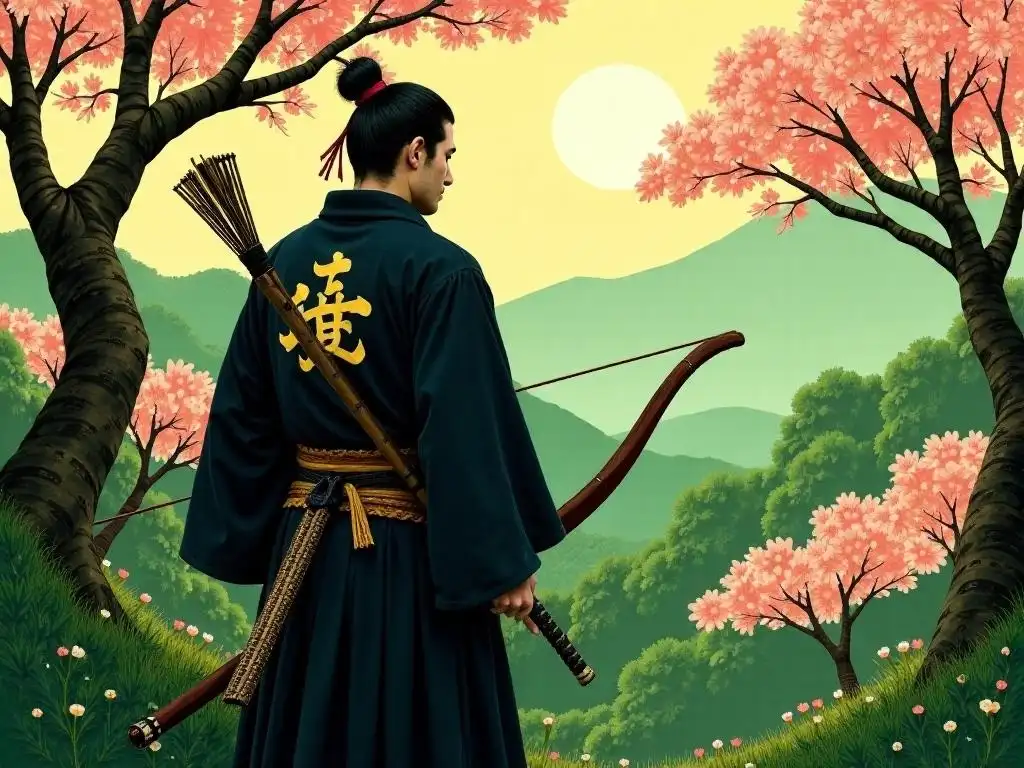
Archery tactics in feudal Japan were not only a crucial element of military strategy but also held deep cultural significance. The practice of archery was intertwined with the samurai ethos, embodying virtues such as precision, discipline, and honor. The bow, known as the yumi, was more than a weapon; it symbolized the samurai's connection to nature and their role as protectors of the realm. The art of archery was often seen as a form of meditation, requiring intense focus and mental clarity, which reflected the samurai's broader philosophical outlook.
The importance of archery extended beyond the battlefield and was a prominent aspect of samurai training. The rigorous practice of archery helped forge the character of warriors, instilling values such as perseverance and respect for one's opponent. This cultural dimension of archery tactics contributed to the development of various archery schools, each emphasizing different techniques and philosophies, thereby enriching Japan's martial heritage.
Archery in Samurai Culture
In samurai culture, archery was a revered skill, often considered a rite of passage for young warriors. The tradition of kyujutsu, or the art of archery, began in the Heian period (794-1185) and evolved significantly during the Kamakura and Muromachi periods. Archers were trained in specific stances, drawing techniques, and aiming methods, emphasizing the importance of posture and breath control.
The yumi itself was a unique asymmetrical bow that allowed for greater power and range. Samurai utilized a variety of tactics, such as mounted archery ( umajirushi), where they would shoot arrows while riding on horseback, showcasing their skill and agility. This practice was not just about hitting a target; it was a display of mastery over both the weapon and the horse, reflecting the samurai's martial prowess.
Moreover, archery was a part of samurai competitions and festivals, where warriors would demonstrate their skills in a ceremonial context. These events reinforced community bonds and highlighted the cultural significance of archery within the feudal hierarchy, as they often included displays of loyalty and honor among clans.
Archery in Japanese Arts and Literature
The influence of archery tactics in feudal Japan also permeated the realms of art and literature. The imagery of archers and archery was prevalent in various artistic expressions, including paintings, woodblock prints, and sculptures. Artists often depicted scenes of valor and heroism in battle, with archers representing the ideal warrior archetype.
In literature, archers were frequently celebrated in poetry and prose, symbolizing the virtues of bravery and precision. Classic works, such as The Tale of the Heike, highlight the pivotal role of archers in historical battles, weaving narratives that elevate archery as both an art form and a critical military strategy. The emotional weight of archery in these stories underscored its significance in shaping societal values and the samurai code of conduct.
Additionally, traditional practices such as kyudo, the way of the bow, evolved from these historical roots, emphasizing spiritual and philosophical dimensions. This practice remains an important cultural aspect in modern Japan, illustrating how the legacy of archery tactics continues to influence contemporary Japanese identity.
Decline of Archery Tactics in the Modern Era
As Japan transitioned from a feudal society to a modern state in the late 19th century, the role of archery tactics began to diminish significantly. The advent of firearms and modern warfare technology rendered traditional archery less relevant on the battlefield. The introduction of rifles and artillery changed military strategies, leading to a decline in the number of trained archers within the samurai class.
Furthermore, the Meiji Restoration (1868) marked a significant transformation in Japan's military organization. The government focused on building a modern army equipped with Western technology, which included the adoption of military tactics that prioritized rapid firepower over traditional methods. This shift resulted in the sidelining of archery as a primary combat skill, relegating it to ceremonial roles and traditional practices.
Transition from Feudal to Modern Warfare
The transition from feudal to modern warfare involved a complete overhaul of military tactics and training. The samurai, once the elite warriors of Japan, faced a new reality where their skills in archery were no longer sufficient for the demands of contemporary combat. This change was further emphasized by the establishment of conscription and the formation of a standing army, which drew recruits from across all social classes, diluting the samurai's traditional monopoly on martial prowess.
As firearms became the standard, the emphasis shifted from individual skill to coordinated unit tactics, diminishing the importance of personal weaponry like the bow. However, the cultural legacy of archery remained, influencing Japanese martial arts and contributing to the rich tapestry of Japan’s historical narrative. Despite its decline in practical application, archery tactics are still honored in modern Japan, preserved through cultural practices and martial arts that celebrate this significant aspect of feudal history.
Conclusion: The Legacy of Archery Tactics in Feudal Japan
The legacy of archery tactics in feudal Japan is profound and multifaceted, influencing not only military strategies but also cultural practices and social structures. The evolution of archery, from the early use of the yumi (longbow) in warfare to its integration into martial arts and ceremonial activities, showcases a rich history that reflects the changing dynamics of Japanese society.
Throughout the feudal period, archery tactics adapted to meet the demands of various conflicts, from the Genpei War to the Sengoku period. The ability to shoot accurately from horseback, coupled with the development of coordinated formations, made archers essential components of samurai armies. Notably, the tactics employed by archers during battles like the Battle of Nagashino demonstrated the effectiveness of combined arms strategies, where infantry and cavalry worked in unison to maximize combat effectiveness.
The influence of archery extended beyond the battlefield; it became a symbol of the samurai ethos and a key aspect of cultural identity. The practice of kyudo, or Japanese archery, emerged as a disciplined art form, emphasizing not just precision but also the philosophical and meditative aspects of the practice. This transformation highlights how military techniques were woven into the fabric of Japanese culture, influencing arts, literature, and even spiritual practices.
Today, the legacy of archery tactics in feudal Japan is preserved through historical studies, martial arts, and cultural festivals. The principles of discipline, focus, and strategic thinking that were integral to archery during the feudal era continue to resonate in modern Japanese society. Understanding these tactics provides insight into the broader military history of Japan and the enduring impact of the samurai warrior class.
References
- Turnbull, Stephen. The Samurai: A Military History. London: Cassell, 2000.
- Hurst, G. Cameron. Arming the Samurai: The Tradition of Japanese Archery. New York: Columbia University Press, 1998.
- Hane, Mikiso. Modern Japan: A Historical Survey. Westview Press, 2013.
- Johnson, David. The Yumi: The Japanese Longbow. Tokyo: Kodansha International, 1997.
- Sugiyama, Masahiro. "The Evolution of Samurai Warfare." Japanese Studies Review, vol. 12, no. 1, 2005, pp. 45-60.
- Introduction to Archery Tactics in Feudal Japan
- Historical Context of Archery in Japan
- Development of Archery Techniques
- Key Battles and Archery Tactics
- Cultural Significance of Archery Tactics
- Decline of Archery Tactics in the Modern Era
- Conclusion: The Legacy of Archery Tactics in Feudal Japan
- References
Frequently Asked Questions
What were the main archery tactics used in feudal Japan?
The main archery tactics included mounted archery, known as "yabusame," and strategic positioning during battles, allowing for maximum impact and mobility.
How did archery evolve during the feudal era in Japan?
Archery evolved significantly, influenced by military needs and the adoption of new techniques. This included the integration of longer bows and specialized training for warriors.
What role did archery play in samurai culture?
Archery was seen as a vital skill for samurai, symbolizing discipline and precision. It was often incorporated into training regimens and ceremonial practices.
Were there any famous archers in feudal Japan?
Yes, figures like Minamoto no Yoshitsune and Nasu no Yoichi are renowned for their exceptional skills in archery, contributing to historic battles and legends.
How did archery tactics impact battles in feudal Japan?
Archery tactics provided a strategic advantage in battles, allowing for effective long-range attacks and the ability to disrupt enemy formations, often determining the outcome of conflicts.
Final Reflection: The Enduring Legacy of Archery Tactics in Feudal Japan
The evolution of archery tactics in feudal Japan serves as a testament to the ingenuity and adaptability of martial practices that shaped a nation. Today, as we navigate a world increasingly defined by technology and rapid change, the strategic principles derived from these ancient practices remain relevant. The lessons learned from the precision, discipline, and adaptability of these archers can inspire modern approaches to both personal and professional challenges.
The impact of archery tactics in feudal Japan extends far beyond the battlefield; it has woven itself into the cultural fabric of Japan, influencing art, philosophy, and even modern sports. The meticulous training and strategic thinking required in archery reflect a broader ethos of perseverance and focus that resonates with many aspects of life today. In archery, as in life, the journey toward mastery is as important as the target itself.
This sentiment encapsulates the ongoing relevance of these historical tactics, reminding us that the pursuit of excellence is a timeless endeavor.
As we reflect on the rich history of archery tactics in feudal Japan, I invite you to consider how these principles can be applied in your own life. What targets are you aiming for, and what strategies can you adopt to achieve them? Embrace the spirit of the samurai archer—cultivate patience, precision, and adaptability in your pursuits. By doing so, you not only honor the legacy of those who came before us but also empower yourself to navigate the complexities of the modern world with confidence and clarity.
Unveil the Art of Archery in Feudal Japan!
Thank you for diving into the fascinating world of archery tactics in Feudal Japan! By exploring the evolution of these strategies, you've gained insights into the skill and precision that defined the warriors of this era. Now, it’s time to take that knowledge further and deepen your connection to this incredible history.
Here are some inspiring steps you can take right now:
- Join an archery class: Experience the discipline and technique firsthand by finding a local archery range or dojo.
- Organize a historical discussion: Gather friends or fellow history enthusiasts to explore the impact of archery tactics on warfare during Feudal Japan.
- Share your passion: Post about your insights on social media or in community forums – your discoveries could spark someone else's curiosity!
What aspect of Feudal Japanese archery tactics fascinates you the most, and how do you see its influence in today’s world?