
The Development of Cavalry Tactics in Feudal Japan

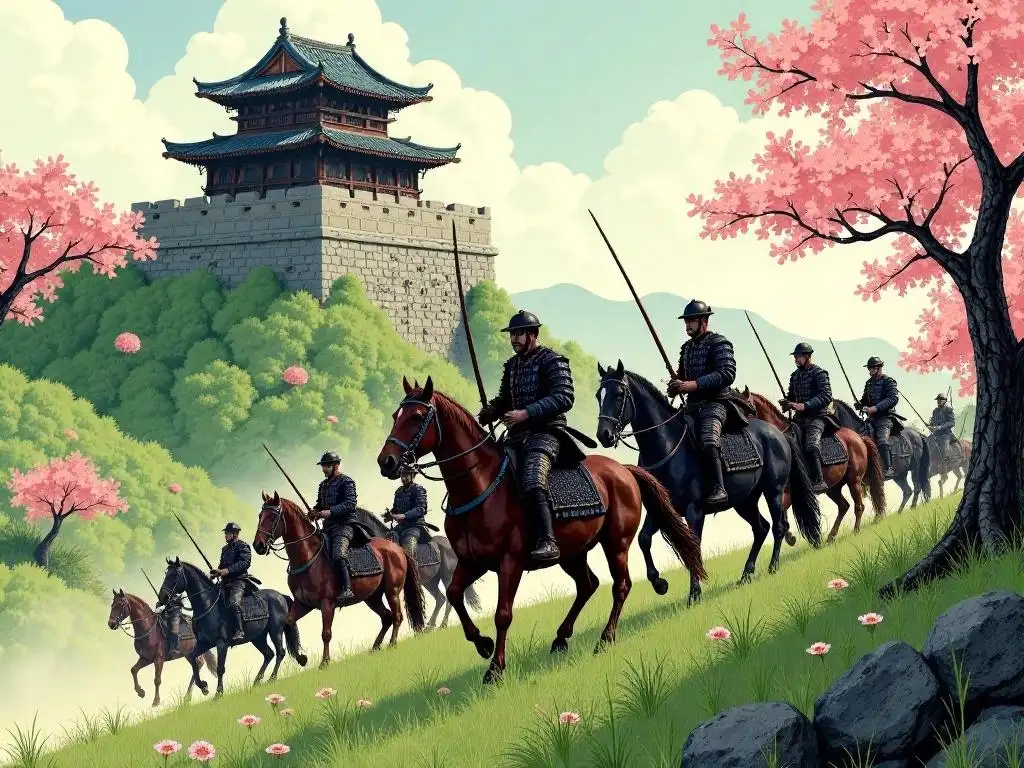
Welcome to Feudal Japan History, where we embark on an intriguing journey through the complexities of Japan's feudal era. This is a realm where honor clashed with strategy, and every battle had its own tale to tell. In our featured article, "The Development of Cavalry Tactics in Feudal Japan," we delve into the evolution of warfare and the pivotal role that cavalry played in shaping the outcomes of key conflicts. Prepare to uncover the secrets behind these formidable strategies and how they influenced not just battles, but the very fabric of society. Curiosity awaits—let’s gallop into history together!
- Introduction to Cavalry Tactics in Feudal Japan
- The Evolution of Cavalry Tactics in Feudal Japan
- Key Features of Cavalry Tactics in Feudal Japan
- Major Battles and Their Impact on Cavalry Tactics
- The Influence of Geography on Cavalry Tactics
- Cultural Aspects of Cavalry in Feudal Japan
- The Decline of Cavalry Tactics in Japan
- Conclusion: The Legacy of Cavalry Tactics in Feudal Japan
- References and Suggested Reading on Cavalry Tactics in Feudal Japan
-
Frequently Asked Questions
- What were the primary cavalry tactics used in feudal Japan?
- How did the terrain influence cavalry tactics in feudal Japan?
- What role did the samurai play in cavalry tactics?
- How did technology impact cavalry tactics in feudal Japan?
- Were there significant battles that showcased cavalry tactics in feudal Japan?
- Final Reflection: The Enduring Legacy of Cavalry Tactics in Feudal Japan
- Unleash Your Inner Strategist!
Introduction to Cavalry Tactics in Feudal Japan
The development of cavalry tactics in feudal Japan represents a fascinating intersection of military innovation and the cultural dynamics of a society steeped in tradition. As we delve into this subject, we will explore not only the strategic evolution of cavalry units but also the broader implications for Japanese warfare during the feudal era.
The period was marked by a distinct hierarchy, the rise of samurai culture, and the transformation of battlefield engagements, all of which played a pivotal role in shaping the tactics employed by mounted troops. This exploration aims to provide a comprehensive overview of how cavalry tactics evolved in response to the changing military landscape and the unique challenges posed by the terrain, technology, and enemy forces.
Overview of Feudal Japan's Military Landscape
Feudal Japan, spanning from the late 12th century to the 19th century, was characterized by a decentralized political structure dominated by regional warlords known as daimyo. The constant power struggles among these factions led to a unique military environment where tactics were continually refined.
- Key Features of Feudal Japan's Military Structure:
- Daimyo and Samurai: The feudal lords (daimyo) commanded armies of samurai, who were not only warriors but also loyal retainers.
- Peasant Soldiers: In addition to samurai, peasant conscripts were often mobilized, further diversifying the military forces.
- Terrain Challenges: Japan's varied geography, including mountains and forests, influenced how battles were fought, often favoring infantry engagements.
Cavalry units, though not the primary force in most battles, evolved as a crucial element in the military tactics employed by these feudal lords. Their adaptability and speed began to redefine engagement rules on the battlefield.
Importance of Cavalry in Historical Context
Cavalry played a significant role in the historical context of feudal Japan, particularly as the art of war evolved and new challenges emerged. The following aspects highlight the importance of cavalry within this framework:
- Mobility and Speed: Cavalry units provided a rapid response capability that infantry alone could not match, allowing for quick flanking maneuvers and retreats.
- Psychological Impact: The presence of mounted warriors often instilled fear and disorder among enemy ranks, disrupting formations and strategies.
- Adaptation of Tactics: Over time, as warfare became more complex, cavalry tactics evolved to include formations, coordinated charges, and integrated strategies with infantry forces.
The development of cavalry tactics in feudal Japan was not merely a military advancement but a reflection of the broader societal and cultural shifts occurring during this period. Understanding these tactics offers valuable insights into the dynamic nature of feudal Japanese warfare and the enduring legacy of the samurai.
The Evolution of Cavalry Tactics in Feudal Japan
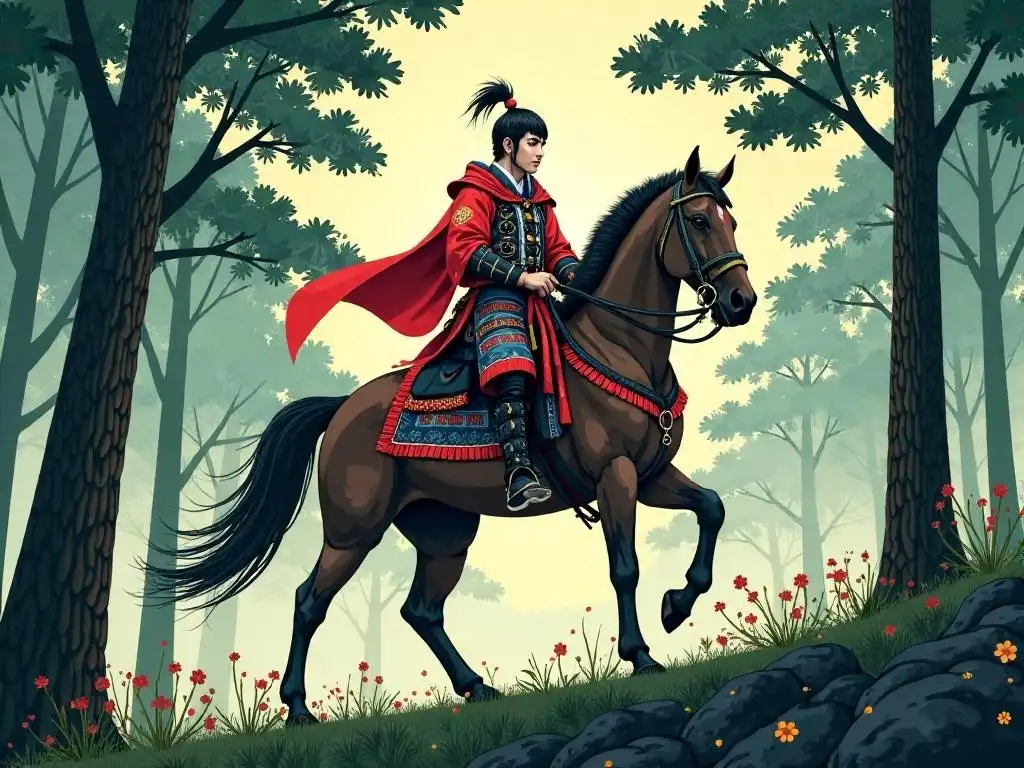
Early Medieval Period: The Formation of Cavalry Units
The early medieval period in Japan, particularly during the Heian era (794–1185), marked significant developments in the formation and use of cavalry units. Initially, Japanese warfare relied heavily on infantry, with warriors primarily fighting on foot. However, as conflicts intensified and the need for mobility in battle became apparent, the incorporation of cavalry began to take shape.
During this period, the concept of cavalry was influenced by the adoption of horses for transportation rather than solely for battle. The Kamakura period (1185–1333) saw the formal establishment of cavalry units, which were composed mainly of mounted warriors referred to as bushi. These mounted warriors were instrumental in enhancing battlefield mobility and were often used for flanking maneuvers and rapid assaults.
Key characteristics of cavalry units during the early medieval period included:
- Horse Breeding: The development of skilled horse breeding practices led to stronger and faster horses, which were essential for effective cavalry operations.
- Armor and Equipment: Cavalry units began to utilize specialized armor designed for mounted combat, improving their resilience in battles.
- Tactics: Early cavalry tactics often involved shock charges against infantry formations, where cavalry would engage at high speed to disrupt enemy lines.
The evolution of cavalry units during this period laid the groundwork for more sophisticated tactics in later years.
The Influence of Chinese Military Strategies on Japanese Cavalry
The import of Chinese military strategies had a profound impact on the development of cavalry tactics in feudal Japan. As contacts between Japan and China increased during the Tang dynasty (618–907), Japanese military leaders studied Chinese texts and adopted various strategies that emphasized the use of cavalry.
One of the most notable influences was the adaptation of the “Four Types of Cavalry” strategy, which categorized cavalry into specialized units such as heavy, light, archers, and shock troops. This categorization allowed commanders to deploy cavalry in a more organized and effective manner on the battlefield. Japanese generals began to recognize the importance of each cavalry type in achieving tactical advantages over their adversaries.
Key Aspects of Chinese Influence:
- Tactical Formations: The use of formations such as the “Fang” or square formation was adopted, allowing for better coordination and the ability to respond to enemy movements.
- Archery from Horseback: Chinese cavalry units were renowned for their mounted archery techniques, prompting Japanese warriors to train in similar methods. This dual capability of fighting while riding increased their effectiveness in skirmishes.
- Combined Arms Approaches: Influenced by Chinese strategies, Japanese commanders began to integrate infantry and cavalry more cohesively, leading to coordinated assaults that combined the strengths of both units.
This cross-cultural exchange enhanced the effectiveness of Japanese cavalry and played a pivotal role in the tactics employed during the feudal period.
The Rise of Samurai and Their Role in Cavalry Tactics
The emergence of the samurai class during the late Heian period fundamentally transformed cavalry tactics in feudal Japan. Samurai were not only elite warriors but also pivotal figures in the political and social landscapes of Japan.
As the samurai gained prominence, their training and tactics became more specialized. The samurai's martial training emphasized horsemanship, which was crucial for their role as cavalry. They were trained in the use of the katana (sword) while mounted, allowing for swift and lethal strikes against enemies.
Important Developments Linked to Samurai Cavalry Tactics:
- Code of Bushido: The samurai adhered to the Bushido code, which emphasized honor, loyalty, and martial prowess. This code influenced their combat style and tactics, leading to more disciplined and strategic cavalry maneuvers.
- Shock Tactics: Samurai cavalry units often employed shock tactics, charging directly into enemy formations to break their lines. This approach not only caused chaos but also exploited the psychological impact of a mounted charge.
- Use of Bows: Samurai were also adept archers, and the ability to shoot from horseback allowed them to engage enemies from a distance while maintaining mobility. This skill became a hallmark of samurai cavalry tactics.
The rise of the samurai significantly advanced cavalry tactics in feudal Japan, creating a legacy that shaped military strategies for centuries to come. The integration of their values, skills, and specialized training into cavalry units underscored the importance of mounted warriors in the evolving landscape of Japanese warfare.
Key Features of Cavalry Tactics in Feudal Japan
Types of Cavalry Used in Battles
Cavalry tactics in feudal Japan were characterized by a diverse array of cavalry types, each playing a specific role on the battlefield. The two primary categories of cavalry that emerged during this era were heavy cavalry and light cavalry, each with distinct functions and strategic applications.
Heavy Cavalry vs. Light Cavalry
Heavy cavalry, known as "kiba", consisted of well-armored horsemen who charged into battle with the intent to break enemy lines. These cavalry units were typically composed of elite samurai, equipped with:
- Full armor: Heavy protective gear that offered significant defense against enemy weapons.
- Long swords: Often the katana, which was effective in close combat.
- Lances: Utilized for powerful thrusts during charges.
In contrast, light cavalry, or "yabusame," focused on speed and maneuverability. Composed of less armored riders, they excelled in skirmishing and hit-and-run tactics. Their attributes included:
- Agility: They could quickly reposition and evade enemy attacks.
- Bows: Often used for ranged attacks while in motion.
- Minimal armor: This allowed for greater speed and flexibility on the battlefield.
The strategic deployment of these two types of cavalry allowed commanders to exploit the strengths of each, adapting to the dynamics of combat.
The Role of Mounted Archers
Mounted archers played a pivotal role in feudal Japanese cavalry tactics. Known as "yabusame," these skilled warriors were adept at shooting arrows while riding at high speeds. Their contributions included:
- Ranged support: Inflicting damage on enemy formations from a distance before engaging in melee.
- Mobility: The ability to reposition quickly allowed them to evade threats and exploit weaknesses in enemy lines.
- Psychological impact: The sight of mounted archers could induce fear and confusion among enemy troops, disrupting their formations.
This combination of speed and ranged capability made mounted archers an essential component of cavalry tactics, often tipping the scales in favor of their armies.
Weaponry and Equipment of Japanese Cavalry
The effectiveness of cavalry in feudal Japan was greatly influenced by the weaponry and equipment employed by these mounted warriors. From swords to bows, the choice of armaments played a critical role in determining the outcome of battles.
Swords, Bows, and Lances
Cavalry units were armed with a variety of weapons, each selected for specific combat situations:
- Swords: The katana was favored for its cutting ability and balance, making it ideal for close-quarters combat during cavalry charges.
- Bows: Longbows were commonly used by mounted archers for their range and power, allowing them to strike from a distance.
- Lances: Designed for thrusting, lances were crucial during charges, enabling cavalry to penetrate enemy lines effectively.
This diverse arsenal allowed cavalry units to adapt their strategies according to the battlefield conditions and the nature of their adversaries.
Armor and Protective Gear for Cavalry
Armor played a significant role in enhancing the survivability and combat effectiveness of cavalry units. The types of armor used varied depending on the cavalry's role:
- Heavy armor: The kiba utilized full-body armor that included a helmet, chest plate, and leg guards, providing extensive protection against melee attacks.
- Light armor: Yabusame riders often wore lighter protective gear, allowing for greater mobility while still offering some defense.
In addition to personal armor, cavalry units also employed protective gear for their horses, including:
- Horse armor (barding): This provided additional protection for the horse during engagements, ensuring that these valuable steeds could withstand enemy attacks.
The combination of advanced weaponry and effective armor significantly shaped the cavalry tactics of feudal Japan, enabling these forces to execute complex maneuvers and maintain their roles as elite combatants on the battlefield.
Major Battles and Their Impact on Cavalry Tactics
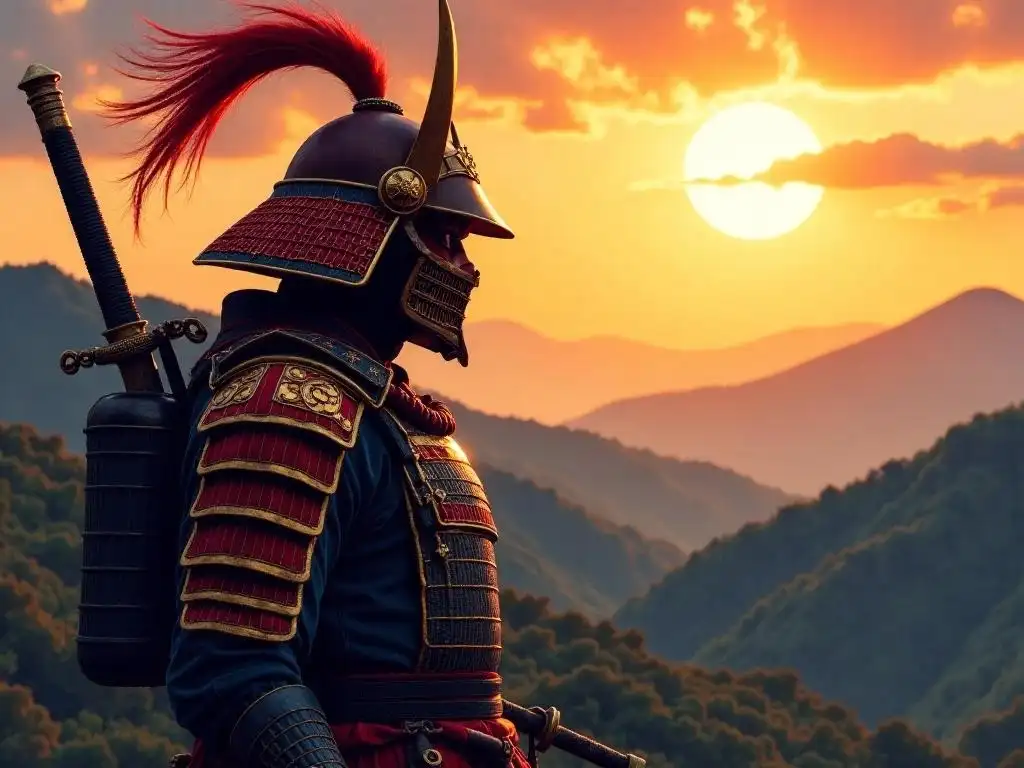
The evolution of cavalry tactics in feudal Japan was significantly shaped by key battles that not only tested the mettle of warriors but also forced adaptations in strategy and technique. These pivotal moments in military history laid the groundwork for the development of sophisticated cavalry maneuvers and highlighted the interplay between cavalry and infantry forces.
The Battle of Kurikara: A Turning Point for Cavalry Tactics
The Battle of Kurikara, fought in 1183, marked a crucial juncture in the evolution of cavalry tactics during the late Heian period. This battle represented a significant conflict in the Genpei War, pitting the Minamoto clan against the Taira clan. The Minamoto's innovative use of cavalry during this engagement underscored the importance of mobility and surprise in warfare.
At Kurikara, the Minamoto forces, under the command of Minamoto no Yoshinaka, implemented strategic cavalry charges that exploited the Taira's vulnerabilities. The terrain played a critical role in this battle; the narrow passes allowed the Minamoto cavalry to maneuver swiftly, outflanking the Taira warriors. This reliance on speed and agility showcased an early recognition of the cavalry's potential to disrupt enemy formations.
- Key Tactics Employed:
- Surprise Attacks: The Minamoto cavalry launched sudden charges, catching the Taira off guard.
- Terrain Utilization: The strategic use of the mountainous landscape facilitated rapid movements.
- Coordination with Infantry: Cavalry units worked closely with infantry, creating a combined arms approach that emphasized versatility.
The victory at Kurikara not only bolstered the Minamoto's position but also demonstrated the effectiveness of cavalry in feudal Japan, setting a precedent for future conflicts.
The Genpei War: Innovations in Cavalry Strategies
The Genpei War (1180-1185) was a pivotal conflict that brought about significant innovations in cavalry strategies. Both the Minamoto and Taira clans recognized the importance of cavalry in achieving battlefield supremacy. Throughout this war, several key developments emerged that would influence future military tactics in Japan.
- Enhanced Armor and Weaponry:
- Cavalry warriors began to adopt more protective gear, such as dō (chest armor) and kabuto (helmets), which allowed them to withstand enemy projectiles during charges.
- Varied Combat Roles:
- Different types of cavalry units were developed, including archers on horseback who could shoot while riding. This diversification allowed for more complex tactical formations and roles during battles.
- Mobility and Speed:
- The emphasis on fast and mobile cavalry units became a hallmark of Genpei warfare. The ability to outmaneuver adversaries was crucial, leading to tactics that involved rapid flanking maneuvers and hit-and-run attacks.
The innovations witnessed during the Genpei War laid the foundation for the future application of cavalry tactics in subsequent conflicts, including the use of cavalry as a decisive force in battles.
The Battle of Nagashino: The Decline of Traditional Cavalry Tactics
The Battle of Nagashino, fought in 1575 during the Sengoku period, is often cited as a turning point that marked the decline of traditional cavalry tactics in Japan. This battle pitted the forces of Takeda Katsuyori against the Tokugawa and Oda clans, with significant implications for the use of cavalry in warfare.
At Nagashino, the Oda forces, led by Nobunaga, implemented a revolutionary tactic that effectively neutralized the cavalry's advantages. The Oda army constructed wooden palisades and utilized arquebusiers (early firearms) in a defensive position, which dramatically changed the dynamics of cavalry engagement.
- Tactical Breakdown:
- Firepower Over Mobility: The Oda forces relied on the massed fire of gunmen to create a deadly wall of bullets, rendering traditional cavalry charges ineffective.
- Cavalry Disruption: The Takeda cavalry, known for their speed and ferocity, were unable to penetrate the Oda formations effectively due to the overwhelming firepower.
- Innovative Defensive Strategies: The use of fortifications and firearms showcased a shift in military thinking, prioritizing ranged weaponry over cavalry charges.
The outcome of the Battle of Nagashino not only marked a decisive victory for the Oda and Tokugawa clans but also signified a broader shift in Japanese warfare, leading to the decline of cavalry's dominance on the battlefield. This battle illustrated the transition towards more modern military tactics, ultimately changing the landscape of warfare in feudal Japan.
The Influence of Geography on Cavalry Tactics
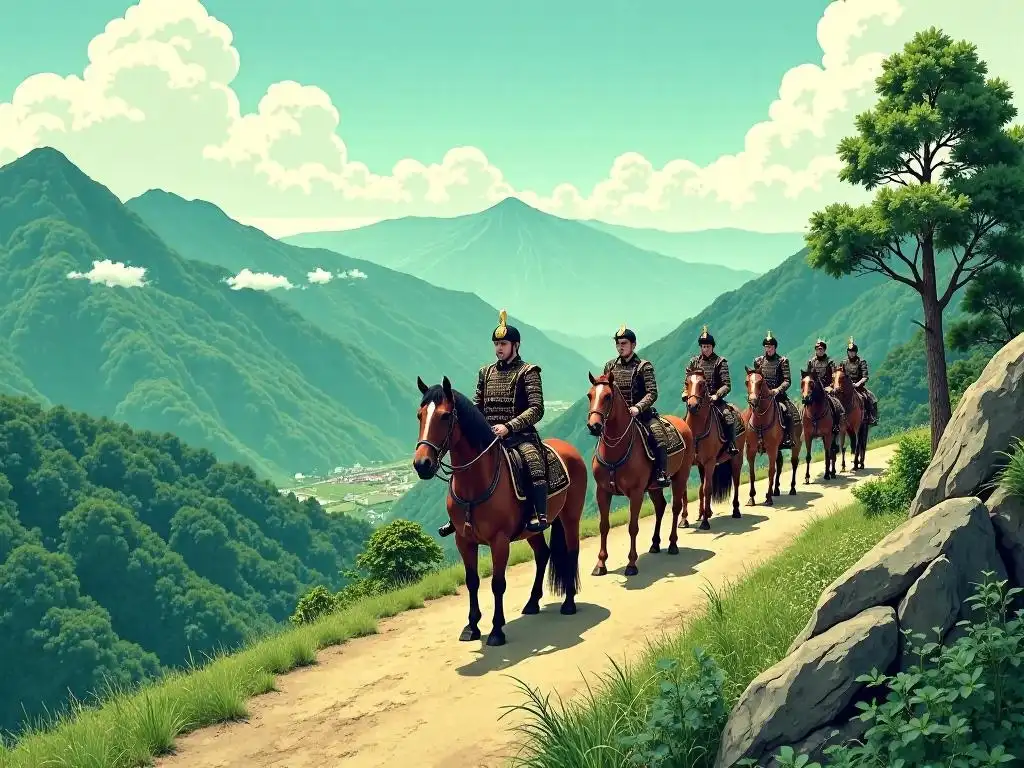
Terrain and Its Effect on Cavalry Maneuvers
The diverse geography of Japan played a crucial role in shaping the cavalry tactics employed during the feudal era. With its mountainous regions, dense forests, and rice paddies, the terrain affected how cavalry units operated on the battlefield.
- Mountains and Hills:
- The rugged terrain of Japan often limited the effectiveness of large cavalry formations. Riders had to navigate steep inclines and rocky paths, which made traditional cavalry charges difficult.
- Consequently, cavalry was often deployed in smaller, more agile units that could maneuver quickly through difficult terrain.
- Forests:
- Dense wooded areas provided cover for ambush tactics. Cavalry units would often use the element of surprise, launching attacks from hidden positions within the trees.
- The challenge of visibility in forests also meant that cavalry had to rely on speed and stealth rather than sheer force.
- Plains and Rice Fields:
- Open plains allowed for more traditional cavalry tactics, such as flanking maneuvers and charges. However, rice paddies, with their soft and muddy conditions, posed a significant challenge for mounted troops.
- Cavalry units had to adapt their strategies to avoid getting bogged down, often utilizing quick hit-and-run tactics to exploit the vulnerabilities of infantry units stationed in these fields.
The combination of these geographical features necessitated a flexible approach to cavalry tactics. Commanders needed to be adept at assessing the terrain and using it to their advantage, often adapting their strategies in real-time during engagements.
Adapting Cavalry Tactics to Japan’s Unique Landscape
As Japan's feudal landscape evolved, so too did its cavalry tactics. The following adaptations highlight how cavalry units transformed their strategies to meet the challenges of their environment:
- Mobility and Speed:
- Given the limitations of the terrain, cavalry units focused on developing speed and maneuverability. This led to the use of lighter horses and less cumbersome armor, allowing for quicker movement across varying landscapes.
- Integration with Infantry:
- Cavalry began to operate more closely with infantry units, providing support in flanking maneuvers and skirmishes rather than relying solely on direct frontal assaults. This synergistic approach enhanced overall battlefield effectiveness.
- Use of Bows and Firearms:
- The evolution of weaponry, particularly the introduction of bows and later, firearms, prompted further tactical refinements. Mounted archers became prominent, allowing cavalry to engage the enemy from a distance while remaining mobile.
- Cultural Factors:
- The samurai culture emphasized individual skill and honor, which influenced the tactics adopted by cavalry units. Personal valor on the battlefield often translated into tactics that emphasized swift, decisive strikes rather than prolonged engagements.
The cavalry tactics in feudal Japan were heavily influenced by the geographical features of the landscape. The adaptability of these units in response to such challenges not only shaped their operational strategies but also contributed to the unique character of Japanese warfare during this period.
Cultural Aspects of Cavalry in Feudal Japan
The Samurai Code: Bushido and Its Influence on Cavalry
The samurai code, known as Bushido, played a crucial role in shaping the identity and tactics of cavalry units during feudal Japan. Bushido emphasized virtues such as loyalty, honor, bravery, and self-discipline, which were essential for the samurai class. These principles not only influenced individual samurai conduct but also dictated the overall strategies employed by cavalry forces in battle.
-
Loyalty and Feudal Allegiance
Samurai were bound by a strict code of loyalty to their daimyo (feudal lords). This loyalty often translated into tactical decisions on the battlefield, where cavalry charges were executed not just as military maneuvers but as personal commitments to honor their lords. The effectiveness of cavalry tactics in feudal Japan was thus closely tied to the social structure that valued loyalty above all.
-
Honor in Combat
The concept of honor was paramount in Bushido. Samurai cavalry units were trained to fight fiercely and with dignity, adhering to traditional combat techniques that emphasized individual prowess. A samurai's skill in mounted combat was a reflection of his honor, leading to the development of sophisticated cavalry tactics that showcased their martial abilities.
-
Bravery and Tactical Aggression
Bravery was celebrated in Bushido, and this cultural aspect encouraged cavalry units to adopt aggressive tactics. The willingness to charge into battle with speed and ferocity became a hallmark of cavalry tactics in feudal Japan. This aggressive approach was not merely about physical confrontation; it was also about instilling fear in the enemy, making the cavalry a psychological weapon as much as a physical one.
Cavalry in Japanese Literature and Arts
Cavalry's significance in feudal Japan extended beyond the battlefield and into literature and arts, where it was celebrated and romanticized. This cultural representation not only reflected the importance of cavalry in warfare but also helped shape public perceptions of samurai and their cavalry tactics.
-
Epic Literature and Poetry
Works such as The Tale of the Heike and The Tale of Genji often depict cavalry engagements, highlighting the valor and skill of mounted samurai. These narratives served to immortalize heroic cavalry charges and the pivotal role they played in historical conflicts. Through poetic descriptions, the authors captured the essence of cavalry tactics, portraying them as decisive moments in the larger tapestry of Japan's feudal history.
-
Visual Arts
Japanese paintings and woodblock prints frequently illustrated samurai on horseback, emphasizing their nobility and martial skill. Artists like Utagawa Kuniyoshi depicted dynamic scenes of cavalry in action, showcasing the fluidity and speed of their movements. This artistic representation not only glorified the samurai but also educated the public about the significance of cavalry tactics, enhancing their cultural importance.
-
Theatrical Representations
Kabuki and Noh theater often featured samurai cavalry, dramatizing their exploits and the values of Bushido. These performances served to reinforce the ideals associated with cavalry, such as loyalty and bravery, while also entertaining audiences. The stories told on stage contributed to the enduring legacy of cavalry tactics in the collective memory of Japanese society.
The cultural aspects surrounding cavalry in feudal Japan, particularly through the lens of Bushido and artistic expression, significantly influenced the development and perception of cavalry tactics. These elements not only enriched the tactical landscape but also immortalized the samurai and their equestrian legacy in the annals of Japanese history.
The Decline of Cavalry Tactics in Japan
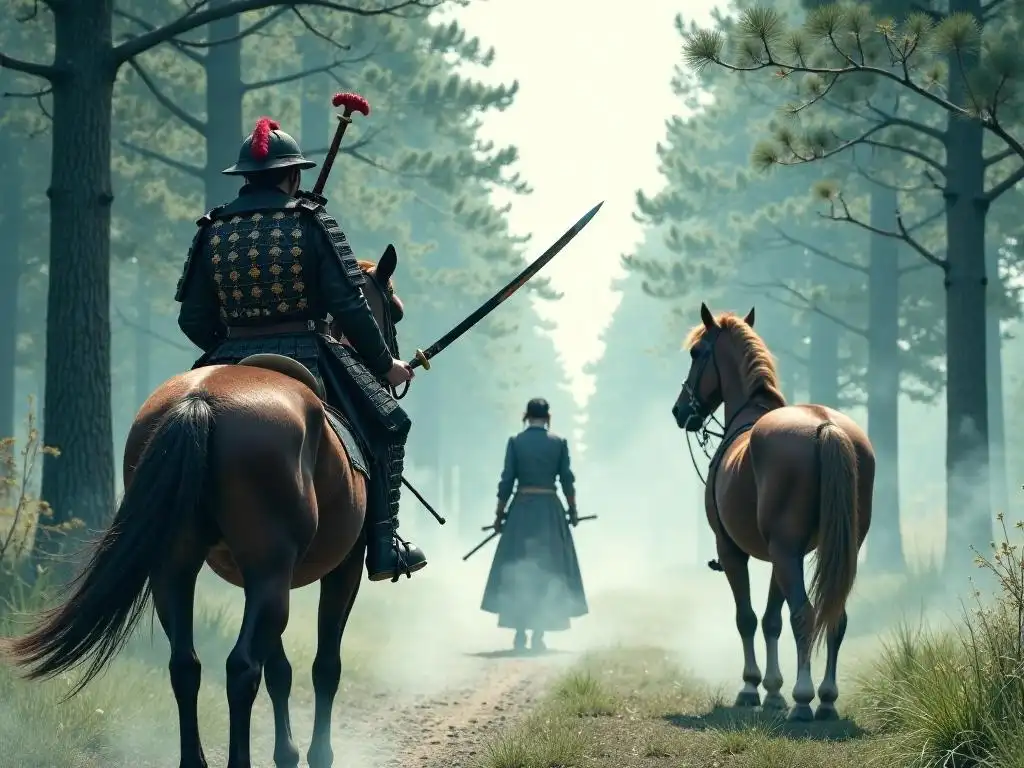
The decline of cavalry tactics in feudal Japan marks a significant transformation in the military landscape of the era. While cavalry had played a crucial role in early battles, several factors contributed to the gradual diminishment of its effectiveness on the battlefield.
The Shift to Infantry: Causes and Consequences
The transition from cavalry to infantry tactics can be traced back to several interrelated causes:
- Geographical Challenges:
- Japan's mountainous terrain posed significant obstacles for cavalry units. Dense forests and steep hills limited the mobility of horse-mounted warriors, making infantry more versatile and adaptive in various combat scenarios.
- Changes in Warfare Strategy:
- As warfare evolved, the focus shifted towards siege tactics and fortified positions. Infantry units, with their ability to maneuver in tight formations and employ various weapons, became more effective in both offensive and defensive operations.
- Economic Factors:
- The maintenance of a cavalry charge required substantial resources, including horses, equipment, and training. As the costs associated with sustaining cavalry units became increasingly burdensome, many daimyō (feudal lords) opted to invest in more cost-effective infantry forces.
- Social Structure and Recruitment:
- The samurai class began to emphasize loyalty and discipline over the traditional cavalry charge. Infantry soldiers, often recruited from peasant classes, were trained to fight in formation, creating a more cohesive fighting force that could respond to commands effectively.
As a consequence of these shifts, battles in feudal Japan increasingly featured large formations of infantry rather than cavalry charges. This evolution in tactics not only altered the dynamics of individual skirmishes but also the broader strategies employed by leaders during prolonged conflicts.
The Impact of Firearms on Cavalry Effectiveness
The introduction of firearms in the 16th century had a profound impact on the effectiveness of cavalry in feudal Japan.
- Gunpowder Weapons:
- The arrival of matchlock guns, or tanegashima, revolutionized combat. Infantry armed with firearms could effectively counter cavalry, leading to a reevaluation of traditional cavalry tactics. Cavalry charges, once a dominant form of attack, became increasingly risky as infantry could fire upon them from a distance.
- Formation and Tactics Adaptation:
- The presence of firearms necessitated the development of new formations and tactics. Infantry units began to deploy in staggered lines or in a square formation to maximize their firepower against oncoming cavalry. This adaptation rendered cavalry charges less effective and less frequently employed.
- Psychological Warfare:
- Firearms also introduced a psychological element to warfare. The noise and smoke generated by gunfire could intimidate horses, leading to potential chaos within cavalry ranks. This unpredictability further diminished the reliability of cavalry in battle.
As a result, the combination of geographical challenges, strategic shifts, and the introduction of firearms fundamentally redefined the role of cavalry in feudal Japan. The decline of cavalry tactics was not merely a tactical change but a reflection of broader societal and technological transformations that shaped the course of Japanese military history.
Conclusion: The Legacy of Cavalry Tactics in Feudal Japan

The legacy of cavalry tactics in feudal Japan is a fascinating chapter that highlights the evolution of warfare and its enduring influence on military strategies. During the feudal era, Japan witnessed significant developments in how cavalry units were utilized, which played a crucial role in numerous battles and conflicts. The integration of cavalry into the samurai's military repertoire transformed traditional combat, leading to innovative tactics that would resonate throughout history.
Lasting Influences on Modern Military Strategies
The impact of feudal Japan's cavalry tactics extends beyond its historical context, influencing modern military strategies in several ways:
- Mobility and Speed: The emphasis on rapid troop movements and the ability to outmaneuver opponents can be seen in contemporary military doctrines. Modern armies often prioritize mobility, drawing inspiration from the effective deployment of cavalry units in feudal Japan.
- Combined Arms Warfare: The collaboration between infantry and cavalry during battles in Japan laid the groundwork for the concept of combined arms. Today, modern militaries integrate various branches (infantry, armor, artillery) to achieve strategic objectives, much like the samurai who coordinated attacks between foot soldiers and mounted troops.
- Psychological Warfare: The psychological impact of cavalry charges, which often instilled fear in enemy ranks, is a tactic that persists. Modern militaries recognize the importance of morale and psychological operations, utilizing strategies that echo the intimidation tactics of feudal cavalry units.
- Use of Terrain: Cavalry units in feudal Japan were adept at using terrain to their advantage, a practice that remains crucial in military planning today. Understanding how to leverage geographical features can provide a significant edge in modern warfare.
Incorporating these lessons from feudal Japan into today's military strategies allows for a more nuanced approach to combat, ensuring that the legacy of cavalry tactics remains relevant in contemporary contexts.
The Historical Significance of Cavalry Tactics in Feudal Japan
Cavalry tactics in feudal Japan were not merely a reflection of military efficiency; they also held deep historical significance, shaping the socio-political landscape of the era. Key factors include:
- Strategic Dominance: The emergence of cavalry as a dominant force on the battlefield shifted power dynamics among warring factions. Lords who effectively employed cavalry gained strategic advantages, leading to the rise and fall of clans.
- Cultural Integration: The samurai class, with its strong cultural identity, embraced cavalry tactics as part of their ethos. The blending of martial skill with artistry in horsemanship became a defining characteristic of samurai culture, impacting literature, art, and philosophy.
- Influence on Warfare Evolution: The development of cavalry tactics marked a transition in Japanese warfare, paving the way for more sophisticated military strategies. This evolution influenced how battles were fought and led to innovations in weaponry and training.
- Unification Efforts: During the late feudal period, prominent leaders like Oda Nobunaga utilized cavalry to unify Japan, demonstrating its crucial role in political consolidation. The success of these campaigns underscored the effectiveness of cavalry tactics in achieving broader objectives beyond mere battlefield victories.
The historical significance of cavalry tactics in feudal Japan is multi-faceted, reflecting not only military innovations but also cultural and political transformations that shaped the nation’s history. As we explore the evolution of these tactics, it is clear that their influence continues to resonate in both military theory and practice today.
References and Suggested Reading on Cavalry Tactics in Feudal Japan
Essential Texts for Further Study
When exploring cavalry tactics in feudal Japan, several key texts provide invaluable insights into the military strategies, societal contexts, and cultural significance of cavalry during this era. Below is a list of essential readings that will enhance your understanding:
-
"The Art of War in Japan" by Thomas Cleary
This book delves into various military strategies employed in Japan, with specific sections dedicated to cavalry tactics. Cleary's translation of classical texts illuminates traditional Japanese military philosophy.
-
"Samurai Warfare" by David A. Hall
Hall's work focuses on the evolution of warfare among the samurai class, offering detailed accounts of cavalry's role in battles and its tactical developments throughout the feudal period.
-
"The Samurai: A Military History" by Stephen Turnbull
Turnbull provides an overview of samurai culture and warfare, discussing the integration of cavalry units and their tactical implications in various conflicts.
-
"Japanese Military History: A Bibliography" by Edward J. Drea
This extensive bibliography lists essential texts and resources for studying military history in Japan, with specific references to cavalry tactics and notable battles.
-
"Warriors of Japan as Portrayed in the War Tales" by Thomas D. Conlan
Conlan examines historical war tales, providing context around the societal impact of cavalry and its representation in literature.
Notable Scholars and Works in Japanese Military History
The study of cavalry tactics in feudal Japan has been enriched by the contributions of several scholars who have dedicated their research to understanding military history, strategies, and the cultural significance of cavalry. Some notable scholars and their works include:
-
Dr. John W. Hall
Renowned for his comprehensive analyses of Japanese history, Hall's work often touches on military tactics, including cavalry strategies, particularly in his book "Japan: From Prehistory to Modern Times."
-
Prof. Karl Friday
An expert in samurai military tactics, Friday's book "Samurai, Warfare and the State in Early Medieval Japan" provides critical insights into the use of cavalry in feudal Japan, emphasizing how tactical innovations shaped battles.
-
Dr. Christopher D. T. O'Brien
His research focuses on the role of cavalry in Japanese military engagements. O'Brien's article "The Horse and the Samurai: Cavalry in Medieval Japan" is a must-read for understanding the evolution of cavalry tactics.
-
Prof. Michael A. O'Driscoll
O'Driscoll's analysis of the "Tale of the Heike" offers a narrative perspective on the tactical deployment of cavalry in historical battles, highlighting key moments where cavalry played a decisive role.
-
Dr. Katsuichi Honda
A prominent historian who has published extensively on Japan’s military past, his work often discusses the integration of cavalry within larger military frameworks, shedding light on tactical evolutions.
These texts and scholars provide a solid foundation for further exploration into the intricacies of cavalry tactics in feudal Japan, offering both historical context and tactical analysis that are essential for a comprehensive understanding of the subject.
Frequently Asked Questions
What were the primary cavalry tactics used in feudal Japan?
The primary cavalry tactics in feudal Japan included flanking maneuvers, hit-and-run attacks, and the use of archery from horseback, enhancing mobility and surprise in battle.
How did the terrain influence cavalry tactics in feudal Japan?
The terrain of Japan, characterized by mountains and forests, often necessitated adaptation of cavalry tactics, leading to the use of narrow paths for surprise attacks and avoiding open-field confrontations.
What role did the samurai play in cavalry tactics?
The samurai were central to cavalry tactics, serving as elite horse-mounted warriors who utilized their training in both swordsmanship and archery to execute effective military strategies.
How did technology impact cavalry tactics in feudal Japan?
Advancements in weaponry and saddles improved the effectiveness of cavalry units, allowing for better control and combat efficiency, which were crucial during battles in the feudal era.
Were there significant battles that showcased cavalry tactics in feudal Japan?
Yes, battles like the Battle of Awazu and the Battle of Kawanakajima highlighted the importance of cavalry tactics, demonstrating strategic use of mounted forces in decisive confrontations.
Final Reflection: The Enduring Legacy of Cavalry Tactics in Feudal Japan
The evolution of cavalry tactics in feudal Japan is not merely a historical curiosity; it is a testament to the ingenuity and adaptability of warriors in the face of changing warfare dynamics. As we explore the intricate strategies employed by samurai on horseback, we uncover lessons that resonate in today's military and strategic thinking. The adaptability and innovation seen in these tactics remind us that the essence of effective warfare transcends time and culture.
The influence of these cavalry tactics extends beyond the battlefield, shaping the very fabric of Japanese culture and identity. The samurai ethos, characterized by honor, discipline, and strategic prowess, continues to inspire modern interpretations of leadership and resilience. As noted by historian Stephen Turnbull, The samurai were not just warriors; they were the embodiment of a way of life that valued skill, loyalty, and the pursuit of excellence.
This enduring legacy invites us to reflect on how historical practices can inform contemporary values and behaviors.
As we conclude our exploration of cavalry tactics in feudal Japan, I encourage you to consider how these lessons can be applied in your own life. Reflect on the importance of adaptability, strategic thinking, and the pursuit of excellence in your personal and professional endeavors. Embrace the spirit of the samurai and let it inspire you to navigate the challenges of the modern world with courage and creativity. The past is not just a record of what was; it is a guide for what can be.
Unleash Your Inner Strategist!
Thank you for exploring the fascinating world of cavalry tactics in feudal Japan! Your interest in these historical strategies not only deepens your understanding but also connects you with the rich legacy of Japanese warfare. Now, let’s put that knowledge into action!
Here are some ways to dive deeper and engage with this captivating subject:
- Join our community: Share your thoughts and insights on cavalry tactics in our discussion forum. Your perspective could spark exciting conversations!
- Explore further: Check out our recommended reading list on military strategies from feudal Japan to expand your knowledge even more.
- Plan a visit: Consider visiting a historical site or museum dedicated to samurai culture and warfare—experiencing it firsthand can be truly transformative!
What aspect of cavalry tactics intrigues you the most, and how do you think they have influenced modern military strategies?