
The Role of Women Warriors in Shaping Military Tactics

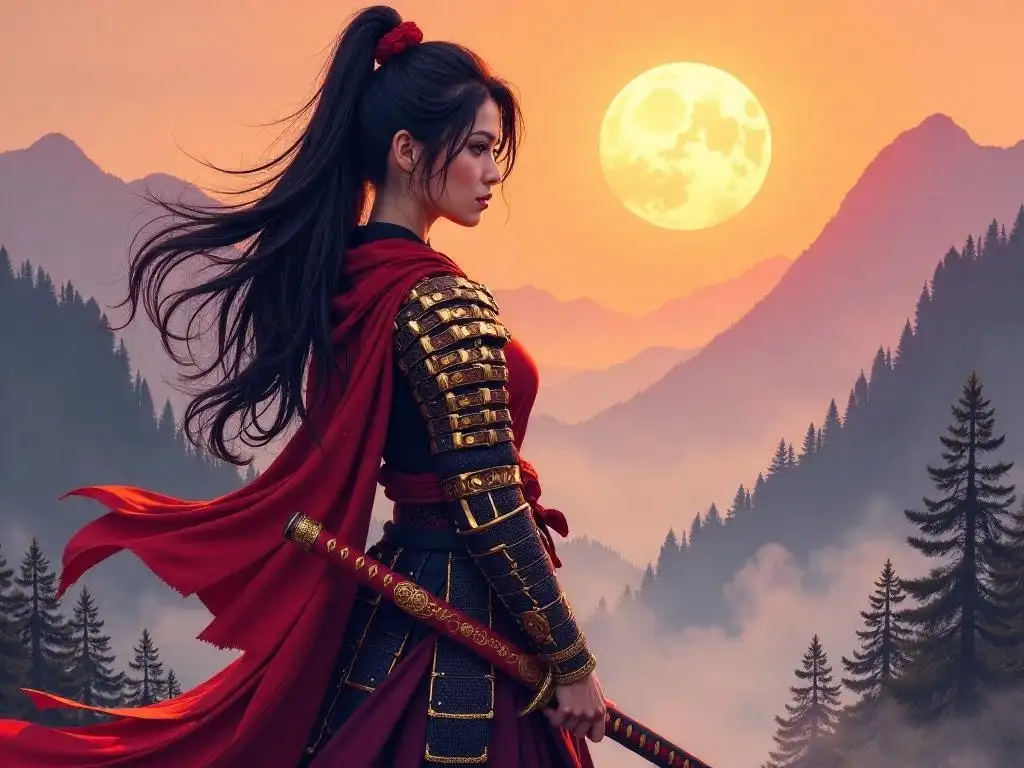
Welcome to Feudal Japan History, where we invite you to embark on a fascinating journey through the intricate tapestry of Japan's feudal era. Here, we delve into the powerful narratives that shaped history, culture, and society, with a spotlight on the often-overlooked women warriors in feudal Japan. In our featured article, "The Role of Women Warriors in Shaping Military Tactics," discover how these remarkable figures defied conventions and influenced military strategies. Prepare to be captivated as we unlock the secrets of their legacy and inspire you to explore further into this compelling chapter of history!
Introduction to Women Warriors in Feudal Japan
The narrative of feudal Japan is often dominated by the iconic figures of male samurai, yet the contributions of women warriors in this era are both profound and significant. Women warriors in feudal Japan, known as onna-bugeisha, played crucial roles not only in combat but also in shaping military tactics and strategies during times of conflict. This exploration delves into the historical and cultural contexts that allowed for the emergence of these formidable fighters, highlighting their impact on Japanese warfare.
Overview of the Historical Context
Feudal Japan, spanning from the late 12th century to the early 17th century, was characterized by a strict social hierarchy and numerous power struggles among clans. As wars erupted and territories were contested, the need for skilled fighters became paramount. Women, particularly from the samurai class, were not merely passive figures but often took up arms when necessary. The societal norms of this period, while restrictive in many ways, also provided opportunities for women to engage in the defense of their homes and families.
- Key Factors Influencing Women's Roles:
- Clan Loyalty: Women were often motivated by the need to protect their family lineage.
- Training and Skills: Many received martial training, enabling them to fight alongside men.
- Cultural Expectations: In times of war, the traditional roles of women could shift dramatically.
Importance of Women in Military Roles
The presence of women in military roles during feudal Japan is essential to understanding the broader dynamics of warfare in this period. Women warriors not only contributed to battles but also influenced tactics and morale within their ranks. Their participation challenged conventional gender norms, showcasing that valor and skill were not confined to men alone.
- Impact on Military Strategies:
- Women played pivotal roles in defending castles and strategic locations.
- They often acted as leaders during sieges, coordinating defenses and rallying troops.
- Their unique perspectives contributed to innovative tactics that leveraged their strengths.
Types of Women Warriors in Feudal Japan
The diverse roles of women warriors in feudal Japan illustrate the complexity of their contributions to military history. From skilled fighters to tactical leaders, these women left an indelible mark on the battlefield.
Onna-bugeisha: The Female Samurai
Among the most recognized women warriors were the onna-bugeisha, female samurai who were trained in the martial arts. These women upheld the samurai code of honor, demonstrating courage and skill in combat.
- Training and Skills:
- Onna-bugeisha underwent rigorous training, often learning various combat techniques.
- They were proficient in weapons such as the katana and naginata.
Naginata Practitioners: Women on the Battlefield
Another notable group of women warriors were those who specialized in the naginata, a polearm that became a favored weapon among female fighters. The naginata allowed for both slashing and thrusting, making it a versatile choice in battle.
- Role on the Battlefield:
- Women wielding naginatas were known for their agility and effectiveness in combat.
- They often fought in close quarters, defending their homes and communities.
Other Notable Female Figures in Japanese Warfare
Throughout history, several women emerged as legendary figures in Japanese warfare, often leading troops and inspiring others. Their stories highlight the bravery and resilience of women in times of conflict.
- Examples of Notable Figures:
- Tomoe Gozen: A skilled warrior known for her prowess in battle during the Genpei War.
- Hojo Masako: A notable figure who played a strategic role during her husband's reign.
The exploration of women warriors in feudal Japan reveals a rich tapestry of history where gender roles were not fixed, and women actively participated in shaping the military landscape. Their legacies continue to inspire discussions about the roles of women in history and combat.
Historical Examples of Women Warriors
Throughout Japan's feudal era, women warriors played a notable role in shaping military tactics and strategies. While often overshadowed by their male counterparts, these women were not just passive figures but active participants in warfare. Historical records and legends highlight several remarkable women who defied societal norms and engaged in combat, influencing military practices and the outcomes of battles.
One of the most prominent periods showcasing women warriors is the late Heian period through the Sengoku period, where conflicts were rampant and the need for skilled fighters increased. Women from samurai families often took up arms, defending their homes and clans. Their contributions are chronicled in various historical texts, illustrating their importance in military history.
Legendary Women Warriors in Feudal Japan
Among the legends of feudal Japan, several women stand out as iconic warriors, whose stories have transcended time and continue to inspire. One such figure is Tomoe Gozen. Renowned for her beauty and martial prowess, she became a legendary samurai during the late 12th century. Her exploits in battle, particularly during the Genpei War, highlight the capabilities of women in combat roles.
Another notable warrior is Hojo Masako, who not only fought to protect her family but also played a crucial political role as a shrewd leader in the Kamakura period. Women like Masako exemplified the dual roles that female warriors often occupied—both as skilled fighters and as influential political figures.
Additionally, Nakano Takeko of the Aizu clan fought valiantly during the Boshin War in the 19th century. Leading a group of female soldiers, she showcased the continued presence and influence of women in military roles, even as Japan transitioned towards modernization.
Case Study: Tomoe Gozen and Her Impact on Tactics
Tomoe Gozen serves as a quintessential case study in understanding the impact of women warriors on military tactics in feudal Japan. Her legendary status is not merely due to her combat skills but also her strategic thinking and ability to inspire those around her.
During the Genpei War, Gozen fought alongside her lord, Minamoto no Yoshinaka, and played a pivotal role in key battles, including the famous Battle of Awazu. Her ability to lead troops and engage in direct combat exemplified the integration of female warriors in military strategy.
Tomoe's unique combat style, which combined agility with fierce determination, influenced the tactics employed by her allies. Reports suggest that her presence on the battlefield could rally troops, instilling both fear in enemies and courage among her comrades. Her legacy continues to be a point of reference in discussions about women’s roles in military history.
The Role of Women in Significant Battles
Women warriors in feudal Japan were often crucial participants in significant battles, influencing both the outcomes and the tactical approaches of the time. In many instances, they took up arms when male warriors were absent due to death or injury, showcasing their resilience and adaptability.
During the Siege of Nagashino in 1575, women from the Takeda clan were known to have fought alongside their male counterparts, defending their territory with great courage. Their involvement not only contributed to the immediate defense but also demonstrated the necessity of integrating women into military strategies.
Moreover, women's roles in battles extended beyond direct combat. They often served as strategists, using their insights into enemy tactics and territorial defenses to provide crucial intelligence. This dual role of women as both fighters and tacticians highlights their significant contributions to the military landscape of feudal Japan.
Military Tactics Influenced by Women Warriors
Women warriors in feudal Japan left an indelible mark on military tactics, shaping the way battles were fought and strategies developed. Their unique perspectives and experiences contributed to a more diverse approach to warfare, allowing for innovative tactics that would resonate through the ages.
Strategies Developed by Female Leaders
Female leaders in feudal Japan, such as Tomoe Gozen and Hojo Masako, developed distinct strategies that were often characterized by their agility and flexibility on the battlefield. Unlike traditional male-dominated tactics that focused heavily on brute force and frontal assaults, women warriors often employed guerrilla warfare techniques, ambushes, and rapid maneuvers.
These strategies emphasized the importance of terrain and the element of surprise, allowing smaller or less equipped forces to achieve victory against larger armies. The adaptability of women in combat roles fostered a new way of thinking about military engagements, which was particularly advantageous in the varied landscapes of Japan.
The Integration of Female Combatants in Military Units
The integration of female combatants into military units marked a significant shift in the dynamics of feudal warfare. Women warriors were not merely auxiliary forces; they fought alongside men, often serving in specialized roles that leveraged their unique skills.
Historical accounts reveal that women were included in the ranks of samurai, taking on responsibilities ranging from archery to sword fighting. This integration not only bolstered the fighting capacity of military units but also challenged traditional gender roles within the samurai class.
The collaborative efforts between male and female warriors fostered a more cohesive military strategy, allowing for a blend of strengths that enhanced overall effectiveness in battle.
Psychological Warfare: The Influence of Women Warriors
Women warriors also wielded psychological influence on the battlefield, which played a critical role in military tactics. The presence of female fighters often served to intimidate enemies, as the perception of women in combat was not commonplace and could lead to confusion and fear.
The stories of fierce female warriors like Nakano Takeko inspired both troops and civilians, reinforcing morale among allies while instilling dread in adversaries. Their participation in battle was not just a physical contribution; it was also a means of psychological warfare that could sway the tide of combat.
Moreover, the courage displayed by women warriors often motivated male soldiers to fight harder, as they were inspired by the tenacity and resolve of their female counterparts. This psychological element added a complex layer to the strategies employed in feudal Japan, demonstrating that the impact of women warriors extended far beyond mere physical prowess.
Cultural Perceptions of Women Warriors
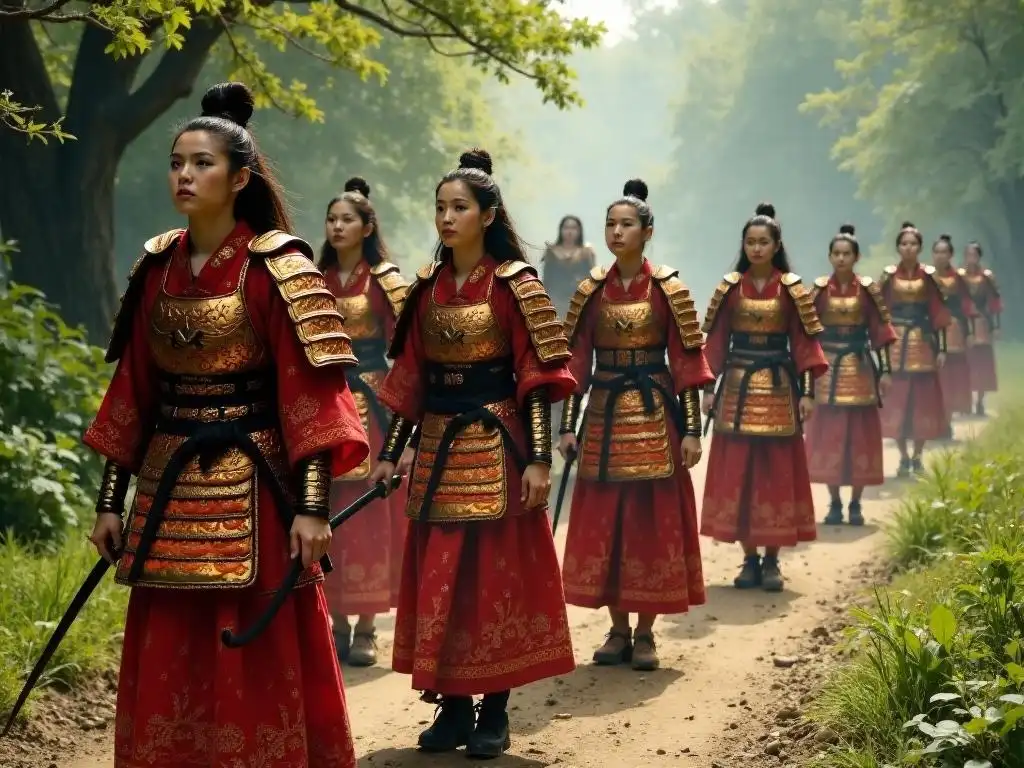
The role of women warriors in feudal Japan is often overshadowed by the more prominent narratives of male samurai. However, cultural perceptions of women warriors reveal a complex interplay of admiration, fear, and misunderstanding. In many instances, women who took up arms were seen as exceptions to the norm, often romanticized in folklore and literature. This duality in perception reflects a broader societal attitude towards gender roles, where women were primarily viewed as caregivers and homemakers, yet capable of extraordinary feats in times of war.
In samurai culture, women could gain honor and status through martial prowess, especially within the context of defending their homes and families. This perspective was particularly evident during the periods of civil strife, such as the Sengoku period, where women participated in battles to protect their clans. Notably, the image of the onna-bugeisha, or female warrior, began to emerge as a symbol of female strength and resilience.
Representation in Literature and Art
Women warriors have been depicted in various forms of Japanese literature and art, illustrating their significance in the cultural narrative. Classic texts like the Heike Monogatari and Tale of the Heike reference female warriors, depicting their bravery and martial skills. These stories often served not only as entertainment but also as a means to elevate the status of women in society, showcasing their capacity to engage in warfare alongside men.
Artworks from the Heian and Edo periods often feature women in battle attire, wielding weapons and displaying martial skills. The imagery of women fighting bravely against overwhelming odds can be found in ukiyo-e prints and narrative scrolls, which serve as a testament to their critical role in the battlefield. These representations not only highlight women’s involvement in warfare but also challenge the traditional narratives that diminish their contributions.
The Changing Image of Women in Warfare
Over the centuries, the image of women warriors in feudal Japan evolved significantly. Initially, women were celebrated for their martial abilities, often taking on roles as defenders of their families and communities. However, as the samurai class solidified its identity and the role of women became more restricted, the perception of female warriors began to shift.
During the Edo period, as peace reigned and the need for women to fight diminished, societal views increasingly relegated women to domestic roles. Yet, even in this era, there were instances where women rose to prominence in military contexts, such as the famous figure of Tomoe Gozen, who is celebrated in historical and legendary accounts for her valor on the battlefield. The adaptability of women warriors in response to changing social circumstances reflects their resilience and the broader cultural complexities of gender in feudal Japan.
Societal Attitudes Towards Female Fighters
Societal attitudes towards female fighters in feudal Japan were complex and often contradictory. While women were generally expected to adhere to traditional feminine roles, circumstances such as family honor and the need for defense allowed some women to break these barriers. The stories of women like Hojo Masako and the legendary Tomoe Gozen illustrate how women could command respect and wield power in military contexts, often defying the limitations imposed by their society.
Despite their contributions, many women warriors faced skepticism and were often judged by a patriarchal system that sought to minimize their roles. This ambivalence is reflected in the historical documentation and oral traditions, which sometimes downplayed their achievements or recast them in a more palatable light. Nevertheless, the recognition of female warriors in certain contexts suggests that there was a nuanced understanding of women’s capabilities in warfare, especially when honor and loyalty were at stake.
Conclusion: Legacy of Women Warriors in Military History
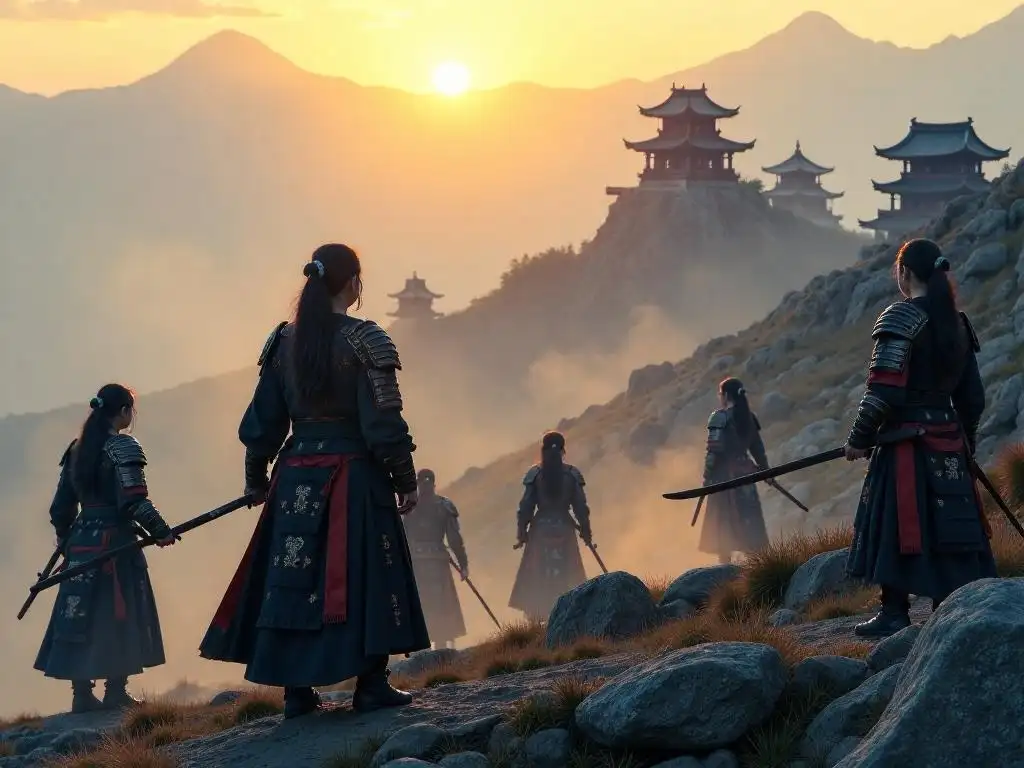
The legacy of women warriors in military history cannot be understated. Their impact on military tactics and societal perceptions of gender roles during feudal Japan laid the groundwork for discussions on women's capabilities in warfare. The acknowledgment of their contributions helps to paint a more comprehensive picture of Japan's martial history, illustrating that women were not merely passive actors but active participants in shaping the battlefield.
Lasting Impact on Japanese Military Tactics
Women warriors influenced Japanese military tactics in several ways. Their participation often brought new strategies and perspectives to combat, particularly in the defense of fortifications and the management of supplies during sieges. The tactical acumen displayed by female warriors emphasized the importance of intelligence and resourcefulness in warfare, challenging the notion that physical strength was the sole determinant of success in battle.
Furthermore, the symbolic representation of women as fierce protectors inspired future generations and contributed to a cultural acceptance of women in military roles, albeit limited. The legacy of these women can be seen in modern discussions about gender equality in the military and the recognition of women's contributions to warfare.
Continued Recognition and Research on Women Warriors
In recent years, there has been a resurgence of interest in the study of women warriors in feudal Japan. Scholars are increasingly uncovering historical records, artifacts, and literature that highlight the lives and contributions of these women. This renewed focus not only honors their legacy but also encourages a reevaluation of historical narratives that have long marginalized female figures.
As research continues, greater recognition of women warriors in feudal Japan is likely to inspire broader discussions about gender roles in history. The exploration of these themes is essential for understanding the complexities of military history and the diverse contributions of all individuals, regardless of gender, in shaping Japan's past. As contemporary society seeks to address issues of equality and representation, the stories of these remarkable women provide valuable insights and serve as an inspiration for future generations.
- Introduction to Women Warriors in Feudal Japan
- Types of Women Warriors in Feudal Japan
- Historical Examples of Women Warriors
- Military Tactics Influenced by Women Warriors
- Cultural Perceptions of Women Warriors
- Representation in Literature and Art
- The Changing Image of Women in Warfare
- Societal Attitudes Towards Female Fighters
- Conclusion: Legacy of Women Warriors in Military History
- Lasting Impact on Japanese Military Tactics
- Continued Recognition and Research on Women Warriors
Frequently Asked Questions
What were the primary roles of women warriors in feudal Japan?
Women warriors, known as Onna-bugeisha, played a significant role in defending their families and homes during conflicts. They were trained in martial arts and often took up arms when their male counterparts were away.
How did women warriors influence military tactics?
Women warriors contributed to military strategy by bringing unique perspectives and skills. Their experiences in close combat and defensive tactics helped shape the overall approach to battle during feudal Japan.
Were women warriors common in feudal Japan?
While not as prevalent as male warriors, women warriors were not uncommon. They existed mainly in samurai families and were often trained to protect their estates in times of war or crisis.
What training did women warriors receive?
Women warriors typically received martial arts training similar to their male counterparts, focusing on weapons such as naginata and katana, as well as various hand-to-hand combat techniques to ensure their proficiency in battle.
How are women warriors portrayed in Japanese culture?
In Japanese culture, women warriors are often seen as symbols of strength and resilience. Their stories have been celebrated in literature and folklore, showcasing their vital contributions to feudal Japan's military history.
Final Reflection: The Enduring Legacy of Women Warriors in Feudal Japan
The remarkable contributions of women warriors in feudal Japan continue to resonate in today's discussions about gender roles and empowerment. As we explore the historical narratives of female samurai and their tactical ingenuity, we uncover a profound truth: the strength and resilience of women have always played a pivotal role in shaping military strategies and societal structures. This legacy is not merely a relic of the past; it serves as a powerful reminder of the capabilities that women possess, challenging the traditional confines of gender expectations.
Clearly, the influence of women warriors transcends time, inspiring contemporary movements for equality and representation. Their stories remind us that courage knows no gender and that the battlefield is not solely a man's domain. As we reflect on the past, we can see how these women have paved the way for future generations, asserting their place in history. Women are the real architects of society.
– Harriet Beecher Stowe. This quote encapsulates the essence of women warriors, who not only fought in battles but also shaped the very fabric of their communities.
As we conclude this exploration, I invite you to reflect on the lessons from these formidable women and consider how their legacy can inspire action in your own life. Embrace the spirit of resilience and courage that these warriors exemplified, and challenge the norms that seek to limit potential. Whether in your personal endeavors or in advocating for equality, let the stories of women warriors in feudal Japan motivate you to forge your own path and champion the cause of empowerment for all.
Unveil the Legacy: Embrace the Strength of Women Warriors!
Thank you for exploring the incredible story of women warriors and their profound impact on military tactics in feudal Japan! You’ve gained valuable insights into how these remarkable figures shaped history. Now, take the next step to honor their legacy and delve deeper into this fascinating subject.
- Dive deeper: Learn more about specific women warriors who defied societal norms and transformed combat strategies.
- Connect with others: Join our community forum to discuss insights and share your thoughts on the influence of women throughout history.
- Spread the knowledge: Share this article with friends or on social media to ignite discussions about the pivotal role of women in military history.
How do you think the contributions of women warriors have shaped contemporary views on female leadership in combat today?