
The Tactical Use of Fire and Smoke in Feudal Japanese Warfare

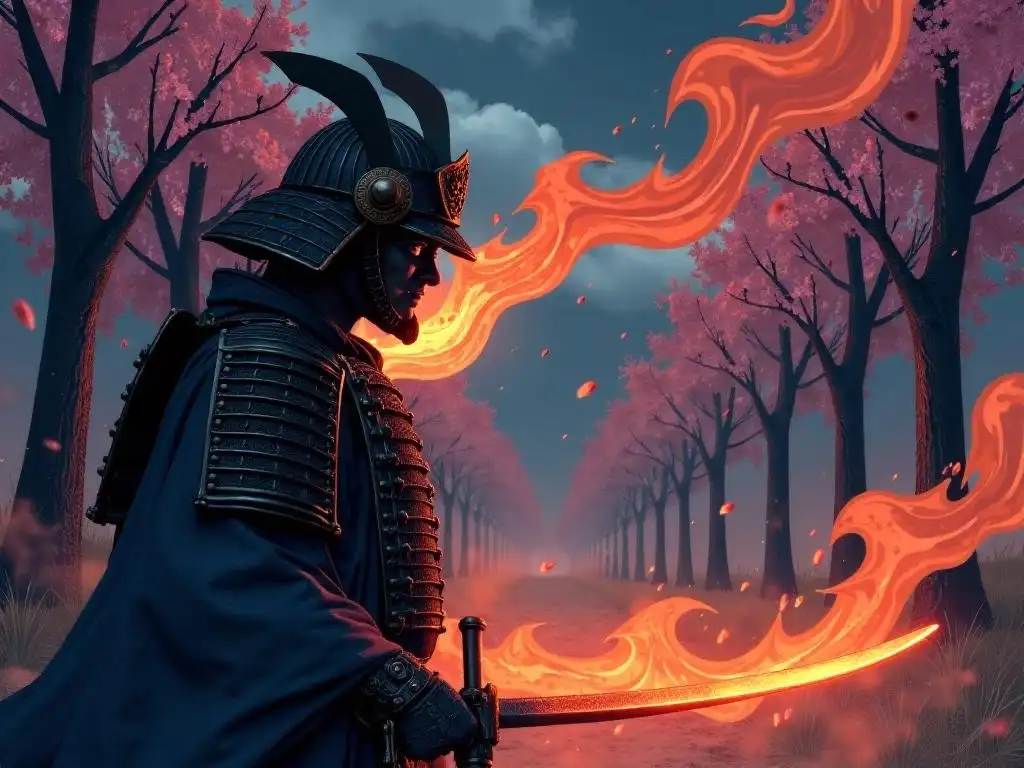
Welcome to Feudal Japan History! Dive into the intricate world of Feudal Japanese warfare tactics, where the cunning use of fire and smoke transformed the battlefield into a canvas of strategy and deception. In our featured article, The Tactical Use of Fire and Smoke in Feudal Japanese Warfare, we unravel the secrets behind these ingenious tactics that shaped the course of conflicts during Japan's feudal era.
Prepare to embark on a journey that not only illuminates the military ingenuity of the time but also invites you to explore the broader historical, cultural, and societal landscapes of this fascinating period. Are you ready to uncover the fire and smoke that once danced across the fields of battle? Let’s begin!
Introduction to Feudal Japanese Warfare Tactics
The intricate tapestry of feudal Japan is woven with tales of honor, valor, and strategic ingenuity on the battlefield. One of the most fascinating aspects of this era is the tactical use of fire and smoke in warfare, which played a pivotal role in shaping the outcomes of numerous conflicts.
Feudal Japanese warfare tactics not only reflect the prowess of the samurai but also highlight the innovative methods employed by commanders to gain the upper hand against their adversaries. This article delves deep into these tactics, exploring how fire and smoke were effectively harnessed to influence battles, create confusion, and instill fear in opponents.
Overview of Warfare in Feudal Japan
Feudal Japan, spanning from the late 12th century to the early 17th century, was a period characterized by constant power struggles among various clans and warlords. Warfare during this time was deeply influenced by the social structure, where the samurai class held significant authority and responsibility in battle.
Key elements of warfare in feudal Japan included:
- Clan Rivalries: The incessant competition among clans fostered a culture of military innovation.
- Samurai Code: The bushido code emphasized honor and loyalty, influencing battle strategies and personal conduct.
- Terrain Utilization: Commanders often leveraged the diverse geography of Japan, including mountains and rivers, to their advantage.
Importance of Tactics in Samurai Battles
Tactical acumen was essential in samurai battles, where the outcome often hinged on quick decision-making and adaptability. The use of fire and smoke as tactical tools exemplifies this adaptability. These elements served multiple purposes:
- Psychological Warfare: The sight and sound of fire could demoralize enemy troops, causing panic and disorder.
- Disruption of Formations: Smoke could obscure visibility, disrupting enemy formations and communication.
- Creation of Opportunities: By utilizing fire, commanders could create openings for ambushes or surprise attacks.
Historical Context of Fire and Smoke in Warfare
The strategic deployment of fire and smoke in feudal Japanese warfare can be traced back to various historical contexts that shaped military thought and practice. Understanding these contexts is crucial to appreciating how they influenced tactics during battles.
Evolution of Military Strategies in Feudal Japan
From the emergence of the samurai class in the late Heian period to the establishment of the Tokugawa shogunate, military strategies evolved significantly. The introduction of gunpowder in the late 16th century marked a turning point, leading to more sophisticated applications of fire in warfare. Key developments included:
- Fire Arrows and Firebombs: These incendiary weapons became crucial for sieges and open-field battles.
- Smoke Screens: The use of smoke to obscure troop movements became a common tactic, allowing for strategic repositioning during skirmishes.
Notable Battles Utilizing Fire and Smoke Tactics
Throughout feudal Japan, several battles stand out for their innovative use of fire and smoke tactics. These battles not only demonstrate the effectiveness of such strategies but also their impact on the course of Japanese history. Some notable examples include:
- The Battle of Okehazama (1560): Oda Nobunaga famously used a surprise attack amidst a smoke screen to defeat a numerically superior force.
- The Siege of Takamatsu (1582): Fire tactics were employed to flush out defenders and create chaos within the enemy ranks.
By examining these battles, we gain insights into the tactical mindset of feudal Japanese leaders and the significant role that fire and smoke played in their military strategies.
In the following sections, we will explore specific tactics in detail, analyzing their implementation and effectiveness in the broader context of feudal Japanese warfare.
The Role of Fire in Feudal Japanese Warfare Tactics
Fire played a crucial role in the tactics of feudal Japanese warfare, serving as both a weapon and a psychological tool. Its use was deeply embedded in the strategies employed by samurai and their clans during battles. The ability to harness fire allowed for the disruption of enemy formations, the destruction of resources, and the fortification of one’s own defenses.
Historically, fire was often employed in various forms, from flaming arrows to firebombs, which were used to set ablaze enemy camps, fortifications, or even entire villages. These tactics not only inflicted physical damage but also created chaos and fear among opposing forces. Moreover, the strategic deployment of fire could lead to significant territorial gains, as burning crops and supplies would cripple the enemy’s ability to sustain themselves during prolonged conflicts.
The tactical use of fire was also reflective of the broader cultural context of feudal Japan, where honor and reputation were paramount. Engaging in battle with fire was seen as a demonstration of strength and resolve, showcasing a clan's prowess in warfare. Thus, the role of fire transcended mere combat utility, becoming a symbol of power and dominance in the feudal landscape.
Types of Fire Weapons Used
In feudal Japan, a variety of fire weapons were developed and utilized, each designed to maximize the impact of fire in warfare. Key types included:
- Flaming Arrows: These were arrows set ablaze and shot into enemy ranks or structures. They could ignite enemy fortifications, causing panic and disarray.
- Fire Bombs (Tōkon): Small, incendiary devices filled with flammable materials that were thrown or catapulted into enemy positions. These bombs could cause widespread fires and casualties.
- Fire Lances (Hōzō): A combination of a spear and a burning material, these weapons allowed for both thrusting and the ability to ignite enemies or structures upon impact.
- Pyrotechnics: Various forms of fireworks were used not only for signaling but also to create diversions and instill fear in the enemy ranks.
These fire weapons were not only practical but also served to enhance the dramatic spectacle of warfare, instilling a sense of dread in enemy troops.
Strategic Advantages of Using Fire in Battle
The strategic advantages of employing fire in battle were manifold:
- Disruption of Enemy Formations: Fire could scatter enemy troops, forcing them to abandon their positions or engage in firefighting instead of attacking.
- Destruction of Resources: Burning enemy supplies and fortifications weakened their capacity to sustain prolonged engagements, often leading to quick victories.
- Psychological Warfare: The fear of fire could demoralize opposing forces, leading to panic and disorder. The sight of flames and the sound of crackling wood could cause even the most disciplined soldiers to falter.
- Territorial Control: Using fire to destroy crops and settlements ensured that the enemy would struggle to regroup and recover, granting the attacking force a significant tactical advantage.
Overall, the strategic use of fire in feudal Japanese warfare tactics was a multifaceted approach that combined physical destruction with psychological manipulation.
The Use of Smoke as a Tactical Element
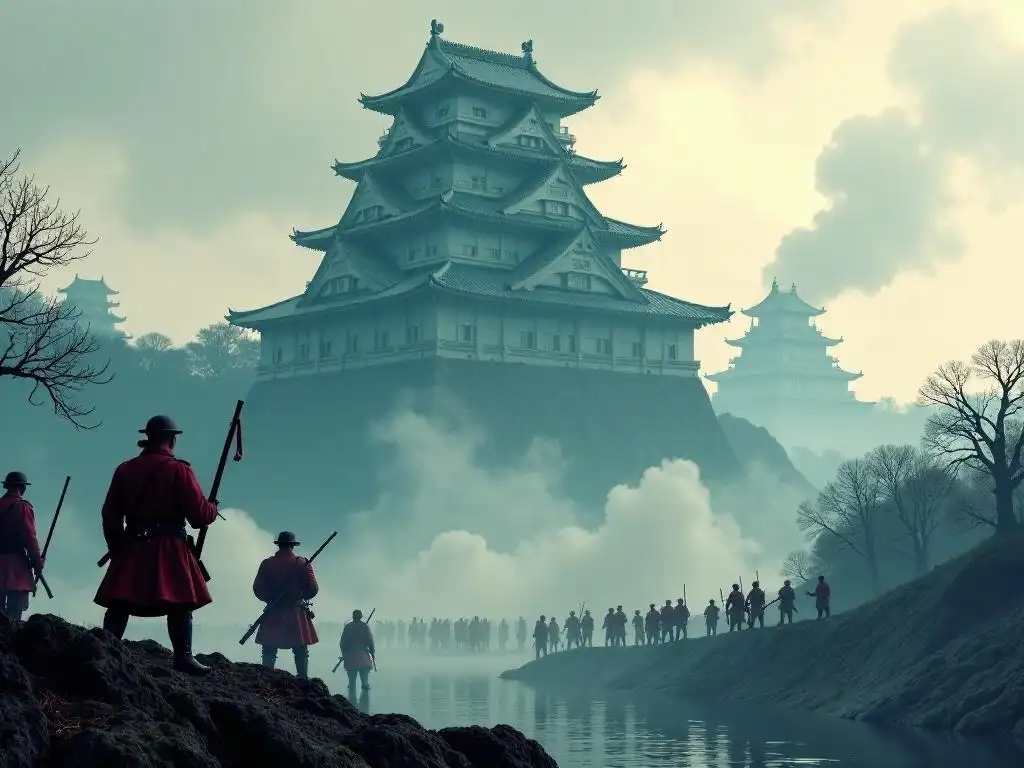
Smoke also played a critical role in feudal Japanese warfare, serving as a tactical element that could obscure vision and create opportunities for ambushes or retreats. The ability to generate smoke on the battlefield allowed commanders to manipulate engagements and dictate the flow of combat.
Smoke was often used in conjunction with fire to maximize its effects. While fires caused damage and chaos, smoke screens could conceal troop movements, allowing for surprise attacks or safe withdrawals. This dual use of fire and smoke showcased the sophistication of Japanese military tactics during the feudal era.
Techniques for Creating Smoke Screens
Creating effective smoke screens involved several techniques and materials:
- Burning Straw or Grass: This was a common method, as these materials produced thick, acrid smoke when set ablaze. Troops would ignite large amounts of straw or dried grass to obscure the battlefield.
- Specialized Smoke Bombs: Some clans developed early forms of smoke bombs that released dense smoke clouds upon ignition, providing cover for advancing or retreating forces.
- Controlled Fires: By strategically igniting fires in specific areas, commanders could create localized smoke screens that would disrupt enemy visibility without causing widespread destruction.
These techniques allowed samurai and their commanders to control the battlefield environment, using smoke to their tactical advantage.
Psychological Impact of Smoke on the Enemy
The psychological impact of smoke on opposing forces was significant. Smoke screens not only obscured vision but also created an atmosphere of confusion and uncertainty. The inability to see an advancing enemy or to gauge the battlefield situation could lead to hasty decisions and panic among troops.
Moreover, the combination of smoke and fire could amplify the psychological effects. The sight of flames coupled with thick smoke could be overwhelming, creating a sense of impending doom. Troops might hesitate to advance or retreat, fearing ambushes or being cut off from escape routes.
The use of smoke as a tactical element in feudal Japanese warfare was a deliberate strategy that exploited both physical and psychological dimensions of combat, reinforcing the complexity and nuance of feudal Japanese warfare tactics.
Case Studies of Tactical Fire and Smoke in Battles
The strategic use of fire and smoke in feudal Japanese warfare is exemplified in several historical battles. Analyzing these case studies reveals how commanders ingeniously employed these elements to gain a tactical advantage over their opponents. Two significant battles that showcase this are the Battle of Okehazama and the Siege of Osaka, each highlighting unique applications of fire and smoke.
Battle of Okehazama: The Surprise Attack
The Battle of Okehazama, fought in 1560, is one of the most remarkable examples of tactical surprise in feudal Japanese warfare. Oda Nobunaga, significantly outnumbered by the forces of Imagawa Yoshimoto, utilized the element of surprise aided by smoke and fire.
Nobunaga's forces took advantage of a thunderstorm that obscured visibility, using the cover of smoke and their knowledge of the terrain to launch a sudden attack. He ordered his troops to create fires in various locations, which not only created confusion among the enemy but also masked the movement of his forces toward Imagawa's camp. As the smoke billowed and visibility decreased, Nobunaga's troops charged, catching the Imagawa forces off-guard. This unexpected assault led to a decisive victory for Nobunaga, demonstrating how fire and smoke could be effectively manipulated to alter the tide of battle.
Siege of Osaka: Smoke and Fire as Strategic Tools
The Siege of Osaka (1614-1615) further illustrates the tactical application of fire and smoke. During this prolonged conflict, Tokugawa Ieyasu sought to eliminate the threat posed by Toyotomi Hideyori and his supporters. The Tokugawa forces employed a variety of strategies, including the use of incendiary devices and smoke to disrupt the defenses of Osaka Castle.
As Tokugawa troops advanced, they utilized flaming arrows and firebombs to ignite sections of the wooden castle and surrounding structures. The resulting smoke created chaos and confusion within the castle, hampering the defenders' ability to coordinate their efforts. Additionally, the smoke served as a psychological weapon, instilling fear and panic among the besieged. The combination of fire and smoke ultimately contributed to the fall of Osaka Castle, marking a significant turning point in Japanese history.
Training and Preparation for Fire and Smoke Tactics
To effectively implement fire and smoke in warfare, samurai underwent rigorous training and preparation. This process involved specialized skills and practices designed to ensure that these tactics could be employed with precision and effectiveness during combat.
Samurai Training in Fire Manipulation
Samurai training in fire manipulation was a critical aspect of their martial education. This training often included lessons on the safe handling and deployment of fire-based weapons, such as torches and incendiary projectiles.
Tactical drills focused on timing and coordination, ensuring that warriors could execute fire attacks while maintaining their combat readiness. Mastery of fire manipulation not only required physical skill but also a deep understanding of the environment, as weather conditions and terrain could significantly affect the efficacy of fire tactics. Samurai were taught to assess situations quickly, determining when and how to use fire as a weapon or a diversion.
Drills and Exercises for Effective Use of Smoke
In addition to fire manipulation, samurai also engaged in drills specifically designed for the effective use of smoke in battle. These exercises included creating smoke screens using burning materials and practicing maneuvers to exploit the cover of smoke.
Warriors learned to work in coordination with archers and infantry, timing their movements to maximize the effect of smoke on enemy visibility. The ability to create and navigate through smoke was critical; thus, training focused on maintaining discipline and communication under reduced visibility conditions. This preparation ensured that samurai could effectively implement smoke tactics during real engagements, enhancing their overall combat effectiveness.
Conclusion: The Legacy of Fire and Smoke in Japanese Military History
The tactical use of fire and smoke in feudal Japanese warfare has left an indelible mark on military strategies that extend beyond the confines of Japan's historical battles. These elements were not merely tools of destruction but were pivotal in shaping the outcomes of conflicts and altering the course of history. The innovative integration of fire and smoke into warfare tactics demonstrated a profound understanding of psychological warfare, terrain manipulation, and the importance of morale on the battlefield.
The legacy of these tactics can be seen in the way modern military strategies incorporate similar principles. The strategic deployment of fire—whether through incendiary devices or modern munitions—continues to play a crucial role in contemporary warfare. Furthermore, the use of smoke for concealment has evolved with advancements in technology, influencing tactics in various military operations around the globe.
Lasting Influence on Modern Warfare Tactics
The principles of using fire and smoke as tactical tools can be traced through various military doctrines across the world. Modern armies have adopted smoke screens to obscure troop movements and protect against enemy fire, a tactic that mirrors the feudal Japanese approach to battlefield deception. The psychological impact of fire, instilling fear and confusion among opponents, remains relevant, as seen in the use of incendiary tactics in modern conflict scenarios.
Additionally, fire's role in signaling and communication, as seen in feudal Japan, has evolved into sophisticated electronic warfare and psychological operations today. The lessons learned from feudal Japanese warfare regarding the control of visibility and the use of environmental conditions to gain an advantage continue to influence military training and strategy, ensuring that the legacy of these ancient tactics resonates in modern combat scenarios.
Reflection on Feudal Japanese Warfare Tactics Today
The study of feudal Japanese warfare tactics reveals a rich tapestry of innovation and adaptability that remains relevant today. The use of fire and smoke not only exemplifies tactical ingenuity but also highlights the importance of understanding the battlefield environment. Modern military leaders can draw inspiration from these historical practices, recognizing that the principles of surprise, deception, and psychological impact are timeless in their effectiveness.
In contemporary contexts, there is a growing emphasis on multi-domain operations, where the integration of land, air, and cyber tactics mirrors the holistic approaches taken by feudal Japanese commanders. As military strategists analyze historical methods, the tactical use of fire and smoke serves as a reminder of the need for creativity and flexibility in warfare. The enduring legacy of these tactics is a testament to the strategic acumen of feudal Japanese warfare, ensuring their relevance in the ever-evolving landscape of military history.
- Introduction to Feudal Japanese Warfare Tactics
- Overview of Warfare in Feudal Japan
- Historical Context of Fire and Smoke in Warfare
- The Role of Fire in Feudal Japanese Warfare Tactics
- The Use of Smoke as a Tactical Element
- Case Studies of Tactical Fire and Smoke in Battles
- Training and Preparation for Fire and Smoke Tactics
- Conclusion: The Legacy of Fire and Smoke in Japanese Military History
- What were the primary tactics used in Feudal Japanese warfare?
- How did fire and smoke play a role in warfare during this period?
- What impact did terrain have on Feudal Japanese warfare tactics?
- Were there any notable battles that exemplified these tactics?
- How did the cultural aspects influence Feudal Japanese warfare?
Frequently Asked Questions
What were the primary tactics used in Feudal Japanese warfare?
Feudal Japanese warfare employed diverse tactics, including the use of archery, cavalry charges, and strategic formations to gain the upper hand in battles.
How did fire and smoke play a role in warfare during this period?
The tactical use of fire and smoke was crucial for creating distraction, obscuring movement, and disorienting enemies, thereby giving a strategic advantage.
What impact did terrain have on Feudal Japanese warfare tactics?
Terrain significantly influenced tactics, as warriors utilized natural features for ambushes and defensive positions, adapting their strategies to suit the landscape.
Were there any notable battles that exemplified these tactics?
Yes, battles like the Battle of Nagashino showcased the effective use of firearms and smoke screens, illustrating the evolution of warfare tactics during the period.
How did the cultural aspects influence Feudal Japanese warfare?
Cultural elements such as honor, samurai code, and religious beliefs shaped the strategies and motivations behind warfare, impacting both tactics and outcomes.
Final Reflection: The Enduring Legacy of Feudal Japanese Warfare Tactics
The tactical use of fire and smoke in feudal Japanese warfare illustrates the profound ingenuity and strategic depth that characterized this era. As we navigate the complexities of modern conflict and strategy, it becomes increasingly clear that the lessons drawn from historical practices remain remarkably relevant today. The ability to manipulate the environment and psychological aspects of warfare is a timeless skill that transcends centuries, reminding us that innovation in tactics can often be the key to victory.
Cultural and social landscapes have been shaped significantly by the tactics employed during feudal Japanese warfare. The use of fire and smoke not only altered the battlefield but also influenced the very fabric of samurai culture and the perception of honor in combat. This historical legacy continues to resonate, as we see echoes of these tactics in contemporary military strategies and even in various forms of competitive sports. In the midst of chaos, there is also opportunity.
– Sun Tzu. This quote encapsulates the essence of tactical thinking that remains vital in our ever-evolving world.
As we reflect on the intricate strategies of feudal Japanese warfare, I invite you to consider how these lessons can be applied in your own life. How can you harness the power of creativity and adaptability in your challenges? Whether in personal endeavors or professional pursuits, the ability to think strategically and utilize available resources can lead to transformative outcomes. Embrace the spirit of innovation that defined the samurai, and let it inspire you to forge your own path in the face of adversity.
Unveil the Secrets of Tactical Warfare!
Thank you for taking the time to delve into the fascinating world of feudal Japanese warfare and the strategic use of fire and smoke. You’ve gained valuable insights into how these elements shaped historical battles. Now, let’s put that knowledge into action!
Here are some steps you can take to deepen your understanding and engage with this captivating topic:
- Explore further: Seek out documentaries or books on feudal Japan that focus on military strategies and tactics. Consider titles that highlight the art of war and the cultural significance of these methods.
- Join the conversation: Participate in forums or social media groups dedicated to feudal Japanese history. Share your thoughts about the use of fire and smoke in strategies and connect with fellow enthusiasts.
- Recreate a strategy: Try your hand at writing a fictional battle scenario incorporating fire and smoke tactics. How would these elements influence the outcome?
What unique insights or connections can you draw between these ancient tactics and modern strategies in conflict resolution?