
Beyond the Sword: The Social Status of Ashigaru in Feudal Japan


Welcome to Feudal Japan History, where we delve deep into the intricate tapestry of Japan’s feudal era. Prepare to embark on a fascinating journey as we uncover the social status of Ashigaru—the foot soldiers who shaped the battlefield and society alike. In our featured article, "Beyond the Sword: The Social Status of Ashigaru in Feudal Japan," you'll explore how these often-overlooked warriors navigated the complex social hierarchies of their time.
What secrets lie within the ranks of these formidable fighters? Join us as we unravel the layers of history that define their legacy, and ignite your curiosity to learn more about this captivating chapter in Japan's past.
Introduction to the Ashigaru in Feudal Japan
The Ashigaru, a distinct class of foot soldiers during Japan's feudal era, represent a fascinating intersection of military prowess and social dynamics. Born from the necessity of warfare in a time marked by constant conflict and power struggles, the social status of Ashigaru in Japan evolved remarkably throughout the centuries.
This article delves into the multifaceted roles that Ashigaru played—not just as soldiers but as crucial components of the broader societal fabric in feudal Japan. From their origins to their eventual transformation in response to the shifting tides of warfare, understanding the Ashigaru offers profound insights into the military history and social hierarchy of the time.
Defining Ashigaru: Role and Identity in Society
Ashigaru were initially lower-class soldiers, often recruited from peasant backgrounds, who played a vital role in the samurai-dominated military structure. Their identity was shaped by several factors:
- Recruitment and Training: Many Ashigaru were drawn from the rural populace, receiving basic military training. They were not born into their roles but rather emerged from necessity, demonstrating their adaptability and resilience.
- Armament and Tactics: Typically armed with weapons such as spears (yari) and later, firearms (tanegashima), Ashigaru adopted new tactics that reflected the evolving nature of warfare. Their flexibility allowed them to function effectively in various military formations.
- Cultural Perception: While often seen as lower in status compared to samurai, Ashigaru gained a unique identity, embodying the spirit of the common people who fought for their lords. This duality of being both soldiers and members of the peasant class significantly influenced their social standing.
Overview of Feudal Japan's Social Hierarchy
Understanding the social status of Ashigaru requires a grasp of the broader social hierarchy of feudal Japan, which can be categorized as follows:
- Emperor and Royal Family: At the top of the hierarchy, the emperor held nominal power, revered as a divine figure.
- Shogun and Daimyo: The Shogun, as the military leader, wielded real power, supported by regional lords (daimyo) who governed their domains.
- Samurai: Below the daimyo, samurai were the warrior class, bound by a code of honor (bushido) and responsible for protecting their lord's interests.
- Ashigaru: Positioned beneath the samurai, Ashigaru were critical to military campaigns, often acting as foot soldiers in battles.
- Peasants and Artisans: The lower classes contributed to society through agriculture and craftsmanship, forming the backbone of the economy.
This hierarchy influenced the Ashigaru's status, as their roles fluctuated with the needs of their lords and the changing landscape of warfare.
Historical Context of Ashigaru
The Emergence of Ashigaru in the Military Structure
The emergence of Ashigaru can be traced back to the late 15th century during the Sengoku Jidai, or Warring States period. As the demand for soldiers increased, especially among the daimyo seeking to expand their territories, the role of Ashigaru transformed from mere laborers to essential military personnel.
Some key points about their emergence include:
- Increased Warfare: The constant fighting necessitated a larger army, leading to the recruitment of commoners.
- Economic Factors: Many peasants turned to warfare for financial stability, as the promise of land and reward motivated enlistment.
- Tactical Innovations: The introduction of gunpowder and new weaponry created a need for a more diverse range of soldiers, thus solidifying the Ashigaru's place in the military hierarchy.
Changes in Warfare and Their Impact on Ashigaru Status
As warfare in feudal Japan evolved, so too did the status of Ashigaru. The introduction of firearms, combined with changes in military tactics, altered their role dramatically.
- From Foot Soldiers to Tactical Units: Ashigaru began to be organized into specialized units, which showcased their importance on the battlefield.
- Recognition and Promotion: Successful Ashigaru could rise through the ranks, sometimes even attaining samurai status, thereby altering their social standing.
- Cultural Shifts: Over time, as Ashigaru proved their valor and loyalty, a certain level of respect began to develop for them within society, challenging the rigid class distinctions of the time.
In this article, we will explore these aspects further, revealing the complexities surrounding the social status of Ashigaru in feudal Japan and their enduring legacy in Japanese history.
The social status of Ashigaru in feudal Japan is a fascinating subject that reflects the complex hierarchy of the period. Initially regarded as foot soldiers, Ashigaru occupied a unique position within the military framework, bridging the gap between the noble samurai class and the peasant farmers. Their evolution from mere conscripts to integral components of the samurai army highlights the dynamic nature of their status during different periods of the feudal era. As Japan underwent various political and military transformations, the role and perception of Ashigaru also shifted, leading to a more nuanced understanding of their social standing.
Initial Social Standing of Ashigaru: From Peasantry to Warriors
Initially, Ashigaru were primarily drawn from the peasantry, often consisting of farmers and laborers who were compelled to serve as soldiers during times of conflict. Their enlistment was often a necessity for feudal lords seeking to bolster their ranks, especially in the absence of a standing army. This practice of conscription meant that many Ashigaru came from humble backgrounds, lacking the formal training and status associated with the samurai class.
Over time, as military conflicts became more frequent and the need for a reliable, trained fighting force grew, the role of Ashigaru evolved. Not only did they receive basic military training, but they also began to be viewed as valuable assets in battle.
This gradual shift allowed some Ashigaru to gain recognition for their bravery and skills, leading to a transformation in their social standing. By the late Sengoku period, some Ashigaru even earned the right to bear arms and were able to ascend to higher ranks within the military hierarchy, further solidifying their status beyond that of mere foot soldiers.
Variations in Social Status Among Ashigaru Classes
While Ashigaru are often viewed as a monolithic group, significant variations existed within their ranks, leading to distinctions in social status. The Ashigaru class can be broadly divided into two categories: those who served as regular foot soldiers and those who were more elite, often referred to as "shōtō" or "high-ranking Ashigaru."
The regular Ashigaru typically consisted of conscripted peasants, who were less trained and equipped compared to their elite counterparts. Their status remained relatively low, and they were often seen as expendable in the grand scheme of warfare. Conversely, the elite Ashigaru were often better equipped, trained, and sometimes even compensated more generously. Many of them served as retainers to powerful lords, which afforded them a higher social standing and sometimes even the opportunity to acquire land and wealth.
In some cases, successful Ashigaru could rise to samurai status, especially if they demonstrated exceptional loyalty or prowess in battle. This potential for upward mobility, albeit limited, contributed to the nuanced social dynamics within the Ashigaru class and their perception within society.
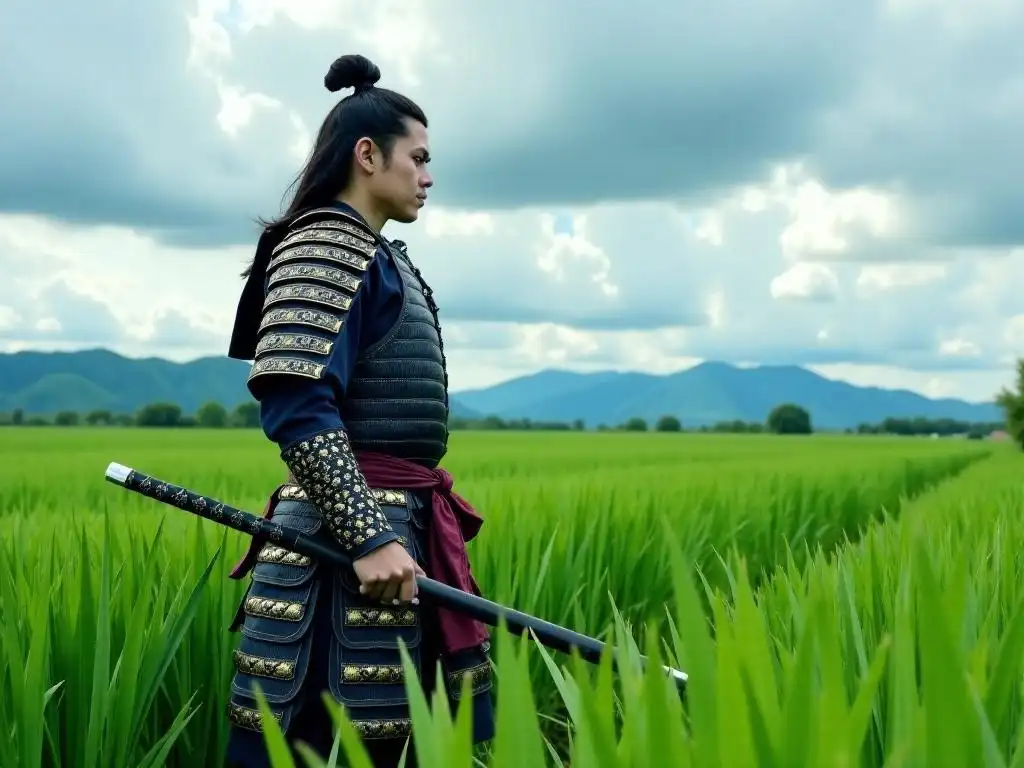
The social status of Ashigaru was heavily influenced by various economic and social factors throughout the feudal era. Understanding these influences provides insight into the broader societal context in which they operated.
Economic Contributions of Ashigaru to Feudal Lords
Ashigaru played a critical role in supporting the economic foundations of their feudal lords. As foot soldiers, they were not only warriors but also laborers who contributed to agricultural production and local economies. Many Ashigaru maintained ties to their farms and communities while serving as soldiers, allowing them to provide resources and support to their lords.
Moreover, during peacetime, Ashigaru were often tasked with various labor-intensive activities, such as constructing fortifications, maintaining roads, or engaging in agricultural work. These contributions were vital for sustaining the feudal system and ensuring the prosperity of the domains they served. The economic dependency of lords on their Ashigaru troops for both military and labor support played a significant role in elevating the overall status of this class within the societal hierarchy.
Social Mobility: Opportunities and Challenges for Ashigaru
Despite the initial low social status associated with being an Ashigaru, opportunities for social mobility existed, albeit with significant challenges. Success in battle, loyalty to a lord, and the ability to demonstrate martial prowess could lead to advancements within the military ranks. Some Ashigaru managed to attain samurai status and enjoy the privileges associated with it, such as land ownership and a place in the social elite.
However, these opportunities were not uniformly accessible. Many Ashigaru struggled against the entrenched hierarchies of the samurai class, facing systemic barriers that limited their upward mobility. The competition for recognition was fierce, and only a select few could break through to higher social echelons. Additionally, the risks associated with warfare meant that many Ashigaru faced the possibility of injury or death before they could leverage their service for social advancement, making their path to higher status fraught with uncertainty.
The social status of Ashigaru in feudal Japan showcases a remarkable transformation influenced by their roles as soldiers and laborers. Their journey from peasantry to warriors, along with the variations in status within their ranks, reflects the complex interplay of economic and social dynamics in feudal society.
The Role of Ashigaru in the Military System
The Ashigaru, often considered the foot soldiers of feudal Japan, played a crucial role in the military system from the late 15th century onward. Initially, they were composed primarily of farmers and laborers who were conscripted or volunteered to serve as soldiers during times of conflict. Their primary function was to support the elite samurai warriors, engaging in frontline combat, protecting supply lines, and executing flanking maneuvers. Over time, the Ashigaru evolved from a largely untrained militia into a more organized and skilled military force.
The Ashigaru were typically armed with a variety of weapons, including spears (yari), bows (yumi), and later, matchlock firearms (tanegashima). Their adaptability in battle made them essential to the strategies of their samurai commanders. As the military landscape of Japan changed, so too did the role of Ashigaru, who began to receive more training, forming specialized units capable of executing complex battlefield maneuvers.
Additionally, the Ashigaru were often tasked with maintaining order within the territories of their lords, acting as enforcers during peacetime. This dual role of soldier and local authority figure further solidified their importance in the feudal hierarchy, allowing them to gain a measure of social mobility and influence, albeit limited compared to the samurai class.
Ashigaru vs. Samurai: Social Status Comparisons
The social status of Ashigaru in feudal Japan presents a fascinating study of contrasts when compared to the samurai class. Samurai were the elite warriors, bound by a strict code of honor known as bushido, which emphasized loyalty, bravery, and personal honor. In contrast, Ashigaru had no such stringent obligations and were often viewed as lower class, primarily comprised of commoners. Their status was fluid; while they were not part of the noble class, successful Ashigaru could gain land and titles, albeit at a much slower rate and lesser degree than their samurai counterparts.
The disparities in social standing were also reflected in their lifestyles. Samurai enjoyed significant privileges, including land ownership, political power, and the right to wear two swords. On the other hand, Ashigaru were generally landless peasants who had to rely on their lords for sustenance and protection. Despite these differences, the loyalty and bravery of Ashigaru in battle often earned them respect from samurai commanders, leading to occasional instances of Ashigaru being promoted to samurai status, particularly in times of war when their valor could not be overlooked.
The Contribution of Ashigaru to Feudal Warfare Strategies
Ashigaru significantly contributed to the evolution of feudal warfare strategies in Japan. Their increasing numbers and adaptability allowed for more diverse military tactics, particularly during the Sengoku period (1467-1603), when regional conflicts were rampant. Unlike the rigid formations of samurai, Ashigaru units could be deployed in more flexible formations, enabling them to respond quickly to changing battlefield conditions.
One of the most notable contributions was the integration of firearms into their tactics. After the introduction of matchlock guns, Ashigaru became pivotal in the development of gunpowder warfare in Japan. Their ability to form firing lines and execute coordinated volleys changed the dynamics of battle, allowing for more devastating assaults against enemy formations. This shift not only altered traditional combat strategies but also emphasized the importance of logistics and support roles within the military structure.
Furthermore, Ashigaru were often utilized in large numbers to overwhelm opponents through sheer force of numbers, employing hit-and-run tactics and guerilla warfare strategies. This versatility made them an essential component of any military campaign, showcasing their effectiveness beyond the traditional views of foot soldiers as mere cannon fodder.
Cultural Perceptions of Ashigaru
The cultural perception of Ashigaru in Japan has evolved significantly over the centuries. Initially seen as mere foot soldiers, their image began to change as their roles in warfare became more prominent. The recognition of their contributions during pivotal battles led to a gradual appreciation of their skills and sacrifices. They were often depicted in literature and art as brave warriors who fought valiantly for their lords, helping to redefine their status within the societal framework.
Representation of Ashigaru in Literature and Art
In Japanese literature and art, Ashigaru have been portrayed in various ways that reflect their evolving social status. During the Sengoku period, they were often depicted as heroic figures in epic tales, such as "The Tale of the Heike" and "The Tale of the Genji," where their bravery and loyalty were highlighted. Artists, too, began to represent Ashigaru in woodblock prints and paintings, showcasing their roles in battle alongside samurai, thereby elevating their status in the eyes of the populace.
However, these representations were not without contradiction. While Ashigaru were celebrated for their valor, they were also depicted in some contexts as comic figures or the subject of ridicule, reflecting the ambivalence of their social status. This duality illustrates the tension between their actual contributions to warfare and the societal hierarchy that continued to view them as inferior to the samurai class.
The Evolution of Ashigaru's Image in Japanese Society
The image of the Ashigaru has undergone significant evolution throughout Japanese history. From their origins as lowly foot soldiers, they gradually transformed into respected warriors, particularly during the Edo period (1603-1868), when peace prevailed, and their roles shifted towards local governance and policing. The stability of this period allowed for a more nuanced understanding of the Ashigaru's contributions to society, as they became integral to maintaining order and enforcing the will of the samurai lords.
In modern times, the legacy of Ashigaru has been romanticized in popular culture, appearing in films, novels, and video games as symbols of loyalty and courage. This resurgence in interest has prompted a reevaluation of their historical significance, allowing contemporary society to appreciate the complexities of their role in Japan's feudal past. The Ashigaru's journey from the battlefield to cultural icon illustrates the dynamic nature of social status in Japan and the enduring legacy of those who served on the front lines of history.
Conclusion: The Lasting Legacy of Ashigaru in Feudal Japan
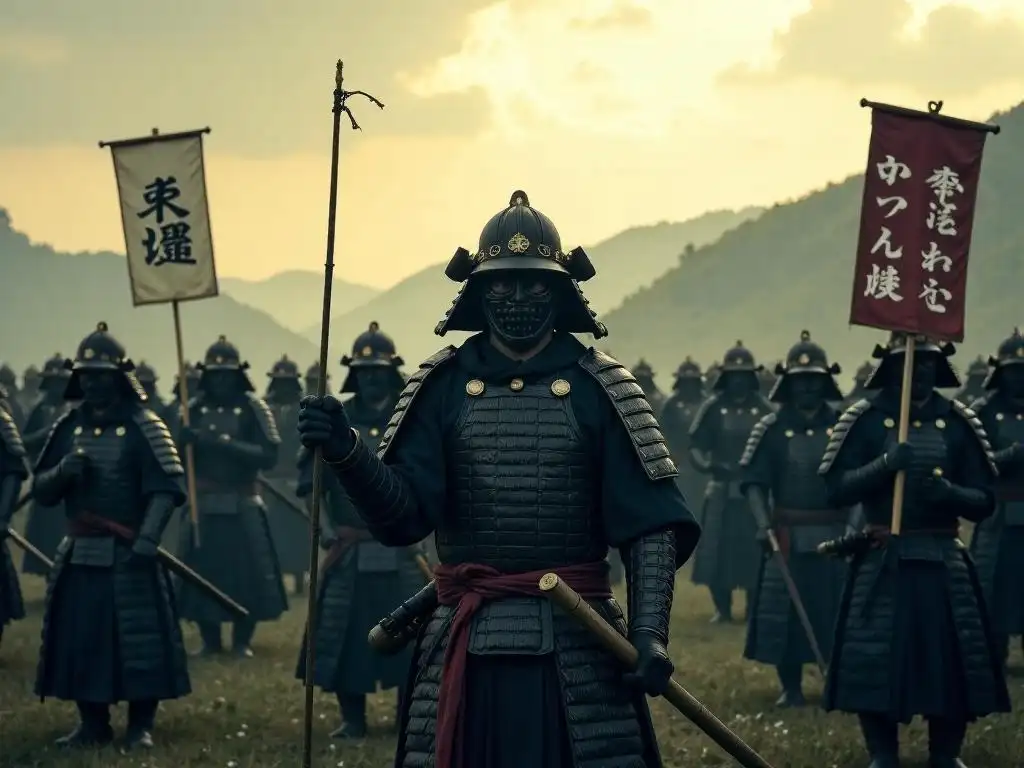
The legacy of the Ashigaru in feudal Japan extends far beyond their military contributions; it encapsulates a complex social fabric that influenced the very structure of Japanese society. Emerging as foot soldiers in the 15th century, Ashigaru began as lower-status warriors but gradually evolved into key figures within the military hierarchy. Their roles shifted from simple infantry to more specialized positions, illustrating a dynamic social mobility that was somewhat unprecedented during the feudal era. This transformation highlighted the ability of individuals from lower classes to ascend the social ladder through skill, loyalty, and martial prowess.
In contemporary Japan, the Ashigaru are often romanticized in cultural narratives, symbolizing the virtues of dedication, resilience, and the spirit of service. Their representation in popular culture—be it literature, film, or video games—has solidified their status as cultural icons. This enduring image serves as a reminder of their contributions to the establishment of the samurai class and the broader military strategies that shaped Japan’s history.
Today, the social status of Ashigaru offers valuable insights into the historical dynamics of class and social mobility in Japan. While modern society has evolved significantly, the fundamental themes of meritocracy and the potential for upward mobility resonate with contemporary audiences. The Ashigaru's journey from common foot soldiers to respected warriors can be viewed as a metaphor for the struggles faced by individuals in modern social hierarchies—where hard work and dedication can lead to recognition and success, irrespective of one's origins.
Moreover, discussions about the Ashigaru prompt reflections on the social stratifications that still exist in Japan today. The historical context of the Ashigaru's status sheds light on how class distinctions have persisted and transformed over the centuries. As society continues to grapple with issues of equality and social justice, the legacy of the Ashigaru can serve as a lens through which to examine current societal values and the ongoing quest for equity.
Lessons Learned from the Ashigaru Experience in Feudal Japan
The experience of the Ashigaru in feudal Japan provides several important lessons that are relevant to both historical study and contemporary society. First and foremost, it underscores the significance of adaptability and skill development. The Ashigaru were not merely foot soldiers; they were versatile warriors who adapted to the changing tides of warfare and society. This adaptability is a crucial trait in any era and encourages individuals to cultivate a diverse skill set that prepares them for various roles.
Additionally, the Ashigaru's story highlights the value of loyalty and camaraderie within a hierarchical structure. Their commitment to their lords and fellow soldiers fostered a sense of unity that was essential for the success of military campaigns. This ethos of loyalty can be applied to modern organizational dynamics, where teamwork and dedication to a common goal foster success.
Lastly, the social ascent of Ashigaru reflects the potential for change and progress within rigid social systems. Their journey serves as a powerful reminder that societal structures are not immutable; they can evolve through the actions and aspirations of individuals. This lesson is particularly pertinent in today's world, where individuals continue to challenge and reshape societal norms in pursuit of greater equity and recognition.
- Introduction to the Ashigaru in Feudal Japan
- Historical Context of Ashigaru
- The Social Status of Ashigaru in Feudal Japan
- Economic and Social Factors Influencing Ashigaru Status
- The Role of Ashigaru in the Military System
- Cultural Perceptions of Ashigaru
- Conclusion: The Lasting Legacy of Ashigaru in Feudal Japan
- Reflecting on the Social Status of Ashigaru Today
- Lessons Learned from the Ashigaru Experience in Feudal Japan
Frequently Asked Questions
What were Ashigaru in Feudal Japan?
Ashigaru were foot soldiers in the samurai class of Feudal Japan, typically composed of commoners who could serve in military campaigns.
While Ashigaru served as warriors, their social status was lower than that of samurai, who enjoyed privileges and land ownership that Ashigaru did not possess.
The rise of Ashigaru during the Sengoku period was influenced by increased military demand, leading to greater recognition and some even rising to higher ranks through valor in battle.
Did Ashigaru receive any form of compensation for their service?
Yes, Ashigaru were often compensated with stipends or land grants, especially if they performed well in battle, which helped to improve their overall social standing.
How did the perception of Ashigaru change over time?
Over time, the perception of Ashigaru shifted from mere foot soldiers to respected warriors, particularly as their contributions became vital in the unification efforts of Japan.
The social status of Ashigaru in feudal Japan remains a compelling narrative that resonates with contemporary discussions about class and identity. As we explore the intricate layers of their societal role, we uncover not just a historical account but a reflection of how social hierarchies shape individual lives and communities. The Ashigaru, often seen as mere foot soldiers, were pivotal in transforming the dynamics of power and loyalty, illustrating that every role, no matter how humble, contributes significantly to the fabric of society.
Culturally, the Ashigaru's evolution from peasant warriors to respected soldiers signifies a profound shift in the perception of social mobility and meritocracy. Their journey challenges us to reconsider how we view status and contribution in our own lives. As noted by historian John W. Hall, The Ashigaru exemplify the potential for individuals to rise above their circumstances, reminding us that societal structures are not as rigid as they may seem.
This ongoing influence encourages us to recognize the value of every individual, regardless of their starting point, in shaping our collective history and future.
As we reflect on the lessons drawn from the social status of Ashigaru, let us invite ourselves to embrace the complexities of our own social landscapes. Consider how you can uplift those around you, acknowledging their contributions and potential. In a world where status often dictates worth, may we strive to create spaces that celebrate every role and every individual, fostering a culture of respect and recognition. The story of the Ashigaru is not just a tale of the past; it is a call to action for a more inclusive and equitable future.
Unveil the Legacy of Ashigaru: Take Action Today!
Thank you for exploring the fascinating world of Ashigaru and their pivotal role in Feudal Japan! You’ve gained valuable insights into their social status and historical significance. Now, it’s your chance to transform that knowledge into meaningful action.
Here are some engaging steps for you to consider:
- Dive deeper: Read a book or article about the lives of Ashigaru during the Sengoku period. Discover their stories and contributions to the feudal system.
- Join the conversation: Share your thoughts and favorite insights about Ashigaru on social media. Use a dedicated hashtag to connect with fellow history enthusiasts.
- Reenact history: Attend a local historical reenactment or participate in community events focused on Japanese history. These experiences will allow you to learn and appreciate the culture firsthand.
What aspect of Ashigaru’s social status intrigues you the most, and how do you think it influences our understanding of modern societal structures?