How Feudal Lords Utilized Deception in Warfare
In Japan’s feudal era, lords employed cunning deception as a central element of their warfare strategies, manipulating perceptions and exploiting psychological tactics…
Read article
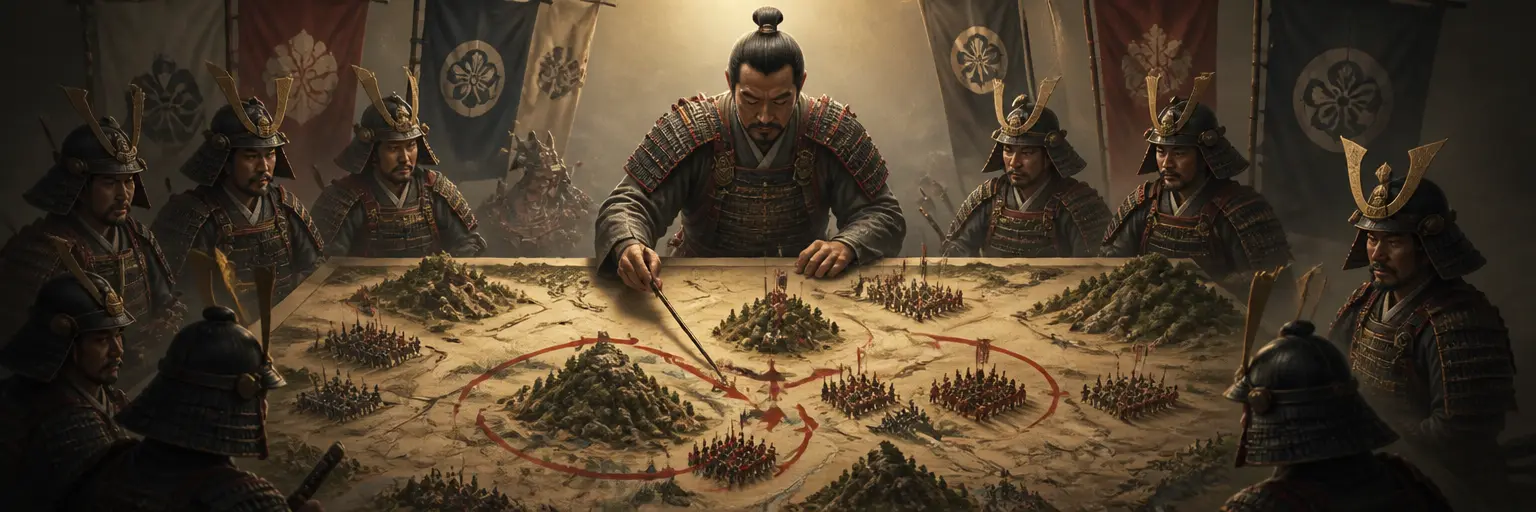
Explore the art of warfare in feudal Japan through Battle Tactics ⚔️—from samurai formations and castle sieges to battlefield strategy, intelligence, and the evolving use of archers, cavalry, and firearms. Discover how commanders shaped decisive victories during Japan’s Sengoku period with expert insights into military history, legendary campaigns, and the strategies that defined the samurai age.

In Japan’s feudal era, lords employed cunning deception as a central element of their warfare strategies, manipulating perceptions and exploiting psychological tactics…
Read article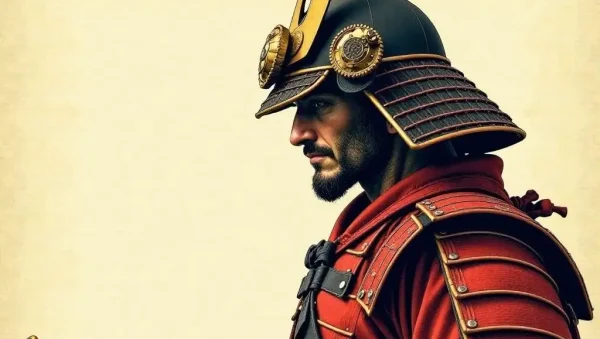
Discover how samurai training shaped battle tactics during Japan's feudal era. This exploration delves into the rigorous discipline and strategic skills developed…
Read article
In exploring Japanese feudal castle strategies, this article delves into the pivotal role of fortifications and castles in shaping battle plans, reflecting…
Read article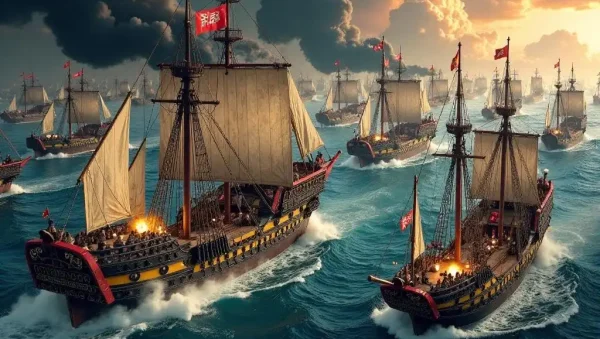
⚓ The Sengoku Period naval warfare strategies were pivotal in shaping Japan's feudal conflicts. This article delves into the innovative tactics employed…
Read article
🌸 Discover the remarkable strategies of Feudal Japan's notorious generals, whose unique tactics shaped battles and influenced the era's cultural landscape. This…
Read article
🌟 Discover how tactical innovations in feudal Japan revolutionized warfare, shaping the outcomes of iconic battles. This article delves into strategic advancements…
Read article
In exploring feudal Japan warrior tactics, this article delves into the strategic importance of tactical retreats, illustrating how these skilled fighters skillfully…
Read article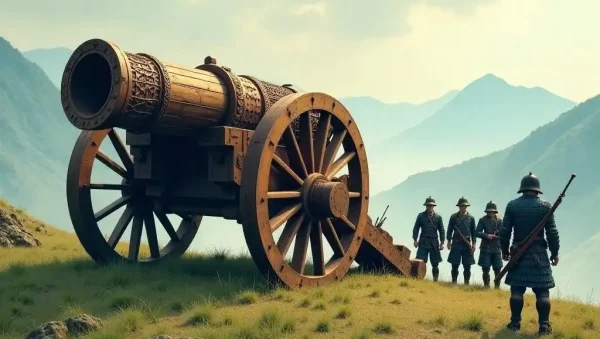
Artillery innovations in feudal Japan transformed military strategies, introducing advanced techniques and weaponry. However, limitations in technology and logistics often hindered their…
Read article
The Ashikaga Shogunate military tactics revolutionized Japan's feudal warfare, introducing innovative strategies and fostering a unique blend of samurai culture. This era…
Read article
🌟 Women warriors in feudal Japan played a crucial role in shaping military tactics, challenging traditional gender norms. Their strategic contributions and…
Read article
🔥 In feudal Japanese warfare tactics, the strategic deployment of fire and smoke served as a psychological weapon, disorienting enemies and providing…
Read article
In examining Feudal Japan's military innovations response to European advancements, we uncover a transformative period where samurai tactics evolved, integrating foreign technologies…
Read articleExplore the strategy, battlefield techniques, and military innovations that shaped warfare in feudal Japan. This subcategory examines how samurai commanders, daimyō, ashigaru foot soldiers, and warrior clans planned campaigns, organized armies, and adapted to changing conditions. From castle sieges and ambushes to cavalry maneuvers, infantry formations, naval operations, and the use of firearms, readers will discover how Japanese battle tactics influenced the political and military history of the Sengoku period and beyond.
Learn how samurai leaders transformed military principles into practical battlefield decisions. Articles explore command structures, personal valor, battlefield communication, intelligence gathering, and the importance of discipline within feudal Japanese armies. Particular attention is given to how commanders balanced tradition with changing tactical realities.
Readers can expect detailed explanations of samurai warfare tactics, including reconnaissance, deployment planning, strategic positioning, and the use of terrain. These insights reveal why leadership, loyalty, morale, and timing were essential to victory during Japan’s prolonged age of civil war.
Discover how Japanese castles became centers of military strategy, political authority, and regional control. This section examines siegecraft, defensive walls, moats, gates, watchtowers, fortified compounds, and the methods used to protect supplies and withstand prolonged attacks.
Explore the tactics employed by both attackers and defenders, including blockades, mining, diversionary assaults, negotiations, and psychological warfare. Readers will gain a deeper understanding of castle warfare in feudal Japan and the strategic importance of strongholds such as mountain castles and fortified城 towns.
Examine the weapons and combat methods that defined early samurai warfare. Japanese archery, mounted combat, spear fighting, swordsmanship, and coordinated attacks all played important roles in different periods. Articles explain how warriors trained, equipped themselves, and adapted their tactics to specific battle environments.
This section also considers the evolution from elite mounted archers to larger armies supported by infantry. Readers will discover how yari spears, yumi bows, katana swords, armor, and cavalry formations influenced close combat and battlefield organization across medieval Japan.
Understand the growing importance of ashigaru foot soldiers and massed infantry during the Sengoku era. Their organization and training changed the nature of samurai warfare, making large-scale formations, coordinated spear tactics, and disciplined ranks increasingly important on the battlefield.
Discover how the introduction of the tanegashima matchlock firearm affected Japanese military tactics. Articles explore volley fire, firearm production, battlefield logistics, and the ways daimyō commanders integrated guns with spearmen, archers, cavalry, and castle defenses.
Learn how geography shaped military campaigns in feudal Japan. Mountains, forests, rivers, rice fields, coastlines, and narrow passes could determine where armies marched, camped, or fought. Commanders used local knowledge to conceal movements, disrupt enemy supply lines, and gain tactical advantages.
Readers will find analysis of ambush tactics, surprise attacks, feigned retreats, encirclements, night operations, and defensive positioning. These examples demonstrate how creativity and environmental awareness often mattered as much as troop numbers or weaponry.
Explore how Japanese armies coordinated thousands of warriors during chaotic battles. Banners, drums, conch shells, messengers, signal fires, and distinctive clan symbols helped commanders issue orders and maintain cohesion across difficult terrain.
This section explains the function of battlefield formations, command units, reserve forces, and tactical signals. By studying samurai battle standards and military communication, readers can better understand how feudal armies responded to changing conditions during combat.
Feudal Japanese warfare was not limited to land battles. This section examines naval tactics, river crossings, coastal raids, maritime transport, and the strategic role of ports. Regional powers relied on ships to move troops, protect trade routes, and attack rival territories.
Articles explore boarding actions, naval formations, coastal fortifications, and the relationship between sea power and castle warfare. Readers will discover how Japanese naval history contributed to broader military campaigns and political struggles.
Important tactics included archery, spear formations, cavalry attacks, ambushes, castle sieges, defensive positioning, feigned retreats, and coordinated infantry assaults. Tactics varied depending on the period, terrain, army size, and available weapons.
Firearms encouraged commanders to use disciplined infantry formations and coordinated volley fire. They did not eliminate traditional weapons, but they were combined with spears, bows, cavalry, and fortifications to create more effective battlefield strategies.
Ashigaru were essential foot soldiers who served as spearmen, archers, and musketeers. Their growing numbers and improved organization allowed daimyō to build larger, more disciplined armies than those based solely on elite samurai warriors.
Castles protected territory, stored food and weapons, housed troops, and served as administrative centers. Their location and defensive design could control roads, mountain passes, river crossings, and access to important towns.
Terrain affected movement, visibility, supply routes, and defensive opportunities. Mountains, forests, rivers, and narrow passes enabled commanders to stage ambushes, restrict enemy formations, protect flanks, and control strategic routes.