The Secret Societies of Martial Arts in Feudal Japan
Uncover the intriguing world of martial arts secret societies in Japan, where clandestine groups shaped combat techniques and philosophies during feudal times.…
Read article
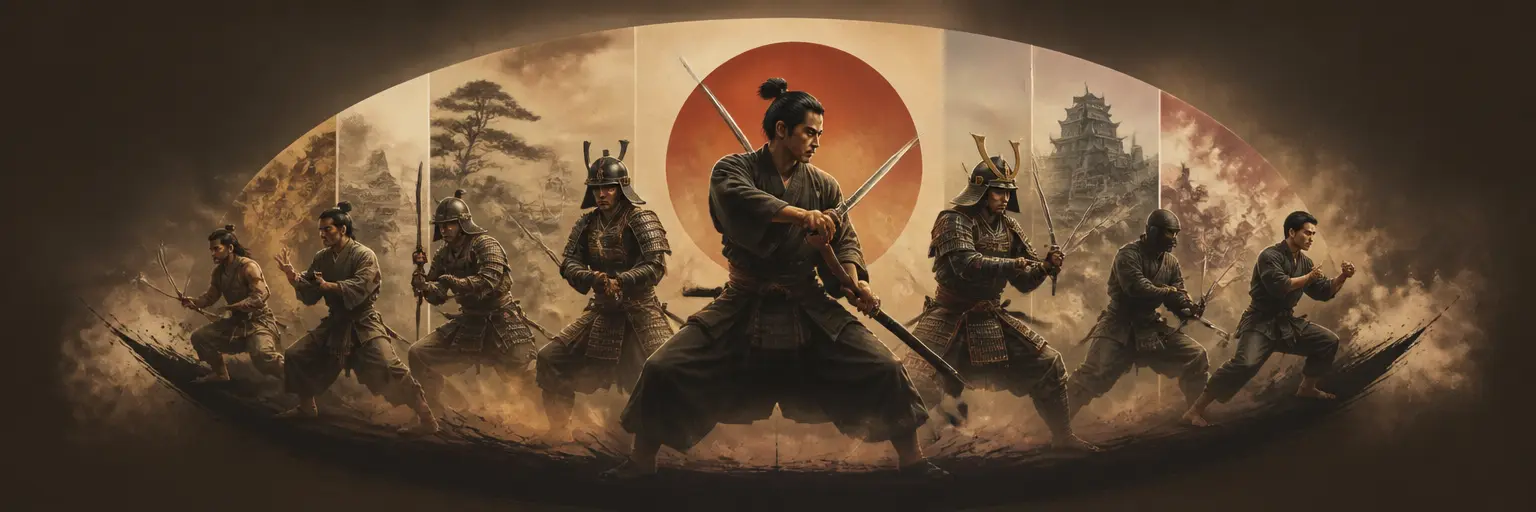
Explore the dynamic journey of Martial Arts Evolution in feudal Japan 🥋⚔️, from battlefield techniques and samurai traditions to disciplined schools that shaped Japanese combat culture. Discover how warfare, philosophy, weapons, and social change influenced the development of iconic martial arts, with expert-driven insights into Japan’s military history and enduring warrior heritage.
Uncover the intriguing world of martial arts secret societies in Japan, where clandestine groups shaped combat techniques and philosophies during feudal times.…
Read article
Discover how Samurai armor influenced combat styles in Japan's feudal era, blending functionality with artistry. This exploration reveals the profound impact of…
Read article
The Edo period martial arts evolution reflects the transformative societal changes in Japan, blending traditional combat techniques with new philosophies. This fascinating…
Read article
✨ The evolution of Japanese sword fighting history reveals a rich tapestry of techniques shaped by the feudal era's cultural and societal…
Read article
In feudal Japan, martial arts technology profoundly transformed combat techniques and training methods, enhancing the effectiveness of warriors. This evolution not only…
Read article
Uncover the rich history of Japanese martial arts, tracing its evolution from the brutal tactics of feudal battlefields to the disciplined practices…
Read article
In feudal Japan, women in Japanese martial arts played crucial roles, often overlooked in historical narratives. This article uncovers their contributions, highlighting…
Read article
🌟 Discover the enigmatic world of ninja techniques in feudal Japan, where stealth, strategy, and skill defined a covert warrior culture. This…
Read article
During Japan's feudal era, ongoing feudal conflicts shaped martial arts techniques, fostering innovative combat strategies. This article explores how these historical struggles…
Read article
🌸 The Samurai martial arts enlightenment path intertwines discipline and spirituality, guiding warriors through rigorous training and self-discovery. This journey not only…
Read article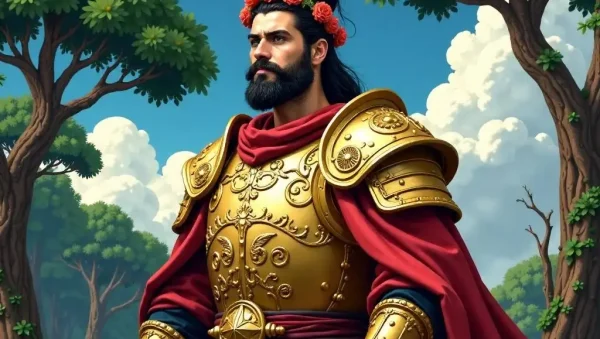
The intricate relationship between feudal politics and martial arts in Japan shaped not only the warrior class but also the cultural landscape.…
Read article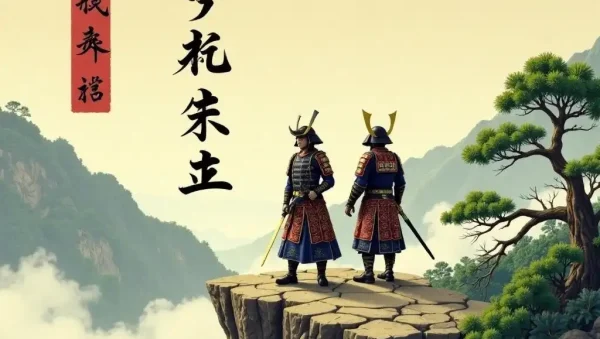
The Samurai Code, known as Bushido, profoundly shaped martial arts in Japan. This article delves into how Bushido's principles of honor, discipline,…
Read articleExplore the martial arts evolution of feudal Japan through a detailed examination of warfare, warrior culture, weapon development, and combat traditions. This subcategory traces how Japanese fighting systems changed from the age of mounted archers and samurai warfare to the refined disciplines associated with the late feudal period. Readers can discover how political upheaval, battlefield technology, social class, and spiritual traditions shaped Japanese martial arts history, including the development of kenjutsu, jujutsu, kyujutsu, naginatajutsu, and other classical bujutsu systems.
Learn how early Japanese warfare created the foundations of the country’s martial culture. Articles explore the influence of mounted archery, clan conflicts, court military institutions, and regional warrior families on the formation of the samurai class. Early Japanese martial arts were closely connected to survival, loyalty, land control, and battlefield effectiveness rather than formalized dojo training.
This section also examines how indigenous traditions and outside influences contributed to Japanese combat practices. Readers can expect accessible explanations of early weapons, battlefield tactics, warrior codes, and the gradual transition from aristocratic military service to the organized samurai systems of the Kamakura and Muromachi periods.
Discover the practical skills that defined the medieval Japanese warrior. From samurai archery and mounted combat to spear formations and swordsmanship, this section explains how warriors trained for real military conditions. Articles consider the importance of armor, horsemanship, terrain, scouting, and coordinated tactics during major conflicts in feudal Japan.
Readers will also learn how warfare changed as armies became larger and more organized. The rise of ashigaru infantry, mass formations, battlefield signaling, and disciplined command structures transformed combat. These developments helped reshape the role of the individual samurai and influenced the later evolution of Japanese martial arts.
Follow the history of Japanese swordsmanship from early blades to the iconic katana. This section explores how changing battlefield needs influenced sword design, forging methods, carrying styles, and fighting techniques. Japanese sword history is presented in relation to actual military use, including close combat, mounted warfare, and the changing role of the tachi and katana.
Articles also examine kenjutsu schools, sword etiquette, training methods, and the distinction between historical combat practice and later romanticized images of the samurai. Readers can gain a deeper understanding of how swordsmanship developed as both a battlefield skill and a structured martial tradition.
Investigate how technological innovation transformed Japanese warfare during the Sengoku period. The arrival of firearms in the sixteenth century introduced new possibilities for infantry tactics, castle defense, and battlefield organization. Articles explain how the introduction of firearms to Japan affected samurai warfare and encouraged commanders to rethink traditional ideas of individual combat.
This section also explores the importance of spears, polearms, defensive armor, and coordinated infantry units. Readers will discover why martial arts evolution was not limited to swordsmanship and how weapons such as the yari and naginata remained essential in different military and social contexts.
Examine the relationship between combat training, religious practice, and warrior identity. Buddhist institutions, Shinto beliefs, Confucian ethics, and ideas about discipline influenced the language and values associated with Japanese martial traditions. Articles explore concepts such as loyalty, courage, impermanence, self-control, and readiness for death without presenting later interpretations as exact reflections of earlier history.
Readers can expect nuanced discussions of samurai philosophy, warrior education, ritual practice, and the role of mental discipline in martial training. This approach separates historical evidence from popular legends while showing how spiritual and ethical ideas helped shape the culture surrounding Japanese martial arts.
Learn how the establishment of Tokugawa rule changed the purpose and organization of martial arts. During the Edo period, extended peace reduced the need for constant battlefield experience, while formal schools known as ryuha developed more structured curricula. This section covers the growth of kenjutsu, jujutsu, iaijutsu, archery, and other traditional Japanese martial arts schools.
Articles also explore how martial training became connected to education, social status, domain administration, and personal cultivation. Readers will see how techniques once created for warfare were preserved, adapted, and sometimes transformed into systems emphasizing discipline, character, ritual, and controlled practice.
Martial arts evolution in Japan refers to the historical development of combat skills, weapons, training systems, and warrior values from ancient warfare through the feudal and early modern periods. It includes changes in swordsmanship, archery, spear fighting, grappling, military tactics, and organized martial arts schools.
Samurai warfare shaped martial arts by encouraging practical training in mounted archery, swordsmanship, spear use, armor, and battlefield tactics. As military conditions changed, techniques adapted to new weapons, larger armies, castle warfare, and the introduction of firearms.
No. The katana became highly important, especially during the later medieval and early modern periods, but earlier warriors often relied heavily on the bow, tachi, spear, and other weapons. The importance of each weapon depended on the period, battlefield conditions, social role, and fighting environment.
The long peace of the Edo period reduced continuous battlefield experience and encouraged martial arts schools to formalize their techniques. Training increasingly emphasized curriculum, etiquette, personal discipline, and lineage, while preserving selected skills from earlier samurai warfare.
No. Modern disciplines may preserve techniques, terminology, and traditions from older systems, but many were reorganized for education, sport, physical training, or cultural preservation. Studying their historical development helps distinguish classical battlefield arts from modern budo practices.