
The Samurai’s Spiritual Journey: Martial Arts as a Path to Enlightenment


Welcome to Feudal Japan History, where we embark on a captivating journey through the intricate tapestry of Japan’s feudal era. Here, history unfolds in vivid detail, revealing the profound connections between culture, society, and the legendary warriors of the past. In our featured article, "The Samurai’s Spiritual Journey: Martial Arts as a Path to Enlightenment," we delve into the transformative world of samurai martial arts, exploring how these noble warriors sought not just mastery of combat, but a deeper understanding of themselves and their place in the universe.
Prepare to ignite your curiosity and uncover the wisdom hidden within the martial arts traditions that shaped a nation. Dive in and discover the path that led to enlightenment!
Introduction to Samurai Martial Arts and Spirituality
The samurai, a revered warrior class in feudal Japan, were not only skilled fighters but also sought spiritual fulfillment through their martial practices. The phrase "Samurai martial arts enlightenment path" encapsulates the profound journey undertaken by these warriors as they blended physical prowess with a quest for inner peace and enlightenment.
This article delves into the intricate relationship between samurai martial arts and spirituality, examining how these warriors used their skills as a means to achieve greater understanding of themselves and their place in the world. Through a comprehensive exploration of historical, cultural, and societal aspects, we will illuminate the significance of martial arts in the samurai's spiritual journey.
Understanding the Concept of Enlightenment in Samurai Culture
Enlightenment in samurai culture is deeply rooted in the principles of self-discipline, reflection, and harmony. It is often associated with the Zen Buddhist belief in achieving a state of satori, or sudden enlightenment, which encourages individuals to transcend their ego and attain a deeper understanding of reality. For samurai, this journey towards enlightenment was not merely about personal growth; it was also about fulfilling their duty to their lord and community.
Key elements that define the samurai's path to enlightenment include:
- Mindfulness: Practicing awareness in every action, from combat to daily life.
- Meditation: Engaging in Zen practices that promote inner peace and clarity.
- Discipline: Upholding a strict code of conduct, known as bushido, that guides moral and ethical behavior.
The Role of Martial Arts in the Samurai's Life
Martial arts were fundamental to a samurai's identity, serving as both a means of survival and a pathway to spiritual development. The rigorous training involved in mastering various martial arts disciplines was seen as a way to cultivate not only physical strength but also mental fortitude and emotional resilience.
The significance of martial arts in a samurai's life can be highlighted through:
- Training Routines: Daily practice of techniques such as kenjutsu (swordsmanship) and iaijutsu (quick-draw sword techniques) that foster discipline.
- Philosophical Teachings: Integrating lessons of humility, respect, and honor into martial practice.
- Rituals and Ceremonies: Engaging in practices that honor the spiritual aspects of martial arts, such as bowing to the dojo and participating in tea ceremonies.
Historical Context of Samurai Martial Arts
To fully appreciate the relationship between samurai martial arts and enlightenment, it is essential to explore the historical context in which these practices developed. The evolution of martial arts among samurai can be traced back to the tumultuous periods of feudal Japan, where warfare and honor were intricately intertwined.
Origins of Samurai Martial Arts in Feudal Japan
The origins of samurai martial arts can be linked to the need for effective combat techniques during the rise of the samurai class in the late 12th century. As conflicts between rival clans escalated, samurai warriors began to formalize their fighting styles, resulting in the development of various martial arts forms that emphasized strategy, precision, and skill.
Key points about the origins include:
- Influence of Chinese Martial Arts: Early samurai martial arts were inspired by techniques brought from China, adapting them to fit the unique needs of Japanese warfare.
- Strategic Combat: The necessity for effective battlefield tactics led to the refinement of individual martial styles, paving the way for specialized schools of martial arts.
- Cultural Exchange: Interaction with other warrior classes and cultures contributed to the evolution of samurai martial arts.
Evolution of Martial Arts Techniques Among Samurai
As the samurai evolved, so did their martial arts practices. The transition from battlefield warriors to cultural icons influenced the techniques and philosophies surrounding martial arts, fostering a focus on personal growth and enlightenment.
Significant developments in the evolution of samurai martial arts include:
- The Codification of Techniques: Establishment of formal schools (ryu) that emphasized specific styles and techniques.
- Integration of Philosophy: The merging of martial arts with philosophical teachings, particularly from Zen Buddhism, that highlighted the importance of mental discipline.
- Modern Adaptations: The transformation of traditional martial arts into modern sports and practices, while retaining the core principles of samurai training.
Influences of Zen Buddhism on Samurai Practices
Zen Buddhism played a pivotal role in shaping the spiritual journey of samurai warriors. The principles of Zen encouraged a mindset of calmness, focus, and inner peace, which complemented the physical demands of martial arts training.
Key influences of Zen Buddhism on samurai practices include:
- Meditative Techniques: Incorporating meditation into training regimens to enhance concentration and awareness.
- Philosophical Alignment: Emphasizing the importance of living in the moment and understanding the nature of existence through martial practices.
- Aesthetic Values: The appreciation for simplicity and beauty in both martial arts movements and everyday life, reflecting Zen principles.
Through this exploration, we uncover the rich tapestry of samurai martial arts as a path to enlightenment, revealing how these warriors sought self-discovery and spiritual growth through their disciplined practices. As we continue to delve into this fascinating topic, we will uncover more about the historical context, evolution, and enduring legacy of samurai martial arts in feudal Japan.
The Path to Enlightenment Through Samurai Martial Arts
The journey toward enlightenment for the samurai was deeply intertwined with their martial arts practice. This evolution was not merely about mastering combat techniques but also about cultivating a profound understanding of oneself and the universe. At the heart of this journey lies the integration of physical prowess with spiritual and philosophical growth, enabling samurai to transcend the ordinary experiences of life and connect with deeper truths.
The samurai believed that through rigorous training and disciplined practice, they could achieve a state of "mushin," or "no mind," where thoughts and distractions dissipate, allowing for clarity and focus. This mental state is essential for both martial effectiveness and spiritual insight. As samurai engaged in practices such as kendo and iaido, they not only honed their skills but also sought to realize their place within the broader tapestry of existence. Thus, martial arts became a pathway to enlightenment, encouraging practitioners to explore concepts of honor, duty, and the impermanence of life.
Key Principles of Samurai Martial Arts as an Enlightenment Path
Key principles underpinning the samurai martial arts as a path to enlightenment include discipline, respect, humility, and the pursuit of mastery. Each of these principles plays a crucial role in shaping the samurai's character and enhancing their spiritual journey:
- Discipline: Rigorous training regimens foster self-control and perseverance, essential for both martial and spiritual development. The repetitive nature of training helps practitioners develop a sense of routine and commitment, which is integral to enlightenment.
- Respect: A fundamental tenet of samurai philosophy is respect for oneself, one's teacher, and fellow practitioners. This respect cultivates a harmonious environment that nurtures growth and learning, allowing individuals to transcend ego and engage more deeply with their practice.
- Humility: The journey of a samurai is marked by the recognition that there's always more to learn. This humility encourages an open mind, allowing for continued growth and understanding, essential for achieving enlightenment.
- Pursuit of Mastery: The relentless pursuit of skill and understanding in martial arts reflects a deeper quest for mastery over one's self. This journey is not just about physical capabilities but also about emotional and spiritual refinement.
Meditation and Mindfulness in Samurai Training
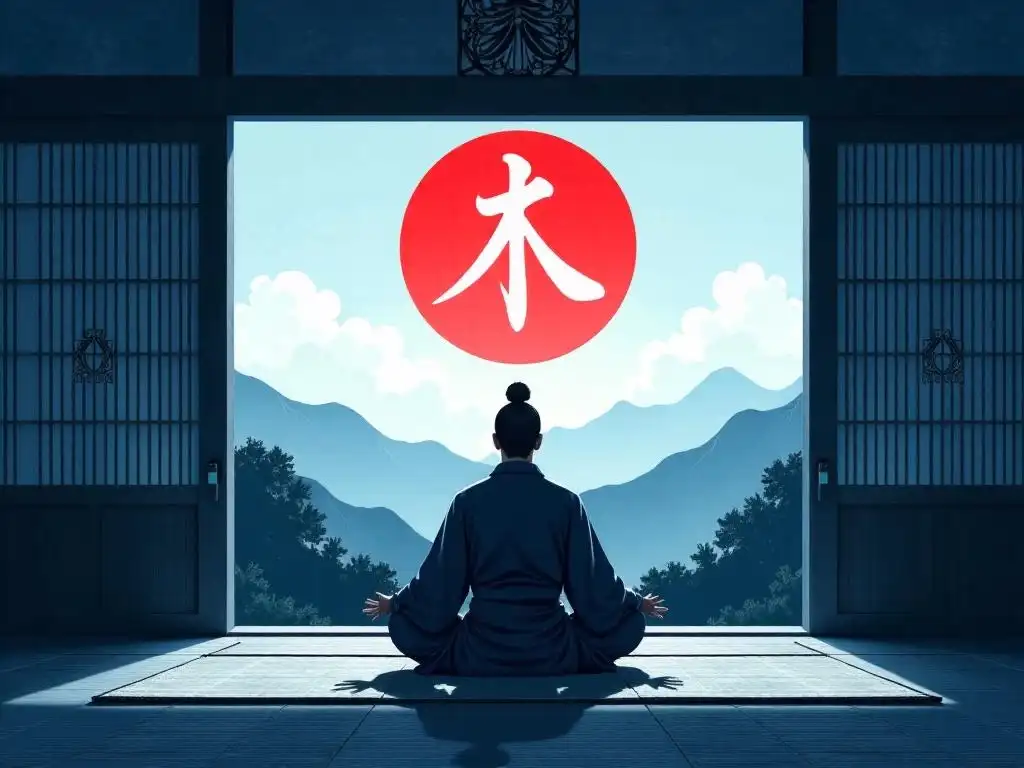
Meditation and mindfulness practices are integral to the samurai's martial arts training, serving to deepen their spiritual experience. The incorporation of these practices helps samurai cultivate awareness and presence, critical for both combat and enlightenment.
Samurai often practiced zazen, a form of seated meditation that promotes insight and tranquility. This practice allows them to develop mental clarity, focusing their thoughts and emotions, which is essential when facing the chaos of battle. By fostering a calm and centered mind, samurai could respond rather than react, embodying the essence of true martial mastery.
Mindfulness in training also involves being fully present during practice. This dedication to the moment enhances one's ability to engage with the techniques at hand, leading to more profound insights. Practitioners learn to observe their thoughts and feelings without judgment, creating a space for personal growth and spiritual awakening.
The Connection Between Physical Training and Spiritual Growth
The connection between physical training and spiritual growth in samurai martial arts is profound. As practitioners engage their bodies through rigorous physical activity, they also engage their minds and spirits in a holistic manner. This interplay fosters a sense of unity between body and mind, essential for achieving enlightenment.
Physical training serves as a vehicle for self-discovery. Through mastering techniques and movements, samurai learn about their own limitations, strengths, and the nature of perseverance. Each challenge faced on the mat or in the dojo becomes an opportunity for introspection and growth, ultimately guiding them toward a deeper understanding of their place in the world.
Furthermore, the practice of martial arts involves rituals that honor the tradition and history of the samurai. These rituals, combined with the physical aspects of training, instill a profound respect for the lineage of martial arts. This respect contributes to a sense of belonging and purpose, further enhancing spiritual growth.
Major Samurai Martial Arts Disciplines and Their Spiritual Significance
Samurai martial arts comprise various disciplines, each with its unique approach to physical training and spiritual development. The following are some of the most significant forms that exemplify the samurai's quest for enlightenment:
Kendo: The Way of the Sword
Kendo, or "the way of the sword," is a modern Japanese martial art derived from traditional swordsmanship. It emphasizes not only physical skill but also mental discipline. Kendo practitioners, known as kendoka, engage in sparring and kata (forms) that train them to maintain focus and composure in both combat and everyday life. The spiritual significance of kendo lies in its pursuit of "shin-ken shobu," or the true fight, which represents the ultimate confrontation between the self and one's limitations.
Iaido: The Art of Drawing the Sword
Iaido is the art of drawing the sword and striking in a single motion. This practice emphasizes precision, control, and mindfulness, as practitioners learn to execute movements with harmony and grace. The spiritual aspect of iaido is deeply connected to "zanshin," or the awareness of one's surroundings, fostering a state of readiness and presence. Through the ritualistic nature of iaido, practitioners develop a profound sense of peace and connection to their inner selves.
Judo and Aikido: Harmony and Self-Defense
Judo and aikido, while rooted in self-defense, also embody significant spiritual teachings. Judo emphasizes the principle of "maximum efficiency, minimum effort," enabling practitioners to use an opponent's force against them. This principle extends beyond physical combat, teaching individuals to adapt and flow with life's challenges.
Aikido, on the other hand, focuses on the concept of harmony. It teaches practitioners to blend with an attacker's movements, redirecting their energy rather than confronting it head-on. This philosophy promotes peace and resolution, guiding samurai to seek non-violent solutions, thereby enhancing their spiritual journey.
Ninjutsu: The Path of the Ninja
Ninjutsu, the art of the ninja, encompasses a wide range of techniques and philosophies. While often associated with stealth and espionage, ninjutsu also emphasizes adaptability and self-discipline. The spiritual significance of ninjutsu lies in its focus on observation and understanding one's environment. Practitioners learn to navigate challenges with cunning and wisdom, reflecting a deeper awareness of their inner selves and the world around them. The journey through ninjutsu encourages self-reflection and personal growth, aligning closely with the samurai's quest for enlightenment.
The Role of Rituals and Philosophy in Samurai Martial Arts
The samurai were not merely warriors; they were also individuals deeply engaged in a spiritual quest that intertwined their martial practices with philosophical underpinnings. Within the realm of samurai martial arts, rituals and philosophies played a pivotal role, shaping their approach to combat, honor, and personal growth. The integration of these elements created a unique pathway towards enlightenment that transcended mere physical prowess.
The Importance of Rituals in Training and Combat
Rituals in samurai martial arts served as a means to cultivate discipline and focus, essential qualities for any warrior. These rituals encompassed various practices, from the meticulous preparation of weapons to the ceremonial bowing before training sessions. Each action was imbued with significance, reinforcing the samurai’s commitment to their craft.
- Structured Training: Rituals provided a framework for training, allowing samurai to hone their skills methodically. This structure was not only about physical conditioning but also about mental acuity.
- Mindfulness and Presence: Engaging in rituals helped samurai enter a meditative state, fostering a sense of mindfulness. This mental clarity was crucial during combat, where decisions had to be made swiftly and accurately.
- Connection to Ancestry: Rituals often invoked the spirits of ancestors, creating a sense of lineage and responsibility. Samurai felt a duty to honor their forebears through their actions, further deepening their spiritual connection to their martial practices.
Samurai Philosophy: Bushido and Its Influence on Spirituality
Bushido, often translated as "the way of the warrior," is the code of conduct that governed the samurai class. This philosophy emphasized virtues such as loyalty, honor, and self-discipline, which were integral to the samurai's spiritual journey.
- Moral Compass: Bushido served as a moral framework, guiding samurai in their decisions and actions. Adherence to this code was seen as a path to personal integrity and spiritual growth.
- Meditation and Self-Reflection: The principles of Bushido encouraged samurai to engage in meditation and self-reflection, fostering a deeper understanding of their inner selves. This introspection was crucial for achieving enlightenment.
- Unity of Mind and Body: The philosophy of Bushido promoted the idea that physical strength and mental clarity were interconnected. Samurai sought to harmonize these aspects, leading to a more profound spiritual experience.
The Concept of Honor and Its Spiritual Implications
Honor was not just a societal expectation for samurai; it was a deeply spiritual concept that influenced their interactions with others and themselves. The samurai's understanding of honor shaped their identity and their path to enlightenment.
- Personal Honor as Spiritual Fulfillment: Maintaining personal honor was seen as essential to achieving spiritual fulfillment. Samurai believed that their worth was tied to their ability to uphold their principles and honor their commitments.
- Social Harmony: The pursuit of honor extended beyond the individual to the community. Samurai understood that their actions impacted the social fabric, and thus, they strived to act in ways that promoted harmony and respect.
- Sacrifice and Redemption: The samurai often faced dilemmas where honor required personal sacrifice. These moments of decision were not just tests of bravery but also opportunities for spiritual redemption and growth.
The Journey of a Samurai: Personal Stories of Enlightenment

Personal narratives of samurai highlight the diverse paths to enlightenment that these warriors embarked upon. Through their experiences, one can observe the interplay of martial arts, philosophy, and the quest for spiritual awakening.
Case Study: Miyamoto Musashi's Journey to Enlightenment
Miyamoto Musashi, one of Japan's most renowned swordsmen, epitomized the samurai's journey towards enlightenment through martial arts. Musashi's life was marked by a relentless pursuit of knowledge and mastery.
- Duality of Mind and Sword: Musashi believed in the unity of the mind and sword, asserting that true mastery came when one could strike effortlessly while maintaining mental clarity. His famous book, "The Book of Five Rings," reflects his philosophical insights on martial arts and life.
- Isolation and Reflection: Musashi spent years in solitude, reflecting on his experiences and honing his skills. This period of introspection allowed him to achieve a deeper understanding of himself and his purpose as a warrior.
- Legacy of Enlightenment: Musashi’s teachings continue to inspire martial artists today, illustrating how the journey of a samurai can lead to profound spiritual insights that extend beyond the battlefield.
The Transformation of a Warrior: The Experience of Saigo Takamori
Saigo Takamori, often regarded as the last true samurai, experienced a significant transformation throughout his life that mirrored the spiritual journey of many warriors.
- From Warrior to Leader: Initially a fierce warrior, Saigo evolved into a key figure in the Meiji Restoration, advocating for change while maintaining his samurai ideals. This shift illustrated his understanding of honor and duty in a rapidly changing society.
- Conflict and Reflection: His eventual opposition to the government he helped establish brought him into conflict with his own ideals. This struggle prompted deep reflection on honor, loyalty, and the essence of being a samurai.
- Death and Legacy: Saigo's death in battle became a symbol of the samurai spirit and honor. His life story serves as a testament to the transformative power of martial arts as a path to enlightenment, inspiring future generations to seek balance between duty and personal belief.
Modern Interpretations of the Samurai Enlightenment Path
The concept of the Samurai's enlightenment path, rooted in centuries of tradition, has evolved significantly in modern times. Today, many practitioners of martial arts view the techniques and philosophies of the Samurai not merely as fighting skills but as a holistic approach to personal growth and spiritual development. This transformation reflects a broader understanding of martial arts, where the physical, mental, and spiritual realms are interconnected, echoing the Samurai's historical commitment to self-improvement and discipline.
The Influence of Samurai Martial Arts in Contemporary Practices
Contemporary martial arts often draw inspiration from traditional Samurai practices, incorporating their principles into various modern disciplines. Styles such as Kendo, Aikido, and Iaido maintain a direct lineage to Samurai techniques, emphasizing not only physical prowess but also the mental and spiritual aspects of training. This influence can be seen in:
- Training Regimens: Modern martial arts schools often include meditation and mindfulness practices, echoing the Samurai's focus on mental clarity and presence.
- Philosophical Teachings: Many instructors integrate Samurai philosophy, such as bushido (the way of the warrior), into their teachings, fostering respect, honor, and discipline among students.
- Cultural Events: Tournaments and demonstrations often celebrate the rich history of Samurai traditions, allowing practitioners to connect with their heritage.
These aspects highlight the ongoing relevance of Samurai martial arts, ensuring that the spiritual journey associated with them remains a vital part of martial arts culture today.
How Modern Martial Artists View the Samurai's Spiritual Journey
Modern martial artists often perceive the Samurai's spiritual journey as a model for personal development. The dedication, focus, and resilience exemplified by the Samurai resonate deeply with practitioners facing contemporary challenges. Many see their training as a means to:
- Cultivate Discipline: The rigorous training regimes of the Samurai serve as a template for developing personal discipline and commitment.
- Achieve Inner Peace: The meditation practices rooted in Samurai traditions are viewed as pathways to achieving mental tranquility and emotional stability.
- Enhance Self-Awareness: The journey of the Samurai encourages self-reflection and awareness, allowing martial artists to understand their motivations and aspirations better.
This reinterpretation fosters a deeper appreciation for the spiritual dimensions of martial arts, encouraging students to view their practice as a journey rather than merely a set of skills.
Incorporating Samurai Principles into Today's Martial Arts Training
Modern martial arts schools increasingly emphasize the integration of Samurai principles into their training methodologies. Instructors encourage students to adopt practices that reflect the Samurai’s approach to life, including:
- Mindfulness and Meditation: Incorporating meditation sessions into training routines helps practitioners develop focus and clarity, essential for both martial arts and daily life.
- Ethical Conduct: Emphasizing values like respect, honor, and integrity creates a supportive training environment that mirrors the Samurai's code of conduct.
- Continuous Learning: Encouraging a mindset of lifelong learning and improvement, much like the Samurai, challenges martial artists to push their limits and expand their skills.
By embedding these principles into modern training, martial arts practitioners can embark on their own spiritual journeys, echoing the paths taken by the Samurai.
Conclusion: The Enduring Legacy of the Samurai's Enlightenment Path
The journey of the Samurai towards enlightenment remains a profound source of inspiration for martial artists worldwide. Their commitment to a path that intertwines physical skill with mental and spiritual growth illustrates the timeless relevance of martial arts as a vehicle for personal development.
Reflecting on the Spiritual Journey of the Samurai
Reflecting on the Samurai’s spiritual journey allows contemporary practitioners to appreciate the depth of their art. By understanding the historical context and the philosophy that underpins Samurai martial arts, modern students can find meaning in their training that goes beyond the physical. This reflection encourages individuals to explore their motivations, fostering a deeper connection to their practice.
The Continued Relevance of Samurai Martial Arts in Personal Development
The principles and philosophies of Samurai martial arts continue to resonate in today's society, offering valuable lessons for personal development. As individuals seek to navigate the complexities of modern life, the Samurai’s teachings provide a framework for:
- Building Resilience: The ability to face challenges with strength and determination.
- Cultivating Mindfulness: Developing awareness and presence in every aspect of life.
- Embracing Ethical Living: Upholding values that contribute to personal integrity and community well-being.
Incorporating these elements into daily life not only honors the legacy of the Samurai but also enriches the journey of modern martial artists striving for enlightenment on their paths.
- Introduction to Samurai Martial Arts and Spirituality
- Historical Context of Samurai Martial Arts
- The Path to Enlightenment Through Samurai Martial Arts
- Key Principles of Samurai Martial Arts as an Enlightenment Path
- Meditation and Mindfulness in Samurai Training
- The Connection Between Physical Training and Spiritual Growth
- Major Samurai Martial Arts Disciplines and Their Spiritual Significance
- The Role of Rituals and Philosophy in Samurai Martial Arts
- The Journey of a Samurai: Personal Stories of Enlightenment
- Modern Interpretations of the Samurai Enlightenment Path
- Conclusion: The Enduring Legacy of the Samurai's Enlightenment Path
- What is the significance of Samurai martial arts in Japan's feudal era?
- How did martial arts contribute to the Samurai's spiritual journey?
- What role did Zen Buddhism play in Samurai martial arts?
- Can you explain the concept of "Bushido" in the context of martial arts?
- How did the Samurai's martial arts practices evolve over time?
Frequently Asked Questions
What is the significance of Samurai martial arts in Japan's feudal era?
Samurai martial arts were not just combat techniques; they were also a means of achieving spiritual growth and enlightenment. Practitioners believed that mastering these arts could lead to a deeper understanding of self-discipline and inner peace.
How did martial arts contribute to the Samurai's spiritual journey?
Martial arts served as a pathway for Samurai to cultivate mental clarity and moral integrity. The discipline required in training enabled them to reflect on their actions and values, fostering a connection between physical prowess and spiritual awareness.
What role did Zen Buddhism play in Samurai martial arts?
Zen Buddhism profoundly influenced Samurai martial arts, promoting meditative practices that emphasized mindfulness and focus. This integration helped Samurai develop a calm mind during battle, enhancing their effectiveness and spiritual insight.
Can you explain the concept of "Bushido" in the context of martial arts?
Bushido, or the "way of the warrior," is a code of conduct that guided Samurai, intertwining martial arts with ethical principles. It emphasized loyalty, honor, and the pursuit of enlightenment, making martial training a holistic experience.
How did the Samurai's martial arts practices evolve over time?
As Japan transitioned from a feudal society, martial arts evolved from practical combat skills to include more philosophical and spiritual elements. This transformation highlighted the journey toward enlightenment rather than mere physical dominance.
Final Reflection: The Samurai's Path to Enlightenment Through Martial Arts
The journey of the samurai, steeped in tradition and discipline, resonates profoundly in today's fast-paced world. As we navigate the complexities of modern life, the principles of samurai martial arts serve as a beacon of clarity and purpose. The quest for enlightenment through rigorous training and self-discipline is not just a relic of the past; it is a vital practice that can guide us toward inner peace and resilience in the face of adversity.
Cultural narratives surrounding the samurai continue to shape our understanding of honor, discipline, and spiritual growth. The impact of these teachings transcends borders and eras, influencing various aspects of contemporary life, from personal development to leadership philosophies. As the renowned martial artist Bruce Lee once said, The successful warrior is the average man, with laser-like focus.
This quote encapsulates the essence of the samurai's journey—achieving greatness through unwavering dedication and clarity of purpose.
As you reflect on the lessons of the samurai, consider how you can incorporate these timeless principles into your own life. Embrace the path of self-discovery through martial arts, meditation, or any discipline that resonates with you. Allow the spirit of the samurai to inspire you to cultivate resilience, focus, and a deeper understanding of yourself. The journey toward enlightenment is not just for the few; it is an invitation for all to embark on a transformative path that leads to a more fulfilling and meaningful existence.
Embrace Your Inner Samurai: Take the Next Step Towards Enlightenment
Thank you for joining us on this exploration of the samurai's spiritual journey through martial arts. You’ve uncovered the deep connection between discipline and enlightenment, and now it’s time to forge your own path. Let’s transform that inspiration into action!
Here are a few powerful steps you can take right now:
- Start your own martial arts practice: Whether it’s karate, judo, or aikido, begin by finding a local dojo or an online class. Dedicate time each week to develop both your physical skills and mental focus.
- Meditate daily: Set aside just 10 minutes each day to practice mindfulness or Zen meditation. This practice can enhance your concentration and inner peace, much like the samurai of old.
- Share your journey: Connect with like-minded individuals by joining a community focused on martial arts or spiritual growth. Engage in discussions, workshops, or social media groups to exchange experiences and insights.
As you embark on this path, remember: the journey of a thousand miles begins with a single step.
What aspect of the samurai's journey resonates most with you, and how will you incorporate it into your life?