Beyond the Sword: The Social Status of Ashigaru in Feudal Japan
In feudal Japan, the social status of Ashigaru transcended mere foot soldiers, reflecting a complex interplay of loyalty, economic shifts, and cultural…
Read article
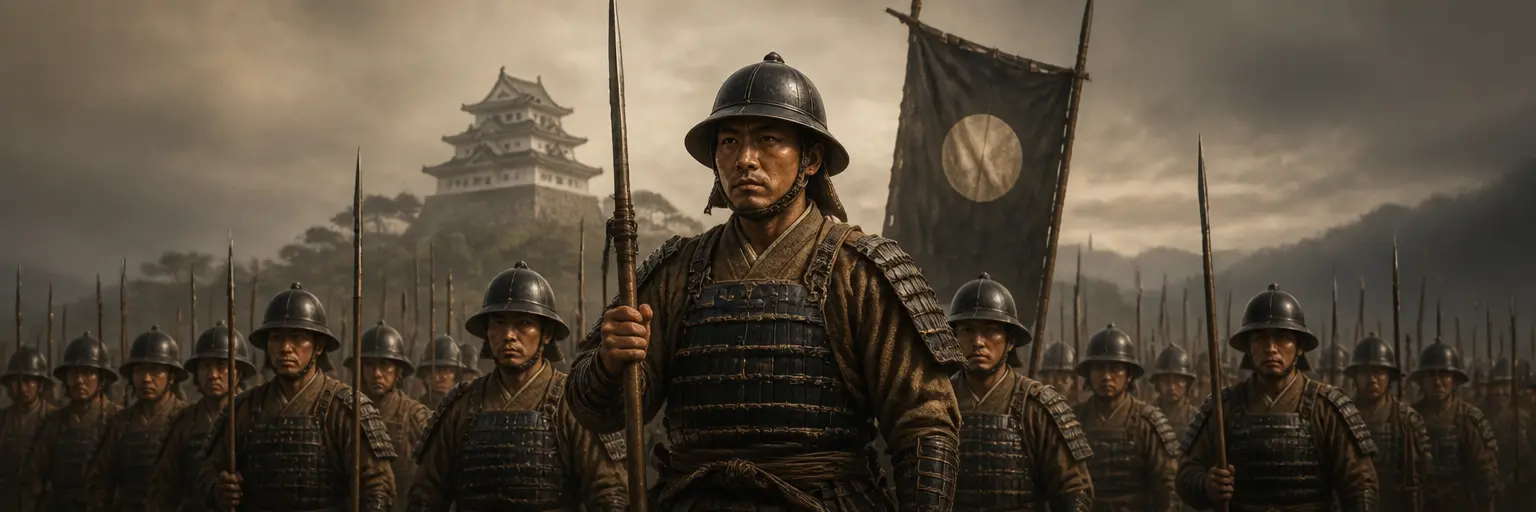
Explore the role of ashigaru in Japan’s feudal military history ⚔️—from humble foot soldiers and battlefield tactics to their evolving importance in samurai armies. Discover how these disciplined infantrymen shaped warfare, social mobility, and the rise of powerful warlords during the Sengoku period.
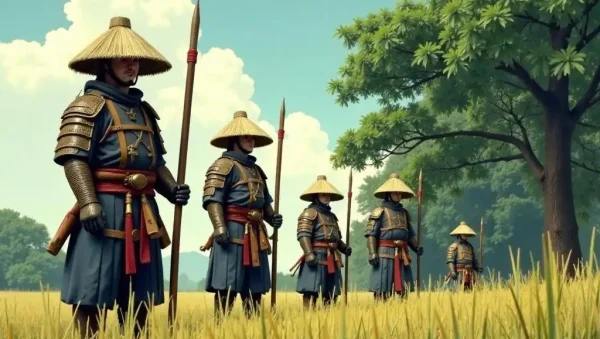
In feudal Japan, the social status of Ashigaru transcended mere foot soldiers, reflecting a complex interplay of loyalty, economic shifts, and cultural…
Read article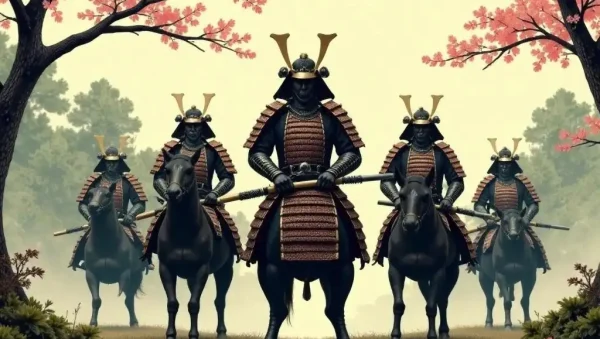
The Ashigaru, humble foot soldiers of feudal Japan, exemplified loyalty and duty, embodying the values that shaped samurai culture. Their unwavering commitment…
Read article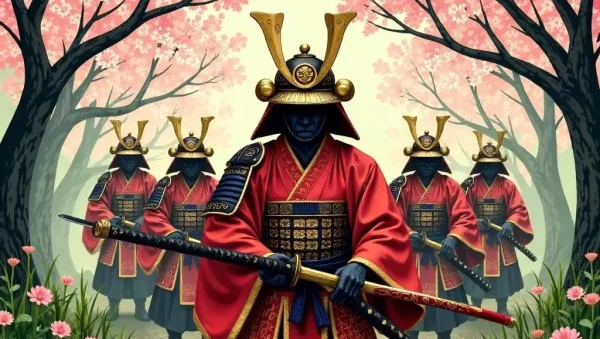
In Japan's feudal era, the skills of the Ashigaru warriors extended beyond mere foot soldiers. Their diverse abilities in strategy, archery, and…
Read article
The Role of Ashigaru in Feudal Japan was pivotal, as these foot soldiers not only supported samurai in battles but also shaped…
Read article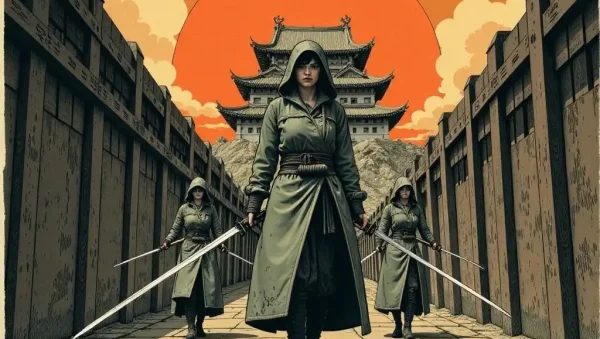
The Ashigaru, Japan's foot soldiers, played a crucial role in siege warfare by employing innovative tactics and techniques. This article delves into…
Read article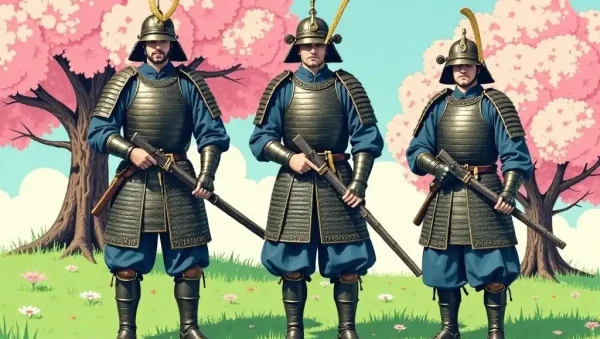
The history of Ashigaru warriors reveals their transformation from mere foot soldiers to pivotal strategic assets in Japan's feudal era. This evolution…
Read article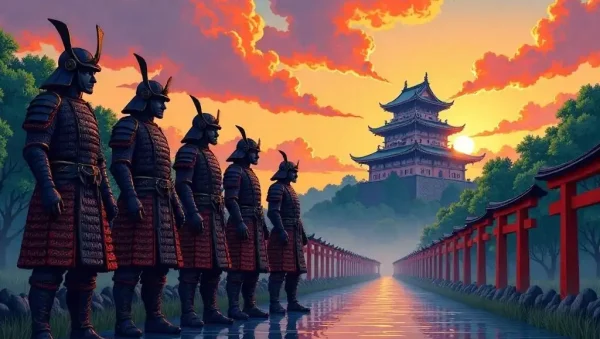
🌟 The Ashigaru defense of Japanese castles played a crucial role in Japan's feudal era, showcasing the adaptability and resilience of these…
Read article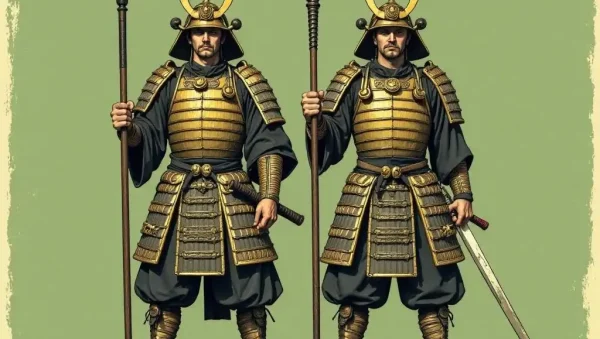
In the complex tapestry of Japan's feudal era, the roles of Ashigaru and Samurai were distinctly defined. This article delves into their…
Read article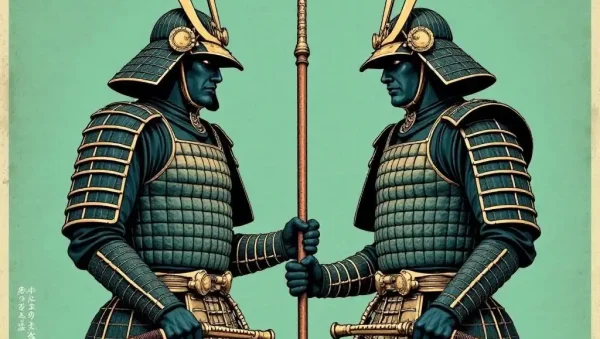
In Japan's feudal era, the intricate dynamics of Ashigaru loyalty to samurai commanders reveal a profound bond shaped by duty and respect.…
Read article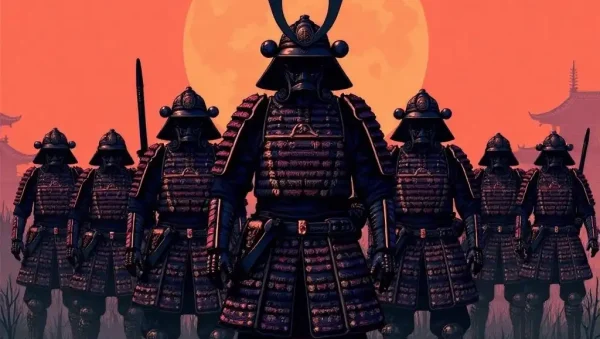
The ashigaru soldiers of feudal Japan played a crucial role in major battles, adapting tactics and weaponry that significantly influenced warfare strategies.…
Read article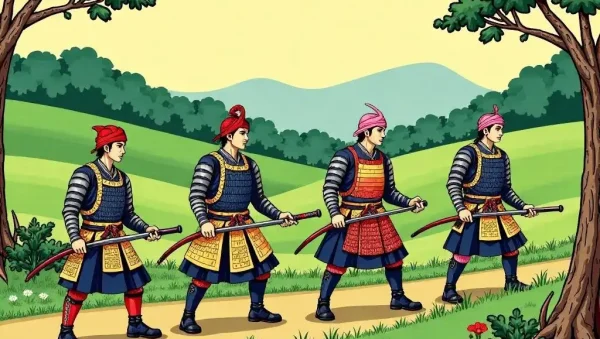
The cultural depictions of Ashigaru in Japanese art and literature reveal their complex roles as both warriors and commoners, reflecting the societal…
Read article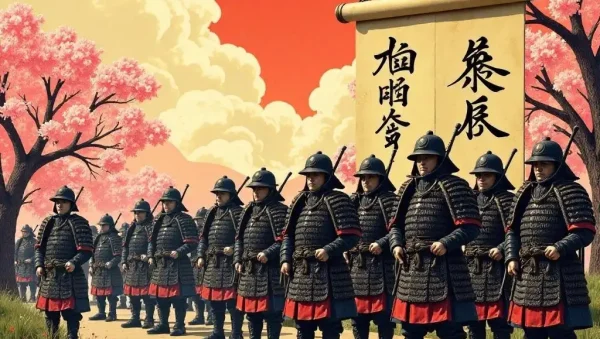
The Ashigaru, Japan's versatile foot soldiers, played a crucial role in shaping the country's military history. Their evolution from peasant conscripts to…
Read articleThe Role of Ashigaru was central to the development of warfare, social organization, and military power in feudal Japan. Ashigaru were foot soldiers recruited primarily from farming communities and lower social ranks, yet their importance grew dramatically from the Sengoku period through the unification of Japan. On Feudal Japan History, explore how these infantry troops fought, trained, organized, and influenced the transformation of the samurai warrior class and Japanese armies.
Ashigaru, meaning “light feet,” were commonly described as infantry soldiers in medieval and early modern Japan. Unlike hereditary samurai, many ashigaru began as peasants, village guards, hired soldiers, or temporary military levies. Their rise reflected the increasing need for large, disciplined armies during periods of civil war.
Readers can learn about the social background of ashigaru, their recruitment by daimyo, and the changing relationship between peasants, soldiers, and samurai. Understanding their origins reveals why ashigaru became essential to the military history of feudal Japan.
During the Sengoku period, or Warring States era, rival daimyo depended on substantial infantry forces to capture castles, defend domains, and fight extended campaigns. Ashigaru served as the numerical foundation of many Sengoku armies, supporting mounted samurai and participating in sieges, field battles, and defensive operations.
This section examines how political instability encouraged military mobilization throughout Japan. Discover how daimyo organized provincial forces, rewarded loyal soldiers, and used ashigaru to strengthen their armies during famous conflicts such as the Battle of Nagashino and the campaigns of Oda Nobunaga, Toyotomi Hideyoshi, and Tokugawa Ieyasu.
One of the most important developments in the history of ashigaru was their use of the tanegashima matchlock firearm. After firearms reached Japan in the sixteenth century, commanders trained large numbers of ashigaru to operate them in coordinated volleys, changing battlefield tactics and weakening the traditional dominance of mounted warriors.
Readers will discover how firearms affected Japanese warfare, military training, armor, battlefield formations, and castle defense. The study of ashigaru gunners also explains why disciplined infantry units became increasingly valuable to ambitious warlords seeking technological and tactical advantages.
Ashigaru used a variety of weapons, including spears, bows, matchlocks, swords, and polearms. Their equipment depended on their commander, assignment, wealth, and military role. Many carried practical armor such as lightweight cuirasses, helmets, banners, and protective clothing designed for large-scale campaigns.
This section explores the difference between ashigaru gear and samurai equipment, including the use of long yari spears and standardized uniforms. It also considers how military supplies, banners, weapons production, and logistics helped commanders equip thousands of foot soldiers.
The effectiveness of ashigaru depended on more than numbers. Daimyo developed systems for recruitment, drilling, discipline, and battlefield command. Ashigaru could be organized into units based on weapons, villages, family groups, or administrative districts, creating increasingly professional armies.
Learn how military service affected rural communities and how ashigaru were trained to march, maintain formations, obey commands, and use coordinated tactics. These practices contributed to the emergence of more centralized and professional military institutions in Japan.
Ashigaru performed many battlefield duties, from holding spear formations and firing matchlocks to defending fortifications and assaulting castle walls. They were also involved in scouting, transporting supplies, constructing fieldworks, and protecting commanders during military campaigns.
Readers can expect detailed explanations of ashigaru tactics in open battles and sieges. Their role demonstrates that victory in feudal Japan depended on coordinated infantry, reliable logistics, battlefield communication, and disciplined formations—not only on individual samurai skill.
The growing importance of ashigaru supported the political ambitions of powerful warlords. Leaders such as Oda Nobunaga and Toyotomi Hideyoshi used mass infantry, administrative reforms, and military organization to challenge regional rivals and unify large territories.
This section explores how the ashigaru helped reshape Japan’s social and political order. It also examines Hideyoshi’s policies, including the separation of warriors and farmers, which reinforced distinctions between military service and agricultural life.
Although many ashigaru came from humble backgrounds, military service could provide opportunities for advancement. Some rose through the ranks, gained rewards, acquired land, or entered the lower levels of the samurai class. Their experiences offer valuable insight into social mobility in feudal Japan.
Explore the daily lives of ashigaru, including camp life, pay, discipline, family responsibilities, and the dangers of warfare. Their history shows that the military world of Japan was more socially complex than a simple division between samurai and peasants.
After the establishment of the Tokugawa shogunate, large-scale warfare declined, but ashigaru continued to serve within domain armies and castle administrations. Their duties increasingly included guard work, policing, messenger services, ceremonial responsibilities, and maintaining military readiness.
This section explains how the role of ashigaru changed during the long peace of the Edo period. Readers will learn how foot soldiers fit into the Tokugawa social hierarchy and how their legacy survived in domain records, military manuals, historical documents, and popular culture.
Ashigaru were foot soldiers who served the armies of Japanese daimyo and warlords. Many came from peasant or lower-ranking backgrounds and fought with spears, bows, matchlocks, and other weapons. They became the main infantry force of many feudal Japanese armies.
Ashigaru were generally not hereditary samurai, especially during the early Sengoku period. However, some earned higher status through military service, loyalty, and promotion. Over time, distinctions between ashigaru and lower-ranking samurai could become less clear, particularly in organized domain armies.
Ashigaru commonly used long spears, bows, matchlock firearms, swords, and polearms. Their weapons depended on military specialization and the resources of their commander. Spear formations and coordinated matchlock units were especially important in Sengoku warfare.
Ashigaru provided the large numbers of disciplined infantry needed for battles, castle sieges, territorial defense, and military campaigns. Their widespread use helped transform warfare from elite mounted combat into organized mass warfare supported by firearms, formations, and logistics.
Yes. Although most ashigaru held lower status than samurai, military achievement could bring rewards, land, income, or promotion. Their potential for advancement illustrates the changing social structure of the Sengoku period and the role of warfare in creating new elites.