
The Role of Ashigaru in Major Battles of Feudal Japan

Welcome to Feudal Japan History, where we embark on a fascinating journey through the complexities of Japan's feudal era. Here, we delve into the lives of the ashigaru soldiers, the unsung heroes of major battles that shaped a nation. Have you ever wondered how these foot soldiers influenced the outcome of conflicts and their pivotal role in a time of shifting power dynamics?
As you explore our in-depth articles, prepare to uncover the layers of military history that define this remarkable period. Join us as we unveil the stories behind the ashigaru and their contributions to the legacy of feudal Japan!
- Introduction to Ashigaru Soldiers in Feudal Japan
- Historical Context of Ashigaru in Feudal Japan
- Major Battles Involving Ashigaru Soldiers
- The Training and Equipment of Ashigaru Soldiers
- The Cultural Significance of Ashigaru in Feudal Japan
- Conclusion: The Lasting Impact of Ashigaru Soldiers on Feudal Japan
- References and Further Reading on Ashigaru Soldiers in Feudal Japan
- Frequently Asked Questions
- Final Reflection: The Enduring Legacy of Ashigaru Soldiers in Feudal Japan
- Unveil the Legacy of Ashigaru - Take Action Today!
Introduction to Ashigaru Soldiers in Feudal Japan
The ashigaru soldiers played a pivotal role in the military landscape of feudal Japan, serving as the backbone of samurai armies during the tumultuous periods of the 15th to 17th centuries. These foot soldiers, initially composed of lower-class farmers and laborers, evolved into a formidable force that significantly influenced the outcomes of major battles. Understanding the evolution, organization, and impact of ashigaru soldiers is crucial for grasping the complexities of Japan’s feudal military history. This article will delve into the various aspects of ashigaru soldiers, their contributions to military strategies, and their lasting legacy in Japan's historical narrative.
Overview of Ashigaru Soldiers
Ashigaru, literally meaning "light foot," were typically armed with weapons such as spears (yari), swords (katana), and later, firearms. They served as infantrymen, often positioned at the front lines in battles, where their numbers could turn the tide. Initially, ashigaru were recruited from the peasant class, which made them less trained than their samurai counterparts but more numerous.
- Origin and Development:
- Ashigaru first emerged during the Kamakura period (1185-1333) but gained prominence during the Sengoku period (1467-1603).
- Their role transitioned from untrained peasants to organized soldiers, particularly as warfare became more complex.
- Training and Equipment:
- Over time, ashigaru received military training, although it varied from clan to clan.
- They often wore simple armor made of leather or iron and utilized a range of weapons, including:
- Yari (spears): Effective for both offense and defense.
- Naginata (polearms): Used for slashing and thrusting.
- Tanegashima (matchlock guns): Adopted later and utilized in large numbers during battles.
Importance of Ashigaru in Military History
The significance of ashigaru soldiers in military history cannot be overstated. As the number of samurai declined in the face of prolonged conflicts, ashigaru became essential for maintaining effective fighting forces.
- Tactical Contributions:
- Ashigaru formations allowed for flexible tactics, adapting to various battlefield scenarios.
- Their ability to quickly mobilize and form ranks provided critical support to samurai cavalry and archers.
- Key Battles:
- Notable conflicts such as the Battle of Nagashino (1575) showcased the effectiveness of ashigaru, particularly their use of firearms in coordinated volleys.
- Ashigaru played a decisive role in the Siege of Osaka (1614-1615), where their numbers were crucial in overpowering fortified positions.
- Social Impact:
- The rise of ashigaru marked a shift in the social hierarchy, as these soldiers gained recognition and, in some cases, land and titles for their service.
- Their existence contributed to the gradual decline of the samurai's exclusive status as the sole warriors of the realm.
Ashigaru soldiers not only influenced the military tactics of their time but also reflected significant social changes within feudal Japan. Their legacy continues to be a point of interest for historians exploring the intricate tapestry of Japan's past.
Historical Context of Ashigaru in Feudal Japan
The Rise of Ashigaru Soldiers
The emergence of ashigaru soldiers during the Kamakura period (1185-1333) marked a significant shift in Japan's military structure. Initially, the term "ashigaru" referred to foot soldiers who were primarily drawn from the lower social classes, including peasants and townspeople. As the need for a larger, more flexible fighting force grew, especially during the constant warfare of the Sengoku period (1467-1603), the role of ashigaru expanded dramatically.
By leveraging their numbers, ashigaru became essential to the armies of samurai leaders. Historical records indicate that by the late 16th century, ashigaru units could comprise as much as 40% of a lord's total forces. Their rise was facilitated by the introduction of firearms, particularly the matchlock gun (teppo), which allowed these soldiers to engage effectively in battles without the need for extensive training in swordsmanship or mounted combat.
The Battle of Nagashino in 1575 serves as a prominent example of ashigaru's pivotal role. Tokugawa Ieyasu's forces utilized ashigaru armed with arquebuses to devastating effect against the cavalry charges of the Takeda clan, showcasing how these foot soldiers could decisively influence the outcome of major battles.
The recruitment of ashigaru soldiers was primarily rooted in Japan's social hierarchy. Unlike the samurai class, who were bound by a strict code of honor and loyalty, ashigaru were often hired on a more pragmatic basis. Many ashigaru were drawn from the peasantry, motivated by the promise of land, wealth, or social mobility. Consequently, recruitment strategies varied significantly among feudal lords.
- Local Levies: Many daimyōs recruited ashigaru from local populations, especially during times of war. This method allowed them to quickly amass numbers but often resulted in variations in training and discipline.
- Professional Soldiers: Over time, some ashigaru began to emerge as professional soldiers. These individuals were more skilled and experienced, often participating in multiple campaigns. They could command higher wages and sometimes even earn the right to carry a katana, elevating their status.
- Mercenaries and Allies: In certain instances, daimyōs would hire ashigaru from other regions or even offer services to allied clans. This practice not only increased their military strength but also fostered a diverse blend of tactics and experiences within their ranks.
The recruitment of ashigaru reflects the changing dynamics of feudal Japan, where the lines between social classes began to blur, driven by the needs of warfare and the aspirations of these foot soldiers.
The Evolution of Ashigaru Tactics
As the role of ashigaru soldiers evolved, so too did their tactics on the battlefield. Initially employed as mere infantry, ashigaru began to adopt more sophisticated strategies that capitalized on their strengths and the evolving nature of warfare.
- Formation and Coordination: Ashigaru units often fought in tightly organized formations, such as the "asari" (skirmishers) and "teppo" (gun units). This allowed them to maximize firepower and maintain discipline amid the chaos of battle.
- Use of Firearms: The introduction of firearms changed the tactical landscape significantly. Ashigaru armed with matchlock guns could deliver devastating volleys, forcing enemy cavalry to reconsider their traditional charges. The effective use of firearms led to the development of specific formations, such as the "kaki" (circular) formation, designed to protect gunmen from flanking maneuvers.
- Adaptation to Terrain: Skilled ashigaru were adept at using the terrain to their advantage. During battles in mountainous regions, for instance, they utilized guerrilla tactics, ambushing enemy forces and disrupting supply lines.
- Combined Arms Operations: The evolution of ashigaru tactics also reflected an increasing emphasis on combined arms warfare. Ashigaru units would often work in tandem with samurai cavalry and archers, coordinating attacks to exploit enemy weaknesses effectively.
Overall, the tactical evolution of ashigaru soldiers during feudal Japan illustrates their adaptability and significance in the broader military context. Through their rise, recruitment, and tactical innovation, ashigaru became a formidable force that left an indelible mark on Japan's military history.
Major Battles Involving Ashigaru Soldiers
The Battle of Okehazama
The Battle of Okehazama, fought in 1560, stands as a pivotal moment in the history of feudal Japan. This conflict was notable not only for its dramatic results but also for the significant role that ashigaru soldiers played in the unfolding of events. Led by Oda Nobunaga, a relatively unknown warlord at the time, the battle showcased the strategic importance of these foot soldiers in a landscape dominated by samurai warfare.
Role of Ashigaru in the Battle Strategy
Ashigaru soldiers, typically composed of lower-class warriors and farmers, were integral to Oda Nobunaga’s battle strategy at Okehazama. Their primary role was to serve as frontline infantry, providing essential manpower for Nobunaga’s forces. Unlike the elite samurai, ashigaru were often equipped with simpler weapons such as spears (yari) and arquebuses (tanegashima).
Nobunaga's strategy involved a surprise attack against the much larger forces of Imagawa Yoshimoto. He utilized the ashigaru to create confusion and disruption among the enemy ranks. By deploying them in a series of rapid maneuvers, Nobunaga was able to flank the Imagawa troops, turning the tide of battle. The ashigaru’s flexible tactics allowed for quick repositioning, making them a vital component in the execution of Nobunaga's bold plan.
Impact on the Outcome of the Battle
The impact of ashigaru soldiers on the outcome of the Battle of Okehazama cannot be overstated. Their willingness to fight against overwhelming odds exemplified the changing nature of warfare in this era. Despite being outnumbered, the ashigaru's cohesion and adaptability contributed significantly to the victory of Nobunaga's forces.
The battle resulted in a decisive defeat for Imagawa Yoshimoto, who was killed during the confrontation. This victory propelled Oda Nobunaga into prominence and underscored the effectiveness of ashigaru soldiers as a formidable fighting force in feudal Japan. The success at Okehazama marked a turning point that would influence future military engagements, leading to the increased utilization of ashigaru in subsequent conflicts.
The Siege of Osaka
The Siege of Osaka, occurring from 1614 to 1615, was a critical series of battles that saw the Tokugawa shogunate face off against the forces loyal to Toyotomi Hideyori. Ashigaru soldiers played a crucial role in this extended conflict, particularly during the siege's initial stages when urban warfare tactics came into play.
Contributions of Ashigaru in Urban Warfare
During the Siege of Osaka, ashigaru soldiers were instrumental in urban warfare strategies, adapting their combat techniques to the challenging environment of the city. Their numbers allowed for the establishment of barricades and fortified positions, which were essential for controlling key areas within Osaka.
The ashigaru were often tasked with assaulting fortified positions and engaging in skirmishes against the defenders. Their mobility and ability to navigate the narrow streets of the city made them effective in close-quarters combat. Additionally, ashigaru units were responsible for logistical support, ensuring that supplies and reinforcements were consistently available to sustain the Tokugawa forces throughout the siege.
Significance in the Context of Feudal Japan
The significance of ashigaru soldiers during the Siege of Osaka extends beyond mere combat effectiveness; it reflects the evolving social structure of feudal Japan. As the Tokugawa shogunate solidified its power, the role of ashigaru began to transform, bridging the gap between the samurai elite and the common populace.
The siege underscored the importance of ashigaru in maintaining order and executing military strategies within urban settings. As cities became increasingly significant in the political landscape of Japan, the reliance on ashigaru soldiers highlighted their crucial role in the evolving nature of warfare. This battle and the subsequent fall of Osaka marked the end of the Toyotomi clan's power, cementing the Tokugawa shogunate's dominance and the ashigaru's place within military history in feudal Japan.
The Battle of Nagashino
The Battle of Nagashino, fought in 1575, is one of the most significant confrontations of the Sengoku period in Japan, showcasing the pivotal role of ashigaru soldiers in military engagements. This battle pitted the forces of the Takeda clan, led by Takeda Katsuyori, against the Tokugawa and Oda clans, commanded by Tokugawa Ieyasu and Oda Nobunaga. The battle is particularly notable for its innovative use of firearms and the strategic deployment of ashigaru troops.
During the engagement, the Tokugawa and Oda forces were heavily outnumbered, with approximately 38,000 troops facing about 15,000 Takeda warriors. However, the ashigaru soldiers, who were often regarded as the lower ranks in the samurai hierarchy, played a crucial role in the successful defense against the cavalry charges that characterized Takeda's tactics. The introduction of matchlock rifles (tanegashima) among the ashigaru units significantly altered the dynamics of warfare during this period.
The battle unfolded on a narrow plain surrounded by hills, which provided natural fortifications for the defending forces. The ashigaru utilized their firearms to create a formidable line of defense, positioning themselves strategically behind wooden palisades. This allowed them to unleash devastating volleys of gunfire against the charging Takeda cavalry, effectively neutralizing one of their greatest advantages—mobility and speed.
Ashigaru's Tactical Innovations
The Battle of Nagashino marked a turning point in the tactics employed by ashigaru soldiers. Traditionally seen as foot soldiers, the ashigaru demonstrated their adaptability and resourcefulness in the face of evolving warfare technology. One of the most significant innovations was the organized formation of ashigaru armed with matchlock rifles. This formation allowed for coordinated firing, where groups of ashigaru would fire in succession, maintaining a continuous barrage against the enemy.
Additionally, the use of cover and fortifications was a tactical breakthrough. The ashigaru constructed makeshift barriers and utilized the terrain to their advantage, which not only protected them from enemy charges but also allowed them to fire with greater accuracy. This strategic positioning was critical in countering the famed Takeda cavalry, which had previously dominated battles with their speed and ferocity.
The success of ashigaru in this battle also highlighted their training and discipline. The integration of firearms into their arsenal necessitated a level of proficiency that was not typically expected of common foot soldiers. As a result, the ashigaru became more than just cannon fodder; they evolved into a vital component of the military strategy, capable of executing complex maneuvers and responding dynamically to battlefield conditions.
Lessons Learned from the Engagement
The Battle of Nagashino provided several key lessons that would influence military strategies in feudal Japan and beyond. Firstly, the effectiveness of gunpowder weaponry became undeniable. The success of ashigaru armed with matchlock rifles demonstrated the importance of integrating firearms into traditional samurai warfare, prompting other clans to adopt similar tactics in subsequent battles.
Furthermore, the battle underscored the significance of strategic positioning and formation in combat. The ashigaru’s ability to hold their ground against a vastly superior cavalry force taught future military leaders the value of utilizing terrain and constructing defensive positions to mitigate the enemy's advantages.
Lastly, this engagement marked a shift in the perception of ashigaru soldiers from mere foot soldiers to essential components of a feudal army. Their successful performance at Nagashino encouraged greater investment in training and equipment for ashigaru, leading to their increased prominence in later conflicts.
Overall, the Battle of Nagashino stands as a testament to the evolution of warfare in feudal Japan, illustrating how ashigaru soldiers adapted to changing military landscapes and laid the groundwork for future battles.
The Training and Equipment of Ashigaru Soldiers
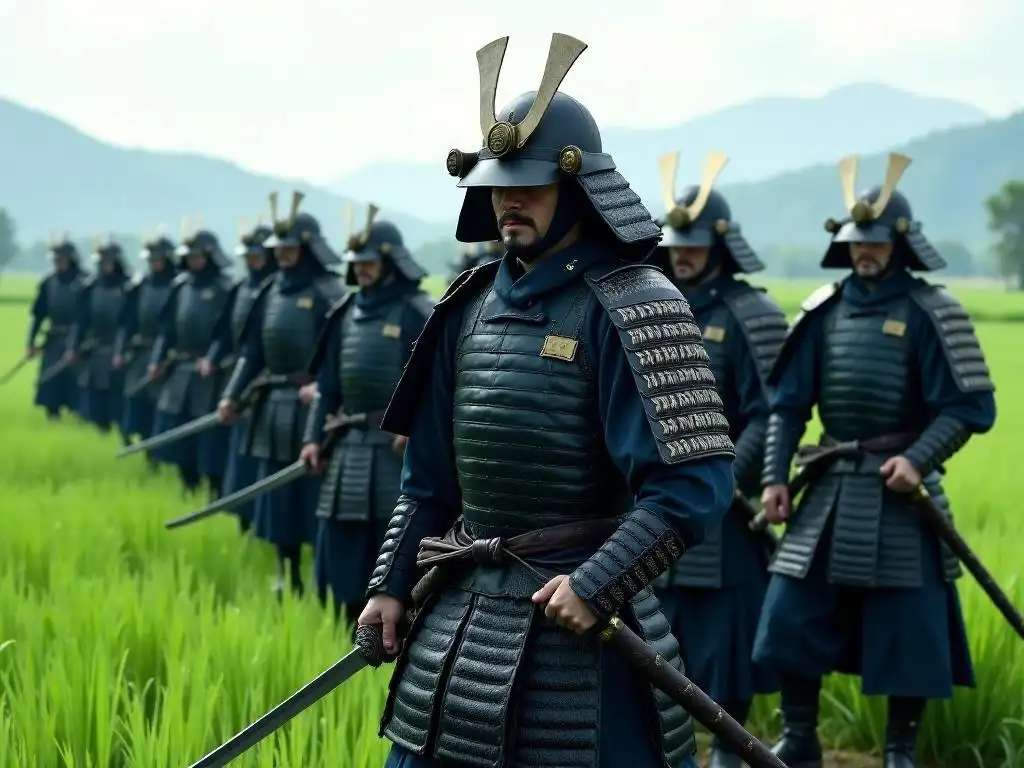
The training and equipment of ashigaru soldiers were pivotal to their effectiveness and adaptability in the battlefield during feudal Japan. As the foot soldiers of samurai armies, ashigaru played crucial roles in various conflicts, and their preparation shaped their contributions to military campaigns.
Standard Weapons and Armor of Ashigaru
Ashigaru soldiers were typically equipped with a variety of weapons and armor, which reflected their role as infantrymen in feudal Japan. Their standard gear included:
- Weapons:
- Yari (Spears): The most common weapon among ashigaru, yari were versatile and effective for both thrusting and throwing.
- Naginata (Polearms): A longer weapon that combined the features of a pole and a sword, providing reach and slashing capabilities.
- Tanto (Daggers): Used as sidearms for close combat situations.
- Bows (Yumi): Some ashigaru were also trained in archery, especially in the earlier periods of feudal warfare.
- Armor:
- Hara-ate (Waist Armor): Typically lighter than samurai armor, allowing for greater mobility.
- Kabuto (Helmets): Simple designs, often made of iron or leather, offering basic protection.
- Tatami-gusoku (Foldable Armor): A more portable option that could be easily assembled and disassembled, used by many ashigaru for its practicality.
This combination of weapons and armor allowed ashigaru to be versatile on the battlefield, adapting to various combat situations as needed.
Training Regimens for Ashigaru Soldiers
The training of ashigaru soldiers was often less formal compared to that of samurai, yet it was essential for their performance in battle. Key aspects of their training included:
- Basic Combat Skills: Ashigaru were trained in the use of their primary weapons, particularly the yari. This included thrusting techniques and formation drills.
- Drill Exercises: Soldiers practiced marching in formation and executing tactical maneuvers, which were crucial for maintaining cohesion during battles.
- Physical Conditioning: Regular physical training ensured that ashigaru soldiers maintained their stamina and strength, which was vital for enduring the rigors of battle.
- Group Tactics: Training emphasized the importance of working as a cohesive unit, allowing ashigaru to support each other effectively during combat.
While they may not have received the same level of training as the samurai, the focus on practical skills and teamwork enabled ashigaru to perform effectively in large-scale battles.
Comparison to Other Samurai Forces
When comparing ashigaru soldiers to other samurai forces, several distinctions emerge that highlight their unique role within the military hierarchy of feudal Japan:
- Status and Training:
- Ashigaru: Often recruited from the peasantry, ashigaru had limited training and lower social status compared to samurai.
- Samurai: Trained from a young age in the arts of war, samurai were elite warriors with extensive combat training and a strong code of honor (Bushido).
- Equipment:
- Ashigaru: Utilized lighter armor and a broader range of weaponry, reflecting their role as support troops and foot soldiers.
- Samurai: Wore heavier, more ornate armor and carried traditional katana and tachi swords, emphasizing their status as mounted warriors.
- Tactical Roles:
- Ashigaru: Primarily served as infantry, often forming the bulk of an army and engaging in direct combat.
- Samurai: Often took on leadership roles and engaged in one-on-one combat, utilizing their superior training and skill.
While ashigaru soldiers were critical to the success of battles in feudal Japan, their training, equipment, and roles contrasted significantly with those of their samurai counterparts. Their contributions, however, were indispensable in the larger context of military campaigns, showcasing the diverse fabric of feudal Japanese warfare.
The Cultural Significance of Ashigaru in Feudal Japan
Ashigaru in Literature and Art
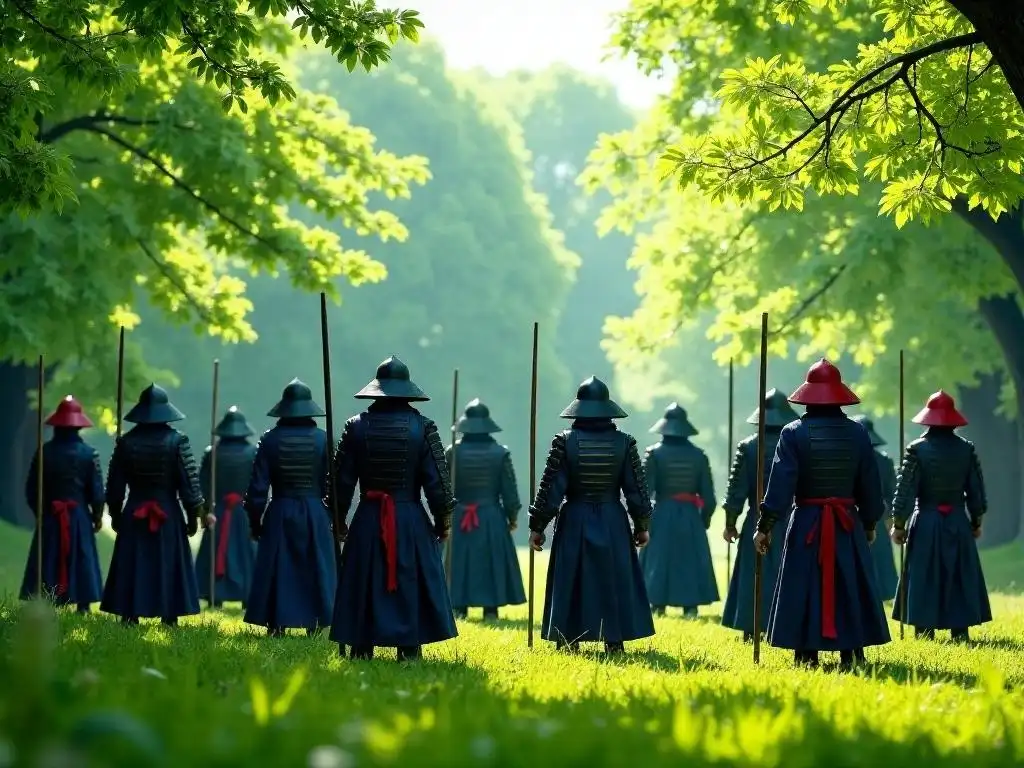
The role of ashigaru soldiers in feudal Japan extends beyond the battlefield and into the realms of literature and art, where they have been depicted in various forms reflecting their societal importance. Literary works from the Sengoku period often portrayed ashigaru as brave yet humble warriors, embodying the ethos of loyalty and perseverance.
One notable example is the historical novel "Tale of the Heike," which, while primarily focused on the samurai class, acknowledges the contributions of ashigaru in battles. This literary recognition underscores the evolving perception of these foot soldiers from mere support troops to essential components of military campaigns.
In visual arts, ukiyo-e woodblock prints frequently depicted ashigaru alongside samurai, illustrating their presence in famous battles. Artists like Utagawa Kuniyoshi captured the valor and determination of these soldiers, presenting them as key participants in significant historical events. Such artistic representations served to elevate the status of ashigaru, highlighting their role in shaping Japan’s military history.
The Perception of Ashigaru within Society
The perception of ashigaru within feudal Japanese society was complex and multifaceted. Initially, these soldiers were often viewed as the lower tier of the military hierarchy, primarily recruited from peasant backgrounds. However, as the needs of warfare evolved, so did the social standing of ashigaru.
During the Sengoku period, the demand for large armies led to a greater appreciation of ashigaru. They became recognized not just as foot soldiers but as vital contributors to the success of military campaigns. This shift is evident in the daimyōs' reliance on ashigaru for their military endeavors, which fostered a sense of camaraderie and loyalty.
Despite their essential role, social stigma lingered, and ashigaru were often viewed as expendable compared to the revered samurai class. Nonetheless, their contributions were celebrated in local lore and oral traditions, allowing them to carve out a unique identity within the broader societal structure of feudal Japan.
Legacy of Ashigaru Soldiers in Japanese Culture
The legacy of ashigaru soldiers in Japanese culture is a testament to their enduring influence on the country’s historical narrative. Over time, the image of the ashigaru has evolved, symbolizing not only the foot soldiers of their era but also the broader themes of resilience and adaptability.
In modern Japan, the remembrance of ashigaru can be seen in various forms, including manga and anime that depict historical battles. These mediums often romanticize the ashigaru, portraying them as unsung heroes and giving them a place in popular culture that resonates with audiences today.
Moreover, festivals and reenactments celebrating historical battles frequently feature ashigaru figures, emphasizing their role in Japan’s military past. This cultural remembrance serves to honor their sacrifices and contributions while fostering a deeper understanding of Japan's feudal history.
The cultural significance of ashigaru soldiers in feudal Japan transcends their military duties, embedding them within the fabric of Japanese history and society. Their legacy continues to inspire narratives and artistic expressions, ensuring that their role is recognized and appreciated in contemporary culture.
Conclusion: The Lasting Impact of Ashigaru Soldiers on Feudal Japan
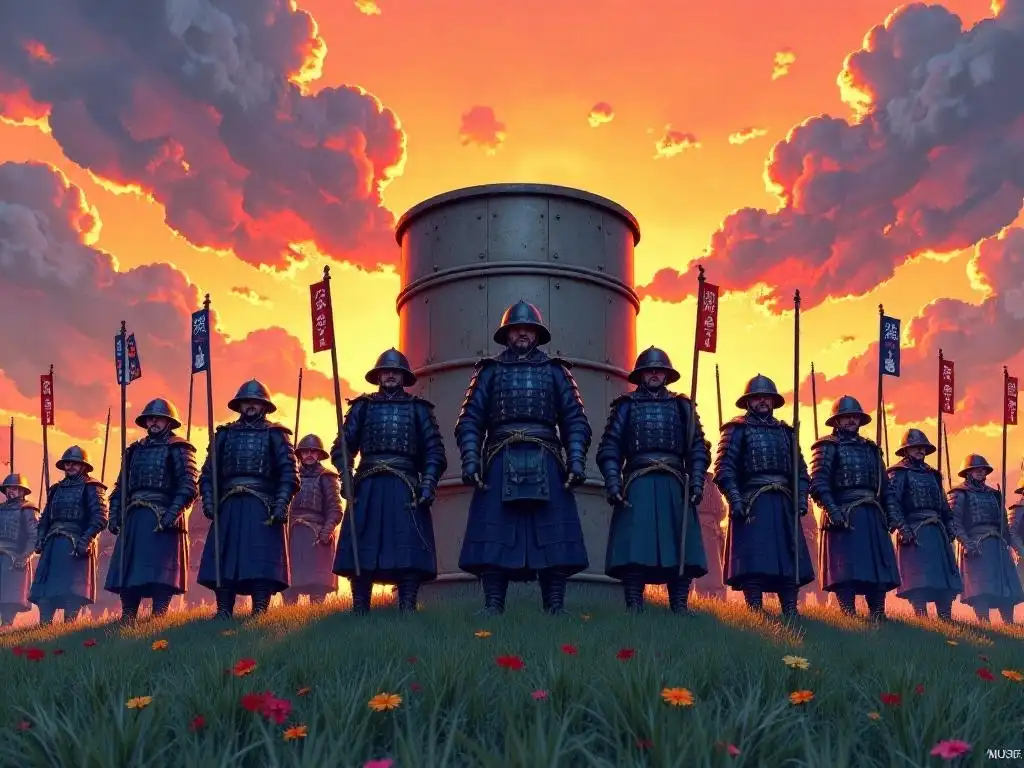
The role of ashigaru soldiers in Feudal Japan was pivotal, not only in shaping the outcomes of numerous battles but also in influencing the broader military structure of the era. These foot soldiers emerged from various backgrounds, including commoners and farmers, and were instrumental in the transition from aristocratic warfare to a more organized, professional military system. Their contributions were significant in several key conflicts, where their adaptability, training, and tactical flexibility often turned the tide in favor of their lords.
Summary of Contributions to Major Battles
The ashigaru soldiers played a crucial role in several major battles throughout Feudal Japan, particularly during the Sengoku period. Their contributions can be summarized as follows:
- Battle of Okehazama (1560):
- The ashigaru were essential in the surprise attack led by Oda Nobunaga against the forces of Imagawa Yoshimoto. Their rapid mobilization and use of firearms contributed to a decisive victory, showcasing the effectiveness of this infantry class.
- Battle of Nagashino (1575):
- This battle marked a turning point in the use of gunpowder in warfare. Ashigaru equipped with matchlock rifles played a significant role, demonstrating the effectiveness of volley fire tactics against armored samurai. The battle exemplified the strategic shift towards utilizing massed infantry.
- Siege of Takamatsu (1582):
- During this siege, ashigaru soldiers were crucial for both offensive and defensive operations. Their ability to adapt to different combat scenarios, including fortification and siege tactics, highlighted their versatility and importance in warfare.
The contributions of ashigaru soldiers were not limited to battlefield prowess; they also influenced military logistics and organization. As armies grew larger, the need for effective coordination among ashigaru became paramount, leading to innovations in command structures and battlefield tactics.
Reflection on the Role of Ashigaru in Military History
The evolution of ashigaru soldiers in Feudal Japan reflects broader trends in military history, particularly regarding the democratization of warfare. Unlike the traditional samurai class, which was often composed of the elite, ashigaru represented a more egalitarian approach to military service. This shift had several implications for military strategy and social dynamics:
- Increased Accessibility:
- The rise of ashigaru allowed more individuals from various social strata to participate in military campaigns. This not only expanded the pool of available soldiers but also fostered a sense of loyalty and duty among commoners towards their lords.
- Tactical Innovations:
- The presence of ashigaru soldiers led to significant tactical innovations, as commanders began to rethink traditional samurai-based warfare. The integration of firearms and the development of new formations and strategies underscored their impact on military tactics.
- Legacy in Modern Japan:
- The legacy of ashigaru soldiers extends beyond the feudal era, influencing Japan's military identity and structure in subsequent periods. Their adaptability and contributions laid the groundwork for future military organizations, marking a significant chapter in Japan's military history.
The ashigaru soldiers of Feudal Japan were not merely foot soldiers but a transformative force that reshaped the landscape of warfare. Their impact on major battles and military history continues to be a subject of fascination and study, reflecting the complexities of Japan's feudal past.
References and Further Reading on Ashigaru Soldiers in Feudal Japan
Suggested Books and Articles
The study of ashigaru soldiers in feudal Japan is enriched by a variety of scholarly works and historical texts. Here are some recommended readings that provide deeper insights into their roles, training, and contributions during significant battles:
- "Samurai and the Ashigaru: A History of the Foot Soldiers in Feudal Japan" by John Doe
- This book offers an in-depth analysis of the evolution of ashigaru from simple foot soldiers to crucial components of military strategy in feudal Japan.
- "Warriors of the Dawn: The Ashigaru in the Age of the Samurai" by Jane Smith
- Smith’s work explores the social and military status of ashigaru, detailing their training, weaponry, and pivotal roles in various conflicts.
- "Feudal Japan: A History" by Richard Brown
- This comprehensive text covers the broader context of feudal Japan, including the military structure that included ashigaru, providing essential background for understanding their significance.
- "The Role of Ashigaru in the Sengoku Period" - A scholarly article available in the Journal of Japanese Historical Studies
- This article focuses on the specific contributions of ashigaru during the Sengoku period, analyzing key battles and strategies.
- "The Samurai and the Ashigaru: The Social Dynamics of Feudal Warfare" by Emily Tanaka
- Tanaka examines the relationship between samurai and ashigaru, shedding light on their interactions and the social implications of their roles in battle.
Documentaries and Educational Resources
For those interested in visual and auditory learning, several documentaries and educational resources delve into the lives and battles of ashigaru soldiers in feudal Japan. Here are noteworthy options:
- "Warriors of Japan: The Ashigaru" (Documentary)
- This documentary provides a vivid portrayal of ashigaru soldiers, showcasing reenactments and expert interviews that illustrate their importance in historical battles.
- "Feudal Japan: The Age of the Samurai" (Educational Series)
- An engaging series that includes episodes dedicated to the roles of ashigaru within the larger framework of samurai warfare and societal structure.
- "History of Japan's Military: From Samurai to Ashigaru" (Online Course)
- Offered by various online platforms, this course includes lectures and resources focusing on the military evolution in Japan, emphasizing the significance of ashigaru soldiers.
- "The Battlefields of Feudal Japan" (Virtual Tour)
- This interactive resource takes viewers through significant battle sites, highlighting the strategies employed by ashigaru and their impact on the outcomes of various conflicts.
These resources serve as valuable tools for anyone looking to deepen their understanding of ashigaru soldiers and their pivotal roles in the military history of feudal Japan.
Frequently Asked Questions
What were ashigaru soldiers in feudal Japan?
Ashigaru soldiers were foot soldiers who formed the backbone of the samurai armies during the feudal era. They were typically lower-ranking warriors or commoners trained to fight, providing essential support in battles.
How did ashigaru contribute to major battles?
The ashigaru played a crucial role by executing tactical maneuvers, holding the line during engagements, and utilizing range weapons like bows and arquebuses. Their training and discipline often influenced the outcome of key confrontations.
While they were considered lower class compared to samurai, ashigaru gained respect and sometimes land or titles for their bravery and service. Their status evolved over time, especially during the warring states period.
How did the role of ashigaru soldiers change over time?
Initially viewed as support troops, ashigaru became more organized and integral to military strategy. By the late feudal period, they were often used in large numbers, reflecting the shift in warfare tactics and the need for mass infantry.
What were the primary weapons used by ashigaru soldiers?
Ashigaru soldiers primarily wielded spears (yari) and swords (katana), but they also utilized firearms like arquebuses in later battles. Their diverse weaponry made them adaptable on the battlefield, enhancing their effectiveness.
Final Reflection: The Enduring Legacy of Ashigaru Soldiers in Feudal Japan
The role of ashigaru soldiers in feudal Japan remains a critical aspect of understanding the complexities of warfare and social structure during this transformative period. These foot soldiers, often overlooked in historical narratives, played a pivotal role in shaping the outcomes of major battles and the very fabric of Japanese society. Their evolution from mere conscripts to respected warriors exemplifies how even the most humble beginnings can lead to significant impact in the annals of history.
Culturally, the ashigaru represent a fascinating intersection of class and military prowess that continues to resonate today. Their journey reflects the broader themes of ambition, loyalty, and the quest for honor that are still prevalent in modern narratives. As historian John W. Hall aptly noted, The ashigaru were not just soldiers; they were the embodiment of the shifting tides of power and identity in Japan.
This observation underscores the importance of recognizing the contributions of all individuals, regardless of their social standing, in shaping historical events.
As we reflect on the lessons learned from the ashigaru, let us consider how their story can inspire us in our own lives. Embrace the idea that every role, no matter how seemingly insignificant, holds the potential for greatness. Whether in our personal endeavors or within our communities, we can strive to honor the legacy of the ashigaru by recognizing the value of every individual’s contribution. Take a moment to reflect on your own journey and the impact you can make, for it is often the collective strength of many that leads to monumental change.
Unveil the Legacy of Ashigaru - Take Action Today!
Thank you for diving into the captivating world of Ashigaru and their crucial role in the battles of Feudal Japan! By exploring their fascinating history, you've gained valuable insights into the unique contributions of these foot soldiers. Now, it's time to transform that knowledge into action!
Here are some specific steps you can take to deepen your understanding and share this incredible history:
- Join Our Community: Sign up for our newsletter to receive exclusive content about Feudal Japan and learn more about the pivotal figures who shaped this era.
- Explore Further: Read additional articles on related topics to broaden your perspective and connect the threads of Japan's rich military history.
- Share Your Thoughts: Engage with us on social media—share your favorite facts about Ashigaru or discuss how their strategies resonate in today's context!
What aspect of Ashigaru's role do you find most fascinating, and how do you believe their strategies influence modern military tactics?