
The Cultural Depictions of Ashigaru in Japanese Art and Literature

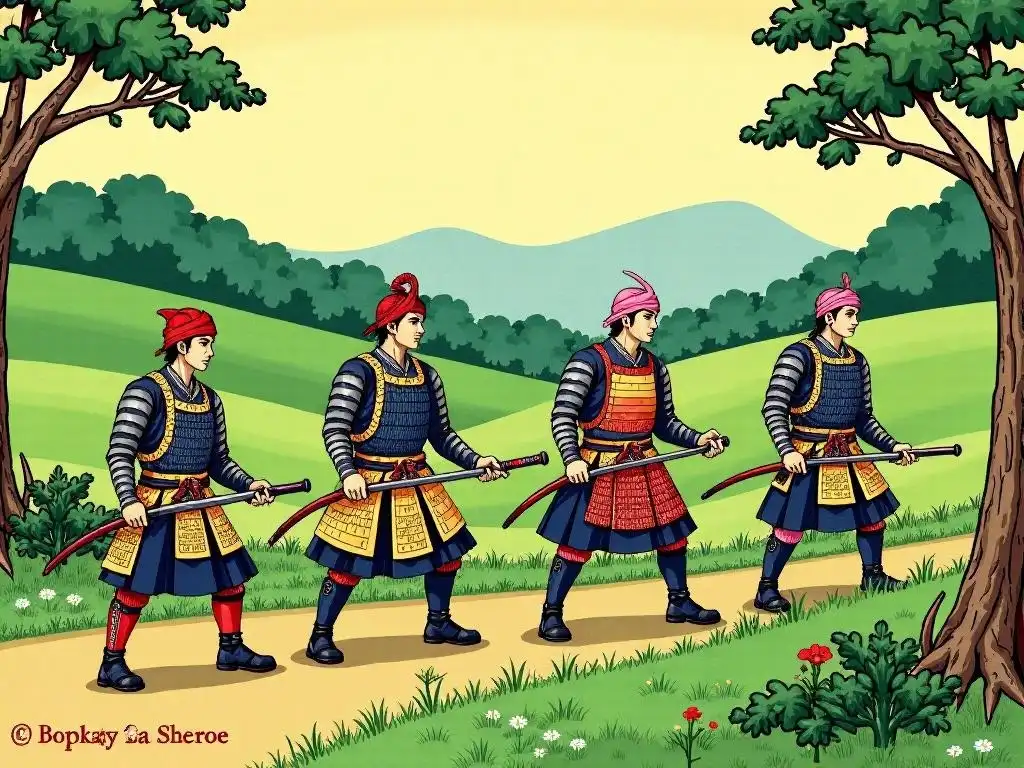
Welcome to Feudal Japan History, where we delve into the rich tapestry of Japan’s feudal era, revealing the intricate layers of its historical, cultural, and societal dimensions. In our featured article, “The Cultural Depictions of Ashigaru in Japanese Art and Literature,” we invite you to uncover the multifaceted portrayals of these foot soldiers who played a pivotal role in shaping Japan's military landscape. From the brush strokes of classical paintings to the verses of ancient texts, the Ashigaru's legacy is woven into the very fabric of Japanese culture.
Are you ready to explore how these warriors are depicted through the ages? Join us on this captivating journey that promises to deepen your understanding of a fascinating chapter in military history!
The cultural depictions of Ashigaru serve as a fascinating lens through which to explore the complexities of Japan's feudal era. These light infantry soldiers, who emerged in the 15th century, played a crucial role in the military landscape of feudal Japan. However, their representation in art and literature also reflects the evolving societal values and cultural narratives of the time. This article delves into the multifaceted portrayals of Ashigaru, highlighting their significance in both historical and cultural contexts.
Introduction to Ashigaru
Definition and Historical Context of Ashigaru
The term "Ashigaru" refers to foot soldiers who were primarily composed of lower-status individuals and peasants. Emerging during the Muromachi period (1336-1573), Ashigaru were initially seen as a less prestigious military force compared to the samurai. They were often armed with simple weapons, such as spears and bows, and their role was primarily to support the more elite samurai warriors during battles. Over time, their importance grew, reflecting changes in warfare and military organization.
Historically, Ashigaru were integral to the sengoku jidai (Warring States period), where the need for larger armies led to their recruitment from various social classes. They were known for their adaptability, often serving under different daimyōs (feudal lords) and playing pivotal roles in significant battles such as the Battle of Nagashino (1575). Their evolving roles and status would eventually influence their depiction in various forms of art and literature.
The Role of Ashigaru in Feudal Japan
The role of Ashigaru transcended mere military function; they were also essential in shaping the socio-political dynamics of feudal Japan. As the landscape of warfare changed, Ashigaru began to adopt more sophisticated tactics and training, which allowed them to contribute effectively to their lords' ambitions.
- Key Contributions:
- Support in Battles: Ashigaru formations often flanked samurai troops, providing crucial support during engagements.
- Siege Warfare: They were utilized in siege situations, helping to storm fortifications.
- Local Defense: Beyond the battlefield, Ashigaru also played roles in protecting their local regions and communities.
Their dedication and effectiveness led to a gradual shift in their societal perception, which is particularly evident in various cultural depictions from this era.
The Evolution of Ashigaru Representations
Early Depictions of Ashigaru in Historical Texts
In early Japanese texts and artworks, Ashigaru were often depicted as mere foot soldiers, lacking the honor and nobility associated with samurai. Historical accounts from the 16th century, such as "The Tale of the Heike", provide insights into their day-to-day lives and struggles.
- Artistic Representations:
- Woodblock prints often illustrated Ashigaru in battle scenes, showcasing their role as the backbone of the army.
- They were frequently portrayed in a less flattering light, emphasizing their lower status compared to the noble warrior class.
These early representations laid the groundwork for a more nuanced understanding of Ashigaru in later artistic and literary works.
Changes in Cultural Perceptions Over Time
As Japan transitioned into the Edo period (1603-1868), the cultural perception of Ashigaru began to evolve. With the establishment of peace and stability, their image transformed from that of mere foot soldiers to valued members of society.
- Cultural Shifts:
- Literature: Works like "The Tale of the Samurai" began to portray Ashigaru as heroes in their own right, celebrating their bravery and contributions.
- Art: Paintings and prints started to depict Ashigaru with a sense of dignity and honor, reflecting their essential role in the historical narrative.
This evolution is indicative of broader societal changes, where the valorization of common soldiers began to resonate with a public that sought to celebrate the collective efforts of all who contributed to Japan's rich history.
By exploring these cultural depictions, we gain insight into the societal values and historical changes that shaped the legacy of the Ashigaru in Japan's feudal era.
Artistic Representations of Ashigaru
The Ashigaru, a class of foot soldiers in feudal Japan, have been depicted across various forms of artistic expression throughout Japanese history. These representations serve not only as visual accounts of the period's military structure but also as reflections of the societal perceptions surrounding these warriors. Through traditional paintings, woodblock prints, and other artistic mediums, the Ashigaru are portrayed in various capacities, showcasing their importance in the samurai-dominated landscape of feudal Japan.
Ashigaru in Traditional Japanese Paintings
Traditional Japanese paintings from the Edo period often include Ashigaru as key figures in battle scenes or as part of the retinues accompanying samurai. These artworks typically emphasize the Ashigaru's role as the foot soldiers who supported samurai in their military endeavors. Artists such as Kanō Tan'yū and Tosa Mitsuoki captured the Ashigaru in vivid detail, illustrating their distinctive armor and weaponry.
The representation of Ashigaru in these paintings often highlights their bravery and loyalty. For instance, in battle depictions, Ashigaru are shown fighting valiantly alongside their samurai lords, emphasizing their essential contribution to military campaigns. The colors, poses, and expressions of the Ashigaru in these artworks create a narrative that elevates their status from mere foot soldiers to integral participants in Japan's rich military history.
The Influence of Ukiyo-e on Ashigaru Imagery
Ukiyo-e, the genre of woodblock prints that flourished during the Edo period, significantly impacted the cultural depictions of Ashigaru. Artists like Katsushika Hokusai and Utagawa Kuniyoshi portrayed Ashigaru in various scenarios, from epic battles to everyday life, which helped shape public perception of these warriors.
Ukiyo-e prints often dramatized the Ashigaru's experiences, portraying them as both heroic and relatable figures. The prints not only showcased their military attire and arms but also depicted their personal struggles and camaraderie. Such imagery contributed to the romanticization of the Ashigaru, allowing audiences to connect with their stories on a more human level. This genre played a crucial role in establishing the Ashigaru's identity within the broader narrative of Japanese culture.
Iconography and Symbolism of Ashigaru in Art
The iconography associated with Ashigaru is rich and multifaceted. In various art forms, specific symbols are employed to convey their role and significance. For instance, the use of certain colors, such as red and black, often symbolizes valor and loyalty, which were essential traits of the Ashigaru.
The depictions of Ashigaru holding spears, banners, or other weaponry often symbolize their readiness to serve and protect their lords. Additionally, the presence of Ashigaru in artworks can signify a connection to the common people; their portrayal as humble yet brave warriors emphasizes the idea of the ‘everyman’ serving a higher cause. This duality in representation—both as soldiers and as relatable figures—adds depth to the cultural understanding of Ashigaru within the context of feudal Japan.
Ashigaru in Japanese Literature
The portrayal of Ashigaru extends beyond visual arts into the realm of literature, where they have been characterized in various ways across historical novels, poetry, and folklore. Literary works often explore their experiences, values, and the social dynamics of their time, providing a more nuanced understanding of their role in feudal society.
The Role of Ashigaru in Historical Novels
Historical novels, particularly those set in the Sengoku period, frequently feature Ashigaru as central characters. Authors like Yoshikawa Eiji, in works such as "Musashi," explore the lives of these foot soldiers, often depicting their aspirations, struggles, and personal growth amidst the chaos of war.
In these narratives, Ashigaru are not merely background figures; they are fleshed-out characters with dreams and ambitions, illustrating the complexities of their lives. The novels often delve into themes of honor, loyalty, and the harsh realities of being a soldier, providing readers with a deeper appreciation for the Ashigaru's place in history. Their portrayal as relatable protagonists allows for exploration of broader societal issues and personal dilemmas faced during feudal Japan.
Portrayal of Ashigaru in Poetry and Folklore
In poetry and folklore, Ashigaru are often depicted as symbols of resilience and the human spirit. Traditional poems may celebrate their bravery in battle, while folk tales might recount the valor of specific Ashigaru during significant historical events.
Such literary forms serve to immortalize the deeds of these foot soldiers, allowing their stories to resonate across generations. The juxtaposition of their heroic actions with the everyday struggles of common people creates a rich tapestry of narratives that highlight the Ashigaru's integral role in Japan's historical consciousness. These accounts often emphasize themes of perseverance and loyalty, reinforcing their cultural significance in the broader narrative of feudal Japan.
Case Studies: Notable Works Featuring Ashigaru
Several notable works in Japanese literature exemplify the cultural depictions of Ashigaru. One such example is the "Tale of the Heike," a historical epic that chronicles the rise and fall of the Taira clan, including the roles of various Ashigaru. This text illustrates not only the military prowess of Ashigaru but also their emotional and personal struggles during turbulent times.
Another significant work is "The Chronicles of the Samurai," which provides a detailed account of various historical figures, including Ashigaru, showcasing their contributions to significant battles and events. These literary pieces serve as critical resources for understanding the social dynamics and cultural perceptions of Ashigaru within the context of feudal Japan.
Overall, the cultural depictions of Ashigaru in Japanese art and literature reveal their multifaceted roles in society—ranging from soldiers and heroes to relatable figures facing the trials of a tumultuous era.
Cultural Significance of Ashigaru Depictions
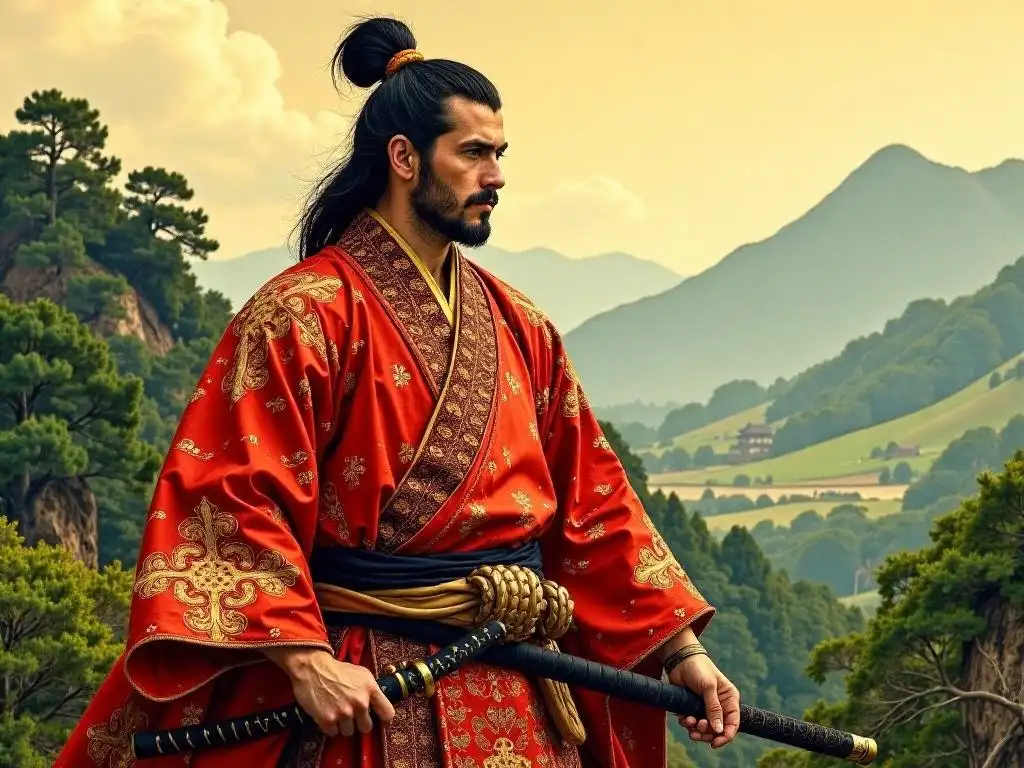
The cultural depictions of Ashigaru in Japanese art and literature reveal much about the social fabric and military ethos of feudal Japan. Ashigaru, the foot soldiers of the samurai class, were often seen as the backbone of the military force during the Sengoku period. This status is reflected in various artistic expressions, where they are portrayed not merely as common foot soldiers but as essential figures embodying the complexities of loyalty, bravery, and the stratifications of feudal society.
Artworks, such as woodblock prints and paintings, often depict Ashigaru in battle scenes or performing their duties, emphasizing their critical role in the samurai-led hierarchy. Similarly, literature from the era, including historical narratives and poetry, often highlights their contributions and sacrifices, showcasing their importance in the broader narrative of Japan's military history. The portrayal of Ashigaru serves as a reminder of the shifting perceptions of class and honor, illustrating how these soldiers transcended their humble origins to become symbols of valor and loyalty.
The Reflection of Social Hierarchies through Ashigaru Art
Ashigaru depictions in art serve as a window into the social hierarchies of feudal Japan. These depictions often highlight the contrast between the Ashigaru and the higher-ranking samurai. For instance, paintings and prints frequently show Ashigaru clad in simpler, less ornate armor compared to their samurai counterparts, emphasizing their lower social status.
Moreover, the positioning of Ashigaru within these artworks often reflects their role in the military hierarchy. They are typically portrayed in the background during battles, showcasing their support role, but sometimes they occupy the foreground, symbolizing their bravery and pivotal contributions to victories. This interplay of visibility and subservience in art captures the complexities of their status, illustrating how Ashigaru, despite being lower in rank, were integral to the success of samurai-led campaigns.
Ashigaru as Symbols of Loyalty and Valor
In both art and literature, Ashigaru are often depicted as embodiments of loyalty and valor. Their unwavering dedication to their samurai lords is a recurring theme, showcasing the deep-rooted values of loyalty that permeated Japanese society during the feudal era.
Literary works, including historical dramas and tales, often romanticize the lives of Ashigaru, portraying them as heroic figures willing to lay down their lives for their masters. This valorization can be seen in the way Ashigaru are depicted facing overwhelming odds or demonstrating courage in the face of danger. Such narratives not only highlight their bravery but also reinforce the cultural ethos that valor and loyalty are virtues worth celebrating, thereby elevating their status in the collective memory of Japan’s military history.
Influence of Ashigaru on Modern Japanese Culture
The cultural depictions of Ashigaru continue to influence modern Japanese culture, particularly in the realms of media, literature, and popular culture. Contemporary representations often draw from historical narratives, infusing Ashigaru with qualities that resonate with modern audiences—resilience, loyalty, and the spirit of the underdog.
In film and television, Ashigaru are frequently portrayed as relatable characters who rise against adversity, mirroring Japan’s contemporary values of hard work and perseverance. This ongoing fascination with Ashigaru in modern narratives serves to honor their historical contributions while simultaneously redefining their roles within Japan’s cultural identity. As a result, Ashigaru have become enduring symbols in the collective memory of Japan, celebrated for their bravery and the essential role they played in shaping the nation's history.
Comparative Analysis: Ashigaru vs. Samurai in Art and Literature
The comparative analysis of Ashigaru and samurai in art and literature reveals a rich tapestry of themes and representations that encapsulate the essence of feudal Japanese society. Both groups, while intertwined within the military framework, are depicted with distinctive traits that reflect their respective roles and cultural significance.
Similarities in Depictions and Themes
Despite their differences in social status, Ashigaru and samurai share several thematic similarities in their depictions across various forms of art and literature. Both groups are often portrayed as courageous warriors, embodying the virtues of honor, loyalty, and martial prowess.
Artistic representations frequently highlight the camaraderie between Ashigaru and samurai during battles, depicting them fighting side by side against common foes. Literature, too, often blurs the lines between their experiences, showcasing shared values such as bravery and the commitment to serve their lords. This portrayal underscores a collective identity within the military, emphasizing that both Ashigaru and samurai played crucial roles in the feudal system.
Distinctions in Cultural Significance and Representation
While Ashigaru and samurai share thematic elements, their cultural significance and representation diverge markedly. Samurai are often depicted as noble figures adorned in elaborate armor, symbolizing their status and the ideals of bushido—the way of the warrior. Their narratives typically focus on honor, personal glory, and the responsibilities of leadership.
In contrast, Ashigaru are usually represented in more modest attire, highlighting their role as foot soldiers rather than elite warriors. Their stories often reflect themes of loyalty and sacrifice, focusing on their contributions to the samurai’s success rather than personal glory. This distinction underscores the hierarchical nature of feudal society, where the samurai’s noble status contrasts with the Ashigaru’s position as commoners who nonetheless played an essential role in Japan’s military history.
The cultural depictions of Ashigaru in Japanese art and literature provide a nuanced understanding of their place within the feudal system, illustrating both the similarities and distinctions that define their roles in Japan's rich historical narrative.
Conclusion
The cultural depictions of Ashigaru in Japanese art and literature reveal a multifaceted image of these warriors that transcends their historical role as foot soldiers. Through various artistic mediums, Ashigaru have been portrayed not only as integral components of military campaigns but also as symbols of resilience and adaptability within the feudal landscape. These representations highlight the complexities of their status, illustrating how they navigated their place in a rigid social hierarchy while contributing significantly to the rich tapestry of Japan's cultural heritage.
Summary of Key Points on Cultural Depictions of Ashigaru
- Artistic Representation: Various art forms, including ukiyo-e prints and paintings, frequently depict Ashigaru in battle scenes, showcasing their valor and skill. Notable artists like Katsushika Hokusai and Utagawa Kuniyoshi contributed to these visual narratives.
- Literary Portrayals: In literature, Ashigaru are often characterized as relatable heroes, with narratives that explore their personal struggles, loyalty, and the harsh realities of warfare. Works from the Edo period often romanticize their experiences, providing a glimpse into their lives beyond the battlefield.
- Cultural Symbolism: Ashigaru have come to symbolize the common warrior, representing the broader societal themes of perseverance and the impact of social mobility in feudal Japan. Their depictions in art and literature reflect the values and ideals of Japanese society during their era.
The Lasting Impact of Ashigaru Imagery on Japanese Society
The imagery of Ashigaru has left a significant imprint on Japanese society, influencing modern perceptions of the samurai class and the broader historical narrative of feudal Japan. These depictions have contributed to a romanticized view of the Ashigaru, elevating their status from mere foot soldiers to cultural icons. This transformation can be seen in contemporary media, including films, anime, and literature, where Ashigaru characters often embody themes of courage and loyalty.
Furthermore, their portrayal has sparked interest in the socio-political dynamics of the time, inviting ongoing discussions about class, warfare, and identity that resonate with modern audiences. The enduring legacy of Ashigaru imagery serves as a reminder of the complexity and diversity of Japan's historical landscape.
References
Suggested Readings on Ashigaru in Art and Literature
- "Warriors of Japan: From the Age of the Samurai to the Present" by John M. McCulloh
- This book provides insight into the evolution of the samurai and Ashigaru, exploring their cultural significance through various historical contexts.
- "The World of the Samurai: The Book of the Samurai" by Stephen Turnbull
- Turnbull offers an extensive overview of samurai history, including the role of Ashigaru and their depiction in art and literature.
Recommended Academic Sources for Further Research
- "Ashigaru: The Foot Soldiers of the Samurai" by David A. Eason
- An academic analysis focusing on the social and military roles of Ashigaru, examining their contributions to Japanese history and culture.
- "Ukiyo-e: The Art of the Floating World" by Richard Lane
- This work delves into the world of ukiyo-e art, including discussions on how Ashigaru were represented in this influential artistic movement.
- "The Samurai and the Sacred: The Role of Religion in the Culture of the Samurai" by David E. H. Smith
- Smith's research provides a deeper understanding of the religious and cultural frameworks that shaped the lives and depictions of Ashigaru within the samurai ethos.
- Introduction to Ashigaru
- The Evolution of Ashigaru Representations
- Artistic Representations of Ashigaru
- Ashigaru in Japanese Literature
- Cultural Significance of Ashigaru Depictions
- Comparative Analysis: Ashigaru vs. Samurai in Art and Literature
- Conclusion
- References
Frequently Asked Questions
What are Ashigaru in the context of feudal Japan?
Ashigaru were foot soldiers in feudal Japan, often serving samurai. They were typically commoners who received military training and played a crucial role in battles.
How are Ashigaru depicted in Japanese art?
In Japanese art, Ashigaru are often shown in various uniforms and armor, reflecting their status as warriors. These depictions highlight their bravery and contributions to warfare during the feudal era.
What role did Ashigaru play in Japanese literature?
Ashigaru are frequently portrayed in literature as loyal soldiers and sometimes as comic relief, showcasing their human experiences amidst the serious themes of war and honor.
How has the perception of Ashigaru changed over time?
Initially seen as lower-class warriors, the perception of Ashigaru has evolved. They are now recognized for their significant contributions to military campaigns and are often romanticized in modern interpretations.
Why are cultural depictions of Ashigaru important to Japanese history?
These depictions provide insight into the societal structure and values of feudal Japan, illustrating the dynamic between class and military roles in Japanese culture and history.
Final Reflection: The Enduring Legacy of Ashigaru in Cultural Depictions
The cultural depictions of Ashigaru in Japanese art and literature reveal not only the complexities of their roles in historical narratives but also their ongoing relevance in contemporary society. As we navigate a world increasingly defined by its cultural intersections, the portrayal of Ashigaru serves as a reminder of the multifaceted identities that shape our understanding of history. The stories and images of these foot soldiers challenge us to reconsider the narratives we accept and the voices we amplify in our cultural discourse.
The influence of Ashigaru extends beyond the pages of history and into the fabric of modern Japanese culture. Their representation in various art forms continues to resonate, reflecting the struggles and triumphs of the common people. As we witness the resurgence of interest in historical narratives, it becomes clear that the Ashigaru symbolize resilience and adaptability. Art is not what you see, but what you make others see.
– Edgar Degas. This quote encapsulates the essence of how cultural depictions can shape our perceptions and inspire a deeper understanding of our shared past.
As we reflect on the cultural depictions of Ashigaru, I invite you to explore how these narratives can inform your own understanding of identity and community. Consider how the stories of those who have been marginalized or overlooked can enrich your perspective on history and culture. Let the legacy of the Ashigaru inspire you to seek out and celebrate the diverse voices that contribute to our collective narrative, fostering a deeper appreciation for the complexities of human experience.
Unveil the Stories of Ashigaru Today!
Thank you for diving into the fascinating world of ashigaru through Japanese art and literature! You've uncovered not only their historical significance but also their rich cultural narratives that continue to inspire. Now, let’s bring that exploration to life with some exciting actions you can take!
- Dive deeper: Explore more about ashigaru by visiting local museums that showcase Japanese art or literature focused on feudal Japan.
- Share your insights: Discuss this cultural legacy with friends and family or join a community forum dedicated to feudal history to share your thoughts and learn from others.
- Create a visual homage: Try your hand at creating an artwork or a piece of writing inspired by ashigaru, reflecting your newfound appreciation for their role in Japanese culture.
What aspect of ashigaru resonates with you the most, and how do you think their stories shape our understanding of Japanese history?