
The Ashigaru's Role in the Defense of Japanese Castles


Welcome to Feudal Japan History, your gateway to the enigmatic world of Japan's feudal era! Here, we embark on a comprehensive exploration of the historical, cultural, and societal intricacies that shaped this fascinating time. Dive into our main article, "The Ashigaru's Role in the Defense of Japanese Castles," and uncover the pivotal role of these foot soldiers who stood as the bulwark of ancient fortifications.
What strategies did they employ, and how did their contributions shape the outcome of battles? Prepare to be captivated as you unravel the threads of military history and discover the untold stories that lie within the walls of Japan's castles. Your journey begins now!
Introduction to Ashigaru in Feudal Japan
The Ashigaru played a pivotal role in the military landscape of feudal Japan, particularly during the tumultuous periods that shaped the nation's history. As foot soldiers, they were often the backbone of samurai armies, providing essential support in various military campaigns, including the defense of Japanese castles.
Understanding the significance of Ashigaru in this context requires a deep dive into their origins, structure, and the unique functions they fulfilled in the broader military apparatus of feudal Japan. This exploration reveals not only their combat capabilities but also their strategic importance in safeguarding the fortified strongholds that were critical to the political and military power dynamics of the time.
Definition and Origin of Ashigaru
The term Ashigaru translates to "light foot" in Japanese, referring to the foot soldiers who emerged as a distinct class during the late 15th century. Initially, these troops were often composed of lower-ranking samurai and commoners who were recruited for their agility and ability to move quickly on foot. Unlike the heavily armored samurai, Ashigaru typically wore lighter armor and were equipped with a range of weapons, including spears (yari), swords (katana), and later, firearms.
Their emergence marked a significant shift in the military organization of feudal Japan, as they filled the ranks of armies that were increasingly reliant on mass infantry tactics. The Ashigaru were not only essential in direct combat but also played a crucial role in the logistical and operational aspects of military campaigns, including the defense of castles.
Importance of Ashigaru in Military Structure
The Ashigaru were integral to the functioning of the military hierarchy in feudal Japan. They served multiple roles that extended beyond mere foot soldiers. Here’s a closer look at their importance:
- Mass Infantry Support: Ashigaru often outnumbered samurai, providing the sheer numbers necessary to engage in large-scale battles.
- Versatile Combatants: Their training allowed them to adapt quickly to various combat situations, making them versatile assets on the battlefield.
- Defense Experts: In the context of castle defense, Ashigaru were trained in specific techniques designed to fortify positions, manage supplies, and conduct defensive maneuvers effectively.
By integrating Ashigaru into the military structure, feudal lords could create a more robust and flexible fighting force, capable of responding to various threats and challenges during their reigns.
The Strategic Role of Ashigaru in Castle Defense
The role of Ashigaru in the defense of Japanese castles was multifaceted and critical to the overall security of these strongholds. Their involvement was not merely as foot soldiers but encompassed strategic defensive operations that were essential for maintaining control over territories.
Overview of Castle Defense Mechanisms
Japanese castles were designed with intricate defensive mechanisms, including:
- Moats and Walls: These served as physical barriers to deter invaders.
- Watchtowers: Positioned strategically to enable surveillance and early warning systems.
- Gates and Entrances: Heavily fortified to control access and repel attackers.
Ashigaru were typically stationed at various points throughout the castle to operate these defensive structures, ensuring that the castle could withstand sieges and assaults.
Ashigaru's Place in the Defensive Hierarchy
Within the defensive hierarchy of a castle, the Ashigaru occupied a crucial position. They were often the first line of defense, tasked with the following responsibilities:
- Patrolling: Regular patrols around the castle perimeter to identify potential threats.
- Engaging Enemies: When the castle was under siege, Ashigaru would be deployed to repel attackers and protect vital entry points.
- Supporting Samurai: While samurai held a higher rank, Ashigaru worked alongside them, providing essential support that could turn the tide during battles.
By understanding the strategic role of Ashigaru in the defense of Japanese castles, we can appreciate their contributions to the military history of feudal Japan, highlighting their importance beyond mere foot soldiers to becoming essential defenders of their lords' domains.
Training and Equipment of Ashigaru Soldiers
The Ashigaru were foot soldiers in feudal Japan, integral to the defense of castles and the broader military structure. Their training and equipment were crucial components that enabled them to perform effectively on the battlefield, particularly in the context of castle defense.
Typical Training Regimen for Ashigaru
Ashigaru training focused on basic military skills and discipline. Unlike the samurai, who underwent rigorous and lengthy training from a young age, Ashigaru were often recruited from lower social classes, including farmers and laborers. Their training regimen typically included:
- Basic Combat Skills: Ashigaru learned the fundamentals of sword fighting, spear techniques, and archery. Training sessions often involved mock battles to build teamwork and coordination.
- Drill and Discipline: Recruits practiced marching and formations to ensure they could move as a cohesive unit. This included learning how to respond to commands quickly and effectively.
- Physical Conditioning: Physical fitness was emphasized, as Ashigaru needed to endure the rigors of battle and long marches. Exercises included running, lifting weights, and other endurance drills.
- Weapon Handling: Training with weapons like the yari (spear), naginata (polearm), and bow was essential. Ashigaru often had to become proficient in multiple weapons to adapt to different combat situations.
Standard Weapons and Armor Used by Ashigaru
The equipment of Ashigaru soldiers varied depending on their lord's resources and the specific period of feudal Japan. Generally, their armor was lighter and less expensive than that of the samurai, reflecting their lower status. Key elements of Ashigaru equipment included:
- Weapons:
- Yari (Spear): The most common weapon, effective for both thrusting and throwing.
- Naginata: A polearm that combined the cutting power of a sword with the reach of a spear.
- Tanto (Dagger): Often carried as a sidearm for close combat.
- Armor:
- Tatami Armor: Made from small plates of iron or leather bound together with cloth, providing mobility while offering protection.
- Kabuto (Helmet): Typically simpler than samurai helmets and designed for basic protection.
- Haidate (Thigh Guards): Often made of leather or cloth to protect the upper legs during combat.
Comparison of Ashigaru and Samurai Equipment
While both Ashigaru and samurai were essential to the military structure, their equipment differed significantly due to status, training, and purpose:
| Feature | Ashigaru | Samurai |
|---|---|---|
| Armor Type | Lighter, often tatami armor | Heavier, more ornate armor |
| Weapons | Primarily yari and naginata | Katana, tachi, and various polearms |
| Training | Basic combat skills | Extensive martial training |
| Cost | Generally less expensive | More costly, often custom-made |
| Role in Battle | Support and formation units | Elite warriors with individual combat roles |
Ashigaru Tactics in Castle Defense
The tactical deployment of Ashigaru in castle defense was a critical aspect of maintaining control and repelling invaders. Their strategies evolved over time, adapting to different military scenarios and the changing nature of warfare.
Defensive Formations and Strategies
Ashigaru employed various formations to maximize their effectiveness during castle defense. These included:
- Shield Walls: Ashigaru would form a dense line using shields or their yari to create a barrier against advancing enemies.
- Pike Formations: Utilizing their spears, they would create a wall of points to deter cavalry charges and protect the castle gates.
- Skirmishing Tactics: Some Ashigaru would engage in hit-and-run tactics, harassing enemy forces with ranged weapons while avoiding direct confrontation.
These formations were designed to capitalize on the strengths of foot soldiers, allowing them to defend positions effectively while minimizing vulnerabilities.
Role of Ashigaru in Siege Warfare
During sieges, Ashigaru played a multifaceted role. They were often tasked with:
- Defending Walls: Ashigaru manned the walls of castles, utilizing bows and firearms to shoot at besieging forces.
- Counterattacks: When the enemy breached the walls, Ashigaru would launch counterattacks to push back invaders and reclaim lost ground.
- Logistics Support: They assisted in supplying food and ammunition to the defenders, ensuring the castle remained operational during prolonged sieges.
Their adaptability and willingness to fight in various roles made Ashigaru invaluable during times of siege.
Case Studies of Successful Ashigaru Defense
Several historical instances highlight the effectiveness of Ashigaru in castle defense:
- Siege of Takeda Castle (1575): During this siege, Ashigaru forces successfully repelled an attack by Takeda Shingen's army through effective use of pike formations and coordinated counterattacks.
- Battle of Kawanakajima (1561): In this battle, Ashigaru played a significant role in defending their lord's castle against the rival Uesugi clan, demonstrating their ability to execute complex defensive strategies under pressure.
These case studies illustrate the significant impact Ashigaru had in the defense of Japanese castles, showcasing their importance in the military hierarchy of feudal Japan.
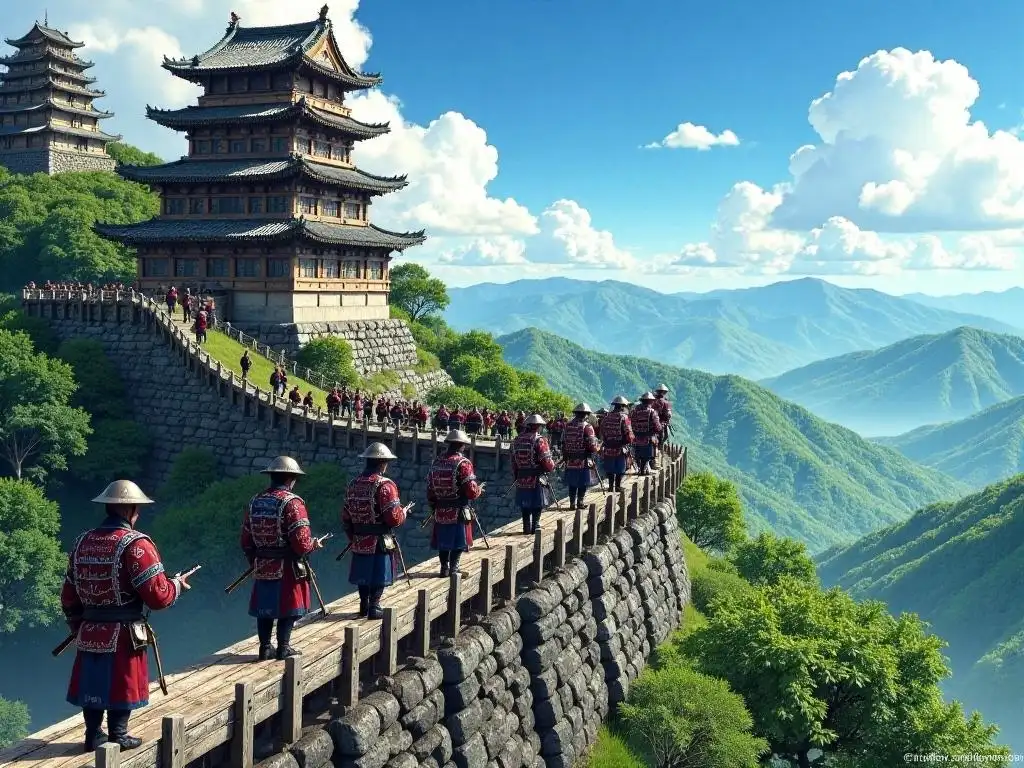
The Ashigaru, originally a term that referred to foot soldiers in feudal Japan, played a pivotal role in the military structure and societal dynamics of the era. Unlike the elite samurai class, Ashigaru were often drawn from the lower echelons of society, embodying a unique blend of martial capability and social significance. Their integration into the defense of Japanese castles not only transformed military tactics but also had profound implications for the social and economic landscape of the time.
Ashigaru as a Reflection of Social Mobility
The emergence of the Ashigaru reflects an essential aspect of social mobility within feudal Japan. Traditionally, the samurai class was the most revered, with rigid hierarchies that limited the opportunities available to those outside this elite group. However, during periods of conflict, particularly in the 15th and 16th centuries, the demand for soldiers surged. This created avenues for commoners to rise through the ranks and gain status and land, particularly if they displayed valor in battle.
Many Ashigaru were recruited from peasant backgrounds, and their participation in military campaigns often led to increased autonomy and land ownership. This transformation illustrates how the Ashigaru not only defended castles but also catalyzed shifts in societal status, allowing individuals who once had limited prospects to achieve recognition and wealth. The presence of Ashigaru in battle also challenged traditional social norms, as they fought alongside samurai, thereby altering perceptions of class and valor.
Economic Factors Influencing Ashigaru Recruitment
The economic landscape of feudal Japan significantly influenced Ashigaru recruitment and their role in castle defense. With the increasing costs associated with maintaining a standing army, feudal lords turned to the Ashigaru as a cost-effective solution. Unlike samurai, who required significant resources for their armor, horses, and upkeep, Ashigaru were less expensive to equip and could be mobilized quickly.
Additionally, during periods of instability, local lords often incentivized recruitment through promises of land, wages, and spoils of war. This not only bolstered local economies but also ensured a steady stream of manpower for castle defenses. As a result, the Ashigaru became integral to military operations, as their recruitment was tightly linked to the economic imperatives of the time.
Challenges Faced by Ashigaru in Castle Defense
Despite their importance, Ashigaru faced numerous challenges in their roles as defenders of Japanese castles. Their limitations, both in training and equipment, often impacted their effectiveness in combat situations, particularly when facing seasoned samurai.
Limitations of Ashigaru Compared to Samurai
While Ashigaru were essential to the defense of castles, they were not without their limitations compared to their samurai counterparts. The samurai, being a professional warrior class, were extensively trained in various forms of combat and strategy, often possessing superior weaponry and armor. In contrast, Ashigaru typically received less formal training and were often equipped with basic weapons, such as spears and bows, which limited their combat effectiveness in prolonged engagements.
Moreover, the Ashigaru were frequently viewed with disdain by samurai, which could affect their morale and cohesion in battle. The hierarchical nature of feudal society meant that Ashigaru often lacked the leadership and strategic command offered by samurai, which was crucial during the complexities of castle defense. This disparity created a challenging dynamic, particularly when defending against well-coordinated enemy forces.
Historical Instances of Ashigaru Failures in Defense
Throughout history, there are several notable instances where Ashigaru failed in their defensive roles, highlighting the vulnerabilities of relying on this class of soldiers. One such example is the Siege of Osaka in the early 17th century, where Ashigaru forces were overwhelmed by the more disciplined and well-equipped troops of the Tokugawa shogunate. Despite their numbers, the lack of cohesive strategy and training resulted in significant losses, demonstrating the challenges they faced when up against a seasoned military force.
Another notable failure occurred during the Siege of Nagashino, where Ashigaru were utilized in an attempt to defend against Oda Nobunaga's forces. The Ashigaru's inability to effectively organize and respond to the tactical maneuvers of the enemy led to a decisive defeat, emphasizing the necessity for superior leadership and training in military engagements.
While the Ashigaru played a crucial role in the defense of Japanese castles, their effectiveness was often hampered by their lack of training, equipment, and cohesion compared to the samurai. These challenges provide valuable insight into the complexities of feudal military strategies and the social dynamics of the time.
The Legacy of Ashigaru in Japanese Military History
The Ashigaru, initially composed of foot soldiers and lower-ranking samurai, played a pivotal role in the military structure of feudal Japan. Their legacy is deeply intertwined with the evolution of Japanese warfare, particularly in the context of castle defense. During the Sengoku period, as the need for a more flexible and responsive military grew, Ashigaru became crucial in the defense of castles. These soldiers were often equipped with basic weapons, such as spears and swords, and were trained to respond quickly to threats, showcasing their adaptability on the battlefield.
The Ashigaru’s contributions extended beyond mere numbers; they became integral to the strategic planning of castle defenses. Their training allowed for the implementation of tactics that utilized the terrain and the architectural features of castles, such as moats and walls, maximizing their defensive capabilities. Their presence often bolstered the morale of the defending forces, as they represented a link between the samurai class and the common populace. This unique position allowed Ashigaru to foster loyalty and dedication among their ranks, which was essential during prolonged sieges.
Evolution of the Ashigaru Role Post-Feudal Era
With the unification of Japan under the Tokugawa shogunate in the early 17th century, the role of Ashigaru began to evolve significantly. The need for large standing armies diminished, and as a result, many Ashigaru were absorbed into the ranks of the samurai or transitioned into civilian life. However, their military training and organizational skills laid the groundwork for modern Japanese military structures.
During the Edo period, the Ashigaru’s legacy persisted, influencing the formation of local militias known as "garrison troops." These groups were composed of former Ashigaru and reflected the ongoing significance of their military training in local defense strategies. Even as Japan entered the modern era, the principles of discipline, strategic defense, and community involvement that characterized the Ashigaru continued to resonate within the evolving military landscape.
Influence on Modern Japanese Military Concepts

The Ashigaru's emphasis on versatility and adaptability has been echoed in modern military doctrines. Concepts such as rapid mobilization and the integration of various troop types can be traced back to the practices developed during the feudal era. Modern Japanese Self-Defense Forces often draw on historical precedents established by the Ashigaru, emphasizing a blend of professional soldiers and reserve forces.
Additionally, the Ashigaru's role in fostering local defense initiatives has influenced contemporary discussions about community involvement in national security. The idea that local populations play a crucial role in defense strategies remains relevant, reflecting the Ashigaru’s legacy in shaping modern military thought and operations.
Conclusion: The Enduring Significance of Ashigaru in Castle Defense
The Ashigaru's role in the defense of Japanese castles is a testament to their importance in military history. Their contributions not only shaped the outcomes of numerous conflicts but also established foundational principles that continue to influence military strategies today. The legacy of the Ashigaru is a rich tapestry of adaptability, community involvement, and strategic innovation.
Summary of Key Contributions of Ashigaru
- Unified Defense Strategy: Utilization of terrain and castle architecture for effective defense.
- Morale and Loyalty: Strengthening the fighting spirit of samurai through representation of the common people.
- Training and Adaptability: Development of versatile soldiers capable of responding to various threats.
Reflection on Ashigaru's Role in Japanese History
The Ashigaru symbolize a significant chapter in Japan's military narrative, showcasing how lower-ranking soldiers can impact the greater historical context. Their evolution from foot soldiers to key contributors in castle defense reflects the dynamic nature of military organization in feudal Japan. As we examine the Ashigaru's legacy, it becomes evident that their influence is not merely a footnote in history but rather a critical component in understanding Japan's military heritage and the societal values that shaped it.
Further Reading on Ashigaru and Japanese Military History
For those interested in delving deeper into the intricacies of the Ashigaru and their significant contributions to the defense of Japanese castles, a wealth of resources is available. These materials not only provide historical context but also explore the evolution of military tactics and the societal roles of these foot soldiers throughout Japan's feudal era.
Exploring the following recommended books and articles can enhance your understanding of the Ashigaru's military strategies, their training, and their impact on Japanese warfare.
Recommended Books and Articles
- "The Samurai and the Sacred" by John M. McCulloh
- This book offers insights into the broader context of the warrior class in Japan, including the Ashigaru. It discusses their origins, evolution, and essential role within the military hierarchy.
- "Warriors of Japan as Portrayed in the War Tales" by Paul Varley
- Varley's work examines the narratives surrounding warriors in Japan, providing an understanding of how Ashigaru were represented and perceived in literature and history.
- "The Ashigaru: A Study of the Lower Samurai Class" by Stephen Turnbull
- This detailed study focuses specifically on the Ashigaru, exploring their roles, equipment, and contributions to the defense of castles throughout various periods in feudal Japan.
- "Samurai Warfare" by Anthony J. Bryant
- A comprehensive look into the tactics and strategies employed by samurai, this book includes sections dedicated to the Ashigaru and their tactical significance during sieges.
- "The Rise of the Ashigaru: The Foot Soldiers of the Samurai" by Michael D. O’Leary
- This article outlines the transition of the Ashigaru from simple foot soldiers to integral components of the samurai military structure, emphasizing their defensive roles in castle warfare.
- "Japanese Castles: Their History and Architecture" by Robert J. Smith
- Focusing on the architecture and strategic importance of castles, this book discusses how Ashigaru were trained to defend these fortresses and the crucial tactics involved.
Notable Historical Sites Related to Ashigaru Defense
Visiting historical sites can offer a tangible connection to the past and provide insights into the Ashigaru's role in Japan's military history. Here are some notable locations where the defense strategies of Ashigaru can be explored:
-
Himeji Castle
Known as the "White Heron Castle," Himeji is a prime example of Japanese castle architecture and was strategically defended by Ashigaru during numerous conflicts. The castle’s layout and fortifications provide a glimpse into the defensive tactics employed by Ashigaru.
-
Kumamoto Castle
This castle is renowned for its impressive defenses and was a significant site during the Seinan War. The Ashigaru played critical roles in its defense, and remnants of their fortifications can still be seen today.
-
Owari Nagoya Castle
Historic accounts of battles fought near Nagoya Castle highlight the importance of Ashigaru in its defense. The site includes reconstructed areas that showcase military strategies used by these foot soldiers.
-
Nijo Castle
Located in Kyoto, Nijo Castle served as an important site for the Tokugawa shogunate. The castle’s defenses illustrate how Ashigaru were organized and positioned to protect key locations.
-
Matsumoto Castle
This well-preserved castle exemplifies the defensive architecture of the period and the strategic placement of Ashigaru. It offers insights into their training and operational tactics during sieges.
Exploring these resources and sites can provide a deeper appreciation of the Ashigaru's pivotal role in the defense of Japanese castles and their lasting impact on Japan’s military history.
- Introduction to Ashigaru in Feudal Japan
- The Strategic Role of Ashigaru in Castle Defense
- Training and Equipment of Ashigaru Soldiers
- Ashigaru Tactics in Castle Defense
- The Social and Economic Impact of Ashigaru
- Challenges Faced by Ashigaru in Castle Defense
- The Legacy of Ashigaru in Japanese Military History
- Evolution of the Ashigaru Role Post-Feudal Era
- Influence on Modern Japanese Military Concepts
- Conclusion: The Enduring Significance of Ashigaru in Castle Defense
- Further Reading on Ashigaru and Japanese Military History
Frequently Asked Questions
What were Ashigaru in feudal Japan?
Ashigaru were foot soldiers who played a crucial role in the military forces of feudal Japan. They were often lesser samurai or commoners trained to fight, providing vital support in battles and the defense of Japanese castles.
How did Ashigaru contribute to the defense of castles?
The Ashigaru's contribution included managing defenses, engaging in combat, and performing reconnaissance. Their presence bolstered the castle's defenses, serving as a first line of defense against invading forces.
What tactics did the Ashigaru use during castle sieges?
During sieges, Ashigaru employed various defensive tactics, such as using fortification techniques and forming lines to repel attackers. They often utilized missile weapons like bows and firearms to inflict damage on enemy forces.
How did the role of Ashigaru evolve over time?
Initially viewed as lower-tier soldiers, the role of Ashigaru evolved significantly, especially during the Sengoku period. They became more organized and professional, gaining importance in both offensive and defensive strategies.
Ashigaru generally held a lower social status compared to samurai, but they could achieve ascension through valor in battle or loyalty. Their status reflected the changing dynamics of feudal society, where merit could lead to recognition and reward.
Final Reflection: The Enduring Legacy of Ashigaru in Japanese Castle Defense
The role of the Ashigaru in the defense of Japanese castles is not just a historical footnote; it is a testament to the resilience and adaptability of a society under constant threat. Today, as we navigate our own complex geopolitical landscape, the lessons learned from the Ashigaru's strategic importance remind us of the value of every individual in a collective defense. Their contributions, often overshadowed by the samurai, highlight the critical role that seemingly ordinary people can play in extraordinary circumstances.
Culturally, the Ashigaru symbolize the evolution of military strategy and the democratization of warfare in Japan. Their ability to rise from common origins to become essential defenders of the castle walls reflects a broader narrative of social mobility and empowerment. As historian John W. Hall aptly stated, The Ashigaru were the backbone of the samurai's military might, proving that strength lies not only in noble blood but in the courage of the many.
This ongoing influence resonates today, encouraging us to recognize and value the contributions of all individuals in our communities, regardless of their background.
As we reflect on the Ashigaru's legacy, let us embrace the spirit of unity and resilience they embodied. Consider how you can apply these lessons in your own life—whether through community service, advocacy, or simply standing up for what is right. The defense of our 'castles'—be they physical, social, or emotional—requires the collective strength of all. Together, we can honor the past while building a more inclusive and fortified future.
Uncover the Legacy of the Ashigaru!
Thank you for diving into the fascinating world of the Ashigaru and their pivotal role in defending Japanese castles. Your curiosity has unveiled a rich tapestry of history that continues to inspire. Now, let’s turn that interest into action!
- Explore more by visiting your local library or utilizing online resources to read additional accounts of the Ashigaru and their impact on feudal Japan.
- Share your newfound knowledge with friends and family; discuss their significance and how they influenced the landscape of Japanese warfare.
- Consider joining a historical reenactment group or participating in online forums to engage with like-minded enthusiasts and deepen your understanding of this important historical role.
What insights about the Ashigaru would you like to share from your exploration of feudal Japan? Let's spark a conversation!