
The Cultural Exchange: How Foreign Weapons Influenced Japanese Warfare

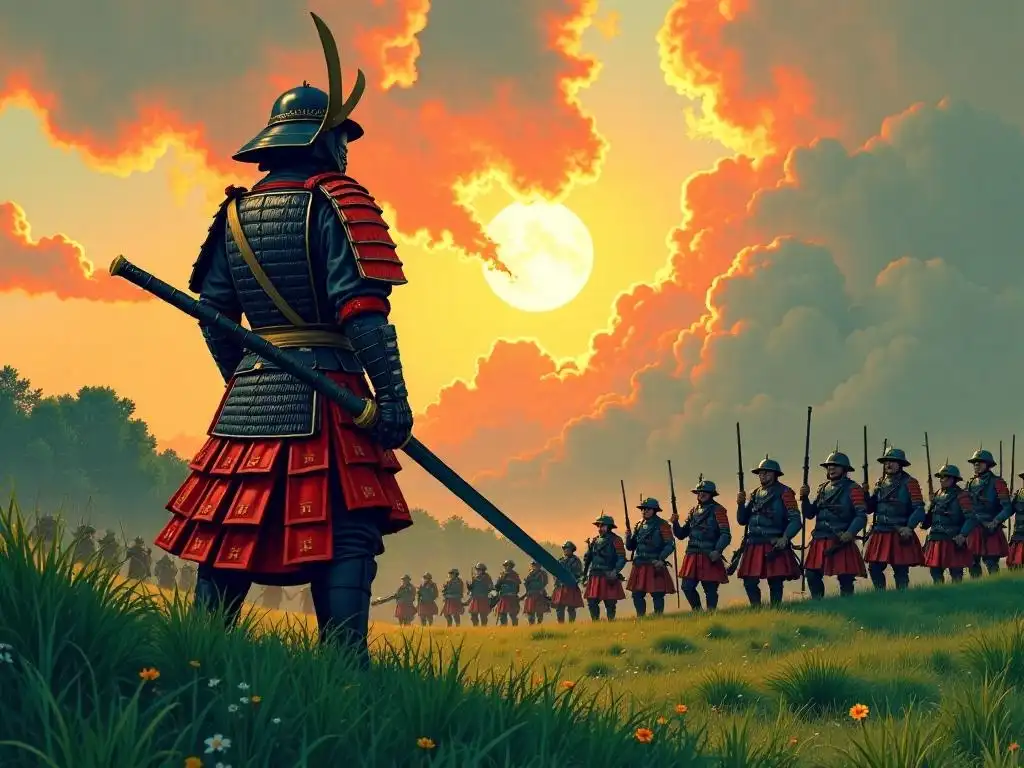
Welcome to Feudal Japan History, where the echoes of a bygone era come alive through our comprehensive exploration of Japan’s feudal age. Here, we delve into the intricate tapestry of historical, cultural, and societal elements that shaped this fascinating period. In our featured article, “The Cultural Exchange: How Foreign Weapons Influenced Japanese Warfare,” we uncover the captivating stories of how external forces transformed Japanese combat strategies and weaponry.
Prepare to embark on a journey that reveals the unexpected connections between distant lands and the samurai, igniting your curiosity about the complexities of military history in feudal Japan. Dive deeper and discover the layers of influence that shaped a nation!
Introduction to Foreign Weapons in Japanese Warfare
The intersection of foreign weapons and Japanese warfare is a fascinating aspect of Japan's feudal era, shedding light on how external influences shaped military strategies, technologies, and cultural practices. This period, characterized by its complex social hierarchies and the rise of powerful clans, saw Japan engaging with various foreign cultures through trade, diplomacy, and conflict.
The introduction of foreign weapons not only transformed the battlefield but also had lasting effects on Japanese society and its approach to warfare. In this article, we will delve into the intricate web of cultural exchanges that occurred during this time, exploring how foreign weapons influenced Japanese warfare and shaped its military history.
Overview of Japan's Feudal Era
Japan's feudal era, spanning from the late 12th century to the mid-19th century, was marked by the rise of the samurai class and a decentralized political structure dominated by regional warlords known as daimyōs. The societal framework of this period was rigidly hierarchical, with loyalty and honor playing crucial roles in the relationships between lords and vassals. This era saw the development of distinct military tactics and weaponry that were influenced by both indigenous practices and foreign innovations.
- Key Features of the Feudal Era:
- Samurai Code (Bushido): A code of conduct that emphasized loyalty, honor, and martial prowess.
- Daimyōs' Power: Regional lords wielded significant military and political power, often leading to conflicts for territory and influence.
- Cultural Flourishing: The period witnessed advancements in arts, literature, and philosophy, which were often intertwined with military culture.
Importance of Weaponry in Military Strategy
Weaponry played a pivotal role in shaping military strategies during Japan's feudal era. The effectiveness of a military force was often determined by its arsenal, which included a variety of weapons such as swords, bows, and later, firearms. The evolution of weaponry not only influenced tactics on the battlefield but also reflected the technological advancements and cultural exchanges that occurred over time.
- Types of Weaponry:
- Swords (Katana): The iconic weapon of the samurai, symbolizing their status and skill.
- Bows (Yumi): Essential for ranged combat, particularly during the early periods of warfare.
- Firearms: Introduced in the 16th century, these transformed traditional combat strategies and led to new forms of warfare.
Definition of Cultural Exchange in Warfare
Cultural exchange in warfare refers to the transfer of knowledge, technology, and practices between different cultures as a result of conflict, trade, and interaction. In the context of Japanese warfare, this exchange significantly influenced the development of military tactics and weaponry. By examining the impact of foreign weapons on Japanese warfare, we gain insight into how Japan adapted and integrated these influences into its own military practices.
Historical Context of Japanese Warfare
To fully understand the impact of foreign weapons on Japanese warfare, it is crucial to explore the historical context that shaped military practices. Japan's interactions with foreign cultures, particularly during periods of intense conflict and trade, played a significant role in the evolution of its military strategies.
Early Warfare Practices in Japan
In the early stages of Japanese warfare, military practices were heavily influenced by indigenous traditions. The use of swords and bows dominated the battlefield, with warriors relying on skill and strategy rather than advanced technology. However, as Japan began to engage with foreign cultures, the introduction of new weapons and tactics led to a transformation in military practices.
- Indigenous Practices:
- Clan Warfare: Conflicts often arose between clans, utilizing traditional combat techniques.
- Ritualistic Elements: Warfare sometimes incorporated ritualistic elements, emphasizing honor and glory.
The Role of Foreign Influence in Military Evolution
Foreign influence played a critical role in the evolution of Japanese military practices. The arrival of foreign traders and explorers introduced new technologies and ideas that were adopted and adapted by Japanese warriors. This exchange not only enriched Japan's military capabilities but also contributed to the broader cultural landscape of the feudal era.
- Key Influences:
- Chinese Military Tactics: The adoption of strategies and formations from Chinese warfare.
- Portuguese Firearms: The introduction of matchlock guns in the 16th century revolutionized Japanese warfare.
Key Periods of Cultural Exchange and Warfare
Several key periods marked significant cultural exchanges that influenced Japanese warfare. From the arrival of the Portuguese in the 16th century to the impact of Western technologies in the late 19th century, these interactions shaped the trajectory of Japanese military history.
- Notable Periods:
- 16th Century: Introduction of firearms leading to changes in battle tactics.
- Edo Period: A time of relative peace that allowed for cultural exchanges in weapon design and military philosophy.
By exploring these historical contexts, we can better understand the profound impact of foreign weapons on Japanese warfare and the broader implications for Japan's military history.
Major Foreign Weapons Introduced to Japan
Throughout Japan's feudal era, foreign weapons played a pivotal role in shaping the country's military capabilities. The introduction of various armaments not only transformed warfare but also influenced tactics and strategies employed by Japanese warriors. The most significant foreign weapons introduced included firearms, Chinese weaponry, and other notable arms that altered the landscape of Japanese warfare. Understanding these influences provides insight into the evolution of military practices in feudal Japan.
The Introduction of Firearms
Firearms, particularly matchlock guns known as "tanegashima," were introduced to Japan in the 16th century by Portuguese traders. The arrival of these weapons marked a significant turning point in Japanese warfare. The tanegashima allowed for greater range and firepower compared to traditional weapons such as bows and swords.
- Rapid Adoption: Japanese warlords quickly recognized the potential of firearms and began incorporating them into their armies. By the late 16th century, matchlocks became a common sight on the battlefield.
- Impact on Samurai Culture: The introduction of firearms challenged the traditional samurai ethos, which revolved around honor and mastery of the sword. Many samurai adapted to the new technology, learning to use firearms effectively, while others resisted this change.
- Production and Innovation: The Japanese began to produce their own versions of firearms, leading to innovations in design and manufacturing. The ability to produce matchlocks domestically contributed to their widespread use and integration into military tactics.
The Influence of Chinese Weaponry
Chinese weaponry had a profound impact on Japan long before the introduction of firearms. The exchange of cultural and military practices between the two nations facilitated the adoption of various weapons and strategies.
- Polearms and Bladed Weapons: The Chinese spear, known as "Qiang," and various bladed weapons such as the "Dao" influenced the development of similar weapons in Japan. The "naginata," a traditional Japanese polearm, shares similarities with Chinese designs.
- Siege Weapons: Chinese innovations in siege warfare, including the use of catapults and other projectile weapons, were adopted by Japanese warlords during the feudal period. These technologies improved the effectiveness of sieges and fortified defenses.
- Martial Arts: The influence of Chinese martial arts on Japanese combat techniques further demonstrated the impact of foreign weaponry. Techniques and philosophies from Chinese martial arts were integrated into Japanese martial traditions, enriching the overall combat skillset of samurai.
Other Notable Foreign Weapons
In addition to firearms and Chinese weaponry, several other foreign arms significantly influenced Japanese warfare.
- Crossbows: Introduced from China and Korea, crossbows provided a powerful ranged option that complemented the existing arsenal of bows. Their ease of use and lethality made them a valuable addition to Japanese armies.
- Armor and Shields: The design of armor and shields was influenced by interactions with foreign cultures. The adoption of European-style plate armor, for instance, offered enhanced protection against the evolving weaponry of the time.
- Artillery: The introduction of cannons during the late feudal period revolutionized battlefield dynamics. Artillery pieces significantly altered siege tactics and contributed to the decline of traditional castle defenses.
The Effects of Foreign Weapons on Japanese Military Tactics
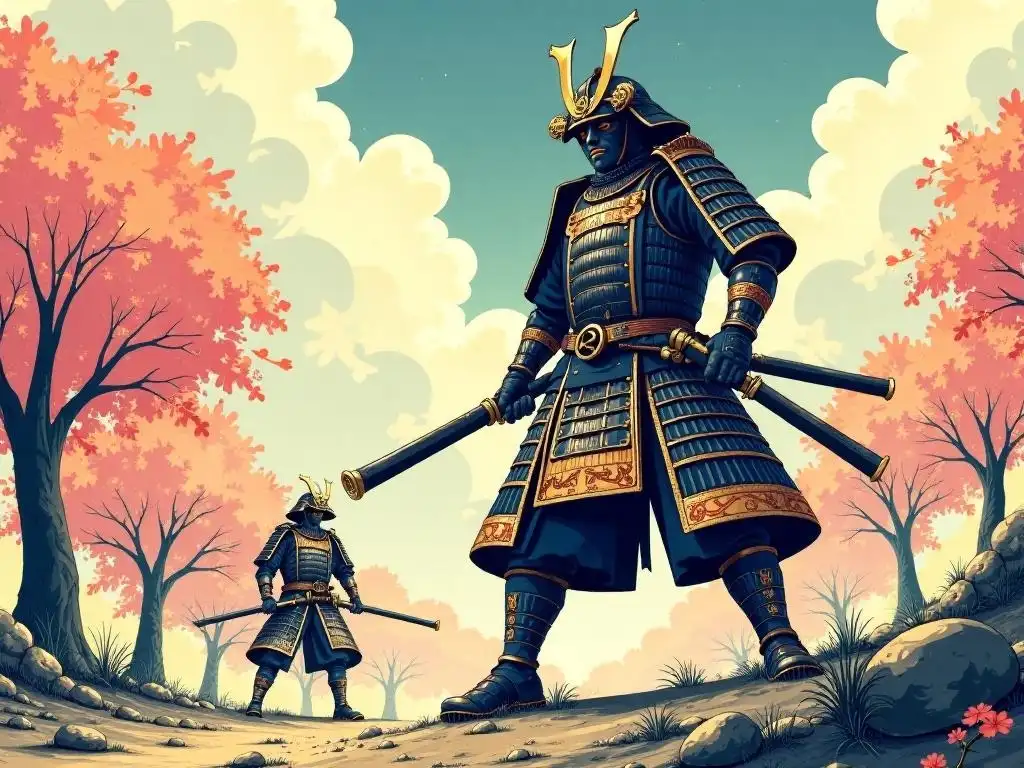
The integration of foreign weapons into Japanese warfare had far-reaching effects on military tactics and strategies. As these weapons became more prevalent, they necessitated changes in how battles were fought and won.
Transformation of Battle Strategies
The introduction of firearms and other foreign weapons led to a complete transformation of Japanese battle strategies.
- Formation Changes: The effectiveness of firearms encouraged the development of new formations, allowing troops to maximize their firepower. The traditional samurai charge was often replaced with strategic positioning to facilitate coordinated volleys of gunfire.
- Emphasis on Ranged Combat: With the rise of firearms, there was a marked shift towards ranged combat strategies. This required armies to train soldiers in both melee and ranged tactics, resulting in a more versatile military force.
- Psychological Warfare: The sound and impact of gunfire also had psychological effects on the battlefield. The fear instilled by firearms changed the nature of confrontations, often leading to a quicker resolution in favor of the side utilizing gunpowder.
Case Studies of Key Battles
Several key battles illustrate the profound impact of foreign weapons on Japanese military tactics.
- The Battle of Nagashino (1575): This battle is a prime example of the effective use of firearms in warfare. Oda Nobunaga’s forces utilized a tactical formation that allowed for a devastating barrage of gunfire against the advancing cavalry of Takeda Katsuyori. The outcome solidified the importance of firearms in Japanese military strategy.
- The Siege of Osaka (1614-1615): During this conflict, the Tokugawa shogunate employed artillery and firearms to great effect against the defending forces. The use of cannons and matchlocks marked a shift in siege warfare, demonstrating how foreign weapons could decisively influence the outcome of prolonged conflicts.
- The Battle of Sekigahara (1600): This pivotal battle showcased the integration of various foreign weapons within samurai armies. The combination of gunfire, cavalry, and traditional melee combat highlighted the evolution of tactics brought about by foreign influences.
The introduction of foreign weapons in Japanese warfare not only transformed military tactics but also reshaped the very fabric of samurai culture. The strategic adaptations and innovations that arose from this cultural exchange laid the foundation for Japan's military successes in the feudal era.
Cultural Implications of Weaponry Exchange
The exchange of foreign weapons during the feudal era of Japan had profound cultural implications, reshaping not only military strategies but also the very fabric of Japanese society. This cultural interchange resulted in a unique blend of indigenous techniques and foreign innovations, leading to the evolution of combat styles and weaponry that reflected a synthesis of ideas. The adaptation of foreign weaponry was not merely a matter of practicality; it also signified a broader acceptance of external influences, which permeated various aspects of Japanese life, from art to philosophy.
The Influence on Samurai Culture
The samurai, Japan's elite warrior class, were particularly affected by the introduction of foreign weapons. The adoption of firearms, such as the matchlock gun (tanegashima), revolutionized traditional samurai warfare. Initially met with skepticism, these weapons gradually became integral to samurai tactics. The emergence of gunpowder weapons not only altered battlefield dynamics but also shifted the samurai's code of honor, which had emphasized close combat and individual prowess.
The integration of foreign weaponry also encouraged a more pragmatic approach to warfare among the samurai. Traditional values began to coexist with a newfound appreciation for efficiency and effectiveness in combat. Moreover, the samurai's role as warriors evolved, as they had to adapt to the realities of gun warfare, including the need for teamwork and strategic planning. This evolution can be seen in the tactics used during significant conflicts, such as the Battle of Nagashino in 1575, where coordinated gunfire changed the course of battle.
Artistic Representations of Warfare
The cultural exchange resulting from foreign weapons also influenced Japanese art and literature. Artists began to depict scenes of warfare that included new weaponry and tactics, showcasing the changing landscape of combat. For example, ukiyo-e woodblock prints often illustrated samurai engaged in battles with firearms, highlighting their integration into Japanese warfare.
Literature from this period, such as historical accounts and military treatises, also reflects the impact of foreign weapons. The writings of military strategists like Miyamoto Musashi incorporated discussions on the effectiveness of various arms, including those influenced by foreign designs. These artistic expressions not only documented the evolving nature of warfare but also contributed to a broader cultural narrative that celebrated the samurai's adaptability and resilience in the face of change.
Conclusion: The Legacy of Foreign Weapons in Japanese Warfare
The introduction of foreign weapons into Japanese warfare left a lasting legacy that continues to resonate in both military history and modern interpretations of the samurai ethos. This legacy is characterized by a blend of traditional Japanese martial practices and the innovative tactics brought about by foreign influences.
Summary of Key Influences
Key influences of foreign weapons in Japanese warfare include the transformation of battle tactics, the shift in samurai culture from individual heroics to collective strategy, and the incorporation of firearms into existing weaponry. The adoption of these arms not only changed how battles were fought but also reflected a broader cultural openness that defined the era.
Modern Perspectives on Historical Weaponry
Today, scholars and historians examine the impact of foreign weapons on Japanese warfare through various lenses, including military strategy, cultural studies, and art history. By analyzing how these weapons were integrated and adapted, modern perspectives highlight the significance of cultural exchange in shaping Japan's military identity. This understanding allows for a more nuanced appreciation of the samurai's legacy and their ability to evolve in response to external influences.
The Continuing Impact of Cultural Exchange in Military History
The legacy of foreign weapons in Japanese warfare serves as a reminder of the importance of cultural exchange throughout military history. The adaptation of foreign technology and tactics has been a common theme across many cultures, illustrating how interaction and integration can lead to innovation and transformation. As we continue to study the past, it becomes clear that the exchange of ideas and technologies remains a critical factor in the evolution of military practices worldwide, echoing the experiences of feudal Japan.
- Introduction to Foreign Weapons in Japanese Warfare
- Historical Context of Japanese Warfare
- Major Foreign Weapons Introduced to Japan
- The Effects of Foreign Weapons on Japanese Military Tactics
- Cultural Implications of Weaponry Exchange
- Conclusion: The Legacy of Foreign Weapons in Japanese Warfare
- What role did foreign weapons play in Japanese warfare during the feudal era?
- How did cultural exchange impact the adoption of foreign weapons in Japan?
- Which foreign weapons had the most significant impact on Japanese warfare?
- How did the Japanese adapt foreign weaponry to fit their combat style?
- What are some lasting effects of foreign weapons on modern Japanese military practices?
Frequently Asked Questions
What role did foreign weapons play in Japanese warfare during the feudal era?
Foreign weapons significantly influenced Japanese warfare by introducing new techniques and technology, helping to enhance combat effectiveness and strategy.
How did cultural exchange impact the adoption of foreign weapons in Japan?
The cultural exchange fostered by trade and diplomacy allowed Japan to adopt and adapt foreign weapons, improving their military capabilities and integrating them into their own combat practices.
Which foreign weapons had the most significant impact on Japanese warfare?
Weapons such as the gunpowder-based firearms and cannons introduced from Europe had a profound impact, changing traditional tactics and leading to strategic military shifts.
How did the Japanese adapt foreign weaponry to fit their combat style?
The Japanese incorporated foreign weaponry by modifying designs and techniques to align with their existing combat styles, ensuring they complemented their unique military traditions.
What are some lasting effects of foreign weapons on modern Japanese military practices?
The influence of foreign weapons in the feudal era laid the groundwork for Japan's modern military practices, emphasizing the importance of adaptability and innovation in warfare.
Final Reflection: The Enduring Legacy of Foreign Weapons in Japanese Warfare
The intricate tapestry of Japanese warfare is woven with threads of foreign influence, illustrating how foreign weapons in Japanese warfare have shaped not only military strategies but also the very identity of a nation. Today, as we navigate a world increasingly defined by globalization and cultural exchange, the lessons from Japan's historical adaptations remind us of the power of innovation and collaboration in overcoming challenges.
The impact of foreign weapons on Japanese warfare extends far beyond the battlefield; it resonates within the cultural and social fabric of Japan itself. The integration of diverse military technologies not only enhanced Japan's combat effectiveness but also fostered a spirit of adaptability and resilience. This ongoing influence is evident in modern Japan, where the balance between tradition and innovation continues to define its national character. In every conflict, the ability to learn from others is what sets a nation apart.
As we reflect on the rich history of cultural exchange that has shaped Japan's military evolution, I invite you to consider how these lessons apply to your own life. How can you embrace the spirit of learning from diverse influences to enhance your own journey? In a world that often emphasizes division, let us strive to cultivate understanding and collaboration, drawing inspiration from the past to forge a brighter, more interconnected future.
Embrace the Legacy: Transform Your Understanding of Japanese Warfare!
Thank you for delving into the captivating world of how foreign weapons shaped Japanese warfare. Your engagement with this topic highlights the rich tapestry of cultural exchange that has influenced history in remarkable ways. Now, it’s time to take the next step and deepen your understanding!
Here are a few practical actions you can take today:
- Join a discussion group or online forum to share insights and engage in conversations about cultural influences in warfare.
- Explore further! Read books or watch documentaries on the evolution of weaponry across various cultures to broaden your perspective.
- Share your newfound knowledge with friends or on social media—let's ignite curiosity and encourage discussion within your community!
What aspect of cultural exchange in warfare do you find most surprising or intriguing?