
The Role of Intelligence in Samurai Battles: Espionage and Strategy

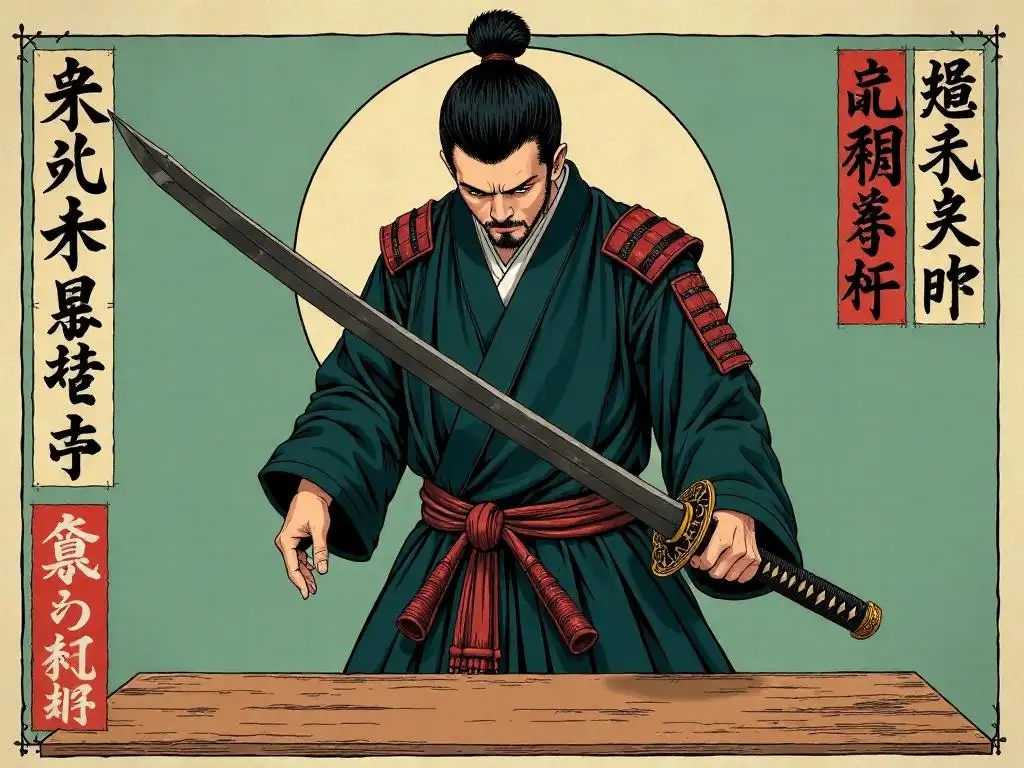
Welcome to Feudal Japan History, where we embark on a captivating journey through the intricate tapestry of Japan's feudal era. Here, we delve deep into the wars, warriors, and wisdom that defined a nation. Our featured article, "The Role of Intelligence in Samurai Battles: Espionage and Strategy," unveils the often-overlooked art of cunning and strategy that shaped the outcomes of legendary confrontations. Are you ready to discover how intelligence transformed the battlefield and the fate of empires? Join us as we explore the strategic minds of samurai and uncover the secrets that lie beneath the surface of history.
Introduction to Samurai Battles and Intelligence
The feudal era of Japan, characterized by the rise of the samurai class, is a rich tapestry woven with tales of valor, strategy, and cunning. Within this historical context, the intersection of intelligence and warfare played a pivotal role in shaping the outcomes of numerous samurai battles.
The keyword "samurai battles intelligence strategies" encapsulates the essence of this intricate relationship, underscoring how espionage, information gathering, and strategic planning were not merely auxiliary components but core elements of military success. This article delves into the multifaceted role of intelligence in samurai warfare, revealing how the samurai utilized cunning tactics and strategic foresight to outmaneuver their adversaries.
Overview of Samurai Warfare
Samurai warfare was not solely defined by brute strength and swordsmanship; it was a complex interplay of strategy, discipline, and psychological warfare. Battles were often fought in formations that emphasized both offense and defense, where the use of terrain, timing, and morale could significantly influence the outcome. Notably, the samurai were trained to be not only warriors but also tacticians, capable of adapting their strategies based on the intelligence they acquired about their enemies.
- Key Aspects of Samurai Warfare:
- Weaponry and Tactics: The katana, a symbol of the samurai, was complemented by various other weapons, including bows and spears.
- Military Formations: Strategies such as the "kikuchi" and "tachi" formations maximized combat effectiveness.
- Psychological Warfare: The samurai often employed tactics designed to demoralize their opponents before the battle even began.
Importance of Intelligence in Feudal Japan
In the realm of feudal Japan, intelligence was indispensable for the samurai. The ability to gather, analyze, and act upon information about enemy movements, strengths, and weaknesses could turn the tide of battle. Espionage became a formalized practice, with samurai often deploying spies and informants to infiltrate enemy camps and gather crucial data.
- Functions of Intelligence:
- Battlefield Awareness: Understanding the terrain and enemy positions was vital for strategic planning.
- Preemptive Strikes: Intelligence allowed samurai to execute surprise attacks based on the enemy's vulnerabilities.
- Political Maneuvering: Knowledge of rival clans' intentions facilitated alliances and betrayals.
Historical Context of Samurai Espionage
The historical context of samurai espionage reveals a culture deeply rooted in the necessity of intelligence for survival and success. As warfare evolved, so too did the methods and philosophies surrounding espionage.
Development of Espionage Tactics in Samurai Culture
The evolution of espionage tactics within samurai culture was marked by a shift from informal information gathering to more organized and strategic approaches. Various techniques emerged, including the use of infiltrators, decoys, and coded messages. The samurai adapted to the changing landscape of warfare, recognizing that knowledge was as powerful as the sword.
- Notable Tactics:
- Infiltration: Spies would disguise themselves as commoners to gather intelligence without raising suspicion.
- Signal Systems: Communication through visual signals and coded messages helped relay information discreetly.
- Double Agents: Trusted individuals might serve dual purposes, deceiving both friend and foe.
Key Historical Figures in Samurai Intelligence Operations
Throughout feudal Japan, several key figures exemplified the importance of intelligence in samurai warfare. Their exploits in espionage not only shaped the course of battles but also influenced the broader socio-political landscape of the time.
- Notable Figures:
- Miyamoto Musashi: Renowned for his strategy in warfare, Musashi emphasized the importance of understanding one's enemy.
- Shingen Takeda: Utilized intelligence networks effectively to outmaneuver rivals in the Sengoku period.
- Kusunoki Masashige: Known for employing guerrilla tactics and intelligence in his campaigns against the Kamakura shogunate.
As we explore the intricate dynamics of samurai battles and the intelligence strategies employed, it becomes evident that the samurai were not just warriors; they were master strategists whose understanding of information and deception was crucial to their success on the battlefield.
Types of Intelligence Strategies Used by Samurai
The samurai of feudal Japan were not only skilled warriors but also adept strategists who understood the importance of intelligence in warfare. Their success on the battlefield often depended on effective intelligence strategies that included gathering information, employing deception, and analyzing enemy movements. These methods allowed samurai leaders to make informed decisions that could turn the tide of battle in their favor.
Gathering Information: Spies and Scouts
One of the primary intelligence strategies utilized by samurai was the deployment of spies and scouts. These individuals were tasked with collecting vital information about enemy positions, troop strength, and preparations. Spies often infiltrated enemy camps disguised as merchants or peasants, gaining access to critical insights.
Scouts served a crucial role by providing real-time information about the landscape and enemy activities. They were skilled horsemen who could traverse difficult terrain quickly, ensuring that their commanders received timely updates. The effectiveness of these scouts and spies was paramount, as even minor details could influence strategic decisions. For example, knowing the location of enemy supply routes could allow for successful ambushes or targeted attacks.
The Role of Deception in Samurai Warfare
Deception was a cornerstone of samurai warfare, and it played a significant role in their intelligence strategies. Samurai commanders often employed misinformation to mislead their enemies. This could involve feigned retreats, false camps, or misleading troop movements designed to confuse and manipulate the opponent's perception of the battlefield.
One famous tactic involved creating fake camps to suggest a larger force than actually existed. This psychological warfare aimed to intimidate or mislead enemies into making hasty decisions. Additionally, samurai would sometimes use coded messages to communicate plans and strategies while ensuring that enemy forces could not intercept and decipher their true intentions. Such tactics underscored the importance of cunning and strategic thinking in samurai warfare.
Analyzing Enemy Movements and Strategies
The ability to analyze enemy movements and strategies was another critical aspect of samurai intelligence. Samurai leaders studied not only the movements of enemy forces but also their historical tactics and battle patterns. By understanding how opponents had previously engaged in warfare, commanders could anticipate their next moves and develop counter-strategies.
This analytical approach often involved gathering intelligence from various sources, including captured enemy soldiers who could provide insights into their strategies and morale. Samurai employed a combination of observation, experience, and deductive reasoning to formulate their battle plans. This emphasis on analysis highlighted the samurai's commitment to being not just fighters, but also strategic thinkers and planners.
Case Studies of Intelligence in Notable Samurai Battles
The effectiveness of samurai intelligence strategies can be illustrated through notable battles in Japanese history, where the outcomes were significantly influenced by the information gathered and analyzed by samurai leaders.
The Battle of Sekigahara
The Battle of Sekigahara in 1600 was a pivotal conflict that determined the future of Japan. Intelligence played a crucial role in the lead-up to this battle, as both the Tokugawa and the opposing forces sought to gather information on each other's strengths and weaknesses.
Tokugawa Ieyasu utilized scouts to monitor the movements of his enemies, while also employing spies to gain insights into their plans. This intelligence allowed him to exploit divisions among the opposing factions, ultimately leading to his decisive victory. The careful analysis of enemy troop movements and the strategic use of deception, such as feigned weakness, were instrumental in securing Tokugawa’s dominant position in Japan.
The Siege of Osaka
The Siege of Osaka, which took place from 1614 to 1615, was another significant example where intelligence strategies were paramount. Tokugawa forces aimed to extinguish the last remnants of the Toyotomi clan, and intelligence gathering was critical in this prolonged conflict.
Tokugawa's commanders utilized spies to infiltrate Osaka Castle, gathering information about its defenses and the morale of the defenders. In addition, they closely monitored enemy movements around the castle to anticipate counterattacks. The effective use of this intelligence facilitated a well-planned siege, culminating in the eventual fall of Osaka and solidifying the Tokugawa shogunate's power.
Each case demonstrates that the integration of intelligence strategies into samurai warfare was not merely an advantage but a necessity for achieving victory in complex and fluid battle environments.
The Impact of Intelligence on Samurai Warfare
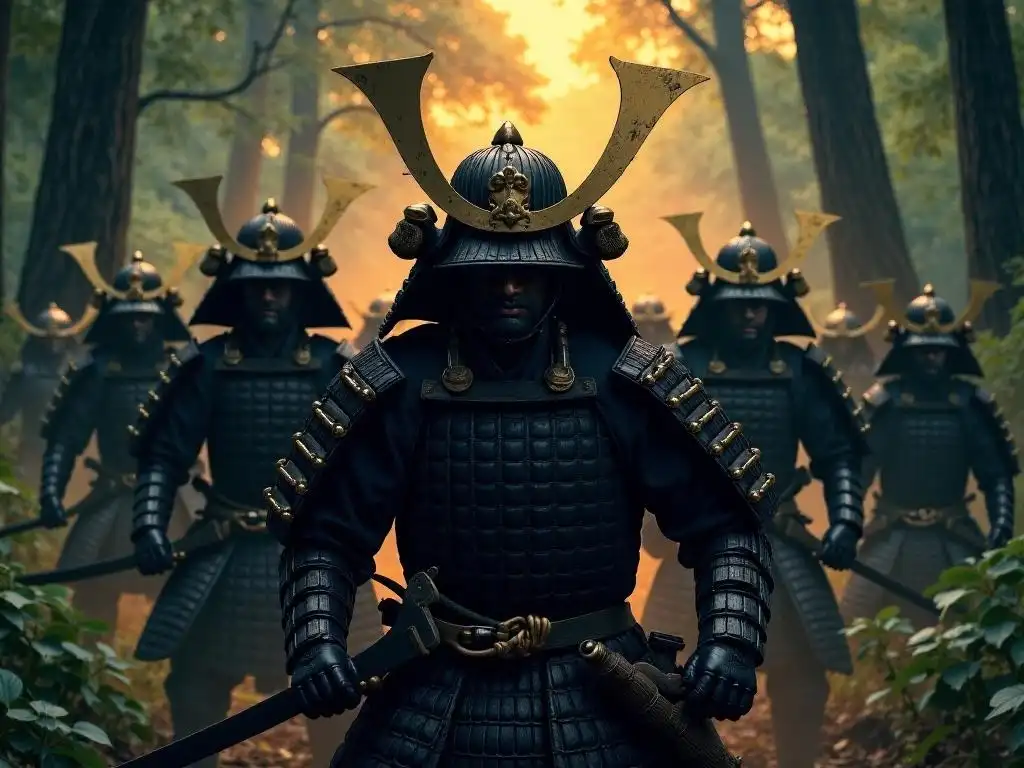
The significance of intelligence in samurai warfare cannot be overstated. It played a crucial role in shaping the outcomes of battles, influencing strategies, and determining the fates of clans during Japan's feudal era. Samurai were not just warriors; they were also tacticians who understood that information could be as valuable as weapons. The effective use of intelligence allowed leaders to anticipate enemy movements, exploit weaknesses, and make informed decisions on the battlefield.
Shaping Battle Strategies and Tactics
Intelligence gathering was integral to the development of battle strategies and tactics. Samurai leaders often deployed scouts to gather information about enemy positions, troop numbers, and terrain features. This information was critical in formulating approaches that could leverage their strengths while minimizing vulnerabilities. For instance, the famous battle of Sekigahara in 1600 was heavily influenced by the intelligence that Tokugawa Ieyasu gathered regarding his opponents' movements and alliances. By knowing when and where to strike, he was able to secure a decisive victory that shaped the future of Japan.
Moreover, the samurai's understanding of terrain—whether it was mountainous, forested, or urban—allowed them to tailor their strategies effectively. Terrain intelligence could dictate the choice of ambush points, the timing of assaults, and the allocation of forces, thereby enhancing the overall effectiveness of the samurai's military campaigns.
The Role of Intelligence in Alliances and Betrayals
In the feudal system, alliances were often fragile and subject to change. Intelligence played a pivotal role in both forming and breaking these alliances. Samurai leaders relied on spies to monitor the intentions of potential allies and adversaries alike. For example, during the Genpei War (1180-1185), the Minamoto and Taira clans used intelligence to navigate complex political landscapes, often shifting alliances based on the information they received.
Betrayals were common in this tumultuous era, and intelligence networks were essential in identifying potential threats. Knowledge of rival clans' plans allowed samurai to act preemptively, either by solidifying their alliances or by launching surprise attacks against traitors. The power of intelligence in shaping the political landscape and determining loyalty cannot be underestimated in the context of samurai warfare.
Long-term Effects on Feudal Japan's Military Structure
The emphasis on intelligence in samurai battles had long-lasting effects on the military structure of feudal Japan. Over time, a more organized system of intelligence gathering and analysis developed, which included the establishment of formal roles for spies and scouts. This evolution contributed to a more sophisticated understanding of warfare that transcended mere brute strength.
The lessons learned from the importance of intelligence also influenced military strategies in later periods, including the Sengoku period, which saw a proliferation of warfare among the daimyōs. As samurai clans evolved, many adopted more systematic approaches to intelligence, integrating it into their military doctrines. This shift laid the groundwork for future military strategies in Japan, demonstrating how the use of intelligence became an intrinsic part of the samurai identity and warfare.
Challenges and Limitations of Samurai Intelligence Strategies
Despite the crucial role of intelligence in samurai warfare, there were inherent challenges and limitations to these strategies. The chaotic nature of feudal Japan, with its shifting loyalties and constant warfare, made intelligence-gathering a complex endeavor.
Risks of Espionage in Feudal Japan
Engaging in espionage carried significant risks for samurai and their clans. The act of spying often required infiltrating enemy territories, which exposed agents to capture or execution if discovered. Samurai were bound by codes of honor and loyalty, and betraying a clan could lead to severe retribution. The famous tale of the 47 Ronin illustrates the dire consequences of perceived dishonor and the tightrope that spies walked in their clandestine efforts.
Moreover, misinformation could easily spread. In a climate of distrust, misleading intelligence could lead to disastrous decisions. The reliance on spies meant that samurai had to be vigilant and discerning in evaluating the information they gathered, as false reports could just as easily lead to defeat as accurate intelligence could lead to victory.
Counterintelligence Measures from Opposing Forces
As samurai became more adept at employing intelligence strategies, opposing forces also developed counterintelligence measures to thwart these efforts. Clans employed their own spies to monitor the movements of adversaries and to mislead them. For instance, during battles, some clans would create fake encampments to divert enemy attention or spread false information about their strength and strategies.
Additionally, the use of deception and psychological warfare became common as samurai sought to undermine the confidence and morale of their opponents. The practice of feigning retreat, for example, was a tactic that often relied on the opponent's intelligence and perception, leading them to believe they had the upper hand, only to be ambushed later.
While intelligence was a powerful tool in samurai battles, it was fraught with risks and challenges that required careful navigation. The interplay of espionage and counter-espionage shaped the tactics and outcomes of battles, highlighting the complex dynamics of warfare in feudal Japan.
Conclusion: The Legacy of Intelligence in Samurai Battles
The legacy of intelligence in samurai battles remains a significant aspect of military history that continues to influence contemporary strategies. The samurai's use of espionage and strategic planning was not merely a tactical advantage but a testament to their understanding of the complexities of warfare. By integrating intelligence into their military operations, samurai leaders demonstrated that battles were not won solely through brute force but through careful planning, deception, and the effective gathering and analysis of information.
The intricate web of alliances, the art of deception, and the intelligence networks established during the feudal period laid the groundwork for modern military strategies. The lessons learned from samurai battles have been studied and adapted, showcasing the timeless relevance of intelligence in planning and executing military operations. This historical perspective highlights the importance of foresight, adaptability, and the need for accurate information in the face of uncertainty.
Lasting Influence on Modern Military Strategy
The influence of samurai intelligence strategies extends far beyond Japan and the feudal era. Modern military leaders and strategists have drawn valuable insights from the samurai's approach to intelligence. Key principles include:
- The Value of Informants: Just as samurai relied on informants to gather intelligence about enemy movements and plans, modern militaries utilize a network of spies and intelligence operatives to obtain information crucial for decision-making.
- Deception Tactics: The samurai were masters of deception, employing tactics to mislead opponents. This principle is mirrored in contemporary military operations, where misinformation and psychological operations are used to confuse and disrupt enemy plans.
- Adaptability and Flexibility: The ability to adapt strategies based on the intelligence gathered is a hallmark of successful military operations. The samurai's willingness to adjust their tactics according to the information available serves as a model for modern forces operating in dynamic environments.
- Integrating Technology: While the samurai relied on traditional methods of intelligence gathering, today’s military strategies leverage technology and data analysis, yet the fundamental principles of intelligence remain rooted in the samurai’s practices.
The integration of these principles into modern warfare underscores the enduring legacy of samurai intelligence strategies and their relevance in shaping effective military doctrines.
Reflections on the Importance of Intelligence in Warfare
Reflecting on the role of intelligence in warfare reveals a profound understanding of its critical significance. Throughout history, the outcomes of battles have often hinged on the quality and timeliness of intelligence. The samurai exemplified this notion, demonstrating that knowledge can be as powerful as the sword.
The importance of intelligence in warfare can be summarized through several key reflections:
- Decision-Making: Accurate intelligence enables commanders to make informed decisions that can turn the tide of battle. The samurai understood that knowing the enemy's strengths and weaknesses was vital for strategic planning.
- Resource Allocation: Effective intelligence allows for the judicious allocation of resources, ensuring that troops are deployed where they are most needed, thereby optimizing operational efficiency.
- Minimizing Casualties: By understanding enemy movements and intentions, armies can engage in combat more selectively, potentially minimizing unnecessary loss of life—a principle that was as important to samurai as it is to modern military ethics.
- Psychological Warfare: Intelligence not only informs physical strategies but also plays a crucial role in psychological tactics. The samurai's ability to instill fear and uncertainty in their opponents through well-timed strikes and misinformation is a tactic still relevant in today's warfare.
The lessons learned from the intelligence strategies employed by samurai in battles are not just relics of the past but continue to resonate in modern military thought. The emphasis on intelligence as a cornerstone of strategy highlights its timeless nature, reminding us of the profound impact that knowledge and foresight can have in the arena of warfare.
- Introduction to Samurai Battles and Intelligence
- Historical Context of Samurai Espionage
- Types of Intelligence Strategies Used by Samurai
- Case Studies of Intelligence in Notable Samurai Battles
- The Impact of Intelligence on Samurai Warfare
- Challenges and Limitations of Samurai Intelligence Strategies
- Conclusion: The Legacy of Intelligence in Samurai Battles
- What role did intelligence play in samurai battles?
- How did espionage affect the outcome of samurai conflicts?
- What were some common strategies used in samurai warfare?
- Did samurai use spies in their military tactics?
- How has the understanding of samurai battles and intelligence strategies evolved over time?
Frequently Asked Questions
What role did intelligence play in samurai battles?
Intelligence was crucial in samurai battles, helping commanders gather information on enemy movements, strengths, and weaknesses, which informed their strategic decisions.
How did espionage affect the outcome of samurai conflicts?
Espionage allowed samurai factions to execute surprise attacks and avoid ambushes by obtaining vital information about enemy plans, significantly influencing battle outcomes.
What were some common strategies used in samurai warfare?
Common strategies included deception, flanking maneuvers, and the use of terrain, all of which were enhanced by effective intelligence-gathering methods.
Did samurai use spies in their military tactics?
Yes, samurai often employed spies to infiltrate enemy ranks or gather information, making espionage a key component of their military tactics and overall strategy.
How has the understanding of samurai battles and intelligence strategies evolved over time?
Historical analysis has revealed the complexity and importance of intelligence in samurai warfare, highlighting it as a sophisticated aspect of military strategy rather than mere brute force.
Final Reflection: The Enduring Legacy of Samurai Intelligence in Warfare
The intricate dance of strategy and espionage in samurai battles reveals a timeless truth: intelligence is the backbone of victory. In a world where battles are fought not just with swords but with cunning and foresight, the lessons learned from the samurai's approach to warfare remain profoundly relevant today. As we navigate complex challenges in our own lives, the importance of strategic thinking and the gathering of information cannot be overstated.
_Culture and society continue to be shaped by the principles of intelligence and strategy that the samurai exemplified. The art of war, as practiced by these legendary warriors, transcends mere combat; it informs leadership, decision-making, and even personal growth. "The greatest victory is that which requires no battle," said Sun Tzu, and this sentiment echoes the samurai's reliance on intelligence to outmaneuver their opponents. The legacy of their strategic prowess serves as a reminder that understanding one's environment and leveraging information can lead to success in various arenas, from business to personal relationships.
As you reflect on the lessons of samurai battles and their intelligence strategies, consider how you can apply these insights in your own life. Embrace the power of knowledge, cultivate your strategic thinking, and remember that sometimes the most effective approach is to outsmart rather than outfight. Let the wisdom of the samurai inspire you to become a master of your own battles, whether they are in the boardroom, your community, or within yourself. The path to victory is often paved with insight and foresight—are you ready to wield them?
Unveil the Secrets of Samurai Strategy!
Thank you for diving into the fascinating world of Samurai battles and the crucial role of intelligence in shaping these epic confrontations! You've gained insights into espionage and strategy that can transform your understanding of Feudal Japan. Now, let’s take that knowledge further and explore how you can apply these principles in your own life or share them with others.
Here’s how to continue your journey:
- Start your own research project on a specific samurai battle that intrigues you—discover the intelligence tactics used and compare them to contemporary strategies.
- Share this article with friends or on social media—spark a discussion about the profound impact of strategy and intelligence throughout history.
- Join a local or online community focused on history; engage with like-minded individuals who share your passion for the rich narratives of Feudal Japan.
As you explore these actions, consider this: How can the lessons learned from samurai strategies inspire your approach to challenges in your own life? Let’s discuss!