The Battle of TobaFushimi: The Catalyst for the Meiji Restoration
The Toba Fushimi battle significance marks a pivotal moment in Japan’s transition from feudalism to modernization. This clash not only ignited the…
Read article
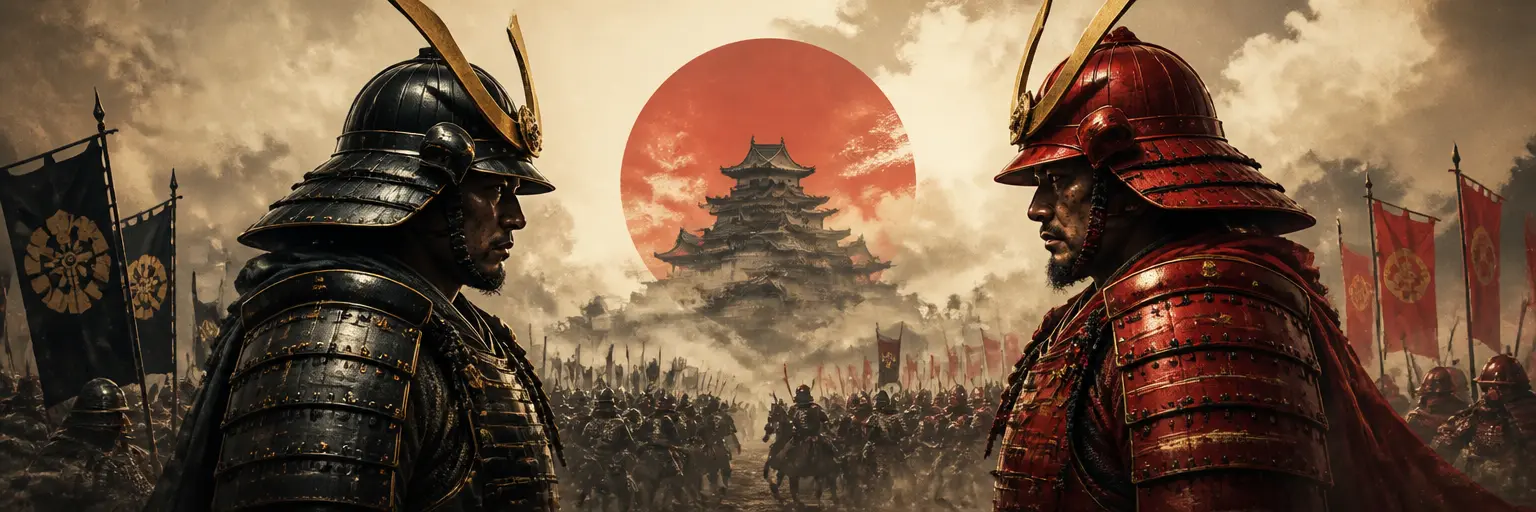
Explore the defining conflicts of feudal Japan with Key Battles ⚔️—from legendary samurai encounters and castle sieges to decisive campaigns that reshaped the nation. Discover expert-driven military history, strategic turning points, heroic commanders, and the lasting impact of Japan’s most important battles. 🇯🇵
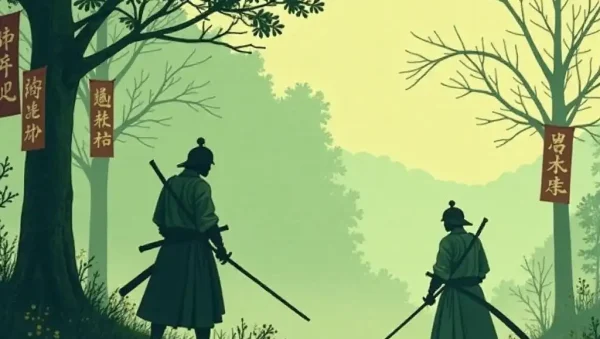
The Toba Fushimi battle significance marks a pivotal moment in Japan’s transition from feudalism to modernization. This clash not only ignited the…
Read article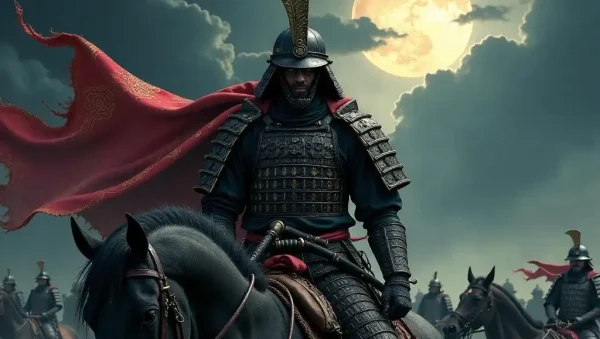
The Battle of Uedahara highlights the complex web of feudal loyalties in Japan, revealing how shifting allegiances and deep-seated betrayals shaped the…
Read article
The feudal Japan weaponry evolution transformed warfare strategies and societal structures. Key battles, such as the Genpei War, showcased innovative weaponry and…
Read article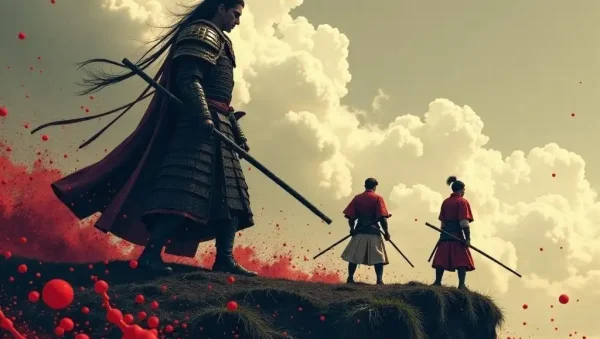
The Battle of Okehazama significance was pivotal in Oda Nobunaga’s ascent, showcasing his tactical brilliance and resilience. This decisive victory not only…
Read article
The Fukuyama siege historical significance lies in its pivotal role during Japan's feudal era, showcasing the intricate strategies and fierce battles that…
Read article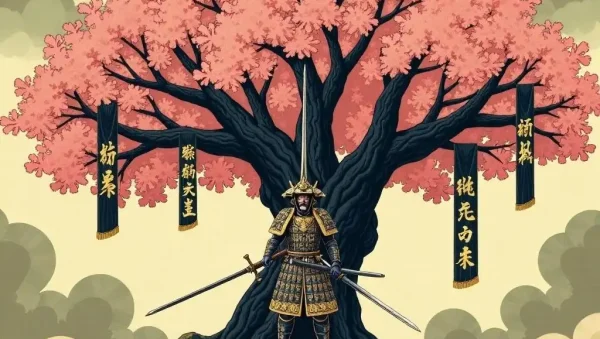
The intricate tapestry of feudal warfare in Japan not only shaped military strategies but also profoundly influenced cultural identity, fostering values of…
Read article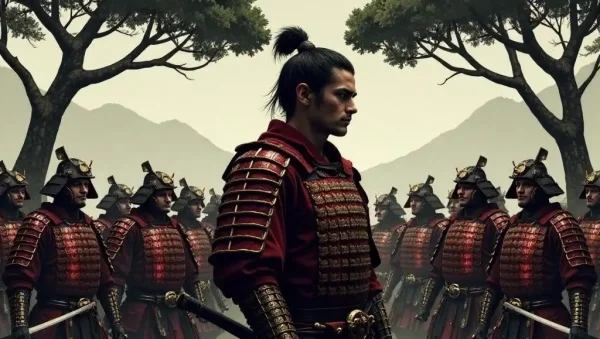
The Battle of the 47 Ronin significance lies in its embodiment of samurai values, illustrating themes of honor, revenge, and loyalty. This…
Read article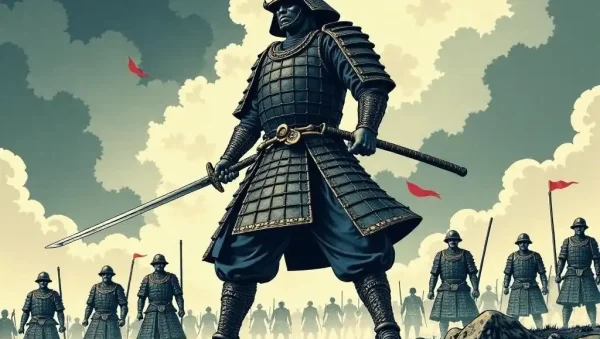
🌸 The Battle of Tedorigawa analysis unveils the complex interplay of politics and warfare in feudal Japan, highlighting how shifting alliances and…
Read article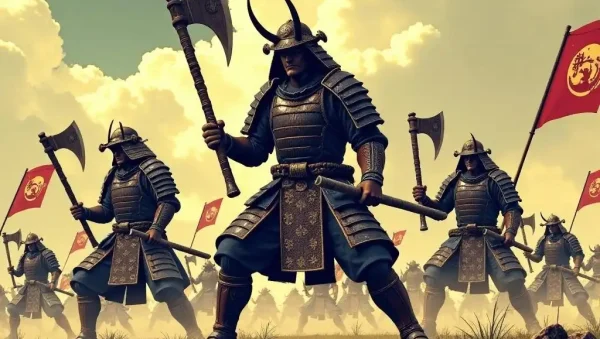
The Battle of Shizugatake legacy offers vital insights into strategy, leadership, and the complexities of warfare. By examining this pivotal conflict, we…
Read article
In Japan's feudal era, Women in Samurai Battles played crucial yet often overlooked roles, from supporting warriors to engaging in combat. This…
Read article
The Battle of Kawanakajima stands as a pivotal moment in Japan's feudal history, showcasing the fierce rivalry between Takeda and Uesugi. This…
Read article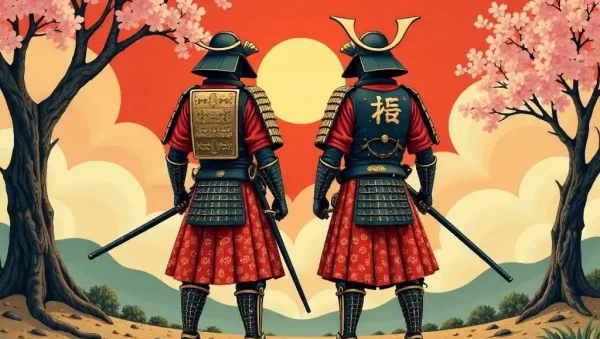
In examining the intricate dynamics of Religion in Feudal Japanese Warfare, this article delves into key battles where spiritual beliefs influenced strategies,…
Read articleExplore the decisive conflicts that shaped feudal Japan, from the rise of the samurai and the power struggles of the shogunates to the unification of the Japanese archipelago. This subcategory examines famous battles, military campaigns, sieges, naval engagements, and turning points that transformed Japan’s political, social, and cultural history. Discover how commanders, daimyo, samurai, ashigaru, fortifications, weapons, alliances, and battlefield strategies influenced the course of Japanese history.
The Sengoku period was an age of civil war in which powerful daimyo competed for territory, influence, and control over Japan. Readers can explore major conflicts such as the Battle of Okehazama, the Battle of Anegawa, the Battle of Nagashino, and the Battle of Sekigahara, with attention to their causes, military tactics, key commanders, and historical consequences.
Each article provides context about the political rivalries and shifting alliances behind these famous samurai battles. Learn how Oda Nobunaga, Toyotomi Hideyoshi, Tokugawa Ieyasu, Takeda Shingen, Uesugi Kenshin, and other influential leaders used strategy, intelligence, firearms, cavalry, infantry, and castle warfare to pursue victory.
Discover how samurai warfare evolved across the Kamakura, Muromachi, Sengoku, and early Edo periods. This section explores swordsmanship, mounted archery, spear formations, matchlock firearms, defensive formations, ambushes, reconnaissance, and the organization of feudal armies.
Readers can expect clear explanations of how warriors fought in different environments and why certain tactics succeeded or failed. Articles also examine the roles of samurai retainers, ashigaru foot soldiers, warrior monks, clan commanders, messengers, and military strategists, offering a detailed view of Japanese battlefield tactics beyond popular legends.
Castle warfare was central to military history in feudal Japan. Explore important sieges involving strongholds such as Osaka Castle, Himeji Castle, Odawara Castle, and other strategic fortresses. These articles explain how castles controlled roads, protected territories, stored supplies, and served as political centers for daimyo domains.
Learn about siege towers, artillery, tunnels, supply lines, starvation tactics, negotiations, castle walls, moats, gates, and defensive terrain. By examining both attackers and defenders, this section reveals the complexity of Japanese castle sieges and the human, political, and economic costs of prolonged warfare.
Japan’s military history also includes important naval battles and maritime campaigns. This section covers conflicts fought along coastal waters, inland seas, and strategic waterways, showing how ships, transport fleets, naval blockades, and coastal fortifications affected the outcome of major wars.
Readers will learn how maritime power supported invasions, troop movements, trade routes, and regional alliances. Articles may also explore the naval dimensions of the Genpei War, the Mongol invasions of Japan, the campaigns of the Sengoku period, and the role of Japanese naval warfare in the struggle for political supremacy.
The Genpei War was one of the foundational conflicts in Japanese history. Fought between the Minamoto and Taira clans, this civil war transformed the balance of power and helped establish the first samurai-led government under the Kamakura shogunate.
Explore pivotal engagements such as the Battles of Ichinotani, Yashima, and Dan-no-ura. These articles examine the commanders, clan rivalries, naval tactics, warrior culture, and political consequences that marked the transition from aristocratic court rule to samurai government in Japan.
The Mongol invasions of 1274 and 1281 tested Japan’s military organization and defensive capabilities. This section explains the campaigns of Kublai Khan, the role of Korean and Chinese forces, the response of the Kamakura shogunate, and the battles fought on Kyushu.
Readers can investigate Japanese defensive walls, samurai tactics, Mongol military technology, naval operations, and the famous typhoons traditionally associated with the term “kamikaze.” The articles distinguish historical evidence from later national myths while explaining the invasions’ impact on medieval Japanese history.
The final stages of the Sengoku period were defined by campaigns that gradually brought Japan under centralized control. Study the military achievements of Oda Nobunaga, Toyotomi Hideyoshi, and Tokugawa Ieyasu, including the conflicts that weakened rival clans and reshaped Japan’s political structure.
Articles explore the Battle of Yamazaki, the Battle of Shizugatake, the siege of Odawara, and the Battle of Sekigahara. Learn how diplomacy, hostage exchanges, marriage alliances, land surveys, castle construction, religious institutions, and military force contributed to the creation of a unified Tokugawa Japan.
The Battle of Sekigahara in 1600 is often regarded as one of the most important battles in Japanese history. Tokugawa Ieyasu’s victory established his political dominance and paved the way for the Tokugawa shogunate, which ruled Japan for more than two centuries.
Feudal Japanese armies included samurai, ashigaru foot soldiers, mounted archers, spear units, matchlock troops, warrior monks, naval forces, engineers, and commanders serving powerful daimyo. Their roles varied according to the period, battlefield, weapons, and military organization.
Matchlock firearms, introduced to Japan in the sixteenth century, changed battlefield tactics by strengthening infantry formations and increasing the importance of coordinated volleys. The Battle of Nagashino is frequently discussed as an example of firearms being used effectively against cavalry.
Japanese castles served as defensive fortresses, administrative centers, military headquarters, and symbols of daimyo authority. Their walls, moats, gates, towers, and strategic locations helped control territory, protect supplies, and resist enemy assaults.
Studying key battles reveals more than military victories and defeats. It helps explain political change, samurai culture, social hierarchy, technological development, economic pressures, leadership, diplomacy, and the formation of Japan’s major shogunates and feudal domains.