The Aesthetic of Destruction: Artistry in Samurai Weaponry and Armor
The intricate beauty of samurai weaponry and armor artistry reveals a profound connection between functionality and aesthetics, showcasing the skill and spirit…
Read article
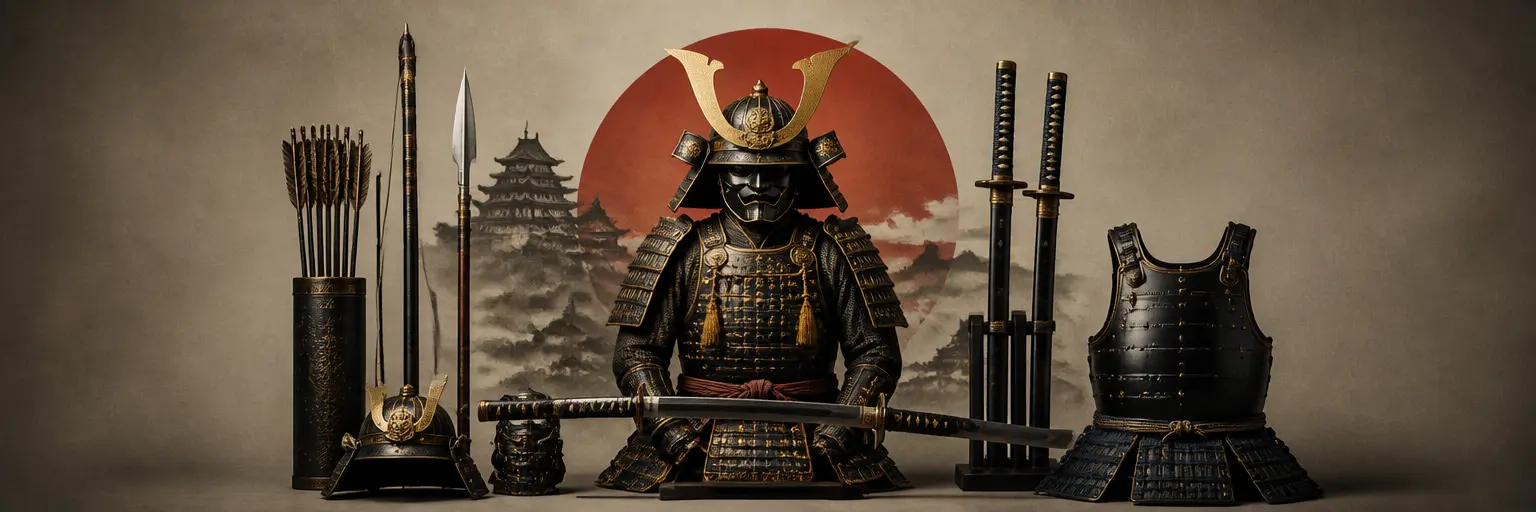
Discover the evolution of Japanese weaponry and armor during the feudal era ⚔️ Explore the craftsmanship, battlefield roles, and cultural significance of iconic samurai swords, bows, spears, helmets, and protective armor. Learn how innovation, status, and warfare shaped these legendary tools of combat in Feudal Japan History—your trusted source for expert insights into samurai equipment and military heritage.
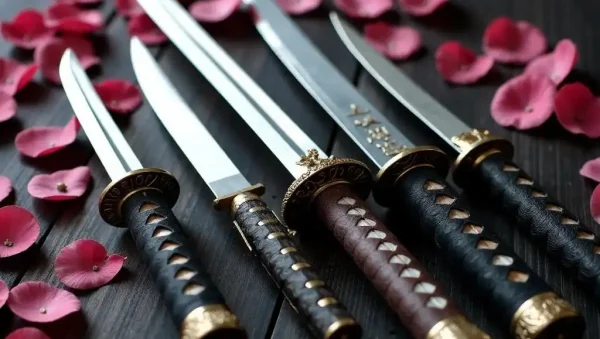
The intricate beauty of samurai weaponry and armor artistry reveals a profound connection between functionality and aesthetics, showcasing the skill and spirit…
Read article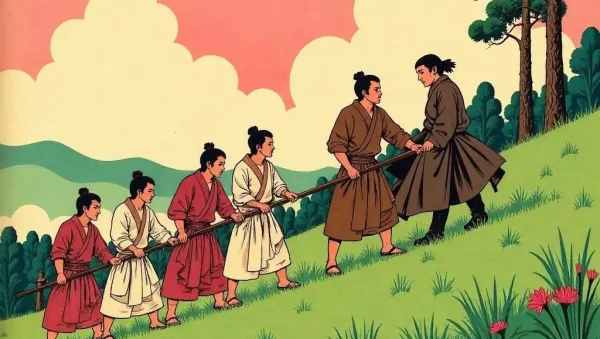
In "Armaments of the Common Soldier," we delve into the lives of peasant warriors in feudal Japan, exploring their essential role in…
Read article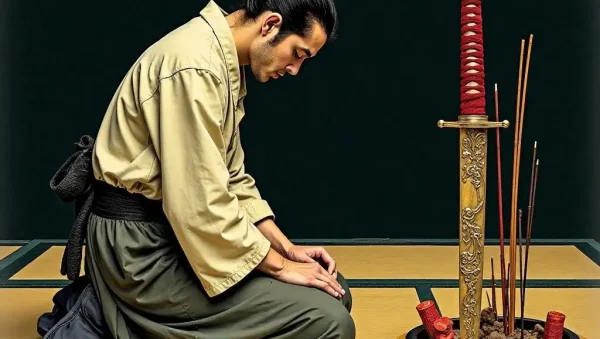
🌸 Discover how samurai weapons spiritual rituals forged a profound bond between warriors and their blades, reflecting the intricate interplay of honor,…
Read article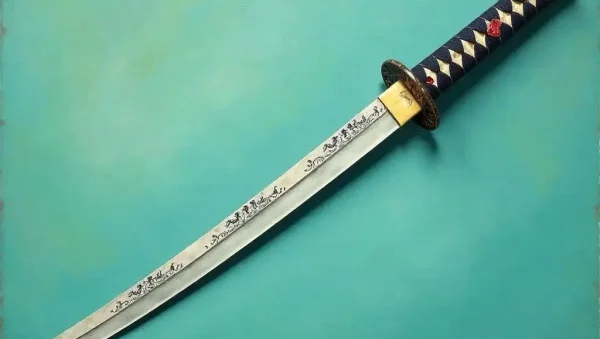
🌸 The "Tachi vs Katana comparison" delves into the evolution of these iconic Japanese swords, highlighting their distinct designs, uses in feudal…
Read article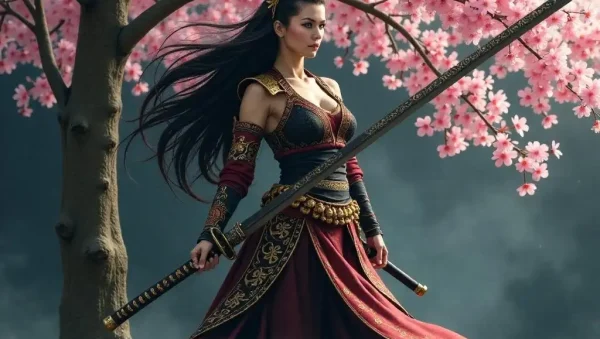
🌸 Discover the remarkable history of female samurai warriors, exploring their unique weaponry and pivotal roles in Japan’s feudal era. This article…
Read article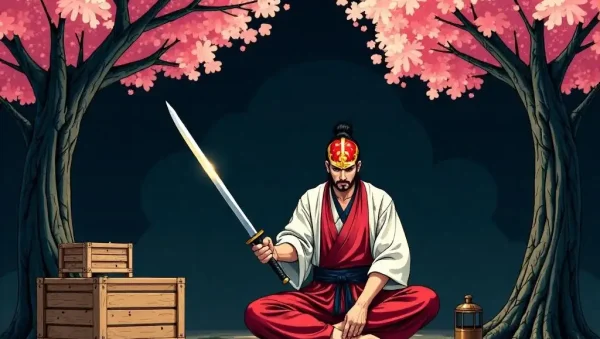
In "From Training to Battle: The Lifecycle of Samurai Weapons," we delve into the intricate journey of these iconic tools, revealing how…
Read article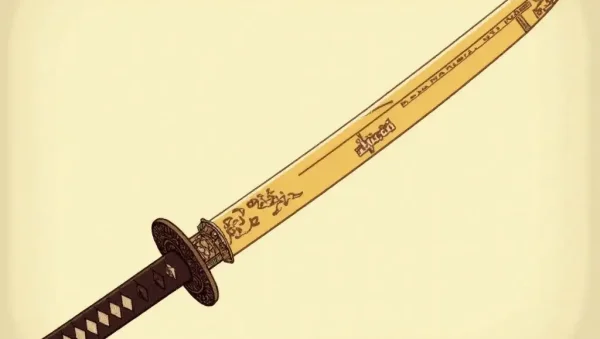
The samurai sword, a powerful emblem of honor and discipline, embodies rich samurai sword symbolism history. This article delves into its profound…
Read article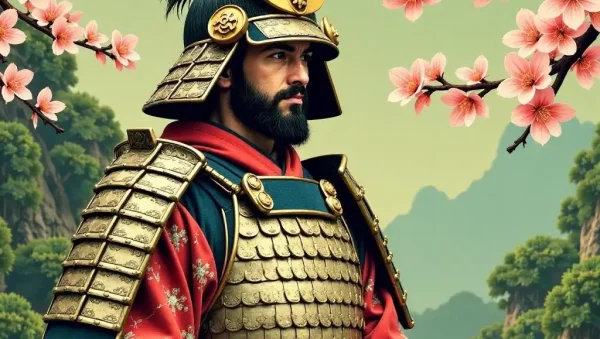
In Feudal Japan, armor transcended mere protection, symbolizing status and identity. The intricate designs and materials reflected a warrior's rank and allegiance,…
Read article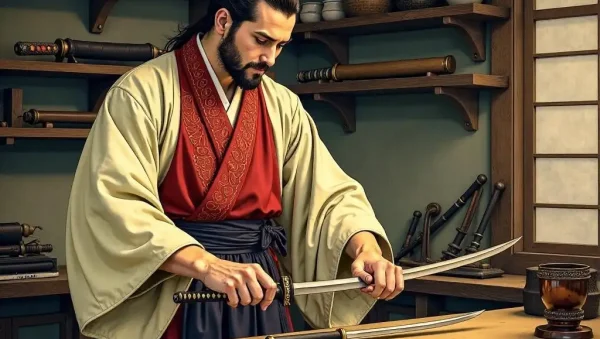
🌸 The interplay of religion and weapon design in Japan's feudal era reveals how spiritual beliefs influenced the craftsmanship and symbolism of…
Read article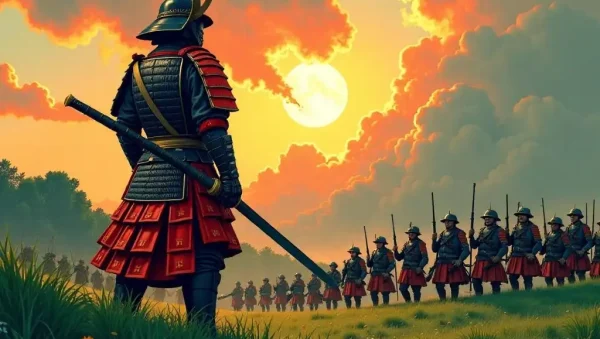
🌏 The introduction of foreign weapons in Japanese warfare profoundly transformed military strategies during the feudal era, blending traditional techniques with innovative…
Read article
⚓ Discover the intricate world of Samurai naval warfare tactics in feudal Japan, where skilled warriors employed innovative weapons and strategies. This…
Read article
🏯 Ninja tactics in feudal Japan were integral to espionage and warfare, blending stealth, agility, and specialized weaponry. This article delves into…
Read articleExplore the evolution of Japanese weaponry and armor throughout the feudal era, from the rise of the samurai to the unification of Japan. This subcategory examines the design, manufacture, battlefield use, symbolism, and cultural legacy of swords, bows, spears, firearms, helmets, and protective armor. Discover how military technology shaped warfare, social identity, and political power across Japan’s medieval and early modern history through expert-driven articles on samurai weapons, Japanese armor, Sengoku warfare, and traditional arms craftsmanship.
Learn about the katana, tachi, wakizashi, tanto, and other important Japanese swords used by warriors and nobles. Articles explore blade construction, folding steel, differential hardening, sword fittings, scabbards, schools of swordsmithing, and the changing role of the Japanese sword from battlefield weapon to symbol of samurai status.
Readers can also discover how swords were carried, maintained, tested, and recorded during different periods of Japanese history. Detailed explanations of nihontō, samurai sword tradition, kenjutsu, sword etiquette, and Japanese sword symbolism provide valuable context for understanding these iconic weapons.
Discover the importance of the yumi, Japan’s distinctive asymmetrical bow, in the development of early samurai warfare. This section examines mounted archery, battlefield tactics, kyūjutsu, kyūdō, bow construction, arrows, and the training traditions that made archery a central part of the warrior elite’s identity.
Articles explain how Japanese archery changed from the Heian and Kamakura periods through the Sengoku era and beyond. Readers will learn about samurai archery techniques, horseback combat, longbow design, ceremonial archery, and the continuing influence of traditional Japanese martial arts.
Examine the development of Japanese armor, including ō-yoroi, dō-maru, haramaki, and tōsei gusoku. Articles explain how armor was constructed from lacquered iron and leather plates, silk cords, metal fittings, and protective components designed for mounted combat, infantry warfare, and changing battlefield conditions.
Readers can explore the practical and artistic qualities of samurai armor, including helmets, face masks, shoulder guards, sleeves, thigh protection, and armored footwear. Discussions of armor decoration, clan symbols, heraldry, and battlefield identification show how protective equipment also communicated rank, allegiance, wealth, and personal identity.
Learn how yari spears, naginata polearms, nōdachi swords, and other long weapons influenced Japanese military tactics. This section covers the advantages of reach, formation fighting, mounted combat, infantry organization, and the specialized training required to use traditional Japanese polearms effectively.
Articles also examine how ashigaru soldiers, samurai commanders, monks, and castle defenders used these weapons. By studying yari warfare, naginata techniques, Sengoku weapons, battlefield formations, and samurai martial arts, readers can better understand the transformation of Japanese armies during the age of civil war.
Explore the arrival of the Portuguese matchlock in the sixteenth century and its rapid adoption by Japanese warlords. Articles discuss the teppō, firearm production in Sakai and Kii, ashigaru gun units, battlefield drills, ammunition, fortifications, and the effect of firearms on traditional samurai warfare.
Readers will discover why firearms became important during the Sengoku period while swordsmanship and archery remained culturally significant. Topics include Japanese matchlock guns, the Battle of Nagashino, Oda Nobunaga, castle warfare, firearms technology, and military innovation in feudal Japan.
Understand how weapons and armor reflected the emergence, organization, and social position of the samurai. This section connects military equipment with the Kamakura shogunate, Muromachi politics, Sengoku daimyo, Tokugawa rule, warrior codes, and the changing relationship between armed power and government authority.
Detailed historical analysis shows how access to weapons, legal restrictions, military service, and status shaped Japanese society. Readers can examine the relationship between samurai identity, bushidō, sword ownership, social hierarchy, warrior culture, and the administration of feudal Japan.
Discover the artisans behind Japan’s famous weapons and armor, including swordsmiths, armorers, lacquer specialists, metalworkers, leather craftsmen, and textile producers. Articles explore traditional manufacturing methods, regional styles, decorative motifs, inscriptions, family workshops, and the preservation of historical arms.
This section also considers the modern legacy of feudal Japanese weaponry in museums, martial arts, popular culture, collecting, and historical research. Learn how Japanese swords and armor continue to represent craftsmanship, discipline, heritage, and the enduring image of the samurai.
Important weapons included the tachi, katana, wakizashi, yumi, yari, naginata, and teppō. Their importance varied by period and battlefield role. Archery and mounted combat were especially significant in earlier eras, while spears, infantry formations, and firearms became increasingly influential during the Sengoku period.
Samurai wore several forms of armor, including ō-yoroi, dō-maru, haramaki, and tōsei gusoku. Armor design changed in response to developments in cavalry, infantry tactics, firearms, and battlefield organization. Helmets, face guards, shoulder protection, cuirasses, and armored sleeves provided both defense and visual identification.
The katana became a powerful symbol of samurai identity, but it was not always the primary battlefield weapon. Spears, bows, polearms, and firearms were often more effective in organized combat. The sword served as a sidearm, status symbol, personal weapon, and important cultural object.
Matchlock firearms increased the effectiveness of massed infantry and influenced battlefield tactics, castle defense, and military training. Daimyo such as Oda Nobunaga used coordinated gun units to challenge traditional cavalry and weapon systems, although firearms existed alongside swords, spears, bows, and armor.
Yes. Japanese swords and armor are studied by historians, conservators, martial artists, museums, collectors, and craftspeople. Research focuses on metallurgy, construction, provenance, regional styles, inscriptions, symbolism, and preservation, helping protect the material heritage of feudal Japan.