
The Role of Armor in Feudal Japanese Identity: More Than Just Protection

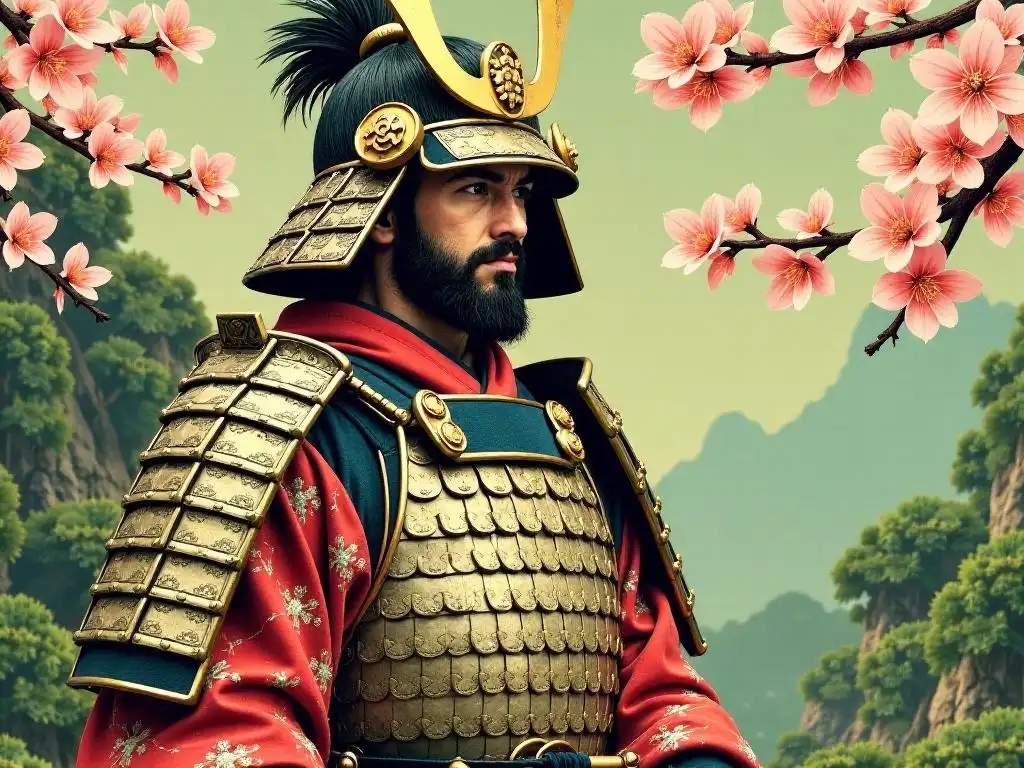
Welcome to Feudal Japan History, where we invite you to embark on a fascinating journey through the intricate tapestry of Japan's feudal era. Here, we delve deep into the significance of armor, uncovering how these formidable creations were not just tools of protection but also powerful symbols of identity, honor, and societal status. What stories lie hidden within the layers of metal and fabric?
Join us as we explore the compelling role of armor in shaping the very essence of feudal Japanese culture. Prepare to be captivated and enlightened as you uncover the layers of history that define an era!
Introduction to Feudal Japan Armor Significance
In the intricate tapestry of Feudal Japan, armor served a purpose far beyond mere physical protection on the battlefield. It was a significant emblem of identity, culture, and status, intricately woven into the fabric of samurai life.
The significance of armor in feudal Japan is a multifaceted theme that encompasses historical evolution, craftsmanship, and the profound psychological impact it had on warriors. By examining the diverse aspects of Feudal Japan armor significance, we can gain a deeper understanding of how these artifacts shaped the identities of those who wore them and influenced the broader cultural landscape of Japan during this era.
Overview of Armor in Feudal Japan
Armor in feudal Japan was not a monolithic concept; rather, it evolved dramatically over the centuries, reflecting changes in warfare, technology, and social structure. The earliest forms of armor, such as the do-maru and hōzō, were crafted from leather and had simple designs. As warfare intensified and the influence of the samurai class grew, armor became more sophisticated, incorporating metal plates and intricate lacing techniques.
Key Characteristics of Feudal Japanese Armor:
- Material: Primarily made from leather, iron, and silk.
- Design: Often adorned with family crests and intricate patterns.
- Functionality: Designed to offer mobility and protection simultaneously.
This evolution not only highlights advancements in military technology but also underscores the importance of armor in reflecting the values and aesthetics of the samurai class.
Importance of Armor in Samurai Culture
In samurai culture, armor held significant ritualistic and symbolic value. It was not merely a tool for survival but a representation of the samurai's honor, loyalty, and status. The process of donning armor was often a ceremonial act, imbued with spiritual significance.
- Rituals and Traditions: Wearing armor during ceremonies signified readiness for battle and commitment to one's lord.
- Psychological Impact: The sight of a fully armored samurai instilled fear in enemies and inspired camaraderie among allies.
- Personal Identity: Each piece of armor was often customized, reflecting the personal identity and lineage of the warrior.
The armor thus became a vital part of a samurai's identity, embodying their values and aspirations.
Historical Context of Armor in Feudal Japan
The historical context of armor in feudal Japan reveals a dynamic interplay between warfare, politics, and culture. The tumultuous periods of conflict, particularly during the Genpei War and the Sengoku period, necessitated innovations in armor design and functionality.
Evolution of Armor Styles Through the Eras
Throughout the different eras of feudal Japan, armor underwent significant transformations:
- Heian Period (794-1185): Early forms of armor, primarily the do-maru, were prevalent.
- Kamakura Period (1185-1333): Introduction of the kabuto (helmet) and increased emphasis on mobility.
- Muromachi Period (1336-1573): The sode (shoulder guards) and kusazuri (skirt) became popular, allowing for greater protection.
- Sengoku Period (1467-1603): Armor became more ornate, reflecting the wealth and status of the wearer, with elaborate designs and clan symbols.
This evolution not only reflects advancements in warfare but also indicates broader societal changes and the increasing importance of the samurai class.
Armor as a Symbol of Status and Rank
Armor in feudal Japan was more than just protective gear; it served as a status symbol that communicated rank and wealth. The materials used, the craftsmanship involved, and the design itself were all indicators of one's social standing.
- Material Significance: Higher-ranking samurai often wore armor made from rare materials, showcasing their wealth.
- Design Variations: Elaborate and unique designs were reserved for the elite, while simpler styles were more common among lower-ranking warriors.
- Clan Identity: The incorporation of clan symbols and colors further reinforced social hierarchies and allegiance.
The significance of armor in feudal Japan extends far beyond its utilitarian function, intertwining with the identity, culture, and social dynamics of the era. Understanding this multifaceted role provides invaluable insights into the lives of the samurai and the historical landscape of feudal Japan.
Cultural Significance of Armor in Feudal Japan
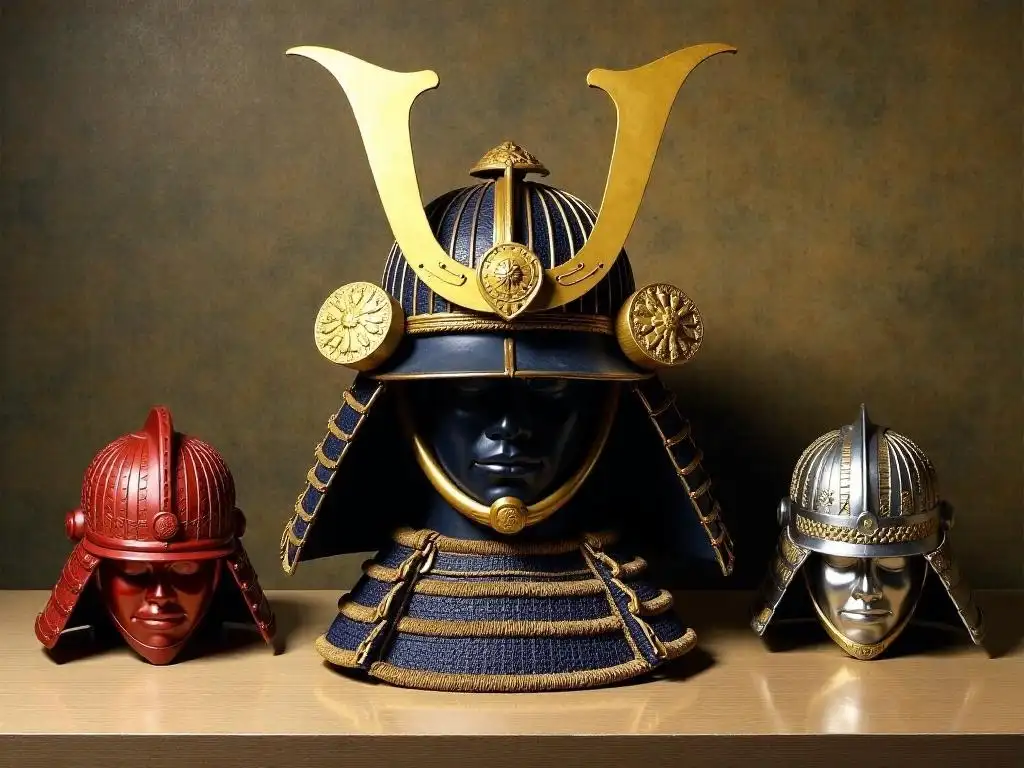
Armor in feudal Japan transcended its primary function of protection; it was deeply intertwined with the cultural fabric of the time. The significance of armor was not only practical but also symbolic, representing the ideals and values of the samurai class. Each piece of armor was meticulously crafted, often incorporating intricate designs that reflected the wearer's clan, status, and personal identity. This artistic expression played a crucial role in the cultural heritage of Japan, as it showcased the skill of artisans and the philosophical beliefs of the samurai.
Moreover, armor served as a tangible link to the past, connecting samurai with their ancestors and traditions. It embodied the spirit of loyalty, honor, and bravery, which were central to the samurai ethos. The ceremonial use of armor during festivals and parades further emphasized its cultural importance, as it was not solely a tool for warfare but also a symbol of national pride and identity. In this way, armor became a representation of the feudal society's values, intertwining the martial and the artistic in a unique cultural narrative.
Armor and the Samurai Code of Bushido
The samurai code of Bushido, or "the way of the warrior," heavily influenced the design and use of armor in feudal Japan. This ethical code emphasized virtues such as loyalty, honor, courage, and self-discipline, which were reflected in the way samurai wore and regarded their armor. Wearing armor was not merely a matter of physical protection; it was a commitment to the principles of Bushido. Samurai often regarded their armor as an extension of themselves, embodying their identity as warriors dedicated to their lords and families.
The psychological aspect of this connection was profound. A samurai in full armor was seen as a representation of their clan's honor, and any blemish on this armor could reflect poorly on their character and integrity. Furthermore, the armor was often imbued with talismans or inscriptions meant to provide spiritual protection, reinforcing the belief that a samurai's valor was not just about physical prowess but also about moral fortitude. Thus, armor was a vital component in the manifestation of Bushido, shaping not only the warrior's identity but also their behavior on and off the battlefield.
The Aesthetic Value of Armor in Feudal Society
In feudal Japan, armor was not only a functional necessity but also a work of art. The aesthetic value of armor was paramount, as it was a canvas for artistic expression that conveyed the wearer’s status and taste. Craftsmanship in armor-making reached extraordinary heights, with artisans employing techniques such as lacquering, metalwork, and textile arts to create visually stunning pieces. The use of vibrant colors, intricate patterns, and clan symbols served to distinguish one samurai from another, enhancing both individual and clan identity.
The aesthetic appeal of armor extended beyond personal expression; it also played a role in the larger cultural narrative. During ceremonial occasions, samurai would don beautifully crafted armor, showcasing their status and reinforcing social hierarchies. This visual spectacle not only celebrated martial prowess but also underscored the cultural values of beauty and honor in Japanese society. The meticulous design of armor, therefore, was a reflection of the samurai's connection to their heritage, their commitment to their duties, and their appreciation for artistry in all aspects of life.
Armor in Feudal Japanese Warfare
Armor played a critical role in the warfare strategies of feudal Japan, where battles were not only contests of strength but also of tactics and psychological warfare. The evolution of armor technology influenced how battles were fought and how samurai engaged with their foes. As warfare grew more complex, so did the design and function of armor, which adapted to meet the changing demands of the battlefield.
Practical Functions of Armor in Battle
The primary purpose of armor was to provide protection against various weapons, from swords to arrows. Feudal Japanese armor, such as the iconic do (chest armor) and kabuto (helmet), was designed to absorb impact while allowing for mobility—an essential characteristic in the dynamic environment of battle. The layered construction of armor, often made from materials like iron and leather, offered solid defense without compromising agility, enabling samurai to maneuver effectively during combat.
In addition to protection, armor was designed with practical features that enhanced a samurai's effectiveness in battle. For instance, the open-faced kabuto allowed for better visibility and breathing, while the flexible materials used in sleeves and thigh guards facilitated movement. Armor was also equipped with attachments for weapons, such as swords and arrows, enabling quick access during combat. This combination of protection and utility made armor an indispensable aspect of a samurai's arsenal, directly influencing the outcome of battles.
Psychological Impact of Armor on Warfare
The psychological impact of armor in warfare was significant. The sight of a fully armored samurai could instill fear and awe in enemies, often serving as a psychological weapon in itself. The intricate designs and bold colors of armor were meant to intimidate opponents and signify the power of the wearer. Samurai understood that the perception of strength could be as crucial as actual combat skills, leading to a reliance on the visual aspects of armor to project dominance on the battlefield.
Moreover, the act of donning armor was a ritualistic preparation that fostered a warrior's mindset. It signified a transition from the mundane to the martial, reinforcing their commitment to battle and the values of Bushido. This mental preparation was crucial, as it helped samurai focus their resolve and courage, creating an aura of confidence that could sway the tide of battle. Thus, armor was not only a means of protection but also a powerful symbol that shaped the psychological landscape of warfare in feudal Japan.
The Role of Armor in Feudal Japanese Identity
Armor in feudal Japan transcended its primary function of protection in battle. It served as a crucial element of identity, reflecting the cultural, social, and political dimensions of the samurai class. The craftsmanship of armor was not only a testament to a warrior's rank and status but also an expression of personal and clan identity. Different styles, materials, and decorations signified the wearer’s allegiance and values, establishing a visual representation of the samurai’s honor and duty.
Moreover, these armors often incorporated elements of artistry and spirituality, indicating that they were imbued with a sense of purpose beyond mere combat. The designs could symbolize the wearer’s personal ethos or the ideals of their clan, embodying a narrative that connected past, present, and future. Thus, armor played a pivotal role in shaping feudal Japanese identity, encapsulating the complexities of loyalty, power, and cultural heritage.
Identity Formation Through Armor
The formation of identity through armor in feudal Japan was multifaceted. Firstly, each samurai's armor was tailored to reflect their individuality, often adorned with family crests (mon) and unique designs that distinguished them from others. This personalization allowed a warrior to cultivate a distinct identity that was recognized and respected within their community.
Additionally, armor was indicative of social status. The more intricate and well-crafted the armor, the higher the rank of the samurai. For instance, the use of specific materials such as high-quality iron or elaborate lacquer techniques was reserved for the elite. This hierarchy within armor design reinforced social stratification, where one's armor became a badge of honor that communicated their position in the feudal system.
Furthermore, the symbolism inherent in armor fostered a sense of belonging to a larger narrative. Many armors featured elements that connected the wearer to their clan’s history, values, and myths, thus reinforcing a shared identity among clan members. In this way, armor was not merely personal; it was a collective symbol that united individuals under a common cause and heritage.
Armor and Community Identity in Feudal Japan
Armor played a significant role in fostering community identity in feudal Japan. In a society where loyalty to one's lord and clan was paramount, the armor often embodied the spirit of the collective. It acted as a visual representation of community values, ideals, and aspirations. For instance, specific designs and colors could signify allegiance, promoting unity and a shared identity among the members of a clan.
Moreover, communal events such as parades and rituals often showcased the clan's armor, transforming it into a symbol of collective pride. These displays served to reinforce social bonds and a sense of belonging among clansmen. The armor became a tool for storytelling, where each piece narrated the legacy and values of the community it represented.
The shared experience of donning armor for battle also created a strong camaraderie among warriors. Training together, fighting side by side, and sharing the weight of their armors contributed to a sense of brotherhood that transcended individual differences. This communal identity was vital in times of conflict, where the strength of the group was often paramount to survival.
Case Studies of Notable Armors in Feudal Japanese History
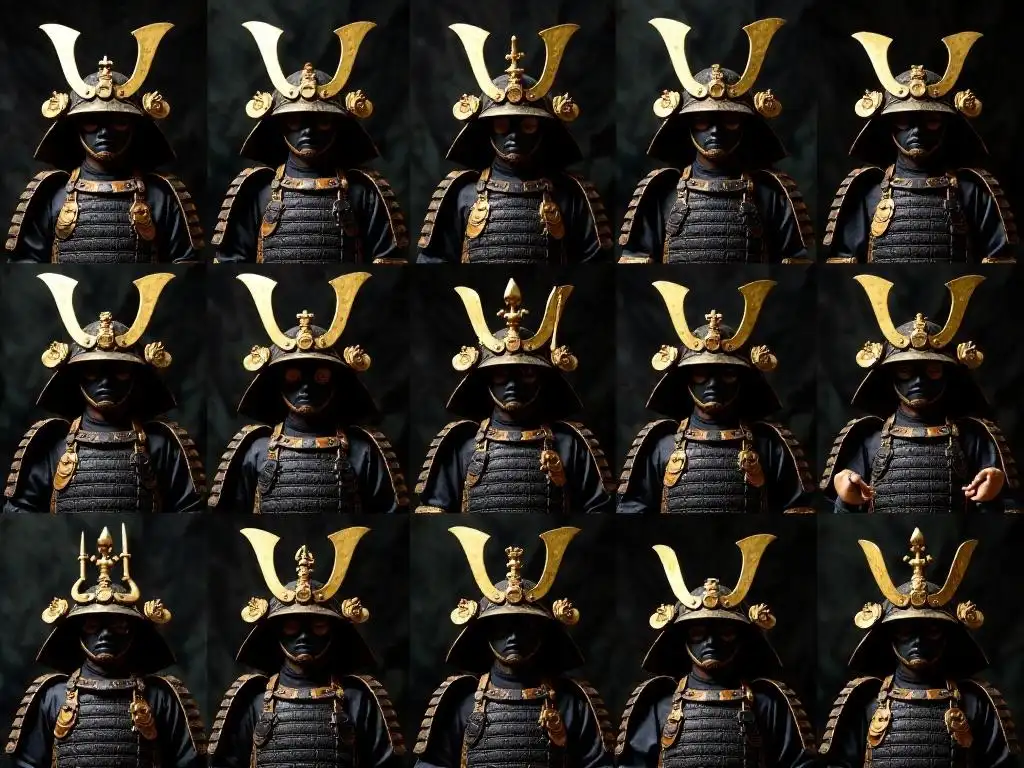
The Armor of Oda Nobunaga: A Study in Power
Oda Nobunaga, one of the most significant figures in Japanese history, wielded armor that not only protected him in battle but also communicated his ambition and power. Nobunaga's armor was characterized by its bold designs and use of bright colors, especially black and red, which symbolized strength and dominance.
The kabuto (helmet) of Nobunaga was particularly notable, often featuring elaborate crests and motifs that signified his status as a unifier of Japan. His armor was not only functional but served as a psychological weapon against his adversaries, instilling fear and respect. The strategic design of his armor allowed for mobility while maintaining a formidable appearance, aligning with his innovative military tactics.
By wearing such distinctive armor, Nobunaga crafted an identity that was forceful and authoritative, which played a crucial role in his campaigns to consolidate power during the late 16th century.
The Unique Features of Takeda Shingen’s Armor
Takeda Shingen, another prominent warlord, is renowned for his distinctive armor that reflected his strategic prowess and fierce personality. His armor featured intricate designs, often incorporating motifs of the Takeda clan's emblem, the three red banners, which became synonymous with his legendary reputation.
Shingen's armor was notable for its functionality; the use of lightweight materials allowed for agility in battle while still providing substantial protection. The designs were also imbued with symbolic meaning, reflecting Shingen's identity as a leader who valued both tradition and innovation.
The aesthetic appeal of Shingen’s armor, combined with its practical design, created a lasting legacy that influenced the armor styles of subsequent generations, solidifying his identity as a master tactician and a revered figure in feudal Japan.
The Influence of the Uesugi Clan’s Armor on Identity
The armor of the Uesugi clan, particularly that of Uesugi Kenshin, is emblematic of the spiritual and martial ethos that characterized this lineage. Known for its striking blue and white colors, the Uesugi armor featured elaborate craftsmanship that represented the clan’s commitment to both beauty and functionality.
Kenshin’s armor was often adorned with motifs that reflected his identity as a warrior of the gods, reinforcing his image as a protector of the realm. The combination of aesthetic elegance and spiritual symbolism in Uesugi armor fostered a strong clan identity, binding its members around shared beliefs and values.
Moreover, the Uesugi clan’s armor served as a source of inspiration for their followers, emphasizing the importance of honor, duty, and loyalty. This collective identity was crucial in shaping the clan's legacy, as their distinctive armor became a representation of their enduring values in the tumultuous landscape of feudal Japan.
Conclusion: The Lasting Impact of Armor on Feudal Japanese Identity
The significance of armor in feudal Japan extends well beyond its practical use for protection in battle; it embodies a complex interplay of identity, culture, and societal values. Armor was not only a defensive tool but also a canvas for artistic expression, a symbol of status, and a marker of the samurai's unwavering commitment to their code of honor. The intricate craftsmanship of armor pieces reflected the wearer's identity, aspirations, and ideals, thus playing a crucial role in shaping the socio-political landscape of the era.
The legacy of armor in feudal Japan continues to influence modern perceptions of Japanese culture. The reverence for samurai traditions and the aesthetic appreciation of armor serve as a testament to the enduring impact of these historical artifacts. As such, the study of feudal Japanese armor provides valuable insights into the cultural identity and historical narrative of Japan, reminding us that the past shapes the present in profound ways.
Summary of Feudal Japan Armor Significance
Feudal Japan armor holds significant meaning in understanding the era's social structures and warrior culture. Key points to consider include:
- Symbol of Status: Armor was often custom-made, showcasing the wealth and power of the samurai class. Different designs and materials indicated rank and prestige.
- Cultural Identity: The aesthetics of armor were deeply tied to Japanese artistry, with intricate designs often featuring family crests, which reinforced the samurai's lineage and identity.
- Moral Code Representation: Armor was imbued with the samurai's bushido ideals, representing honor, loyalty, and duty. The way a samurai presented himself through his armor reflected his commitment to these principles.
By exploring these aspects, we gain a deeper understanding of how armor influenced the identity and values of feudal Japanese society.
Armor’s Legacy in Modern Japanese Culture
The legacy of feudal Japanese armor persists in contemporary Japanese culture, where it is celebrated in various forms. Today, armor is seen not just as a relic of the past but as an integral part of Japan's cultural heritage.
- Cultural Festivals: Events such as the Jidai Matsuri (Festival of Ages) showcase traditional samurai armor, allowing modern audiences to engage with this aspect of history.
- Media Representations: Films, anime, and video games frequently depict samurai and their armor, further embedding these symbols into popular culture and shaping how both Japanese and international audiences perceive samurai identity.
- Martial Arts: Traditional martial arts schools often honor the legacy of samurai armor through practices that emphasize the values of discipline, respect, and honor.
Through these avenues, the significance of armor continues to resonate, serving as a bridge connecting modern society with its feudal past.
References for Further Reading on Feudal Japan Armor Significance
To delve deeper into the significance of armor in feudal Japan, the following texts and resources are highly recommended:
Key Texts and Resources on Japanese Armor and Identity
- "Samurai Armor: The History of Japanese Armor" by David E. Jones: - This book provides a thorough overview of the evolution of armor throughout Japan's feudal period.
- "The Samurai: A Military History" by John A. Lynn: - Offering insights into the military strategies of the samurai, this text also explores the role of armor in their identity and warfare.
- "Warriors of Japan as Portrayed in the War Tales" by Paul Varley - This scholarly work looks at the representation of warriors, including their armor, in historical narratives.
Recommended Books on the Military History of Feudal Japan
- "The Samurai: An Illustrated History" by John M. Collins: - This illustrated guide covers the military history of the samurai, including their armor and weaponry.
- "Feudal Japan: The History and Legacy of the Samurai" by Charles River Editors: - A comprehensive overview that highlights the social and military structures of feudal Japan, along with the significance of armor.
- "The Book of Samurai: The Warrior Class of Japan" by William Scott Wilson: - This book not only covers the samurai's military history but also delves into their cultural significance, including the role of armor in shaping their identity.
These resources provide an excellent foundation for understanding the multifaceted significance of armor in feudal Japan, enriching our appreciation of this pivotal aspect of Japanese history.
- Introduction to Feudal Japan Armor Significance
- Overview of Armor in Feudal Japan
- Historical Context of Armor in Feudal Japan
- Cultural Significance of Armor in Feudal Japan
- Armor in Feudal Japanese Warfare
- The Role of Armor in Feudal Japanese Identity
- Case Studies of Notable Armors in Feudal Japanese History
- Conclusion: The Lasting Impact of Armor on Feudal Japanese Identity
- References for Further Reading on Feudal Japan Armor Significance
Frequently Asked Questions
What was the primary function of armor in Feudal Japan?
Armor in Feudal Japan served as protection for warriors in battle, but it also held significant symbolic value representing status and identity among the samurai class.
The design and ornamentation of armor were directly linked to a warrior's rank and heritage, with more elaborate designs indicating higher social status and wealth.
What materials were commonly used in Feudal Japan armor?
Feudal Japanese armor was typically made from materials such as iron, leather, and silk, which provided the necessary protection while allowing for mobility and aesthetic appeal.
How did armor influence the culture of samurai warriors?
Armor played a crucial role in shaping the identity of samurai warriors, symbolizing their loyalty, bravery, and adherence to the bushido code, thus reinforcing their cultural values.
What is the significance of armor beyond its protective use?
In Feudal Japan, armor was not just a defensive tool; it also served as a status symbol and a means of expressing one's cultural identity, playing a vital role in ceremonies and rituals.
Final Reflection: The Significance of Armor in Shaping Feudal Japanese Identity
The exploration of armor in Feudal Japan reveals its profound significance beyond mere protection; it embodies the very essence of identity, culture, and honor. Today, as we navigate a world increasingly defined by individualism and cultural heritage, the role of armor serves as a poignant reminder of how material objects can encapsulate the values and beliefs of a society. The intricate designs and symbolic meanings of these armors resonate with contemporary discussions about identity and heritage, illustrating that what we wear—both physically and metaphorically—shapes who we are.
Cultural artifacts like armor continue to influence our understanding of history and identity, bridging the past with the present in ways that inspire reflection and appreciation. The artistry and craftsmanship of Feudal Japanese armor not only protected warriors in battle but also conveyed status, loyalty, and the warrior's connection to their clan. As the historian John M. Manjiro once said, In every piece of armor lies a story, a legacy that transcends time.
This legacy is not just a relic of the past; it continues to inform our cultural narratives and collective memory, reminding us of the values we hold dear.
As we reflect on the significance of Feudal Japan armor, let us consider how we can honor our own identities and the stories they tell. I invite you to explore the artifacts of your own life—what do they reveal about your values, your heritage, and your journey? By understanding the deeper meanings behind the symbols we choose to wear, we can forge connections with our past and shape a future that honors the richness of our identities. Embrace the lessons of history, and let them guide you in crafting a narrative that is uniquely yours.
Unveil Your Connection to Feudal Japanese Heritage!
Thank you for taking the time to explore the intricate role of armor in shaping the identity of feudal Japan. Your interest not only deepens your understanding of this fascinating topic but also helps keep the cultural legacy alive. Now, let’s take the next steps to uncover more about this rich history together!
- Dive deeper: Explore our collection of videos and documentaries that vividly illustrate the life and culture of feudal Japan.
- Share your thoughts: Engage with our community in the comments below and discuss how armor has influenced your views on cultural identity.
- Get hands-on: Visit local museums or exhibitions showcasing samurai armor to experience this history up close!
What unique insights do you think the armor of feudal Japan reveals about the values and identities of its people?