
The Samurai’s Legacy: How Their Warfare Influences Today’s Japan

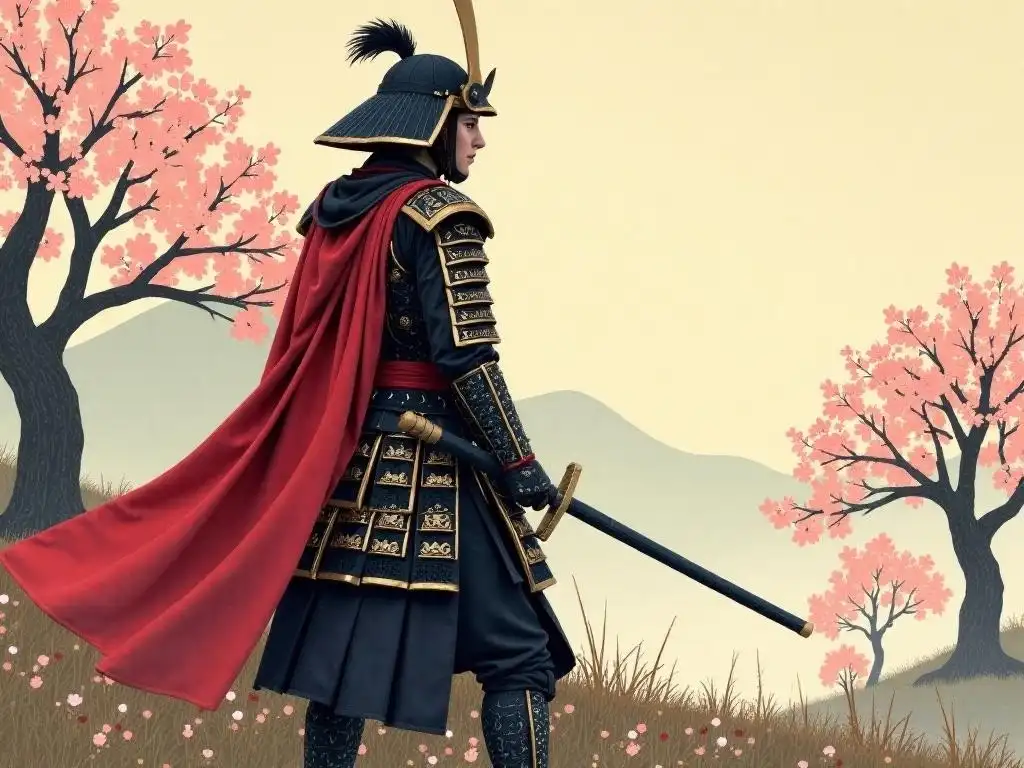
Welcome to Feudal Japan History! Prepare to embark on an enthralling journey through the captivating world of Japan's feudal era, where honor, strategy, and the indomitable spirit of the samurai shaped a nation. In our featured article, "The Samurai’s Legacy: How Their Warfare Influences Today’s Japan," we delve into the profound impact of samurai warfare on modern Japanese society, revealing the echoes of ancient battles in contemporary culture. Are you ready to uncover the secrets of their formidable tactics and enduring ethos? Join us as we explore the rich tapestry of history that continues to inspire and resonate today!
Introduction to Samurai Warfare and Its Historical Context
The samurai, the warrior class of feudal Japan, are often romanticized as noble fighters bound by a strict code of honor. However, their legacy extends far beyond the battlefield and into the very fabric of modern Japanese society. This article delves into the intricate world of samurai warfare, exploring its historical context and how the martial techniques, ethical codes, and cultural values developed during this era continue to influence Japan today. From the strategies employed in combat to the principles of honor and loyalty, understanding the samurai's impact provides valuable insight into contemporary Japanese culture and society.
Understanding the Evolution of Samurai Warfare
The evolution of samurai warfare can be traced through various historical periods, each marked by significant changes in tactics, weaponry, and social organization.
- Early Samurai (Heian Period):
- Initially, samurai served as local warriors for aristocratic families, focusing on horseback archery.
- Feudal Conflicts (Kamakura Period):
- The rise of clan warfare led to the development of more sophisticated battle strategies and formations.
- Sengoku Period (Warring States):
- This era saw the emergence of iconic figures such as Oda Nobunaga and Toyotomi Hideyoshi, who transformed samurai warfare into organized military campaigns utilizing both infantry and cavalry.
- Edo Period:
- With the unification of Japan, warfare shifted from battlefield tactics to the enforcement of political power, leading to the decline of traditional combat and the rise of the samurai as bureaucrats.
Key Features of Samurai Warfare Techniques
Samurai warfare was characterized by several distinctive features that set it apart from other forms of combat in history.
- Weaponry:
- The katana, known for its sharpness and craftsmanship, became the symbol of the samurai. Other weapons included the tanto (dagger) and the yari (spear).
- Tactics:
- Samurai engaged in strategies that emphasized mobility, stealth, and surprise attacks, often employing psychological warfare to intimidate opponents.
- Formation:
- The development of complex battle formations, such as the "Asaichi" (morning market) formation, allowed for effective coordination among troops.
The Role of Bushido in Samurai Culture
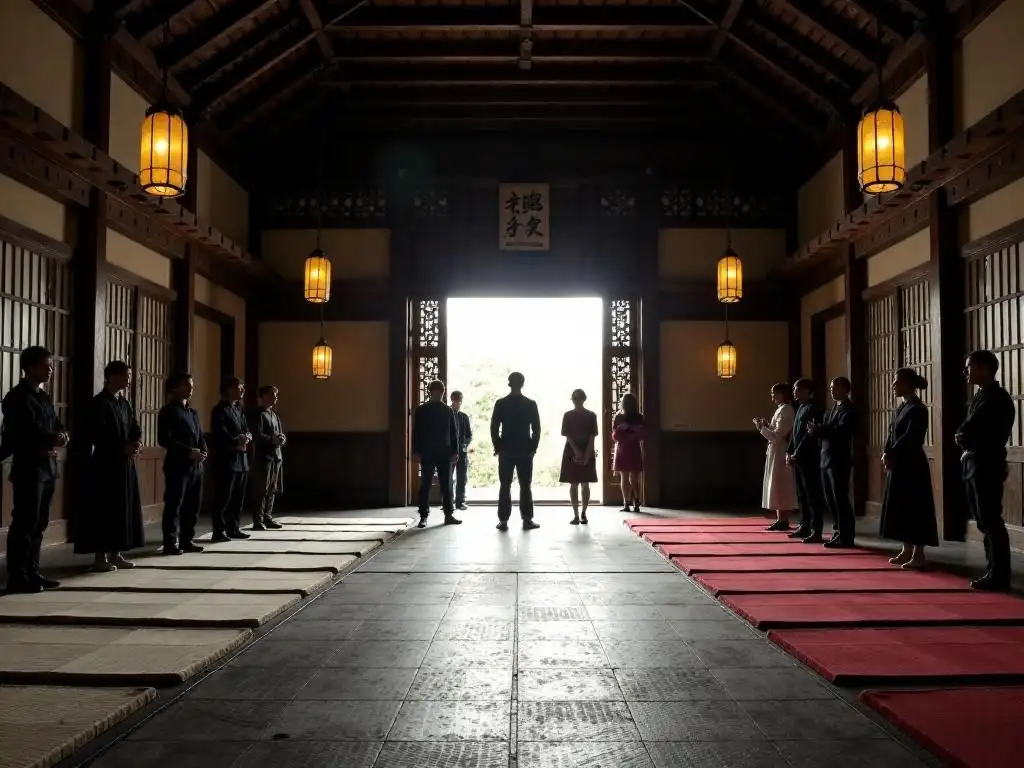
The code of conduct known as Bushido played a crucial role in shaping samurai identity and warfare ethics.
- Core Principles:
- Bushido emphasized virtues such as loyalty, courage, honor, and self-discipline. These principles guided samurai behavior both on and off the battlefield.
- Influence on Warfare:
- The adherence to Bushido influenced strategic decisions, often prioritizing honor over survival, leading to heroic but sometimes reckless actions in combat.
The Impact of Samurai Warfare on Modern Japanese Society
The legacy of samurai warfare has permeated modern Japanese society in various ways, reflecting the enduring influence of this historical era.
Cultural Values Derived from Samurai Warfare
Many of the ethical and cultural values established during the samurai era still resonate in contemporary Japan. Concepts such as respect for authority, the importance of community, and the pursuit of excellence can be traced back to samurai traditions.
Influence on Japanese Martial Arts and Modern Combat
The techniques and philosophies of samurai warfare have significantly influenced modern Japanese martial arts, such as Kendo and Aikido. These disciplines not only preserve the fighting techniques but also instill the samurai spirit in practitioners.
Reflection of Samurai Ethics in Contemporary Japan
In modern Japan, the ethical principles of Bushido continue to find expression in various aspects of life, from business practices emphasizing loyalty and integrity to the cultural significance of honor and respect. This reflection of samurai ethics illustrates how deeply rooted these values are in Japanese society today.
By examining the legacy of samurai warfare, we can better appreciate its profound influence on the cultural and social frameworks of contemporary Japan.
Samurai Warfare Influence on Japanese Military Practices Today
The influence of samurai warfare on contemporary Japanese military practices is profound and multifaceted. The strategic principles developed during the feudal era have found their way into modern defense strategies, emphasizing the importance of discipline, tactics, and leadership. This legacy is evident in various aspects of Japan's Self-Defense Forces, which continue to draw inspiration from samurai traditions in their training and operational methodologies.
Adoption of Samurai Tactics in Modern Defense Strategies
Modern Japanese military doctrine incorporates several samurai tactics, particularly in areas such as maneuver warfare and psychological operations. The samurai's emphasis on speed, flexibility, and surprise attacks resonates with current military strategies that prioritize rapid response and adaptability in the face of asymmetric threats. Furthermore, the samurai's extensive training in various weapons and combat techniques has influenced the development of modern Japanese military training programs, emphasizing the mastery of skills and the importance of continuous learning.
Comparison of Ancient and Modern Warfare Techniques
While the technology of warfare has evolved dramatically since the samurai era, many core principles remain relevant. Ancient samurai engaged in close-quarters combat and utilized swords, bows, and spears, focusing on individual skill and honor. Today, although firearms and advanced technology dominate, the emphasis on individual soldier training and the moral aspects of warfare—such as honor and duty—continue to echo the samurai ethos. Both ancient and modern warfare stress the significance of teamwork and communication, highlighting the timeless nature of these strategies.
The Legacy of Samurai Leadership in Today’s Military Hierarchy
The samurai were not only warriors but also leaders who upheld a strict code of conduct, known as bushido. This code emphasized virtues such as loyalty, bravery, and honor, which have profoundly influenced contemporary military leadership in Japan. Modern military leaders are often expected to embody these values, fostering a culture of respect and moral responsibility within their ranks. The hierarchical structure seen in samurai clans is mirrored in today's military organizations, where respect for authority and the chain of command are paramount.
The Influence of Samurai Aesthetics on Japanese Arts and Media
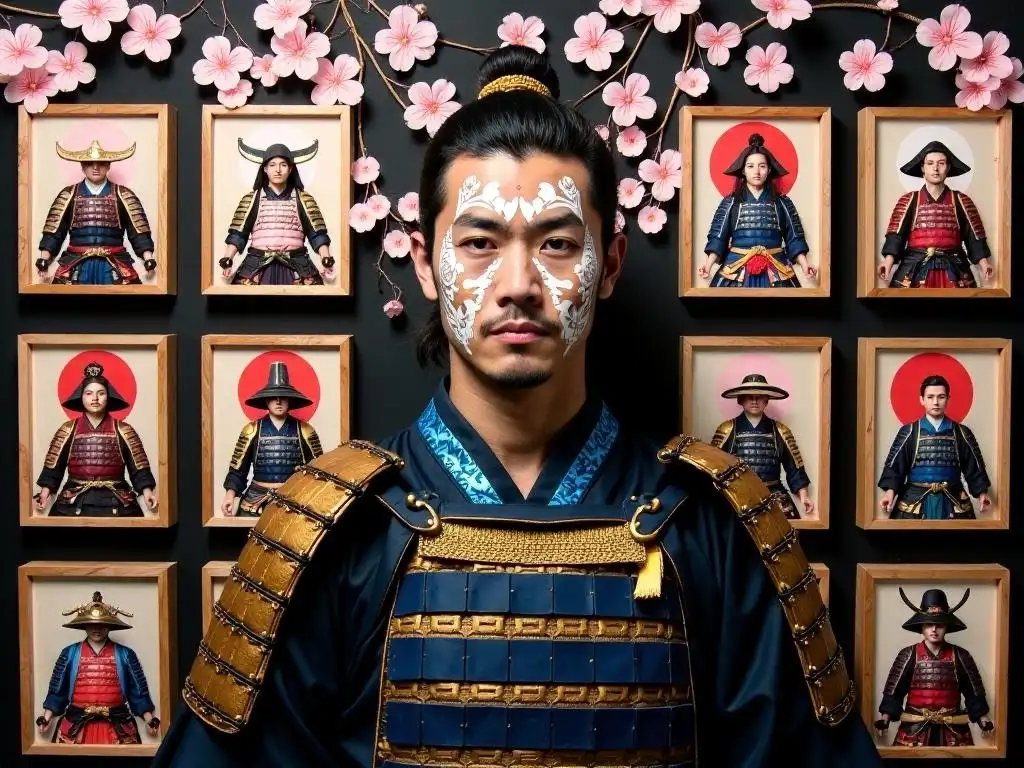
The samurai's aesthetic sensibilities continue to shape various forms of Japanese arts and media, from traditional crafts to contemporary expressions. This cultural heritage reflects the samurai's values and ideals, intertwining their martial legacy with artistic expression, creating a unique cultural identity that resonates in modern Japan.
Samurai Warfare as a Theme in Film and Literature
Samurai warfare serves as a rich thematic backdrop in countless films and literary works, illustrating not only the martial prowess of these warriors but also their philosophical and ethical dilemmas. Iconic films such as "Seven Samurai" and "The Last Samurai" depict the samurai's struggles and honor, capturing the imagination of audiences worldwide. Literature, too, often explores themes of loyalty, sacrifice, and honor through the lens of samurai culture, reinforcing their lasting impact on storytelling in Japan and beyond.
The Representation of Samurai Culture in Modern Art
Modern artists continue to draw inspiration from samurai culture, infusing traditional motifs with contemporary styles. This can be seen in various mediums, including painting, sculpture, and digital arts, where samurai imagery is often reinterpreted to reflect modern societal values. The samurai's armor, weapons, and symbols frequently appear in artworks, serving as a bridge between historical reverence and contemporary creativity, thus ensuring that the samurai’s legacy remains vital in Japan’s cultural landscape.
How Samurai Ideals Shape Japanese Identity Today
The ideals of the samurai—discipline, honor, and loyalty—are integral to the Japanese national identity. These principles are not only celebrated in historical narratives but are also reflected in the everyday lives of many Japanese people. The samurai's commitment to self-improvement and social responsibility resonates in modern Japanese society, influencing various aspects of life, including business practices, education, and interpersonal relationships. This enduring legacy illustrates how the samurai's ethos continues to shape Japan's cultural and social framework, making their influence both historical and contemporary.
The Relevance of Samurai Warfare in Global Context
Samurai warfare holds significant relevance not only within Japan but also in a broader global context. The strategic principles and combat techniques that emerged during the feudal era have been studied and adapted by military leaders and historians around the world. The samurai's emphasis on discipline, honor, and a strong moral code has transcended cultural boundaries, influencing various military doctrines and societal structures.
The unique blend of martial prowess and philosophical underpinning found in samurai traditions has made their practices a point of interest for military strategists. Elements such as battlefield tactics, the use of psychological warfare, and the importance of adaptability in combat continue to resonate in modern military training programs globally. Additionally, the samurai's integration of art, culture, and warfare offers a holistic approach that extends beyond mere physical confrontation, encouraging a more nuanced understanding of conflict resolution and leadership.
International Perceptions of Samurai Warfare Influence
Internationally, the perception of samurai warfare has often been romanticized, largely fueled by literature, films, and anime. This portrayal emphasizes the samurai's honor and skill, often overshadowing the brutal realities of their martial practices. As a result, many cultures admire the samurai as symbols of chivalry and discipline.
In Western contexts, the samurai are frequently compared to knights, leading to a cross-cultural exploration of warrior ethics. This fascination has sparked interest in martial arts rooted in samurai traditions, such as Kendo and Aikido, which have gained popularity worldwide. The global perception of samurai warfare thus serves not only as an acknowledgment of their historical significance but also as a source of inspiration for individuals seeking to incorporate samurai values into their lives.
The Global Spread of Samurai Culture and Its Impact
The spread of samurai culture beyond Japan has had a profound impact on various aspects of global society. As Japanese culture began to permeate other nations, especially during the Meiji Restoration and post-World War II era, elements of samurai heritage were integrated into various cultural practices worldwide.
Martial arts schools across the globe have adopted samurai principles, emphasizing respect, discipline, and personal development. Furthermore, the samurai's aesthetic influence is evident in diverse art forms, fashion, and literature that celebrate their legacy. This cross-cultural exchange has fostered a deeper appreciation for Japanese history and societal values, bridging gaps between different cultures and promoting mutual respect.
Lessons from Samurai Warfare for Modern Military Strategies
Modern military strategies can draw valuable lessons from samurai warfare, particularly in areas such as leadership, teamwork, and strategic thinking. The samurai's commitment to continuous self-improvement and training is a principle that resonates with contemporary military organizations.
Key lessons include:
- Adaptability: Samurai were known for their ability to adjust tactics based on the evolving dynamics of the battlefield. This concept is crucial for modern militaries facing asymmetric warfare and unpredictable environments.
- Psychological Warfare: The samurai's use of psychological tactics to intimidate opponents can inform current strategies that prioritize understanding enemy psychology.
- Ethics in Warfare: The samurai code of Bushido emphasizes honor and integrity, prompting modern military leaders to consider ethical implications in their operations.
These principles showcase the enduring relevance of samurai warfare in developing modern military strategies.
Conclusion: The Lasting Legacy of Samurai Warfare in Japan
The legacy of samurai warfare continues to shape contemporary Japan in profound ways. Their influence can be observed in various societal norms, cultural practices, and even in Japan's approach to governance and diplomacy. The samurai's ideals of loyalty, honor, and discipline resonate strongly in modern Japanese society, fostering a sense of national identity and unity.
Summary of Key Influences of Samurai Warfare on Japan Today
Key influences of samurai warfare on Japan today include:
- Cultural Identity: The samurai symbolize traditional Japanese values, contributing to a national identity that balances modernity with historical reverence.
- Martial Arts and Sports: Practices rooted in samurai traditions, such as Kendo and Judo, remain popular, promoting physical fitness and discipline.
- Education and Leadership: Samurai principles continue to inspire educational and leadership frameworks, emphasizing ethical conduct and personal responsibility.
These influences illustrate how deeply ingrained samurai culture remains in the fabric of Japanese life.
Future Perspectives on the Role of Samurai Heritage in Modern Society
As Japan continues to evolve in a globalized world, the role of samurai heritage may adapt but will likely remain significant. Future perspectives suggest that the values embodied by the samurai—such as resilience, respect for tradition, and the pursuit of excellence—will continue to inform Japan's response to contemporary challenges.
The ongoing interest in samurai culture, both domestically and internationally, suggests a potential for future generations to draw inspiration from this rich legacy. As Japan navigates the complexities of modernization, the samurai's enduring influence can serve as a guiding force, ensuring that the lessons of the past remain relevant in shaping a harmonious and progressive society.
- Introduction to Samurai Warfare and Its Historical Context
- Understanding the Evolution of Samurai Warfare
- Key Features of Samurai Warfare Techniques
- The Role of Bushido in Samurai Culture
- The Impact of Samurai Warfare on Modern Japanese Society
- Samurai Warfare Influence on Japanese Military Practices Today
- The Influence of Samurai Aesthetics on Japanese Arts and Media
- The Relevance of Samurai Warfare in Global Context
- Conclusion: The Lasting Legacy of Samurai Warfare in Japan
- What is the main focus of the article "The Samurai’s Legacy: How Their Warfare Influences Today’s Japan"?
- How did samurai warfare influence modern Japanese culture?
- Are there any modern martial arts influenced by samurai techniques?
- How does the samurai ethos affect leadership styles in Japan today?
- What role do samurai stories play in contemporary Japanese media?
Frequently Asked Questions
What is the main focus of the article "The Samurai’s Legacy: How Their Warfare Influences Today’s Japan"?
The article explores the historical impact of samurai warfare on modern Japan. It discusses how values, strategies, and cultural elements from the samurai era continue to shape contemporary Japanese society.
How did samurai warfare influence modern Japanese culture?
Samurai warfare has left a lasting legacy on Japanese culture through concepts like honor, discipline, and loyalty. These principles are still evident in various aspects of Japanese life, including business practices and social interactions.
Are there any modern martial arts influenced by samurai techniques?
Yes, many modern martial arts in Japan, such as Kendo and Aikido, are directly influenced by samurai techniques. These practices emphasize skills, philosophy, and the ethical teachings of the samurai.
How does the samurai ethos affect leadership styles in Japan today?
The samurai ethos promotes integrity, responsibility, and strategic thinking, which are reflected in contemporary leadership styles in Japan. Many leaders draw inspiration from samurai values to navigate complex business environments.
What role do samurai stories play in contemporary Japanese media?
Samurai stories are prevalent in films, literature, and video games, contributing to the cultural narrative of Japan. These stories often emphasize themes of bravery, sacrifice, and redemption, resonating with modern audiences.
Final Reflection: The Enduring Influence of Samurai Warfare on Modern Japan
The legacy of the samurai is not merely a relic of the past; it is a living testament to the values and principles that continue to shape contemporary Japan. The intricate strategies and philosophies of samurai warfare have transcended time, influencing not only martial practices but also cultural norms, ethical frameworks, and even business practices in today’s society. This profound connection between past and present highlights the samurai's role as both warriors and cultural icons, reminding us that history is not static but a dynamic force that molds our identities.
Culturally, the samurai ethos of honor, discipline, and loyalty resonates deeply within the fabric of Japanese society. From the meticulous art of kendo to the principles guiding corporate Japan, the samurai's influence is palpable in various aspects of life. As noted by historian John W. Dower, “The samurai’s spirit lives on in the hearts of the Japanese people, a constant reminder of the virtues of courage and integrity.” This enduring presence serves as a bridge connecting generations, fostering a sense of pride and continuity that enriches the national identity.
As we reflect on the samurai's legacy, let us consider how we can embody their principles in our own lives. I invite you to explore the values of discipline, honor, and resilience that the samurai exemplified, and think about how these can guide your actions and decisions today. Whether in personal endeavors or professional pursuits, embracing these timeless virtues can empower us to navigate the complexities of modern life with grace and purpose. The samurai’s legacy is not just a chapter in history; it is a call to live with intention and integrity in our ever-evolving world.
Embrace the Wisdom of the Samurai’s Legacy!
Thank you for journeying through the profound impact of the samurai on modern Japan! Your curiosity has unlocked a deeper understanding of how their heritage shapes contemporary culture and values. Now, it's time to take that insight and channel it into action.
Here’s how you can connect further with the samurai’s enduring legacy:
- Dive Deeper: Explore literature or documentaries on samurai philosophy to gain new perspectives on honor and duty.
- Engage with Community: Participate in a local martial arts class to experience the discipline and spirit of the samurai firsthand.
- Share Your Thoughts: Discuss this article with friends or in online forums to spark meaningful conversations about cultural history and its influences.
Which aspect of samurai philosophy do you believe is most relevant in today's fast-paced world? Let's ignite a discussion!