
The Role of Religion in Samurai Warfare: Shintoism and Beyond

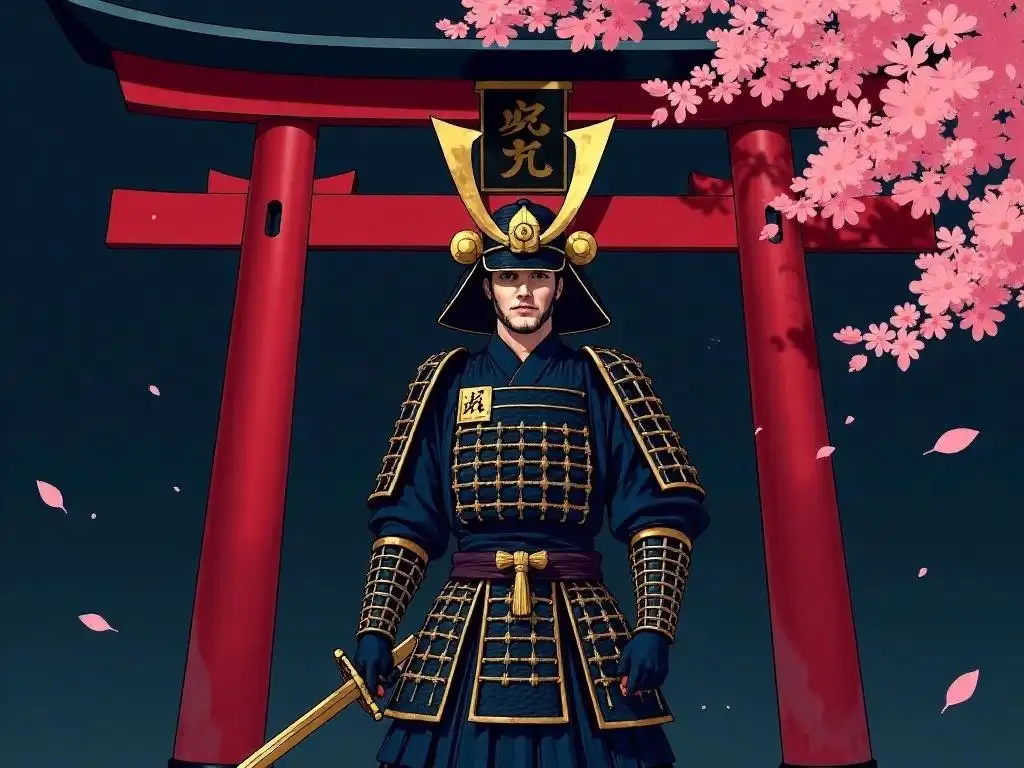
Welcome to Feudal Japan History, where we embark on an extraordinary journey through the intricate tapestry of Japan's feudal era. Here, you'll uncover the profound connections between religion and the art of warfare, particularly through the lens of the samurai. In our featured article, "The Role of Religion in Samurai Warfare: Shintoism and Beyond," we delve into the spiritual dimensions that shaped the battlefield and influenced the warriors' code.
Prepare to be intrigued as we explore how ancient beliefs molded the fierce and disciplined samurai, leaving an indelible mark on military history. Dive in and discover the unseen forces that guided their swords and spirits!
Introduction to Religion's Influence on Samurai Warfare
In the intricate tapestry of Japan's feudal era, the interplay between religion and warfare stands as a defining feature, particularly in the lives of the samurai. The samurai, revered as the elite warrior class, were not only skilled fighters but also deeply influenced by the spiritual beliefs that permeated their society. Understanding Religion's Influence on Samurai Warfare reveals how faith shaped their motivations, ethics, and conduct on the battlefield. This exploration delves into the core beliefs of Shintoism, alongside other religious influences, highlighting how these spiritual doctrines provided a framework for the samurai's martial duties and personal honor.
Overview of Samurai Warfare in Feudal Japan
The samurai period, spanning from the late 12th century to the 19th century, was marked by constant conflict for power and territory among feudal lords, known as daimyō. Warfare during this era was not merely a series of battles; it was a complex interplay of strategy, loyalty, and cultural values. Samurai warriors were bound by a strict code of conduct known as bushidō, which emphasized honor, courage, and loyalty.
- Key Features of Samurai Warfare:
- Tactical Strategies: The samurai utilized various tactics, including ambushes and flanking maneuvers, often influenced by Buddhist teachings on mindfulness and presence.
- Weapons and Armor: The iconic katana and elaborate armor were not just tools of war but symbols of status and spiritual belief.
- Feudal Alliances: Relationships between samurai and their lords were often sanctified by religious ceremonies, reinforcing loyalty through spiritual bonds.
Importance of Religion in the Samurai Code
Religion played a pivotal role in shaping the samurai's identity and moral compass. The samurai's adherence to bushidō was deeply intertwined with their spiritual beliefs, promoting an ethos that transcended mere martial prowess.
- Influential Aspects of Religion in Samurai Culture:
- Sacred Duty: Many samurai viewed their role as a divine mandate, believing that their martial skills were a gift from the gods.
- Rituals of Purification: Regular purification rituals were essential, as they believed that spiritual cleanliness was necessary for success in battle.
- Afterlife Beliefs: The samurai's understanding of the afterlife influenced their fearlessness in combat, often leading them to embrace a death-before-dishonor mentality.
Shintoism: The Core of Samurai Beliefs
Shintoism, the indigenous spirituality of Japan, played a fundamental role in the samurai's worldview. This ancient belief system centers on kami (spirits), ancestors, and nature, fostering a profound connection between the samurai and their environment.
Historical Context of Shintoism in Japan
Emerging before recorded history, Shintoism developed in a context where nature and spirituality were deeply intertwined. As the samurai class emerged, Shintoism adapted, integrating itself into the warrior culture and aligning with the political landscape of feudal Japan.
- Integration with Governance: Shinto shrines were often tied to political power, reinforcing the authority of the ruling class and the samurai who served them.
- Cultural Syncretism: The blending of Shinto beliefs with Buddhism and Confucianism enriched the spiritual life of the samurai, creating a unique warrior ethos.
Key Shinto Concepts Relevant to Samurai
Several Shinto principles significantly influenced samurai warfare and ethics:
- Kami: The belief in divine spirits that inhabit all aspects of life, instilling a sense of respect and reverence for nature and the world.
- Ritual Purity: Emphasizing cleanliness and the avoidance of pollution, which were believed to affect both spiritual and physical well-being.
- Matsuri: Festivals that honored kami, often involving rituals and prayers for victory and protection in battle.
Rituals and Practices of Shintoism in Warfare
The samurai engaged in various Shinto rituals to seek favor from the kami before entering battle. These practices included:
- Offering Prayers: Before a campaign, samurai would visit shrines to pray for guidance and success, often leaving offerings to the kami.
- Divination: The use of omens and divination to interpret the will of the gods and determine the auspiciousness of military actions.
- Post-Battle Rituals: Rituals of thanksgiving and purification were performed after battles to cleanse the warriors and honor the spirits of the fallen.
Through these practices, the samurai not only sought to ensure their success in warfare but also to uphold the honor and integrity of their spiritual beliefs. As we continue to explore the multifaceted relationship between religion and samurai warfare, we will uncover how these beliefs shaped not only individual warriors but also the very fabric of feudal Japanese society.
Buddhism's Impact on Samurai Warfare
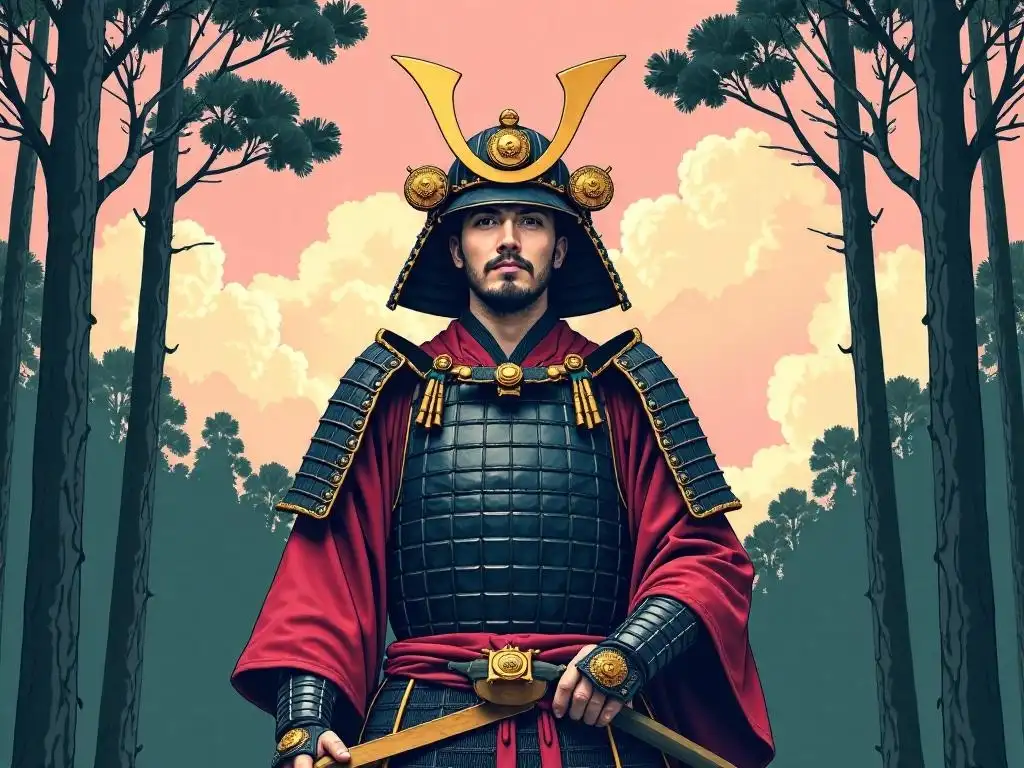
Buddhism played a significant role in shaping the moral framework and ethical conduct of the samurai, influencing their approach to warfare and life. As the samurai class emerged during the Heian period, the introduction of Buddhism, particularly Zen Buddhism, brought new philosophies and practices that would deeply intertwine with their martial culture. This relationship not only informed their combat strategies but also shaped their understanding of honor, loyalty, and the afterlife.
Introduction of Buddhism to Japan
Buddhism was introduced to Japan in the 6th century, primarily through the Korean kingdom of Baekje. Initially met with skepticism, it gradually gained acceptance, particularly among the ruling elite. The religion's teachings provided a framework for understanding suffering, death, and the nature of existence, which resonated with the samurai's experiences on the battlefield. Over time, various sects of Buddhism, including Tendai, Shingon, and later Zen, found their way into the samurai ethos, each contributing unique perspectives on life and death.
The Intersection of Zen Buddhism and Samurai Ethics
Zen Buddhism emerged as a powerful influence on samurai ethics during the Kamakura period. Its focus on meditation and direct experience fostered a mindset of discipline and mindfulness, crucial for warriors engaged in the chaos of battle. The concept of "bushido," or the way of the warrior, was heavily infused with Zen principles, emphasizing virtues such as loyalty, honor, and self-control. This philosophy encouraged samurai to embrace the impermanence of life, making them more resilient in the face of death and enhancing their ability to remain calm and composed during combat.
Buddhist Rituals and Their Role in Samurai Battles
Buddhist rituals were integral to samurai warfare, providing spiritual support and reinforcing the warriors' mental fortitude. Before battles, samurai would often engage in purification rituals, such as the "misogi," to cleanse themselves spiritually and prepare for the impending violence. Additionally, rituals like chanting sutras and invoking protective deities were common practices aimed at seeking divine favor and ensuring victory. These rituals not only served to bolster the warriors' morale but also helped create a sense of unity among troops, reminding them of their shared beliefs and purpose.
Ancestor Worship and Its Significance
Ancestor worship was a cornerstone of samurai culture, deeply embedded within their social and spiritual lives. This practice underscored the importance of familial ties and the reverence for those who had come before, significantly influencing the samurai's decisions and actions on and off the battlefield. Ancestor veneration provided a moral compass for the samurai, guiding their conduct and reinforcing their commitment to honor their lineage.
Understanding Ancestral Veneration in Samurai Culture
In the samurai worldview, ancestors were seen as guiding spirits who held a profound influence over the living. The practice of ancestor worship involved rituals such as offering food, incense, and prayers at family altars, known as "butsudan." This dedication not only reflected respect for the deceased but also served as a way to seek their blessings and guidance in matters of life and warfare. The samurai believed that by honoring their ancestors, they could ensure their spirits would provide protection and support during battles.
How Ancestor Worship Influenced Samurai Decision-Making
The influence of ancestor worship on samurai decision-making was profound. Samurai leaders would often consult their ancestors when faced with critical choices, particularly in matters of honor, loyalty, and warfare strategy. This reliance on ancestral wisdom fostered a strong sense of duty and commitment to their clan, compelling samurai to act in ways that upheld their family’s honor, even at great personal risk. Decisions that could potentially tarnish the family name were weighed heavily, as the consequences would extend beyond the individual to the entire lineage.
Case Studies of Samurai Leaders and Ancestral Influence
Several notable samurai leaders exemplify the impact of ancestor worship on decision-making. For instance, Takeda Shingen, a prominent warlord of the Sengoku period, often emphasized the teachings and legacies of his ancestors in his military campaigns. He believed that respecting his lineage would bring victory and prosperity to his clan.
Similarly, the famous Tokugawa Ieyasu, the founder of the Tokugawa shogunate, engaged in rituals to honor his ancestors, believing that their blessings were crucial for his success in unifying Japan. These cases illustrate how ancestor worship not only shaped individual samurai identities but also influenced broader military strategies and outcomes in Japan's feudal history.
The Role of Spirituality in Samurai Training
The samurai were not merely warriors; they were also deeply spiritual individuals who viewed their martial training as a way to cultivate both physical prowess and inner harmony. Spirituality played a pivotal role in their training regimen, often intertwined with the principles of Shintoism and Buddhism. Samurai engaged in rigorous physical training that was complemented by spiritual practices, creating a holistic approach to warfare.
In many schools of martial arts, the focus on discipline, respect, and self-control is rooted in spiritual beliefs. These values were essential not only for mastering techniques but also for fostering a mindset conducive to the chaotic nature of battle. The samurai believed that by aligning their physical capabilities with their spiritual essence, they could achieve a state of "mushin," or "no mind," which allowed them to react instinctively in combat, free from distractions and fears.
The Influence of Religion on Samurai Martial Arts
The integration of religious beliefs into martial arts training is evident in various traditional techniques and philosophies. Schools like Kendo and Iaido emphasize not only physical skill but also the mental and spiritual aspects of swordsmanship. The samurai were trained to view their weapons as extensions of themselves, embodying the spirits of their ancestors and deities.
Moreover, rituals before battles often included prayers and offerings to gods, seeking blessings for victory and protection. These practices fostered a sense of unity among samurai, reinforcing their commitment to their faith and their fellow warriors. The influence of Shintoism and Zen Buddhism permeated the ethos of samurai martial arts, emphasizing the importance of mindfulness, discipline, and a profound respect for life and death.
Meditation and Mental Preparation in Warfare
Meditation served as a crucial component of the samurai's mental preparation for warfare. Techniques such as zazen (seated meditation) allowed samurai to cultivate focus and clarity, essential for making swift decisions on the battlefield. This practice helped them manage fear and anxiety, fostering a sense of calm even in the most chaotic situations.
Additionally, meditation was often used to reflect on one's actions and intentions. By contemplating the nature of life, death, and honor, samurai were able to align their motivations with their spiritual beliefs, reinforcing their resolve. This mental fortitude was vital, as samurai were expected not only to fight bravely but also to approach battle with a sense of purpose and understanding of their role within the larger cosmic order.
Sacred Spaces: Temples and Shrines as Training Grounds
Temples and shrines held significant importance in the spiritual lives of samurai and often served as venues for training and contemplation. These sacred spaces were viewed as places where the physical and spiritual realms converged, providing an environment conducive to meditation and martial practice.
Many samurai would visit shrines to pay respects to their ancestors and the kami (spirits) they revered. The act of training near these sacred sites imbued their practice with a sense of spiritual significance, enhancing their connection to their heritage and the divine. Additionally, some samurai schools were established within temple grounds, where religious leaders would also serve as martial arts instructors, blending training with spiritual teachings.
Religious Symbolism in Samurai Warfare
Religious symbolism was intricately woven into the fabric of samurai warfare, influencing both strategies and the psychological aspects of combat. The samurai often carried talismans and symbols believed to provide protection, guidance, and strength during battle. This reliance on religious iconography not only reflected their beliefs but also served to inspire both themselves and their comrades.
Use of Religious Icons and Symbols in Combat
The samurai frequently adorned their armor and weapons with religious icons, such as images of deities, protective amulets, and family crests that held spiritual significance. These symbols were believed to shield them from harm and imbue them with the strength of their ancestors.
For instance, the use of the Tachiwaki, a divine sword, was prevalent among samurai who believed that such weapons were blessed by the gods, granting them superior fighting abilities. Additionally, the practice of inscribing prayers or sacred texts onto armor and blades served as a constant reminder of their faith, reinforcing their resolve in battle.
The Role of Divine Protection in Samurai Strategy
The belief in divine protection was a critical component of samurai warfare strategy. Samurai often sought the favor of deities before engaging in battle, performing rituals and ceremonies to invoke their blessings. This belief in divine intervention influenced tactical decisions, as samurai were often more willing to undertake risks if they felt assured of heavenly support.
Furthermore, the presence of religious artifacts on the battlefield was seen as a means to rally troops and bolster morale. The idea that the gods were on their side could inspire warriors to fight with greater fervor, believing that their victory was assured by divine will.
Case Examples of Religious Artifacts in Samurai Battles
Historical records are replete with examples of religious artifacts playing a significant role in samurai battles. One notable instance is the use of the Kusanagi no Tsurugi, a legendary sword said to possess divine powers. This sword was not only a weapon but also a symbol of imperial authority and divine protection.
Another example is the Shinto talismans carried by many samurai, which were believed to ward off evil spirits and misfortune. During the Battle of Nagashino in 1575, the Tokugawa clan's reliance on these talismans was documented, showcasing how spiritual beliefs directly influenced their combat strategies and morale.
The intertwining of religion and warfare in the samurai tradition underscores the profound influence of spirituality in shaping their martial ethos, strategies, and identities. This complex relationship between faith and combat not only defined the samurai as warriors but also as spiritual beings navigating the intricate landscape of honor, duty, and the divine.
The Evolution of Religious Influence through the Era
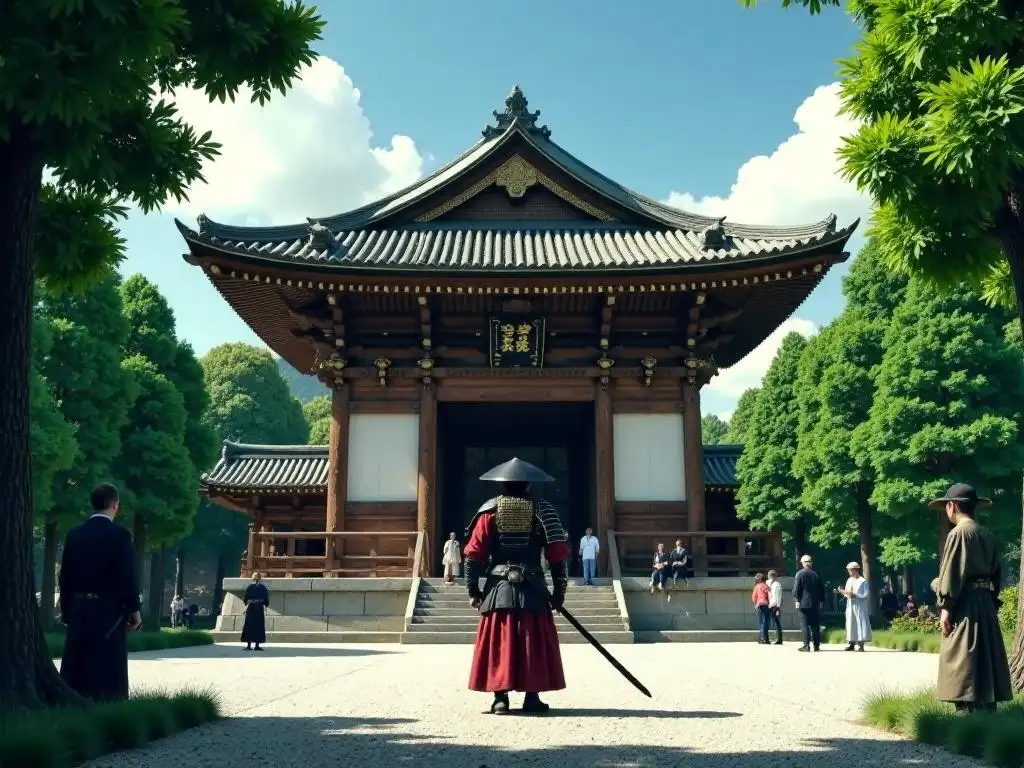
The role of religion in samurai warfare has undergone significant transformations from the Heian period (794-1185) to the Edo period (1603-1868). Initially, the samurai class was heavily influenced by the native Shinto beliefs, which emphasized a connection to nature and ancestor worship. As Buddhism gained prominence in Japan, particularly during the Kamakura period (1185-1333), it began to intertwine with Shinto, creating a unique fusion of beliefs that shaped the samurai ethos.
Throughout the feudal era, religious practices evolved, reflecting the changing political and social landscapes. The samurai adopted various Buddhist practices, which not only provided spiritual guidance but also served as a source of moral justification for warfare. The principles of Zen Buddhism, emphasizing discipline and mental clarity, became particularly influential, shaping the samurai's approach to battle and life.
Changes in Religious Practices from the Heian to Edo Period
During the Heian period, the samurai were primarily influenced by Shintoism, which offered a pantheon of kami (deities) that warriors would venerate for protection and success in battle. Rituals and offerings were commonplace, designed to invoke divine favor before engaging in combat. However, as the samurai class became more established, especially in the Kamakura period, the influence of Buddhism began to emerge. The samurai adopted Buddhist rituals, seeking enlightenment and a deeper understanding of life and death.
By the time of the Edo period, the samurai's religious practices reflected a synthesis of Shinto and Buddhism, often incorporating Confucian ideals, which emphasized loyalty, duty, and ethical governance. This period saw the rise of the "samurai code" known as bushido, which was heavily influenced by these religious tenets. The emphasis on honor, loyalty, and self-discipline became central to the samurai identity, showcasing how religious beliefs shaped their worldview and conduct in warfare.
The Impact of Western Influence on Samurai Religion
The arrival of Western powers in the 19th century introduced new religious ideas and philosophies that challenged traditional Japanese beliefs. As Japan opened its doors to the West during the Meiji Restoration (1868), Western ideologies began to permeate Japanese society, including the samurai class. This period saw a decline in the strict adherence to Shinto and Buddhist practices among samurai, as they began to explore concepts such as individualism and secularism.
The modernization of Japan led to a reevaluation of the samurai's role in society and their religious practices. While some samurai embraced new beliefs, others sought to return to their roots, advocating for the revival of Shinto as a nationalistic endeavor. This duality reflected the struggle between maintaining traditional values and adapting to a rapidly changing world. The impact of Western influence ultimately transformed the samurai's religious landscape, leading to a more complex interplay between tradition and modernity.
How Religion Shaped the Samurai's Legacy in Modern Japan
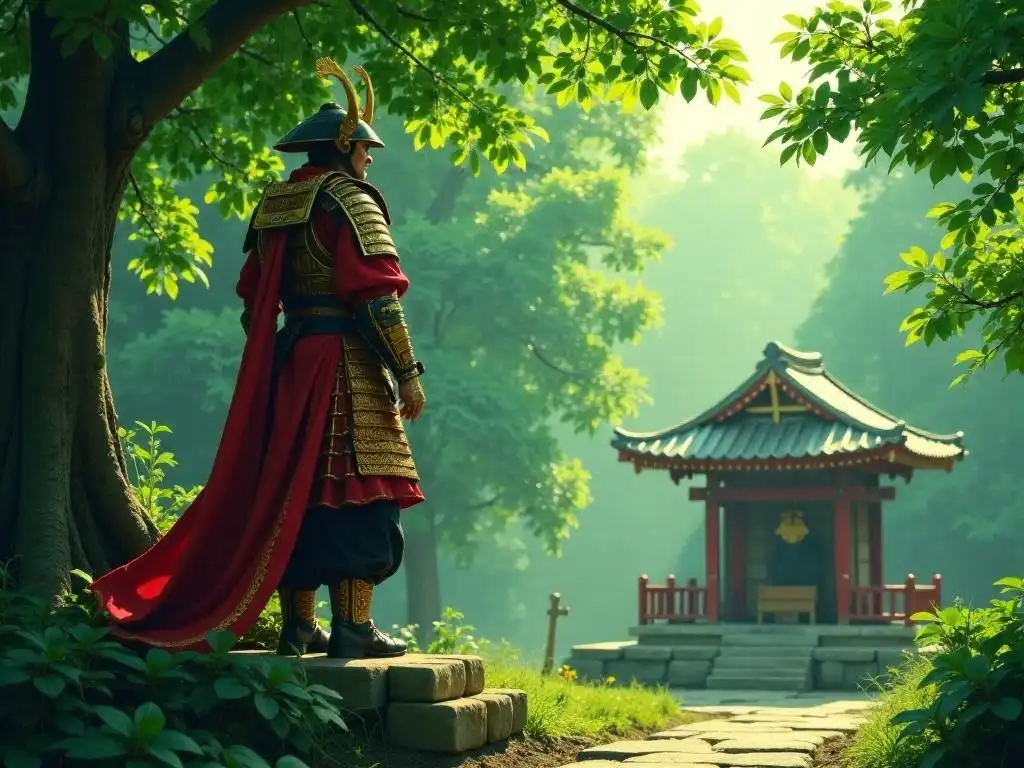
The legacy of the samurai and their religious beliefs continues to resonate in modern Japan. The principles of bushido, rooted in the samurai's spiritual practices, have influenced contemporary Japanese culture, ethics, and societal values. Concepts such as loyalty, honor, and self-discipline remain integral to Japanese identity, echoing the teachings of Shinto and Buddhism.
Moreover, the samurai's reverence for nature, a key aspect of Shinto, is reflected in modern Japanese practices and aesthetics, such as traditional gardens and festivals. The samurai's spiritual quest for enlightenment through Buddhism also paved the way for the continued popularity of Zen practices in contemporary society, influencing everything from martial arts to meditation.
Conclusion: The Lasting Legacy of Religion in Samurai Warfare
Summarizing the Key Points on Religion's Role
The interplay between religion and samurai warfare has been profound and multifaceted. From the early influences of Shintoism to the integration of Buddhism and the impact of Western philosophies, religion has consistently shaped the samurai's identity, morality, and conduct in battle. The evolution of these beliefs highlights the dynamic nature of samurai culture and its adaptability to changing times.
The Enduring Influence of Samurai Beliefs in Contemporary Culture
Today, the influence of samurai beliefs persists in various aspects of Japanese culture. The ideals of bushido inspire modern ethical frameworks, while the spiritual practices of Shinto and Buddhism continue to be celebrated in Japan's festivals and rituals. As a result, the legacy of the samurai transcends history, remaining a vital part of Japan's cultural heritage and identity. The ongoing reverence for these principles underscores the importance of understanding religion's influence on samurai warfare and its lasting impact on contemporary society.
Further Reading on Religion's Influence on Samurai Warfare
To deepen your understanding of the complex interplay between religion and samurai warfare, a variety of resources are available that explore these themes in greater detail. From scholarly articles to engaging documentaries, these materials provide insights into how belief systems shaped the samurai culture and their military practices. Below, we outline some recommended books, articles, and media that delve into the influence of religion on samurai warfare.
Recommended Books and Articles
-
"Samurai and the Sacred: The Role of Religion in Samurai Culture" by William Scott Wilson
This book offers an in-depth analysis of how Shinto beliefs and Buddhist practices influenced samurai ethics and warfare strategies. Wilson's research highlights specific historical examples that illustrate the seamless integration of spirituality into the samurai's martial life.
-
"Warriors of Japan as Portrayed in the War Tales" by John H. Martin
Martin examines the narratives of famous battles and warriors in Japanese history, emphasizing the religious sentiments that motivated samurai during combat. The book provides a unique perspective on how divine favor was sought through rituals and prayers before battles.
-
"Bushido: The Soul of Japan" by Inazo Nitobe
This classic text outlines the samurai code of ethics, including its spiritual dimensions. Nitobe discusses how Confucianism, Buddhism, and Shintoism intermingled to shape the samurai's moral framework and influenced their conduct in warfare.
-
"The Influence of Buddhism on the Samurai" in The Journal of Asian Studies
This scholarly article explores the specific ways Buddhism impacted samurai philosophy and their approach to warfare, providing examples of how Buddhist teachings were often invoked in times of conflict.
-
"Shinto and the Samurai: A Religious Study of Japanese Warrior Culture" by Laura F. O’Connor
O’Connor's work focuses on the Shinto belief system, detailing its significance in samurai life and how rituals were performed to ensure victory in battle. This book is an essential resource for understanding the spiritual motivations behind samurai actions.
Documentaries and Media on Samurai Warfare and Religion
-
"The Samurai: A History of the Warrior Class" (PBS Documentary)
This documentary provides an overview of the samurai class, exploring their historical context, military strategies, and the influence of religion on their lives. It features interviews with historians and stunning visuals that bring the era to life.
-
"The Way of the Samurai" (National Geographic)
This program investigates the samurai's code of conduct and the spiritual beliefs that guided their actions. It includes reenactments and expert commentary, offering viewers a comprehensive view of the samurai's dual identity as both warriors and adherents of religious traditions.
-
"Samurai Japan: The Legacy of the Warrior"
This documentary series delves into various aspects of samurai culture, including the role of Shinto rituals and Buddhist practices in warfare. It takes a detailed look at significant battles and the spiritual preparations that preceded them.
-
"Warriors of the Rising Sun" (History Channel)
This series examines the broader context of Japanese warfare, including the religious motivations behind samurai battles. It features reenactments and analyses of key historical events shaped by religious beliefs.
By exploring these recommended resources, readers can gain a deeper appreciation for how religion influenced the samurai's approach to warfare, shaping not only their tactics but also their motivations and ethos as warriors.
- Introduction to Religion's Influence on Samurai Warfare
- Overview of Samurai Warfare in Feudal Japan
- Importance of Religion in the Samurai Code
- Shintoism: The Core of Samurai Beliefs
- Buddhism's Impact on Samurai Warfare
- Ancestor Worship and Its Significance
- The Role of Spirituality in Samurai Training
- Religious Symbolism in Samurai Warfare
- The Evolution of Religious Influence through the Era
- Changes in Religious Practices from the Heian to Edo Period
- The Impact of Western Influence on Samurai Religion
- How Religion Shaped the Samurai's Legacy in Modern Japan
- Conclusion: The Lasting Legacy of Religion in Samurai Warfare
- Further Reading on Religion's Influence on Samurai Warfare
Frequently Asked Questions
What role did Shintoism play in Samurai warfare?
Shintoism significantly influenced Samurai warfare by instilling a sense of spiritual duty and honor. The Samurai believed that their actions in battle were guided by the kami, or spirits, which added a religious dimension to their martial practices.
How did Buddhism impact the Samurai ethos?
Buddhism introduced concepts of mindfulness, detachment, and compassion, shaping Samurai values. These teachings helped warriors develop a more philosophical approach to life and death, often seen in their martial arts and conduct on the battlefield.
Were there any specific rituals associated with Samurai warfare?
Yes, Samurai engaged in various rituals before battles, such as purification rites and offerings to the kami. These practices were meant to ensure divine favor and instill a sense of readiness among the warriors.
How did religion affect the morality of Samurai combat?
Religion provided a framework for the morality of combat among Samurai. The principles of honor, loyalty, and self-sacrifice rooted in religious beliefs guided their actions, impacting decisions about battle and behavior toward enemies.
Did religious beliefs influence the outcome of battles?
Yes, religious beliefs often played a role in the outcome of battles. Samurai would seek the blessing of the kami, believing that divine support could turn the tide in their favor, thus intertwining faith and military success.
Final Reflection: The Enduring Legacy of Religion's Influence on Samurai Warfare
The intricate relationship between religion and warfare, particularly in the context of the samurai, remains profoundly relevant today. As we navigate a world still marked by conflict and the quest for meaning, understanding how religion's influence on samurai warfare shaped not only the battles of the past but also the cultural identity of Japan is crucial. The samurai's devotion to their spiritual beliefs provided them with purpose and moral grounding, illustrating that faith can be both a guiding light and a formidable force in the theater of war.
Culture is a living tapestry woven from the threads of history, belief, and action. The impact of Shintoism and other religious practices on the samurai ethos continues to resonate in modern Japanese society, where respect for tradition and spirituality remains strong. The samurai's commitment to their faith not only shaped their martial prowess but also fostered a sense of honor and duty that transcended the battlefield. The sword is a soul, and the spirit of the samurai is the essence of the sword.
This quote encapsulates the profound connection between the samurai's identity and their spiritual beliefs, reminding us that the legacy of these warriors is deeply intertwined with their religious convictions.
As we reflect on the lessons drawn from the samurai's relationship with religion, let us consider how these insights can inform our own lives. How can we harness the power of our beliefs to navigate our personal battles? In a world where conflict often arises from misunderstandings and a lack of spiritual grounding, we are called to seek harmony and purpose in our actions. Embrace the lessons of the past, and let them inspire you to forge a path of honor, respect, and spiritual connection in your own journey.
Unveil the Spiritual Legacy of the Samurai!
Thank you for diving into the fascinating world of the samurai and their spiritual foundations! You've learned how **Shintoism** profoundly influenced their warfare and ethos. Now, it’s time to take your newfound insights and explore further.
Here’s how you can continue your journey:
- Delve deeper into Shinto practices by visiting local shrines or temples. Experience the rituals firsthand and reflect on their historical significance.
- Join our community by sharing your thoughts on how spirituality influences modern martial arts. Engage with others who share your passion!
- Research lesser-known samurai figures who embodied these spiritual values. You might be surprised by the unique stories you uncover!
What aspect of samurai spirituality resonates with you the most, and how do you think it shapes our understanding of their legacy today?