
The Impact of Western Influence on Samurai Warfare Tactics

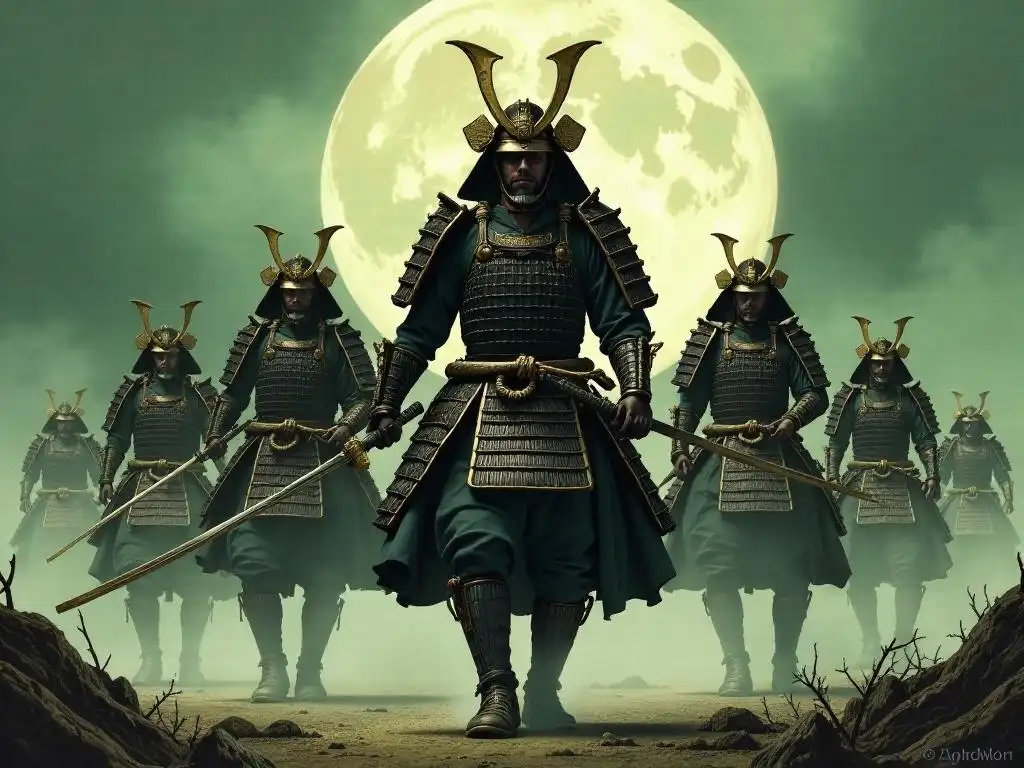
Welcome to Feudal Japan History, where we dive deep into the captivating tapestry of Japan's feudal era. Here, you'll discover the intricate interplay of history, culture, and society that shaped a nation. In our featured article, “The Impact of Western Influence on Samurai Warfare Tactics,” we unravel the surprising ways in which Western innovations transformed the age-old strategies of the legendary samurai. Prepare to challenge your perceptions and uncover a fascinating chapter of military history that blends tradition with change. Join us as we explore this intriguing evolution and much more—your journey into the heart of feudal Japan awaits!
Introduction to Samurai Warfare and Western Influence
The era of the samurai in Japan is not only a fascinating chapter of military history but also a complex interplay of tradition and change. As Japan opened its doors to the West in the late 19th century, the samurai faced unprecedented challenges and transformations that altered their warfare tactics significantly. This article delves into the profound impact of Western influence on samurai warfare, examining how the introduction of new technologies, strategies, and ideologies reshaped a centuries-old martial tradition. Understanding this evolution is crucial for grasping the broader implications of globalization on cultural practices and military strategies.
Overview of Samurai Warfare Tactics
Samurai warfare was characterized by a unique blend of martial skills, honor, and a strict code of conduct known as Bushido. Traditional tactics relied heavily on:
- Swordsmanship: The katana was not just a weapon but a symbol of the samurai's status and honor. Mastery of the sword was paramount.
- Archery: Long-range combat was essential, and the yumi (Japanese longbow) played a significant role in battles.
- Cavalry Charges: Samurai often fought on horseback, utilizing speed and maneuverability to outflank enemies.
- Unit Cohesion: Troops operated in tight formations, leveraging their training and discipline for coordinated attacks.
The introduction of Western military practices initiated a shift in these long-standing methodologies.
Definition of Western Influence in a Japanese Context
When we refer to "Western influence" in the context of samurai warfare, we encompass the array of military tactics, technologies, and philosophies that originated from European powers during the 19th century. This influence included:
- Firearms: The introduction of muskets and cannons changed the landscape of battle, forcing samurai to adapt their tactics to incorporate gunpowder weaponry.
- Military Strategy: Western-style formations and strategies began to replace traditional samurai tactics, leading to more structured and pragmatic approaches to warfare.
- Training Methods: The West brought new training regimens and methods that emphasized discipline, organization, and the use of technology in combat.
This confluence of ideas and practices significantly impacted how samurai engaged in warfare and how they viewed their role within Japanese society.
Historical Background of Samurai Warfare
To understand the impact of Western influence on samurai tactics, it is essential to examine the historical context of samurai warfare prior to this significant shift.
Evolution of Samurai Warfare Before Western Contact
Before the onset of Western influence, samurai warfare underwent several transformations, driven by internal conflicts, the rise of feudal lords, and the consolidation of power during the Kamakura period (1185-1333) and the subsequent Muromachi period (1336-1573). Key aspects included:
- Rise of the Samurai Class: The samurai emerged as a distinct warrior class during the Heian period (794-1185), with a focus on loyalty to their daimyo (feudal lords).
- Warfare Techniques: The use of personal combat, ambush tactics, and the importance of honor in battle were emphasized, showcasing a unique approach to warfare that was deeply rooted in Japanese culture.
- Civil Wars: The Sengoku period (1467-1603) saw intense civil wars, leading to advancements in military tactics and the necessity for strategic alliances.
Key Features of Traditional Samurai Tactics
Traditional samurai tactics were not static; they evolved based on the socio-political landscape of Japan. Notable features included:
- Individual Valor: Battles often showcased individual skill and bravery, with samurai aiming to achieve personal glory.
- Psychological Warfare: The use of intimidation and psychological tactics played a significant role in battles, with samurai often seeking to demoralize their opponents before engaging in combat.
- Feudal Loyalties: Warfare was heavily influenced by personal loyalties and the feudal system, where battles were fought not just for territory but for honor and reputation.
As the world began to change with the advent of Western ideas and technology, the samurai found themselves at a crossroads, leading to a transformative period in their military history.
The Arrival of Western Influence in Japan
The arrival of Western influence in Japan marked a significant turning point in the evolution of samurai warfare tactics. This transformation began in the mid-19th century when Japan, previously isolated under the Edo period's sakoku (lockdown) policy, opened its doors to foreign trade and ideas. The United States, under Commodore Matthew Perry, played a pivotal role in this opening around 1853, compelling Japan to abandon its isolationist stance. As a result, Western nations began to establish diplomatic and trade relations with Japan, introducing not only new technologies but also entirely different military concepts.
Throughout this period, various treaties were signed, such as the Treaty of Kanagawa in 1854, which facilitated the exchange of ideas and technologies between Japan and the West. This influx of Western influence extended beyond military tactics to encompass a wide range of disciplines, including education, industry, and governance. The samurai class, facing pressure to adapt to the changing world, began to embrace these new influences, paving the way for a transformation in their traditional combat practices.
The Opening of Japan: Key Events and Timeline
- 1853: Commodore Matthew Perry arrives in Japan, leading to the opening of Japanese ports to American trade.
- 1854: The Treaty of Kanagawa is signed, establishing formal relations between Japan and the United States.
- 1868: The Meiji Restoration begins, marking the end of the Tokugawa shogunate and the restoration of imperial rule, which accelerated the adoption of Western practices.
- 1871: The establishment of the Imperial Japanese Army, influenced heavily by Western military organization and tactics.
- 1889: The promulgation of the Meiji Constitution, which included reforms in military and political structures, further integrating Western concepts.
This timeline illustrates the rapid progression of Japan from isolation to a nation eager to modernize and integrate Western advancements into its military framework.
Introduction of Western Military Concepts
As Japan opened itself to Western influence, military advisors from various countries, particularly the United States, France, and Germany, were invited to train Japanese forces. They introduced a plethora of military concepts previously unknown to the samurai, such as organized infantry formations, mobile artillery, and the professionalization of the military.
One significant aspect of this introduction was the emphasis on discipline and structured training, which contrasted sharply with the more traditional, honor-based samurai warfare. The samurai began to learn about modern warfare principles, including tactics that involved massed troops and coordinated assaults, which were essential for success in the increasingly complex battlefield environments they faced.
Changes in Samurai Warfare Tactics Due to Western Influence
The infusion of Western ideas and technologies sparked a profound transformation in samurai warfare tactics. The samurai, traditionally known for their individual combat skills and honor-based dueling, had to adapt to the realities of modern warfare. This change was not immediate but occurred gradually as new tactics were integrated into their existing frameworks.
Adoption of Western Weaponry and Technology
A fundamental shift in samurai warfare was the adoption of Western weaponry. The traditional katana, while still revered, was supplemented with firearms, artillery, and advanced military equipment. The introduction of rifles, such as the Spencer repeating rifle and the Gatling gun, allowed for more effective ranged combat, altering the dynamics of engagements.
The Japanese military began to manufacture their own modern weapons, leading to the establishment of arsenals such as the Tokyo Arsenal, which allowed for the mass production of rifles and ammunition. By the end of the 19th century, the Imperial Japanese Army had fully integrated these weapons into their military doctrine, giving them a significant advantage in battles, such as the Sino-Japanese War (1894-1895) and the Russo-Japanese War (1904-1905).
Transformation of Combat Strategies and Tactics
With the integration of Western military tactics, samurai warfare underwent a notable transformation. The emphasis shifted from individual duels and honor-based battles to collective strategy and coordinated assaults. Commanders began to employ tactics that focused on maneuverability and the effective use of terrain, leading to the adoption of trench warfare techniques seen in Western conflicts.
Moreover, the concept of combined arms became prominent, integrating infantry, cavalry, and artillery units into cohesive fighting forces. This strategic evolution was evident in the Japanese military's successes during the Russo-Japanese War, where they effectively utilized these new tactics to defeat a larger and more established Russian military.
Integration of Western Military Training Methods
In response to the Western influence, Japan restructured its military training programs to incorporate Western methods. This included the establishment of military academies modeled after European institutions, such as the Imperial Japanese Army Academy, which emphasized rigorous training, discipline, and a systematic approach to warfare.
Japanese officers studied Western military texts and doctrines, adopting methodologies that prioritized strategic planning and operational readiness. This comprehensive training not only enhanced the effectiveness of Japanese forces but also instilled a sense of professionalism and dedication among the samurai, which contributed significantly to Japan's military successes in the late 19th and early 20th centuries.
The Western influence on samurai warfare marked a pivotal shift in Japan's military history, leading to the adoption of new technologies, strategies, and training methods that fundamentally changed the nature of combat for the samurai. This transformation was crucial in establishing Japan as a formidable military power in the modern world.
Case Studies of Western Influence on Samurai Warfare
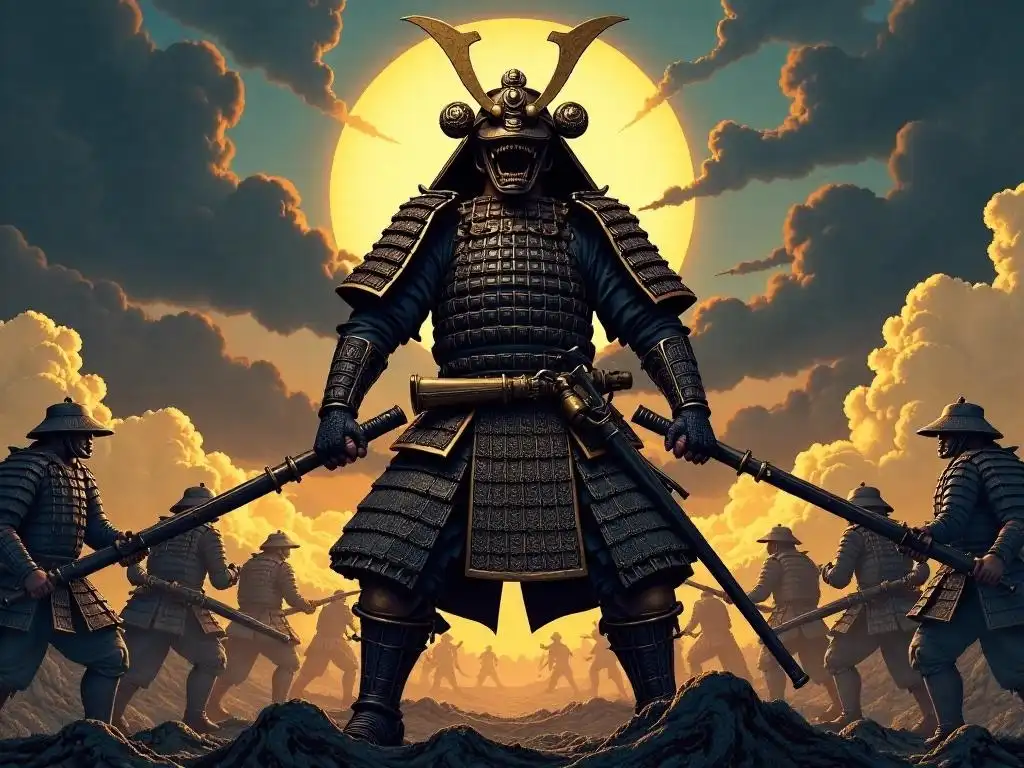
The transition of samurai warfare during the late Edo period and into the Meiji Restoration is marked by significant Western influence. This influence can be observed in various case studies that highlight the tactical and technological advancements introduced to Japanese warriors. The adoption of firearms, Western military training, and strategic innovations altered the traditional samurai approach to combat.
One prominent case study is the introduction of gunpowder weapons. Initially met with skepticism, the samurai gradually integrated matchlock rifles into their arsenals. The Battle of Nagashino in 1575 serves as a prime example, where Tokugawa Ieyasu effectively deployed arquebuses, showcasing the effectiveness of gunfire in mass formations. This battle illustrated not only a tactical shift but also the gradual acceptance of Western military technology.
Another notable case is the Sino-Japanese War (1894-1895), where Japan's military modernization, heavily influenced by Western practices, led to a decisive victory against China. This conflict underscored Japan's transformation into a formidable military power, with samurai tactics evolving to incorporate Western strategies and formations, including the utilization of modern artillery and naval power.
Notable Battles Reflecting Western Tactics
Several battles during the late 19th century provide insight into the application of Western tactics in samurai warfare. The Battle of Tsushima in 1905, during the Russo-Japanese War, stands out as a crucial example. The Japanese navy, having adopted Western naval strategies and technologies, decisively defeated the Russian fleet. This victory not only showcased Japan's military prowess but also reflected a complete transformation of samurai from traditional warriors to modern military leaders.
Additionally, the Battle of Yalu River in 1894 highlights the integration of Western military strategies in land warfare. The Japanese forces effectively utilized coordinated attacks and modern artillery, contrasting sharply with the more traditional tactics employed by their adversaries. The success at Yalu River demonstrated the effectiveness of a combined-arms approach, a hallmark of Western military doctrine.
Analysis of Key Samurai Leaders and Their Adaptation
Key samurai leaders played a pivotal role in adapting to Western influence in warfare. Saigo Takamori, often regarded as the last true samurai, exemplified this adaptation during the Satsuma Rebellion in 1877. While he upheld traditional samurai values, he also recognized the necessity of modern military strategies. Saigo's forces utilized both traditional samurai tactics and modern weaponry, highlighting a blend of old and new practices.
Another significant figure is Yamamoto Gonnohyōe, who studied Western military tactics and incorporated them into Japan's military training programs. As an advocate of modernization, Yamamoto emphasized the importance of adopting Western artillery techniques and fortification strategies, thereby reshaping the samurai's approach to warfare.
These leaders not only influenced their contemporaries but also laid the groundwork for future military strategies in Japan, illustrating the effective blend of samurai tradition and Western innovation.
Cultural Implications of Western Influence on Samurai
The cultural landscape of Feudal Japan underwent a profound transformation due to Western influence on samurai warfare. This shift affected the samurai's identity, values, and societal perceptions of warfare.
The Impact on Samurai Identity and Ethos
The samurai's identity, deeply rooted in bushido—the way of the warrior—began to evolve as Western practices permeated Japanese society. The introduction of modern military training and techniques challenged traditional notions of honor and valor. As samurai began to embrace Western methodologies, their ethos shifted, leading to a more pragmatic approach to warfare.
This evolution often sparked a dichotomy within the samurai class, where some traditionalists resisted these changes, viewing them as a departure from authentic samurai values. Others, however, recognized the necessity of adaptation for survival within an increasingly modern world. This cultural tension ultimately contributed to the dissolution of the samurai class following the Meiji Restoration, as the once-noble warriors transitioned into a new identity within a modernized Japan.
Changes in the Perception of Warfare in Feudal Japan
The Western influence on samurai warfare also resulted in significant changes in the perception of warfare itself. The samurai’s view of combat transitioned from a romanticized notion of personal honor to a more strategic understanding of warfare as a complex, organized endeavor. The integration of technology, such as firearms and artillery, shifted the focus from individual skill to collective strategy and coordination.
Moreover, the concept of warfare began to be viewed through a lens of nationalism and modernization. The success of Japanese forces in conflicts like the Sino-Japanese War fostered a sense of pride and unity within the nation, further encouraging the embrace of Western military ideals. This shift not only altered the samurai's role in society but also influenced the broader cultural narrative surrounding warfare in Japan, leading to a more sophisticated understanding of military engagements and their implications for national identity.
The Legacy of Western Influence on Samurai Warfare
The legacy of Western influence on samurai warfare is a complex tapestry woven from various strands of military innovations, cultural exchanges, and political shifts that occurred primarily during the late Edo period and the Meiji Restoration. This period marked a significant turning point for Japan as it opened its gates to Western ideas, technologies, and methodologies. The samurai, who had long dominated the military landscape of Japan, began to adapt and incorporate these new influences into their traditional practices.
The introduction of firearms, particularly during the 16th century, transformed samurai tactics. The Portuguese brought matchlock guns to Japan, which led to a gradual shift in warfare from traditional melee combat to more strategic ranged engagements. This Western technology not only changed the battlefield dynamics but also necessitated a shift in samurai training and discipline. The incorporation of Western military strategies, including the use of formations and combined arms tactics, further altered how samurai approached warfare.
Long-Term Effects on Japanese Military Practices
The long-term effects of Western influence on Japanese military practices are evident in the modernization of the Japanese armed forces. Following the Meiji Restoration in 1868, Japan underwent a rapid transformation, adopting Western military organization, training, and equipment. The establishment of a conscript army marked a significant departure from the samurai-based military system, reflecting the need for a more modern and efficient fighting force.
Key aspects of this transformation include:
- Adoption of Western Military Doctrine: Japan studied Western military strategies, leading to the reorganization of its army along modern lines. This included the establishment of a general staff system and formal military academies.
- Integration of Technology: The incorporation of artillery, machine guns, and modern naval vessels into the Japanese military arsenal signified a departure from the traditional reliance on swords and cavalry tactics.
- Influence on Military Leadership: Western military leaders were invited to Japan to share their expertise, leading to the training of a new generation of military officers who would embrace both samurai traditions and Western methodologies.
As a result, Japan emerged as a formidable military power in the late 19th and early 20th centuries, showcasing the effectiveness of its hybrid approach to warfare.
Influence on Modern Japanese Warfare Tactics
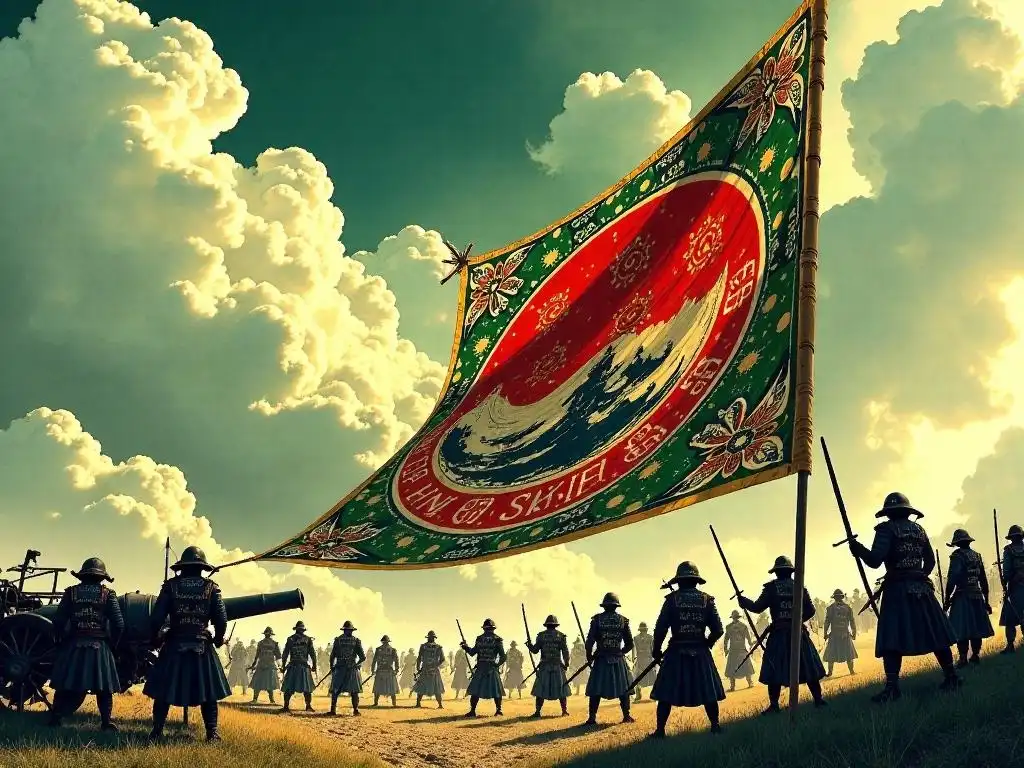
The influence of Western practices on samurai warfare laid the groundwork for modern Japanese military tactics. The integration of Western military innovations has continued to evolve throughout the 20th and 21st centuries. Key elements include:
- Combined Arms Operations: Modern Japanese tactics emphasize the integration of infantry, armor, and air support, reflecting lessons learned from historical conflicts, including World War II.
- Technological Advancements: The use of advanced technology in warfare, such as drones and cyber warfare capabilities, can be traced back to the early adoption of Western military technology during the samurai era.
- Strategic Alliances: Japan's post-war military strategy has been heavily influenced by its alliances with Western powers, particularly the United States, shaping its defense policies and military interactions in the region.
These modern tactics continue to evolve, demonstrating the enduring impact of Western influence on Japan's military framework.
Conclusion: The Balance of Tradition and Innovation
Summary of Key Points on Western Influence on Samurai Warfare
The impact of Western influence on samurai warfare encompasses several critical dimensions:
- The introduction of firearms and Western military strategies transformed traditional samurai combat practices.
- The Meiji Restoration catalyzed the modernization of Japan's military, shifting from a samurai-based system to a modern conscript army.
- Modern Japanese military practices, including combined arms operations and technological advancements, reflect the lasting legacy of Western military influence.
Reflection on the Historical Significance of These Changes
The evolution of samurai warfare under the influence of Western practices is a testament to Japan's ability to adapt and innovate in the face of external pressures. This balance of tradition and innovation not only reshaped Japan's military capabilities but also fundamentally altered its place in the world. The samurai's legacy of honor and discipline, combined with modern military strategies, illustrates the dynamic interplay between historical practices and contemporary warfare. Understanding this evolution provides valuable insights into Japan's military history and its ongoing development as a global power.
Further Reading and Resources
For those interested in delving deeper into the complexities of Western influence on samurai warfare tactics, a variety of resources are available. These include scholarly articles, books, and online platforms that provide detailed insights into the evolution of military strategies during Japan's feudal era. Here, we present a curated list of recommended readings and online resources to enhance your understanding of this fascinating topic.
Recommended Books and Articles on Samurai Warfare
-
"Samurai Warfare: The Martial Arts of Feudal Japan" by Anthony J. Bryant
This book offers an extensive overview of samurai military strategies and the evolution of their combat techniques, including the impact of Western firearms and tactics.
-
"The Samurai: A Military History" by Stephen Turnbull
Turnbull provides a detailed examination of samurai warfare, including how Western influences began to reshape traditional combat methods during the late Edo period.
-
"The Last Samurai: The Life and Battles of Saigo Takamori" by Mark Ravina
This biography offers insights into one of the last samurai leaders and how Western military practices influenced his strategies in the Satsuma Rebellion.
-
"Japan's Last Samurai: The Life and Legacy of Saigo Takamori" by John D. Young
Young explores the cultural shift in samurai warfare as Western ideas permeated Japanese military thought, particularly in the context of Saigo Takamori's legacy.
-
"The Gun and the Sword: The Impact of Western Technology on Samurai Warfare" by David G. Sullivan
This article discusses the technological advancements introduced by Western nations and their direct effects on samurai combat strategies.
Online Resources for Deeper Exploration of Western Influence
-
The National Diet Library of Japan
An extensive digital archive containing historical documents, military treatises, and records that illustrate the transition of warfare tactics as Western influences took hold in Japan.
-
Japan Society of the UK
Offers a variety of articles and essays on the cultural exchanges between Japan and the West, with sections dedicated to military history and samurai warfare.
-
The Samurai Archives
A comprehensive online resource that provides access to articles, forums, and discussions about samurai history, including the impact of Western military practices.
-
YouTube Channels such as "The History Guy"
These channels feature documentary-style videos exploring samurai warfare and the integration of Western tactics and technology into Japanese military practices.
-
Podcasts on Japanese History
Look for episodes focusing on the Edo period and the Meiji Restoration, which often discuss the Western influence on samurai warfare tactics and military reforms.
These resources will provide a solid foundation for anyone looking to explore the intricate relationship between Western influence and samurai warfare tactics in greater detail.
- Introduction to Samurai Warfare and Western Influence
- Historical Background of Samurai Warfare
- The Arrival of Western Influence in Japan
- Changes in Samurai Warfare Tactics Due to Western Influence
- Case Studies of Western Influence on Samurai Warfare
- Cultural Implications of Western Influence on Samurai
- The Legacy of Western Influence on Samurai Warfare
- Long-Term Effects on Japanese Military Practices
- Influence on Modern Japanese Warfare Tactics
- Conclusion: The Balance of Tradition and Innovation
- Further Reading and Resources
- What was the primary influence of the West on samurai warfare tactics?
- How did the arrival of Western military advisors affect Japan?
- What role did the Meiji Restoration play in changing samurai warfare?
- Were there any cultural impacts from Western influence on samurai tactics?
- How did Western influence lead to the decline of the samurai class?
Frequently Asked Questions
What was the primary influence of the West on samurai warfare tactics?
The primary influence of the West on samurai warfare was the introduction of firearms and military strategies that changed traditional combat methods, leading to more effective battlefield tactics.
How did the arrival of Western military advisors affect Japan?
The presence of Western military advisors in the late 19th century significantly transformed the samurai's combat techniques, as they incorporated modern weapons and training practices into their existing methods.
What role did the Meiji Restoration play in changing samurai warfare?
The Meiji Restoration marked a pivotal shift where the samurai began to adopt Western military practices, leading to the establishment of a more organized and modernized army that diminished the samurai's traditional role.
Were there any cultural impacts from Western influence on samurai tactics?
Yes, the cultural impacts included a shift in values regarding honor and combat, as samurai began to integrate more pragmatic approaches to warfare, which sometimes conflicted with traditional codes of conduct.
How did Western influence lead to the decline of the samurai class?
The decline of the samurai class was accelerated by Western influence as Japan modernized its military, leading to the dissolution of feudal systems and the eventual establishment of a conscript army, diminishing the samurai's power and relevance.
Final Reflection: The Enduring Legacy of Western Influence on Samurai Warfare
The intersection of Western influence and samurai warfare tactics has shaped not only the battlefield strategies of the past but also the modern understanding of military evolution. Today, as we navigate a world increasingly interconnected by cultural exchanges, the lessons learned from this historical synthesis remind us of the power of adaptation and innovation in the face of change. The samurai's ability to integrate Western techniques into their traditional practices exemplifies a profound resilience that resonates in contemporary military and strategic thought.
The influence of Western methodologies on samurai warfare is a testament to the dynamic nature of cultural exchange and adaptation. This transformation not only altered the course of Japanese military history but also laid the groundwork for a broader understanding of how societies evolve through external influences. As historian John W. Hall aptly stated, The samurai were not merely warriors; they were adapters, absorbing the best practices from those they encountered.
This observation highlights the importance of openness and flexibility in the face of new ideas, a principle that remains relevant in today's globalized world.
As we reflect on the intricate tapestry of history woven by the interaction of Eastern and Western philosophies, I invite you to consider how these lessons of adaptation and resilience can be applied in your own life. Embrace the opportunities for growth that arise from engaging with diverse perspectives, and let the legacy of the samurai inspire you to forge your own path in a world that is constantly evolving. By reflecting on the past, we can better navigate the future, ensuring that we remain not only students of history but also active participants in shaping our own narratives.
Unveil the Legacy: Embrace Samurai Warfare Today!
Thank you for taking the time to explore the fascinating interplay between Western influence and Samurai warfare tactics! You've gained insights into how these powerful forces shaped a unique aspect of history. Now, let's take that knowledge a step further and put it into action.
Here's how you can connect with this rich legacy:
- Dive deeper: Explore articles, documentaries, and books that delve into the nuances of Samurai warfare and its historical evolution.
- Join the conversation: Engage in discussions about how Western elements transformed Samurai tactics and influenced the structure of feudal society.
- Engage with fellow history enthusiasts: Participate in forums or local history clubs to share your findings and cultivate a network of passionate individuals.
What aspect of Western influence on Samurai tactics intrigues you the most, and how do you think it changed the course of history?