
The Samurai Code: Honor and Ethics in Naval Battles

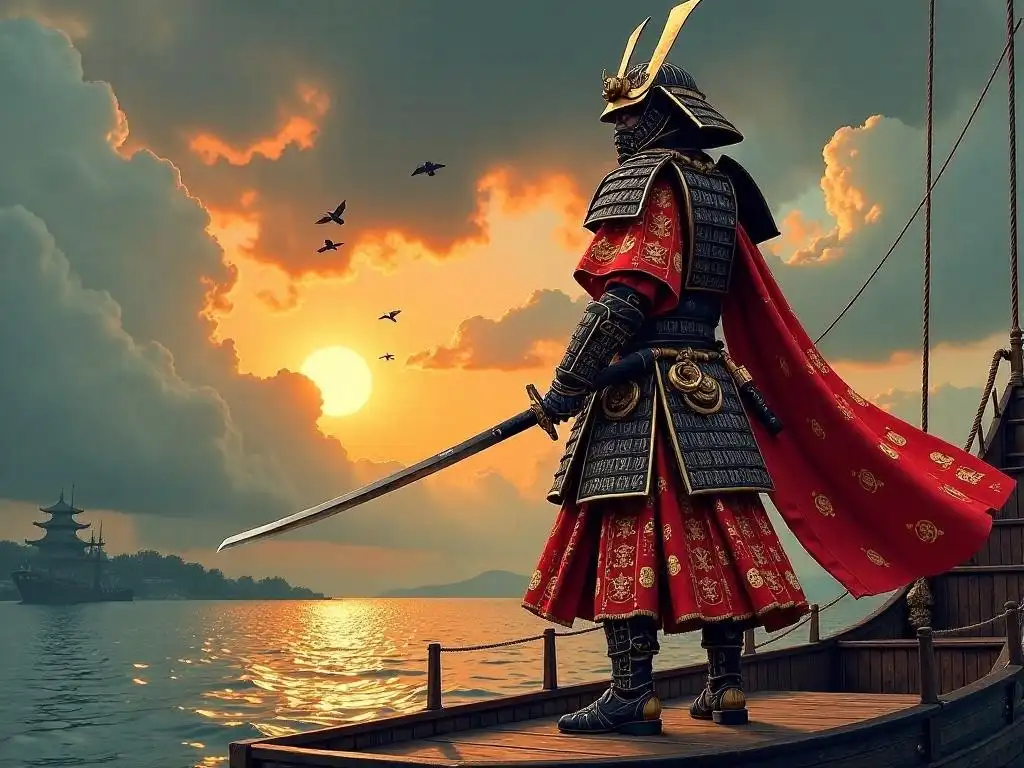
Welcome to Feudal Japan History! Here, we invite you to embark on an enthralling journey through the rich tapestry of Japan’s feudal era, where every corner reveals tales of valor and valorization. Our latest exploration, “The Samurai Code: Honor and Ethics in Naval Battles,” delves into the profound principles that governed samurai conduct in warfare.
What drove these noble warriors to uphold such strict codes of honor? As you dive deeper into the intricate world of samurai honor ethics, prepare to uncover the fascinating interplay between duty, loyalty, and strategy that shaped the course of battles. Join us as we unlock the secrets of a bygone era, inviting you to explore the intricate layers of history that continue to resonate today.
- Introduction to Samurai Honor Ethics in Battles
- Historical Context of Naval Warfare in Feudal Japan
- The Samurai Code: Bushido and Its Influence on Naval Ethics
- Honor in Naval Battles: Examples and Case Studies
- Ethical Dilemmas Faced by Samurai in Naval Warfare
- Comparing Samurai Honor Ethics to Other Warrior Cultures
- The Legacy of Samurai Honor Ethics in Modern Naval Warfare
- Conclusion: The Lasting Impact of Samurai Honor Ethics in Battles
- Frequently Asked Questions
- Final Reflection: The Enduring Legacy of Samurai Honor in Naval Battles
- Embrace the Bushido Spirit Today!
Introduction to Samurai Honor Ethics in Battles
The concept of Samurai honor ethics in battles is a profound aspect of Japan’s feudal history, representing not only the principles that guided the Samurai in warfare but also the intricate relationship between their code of conduct and the broader societal values of the time. The Samurai, as the warrior class of feudal Japan, were bound by a strict ethical framework known as Bushido, which emphasized virtues such as loyalty, courage, and honor.
This framework was particularly significant during naval battles, where the stakes were high, and the consequences of failure could be catastrophic, not only for the warriors involved but also for their clans and the entire realm.
In this article, we will delve into the historical context of the Samurai's ethical principles, examining how these values influenced their conduct in naval warfare. We will explore the cultural significance of honor, the rituals associated with it, and how the Samurai's commitment to their code shaped their actions at sea. By understanding the ethical underpinnings of Samurai behavior, we can gain deeper insights into the complexities of feudal Japan and the lasting impact of these values on Japanese culture today.
Overview of Samurai Culture and Its Values
The Samurai culture was deeply rooted in a blend of Confucianism, Zen Buddhism, and Shinto beliefs, which together formed a unique ethical system. The notion of Bushido, or "the way of the warrior," became the guiding philosophy for the Samurai, dictating their behavior in both peacetime and wartime. Key values within this code included:
- Loyalty: Samurai were expected to be fiercely loyal to their lords, often placing their lives in service to their clan above their own interests.
- Courage: The ability to confront danger with valor was paramount. Fear and cowardice were seen as dishonorable.
- Honor: Maintaining one's reputation and personal integrity was crucial. A Samurai's honor was tied to their actions and their family's name.
- Respect: This extended not only to fellow warriors but also to opponents, reflecting a sense of dignity even in battle.
These values did not just shape individual behavior; they also influenced the collective identity of the Samurai class, fostering a sense of unity and purpose. In naval battles, where teamwork and strategy were essential, these values ensured that Samurai fought not just for personal glory, but for the honor of their clans and the safety of their homeland.
Importance of Honor in Feudal Japan
Honor held a central position in the social fabric of feudal Japan, particularly among the Samurai. The importance of honor can be illustrated through several key aspects:
- Social Status: Honor was directly linked to a Samurai's social standing. A dishonored Samurai faced severe repercussions, including the loss of status and respect, which could extend to their family.
- Rituals and Practices: Various rituals, such as seppuku (ritual suicide), were practiced as a means of restoring honor. This act was often performed in response to failure or disgrace and demonstrated the lengths to which Samurai would go to uphold their ethical standards.
- Warrior Ethos: In naval battles, the emphasis on honor meant that Samurai were often willing to face overwhelming odds rather than surrender. This warrior ethos contributed to their formidable reputation, as they fought not just against enemies but also against the dishonor of defeat.
- Cultural Legacy: The values of honor and ethics among the Samurai have transcended time, influencing modern Japanese culture and society. The reverence for these principles continues to resonate in contemporary Japan, reflecting the deep-seated respect for the historical legacy of the Samurai.
The interplay of honor and ethics in battles shaped the Samurai's identity and their approach to warfare. As we explore further, we will uncover specific examples and narratives that highlight the profound impact of these values on naval engagements throughout Japan's feudal era.

Naval warfare in feudal Japan was a critical aspect of the broader military strategies employed by samurai and their clans. Understanding this context is essential to appreciate how samurai honor and ethics influenced their conduct in naval battles. The complexity of Japan's geography, characterized by numerous islands and coastal regions, necessitated the development of naval capabilities. This maritime environment fostered both trade and conflict, leading to significant naval engagements throughout the feudal era.
Japan's feudal period, spanning from the late 12th century to the early 17th century, was marked by political fragmentation and the rise of powerful clans. The importance of naval power became increasingly evident during this time, particularly as clans sought to expand their influence and control over sea trade routes. The samurai code, known as Bushido, which emphasized honor, loyalty, and bravery, played a pivotal role in shaping the ethical conduct of samurai not only on land but also at sea.
-
The Genpei War (1180-1185)
The Genpei War marked one of the earliest significant conflicts involving naval battles. The Taira and Minamoto clans engaged in fierce fighting across land and sea, culminating in the decisive naval battle of Dan-no-ura in 1185. This battle showcased the importance of naval power in determining the fate of clans and highlighted the samurai's commitment to honor, as both sides fought with valor, understanding that defeat could lead to dishonor and demise.
-
The Mongol Invasions (1274 and 1281)
The Mongol invasions of Japan represented a critical moment in samurai naval history. The Japanese samurai, under the leadership of figures such as Kublai Khan, faced a formidable naval threat. The samurai's ethical principles guided their resistance, as they fought tenaciously to protect their homeland. The famed "kamikaze" or "divine winds" that destroyed the Mongol fleets further solidified the samurai's belief in their righteous cause and the favor of the gods in their battle for honor.
-
The Sengoku Period (1467-1603)
During the Sengoku period, Japan experienced a proliferation of clan conflicts, leading to numerous naval battles. Notably, battles such as the Battle of Kizugawaguchi (1560) underscored the evolving strategies and technological advancements in naval warfare. Here, samurai ethics were evident as warriors adhered strictly to the principles of Bushido, displaying courage and loyalty even in the face of overwhelming odds.
-
The Edo Period (1603-1868)
Although the Edo period is often characterized by relative peace, naval engagements continued to play a role in commerce and piracy. Samurai ethics remained relevant as they navigated the complexities of maritime trade, ensuring that honor and loyalty governed both their interactions and conflicts at sea.
The samurai were not only warriors on land; their role in naval warfare was equally significant, reflecting their broader commitment to the principles of Bushido. The conduct of samurai in naval battles was deeply intertwined with their honor, shaping their strategies and tactics. Here are some critical aspects of their role:
-
Leadership and Command
Samurai often held leadership positions in naval forces, commanding fleets and directing tactics in battles. Their training and commitment to honor were crucial in inspiring loyalty among their crews. The samurai's presence on ships reinforced the idea that battles were fought not just for territory but also for the honor of their clans.
-
Ethical Conduct in Battle
The samurai adhered to strict ethical codes during naval engagements. They believed in facing their enemies head-on, showcasing bravery and skill rather than resorting to treachery. This commitment to honor was evident in their willingness to fight to the death rather than surrender, as doing so would bring shame to themselves and their families.
-
Naval Strategy and Tactics
Samurai utilized their knowledge of both land and sea to develop innovative naval strategies. Their tactics often involved boarding enemy ships, a practice that required immense courage and skill. The samurai's ethical training helped them maintain composure and discipline during chaotic naval battles, ensuring effective coordination among fighters.
-
Preservation of Honor
Samurai viewed naval battles as a reflection of their personal and clan honor. Engaging in battle was not merely a military necessity but a demonstration of their commitment to the samurai way. Each engagement was approached with the understanding that their actions would define their legacy and that of their clan.
The samurai's role in naval warfare was characterized by a steadfast adherence to honor and ethics, guiding their actions and decisions in the heat of battle. The historical context reveals the intricate relationship between samurai values and their conduct in naval conflicts, emphasizing how these principles shaped the course of Japan's maritime military history.

Bushido, the way of the warrior, is a code of ethics that has profoundly influenced the behavior and principles of the samurai, particularly during naval battles. This code emphasizes virtues such as loyalty, courage, honor, and respect, which are not only foundational to samurai identity but also extend to their conduct in maritime warfare. Understanding Bushido's principles sheds light on how samurai navigated the complexities of battle at sea, balancing their martial duties with the ethical imperatives of their code.
- Loyalty (Chūgi):
- Loyalty to one’s lord and comrades was paramount. Samurai were expected to serve their daimyo (feudal lord) with unwavering allegiance, even in naval engagements. This loyalty often manifested in the willingness to sacrifice personal safety for the sake of the lord's interests and the collective well-being of the crew.
- Courage (Yū):
- Courage is essential for samurai, particularly in the tumultuous conditions of naval warfare. The ability to face adversities, whether from enemy forces or the harsh elements of the sea, was crucial. Samurai demonstrated this courage by engaging in battles without fear of death, showcasing their commitment to Bushido.
- Honor (Meiyo):
- Honor dictated the samurai's actions at sea. Engaging in deceitful tactics or retreating in the face of danger could lead to dishonor, which was considered worse than death. The pursuit of honor influenced naval strategies, often leading to direct confrontations instead of evasive maneuvers.
- Respect (Sonkei):
- Respect for one’s opponents and allies was integral to Bushido. In naval battles, this manifested as a sense of fairness in combat, where samurai were expected to engage their enemies honorably, often adhering to unwritten rules of engagement that dictated how battles should be fought.
- Compassion (Jin):
- While often overshadowed by the more martial aspects of Bushido, compassion played a role in the samurai's ethical framework. During naval confrontations, samurai were sometimes faced with the decision to spare defeated enemies or provide assistance to shipwrecked sailors, reflecting the human side of their warrior ethos.
How Bushido Shaped Samurai Behavior at Sea
The principles of Bushido shaped not only the strategies employed by samurai during naval battles but also their interpersonal dynamics aboard ships. The adherence to these ethical standards fostered a sense of camaraderie among the crew, promoting unity and collective responsibility in the face of danger.
- Team Cohesion: The samurai's commitment to loyalty and honor created a strong bond among the crew members. In high-stress environments like naval warfare, this cohesion was vital for operational effectiveness. Crews that embodied Bushido principles often functioned more effectively, as they were willing to put the needs of the group above individual desires.
- Strategic Decisions: Samurai leaders often made strategic decisions based on the ethical implications of their actions. For instance, they would weigh the consequences of engaging in surprise attacks versus a more honorable confrontation. Such decisions were influenced by the expectation to uphold Bushido in every aspect of their conduct.
- Conflict Resolution: When disputes arose among crew members, the principles of respect and compassion were utilized to resolve conflicts amicably. This approach not only maintained harmony aboard ships but also ensured that focus remained on the mission at hand.
- Legacy and Reflection: The legacy of Bushido has extended beyond the feudal era, shaping modern views on honor and ethics in military practices. The principles established during naval battles continue to influence contemporary discussions about military conduct, leadership, and the moral obligations of service members.
The influence of Bushido on samurai ethics in naval battles reveals a complex interplay between martial prowess and moral integrity. The unwavering commitment to loyalty, honor, and respect not only defined the samurai’s identity but also shaped the maritime strategies and behaviors that characterized Japan’s feudal era. Understanding these elements offers valuable insights into the historical significance of samurai naval warfare and the enduring legacy of their ethical code.
The Battle of Dan-no-ura
The Battle of Dan-no-ura, fought in 1185, is a pivotal moment in the Genpei War, showcasing the samurai's commitment to honor and ethics in naval warfare. This battle marked the end of the Taira clan and the rise of the Minamoto clan in Japanese history. The fierce conflict took place in the straits of Shimonoseki, where both sides displayed remarkable naval tactics and samurai values.
During this battle, the Taira forces, led by Taira no Tomomori, faced the Minamoto clan's naval superiority under the command of Minamoto no Yoshitsune. The conduct of samurai warriors during this confrontation highlighted the principles of honor. As the Taira fleet began to falter, Tomomori chose to end his life rather than face capture, demonstrating the samurai ideal of seppuku (ritual suicide) as a means to maintain honor even in defeat. This act resonated deeply within samurai culture, reinforcing the belief that a warrior should uphold their dignity above all else.
The Battle of Kōan
Another significant naval conflict was the Battle of Kōan, which occurred in 1281 during the Mongol invasions of Japan. The samurai's response to the Mongol threat was characterized by a strong adherence to ethical conduct, even amidst the chaos of battle. Led by Kamakura shogunate, Japanese forces faced a formidable enemy equipped with advanced naval technologies.
During this battle, samurai warriors were noted for their strategic prowess, employing a combination of guerrilla tactics and traditional naval warfare. The samurai's honor system guided their actions, as they fought valiantly to protect their homeland. The Japanese forces were ultimately aided by a typhoon, famously dubbed the kamikaze, that destroyed a significant portion of the Mongol fleet. The aftermath of this battle reinforced the samurai's belief in divine favor and the ethical imperative to defend one's land, which was deeply intertwined with their sense of honor.
The examination of samurai conduct in naval battles reveals several core lessons that continue to resonate today regarding samurai honor ethics in battles.
- Commitment to Honor: The notion of honor during conflicts was paramount. Samurai were often faced with life-and-death decisions that required them to adhere to their ethical beliefs, even when the odds were stacked against them.
- Ritual Suicide as an Ethical Choice: The practice of seppuku served as a powerful symbol of integrity. The choice to take one's life rather than endure dishonor influenced not only individual samurai but also shaped collective warfare strategies.
- Community and Loyalty: Samurai ethics emphasized loyalty to one's lord and comrades. This sense of duty fostered unity and strength within the ranks, which was essential for success in naval confrontations.
- Strategic Adaptability: The ability to adapt tactics based on ethical considerations and battlefield conditions was crucial. Samurai warriors exemplified this by combining traditional methods with innovative strategies, ensuring their honor was preserved while effectively engaging their enemies.
- Cultural Legacy: The samurai code of ethics extends beyond the battlefield, influencing modern Japanese culture and societal values. The legacy of honor in warfare continues to be a point of reflection in discussions about ethics in conflict today.
The exploration of samurai honor ethics in battles during naval warfare not only highlights pivotal moments in Japanese history but also provides valuable insights into the enduring principles of honor, duty, and integrity that shape human behavior in conflict scenarios.

The role of samurai in naval warfare during Japan's feudal era was marked by a unique set of ethical dilemmas that often put their code of honor to the test. These dilemmas arose from the complex interplay between duty to their lord, adherence to bushido (the way of the warrior), and the harsh realities of warfare at sea. The samurai, who were primarily known for their skills in land battles, faced challenges in adapting their principles of honor and ethics to the fluid and unpredictable nature of naval combat.
Conflicts Between Duty and Personal Honor
One of the most significant ethical dilemmas faced by samurai in naval warfare was the conflict between their duty to their feudal lords and their personal sense of honor. Samurai were bound by loyalty to their daimyo (feudal lord), and this loyalty often required them to make decisions that contradicted their personal beliefs about honor. For example:
- Orders vs. Conscience: A samurai might receive orders to engage in tactics considered dishonorable, such as ambushes or surprise attacks on enemy ships when they were least prepared. Following these orders could lead to victories but at the cost of personal integrity.
- Prisoners of War: The treatment of captured enemy combatants posed another dilemma. While bushido emphasized compassion and honor, the brutal realities of naval warfare sometimes led to samurai executing prisoners to prevent them from returning to fight again.
- Defensive vs. Aggressive Warfare: Samurai often grappled with whether to adopt a defensive posture—preserving their honor by protecting their homeland—or to launch aggressive campaigns that might lead to dishonorable actions.
These conflicts were not merely theoretical; they had real consequences for samurai and their clans, influencing their strategies and the outcomes of naval engagements.
The Impact of Honor Ethics on Decision-Making
The samurai code of honor significantly impacted decision-making processes during naval battles. The principles derived from bushido shaped how samurai approached combat, influencing their strategies and interactions with both allies and enemies. Key aspects include:
- Reputation and Legacy: Samurai were acutely aware that their actions during naval encounters would affect their reputation and legacy. Decisions made in the heat of battle were often judged by peers and historians alike, leading samurai to weigh their choices carefully.
- Collective Honor: The concept of collective honor played a crucial role in naval warfare. Samurai were often part of larger fleets, and their actions could reflect on their entire clan. This interconnectedness heightened the stakes of individual decisions, as dishonorable conduct could tarnish the reputation of all involved.
- Strategic Alliances: Honor ethics also influenced diplomatic relations and the formation of alliances. Samurai sought alliances with other clans or navies based on mutual respect and shared values, which was critical for success in naval warfare. Betraying these alliances for personal gain was seen as a severe breach of honor.
- Psychological Warfare: The samurai's understanding of honor ethics extended to the psychological aspects of warfare. Displays of honor, such as refusing to engage in dishonorable tactics, could demoralize opponents and strengthen the resolve of allies.
Through these lenses, the samurai code of honor and ethics profoundly shaped the nature of naval engagements in feudal Japan, leading to a complex landscape of moral decision-making that continues to be studied and admired today.
The ethical dilemmas faced by samurai in naval warfare were multifaceted, arising from the need to balance duty and personal honor while adhering to the principles of bushido. Their decisions, influenced by a desire for reputation and the collective honor of their clans, had lasting implications on the strategies and outcomes of naval battles in Japan's feudal era.
Comparing Samurai Honor Ethics to Other Warrior Cultures
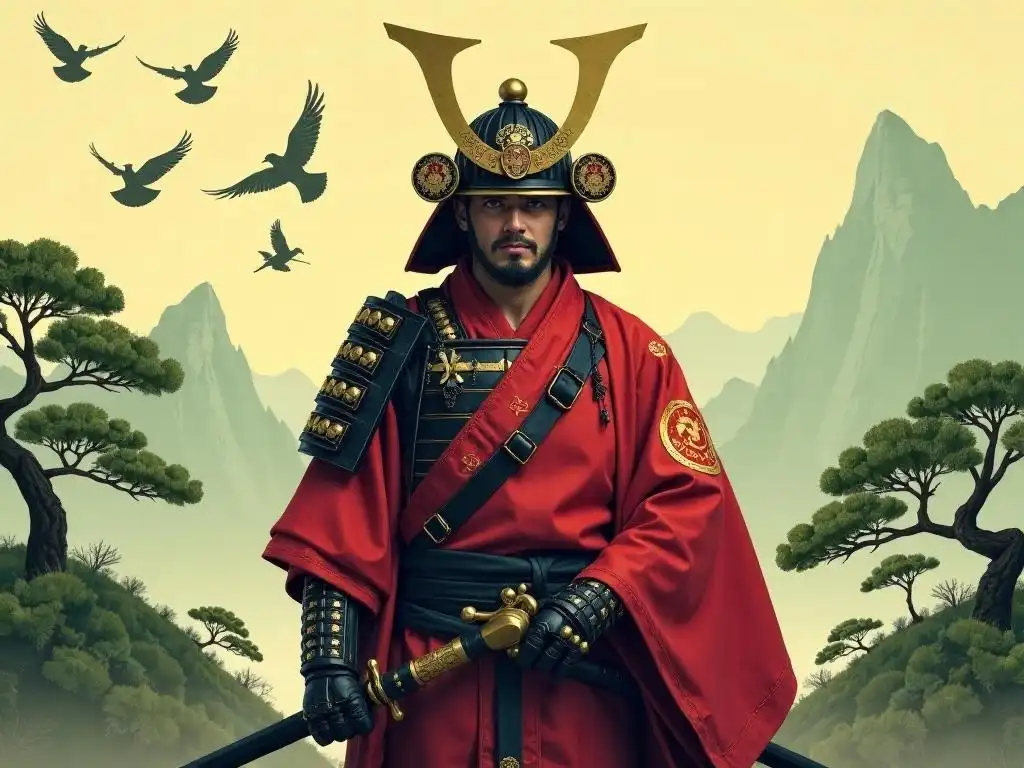
Similarities and Differences with European Knightly Codes
The Samurai honor ethics in battles share both similarities and differences with the codes adhered to by European knights during the medieval period. Both warrior classes were bound by a code of conduct that prioritized honor and bravery; however, the nuances of these codes reflect their unique cultural backgrounds.
Similarities:
- Chivalric Values: Both Samurai and knights emphasized virtues such as bravery, loyalty, and honor. The concept of bushido (the way of the warrior) in Japan parallels the code of chivalry in Europe, which outlined the conduct expected of knights.
- Loyalty to Lords: In both cultures, loyalty to a feudal lord was paramount. Samurai served their daimyō with unwavering fidelity, while knights pledged their allegiance to their liege lord, often at great personal risk.
- Valiant Combat: Engaging in battle with courage and honor was esteemed in both traditions. Acts of valor on the battlefield were celebrated, and both Samurai and knights sought to earn glory through their martial prowess.
Differences:
- Cultural Context: The Samurai code was deeply intertwined with Zen Buddhism and Shinto beliefs, which emphasized harmony and self-discipline. In contrast, the knightly code was influenced by the Christian doctrine, which introduced moral dilemmas regarding warfare, such as the justification of fighting for the faith.
- Social Mobility: Samurai could rise through the ranks based on merit and skill, while knightly status was often hereditary. This difference shaped the dynamics of loyalty and service within each warrior class.
- Approach to Warfare: Samurai were trained in a variety of martial arts and were known for their mastery of the katana, while knights were heavily armored cavalrymen who relied on mounted combat and the use of lances. This divergence in combat styles also influenced their respective codes of honor, as Samurai valorized individual skill, while knights often emphasized collective action in battle.
Influence of Chinese Military Ethics on Samurai Practices
The development of Samurai honor ethics was significantly influenced by Chinese military philosophy and ethical systems, particularly during the Heian and Kamakura periods. This influence can be observed in several key areas:
Confucianism and Loyalty
- Hierarchical Relationships: Confucian ideals of hierarchy and loyalty found their way into Samurai culture. The importance of loyalty to one’s lord, a central tenet of bushido, mirrors Confucian values that stress the significance of social relationships and obligations.
- Moral Conduct: The emphasis on moral behavior and ethical governance in Confucian teachings influenced Samurai beliefs about just warfare. Samurai were expected to conduct themselves with integrity, reflecting the Confucian ideal of righteousness.
Military Texts
- Adoption of Chinese Texts: Samurai leaders often studied Chinese military texts, such as Sun Tzu's The Art of War, which emphasized strategy, deception, and the psychological aspects of warfare. These principles became integral to Samurai tactics and their approach to honor in combat.
- Strategic Ethics: The strategic teachings from Chinese sources informed Samurai ethics, particularly the importance of strategy over sheer brute force. This perspective encouraged Samurai to approach battles with a balance of honor and pragmatism, fostering a deeper understanding of the art of war.
Rituals and Ceremonies
- Ritualistic Combat: The ceremonial aspects of combat, including the concept of dueling and the formalities surrounding it, were influenced by Chinese traditions. Samurai often engaged in ritualistic battles that emphasized honor over mere victory, reflecting the aesthetic and ethical dimensions derived from Chinese practices.
While the Samurai code of honor in battles has its unique characteristics, its development was undoubtedly shaped by both Western knightly codes and Eastern philosophical traditions, particularly those of China. Understanding these influences provides a richer context for the study of Samurai honor ethics in battles and their role in shaping the ethos of Japan's feudal era.
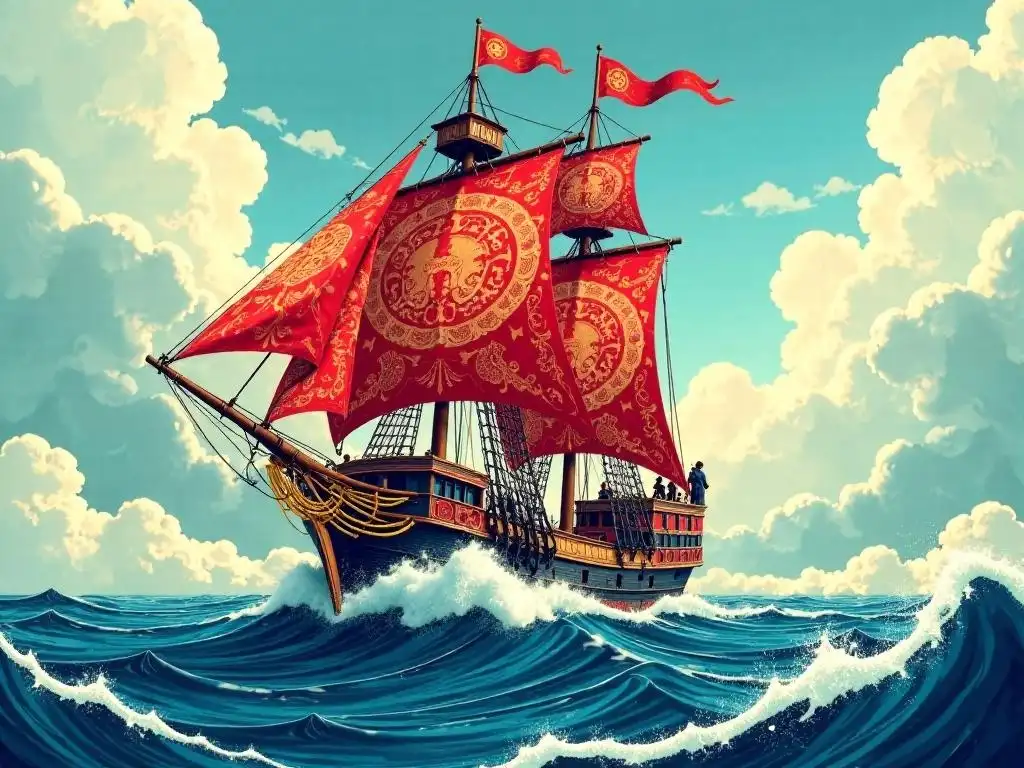
The Samurai code, known as Bushido, has had a profound influence on various aspects of Japanese society, extending into modern military practices, particularly in naval warfare. The principles of honor, loyalty, and ethical conduct that guided samurai warriors continue to resonate within contemporary naval strategies, emphasizing the importance of integrity and discipline among naval officers and crew.
Historically, the samurai's adherence to honor often dictated their actions in battle, prioritizing the collective good over individual gain. This framework of ethics laid the groundwork for modern military conduct, where the concepts of leadership, respect, and duty remain paramount. As naval forces evolve, these core values rooted in samurai ethics are increasingly integrated into training programs and operational protocols.
How Samurai Ethics Influence Contemporary Military Practices
The rich traditions of samurai ethics have shaped various facets of military practices today. For instance, many naval academies incorporate teachings from Bushido into their curricula, highlighting the significance of ethical decision-making in high-pressure situations. Some key influences include:
- Discipline and Training: Just as samurai trained rigorously in martial arts, modern naval personnel undergo extensive training to develop physical and mental resilience. This discipline mirrors the samurai's commitment to mastery and self-improvement.
- Leadership and Responsibility: Samurai leaders were expected to embody honor and serve as role models. Contemporary naval officers are similarly held to high standards of leadership, where ethical behavior is critical to maintaining morale and cohesion among crew members.
- Strategic Decision-Making: Samurai ethics emphasize the importance of considering the broader implications of one's actions. In modern naval operations, strategists often weigh the potential consequences of military engagements, reflecting the samurai's commitment to protecting their homeland and people.
Moreover, the concept of seppuku (ritual suicide) among samurai, when faced with disgrace, translates into modern military accountability. Contemporary naval forces have established strict codes of conduct, ensuring that personnel are held accountable for their actions, thus reinforcing the legacy of honor established by the samurai.
In today's geopolitical climate, the principles of samurai honor remain relevant as navies navigate complex international waters. The ethical considerations instilled by the samurai code influence modern naval strategies in several ways:
- Rules of Engagement: Modern naval forces adhere to international laws and conventions, which echo the samurai's commitment to honorable warfare. This includes minimizing civilian casualties and adhering to treaties, reflecting the samurai's respect for life and duty.
- Conflict Resolution: The samurai valued diplomacy as a means to resolve disputes before resorting to battle. Today’s naval strategies often prioritize diplomatic solutions and coalition-building to avert conflicts, embodying the spirit of the samurai’s approach to warfare.
- Crisis Management: The samurai's focus on loyalty and duty extends into contemporary crisis management within naval operations. Teams are trained to respond cohesively to emergencies, ensuring that the principles of honor guide their actions in high-stress situations.
Ultimately, the enduring legacy of samurai honor ethics continues to shape modern naval warfare, serving as a guiding light for military personnel committed to ethical conduct, leadership, and strategic decision-making. As the world evolves, the integration of these timeless principles remains crucial in fostering a culture of integrity and respect within naval forces, ensuring that the lessons from Japan's feudal era are not forgotten.
Conclusion: The Lasting Impact of Samurai Honor Ethics in Battles
The influence of samurai honor ethics in battles extends far beyond the confines of feudal Japan. These principles, rooted deeply in Bushido—the way of the warrior—shaped not only military engagements but also the cultural fabric of Japanese society. The emphasis on honor, loyalty, and courage has left an indelible mark on Japan's national identity and continues to resonate in contemporary discussions about ethics in warfare.
The samurai's approach to naval battles encapsulated these values, where victory was often deemed secondary to demonstrating integrity and valor. This unique perspective on warfare fostered a sense of duty and responsibility among warriors, impacting how conflicts were conducted and viewed by society. Even in defeat, a samurai's adherence to honor could elevate their legacy, illustrating that the manner in which one engages in battle is as crucial as the outcome itself.
Reflection on the Importance of Honor in Warfare
The concept of honor in warfare as exemplified by the samurai remains relevant in modern military ethics. The samurai code advocated for principles such as respect for opponents, fairness in combat, and protection of the innocent. These ideals contrast sharply with the often brutal realities of warfare, where the fog of war can lead to actions that compromise ethical standards.
In naval engagements, the samurai's commitment to honor meant that battles were fought not just with skill but also with a sense of moral obligation. For instance, during the Battle of Dan-no-ura in 1185, the samurai demonstrated not only tactical prowess but also a profound respect for the fallen, as illustrated by the post-battle rituals that honored the spirits of defeated warriors.
Reflecting on these practices allows a deeper understanding of how military forces can maintain ethical standards even amidst chaos. As nations grapple with modern warfare's complexities, the lessons of samurai honor ethics serve as a reminder of the significance of maintaining integrity in battle.
The exploration of samurai honor ethics in battles presents numerous avenues for future research. Scholars could delve into comparative studies that examine how these principles were adopted or adapted in other cultures and military traditions. For instance, contrasting samurai ethics with Western chivalric codes could reveal insights into different conceptualizations of honor in warfare.
Additionally, examining the evolution of these ethical frameworks over time, especially during significant naval conflicts like the Sengoku period, could provide a richer understanding of how historical circumstances influenced samurai behavior and decision-making.
Future studies could also investigate how contemporary military forces draw inspiration from the samurai ethos. This could include analyzing modern codes of conduct and ethical training programs that seek to instill values reminiscent of the samurai tradition, thereby ensuring that honor remains a guiding principle in military operations today.
The legacy of samurai honor ethics in naval battles is not merely a relic of the past but a vibrant topic of inquiry that continues to inform contemporary discussions on military ethics and conduct in warfare. By engaging with these themes, we can cultivate a deeper appreciation for the intricate interplay between honor, ethics, and the art of war.
Frequently Asked Questions
What is the Samurai Code?
The Samurai Code, also known as Bushido, represents the ethical principles and honor that guided the samurai's behavior, especially during battles. It emphasized values like loyalty, courage, and respect.
How did honor influence samurai battles?
Honor was a crucial aspect of a samurai's identity; it dictated their actions in battle. Samurai believed that fighting with integrity and valor was essential to maintaining their reputation and fulfilling their obligations.
In naval battles, samurai ethics governed not just combat tactics but also how samurai treated their enemies and allies. Adhering to these ethical standards was vital for preserving honor in the chaos of warfare.
Were there any consequences for dishonoring the samurai code?
Yes, violating the Samurai Code could lead to severe consequences, including loss of status, social ostracism, or even ritual suicide (seppuku) to restore honor. Maintaining one's integrity was paramount.
How does the concept of honor in samurai battles compare to modern warfare?
While modern warfare has different ethical frameworks, the essence of honor remains significant. Today, military codes of conduct still emphasize principles like respect, integrity, and accountability, similar to the samurai ideals.
The principles of honor and ethics embodied by the samurai resonate profoundly in today's world, where the complexities of conflict demand a moral compass. The samurai code, or Bushido, serves as a timeless reminder that even in the heat of battle, integrity and respect must prevail. As we navigate modern conflicts—whether on the battlefield or in our daily lives—the lessons of the samurai urge us to uphold our values amidst chaos and uncertainty.
Culture and society continue to be shaped by the ideals of honor and ethics, particularly in the context of warfare and competition. The samurai's commitment to their principles not only influenced their own battles but also left an indelible mark on the collective consciousness of nations. As we reflect on this legacy, we are reminded of the words of the philosopher Sun Tzu: In the midst of chaos, there is also opportunity.
This quote encapsulates the essence of finding honor even in tumultuous times, encouraging us to seek ethical paths in our own struggles.
As you ponder the teachings of the samurai, I invite you to consider how you can embody these values in your life. Reflect on your own battles—be they personal, professional, or societal—and strive to approach them with the same honor and ethics that defined the samurai. By doing so, you not only honor their legacy but also contribute to a world where integrity and respect guide our actions, fostering a more just and compassionate society for generations to come.
Embrace the Bushido Spirit Today!
Thank you for diving into the fascinating world of the Samurai Code and its profound impact on naval battles! We hope you were inspired by the deep-rooted values of honor and ethics that shaped the warriors of feudal Japan. Now, it’s time to take action and integrate these timeless principles into your own life.
Here’s how you can channel the spirit of the samurai:
- Reflect on your personal code: Take a moment to write down the values that guide your decisions and actions. Consider how you can embody honor in your daily life.
- Share this newfound knowledge: Discuss the importance of ethics in modern contexts with friends or on social media. Initiate conversations about how ancient wisdom can enhance today’s decision-making!
- Explore samurai literature: Delve deeper into texts that capture the essence of bushido. Consider picking up a book like Hagakure to gain insights into the samurai way of life.
As you reflect on these actions, think about this: How can the principles of honor and ethics from the samurai way influence your decisions in today’s fast-paced world? We’d love to hear your thoughts!