
The Samurai's Spiritual Weapons: Rituals and Beliefs in Warfare

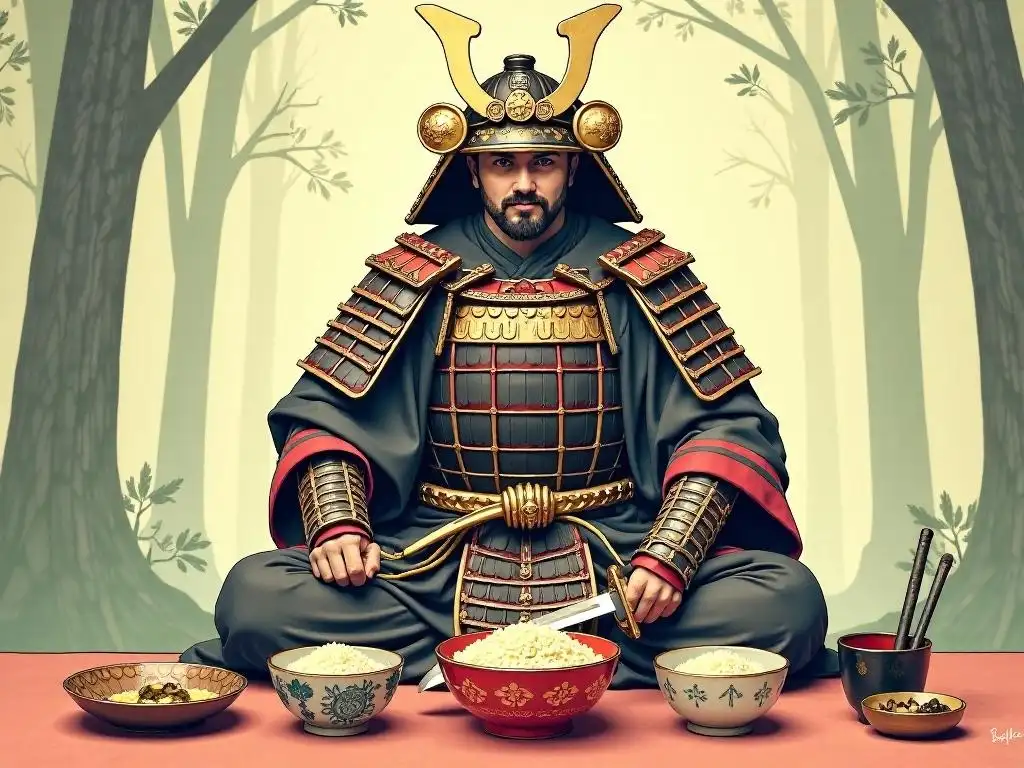
Welcome to Feudal Japan History, where we invite you to journey through the captivating world of Japan's feudal era. Here, we delve deep into the intricate tapestry of historical, cultural, and societal elements that shaped this remarkable period. Our feature article, "The Samurai's Spiritual Weapons: Rituals and Beliefs in Warfare," uncovers the fascinating samurai warfare rituals and beliefs that transcended mere combat, intertwining spirituality with strategy.
Prepare to be intrigued as we explore how these formidable warriors balanced their martial prowess with profound spiritual convictions. Join us as we unveil the secrets of the samurai and the legacy they left behind—your adventure awaits!
Introduction to Samurai Warfare Rituals and Beliefs
The samurai, the warrior elite of feudal Japan, were not just formidable fighters; they were also deeply spiritual individuals whose beliefs and rituals profoundly influenced their approach to warfare. This article delves into the intricate tapestry of samurai warfare rituals and beliefs, exploring how these spiritual dimensions shaped their combat strategies, morale, and identity.
Understanding these rituals offers a comprehensive insight into the samurai's psyche, revealing the ways in which spirituality and martial prowess intertwined in the context of Japan's feudal era. By examining the nuances of samurai culture, we can appreciate the profound respect for life and death that characterized their approach to warfare.
Overview of Samurai Culture and Spirituality
Samurai culture was steeped in a unique blend of Shinto, Buddhism, and Confucianism, all of which contributed to the samurai's worldview. Central to their beliefs was the concept of bushido, or "the way of the warrior," which emphasized virtues such as honor, loyalty, and courage. This code not only dictated their behavior in battle but also influenced their spiritual practices.
- Shinto Influence: The samurai believed in the spiritual essence of their ancestors and the kami (gods) of nature. Rituals often included offerings and prayers to ensure divine protection during battles.
- Buddhism's Role: The teachings of Buddhism, particularly Zen, emphasized mindfulness and mental clarity. Many samurai practiced meditation to prepare for the psychological demands of warfare.
- Confucian Principles: The samurai also adhered to Confucian ideals of hierarchy and duty, which shaped their relationships with their lords and fellow warriors.
Through this rich spiritual framework, samurai warriors cultivated a profound sense of purpose and belonging, which was crucial in the chaos of battle.
Importance of Rituals in Samurai Warfare
Rituals played a pivotal role in samurai warfare, serving various functions that went beyond mere superstition. These practices were vital for:
- Psychological Preparation: Rituals helped samurai mentally prepare for the rigors of combat, instilling confidence and a sense of calm.
- Creating Unity: Shared rituals fostered camaraderie among warriors, strengthening bonds and ensuring cohesion during conflicts.
- Appeasing Spirits: Many rituals aimed to honor the spirits of the fallen and seek blessings for victory, highlighting the samurai's reverence for life and death.
The significance of these rituals is underscored by the belief that a well-prepared spirit could tip the scales in battle, making them just as essential as physical training and weaponry.
Historical Context of Samurai Warfare Rituals
To fully grasp the samurai's spiritual weapons, it is essential to understand the historical context in which these rituals developed. The evolution of warfare in feudal Japan was marked by significant changes that shaped samurai beliefs and practices.
The Evolution of Warfare in Feudal Japan
Feudal Japan witnessed a transformation in warfare strategies from the 12th to the 19th centuries. The rise of the kamakura and ashikaga shogunates introduced new military tactics and technologies, necessitating adaptations in samurai beliefs.
- Early Conflicts: The Genpei War (1180-1185) marked a shift from clan-based skirmishes to large-scale battles, where ritualistic practices began to intertwine with military strategies.
- Muromachi Period Changes: The introduction of firearms during the Muromachi period challenged traditional samurai combat styles, leading to the incorporation of new rituals aimed at retaining morale and focus in the face of evolving warfare dynamics.
As warfare evolved, so too did the rituals that accompanied it, reflecting the samurai's ability to adapt while maintaining their spiritual roots.
Key Historical Events Influencing Samurai Beliefs
Throughout Japan's feudal history, several pivotal events shaped the spiritual landscape of samurai warfare:
- The Onin War (1467-1477): This conflict highlighted the need for rituals that emphasized honor and legacy, as samurai sought to preserve their family's reputation amidst widespread chaos.
- The Sengoku Period (1467-1603): Known as the "Age of Warring States," this era saw the rise of powerful warlords and intensified competition, leading to the development of complex rituals to ensure victory and divine favor.
Each of these historical moments contributed to the evolving tapestry of samurai warfare rituals and beliefs, reflecting the warriors' constant quest for meaning amidst the brutality of battle.
Through this exploration, we can begin to understand the profound impact of samurai warfare rituals and beliefs on the warriors themselves and the broader societal context of feudal Japan. The following sections will delve deeper into specific rituals, their meanings, and how they influenced the outcomes of battles and the lives of those who fought them.
Core Spiritual Beliefs Guiding Samurai Warfare
The spiritual beliefs that guided samurai warfare were deeply rooted in Japan's cultural and historical context. At the heart of these beliefs was the understanding that warfare was not merely a physical confrontation but a manifestation of spiritual and moral principles. Samurai adhered to a code of conduct that emphasized honor, loyalty, and courage, which were intertwined with their spiritual practices. This blend of martial prowess and spiritual dedication created a unique paradigm in which the warrior's actions in battle were seen as a reflection of their inner virtues.
Central to these beliefs was the concept of Kami, or spirits, which were believed to inhabit natural elements and ancestral figures. The samurai viewed their battles as a way to honor these spirits, seeking their favor and guidance. This connection underscored the importance of maintaining purity in both action and thought, as any form of dishonor could not only affect the samurai's standing in society but also the spiritual balance that governed their existence.
The Role of Bushido in Samurai Warfare
Bushido, often translated as "the way of the warrior," served as the ethical framework for samurai society. This code was not merely a set of rules; it was a way of life that dictated how samurai interacted with each other and the world around them. Its principles included loyalty, honor, and self-discipline, which formed the backbone of samurai identity and behavior during warfare.
In the context of warfare, Bushido emphasized the importance of fighting with integrity and bravery. Samurai were taught to face their opponents without fear and to uphold their honor at all costs. This code also influenced their decisions on the battlefield, encouraging them to engage in combat only when it served a higher purpose or the greater good. The commitment to Bushido not only shaped individual samurai but also influenced entire clans and their strategies in warfare, as loyalty to one's lord was paramount.
Shintoism and Its Influence on Samurai Rituals
Shintoism, the indigenous spirituality of Japan, played a crucial role in shaping the rituals of the samurai. The belief in Kami and the importance of rituals to appease these spirits were integral to samurai life. Rituals performed before, during, and after battles often included offerings to the Kami, prayers for victory, and purification ceremonies to ensure that the warriors entered combat with a clear spirit.
These rituals served not only to seek divine favor but also to prepare the samurai mentally and spiritually for the challenges ahead. The act of honoring the spirits reinforced the connection between the samurai's martial activities and their spiritual beliefs, creating a profound sense of purpose in their actions. As such, Shintoism was not just a backdrop to samurai warfare; it was a vital element that infused every aspect of their martial practices.
The Concept of Honor and Its Impact on Samurai Actions
Honor was a paramount concept in samurai culture, directly impacting their actions both on and off the battlefield. To a samurai, personal and familial honor were intertwined, shaping their motivations in warfare. Engaging in battle was often seen as a means to uphold one's reputation and that of their clan. Acts of bravery and skill were not just tactics; they were demonstrations of character and integrity.
The consequences of dishonor were severe. A samurai who failed to live up to the ideals of their code could face social ostracism or even commit seppuku (ritual suicide) to restore their honor. This intense focus on honor influenced samurai strategies and decisions, often leading them to engage in battles that might seem imprudent by modern standards, but were viewed as necessary to maintain their standing and dignity.
Rituals Associated with Samurai Warfare
Rituals were an intrinsic part of samurai warfare, serving to fortify the spiritual and mental readiness of the warriors. These practices were categorized into three phases: pre-battle, in-battle, and post-battle rituals, each designed to align the samurai with their spiritual beliefs and ethical codes.
Pre-Battle Rituals: Preparation and Spiritual Readiness
Before engaging in battle, samurai participated in various rituals to prepare themselves spiritually and mentally. These rituals often included purification ceremonies, where warriors would cleanse themselves to rid their minds and bodies of any impurities. This was seen as essential for ensuring that they were in the right state to engage with the Kami and seek their blessings.
Additionally, samurai would often perform prayers and offerings to the Kami, asking for guidance and protection during the upcoming confrontation. These acts were not only about seeking favor but also about reinforcing their commitment to their code of honor and the moral implications of their actions.
In-Battle Rituals: Spiritual Practices During Combat
During combat, samurai engaged in specific rituals that were intended to maintain their focus and spiritual connection. This included invoking the names of their ancestors or the Kami, which served as a reminder of their duty and the weight of their actions. Some samurai would even carry talismans or scrolls inscribed with prayers, believing that these objects provided protection and enhanced their abilities in battle.
Moreover, the act of fighting itself was often seen as a sacred duty. The samurai viewed each encounter as a way to prove their honor and skill, reinforcing their spiritual connection to the act of warfare. This mindset transformed the battlefield into a space not just of violence, but of spiritual significance.
Post-Battle Rituals: Reflection and Honor
After the battle, samurai engaged in rituals of reflection and honor to process their experiences and cleanse their spirits. These rituals often included thanksgiving ceremonies, where warriors expressed gratitude to the Kami for their guidance and safety during the fight. Acknowledging the fallen, both allies and enemies, was also crucial, as it demonstrated respect for the cycle of life and death.
Additionally, samurai would reflect on their actions during battle, assessing their conduct against the ideals of Bushido. This introspection was essential for personal growth and maintaining honor, as it allowed samurai to learn from their experiences and ensure that their future actions aligned with their spiritual beliefs and ethical standards.
The Role of Weapons as Spiritual Tools
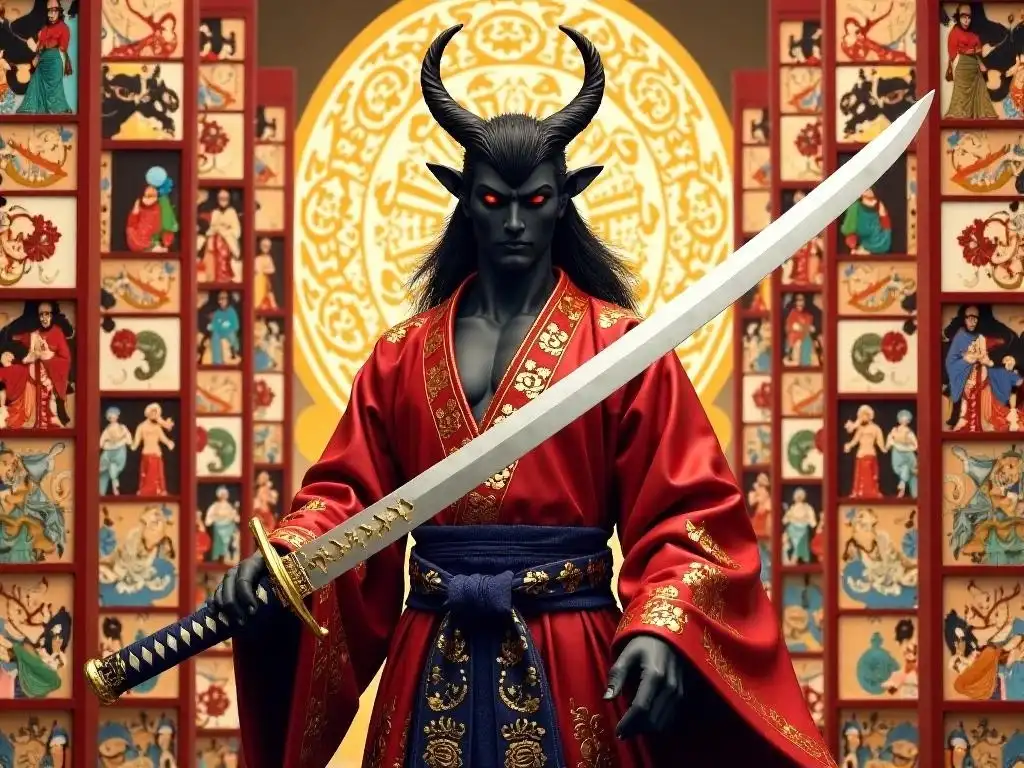
In the context of Samurai warfare, weapons transcended their physical utility; they were considered spiritual instruments imbued with deep meaning. The Samurai believed that their weapons, especially the katana, were extensions of their soul and embodied their honor and spirit. This belief system established a unique connection between the Samurai and their tools of war, making the act of wielding them a sacred duty.
Weapons were often treated with the utmost respect, undergoing various rituals to ensure they were charged with the Samurai's spirit. This included ceremonies for purification and blessings, which were believed to enhance the weapon's effectiveness in battle. The process was not merely about physical preparation but also about mental and spiritual alignment, creating a holistic approach to warfare that integrated body, mind, and spirit.
Moreover, the Samurai engaged in rituals that celebrated the weapon itself, such as the practice of "Tachi Uchi no Sato," which involved the ceremonial drawing of the sword. This ritual emphasized the importance of readiness and the psychological state of the warrior, reinforcing the belief that a well-prepared mind could channel the weapon's spiritual power more effectively.
Symbolism of the Katana in Samurai Beliefs
The katana, often referred to as the "soul of the Samurai," epitomizes the spiritual relationship between the warrior and his weapon. Its design, with a curved blade and distinctive hilt, was not just for practicality; it represented the balance between life and death, embodying the Samurai's commitment to their code of honor, known as Bushido.
In Samurai philosophy, the katana symbolized purity, precision, and the warrior's resolve. The act of drawing the sword was steeped in ritual, often accompanied by specific incantations and meditative practices that focused the warrior's intent and energy. This connection between the Samurai and their katana was further emphasized in the way they cared for their weapons, with elaborate rituals for cleaning and maintaining the blade, ensuring it remained as sharp in spirit as it was in physical form.
Additionally, the katana was often a part of significant life events, such as coming-of-age ceremonies or funerals, where it represented the transition of the soul and the honor of the Samurai. The blade was viewed not just as a weapon but as a vessel of spiritual energy that could influence outcomes in warfare and life, solidifying its status as a sacred object in Samurai culture.
The Ritualistic Use of Other Weapons in Warfare
While the katana held a place of prominence, other weapons in the Samurai arsenal also possessed spiritual significance and were used in various rituals. Weapons such as the yumi (longbow) and the naginata (polearm) were integral to Samurai warfare and were treated with equal reverence.
The yumi, for example, was often involved in shinto rituals, where archery was viewed as a means of connecting with the divine. Samurai archers performed the "Kyudo" practice, which emphasized both precision and spiritual focus. This practice was seen as a way to cultivate inner peace and sharpen one’s spirit, ensuring that every arrow released was imbued with intention and direction.
The naginata, on the other hand, was associated with the female warriors known as Onna-bugeisha. Rituals surrounding the naginata often highlighted themes of protection and nurturing, reflecting the duality of the weapon's purpose. These rituals could include ceremonial dances and blessings, emphasizing the bond between the warrior and their weapon while reinforcing the belief that the weapon's efficacy was linked to the warrior's spiritual state.
Case Studies: Notable Samurai Leaders and Their Rituals
The Ritual Practices of Miyamoto Musashi
Miyamoto Musashi, one of the most revered Samurai in Japanese history, is renowned not only for his unparalleled martial skills but also for his deep philosophical approach to combat. Musashi's rituals were deeply intertwined with his belief in the duality of life and death, and he emphasized the importance of spiritual preparedness.
Musashi practiced a unique form of combat known as "Niten Ichi-ryū," which he developed while reflecting on the spiritual aspects of warfare. He believed in the significance of meditation and self-reflection, often engaging in solitary practices that allowed him to connect with his inner self before a battle. His book, "The Book of Five Rings," details his philosophy, emphasizing the need for a clear mind and spiritual focus to harness the true potential of combat.
Additionally, Musashi engaged in rituals before duels, which included offerings to deities and invocations for strength and clarity. He viewed each confrontation not merely as a fight but as a spiritual test that required both physical prowess and mental fortitude. His approach to warfare was thus a meditation on life, death, and the honor of the Samurai.
The Spiritual Beliefs of Takeda Shingen
Takeda Shingen, a prominent warlord during Japan's Sengoku period, is known for his innovative strategies in warfare and his strong spiritual beliefs. Shingen's rituals were reflective of his commitment to the spiritual aspects of leadership and combat, often involving ceremonies to invoke divine favor before battles.
He was particularly famous for his use of the "Kōbō Daishi" ritual, which involved prayers and offerings to the Buddhist deity for protection and guidance. This practice underscored his belief that the success of his military campaigns was not solely reliant on strategy but also on spiritual alignment and divine support.
Moreover, Takeda Shingen's troops were known to engage in rituals that fostered camaraderie and spiritual connection among the warriors. These gatherings often included chanting, shared meals, and the ceremonial presentation of weapons, reinforcing the collective spirit and preparing the soldiers mentally for the challenges ahead. The rituals not only served to enhance morale but also cultivated a shared sense of honor and purpose, essential for a cohesive fighting force.
The spiritual dimensions of Samurai warfare rituals and beliefs are profound, emphasizing the intricate connections between weaponry, spirituality, and the warrior's ethos. Through these practices, Samurai leaders like Miyamoto Musashi and Takeda Shingen exemplified the ideal that true strength in battle is rooted in a deep understanding of one's spirit and the rituals that honor it.
The Legacy of Samurai Warfare Rituals and Beliefs
The legacy of samurai warfare rituals and beliefs extends far beyond the battlefield, permeating various aspects of Japanese culture and society. These rituals were not merely acts of superstition or tradition; they were integral to the samurai's identity, serving as a means to connect with their ancestors, their spiritual beliefs, and the very essence of bushido, the way of the warrior. Rituals such as the kido (prayers for victory) and shinto practices aimed to invoke divine protection and guidance, helping to establish a sense of purpose and resolve in the face of conflict.
Moreover, the samurai's commitment to rituals reinforced their social hierarchies and codes of conduct. The ceremonial aspects of warfare, including rituals of preparation and the honoring of the fallen, underscored the samurai's role as both warriors and custodians of culture. This duality continues to resonate today, as the principles of honor, loyalty, and discipline exemplified by the samurai have become embedded in the broader fabric of Japanese society.
Influence on Modern Japanese Culture
The influence of samurai warfare rituals and beliefs can be seen in various facets of modern Japanese culture, from literature and film to martial arts and even corporate practices. For instance, the samurai ethos of self-discipline and perseverance is often cited in motivational contexts, echoing the samurai's relentless pursuit of excellence.
Additionally, traditional practices such as kendo (the way of the sword) and iaido (the art of drawing the sword) not only serve as martial disciplines but also as avenues for spiritual growth and self-reflection, directly tracing their roots back to samurai warfare practices. The aesthetic elements of these practices, including the use of ritualistic movements and the emphasis on mental focus, are steeped in the spiritual beliefs of the samurai.
Movies and literature also play a significant role in perpetuating the samurai legacy. Films such as Akira Kurosawa's Seven Samurai highlight the moral dilemmas faced by warriors, while manga and anime often romanticize the samurai's noble qualities. This cultural portrayal reinforces the idea that the samurai were not merely fighters but also spiritual beings guided by profound beliefs and values.
The Continuing Impact of Samurai Ideals in Contemporary Society
In contemporary Japan, the ideals of the samurai continue to shape both personal and societal values. Concepts of loyalty, honor, and respect—central tenets of bushido—remain influential in various sectors, including business and education. The respect for hierarchy and the emphasis on teamwork in Japanese corporations can often be traced back to samurai traditions.
Furthermore, spiritual practices such as meditation and mindfulness, which have been revitalized in recent years, resonate deeply with the samurai's approach to mental fortitude and inner peace. These practices are reflective of the samurai's understanding of the mind-body connection, a concept that has gained prominence in modern wellness movements.
The fascination with samurai culture also plays a role in international perceptions of Japan. As global interest in Japanese culture continues to grow, the samurai serve as a symbol of the nation's rich heritage, embodying ideals that are admired worldwide. This ongoing fascination ensures that the legacy of samurai warfare rituals and beliefs remains relevant and influential.
Conclusion: The Enduring Significance of Samurai Warfare Rituals and Beliefs
The enduring significance of samurai warfare rituals and beliefs lies in their capacity to convey timeless lessons about honor, resilience, and spirituality. These practices reflect the complex relationship between the samurai and their environment, intertwining the physical act of warfare with profound spiritual significance. They serve as reminders that even in the harshest of conflicts, there exists a deeper purpose—a quest for meaning, connection, and transcendence.
Summary of Key Points
- Samurai warfare rituals were integral to the samurai's identity, helping to establish their purpose and resolve in battle.
- The influence of samurai beliefs is evident in modern Japanese culture, from martial arts to literature and film.
- Contemporary society continues to embrace samurai ideals, with concepts of loyalty, honor, and discipline shaping personal and professional values.
- The legacy of the samurai remains a powerful symbol of Japan’s cultural heritage and spiritual depth.
Final Thoughts on the Spirituality of Samurai Warfare
The spirituality embedded in samurai warfare rituals offers a profound perspective on the nature of conflict and the human experience. It encourages us to reflect on our own beliefs and values, urging us to seek purpose and meaning in our actions. The samurai's journey is not solely about physical prowess; it is also about the cultivation of the spirit, the pursuit of wisdom, and the commitment to ideals that transcend time. In understanding the samurai's spiritual weapons, we gain insights into our own potential for growth, resilience, and honor in the face of life's challenges.
- Introduction to Samurai Warfare Rituals and Beliefs
- Historical Context of Samurai Warfare Rituals
- Core Spiritual Beliefs Guiding Samurai Warfare
- Rituals Associated with Samurai Warfare
- The Role of Weapons as Spiritual Tools
- Case Studies: Notable Samurai Leaders and Their Rituals
- The Legacy of Samurai Warfare Rituals and Beliefs
- Conclusion: The Enduring Significance of Samurai Warfare Rituals and Beliefs
Frequently Asked Questions
What were the main rituals associated with Samurai warfare?
Samurai warfare involved several rituals such as purification, prayers, and offerings to deities. These practices were believed to enhance their spiritual strength and ensure victory in battle.
How did beliefs influence Samurai combat strategies?
Beliefs in concepts like honor, loyalty, and death shaped Samurai combat strategies. They often fought with a sense of destiny, viewing their actions as a reflection of their spiritual values.
What role did ancestor worship play in Samurai warfare?
Ancestor worship was crucial, as Samurai believed that the spirits of their ancestors would provide guidance and protection during battles. This connection was a driving force behind their courage and determination.
How did the Bushido code affect Samurai beliefs in warfare?
The Bushido code, emphasizing ethics and morality, greatly impacted Samurai beliefs. Adhering to this code meant that they approached warfare with a sense of duty and honor, rather than just seeking victory.
Were there specific spiritual weapons used by the Samurai?
Yes, Samurai considered their katana and other weapons as spiritual tools. They believed that these weapons were imbued with soul and spirit, making them integral to their identity and success in battle.
Final Reflection: The Enduring Legacy of Samurai Warfare Rituals and Beliefs
The rituals and beliefs surrounding samurai warfare are not just remnants of a bygone era; they resonate profoundly in today's world. In a time when conflict often seems devoid of meaning, the samurai's spiritual approach to warfare reminds us that honor, discipline, and a deep connection to one's purpose can transform the nature of battle itself. The samurai's commitment to their rituals underscores a fundamental truth: that the heart and mind must be aligned in the face of adversity.
Cultural narratives shaped by samurai beliefs continue to influence modern society, inspiring individuals to seek deeper meaning in their actions. The samurai's emphasis on ritual not only prepared them for physical confrontations but also instilled a sense of inner peace and clarity. As the philosopher Miyamoto Musashi once said, "> The ultimate aim of martial arts is not having to use them." This perspective invites us to reflect on how we approach our own challenges, urging us to cultivate resilience and mindfulness in our daily lives.
As we contemplate the lessons of the samurai, let us embrace the call to integrate their principles into our own journeys. Consider how you can apply the samurai's dedication to ritual and belief in your personal or professional life. Whether it’s through establishing your own practices for focus and discipline or fostering a sense of purpose in your endeavors, the spirit of the samurai offers a timeless guide. Reflect on your own "spiritual weapons" and how they can empower you to navigate the complexities of modern existence with honor and integrity.
Unleash the Spirit of the Samurai!
Thank you for exploring the fascinating world of the samurai's spiritual weapons and the profound rituals that shaped their beliefs in warfare. You’ve gained insights into a remarkable aspect of feudal Japan that is rich with meaning and tradition. Now, it's time to turn that knowledge into action!
Here’s how you can continue your journey:
- Immerse yourself in ritual: Practice a simple Japanese meditation or breathing exercise to connect with the samurai's spirit of focus and resilience.
- Share your insights: Discuss what you’ve learned with friends or on social media, inviting them to explore the significance of spirituality in history.
- Join a community: Engage in a local or online group dedicated to Japanese history or martial arts, fostering connections with like-minded enthusiasts.
What spiritual practices resonate with you, and how might they influence your life or decisions moving forward?