
From Training to Battle: The Lifecycle of Samurai Weapons

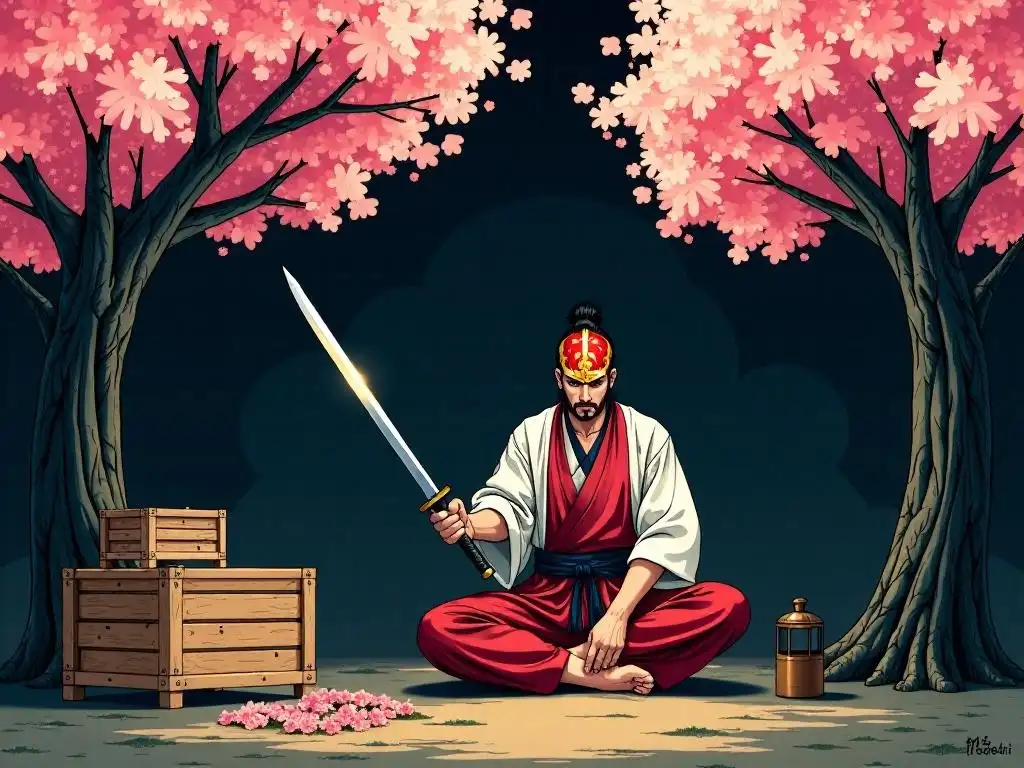
Welcome to Feudal Japan History, where we invite you to embark on a captivating journey through the intricate tapestry of Japan’s feudal era. In this realm of honor and skill, the lifecycle of samurai weapons stands as a testament to the artistry and rigor of martial tradition. Have you ever wondered how these iconic weapons were forged, trained with, and ultimately wielded in the heat of battle?
Dive into our featured article, "From Training to Battle: The Lifecycle of Samurai Weapons," and unravel the mysteries behind the craftsmanship and significance of these formidable tools of war. Your adventure into the heart of military history begins now—explore with us!
Introduction to the Lifecycle of Samurai Weapons
The lifecycle of samurai weapons is a fascinating journey that encapsulates the rich history, intricate craftsmanship, and cultural significance of these iconic artifacts in feudal Japan. From the initial design to the battles fought with them, samurai weapons—particularly the katana—are not merely tools of war; they represent the zenith of Japanese artistry and philosophy.
Understanding this lifecycle allows us to appreciate not only the historical context of these weapons but also the profound relationship between the samurai and their armaments. This article will explore the various stages involved in the lifecycle of samurai weapons, revealing the artistry and dedication that went into their creation and use.
Overview of Samurai Weaponry in Feudal Japan
Samurai weaponry during the feudal era of Japan was characterized by a unique blend of functionality and artistry. The iconic katana, with its curved blade and distinctive tsuba (guard), stands as a symbol of the samurai's honor and skill. However, the samurai arsenal extended beyond just swords.
- Key Weapons:
- Katana: The primary weapon, known for its sharpness and strength.
- Wakizashi: A shorter sword often paired with the katana, used in close combat.
- Tanto: A dagger that served both as a weapon and a tool.
- Bows and Arrows: Used for ranged attacks, showcasing the versatility of samurai warfare.
Each weapon was crafted with precision, reflecting the samurai's dedication to their martial practices and the philosophies of bushido, the way of the warrior.
Importance of Understanding the Lifecycle of Samurai Weapons
Understanding the lifecycle of samurai weapons is crucial for several reasons:
- Cultural Significance: These weapons are not just historical artifacts; they embody the values and traditions of the samurai class.
- Craftsmanship Appreciation: The intricate processes involved in weapon creation highlight the skills of artisans and the importance of their trades in society.
- Military Evolution: Analyzing the lifecycle sheds light on how warfare evolved in Japan, influenced by technological advancements and changing tactics.
By delving into the lifecycle, we gain insights into the broader historical and cultural tapestry of feudal Japan.
The Stages of the Lifecycle of Samurai Weapons
The lifecycle of samurai weapons can be broken down into several critical stages, each representing a unique aspect of their creation and use.
1. Design and Craftsmanship of Samurai Weapons
The journey of a samurai weapon begins with its design. Craftsmen, often referred to as tatara (smiths), would draw inspiration from nature, spirituality, and functionality. The design process involved:
- Sketching Concepts: Artisans would illustrate their ideas, considering both aesthetic and practical elements.
- Material Selection: Choosing high-quality steel was vital, as it determined the weapon's performance and durability.
- Balancing Form and Function: Weapons were crafted to be both effective in battle and beautiful, reflecting the samurai's status.
This meticulous design phase laid the groundwork for the subsequent crafting of the weapon.
2. Forging Techniques and the Art of Swordsmithing
Once the design was finalized, the weapon moved into the forging phase, where the art of swordsmithing truly came to life. This stage involved:
- Heating and Hammering: The steel was heated to a malleable temperature and hammered into shape, a process that requires immense skill and precision.
- Differential Hardening: A technique used to create a hard edge while maintaining a flexible spine, essential for a functional blade.
- Polishing and Finishing: The final touches included polishing the blade to a mirror finish, enhancing its beauty while ensuring its effectiveness.
The craftsmanship exhibited during this stage is what ultimately defines the quality and efficacy of samurai weapons.
3. Training with Samurai Weapons
With the weapons crafted, the next stage in their lifecycle involves the rigorous training of samurai warriors. Mastery of these weapons was crucial for survival and honor in battle. Key elements of training included:
- Kata Practice: Pre-arranged forms practiced to develop muscle memory and technique.
- Sparring: Engaging in controlled combat with other samurai to refine skills and tactics.
- Mental Discipline: Training also encompassed the mental aspects of warfare, emphasizing focus, strategy, and the samurai code.
This dedication to training ensured that samurai were not just proficient with their weapons but also embodied the spirit of the warrior.
The lifecycle of samurai weapons is a testament to the artistry, dedication, and significance of these remarkable tools in feudal Japan. Each stage, from design to battle, contributes to our understanding of the samurai's legacy and their indelible mark on history.
Transitioning from Training to Battle
The transition from training to battle for samurai warriors marked a significant moment in their lifecycle, where the skills honed in practice were put to the ultimate test. During their training, samurai focused extensively on mastering various weapons, particularly the katana. This involved not only learning the physical techniques but also understanding the mental aspects of combat, such as strategy and discipline. The rigorous training routines often included sparring, weapon drills, and kata (pre-arranged forms) that allowed samurai to simulate real battle scenarios.
As samurai prepared to enter battle, their weapons underwent a meticulous inspection process. This ensured that each weapon, especially the katana, was in optimal condition. The samurai believed that their weapon was an extension of their soul, thus maintaining it was crucial for both practical and spiritual reasons. The transition was not merely a physical one; it was a profound psychological shift as warriors adopted a mindset geared towards combat, embracing the honor and responsibility that came with their role.
Preparing Samurai Weapons for Combat
Preparing samurai weapons for combat involved a series of carefully orchestrated rituals and practical steps. Before a battle, samurai would inspect their katana, tanto (dagger), and other weaponry for any signs of wear or damage. This included checking for chips in the blade, ensuring the hilt was secure, and confirming that the scabbard was free from obstructions. The process of cleaning and polishing the weapon was not just about functionality; it also held deep cultural significance, as it demonstrated respect for the weapon and its history.
In addition to physical maintenance, samurai often performed rituals to bless their weapons. These rituals could involve offerings to deities or ancestors, invoking a sense of divine protection over the weapon and its wielder. Furthermore, the samurai would ensure their equipment was organized systematically, with weapons easily accessible during combat. The preparation phase culminated in a mental readiness, where samurai would visualize their strategy and the role their weapons would play in the unfolding battle.
The Role of Samurai Weapons in Battle Strategy
Samurai weapons were integral not only as tools of warfare but as crucial components of battle strategy. The katana, revered for its sharpness and balance, was often used for quick, decisive strikes, embodying the samurai’s philosophy of precision and efficiency. In contrast, weapons like the naginata (polearm) and yumi (longbow) played vital roles in providing both reach and ranged capabilities on the battlefield.
The choice of weaponry was often dictated by the overall battle strategy. For instance, in open field engagements, samurai might favor ranged weapons to soften enemy lines before closing in for melee combat with their katanas. Additionally, the use of cavalry units armed with spears allowed for mobility and shock tactics, disrupting enemy formations. Samurai also relied on teamwork and formations, where the coordinated use of various weapons maximized their effectiveness in combat.
The Aftermath of Battle: Lifecycle Continuation
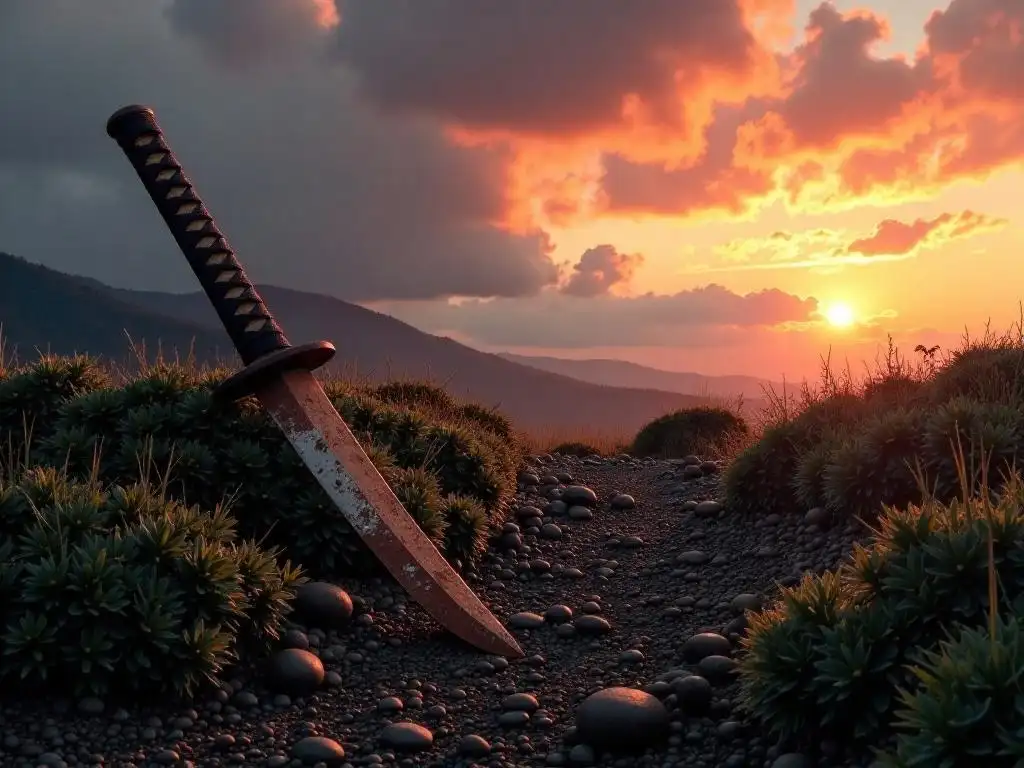
The aftermath of battle is a critical phase in the lifecycle of samurai weapons, as it determines their usability for future engagements. Post-battle, the condition of the weapons reflects the intensity of the conflict and the skill of the warrior. Proper assessment and maintenance after a battle are essential to ensure that weapons remain in fighting shape.
Post-Battle Maintenance of Samurai Weapons
Post-battle maintenance of samurai weapons is a meticulous process that reflects the samurai's dedication to their craft. After the chaos of battle subsides, each weapon is thoroughly examined for damage. This includes cleaning the blades to remove blood and debris, which not only prevents rust but also honors the weapon’s significance. Samurai would often use specialized tools for this maintenance, ensuring that the sharpness of the blade was preserved.
In cases where weapons sustained damage, skilled artisans known as tokkō would be called upon to perform repairs. This could involve re-tempering the blade or re-wrapping the hilt with new tsuka-ito (the fabric that wraps the handle) to ensure a secure grip. The weapons were then often re-blessed, reaffirming the spiritual connection between the samurai and their tools of war.
Legacy of Samurai Weapons in Modern Times
The legacy of samurai weapons transcends their original purpose, evolving into symbols of honor, craftsmanship, and cultural significance. In modern times, the craftsmanship of samurai swords, particularly the katana, is celebrated globally. Collectors and martial arts practitioners alike revere these weapons for their historical importance and the artistry involved in their creation.
Furthermore, the principles of bushido, or the samurai code, continue to influence contemporary martial arts and ethical conduct in various aspects of life. The craftsmanship of samurai weapons has also inspired modern weapon makers, who draw on traditional techniques while integrating modern materials and technologies. As such, the lifecycle of samurai weapons not only encapsulates their physical journey from creation through battle but also ensures their enduring legacy within Japanese culture and beyond.
Conclusion: The Enduring Legacy of the Samurai Weapons Lifecycle
The lifecycle of samurai weapons is a fascinating journey that intertwines craftsmanship, martial training, and cultural significance. From the moment a weapon is forged, it embodies the spirit and philosophy of the samurai, reflecting their dedication to mastery and honor. The intricate process of creating these weapons, including the selection of materials and the meticulous forging techniques, speaks volumes about the importance placed on quality and functionality. As these weapons transition through various stages—from training implements to instruments of battle—they not only serve practical purposes but also carry deep symbolic value within the context of samurai culture.
Today, the legacy of samurai weapons continues to resonate, influencing modern martial arts, weapon crafting, and even popular culture. The principles of discipline, respect, and the warrior ethos that these weapons represent remain relevant, inspiring contemporary practitioners and enthusiasts alike. As we reflect on the lifecycle of samurai weapons, we recognize their enduring impact on both historical and modern contexts, making them more than mere tools of war; they are cultural artifacts that connect us to Japan's rich feudal past.
Summary of Key Points on Samurai Weapon Lifecycle
- Forging and Materials: The lifecycle begins with the careful selection of materials, particularly steel, which is forged using traditional methods to produce high-quality blades.
- Training Tools: Weapons evolve from practical tools for training—such as bokken (wooden swords) and naginata—to finely honed blades used in actual combat.
- Role in Warfare: Samurai weapons played a pivotal role in battles, reflecting the skill and strategy of their wielders, while also symbolizing status and honor within the samurai class.
- Cultural Symbolism: Beyond their functionality, samurai weapons are imbued with cultural significance, embodying the values of bushido and the samurai way of life.
- Modern Influence: The legacy of these weapons endures today, influencing martial arts, weapon crafting, and popular media, ensuring that the samurai ethos continues to inspire future generations.
The Cultural Significance of Samurai Weapons Today
Samurai weapons have transcended their original purpose as tools of warfare to become symbols of Japanese heritage and artistry. Today, they are celebrated not only for their historical importance but also for their aesthetic qualities. Many modern martial arts practitioners study the techniques and philosophies associated with these weapons, fostering a deeper understanding of discipline, respect, and self-improvement.
In contemporary culture, samurai weapons frequently appear in films, literature, and art, often representing ideals of honor, loyalty, and the eternal struggle between good and evil. This cultural significance helps to preserve the samurai legacy, connecting people worldwide to Japan's feudal history. Additionally, collectors and enthusiasts often engage with these artifacts, seeking to understand their craftsmanship and the stories behind them, further enriching their appreciation of samurai culture.
Additional Resources on Samurai Weaponry and Military History
To further explore the lifecycle of samurai weapons and their historical context, consider the following resources:
Recommended Reading on the Lifecycle of Samurai Weapons
- "The Sword of the Samurai: The Classic Guide to Japanese Swordsmanship" by John M. Collins: This book provides an in-depth look at the techniques and philosophy behind samurai swordsmanship, exploring the lifecycle of the weapon.
- "Japanese Swords: Cultural Icons of a Nation" by Ian Bottomley: This text delves into the historical and cultural significance of Japanese swords, including their development and usage throughout history.
- "Samurai: The World of the Warrior" by Stephen Turnbull: A comprehensive overview of the samurai class, focusing on their weaponry, tactics, and the evolution of their martial culture.
Notable Documentaries and Films about Samurai Warfare
- "The Last Samurai" (2003): This film captures the essence of the samurai spirit and the transition of Japan from feudal society to modernity, featuring stunning battle scenes that highlight samurai weaponry.
- "Samurai: A History of Japan's Warrior Class": A documentary that explores the history of samurai culture, including their weapons, training, and the impact they had on Japanese society.
- "The Art of the Japanese Sword": This documentary focuses on the craftsmanship of traditional Japanese sword-making, offering insights into the lifecycle of these iconic weapons and their cultural significance.
These resources provide a deeper understanding of samurai weapons, their lifecycle, and the rich historical context surrounding them, making them invaluable for anyone interested in the military history of feudal Japan.
- Introduction to the Lifecycle of Samurai Weapons
- The Stages of the Lifecycle of Samurai Weapons
- Transitioning from Training to Battle
- The Aftermath of Battle: Lifecycle Continuation
- Conclusion: The Enduring Legacy of the Samurai Weapons Lifecycle
- Additional Resources on Samurai Weaponry and Military History
Frequently Asked Questions
What are the stages in the lifecycle of samurai weapons?
The lifecycle of samurai weapons typically includes design, forging, training, battle, and maintenance. Each stage is crucial for ensuring the weapon's effectiveness and longevity.
How were samurai weapons crafted?
Samurai weapons were often crafted using traditional techniques passed down through generations. Blacksmiths utilized high-quality steel and followed specific methods to achieve the desired strength and sharpness.
What role did training play in the use of samurai weapons?
Training was essential for samurai, as it ensured proper technique and handling of their weapons. Mastery was achieved through rigorous practice, which prepared them for the realities of battle.
How were samurai weapons maintained during their lifecycle?
Maintenance involved regular cleaning, sharpening, and repairing to prevent deterioration. Samurai understood that a well-maintained weapon was crucial for both performance and honor.
What is the significance of samurai weapons in Japanese culture?
Samurai weapons are symbols of honor, bravery, and skill within Japanese culture. They represent the warrior class and their values, embodying the spiritual and martial traditions of feudal Japan.
Final Reflection: The Enduring Legacy of the Lifecycle of Samurai Weapons
The lifecycle of samurai weapons is not merely a historical account; it is a profound testament to the artistry, discipline, and philosophy that shaped a warrior's existence. Today, as we navigate a world filled with rapid technological advancements and shifting cultural paradigms, the principles embodied in the creation, use, and preservation of these weapons resonate more than ever. The samurai's commitment to mastery and respect for their tools serves as a powerful reminder of the importance of dedication and purpose in our own lives.
Culture is a living tapestry woven from the threads of history, and the legacy of samurai weapons continues to influence modern martial arts, craftsmanship, and even our understanding of honor and duty. The meticulous process of forging a katana, for instance, reflects a deep connection to tradition and the relentless pursuit of excellence.
As the renowned samurai Miyamoto Musashi once said, "> The ultimate aim of martial arts is not having to use them." This quote encapsulates the essence of the samurai spirit, which transcends mere combat and invites us to consider how we can apply these values in our daily lives.
As you reflect on the lifecycle of samurai weapons, I encourage you to contemplate your own journey and the tools you wield in your life. What are the principles that guide your actions, and how can you cultivate a deeper respect for the craft of your own endeavors? Embrace the lessons of the samurai, and let their legacy inspire you to forge your path with intention, honor, and unwavering dedication. The battle may be different today, but the spirit of the samurai lives on in each of us.
Unleash Your Inner Warrior: Explore the Legacy of Samurai Weapons
Thank you for journeying with us through the fascinating evolution of samurai weapons! We hope you gained valuable insights into how these incredible tools reflect the artistry and resilience of their time. Now, it’s time to transform that knowledge into action!
- Dive deeper into the world of samurai! Discover more about specific types of weapons, their uses, and their significance in samurai culture on our website.
- Share your newfound knowledge! Engage in discussions about the history and lifecycle of samurai weapons with friends or fellow history enthusiasts, and inspire them to explore the rich heritage of Feudal Japan together.
- Join our community! Connect with others who are passionate about Feudal Japan by following us on social media, and participate in discussions surrounding historical artifacts.
What aspect of samurai weaponry captivates you the most—its design, craftsmanship, or its role in combat? We invite you to share your thoughts in the comments below!