
The Psychology of a Samurai Warrior: Fear, Courage, and Motivation


Welcome to Feudal Japan History, where we delve deep into the rich tapestry of Japan’s feudal era. Here, we invite you to explore the intricate layers of samurai warrior psychology insights, a captivating journey that reveals the fears, courage, and motivations that shaped these legendary figures. What drove a samurai to face insurmountable odds? What inner battles did they fight beyond the battlefield? Prepare to uncover profound truths that echo through time, compelling you to understand more about the remarkable world of the samurai. Dive in and let the exploration begin!
Introduction to Samurai Warrior Psychology Insights
The samurai warriors of feudal Japan represent not only a unique martial tradition but also a complex psychological framework that has fascinated historians, psychologists, and enthusiasts alike. Understanding the psychology of a samurai warrior involves delving into the intricate interplay of fear, courage, and motivation that drove these formidable fighters.
In a society defined by strict codes of honor (known as Bushido) and the constant threat of conflict, samurai were trained to master their emotions and cultivate resilience. Their psychological landscape was shaped by various factors, including cultural expectations, personal experiences, and the overarching philosophies of their time.
This exploration seeks to uncover the insights into samurai warrior psychology by examining how these warriors confronted fear, harnessed their courage, and found motivation in the face of adversity. By analyzing historical texts, literature, and accounts of samurai conduct, we can gain a deeper understanding of what it meant to be a warrior in feudal Japan.
Join us as we embark on a comprehensive journey through the mental fortitude of the samurai, revealing how their psychological insights can still resonate in today's world. From the art of battle to the principles of life, the samurai's approach to psychology offers timeless lessons on resilience and the human spirit.
- What is the main focus of the article "The Psychology of a Samurai Warrior"?
- How did fear impact samurai warriors according to the article?
- What role did courage play in a samurai's life?
- How does the article relate samurai psychology to modern concepts?
- What can readers learn about motivation from the samurai experience?
The Historical Context of Samurai Psychology
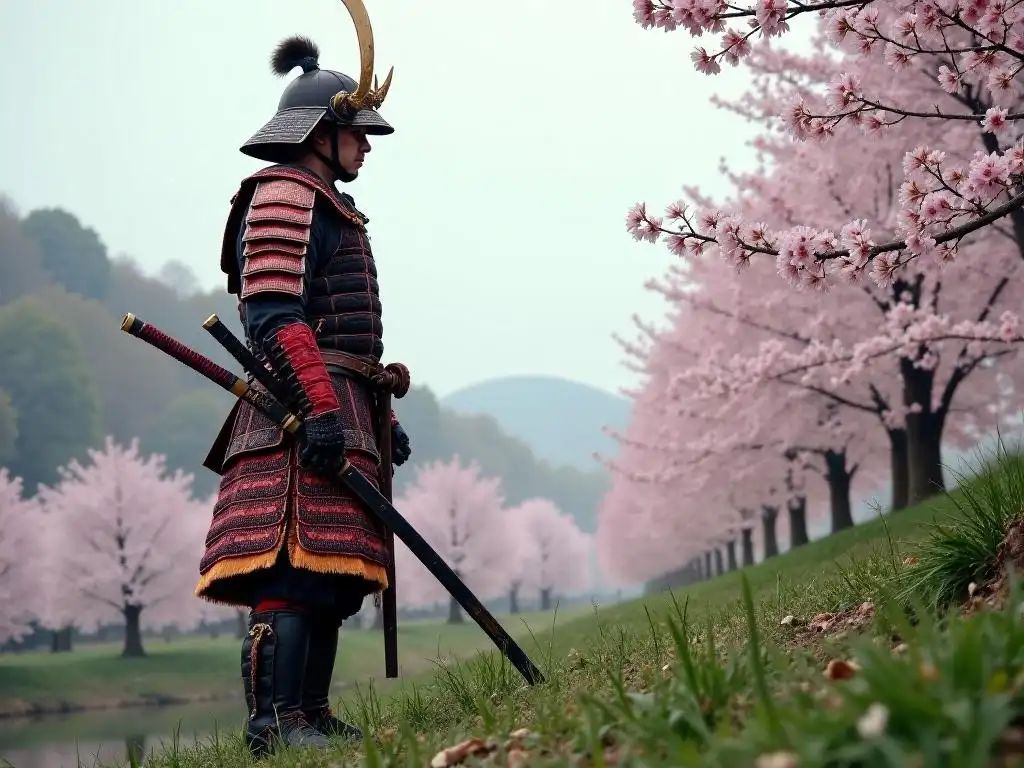
The psychology of the samurai warrior cannot be fully understood without examining the historical context in which they operated. The samurai were not merely warriors; they were part of a complex social structure that defined their motivations, fears, and courage. Their roles were deeply intertwined with the political and cultural fabric of feudal Japan, which spanned from the 12th to the 19th centuries.
The Role of Samurai in Feudal Japan
The samurai class emerged during the Heian period (794-1185), evolving from the need for military protectors of landowners. By the Kamakura period (1185-1333), they had solidified their status as the ruling military elite of Japan. Samurai were bound by a strict code of conduct known as Bushido, which emphasized virtues such as loyalty, honor, and discipline. This code shaped their psyche, instilling a sense of purpose and duty.
Samurai were expected to exhibit unwavering loyalty to their lords, which often meant putting their lives on the line. This expectation created a unique psychological strain, as the fear of dishonor loomed larger than the fear of death. The concept of “giri” (duty) and “on” (obligation) dictated their actions, often leading them to prioritize collective over individual interests.
Moreover, the samurai were trained from a young age in various martial arts and strategies, fostering a mindset that valued bravery and resilience. This rigorous training not only prepared them for combat but also cultivated a warrior spirit that often regarded fear as a potential catalyst for growth rather than a debilitating emotion. The samurai's relationship with fear was complex; it was both a natural instinct and a potential motivator that could spur them into action.
Key Historical Events Shaping Samurai Mentality
Numerous historical events significantly influenced the psychology of samurai warriors throughout Japan's feudal era. Below are some pivotal moments:
- Genpei War (1180-1185): The conflict between the Taira and Minamoto clans marked the rise of the samurai as a military power. The brutality of this war ingrained a sense of survival and the necessity of strength within samurai culture.
- Mongol Invasions (1274 and 1281): The failed invasions by Kublai Khan's forces solidified the samurai's role as Japan's defenders. These events fostered a deep-seated pride and a prevailing sense of invincibility, leading to an increased emphasis on valor.
- The Onin War (1467-1477): This civil war highlighted the destructive potential of samurai conflict, leading to a shift in mentality. Samurai began to view warfare not only as a duty but also as a chaotic and destructive endeavor, breeding an understanding of the futility of constant conflict.
- The Sengoku Period (1467-1603): Known as the "Warring States" period, this era saw samurai adapting to rapid changes in warfare and strategy. The constant battles necessitated a more pragmatic mindset, balancing fear and courage as they navigated alliances and betrayals.
- The Edo Period (1603-1868): With the establishment of peace under Tokugawa shogunate, many samurai transitioned from warriors to bureaucrats. This shift demanded a reevaluation of their identity and purpose, leading to a more introspective psychology focused on governance rather than combat.
The historical context of samurai psychology is deeply rooted in their roles and the significant events that shaped their lives. Understanding the interplay of fear, courage, and motivation within this unique warrior class provides valuable samurai warrior psychology insights that resonate through Japan's rich military history.
Fear in Samurai Warfare
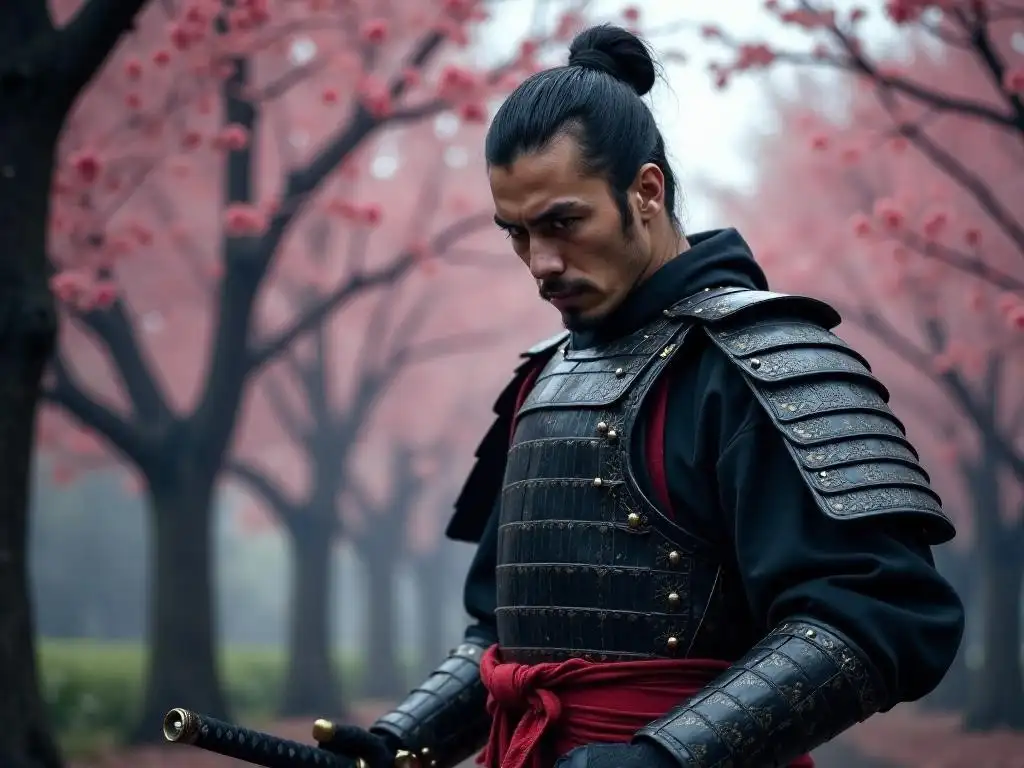
Fear is an inherent emotion that influences human behavior, and in the context of samurai warfare, it played a pivotal role in shaping the actions and decisions of these elite warriors. Understanding fear within this historical framework requires delving into its psychological impacts, as well as the coping mechanisms employed by samurai to navigate the battlefield.
Understanding Fear as a Psychological Factor
Fear, understood as a psychological factor, can be both a hindrance and a motivating force. In the world of the samurai, fear manifested in various ways:
- Fear of Failure: For a samurai, the fear of failing to uphold their honor and the expectations of their clan could lead to intense psychological stress. This pressure was compounded by the societal norms that dictated a warrior's worth was tied to their success in battle.
- Fear of Death: The inevitability of death in combat loomed large for samurai. This fear was not merely about the end of life, but also about the potential for dishonor that could accompany a warrior's demise. The concept of seppuku, or ritual suicide, highlights how deeply intertwined fear and honor were in samurai culture.
- Fear of the Unknown: On the battlefield, unpredictability was a constant factor. The fear of what lay ahead—unexpected enemy tactics, treacherous terrain, or the chaos of war—could paralyze even the bravest warriors.
These fears, however, were not merely paralyzing. They could also serve as powerful motivators. For instance, a samurai's fear of dishonor could drive them to train rigorously, mastering their skills to avoid failure in combat.
Coping Mechanisms for Fear
Samurai developed various coping mechanisms to manage their fears and maintain their effectiveness in battle:
- Training and Discipline: Rigorous training routines instilled a sense of confidence in samurai. Mastery of martial skills provided a buffer against fear, as the more prepared a warrior felt, the less they succumbed to anxiety on the battlefield.
- Mindfulness and Focus: Samurai philosophy often emphasized the importance of being present in the moment. Techniques akin to mindfulness helped warriors focus on their immediate tasks, reducing the overwhelming nature of fear. This was sometimes achieved through meditation and breathing exercises, allowing samurai to center themselves before engaging in combat.
- Camaraderie and Loyalty: Strong bonds between warriors fostered a sense of security. Knowing that fellow samurai were present—sharing the same fears and facing the same challenges—could alleviate individual anxiety. This solidarity often bolstered courage in the face of danger.
- Rituals and Superstitions: Many samurai engaged in rituals or adhered to superstitions to ward off fear. These practices often provided psychological comfort and a sense of control over the chaotic nature of warfare. For instance, the use of talismans or prayers before battle was common, serving as a source of reassurance.
- Acceptance of Mortality: The samurai ethos embraced the acceptance of death as a natural part of life. By confronting their mortality, samurai could reduce the paralyzing effects of fear. This acceptance often reinforced their resolve in battle, allowing them to fight with a greater sense of purpose.
Fear was a complex psychological factor in samurai warfare, influencing not only individual behavior but also the collective ethos of the samurai class. By employing various coping mechanisms, warriors could navigate their fears, transforming them into sources of strength and motivation in the heat of battle. Understanding these dynamics offers deeper insights into the samurai warrior psychology and the historical context of their actions during Japan's feudal era.
Courage: The Core of a Samurai's Identity

Courage stands as one of the most fundamental virtues within the samurai warrior ethos. It is not merely the absence of fear; rather, it is an active engagement with fear, a concept deeply embedded in the psychological framework of a samurai. The samurai warrior psychology insights reveal that courage manifests not just in physical battles but also in moral and ethical dimensions, shaping the warrior's identity and decisions.
In the samurai context, courage is intertwined with honor and loyalty, forming a triad that underscores their way of life. The samurai believed that true courage involves facing adversities with a steadfast heart, often prioritizing their duties to their lords and communities over personal safety. This selflessness is a defining trait of samurai culture, where the warrior's identity is closely linked to their willingness to confront danger for a greater good.
Defining Courage in the Samurai Context
Courage among samurai can be understood through various lenses:
- Bushido Code: The samurai adhered to the Bushido code, which translates to "the way of the warrior." This code emphasized virtues such as bravery, honor, and compassion, guiding samurai decisions in both warfare and daily life.
- Moral Courage: Unlike mere physical bravery, moral courage involves standing up for what is right, even in the face of personal loss or societal disapproval. Samurai warriors often faced dilemmas that tested their ethical standings, requiring them to act with integrity and honor.
- Fear Management: Samurai were trained to manage fear rather than eliminate it. This psychological tactic allowed them to remain composed in combat situations. The practice of meditation and discipline was crucial in honing their mental resilience, enabling them to transform fear into focus.
- Historical Examples: The legendary samurai Miyamoto Musashi exemplified courage not only through his exceptional swordsmanship but also through his philosophical writings, where he explored the importance of mental fortitude in the face of uncertainty and conflict. His life serves as a testament to the complex interplay between fear and courage.
The Psychological Benefits of Courage
The psychological benefits of courage are profound, especially in the context of samurai warfare:
- Enhanced Mental Resilience: Engaging with fear helps build mental resilience. Samurai warriors practiced controlled exposure to fear through training and combat scenarios, enabling them to develop a robust psychological framework that could withstand the pressures of war.
- Empowerment through Action: Courage empowers individuals to take decisive actions. For samurai, this meant the ability to act swiftly and assertively in combat, leading to a sense of agency that positively impacted their overall psychological well-being.
- Strengthening Social Bonds: Courageous acts often fostered camaraderie among samurai. When warriors displayed bravery, it inspired their peers and strengthened the bonds of loyalty and trust within their ranks, creating a supportive social network that bolstered their mental health.
- Legacy of Valor: The psychological imprint of courage extends beyond the individual. Acts of bravery became part of a samurai's legacy, contributing to their family's honor and societal standing. This historical significance provided a sense of purpose and motivation for future generations.
- Confrontation of Personal Fears: By embracing courage, samurai warriors were able to confront their personal fears, leading to personal growth and self-awareness. This introspective journey was vital in understanding their motivations and refining their warrior identity.
Courage is not just a trait but a cornerstone of the samurai warrior psychology, influencing their actions, relationships, and legacies. The insights into samurai warrior psychology reveal that courage, when coupled with honor and loyalty, creates a complex and rich understanding of what it means to be a samurai in the feudal era.
Motivation Behind Samurai Actions

The psychology of a samurai warrior is deeply intertwined with the motivations that drive their actions on and off the battlefield. Understanding these motivations provides valuable insights into not only the mindset of samurai warriors but also the broader socio-political landscape of feudal Japan. The samurai were not merely skilled fighters; they were also products of a complex cultural system that shaped their motivations, values, and behaviors.
Sources of Motivation for Samurai Warriors
The motivations of samurai warriors can be categorized into several key sources:
- Bushido Code: The samurai were guided by the Bushido code, which emphasized virtues such as honor, loyalty, and bravery. This ethical framework served as a powerful motivator, compelling samurai warriors to uphold their family name and personal integrity at all costs.
- Loyalty to Feudal Lords: Samurai were often motivated by a profound sense of loyalty to their daimyō (feudal lord). This loyalty was not just a matter of duty but was also supported by personal ties and the expectation of rewards, such as land, status, and protection.
- Desire for Glory: The pursuit of glory and recognition on the battlefield was a significant motivator. Samurai sought to demonstrate their prowess in combat, which often translated into increased status within their social hierarchy. Victorious battles were celebrated, and samurai were often immortalized in stories and folklore.
- Fear of Shame: Conversely, the fear of shame and dishonor was a strong motivating factor for samurai. The concept of "loss of face" could lead to devastating consequences for both the individual and their family. This fear often pushed samurai to act courageously, even in the face of overwhelming odds.
- Spiritual Beliefs: The influence of Zen Buddhism and Shinto practices contributed to a samurai's psychological state. Meditative practices helped them cultivate a calm mind, which was essential for maintaining focus and discipline in battle.
The Role of Competition and Rivalry
Competition and rivalry played crucial roles in shaping the psychology of samurai warriors. These elements can be explored through various lenses:
- Inter-Samurai Rivalries: Samurai were often in direct competition with one another for favor, resources, and honor. This rivalry could manifest in various forms, from formal duels to strategic battles.
- Clan Rivalries: Broader clan rivalries also fueled the motivations of samurai. Feuds between clans not only provided opportunities for battle but also fostered a sense of belonging and identity among warriors.
- Military Achievements: Success in battle and military campaigns were often seen as benchmarks of a samurai's worth. The drive to surpass peers and achieve greater recognition led many warriors to engage in increasingly risky and daring actions.
- Psychological Warfare: The competitive nature of samurai culture also extended to psychological tactics. Intimidation and the cultivation of an imposing reputation could demoralize opponents before a battle even began, showcasing how the psychological elements of competition influenced strategies in warfare.
Understanding these motivational dynamics offers rich samurai warrior psychology insights, revealing how deeply their actions were rooted in a complex interplay of ethical codes, personal aspirations, and societal pressures. The motivations behind a samurai's actions are not merely a product of individual choices but reflect the intricate tapestry of relationships and cultural expectations that defined the samurai experience in feudal Japan.
Comprehensive Insights into Samurai Warrior Psychology

Mental Resilience and Adaptability
The psychology of a samurai warrior is deeply rooted in mental resilience and adaptability. These traits were not merely advantageous; they were essential for survival on the battlefield and in the tumultuous political landscape of feudal Japan.
Samurai warriors were trained from a young age to face adversity. This training included not only physical conditioning but also mental exercises designed to cultivate a strong mindset. The practice of Zen Buddhism played a significant role in developing their mental fortitude. By emphasizing mindfulness and present-moment awareness, Zen practices allowed samurai to remain calm under pressure, enabling them to make rational decisions even in the face of chaos.
The ability to adapt was equally crucial. Samurai were often required to shift strategies mid-combat based on real-time assessments of their opponents and the terrain. This adaptability extended beyond the battlefield. During times of peace, samurai transitioned into roles as administrators and advisors, showcasing their capacity to modify their skills and mindset according to the demands of their environment.
| Trait | Description |
|---|---|
| Mental Resilience | Ability to withstand and recover from adversity |
| Adaptability | Capacity to adjust strategies and behaviors in dynamic contexts |
| Mindfulness | Practice of being present to enhance focus and decision-making |
The Interplay of Fear, Courage, and Motivation
Understanding the dynamics of fear, courage, and motivation is vital when examining samurai warrior psychology. While fear is often viewed negatively, samurai warriors harnessed it as a powerful motivator.
Fear of disgrace or failure was a significant driving force for samurai. The Bushido code, which emphasized honor and loyalty, instilled a deep sense of responsibility. Samurai feared the loss of their reputation more than death itself, which propelled them to act courageously in battle. This unique relationship with fear transformed it into a catalyst for bravery, enabling warriors to confront life-threatening situations with resolve.
Courage, in the samurai context, was not the absence of fear but rather the ability to act despite it. This nuanced understanding of courage allowed samurai to maintain composure and execute their duties effectively. The emotional training they received focused on embracing fear, thereby transforming it into a source of strength.
Motivation among samurai was often multi-faceted. It stemmed not only from personal ambition but also from a commitment to their clan and lord. This collective motivation fostered a sense of unity and purpose that transcended individual desires. The samurai's loyalty to their master and dedication to their comrades created a powerful bond, further enhancing their psychological resilience.
The psychology of a samurai warrior is a complex interplay of fear, courage, and motivation. By embracing fear, cultivating courage, and grounding their motivation in honor and loyalty, samurai warriors exemplified a unique psychological framework that has left an indelible mark on Japanese history and culture.
Conclusion: Lessons from Samurai Warrior Psychology
The psychology of the samurai warrior offers profound insights that extend beyond the historical context of feudal Japan. Understanding the mental frameworks that guided these elite fighters can provide valuable lessons in modern settings, including leadership, resilience, and personal development. Here are some key takeaways:
- Courage in the Face of Fear: Samurai warriors were trained to confront fear head-on. They understood that fear is a natural response but learned to channel it into focus and determination. This lesson is applicable today, reminding individuals that courage is not the absence of fear but the decision to act despite it.
- Discipline and Training: The samurai way emphasized rigorous training and discipline. This commitment to continual improvement is essential for anyone seeking to excel in their field. The pursuit of mastery, whether in martial arts or professional endeavors, hinges on consistent effort and self-discipline.
- Mindfulness and Presence: Samurai practiced mindfulness through meditation and reflection, fostering a deep awareness of the present moment. This practice not only enhanced their combat skills but also allowed them to maintain clarity during chaotic situations. In today’s fast-paced world, cultivating mindfulness can lead to better decision-making and emotional resilience.
- The Importance of Honor and Values: Samurai adhered to a strict code of honor, which guided their actions and decisions. This emphasizes the significance of having a strong ethical foundation in personal and professional life, promoting integrity and accountability.
Relevance of Samurai Psychology Today
The insights gleaned from samurai warrior psychology resonate strongly in contemporary society. As individuals and organizations navigate complex challenges, the principles of courage, discipline, mindfulness, and honor provide a framework for personal and collective growth.
- Leadership Development: Modern leaders can draw from samurai principles by cultivating resilience and decisiveness in their teams. Creating a culture that encourages facing challenges with courage can inspire innovation and adaptability.
- Mental Health and Well-being: The samurai's approach to fear and mindfulness can inform practices aimed at improving mental health. Techniques such as meditation, reflection, and physical training can enhance emotional well-being and stress management.
- Conflict Resolution: Understanding the samurai's emphasis on honor and values can aid in resolving conflicts in today’s workplaces and communities. Approaching disagreements with respect and integrity fosters constructive dialogue and mutual understanding.
- Personal Growth: The disciplined lifestyle of a samurai serves as a reminder of the benefits of setting clear goals and committing to lifelong learning. Embracing this mindset can empower individuals to pursue their passions and achieve their aspirations.
The psychology of the samurai warrior is not merely a relic of the past but a rich source of wisdom that can inspire and guide individuals in various aspects of modern life. By integrating these insights into our daily practices, we can cultivate a mindset that embraces fear, demonstrates courage, and fosters continuous growth.
Frequently Asked Questions
What is the main focus of the article "The Psychology of a Samurai Warrior"?
The article provides insights into the psychological aspects of samurai warriors, exploring the emotional states of fear, courage, and motivation that influenced their actions during Japan's feudal era.
How did fear impact samurai warriors according to the article?
Fear served as a double-edged sword for samurai warriors; it could either paralyze them or drive them to demonstrate extraordinary bravery, ultimately shaping their behavior in battle.
What role did courage play in a samurai's life?
Courage was a core virtue for samurai, essential for maintaining honor and loyalty. The article illustrates how samurai cultivated inner strength to face challenges head-on.
How does the article relate samurai psychology to modern concepts?
The article draws parallels between samurai psychology and contemporary psychological theories, showing how concepts like resilience and motivation remain relevant in today’s world.
What can readers learn about motivation from the samurai experience?
Readers can gain insights into how motivation for samurai was often linked to personal honor, loyalty to their lords, and the pursuit of excellence, which can inspire modern individuals to find their own sources of motivation.
Final Reflection: Embracing the Samurai Spirit in Modern Life
The psychology of a samurai warrior resonates deeply in today's world, where the battle against fear and the pursuit of courage are more relevant than ever. In a society often plagued by uncertainty and anxiety, understanding the mindset of these historical figures can offer profound insights into how we can navigate our own challenges. The samurai's unwavering commitment to honor and discipline serves as a powerful reminder that true strength lies not just in physical prowess, but in mental resilience and moral conviction.
Culturally, the legacy of the samurai continues to shape our understanding of bravery and motivation, inspiring countless individuals to confront their fears head-on. The principles of bushido—integrity, respect, and courage—are not merely relics of the past; they are guiding lights for those seeking to lead fulfilling lives. As the renowned philosopher Sun Tzu once said, The greatest victory is that which requires no battle.
This encapsulates the essence of samurai psychology: the ability to conquer one's inner demons and emerge victorious without resorting to violence.
As you reflect on the insights gleaned from the samurai warrior's psychology, consider how you can embody these principles in your own life. Challenge yourself to confront your fears, cultivate courage, and pursue your goals with unwavering determination. The spirit of the samurai is not confined to history; it lives on in each of us, waiting to be awakened. Embrace this legacy and let it guide you toward a life of purpose and resilience.
Embrace Your Inner Samurai: Take Action Today!
Thank you for immersing yourself in the fascinating world of the Samurai. You've uncovered insights into courage, fear, and motivation that can transform your personal journey. Now, it’s time to harness that knowledge and take decisive action!
Here are a few steps you can take to integrate the spirit of the Samurai into your life:
- Reflect on your fears: Identify a fear you wish to overcome today, and take a courageous step toward facing it.
- Practice mindfulness: Dedicate ten minutes each day to meditation or deep-breathing exercises to cultivate inner calm and clarity, much like a true warrior.
- Share your journey: Engage with our community by commenting below or sharing your experiences related to Samurai principles and how they resonate with you.
What steps will you take today to conquer your fears and embody the courage of a Samurai in your everyday life? We’d love to hear your thoughts!