
The Evolution of Samurai Armor: Protection and Symbolism

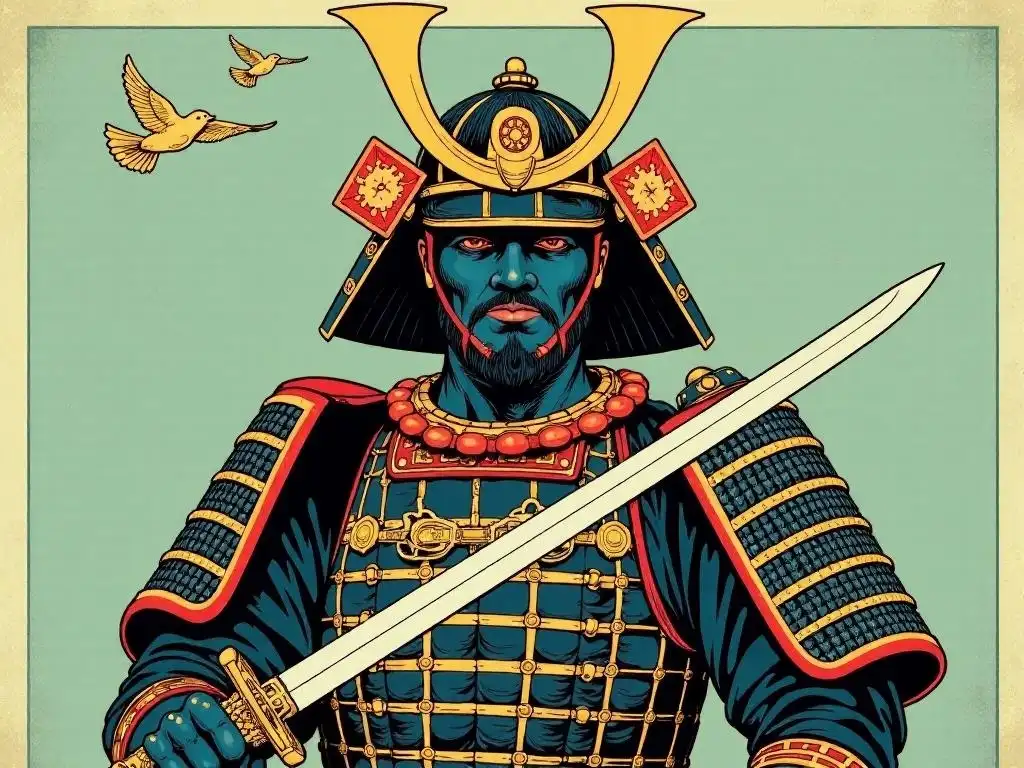
Welcome to Feudal Japan History, where we invite you on a captivating journey through the rich tapestry of Japan’s feudal era. Here, you will delve into the intricate history of samurai armor, a fascinating blend of protection and symbolism that reflects the artistry and warfare tactics of its time. What secrets lie within the layers of these iconic armaments?
As you explore our expert-driven articles, prepare to uncover the profound influences of culture, society, and the martial spirit that shaped these legendary warriors. Join us as we unravel the evolution of samurai armor and discover the stories that forged a nation.
Introduction to the History of Samurai Armor
The history of samurai armor is a fascinating journey that reflects the evolution of warfare, artistry, and societal values in feudal Japan. From its inception, samurai armor has served a dual purpose: to provide robust protection on the battlefield and to symbolize the warrior's status and identity.
As we delve into this intricate topic, we will explore how the design and functionality of samurai armor changed over time, mirroring the political and cultural shifts within Japan. Understanding the history of samurai armor not only illuminates the practical aspects of samurai warfare but also reveals insights into the complex societal structures and aesthetic sensibilities of the era.
Overview of Samurai Armor in Feudal Japan
Samurai armor, known as "yoroi," underwent significant transformations throughout the feudal period, which lasted from the late 12th century until the 19th century. The earliest forms of armor were relatively simple and utilitarian, reflecting the needs of samurai in battle. Over time, however, armor became more ornate, incorporating intricate designs and vibrant colors that showcased the wearer's rank and clan affiliation.
Key features of samurai armor included:
- Material Composition: Early armor was often made from leather and iron, later evolving to include materials such as silk and lacquer.
- Design Variations: Armor was tailored to fit the individual samurai, with variations reflecting personal taste and regional styles.
- Symbolic Elements: Many armors featured family crests (mon) and motifs that held significant meaning, connecting the samurai to their heritage.
The evolution of samurai armor serves as a testament to the intricate balance between functionality and artistry in Japanese culture.
Importance of Armor in Samurai Warfare
In the context of samurai warfare, armor was not merely a means of protection but also a critical element of strategy and morale. The visual impact of a well-crafted suit of armor could intimidate opponents and inspire allies, making it a vital aspect of psychological warfare.
- Protection: Armor was designed to absorb and deflect blows from weapons such as swords, arrows, and spears. The evolution from heavier, more cumbersome armor to lighter, more flexible designs allowed samurai to move more swiftly on the battlefield.
- Status and Identity: The type and quality of armor a samurai wore indicated their social standing and experience. Elaborately decorated armor could elevate a warrior's status and signify their lineage.
- Cultural Significance: Armor reflected the samurai's dedication to bushido—the way of the warrior. It embodied their honor, bravery, and commitment to their clan and lord.
The Origins of Samurai Armor
The origins of samurai armor can be traced back to the early periods of Japanese history, influenced by various factors including warfare techniques, materials available, and cultural exchanges.
Early Influences on Samurai Armor Design
The earliest forms of armor in Japan were heavily influenced by Chinese and Korean designs. As warfare evolved, so did the armor, adapting to the unique needs of the samurai. Key influences included:
- Chinese Armor: The introduction of lamellar armor from China had a profound impact on Japanese armor design, leading to the creation of layered protective gear.
- Korean Techniques: Techniques from the Korean peninsula also played a role, particularly in the use of leather and metal combinations that enhanced mobility without sacrificing protection.
These early influences laid the groundwork for the distinctive styles that would emerge in the following centuries.
Transition from Basic Protection to Decorative Armor
As the samurai class solidified its power during the Kamakura period (1185-1333), armor began to transition from purely functional designs to more decorative forms. This shift was marked by:
- Increased Ornamentation: Armors became adorned with elaborate lacquerwork, family crests, and intricate patterns that celebrated the wearer's lineage.
- Symbolism in Design: The incorporation of mythical creatures, natural motifs, and spiritual symbols became commonplace, imbuing the armor with deeper meanings and connections to the samurai's identity.
This transition marked a significant cultural shift, where armor became a canvas for artistic expression as much as a tool for survival in battle.
Key Developments in the History of Samurai Armor
The history of samurai armor reflects both the practical needs of warfare and the evolving cultural identity of the samurai class. Throughout the feudal era in Japan, significant developments in armor design and construction can be traced from the early Heian period (794-1185) to the late Edo period (1603-1868).
One of the earliest forms of armor, known as ō-yoroi, emerged during the late Heian period. This armor was characterized by its large, boxy shape, designed to provide maximum protection while allowing for mobility on horseback. The armor consisted of iron plates, lacquered leather, and silk cords, which were both functional and aesthetically pleasing.
As warfare evolved, so did the armor. By the Kamakura period (1185-1333), the tōsei-gusoku style became prevalent. This armor was more fitted and lightweight, allowing for greater agility in battle. The introduction of new materials, such as steel, and techniques like lacing and layering further enhanced the protective qualities of samurai armor.
The Muromachi period (1336-1573) saw the rise of specialized armor for different combat situations, with variations like the nanban-gusoku reflecting influences from European styles as trade increased. The Edo period marked a shift towards ceremonial armor, focusing more on aesthetics and display rather than battlefield utility, reflecting the peacetime status of the samurai.
The Emergence of theōkas and Kabuto
Theōkas, or shoulder guards, and kabuto, the traditional helmet, represent critical innovations in samurai armor that emerged during the Muromachi period. Theōkas provided crucial protection for the shoulders, which were vulnerable during combat. Initially made from leather, later versions incorporated metal plates for enhanced defense.
The kabuto evolved significantly over time, with designs becoming increasingly ornate. The earliest kabuto were simple and functional, but as the samurai class grew in power and prestige, kabuto began to feature intricate designs, including crests (mon) and decorative elements that signified the wearer's clan or personal achievements. The kabuto's iconic shape, often resembling a bowl or conical form, was designed not just for protection but also to intimidate opponents.
Different styles of kabuto emerged, such as the nari-kabuto, which had a raised front, and the tachi-kabuto, which featured a flared brim. These designs not only served practical purposes but also became a canvas for artistic expression, showcasing the rich craftsmanship of the time.
The Role of Materials in Samurai Armor Construction
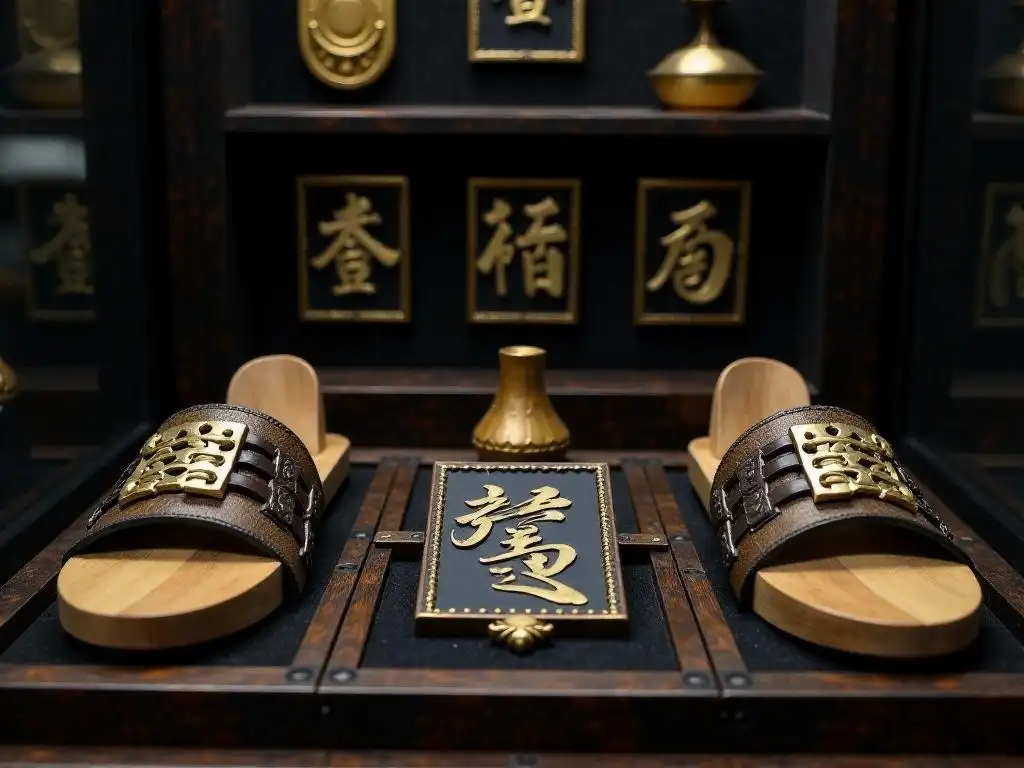
Materials played a pivotal role in the construction of samurai armor, influencing both its effectiveness in battle and its symbolic value. The primary materials used included iron, leather, and silk, each chosen for their specific properties.
- Iron: As the most critical component, iron plates were often tempered for durability. The quality of the iron used could indicate the status of the wearer, with higher-quality materials being reserved for elite samurai.
- Leather: Often used in the construction of the armor's base, leather was lightweight and flexible, allowing for ease of movement. It was also more readily available than metal, making it a popular choice for lower-ranking samurai.
- Silk: Used primarily in the laces and decorative elements, silk added both strength and elegance to the armor. The color and design of the silk could carry significant cultural meanings, often reflecting the clan's identity.
The combination of these materials not only provided physical protection but also signified the samurai's status and identity. Over time, the techniques used in forging and assembling armor became deeply rooted in the samurai culture, further enhancing the historical significance of samurai armor.
Symbolism of Samurai Armor
Samurai armor transcended its utilitarian purpose, evolving into a powerful symbol of status, identity, and cultural significance within feudal Japan. The intricacies of armor design and the materials used often conveyed messages about the wearer's rank, allegiance, and personal achievements.
Armor as a Status Symbol among Samurai
Armor served as a prominent status symbol among samurai, delineating social hierarchies within the warrior class. The quality and design of armor were often directly correlated to the rank and wealth of the samurai. High-ranking samurai typically wore elaborately decorated armor made from the finest materials, showcasing their power and prestige.
Moreover, the display of armor in ceremonial contexts further amplified its status symbolism. During rituals and public events, samurai donned their most impressive armaments, which often included custom-made pieces with unique embellishments that represented their lineage and achievements. This practice established armor not only as protective gear but also as a means of asserting one's social standing and honor.
Cultural Significance of Colors and Designs
The colors and designs of samurai armor carried profound cultural significance, often reflecting the values and beliefs of the samurai class. Each color was imbued with meaning, and specific combinations were chosen to symbolize various ideals.
- Red was often associated with courage and valor, while blue represented loyalty and fidelity.
- Black armor, often viewed as mysterious, could signify strength and power.
- Elaborate designs, such as clan crests (mon) and motifs inspired by nature, were meticulously applied to armor, reinforcing the connection between the samurai and their heritage.
The intricate artistry found in armor designs not only enhanced its visual appeal but also served to convey messages about the wearer's identity, values, and aspirations. Armor thus became a canvas for expressing the unique narrative of each samurai, intertwining personal story with cultural legacy.
The Functional Aspects of Samurai Armor
Samurai armor, known as yoroi, was not merely a means of protection; it represented the martial culture and social status of its wearer. Over centuries, the design and functionality of samurai armor evolved significantly, reflecting advances in warfare and changes in societal values. The armor was crafted to provide maximum protection while allowing for agility and flexibility, essential for the dynamic combat styles of the samurai.
The construction of samurai armor typically involved layers of materials such as iron, leather, and silk. Each layer served a specific purpose, combining to create a formidable defense against various weapons. The armor's design also included intricate lacing and heraldic motifs, signifying the wearer’s clan and status, which added a layer of psychological warfare on the battlefield.
Protective Features of Samurai Armor
The protective features of samurai armor were a blend of artistry and engineering. Key components included:
- Kabuto (Helmet): Designed to protect the head, the kabuto often featured a crest or ornament, enhancing both protection and personal identity on the battlefield.
- Dō (Chest Armor): The dō covered the torso, often made of multiple overlapping plates, allowing for movement while safeguarding vital organs.
- Sode (Shoulder Guards): These were attached to the dō and provided additional protection to the shoulders and upper arms, crucial for deflecting blows.
- Kote (Armored Sleeves): These sleeves protected the arms while permitting mobility, essential for wielding weapons effectively.
- Suneate (Shin Guards): Protecting the lower legs, suneate were vital for maintaining mobility and defense against lower attacks.
The overall design emphasized both defensive capabilities and the samurai’s ability to move swiftly, which was paramount in the fluid nature of combat during feudal times.
Adaptations for Different Combat Scenarios
As warfare evolved, so did samurai armor, adapting to various combat scenarios. The armor was tailored for different conditions, including:
- Open Field Battles: Armor was heavier with more protection, designed to withstand arrows and melee attacks.
- Close Quarters Combat: In situations requiring agility, lighter armor was favored, enabling faster movements and better maneuverability.
- Naval Warfare: Specialized armor was developed for naval engagements, where elements like buoyancy and water resistance became critical.
- Siege Warfare: During sieges, armor was reinforced to protect against projectiles and ranged attacks, with additional features for climbing and navigating fortifications.
These adaptations highlight the samurai's strategic approach to warfare, ensuring they were prepared for diverse combat environments.
The Decline of Samurai Armor
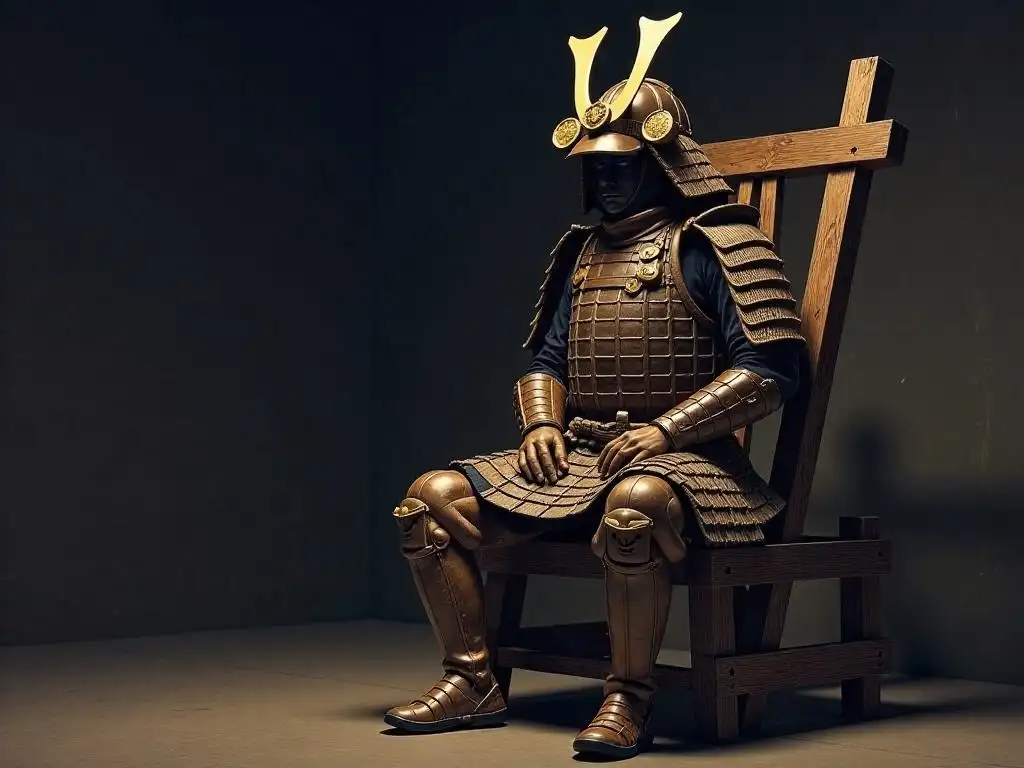
The decline of samurai armor can be traced through various socio-political changes that marked the end of the feudal era in Japan. As Japan transitioned towards modernization, the role and necessity of traditional samurai armor diminished significantly.
The introduction of firearms in the late 16th century also played a crucial role in this decline. Samurai armor, primarily designed to protect against swords and arrows, became less effective against gunfire, prompting a reevaluation of what constituted effective protection in warfare.
Factors Leading to the Decrease in Samurai Armor Use
Several factors contributed to the decrease in samurai armor use:
- Technological Advancements: The rise of firearms and artillery rendered traditional armor less effective, leading to a shift in military tactics.
- End of the Samurai Era: The Meiji Restoration in 1868 marked the end of the samurai class as a ruling elite, leading to the disbanding of their armies and a move towards a modern standing army.
- Cultural Shifts: As Japan embraced modernization and Western military practices, the traditional aspects of samurai culture, including the use of armor, began to fade from military importance.
- Economic Factors: The maintenance of elaborate armor became impractical for many samurai, especially as they transitioned into civilian roles during peacetime.
These factors collectively contributed to the decline of samurai armor, symbolizing a significant transformation in Japanese society and military practices during the late 19th century.
Legacy of Samurai Armor in Modern Culture
The legacy of samurai armor extends far beyond the historical context of feudal Japan. In modern culture, the aesthetic and symbolic elements of samurai armor continue to captivate people around the world. This fascination is not merely about the physical armor itself but also encompasses the ideals of honor, bravery, and the warrior ethos that it represents. As a result, samurai armor has become a powerful symbol of Japanese culture, inspiring various forms of artistic expression, fashion, and martial arts.
Many contemporary martial arts schools incorporate elements of samurai armor into their training, emphasizing the historical significance of these protective garments. Additionally, various forms of traditional Japanese theater, such as Noh and Kabuki, often feature characters adorned in samurai armor, reinforcing its iconic status. The visual appeal of samurai armor, with its intricate designs and craftsmanship, has also led to its inclusion in modern fashion, often seen in streetwear and high-end collections that draw inspiration from Japan's rich history.
Influence of Samurai Armor in Contemporary Media
Contemporary media has played a significant role in perpetuating the image and significance of samurai armor. Films, television shows, anime, and video games often depict samurai and their armor, romanticizing the warrior's life and the ideals of bushido. For instance, movies like “Seven Samurai” and “The Last Samurai” showcase the dramatic potential of samurai culture, while video games such as “Sekiro: Shadows Die Twice” and “Ghost of Tsushima” allow players to immerse themselves in a world where samurai armor is central to the gameplay experience.
These portrayals often emphasize the craftsmanship and functionality of samurai armor, showcasing its evolution throughout history. The armor's aesthetic qualities—such as the use of color, materials, and design—are often highlighted, creating a visual spectacle that resonates with audiences. As a result, samurai armor has become synonymous with the ideals of honor and heroism in popular culture, influencing how modern society perceives this historical warrior class.
Preservation of Samurai Armor as Cultural Heritage
The preservation of samurai armor is a critical aspect of maintaining Japan's cultural heritage. Numerous museums and institutions across Japan are dedicated to safeguarding these artifacts, showcasing their historical significance while educating the public about their importance. Collections often include complete suits of armor, individual components, and detailed descriptions of their use in battle, craftsmanship, and symbolism.
Organizations focused on traditional crafts also work to ensure that the techniques used in creating samurai armor are not lost to time. Artisans skilled in the intricate processes of making and restoring armor are vital to this preservation effort. Through workshops, exhibitions, and educational programs, they pass down their knowledge to future generations, ensuring that the legacy of samurai armor continues to thrive in contemporary society.
Conclusion: The Enduring Legacy of Samurai Armor
The evolution of samurai armor reflects not only advancements in military technology but also a profound cultural significance that endures to this day. From its early forms in the Heian period to the more ornate styles of the Edo period, samurai armor encapsulates the journey of the samurai as both warriors and cultural icons. The protection it provided on the battlefield, combined with its rich symbolism, has rendered it a lasting symbol of Japanese heritage.
Summary of Key Points in the History of Samurai Armor
- Historical Development: Samurai armor evolved significantly from the early Heian period through the Edo period, adapting to changes in warfare and reflecting the samurai’s status.
- Symbolism: Beyond protection, armor represented honor, identity, and the values of bushido, serving as a visual reminder of the samurai’s role in society.
- Cultural Impact: Samurai armor has influenced modern media and fashion, becoming a pervasive symbol of courage and tradition in contemporary culture.
- Preservation Efforts: Museums and artisans play a crucial role in preserving the craftsmanship and historical context of samurai armor, ensuring its legacy endures.
Final Thoughts on the Protection and Symbolism of Samurai Armor
Samurai armor stands as a testament to the complexities of feudal Japanese society, where the lines between warrior and cultural icon blurred. Its evolution over centuries showcases not only advancements in protective technology but also the deep-rooted values that samurai warriors upheld.
As modern society continues to draw inspiration from this rich legacy, samurai armor remains an enduring symbol of protection, honor, and the spirit of the samurai, resonating with people both in Japan and around the globe. The ongoing interest in samurai culture and its artifacts ensures that the history of samurai armor will continue to be explored, celebrated, and preserved for future generations.
- Introduction to the History of Samurai Armor
- The Origins of Samurai Armor
- Key Developments in the History of Samurai Armor
- The Emergence of theōkas and Kabuto
- The Role of Materials in Samurai Armor Construction
- Symbolism of Samurai Armor
- The Functional Aspects of Samurai Armor
- The Decline of Samurai Armor
- Legacy of Samurai Armor in Modern Culture
- Conclusion: The Enduring Legacy of Samurai Armor
Frequently Asked Questions
What is samurai armor made of?
Samurai armor, known as yoroi, was traditionally made from layers of leather and metal, often reinforced with silk and lacquer for durability and flexibility.
How did samurai armor evolve over time?
The evolution of samurai armor reflects changes in battle tactics, materials, and cultural influences, transitioning from simple designs to more complex and symbolic forms throughout Japan's feudal era.
What was the significance of samurai armor in Japanese culture?
Samurai armor was not just for protection; it also served as a symbol of status and identity, showcasing the wearer's clan affiliation and personal style.
How did samurai armor protect its wearer?
Samurai armor was designed to absorb and deflect impacts from weapons, with features like overlapping plates and padding to provide both mobility and protection during combat.
What are some notable styles of samurai armor?
Notable styles include o-yoroi for cavalry, characterized by its large shoulder guards, and do-maru, which was lighter and favored by foot soldiers for its flexibility and ease of movement.
Final Reflection: The Enduring Legacy of Samurai Armor
The history of samurai armor is not merely a tale of protection; it is a profound narrative of identity, honor, and artistry that resonates deeply in today's world. As we navigate an era marked by rapid change and uncertainty, the lessons embedded in the evolution of samurai armor remind us of the importance of resilience and the stories we carry with us. The intricate designs and formidable functionality of these armors serve as a testament to the samurai's commitment to their values and their culture, inspiring us to reflect on our own identities in a modern context.
The influence of samurai armor extends beyond the battlefield, permeating our cultural landscape through art, literature, and even fashion. The symbolism of strength, honor, and tradition encapsulated in these armors continues to inspire contemporary creators and thinkers. As noted by historian John M. Manjiro, "> The samurai's armor was not just a means of protection; it was a canvas for expressing the warrior's spirit." This observation underscores the ongoing relevance of samurai armor, inviting us to consider how our own choices and expressions reflect our values and beliefs in today's society.
As we conclude our exploration of the history of samurai armor, I invite you to reflect on the armor you wear in your own life. What values do you choose to embody, and how do they shape your identity? Just as the samurai adorned their armor with symbols of their legacy, consider how you can express your own story through your actions and choices. Embrace the lessons of resilience and honor that the samurai exemplified, and let them guide you as you navigate your own journey in an ever-evolving world.
Unveil the Legacy of Samurai Armor!
Thank you for diving into the fascinating evolution of samurai armor! You’ve uncovered how its design symbolizes not only protection but also honor and status in feudal Japan. Now, let’s take the next step to deepen your connection with this incredible history.
Here are some actionable steps you can take:
- Explore a local museum or an online virtual exhibition featuring samurai artifacts to experience these remarkable pieces firsthand.
- Share your newfound knowledge! Discuss the significance of samurai armor with friends or on social media—initiate a conversation about its cultural impact.
- Join a community group or online forum dedicated to Japanese history to exchange insights, rare artifacts, or stories related to samurai and their rich warrior culture.
What aspect of samurai armor do you find most fascinating, and how has it influenced your perception of Japanese history?