
The Significance of the Battle of Dannoura in Feudal Naval Warfare

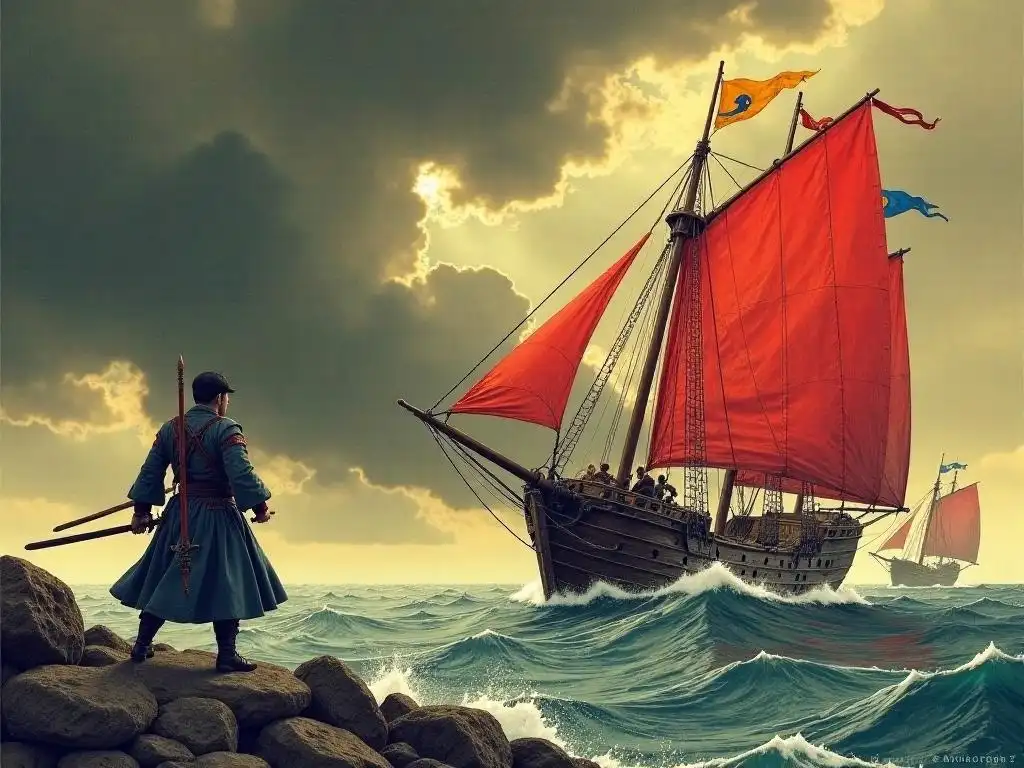
Welcome to Feudal Japan History, where we dive deep into the captivating tales of Japan's feudal era. Here, you will uncover the intricate tapestry of historical, cultural, and societal nuances that shaped a nation. In our featured article, we explore the significance of the Battle of Dannoura, a pivotal clash that not only reshaped naval warfare but also altered the course of Japanese history. Prepare to embark on a journey through time, as we unravel the stories behind the battles, the warriors, and their legacies. Your exploration of this remarkable epoch begins now!
- Introduction to the Battle of Dannoura Significance
- The Key Players in the Battle of Dannoura
- Strategic Importance of the Battle of Dannoura
- The Events Leading to the Battle of Dannoura
- The Battle of Dannoura: A Detailed Account
- The Aftermath of the Battle of Dannoura
- The Significance of the Battle of Dannoura in Military History
- Cultural Impact of the Battle of Dannoura
- Conclusion: The Lasting Significance of the Battle of Dannoura
-
Frequently Asked Questions
- What was the Battle of Dannoura?
- Why is the Battle of Dannoura considered significant in feudal naval warfare?
- How did the outcome of the Battle of Dannoura affect Japanese society?
- What are the cultural implications of the Battle of Dannoura?
- How does the Battle of Dannoura relate to other historical events in feudal Japan?
- Final Reflection: The Enduring Significance of the Battle of Dannoura
- Unveil the Lessons of Dannoura!
Introduction to the Battle of Dannoura Significance
The Battle of Dannoura, fought in 1185, stands as a pivotal moment in Japanese military history, marking the culmination of the Genpei War between the Taira and Minamoto clans. This naval confrontation not only determined the fate of the warring clans but also reshaped the political landscape of Japan, ushering in the Kamakura period and the rise of the samurai class. Understanding the significance of the Battle of Dannoura requires an exploration of its strategic implications, the cultural narratives that emerged from it, and the broader historical context of feudal Japan.
As we delve into this article, we will dissect the events surrounding the battle, analyze its impact on naval warfare in feudal Japan, and highlight how this conflict exemplified the intricate interplay between military strategy and cultural identity during a transformative period in Japanese history.
Overview of the Battle of Dannoura
The Battle of Dannoura, also known as the Battle of Dan-no-ura, was fought in the Inland Sea near the present-day city of Shimonoseki. In this decisive naval battle, the Minamoto forces, led by Minamoto no Yoshitsune, engaged the Taira clan, whose naval strength was formidable at the time. Relying on a combination of martial skill and tactical innovation, the Minamoto sought to exploit the Taira's vulnerabilities.
The battle was characterized by not only a fierce struggle between warriors but also a clash of ideologies and cultural values. It is said that the Taira, upon facing defeat, chose to embrace death over capture, leading to dramatic tales of heroism and tragedy that have resonated throughout Japanese history. The outcome of the battle ultimately resulted in the near annihilation of the Taira clan and paved the way for Minamoto no Yoritomo to establish the first shogunate in Japan.
Historical Context of the Feudal Era in Japan
To fully appreciate the significance of the Battle of Dannoura, it is essential to understand the historical backdrop of the feudal era in Japan. The late 12th century was marked by a feudal system where power was decentralized and held by various clans, leading to a landscape rife with conflict and ambition. The Genpei War (1180-1185) was a direct result of these power struggles, reflecting the tensions between the aristocratic Taira family and the rising Minamoto clan.
During this time, Japan was transitioning from imperial rule towards a more militaristic governance structure. The samurai class, originally loyal to noble families, began to assert their influence, creating a new social order where military prowess became paramount. This shift laid the groundwork for the emergence of the shogunate system, fundamentally altering the course of Japanese history.
The Battle of Dannoura is not merely a historical event; it is a significant chapter in the narrative of Japan's feudal era, encapsulating themes of loyalty, honor, and the relentless pursuit of power that define this period. The implications of this battle resonate to this day, making it a crucial subject of study for those interested in the complexities of Japan's military history and cultural evolution.
The Key Players in the Battle of Dannoura
The Taira Clan: Power and Influence
The Taira Clan, also known as the Heike, was one of the most powerful warrior clans during the late Heian period of Japan. Their influence reached its zenith in the 12th century, particularly under the leadership of Taira no Kiyomori, who played a pivotal role in consolidating power and establishing a strong political presence in the imperial court.
- Political Maneuvering: Kiyomori's ability to secure key government positions for his family members enabled the Taira to dominate the political landscape. They were adept at forming alliances through marriages and fostering relationships with influential court figures. This strategic approach solidified their status and allowed them to exert significant control over the imperial court.
- Naval Supremacy: The Taira Clan was renowned for its naval capabilities. They built a formidable fleet that played a crucial role in asserting their dominance over rival clans. Their naval strength was particularly evident during the Genpei War (1180-1185), where they effectively deployed their ships in various coastal battles, including the decisive Battle of Dannoura.
- Cultural Contributions: Beyond military prowess, the Taira Clan also contributed to Japan's cultural landscape. They were patrons of the arts, supporting literature, music, and theater, which flourished during their reign. This cultural richness added another layer to their influence, making them not only warriors but also key figures in promoting cultural heritage.
The Taira's blend of political acumen and military might exemplifies the complex dynamics of power during Japan’s feudal era.
The Minamoto Clan: Rise to Prominence
In stark contrast to the Taira Clan, the Minamoto Clan, also known as the Genji, rose to prominence as a formidable rival during the late 12th century. Their ascent can be attributed to a combination of strategic warfare, effective leadership, and popular support from the samurai class.
- Leadership of Minamoto no Yoritomo: The Minamoto clan's most significant figure was Minamoto no Yoritomo, whose leadership during the Genpei War fundamentally altered the power dynamics in Japan. After suffering initial defeats, Yoritomo's resilience and tactical ingenuity allowed him to regroup and strengthen his forces, culminating in the eventual defeat of the Taira at Dannoura.
- Innovative Tactics: The Minamoto were known for their innovative approaches to warfare, particularly in naval engagements. They employed strategies that took advantage of the Taira's vulnerabilities, such as using smaller, more maneuverable ships to outflank the larger Taira vessels. This tactical flexibility was critical in the Battle of Dannoura, where the Minamoto's naval tactics played a decisive role in securing victory.
- Support from the Samurai Class: The Minamoto Clan garnered significant support from the samurai class, which viewed them as champions against Taira tyranny. This backing was instrumental in building a loyal fighting force, essential for their success in battles. The Minamoto's ability to rally support among the samurai helped to establish a legacy that would shape the future of Japan's feudal system.
The Minamoto Clan's strategic brilliance and ability to mobilize support marked their rise in an era defined by clan rivalries and shifting allegiances.
The Battle of Dannoura significance lies not only in its immediate military outcomes but also in the broader implications it had for the power structures of feudal Japan, shaping the trajectory of the Taira and Minamoto clans for generations to come.
Strategic Importance of the Battle of Dannoura
The Battle of Dannoura, fought in 1185, marks a pivotal moment in the history of feudal Japan, particularly in the context of naval warfare. This confrontation was not merely a clash of arms but a decisive engagement that influenced the power dynamics of the era.
The battle signified the end of the Genpei War, a crucial conflict between the Taira and Minamoto clans. The victory of the Minamoto forces over the Taira at Dannoura was instrumental in solidifying Minamoto no Yoritomo's control over Japan, eventually leading to the establishment of the Kamakura shogunate. The outcome of this battle effectively shifted the balance of power, leading to a new era of governance that prioritized military strength and strategic prowess.
Naval warfare in feudal Japan was characterized by unique tactics and strategies that were heavily influenced by the geography of the archipelago. The Battle of Dannoura showcased several key tactics:
- Ship Design and Maneuverability: Japanese ships, known as atakebune, were designed for speed and agility. This allowed for rapid maneuvers during battle, enabling commanders to outflank their opponents. The Taira's larger vessels, while formidable, lacked the agility of the Minamoto fleet.
- Boarding and Close Combat: The tactics employed during the battle often involved boarding enemy ships. Warriors would engage in hand-to-hand combat, where skill in martial arts was as crucial as naval strategy. The Minamoto forces were particularly adept at close-quarters fighting, which played a significant role in their success.
- Use of Archery: Bowmen played a vital role in naval engagements. From their ships, archers could target enemy vessels and personnel. The effectiveness of archers during the Battle of Dannoura exemplified the importance of ranged combat in naval tactics.
- Psychological Warfare: The Minamoto forces utilized psychological tactics to demoralize their opponents. The display of superior naval tactics, combined with strategic retreats and feigned attacks, created an atmosphere of uncertainty and fear among the Taira ranks.
Geographic Factors Influencing the Battle
The geographic setting of the Battle of Dannoura significantly impacted the battle's outcome. Several factors played a crucial role:
- Straits and Currents: Dannoura is located in the Shimonoseki Strait, a region known for its challenging currents. The Minamoto forces, familiar with these waters, used their knowledge to navigate effectively, exploiting the tides to their advantage.
- Proximity to Land: The battle took place near the coastline, allowing for quick access to reinforcements and supplies. This strategic location enabled the Minamoto to maintain their supply lines while cutting off those of the Taira.
- Visibility and Weather Conditions: The weather during the battle was a critical factor. With favorable winds, the Minamoto were able to position their vessels advantageously. Additionally, the visibility conditions influenced the effectiveness of archery and ranged attacks, which played a significant role in the battle.
- Natural Barriers: The surrounding geography, including nearby islands and rocky outcrops, provided natural barriers that affected ship movements. These obstacles were leveraged by the Minamoto to create tactical advantages, allowing them to outmaneuver the Taira fleet.
The significance of the Battle of Dannoura extends beyond its immediate military consequences. It encapsulates the strategic importance of naval warfare in feudal Japan, highlighting how geography and tactics interplayed to shape the course of history. The lessons learned from this battle would influence future naval engagements and the development of military strategy in Japan for centuries to come.
The Events Leading to the Battle of Dannoura
Prelude to Conflict: Political Tensions
The Battle of Dannoura, fought in 1185, was not an isolated incident, but rather the culmination of escalating political tensions between two powerful clans: the Minamoto and the Taira. The roots of this conflict can be traced back to the late Heian period, where power struggles between noble families led to a series of confrontations.
- Minamoto Clan: Also known as the Genji, the Minamoto clan sought to reclaim political power after being sidelined during the previous decades. Their ambitions were fueled by a desire to restore the imperial court's authority, which they believed had been undermined by the Taira.
- Taira Clan: Renowned for their military prowess and wealth, the Taira, or Heike, had established themselves as the dominant force in the imperial court. Their control over key resources and political connections allowed them to solidify their influence, creating resentment among rival factions.
This rivalry escalated into open conflict, primarily driven by:
- Land Disputes: Both clans vied for control over fertile lands and strategic territories.
- Alliance Shifts: The shifting allegiances of regional warlords and samurai further complicated the landscape, leading to unpredictable alliances.
- Imperial Favor: The Taira had the backing of the imperial court, which they utilized to suppress Minamoto's influence.
Key Battles Prior to Dannoura
Before the decisive confrontation at Dannoura, several significant battles shaped the course of the conflict between the Minamoto and Taira clans. These battles not only demonstrated the military capabilities of each side but also set the stage for the eventual showdown.
- Battle of Fujigawa (1180):
- The first major engagement in the Genpei War. The Minamoto forces, led by Minamoto no Yoritomo, faced off against Taira troops. Although the Taira claimed victory, the battle showcased the resilience and strategic prowess of the Minamoto.
- Battle of Ichi-no-Tani (1184):
- A pivotal naval engagement where the Minamoto launched a surprise attack on Taira ships. This battle was crucial as it marked the beginning of Minamoto's naval strategy, which would play a significant role in the upcoming Battle of Dannoura.
- Battle of Yashima (1185):
- Fought shortly before Dannoura, this battle highlighted the Taira's naval dominance. However, despite their initial success, the tides began to turn in favor of the Minamoto, laying the groundwork for their final assault.
These preceding battles were instrumental in shaping the strategies and morale of both clans. The experience gained from these encounters directly influenced the tactics employed during the Battle of Dannoura, ultimately determining the fate of the feudal landscape in Japan.
The significance of the Battle of Dannoura is deeply rooted in the political and military context of its time, reflecting the broader struggles for power and control during Japan's feudal era.
The Battle of Dannoura: A Detailed Account
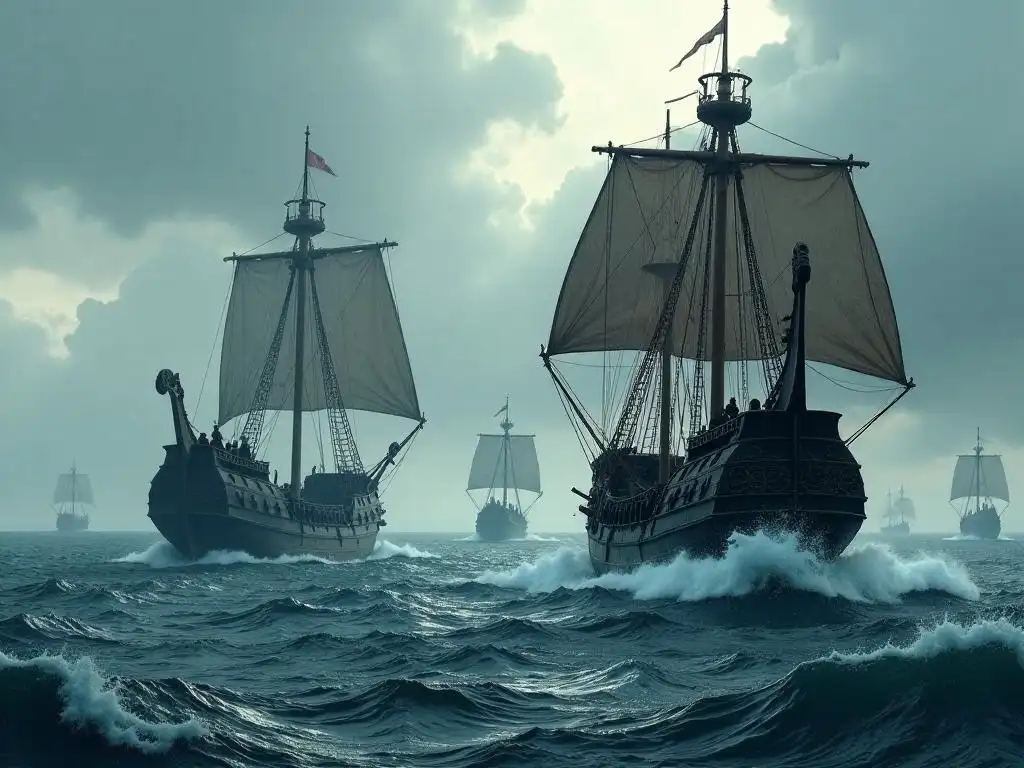
The Battle of Dannoura, fought in 1185, stands as a pivotal moment in the history of feudal Japan, particularly in the domain of naval warfare. This confrontation was a decisive engagement in the Genpei War, which pitted the Taira and Minamoto clans against each other. The battle not only determined the fate of the warring clans but also set a precedent for future naval confrontations in Japan.
At its core, the Battle of Dannoura was characterized by the use of small boats and a combination of naval tactics that were innovative for their time. The engagement took place in the straits of the Shimonoseki, where the Taira, under the leadership of Taira no Tomomori, faced off against the Minamoto, commanded by Minamoto no Yoshitsune. The struggle was not merely a battle for supremacy but also a clash of ideologies and cultures, representing the rise of the samurai class and the decline of the aristocratic Taira clan.
As the battle unfolded, the Taira initially gained the upper hand, leveraging their knowledge of the local waters. However, the Minamoto's strategic positioning and superior tactics led to a significant turnaround. Ultimately, the battle concluded with the defeat of the Taira, which marked a turning point in Japanese history, leading to the establishment of the Kamakura shogunate and the samurai's ascendance to power.
Timeline of Events during the Battle
The events leading up to and during the Battle of Dannoura can be summarized as follows:
- Prelude to Battle (1185):
- May 1185: Tensions escalate between the Taira and Minamoto clans as the Genpei War reaches its climax.
- June 1185: Taira no Tomomori assembles a fleet at Dannoura, preparing for a confrontation with the Minamoto forces.
- Engagement (April 25, 1185):
- The Minamoto fleet, with Minamoto no Yoshitsune at the helm, approaches the Taira stronghold.
- Initial skirmishes ensue as both sides test each other's defenses.
- Turning Point:
- The Minamoto employ a surprise attack strategy, utilizing the element of surprise and superior maneuvering to outflank the Taira fleet.
- The Taira, caught off guard, struggle to adapt to the Minamoto's aggressive tactics.
- Climactic Moments:
- As the battle intensifies, the Taira are forced to retreat, leading to chaotic naval engagements.
- Key figures, including Taira no Tomomori, are killed or captured during the confrontation.
- Aftermath:
- The defeat of the Taira at Dannoura leads to their eventual downfall, solidifying the Minamoto's control over Japan.
- The battle becomes a symbol of the shift in power dynamics within the samurai class.
The naval strategies employed during the Battle of Dannoura were reflective of the tactical innovations and maritime practices of feudal Japan.
Taira Clan Strategies
- Defensive Positioning:
- The Taira utilized the natural geography of the straits to create strong defensive positions. They anchored their ships in locations that provided cover against incoming attacks.
- Fighting from Larger Vessels:
- The Taira relied on larger ships equipped with better firepower. These ships were designed for ramming and boarding enemy vessels, taking advantage of their size in close combat.
- Use of Experienced Sailors:
- The Taira fleet boasted experienced sailors who were familiar with local currents and tides, allowing them to navigate effectively in the narrow straits.
Minamoto Clan Strategies
- Hit-and-Run Tactics:
- The Minamoto implemented hit-and-run tactics, employing smaller, faster boats to execute surprise attacks and then retreat before the Taira could mount a counteroffensive.
- Decoy Maneuvers:
- Minamoto no Yoshitsune employed decoy maneuvers to mislead the Taira, drawing them into ambush positions where the Minamoto could strike effectively.
- Coordination with Land Forces:
- The Minamoto coordinated their naval assault with land forces, ensuring that any advantage gained at sea could be quickly translated into a tactical advantage on land.
The Battle of Dannoura exemplified the evolution of naval warfare in feudal Japan, showcasing the significance of innovative tactics and strategic thinking. The implications of this battle extended beyond the immediate conflict, influencing the military strategies of future generations and altering the course of Japanese history.
The Aftermath of the Battle of Dannoura
The Battle of Dannoura, fought in 1185, marked a pivotal moment in the history of feudal Japan, particularly in the realm of naval warfare. The confrontation between the Taira and Minamoto clans not only resulted in immediate losses but also had far-reaching consequences that reshaped the political and military landscape of the era.
Immediate Consequences for the Taira and Minamoto Clans
The immediate aftermath of the Battle of Dannoura was catastrophic for the Taira clan. With their defeat, they faced significant losses in both leadership and morale, leading to a rapid decline in their influence. Key figures such as Taira no Tomomori perished in the battle, and many of the clan's remaining warriors were either killed or captured. This decimation led to the following consequences:
- Loss of Political Power: The Taira clan, once a dominant force in Japanese politics, lost their grip on power. This defeat signaled the end of their reign and the triumph of the Minamoto.
- Minamoto Ascendancy: The victory established the Minamoto clan as the preeminent military power in Japan. Minamoto no Yoritomo, having secured a decisive victory, was able to consolidate power and eventually became the first shogun of Japan.
- Refugee Crisis: The surviving members of the Taira clan sought refuge, leading to a large-scale displacement of people. Many found asylum in remote areas, while others attempted to integrate into different clans, creating a legacy of divided loyalties and unrest.
This battle not only ended the Genpei War but also shifted the balance of power in Japan, allowing the Minamoto to establish a new era of governance that emphasized military strength.
The Battle of Dannoura had enduring implications for naval warfare in feudal Japan. The tactics and strategies employed during this conflict laid the groundwork for future naval engagements and influenced the evolution of maritime warfare in the region. Some of the significant long-term effects include:
- Development of Naval Tactics: The battle demonstrated the importance of naval power in controlling sea routes and projecting military strength. Future naval confrontations would adopt lessons learned from the tactics used by both the Taira and Minamoto. This shift prompted clans to invest more resources into naval capabilities.
- Emergence of the Samurai Navy: Following the battle, there was a notable increase in the formation of samurai-led naval units. These units began to play a critical role in regional conflicts, leading to a more organized and disciplined approach to naval warfare.
- Cultural Legacy: The Battle of Dannoura became a symbol of the clash between the Taira and Minamoto clans, inspiring literature, folklore, and theater. This cultural legacy has perpetuated interest in naval warfare and its significance in Japanese history, influencing how future generations perceive this period.
The aftermath of the Battle of Dannoura not only marked the decline of the Taira clan but also ushered in a new era of naval warfare in feudal Japan, shaping military strategies and cultural narratives for centuries to follow. The significance of the Battle of Dannoura continues to resonate in the study of Japan's military history, highlighting its impact on both immediate and long-term developments in naval tactics and political power.
The Significance of the Battle of Dannoura in Military History
The Battle of Dannoura, fought in 1185, marked a pivotal moment in Japan's feudal history, not only due to its immediate consequences but also for the enduring lessons it imparted to military strategy and naval warfare in the region. This battle was the culmination of the Genpei War, a conflict between the Taira and Minamoto clans, which ultimately shaped the future of Japanese governance and society.
The significance of the Battle of Dannoura lies in its demonstration of the strategic importance of naval power during the feudal era. It showcased how control of waterways could determine the outcome of conflicts, as the Taira clan, despite being numerically superior, was decisively defeated due to the Minamoto's superior naval tactics and coordination. This battle illustrated the transition from land-based warfare to a more integrated approach that included naval engagements, setting a precedent for future military endeavors.
Lessons Learned from the Battle of Dannoura
The Battle of Dannoura offered crucial lessons that would resonate through Japan's military history. Here are some key takeaways:
- Importance of Naval Strategy: The battle underscored the necessity of naval strategy in feudal conflicts. The Minamoto clan's success was attributed to their ability to maneuver and effectively utilize their ships. This highlighted the need for future leaders to invest in naval capabilities as a central component of military planning.
- Coordination and Logistics: Successful execution at Dannoura required meticulous coordination among naval forces. The Minamoto's ability to synchronize their attacks and manage logistics on the water set a standard for future battles, emphasizing that effective communication and organization are critical for victory.
- Psychological Warfare: The Taira's defeat was not just a result of physical combat but also psychological factors. The sight of the Minamoto's well-organized fleet and the chaos among Taira forces contributed to a demoralizing effect. This aspect of psychological warfare became crucial in future conflicts, illustrating that morale could influence outcomes as much as tactics.
- Adaptation to Technological Changes: The battle also demonstrated the need for adaptability in the face of changing technologies and warfare techniques. The Minamoto's use of larger, more stable ships contrasted with the Taira's traditional vessels, highlighting the importance of innovation in military design and strategy.
The ramifications of the Battle of Dannoura extended beyond its immediate outcome, influencing subsequent naval conflicts and military doctrines in Japan. Key influences include:
- Precedent for Naval Engagements: The battle set a benchmark for future naval confrontations, establishing the significance of naval warfare in broader military strategies. This precedent would shape not only the tactics employed by subsequent clans but also the development of naval fleets throughout Japan's feudal era.
- Shift in Power Dynamics: Following the battle, the Minamoto clan's ascendance to power established a new political landscape in Japan, where naval strength became a determinant of feudal authority. This shift encouraged other clans to develop their naval capabilities, leading to an era where maritime conflicts became increasingly prominent in the struggle for dominance.
- Naval Tactics Evolution: The outcomes of the Battle of Dannoura inspired the evolution of naval tactics, including formations, ship design, and weaponry. Future confrontations would see the integration of lessons learned from this battle, influencing how naval battles were fought for centuries.
- Cultural Depictions: The significance of the Battle of Dannoura transcended military implications, spilling into cultural narratives, literature, and art. The story of this battle became emblematic of heroism and sacrifice, contributing to the folklore surrounding the samurai and their martial prowess.
The Battle of Dannoura serves as a cornerstone in the study of Japan's feudal naval warfare. Its significance is reflected not only in its immediate military outcomes but also in the profound and lasting impact it had on naval strategies, power dynamics, and cultural narratives in the years that followed. The lessons learned continue to resonate, reminding us of the complexities and intricacies of military history in feudal Japan.
Cultural Impact of the Battle of Dannoura
The Battle of Dannoura, fought in 1185 between the Taira and Minamoto clans, not only marked a crucial turning point in Japan’s feudal warfare but also left a profound cultural impact on Japanese society. This battle has influenced various facets of Japanese culture, including literature, art, and historical narratives, shaping the collective memory of this period.
Representation in Literature and Art
The Battle of Dannoura has been immortalized in numerous literary works and artistic expressions, reflecting its significance in Japanese culture.
- Literary Works:
- One of the most notable representations is found in the Heike Monogatari, an epic narrative that chronicles the rise and fall of the Taira clan. The battle is depicted with vivid imagery and emotional depth, emphasizing themes of heroism, tragedy, and the impermanence of life.
- Noh and Kabuki Theatre: The battle has also been a popular subject in traditional Japanese theatre. In Noh plays, performers often depict the tragic aspects of the Taira family's downfall, while Kabuki performances highlight the valor of the Minamoto warriors, creating a dichotomy of perspectives that resonates with audiences.
- Artistic Depictions:
- Ukiyo-e Prints: The battle has been captured in various ukiyo-e woodblock prints, which illustrate the clash of ships and the dramatic moments of the conflict. These artworks not only serve as historical documentation but also reflect the aesthetic values of the time.
- Modern Interpretations: Contemporary artists have also revisited the Battle of Dannoura, creating works that draw on its themes of conflict and resolution, often using mixed media to explore the emotional landscape of the battle.
The multifaceted representation of the Battle of Dannoura in literature and art highlights its enduring significance in shaping Japanese cultural identity and historical narrative.
The Battle’s Legacy in Japanese History
The legacy of the Battle of Dannoura extends beyond its immediate military implications. It has played a pivotal role in shaping Japanese historical consciousness and collective memory.
- Symbol of Transition: The battle is often viewed as the decisive moment that transitioned Japan from the reign of the Taira clan to the establishment of the Kamakura Shogunate under the Minamoto clan. This shift marked the beginning of a new era in Japanese history characterized by military governance, which would influence the political landscape for centuries to come.
- Cultural Narratives: The story of the Battle of Dannoura has been integrated into Japan's national mythology, serving as a narrative of the struggle between power and justice. It illustrates the cyclical nature of triumph and defeat, reinforcing the idea of mono no aware, or the sensitivity to the transient beauty of life.
- Commemoration: Modern commemorative events and festivals continue to celebrate the battle, reflecting its significance in contemporary Japanese culture. These events often include reenactments, parades, and cultural exhibitions that educate the public about the historical context and consequences of the battle.
The Battle of Dannoura's significance is not confined to its role in naval warfare; it permeates Japanese cultural and historical narratives, leaving a lasting legacy that continues to resonate in various aspects of society today.
Conclusion: The Lasting Significance of the Battle of Dannoura
The Battle of Dannoura, fought in 1185, marks a pivotal moment in the annals of feudal Japan, particularly in the realm of naval warfare. This confrontation not only played a crucial role in determining the outcome of the Genpei War between the Taira and Minamoto clans but also set precedents that would influence future naval engagements in the region. The battle underscored the significance of naval power as a decisive factor in feudal conflicts, showcasing how mastery of the seas could dictate the fortunes of great clans.
In the aftermath of Dannoura, the Minamoto's victory led to the establishment of the Kamakura shogunate, heralding a new era in Japanese governance and military strategy. The impact of this battle extended beyond immediate political gains, embedding itself in the cultural memory of Japan. It served as a reminder of the shifting tides of power and the importance of adaptability in warfare, especially in the context of naval engagements.
Summary of Key Points on the Battle’s Importance
- Decisive Turning Point: The Battle of Dannoura marked the end of the Genpei War, solidifying the Minamoto clan's dominance.
- Naval Innovation: The tactics employed during the battle highlighted advancements in ship design and naval strategy, influencing subsequent maritime conflicts.
- Cultural Legacy: The battle's outcome reverberated through Japanese history, shaping narratives of loyalty, bravery, and the tragic fate of the Taira clan, which became embedded in folklore and literature.
- Political Repercussions: The victory at Dannoura facilitated the rise of the Kamakura shogunate, transitioning Japan from imperial rule to a military government that prioritized naval prowess.
The significance of the Battle of Dannoura extends into the broader context of naval warfare in feudal Japan. Prior to this engagement, naval battles were often viewed as secondary to land conflicts; however, the events at Dannoura revolutionized this perception.
As the influence of maritime power became increasingly recognized, the strategies adopted during the battle laid the groundwork for future naval tactics. For instance, the use of coordinated attacks and the strategic positioning of ships became pivotal elements that would be refined in later conflicts. Additionally, the integration of naval forces into the overall military strategy highlighted the importance of controlling sea routes, which would prove crucial in Japan's feudal power dynamics.
Furthermore, the aftermath of Dannoura saw the emergence of specialized naval clans, such as the Wokou pirates and the naval forces of the Ashikaga shogunate, demonstrating an evolution in how warfare was conducted at sea. This shift not only transformed military tactics but also influenced trade, diplomacy, and interactions with foreign powers, marking a significant evolution in Japan’s historical trajectory.
The Battle of Dannoura's significance lies not only in its immediate outcomes but also in its lasting impact on the development of naval warfare in feudal Japan, shaping the strategies and political landscapes for generations to follow.
Frequently Asked Questions
What was the Battle of Dannoura?
The Battle of Dannoura was a significant naval conflict fought in 1185 during the Genpei War between the Minamoto and Taira clans. This battle marked a pivotal moment in Japanese history, leading to the rise of the Minamoto clan.
The battle is significant because it was one of the first major naval battles in Japan, showcasing the importance of naval power in feudal conflicts. It also set the stage for the Minamoto’s dominance in the region.
How did the outcome of the Battle of Dannoura affect Japanese society?
The outcome led to the downfall of the Taira clan and the establishment of Minamoto no Yoritomo as the first shogun, fundamentally changing the political landscape of Japan and impacting its societal structure.
What are the cultural implications of the Battle of Dannoura?
Culturally, the battle has been memorialized in literature and art, symbolizing the tragic nature of warfare and the heroic narratives of the samurai. It reflects the values and beliefs of feudal Japan.
How does the Battle of Dannoura relate to other historical events in feudal Japan?
The Battle of Dannoura is closely linked to the Genpei War and the eventual emergence of the Kamakura shogunate. It represents a turning point that influenced subsequent political alliances and conflicts in feudal Japan.
Final Reflection: The Enduring Significance of the Battle of Dannoura
The Battle of Dannoura stands as a pivotal moment in the history of feudal naval warfare, illustrating not only the tactical innovations of its time but also the profound impact of maritime conflicts on the socio-political landscape of Japan. As we navigate through the complexities of modern warfare and international relations, the lessons gleaned from this historic battle remain strikingly relevant. The strategies employed and the consequences faced by the warring factions serve as a reminder of how naval power can shape the destinies of nations.
The influence of the Battle of Dannoura extends beyond mere historical interest; it has woven itself into the cultural fabric of Japan, inspiring countless narratives and reflections on honor, loyalty, and the tragic nature of conflict. The echoes of this battle resonate in contemporary discussions about the importance of naval strength and strategy in global politics. As historian John Keegan once said, War is a series of catastrophes that results in a victory.
This sentiment encapsulates the essence of Dannoura, where the clash of ideals and ambitions led to a decisive yet devastating outcome, shaping the future of the samurai class and the nation itself.
As we reflect on the significance of the Battle of Dannoura, I invite you to consider how the lessons of history can inform our present and future. What can we learn from the strategies and decisions made during this battle? Take a moment to reflect on the importance of understanding our past, as it not only enriches our knowledge but also empowers us to make informed choices in our lives and communities. Let the story of Dannoura inspire you to engage with history, fostering a deeper appreciation for the complexities of conflict and the enduring human spirit.
Unveil the Lessons of Dannoura!
Thank you for diving into our exploration of the pivotal Battle of Dannoura! We hope you gained valuable insights into the strategies and outcomes that shaped naval warfare in feudal Japan. Now, it’s time to take action and deepen your understanding.
- Explore more about the tactics employed in this historic battle by visiting our comprehensive archive on naval warfare.
- Join our community! Share your thoughts and interpretations of the battle by commenting below or participating in our forum discussions.
- Challenge yourself: Research a fascinating aspect of feudal Japanese history and write a brief piece to share with others!
What aspect of the Battle of Dannoura intrigues you the most, and how do you think it influenced modern naval strategies?