The Samurai Spirit: How Mentality Influenced Warfare Tactics
The Samurai mentality and warfare tactics were deeply intertwined, reflecting a unique blend of honor, discipline, and strategy. This article delves into…
Read article
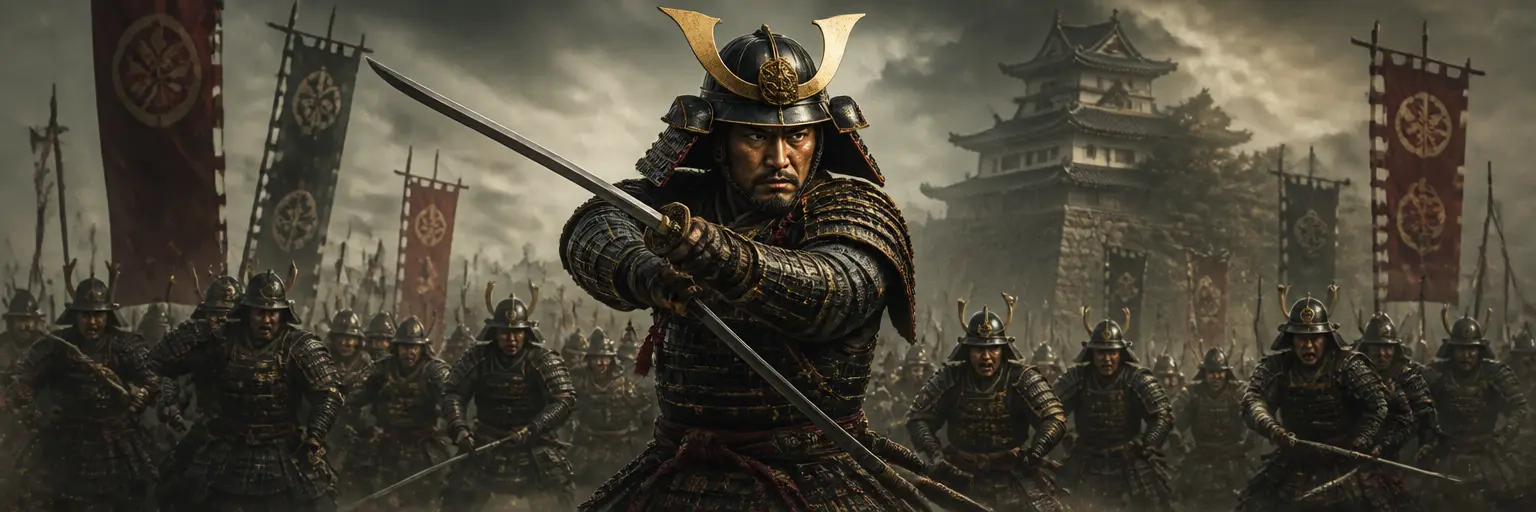
Explore the fierce world of Samurai Warfare ⚔️—from legendary battles and battlefield tactics to the armor, weapons, codes, and commanders who shaped feudal Japan. Discover how bushido, castle warfare, clan rivalries, and military strategy influenced Japan’s history through engaging, expert-driven insights from the Feudal Japan History collection.
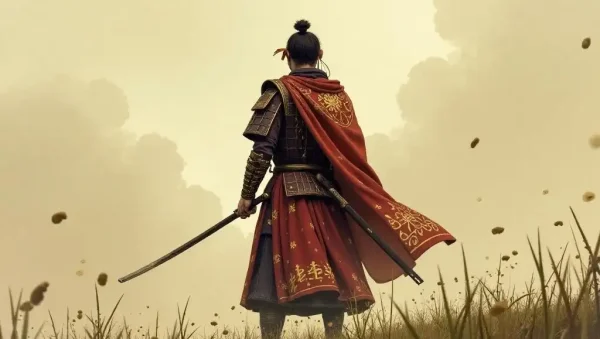
The Samurai mentality and warfare tactics were deeply intertwined, reflecting a unique blend of honor, discipline, and strategy. This article delves into…
Read article
The intricate designs and materials of samurai armor not only served as protection but also embodied the cultural significance of status and…
Read article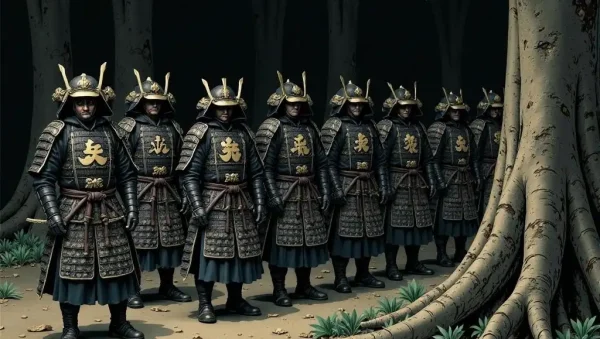
In exploring Samurai warfare tactics history, we uncover the strategic brilliance of tactical retreats. These maneuvers not only preserved lives but also…
Read article
The Samurai's impact on modern military strategies in Japan reveals a profound connection between historical martial principles and contemporary tactics. This article…
Read article
Exploring the dynamics of Samurai combat forces, this article delves into cavalry and infantry roles, highlighting how distinct Samurai combat strategies shaped…
Read article
The impact of Chinese warfare on samurai strategies is profound, shaping tactics, combat techniques, and military organization. This article delves into the…
Read article
Unlock the profound samurai warrior psychology insights that reveal how fear transformed into courage. Explore the intricate motivations behind their legendary resilience,…
Read article
The decline of the samurai marked a profound shift in Japan's feudal landscape, influenced by internal conflicts, the rise of centralized governance,…
Read article
⚔️ Explore the fascinating intersection of siege engines and Samurai in Feudal Japan warfare technology, revealing how innovative weaponry shaped battles and…
Read article
The history of samurai armor reveals a fascinating blend of functionality and artistry, reflecting the warrior's status and the evolving battlefield. This…
Read article
The Battle of Sekigahara history represents a pivotal moment in Japan's feudal era, marking the end of samurai dominance and the rise…
Read article
The legacy of samurai warfare influences Japan today, shaping modern martial arts, cultural values, and national identity. This exploration delves into how…
Read articleExplore the history of samurai warfare through detailed articles on battlefield strategy, famous Japanese battles, warrior traditions, military technology, and the changing role of the samurai from the Heian period through the Sengoku era and the Tokugawa shogunate. Within Feudal Japan History, this subcategory examines how samurai armies were organized, how daimyo competed for power, and how warfare shaped Japan’s political, cultural, and social development. Readers can discover reliable, expert-driven insights into Japanese military history, castle warfare, bushido, samurai weapons, and the tactics that defined feudal Japan.
Discover the major conflicts that shaped medieval and early modern Japan, from clan rivalries and imperial struggles to the large-scale campaigns of the Sengoku period. Articles cover important battles, military campaigns, sieges, alliances, betrayals, and turning points involving powerful families such as the Minamoto, Taira, Takeda, Uesugi, Mori, Oda, Toyotomi, and Tokugawa clans.
Each topic explains the wider historical context behind a battle, including political objectives, troop movements, terrain, leadership, and consequences. Readers can expect clear accounts of famous events such as the Genpei War, the Mongol invasions, the Battle of Sekigahara, and the sieges of Osaka, with attention to both legendary traditions and historical evidence.
Learn how samurai weapons and armor developed in response to changing battlefield conditions. This section explores the katana, tachi, yari spears, naginata, yumi bows, matchlock firearms, defensive armor, helmets, banners, and other equipment used by samurai, ashigaru, cavalry, and castle defenders.
Articles explain how weapons were manufactured, carried, and used in battle, while also examining their symbolic importance. Readers will find information about Japanese sword history, samurai armor construction, archery traditions, the arrival of firearms in Japan, and the ways technological innovation transformed feudal Japanese warfare.
Examine the tactics that allowed Japanese warlords to control territory and defeat rival armies. Topics include cavalry charges, infantry formations, archery, spear walls, ambushes, reconnaissance, naval operations, castle assaults, night attacks, and the use of terrain. The subcategory also explains the importance of discipline, communication, intelligence, and battlefield command.
Readers can explore how daimyo organized their forces and how samurai commanders adapted to changing conditions. Detailed discussions of Sengoku strategy, clan military systems, ashigaru mobilization, siege warfare, and battlefield logistics reveal that samurai warfare depended on much more than individual swordsmanship.
Understand the ideals associated with samurai identity, including loyalty, courage, honor, discipline, self-control, and service to a lord. This section considers the development of bushido and distinguishes later interpretations of the “warrior code” from the diverse beliefs and practices of actual samurai during Japan’s medieval and early modern periods.
Articles examine how religion, Confucian ethics, Zen traditions, family obligations, and political authority influenced warrior behavior. Readers will also learn about the complex realities of samurai life, including surrender, hostage-taking, marriage alliances, battlefield pragmatism, and the tension between moral ideals and military necessity.
Explore the people and institutions that made Japanese warfare possible. Samurai armies included mounted warriors, foot soldiers, ashigaru, retainers, engineers, messengers, porters, naval forces, and specialists responsible for weapons, supply, and siege operations. Understanding these groups provides a broader view of how feudal armies functioned.
This section also investigates the relationship between daimyo, vassals, village communities, and military households. Readers can learn how land ownership, taxation, castle towns, conscription, social rank, and clan loyalty shaped recruitment and military power across feudal Japan.
Japanese castles were strategic centers, administrative headquarters, and symbols of authority. Learn how mountain fortresses, stone-walled castles, moats, gates, towers, and layered defenses were designed to resist attackers. Articles examine famous sieges and the techniques used to capture or defend fortified positions.
Readers can expect practical historical explanations of siege weapons, mining, starvation tactics, negotiation, deception, fire attacks, and the role of firearms. The development of castles during the Sengoku period demonstrates how architecture and military strategy evolved together in response to continuous conflict.
Discover how Japan responded to military threats from outside the archipelago, including the Mongol invasions of 1274 and 1281. This section considers the organization of Japanese defenders, the use of coastal fortifications, samurai combat methods, Korean and Chinese forces, and the environmental conditions that influenced the campaigns.
Articles also explore maritime movement, coastal defense, piracy, trade routes, and naval warfare in East Asia. These subjects place samurai warfare within a broader international context and show how Japan’s military history was connected to China, Korea, the Ryukyu Islands, and regional diplomacy.
Samurai warfare refers to the military conflicts, strategies, weapons, institutions, and warrior traditions associated with Japan’s samurai class. It included clan warfare, cavalry combat, infantry battles, castle sieges, naval operations, and large-scale campaigns led by daimyo.
Samurai used a range of weapons, including the tachi, katana, wakizashi, yari, naginata, yumi bow, and later firearms such as the arquebus. Weapon choice depended on the period, the warrior’s role, battlefield conditions, and the development of military tactics.
No. Samurai armies also included ashigaru foot soldiers, archers, spearmen, engineers, sailors, messengers, laborers, and other support personnel. During the Sengoku period, large numbers of ashigaru became essential to the success of daimyo military campaigns.
The Sengoku period, often called the Warring States period, was one of the most important eras in samurai warfare. From the fifteenth to the late sixteenth century, rival daimyo competed through constant battles, castle construction, political alliances, and military innovation.
Bushido influenced later ideas about samurai honor and loyalty, but historical samurai behavior was shaped by many factors, including family interests, religious beliefs, political obligations, economic concerns, and military necessity. The concept developed over time and should not be treated as a single, unchanging code.