
Tactical Retreats: Lessons from Samurai Warfare

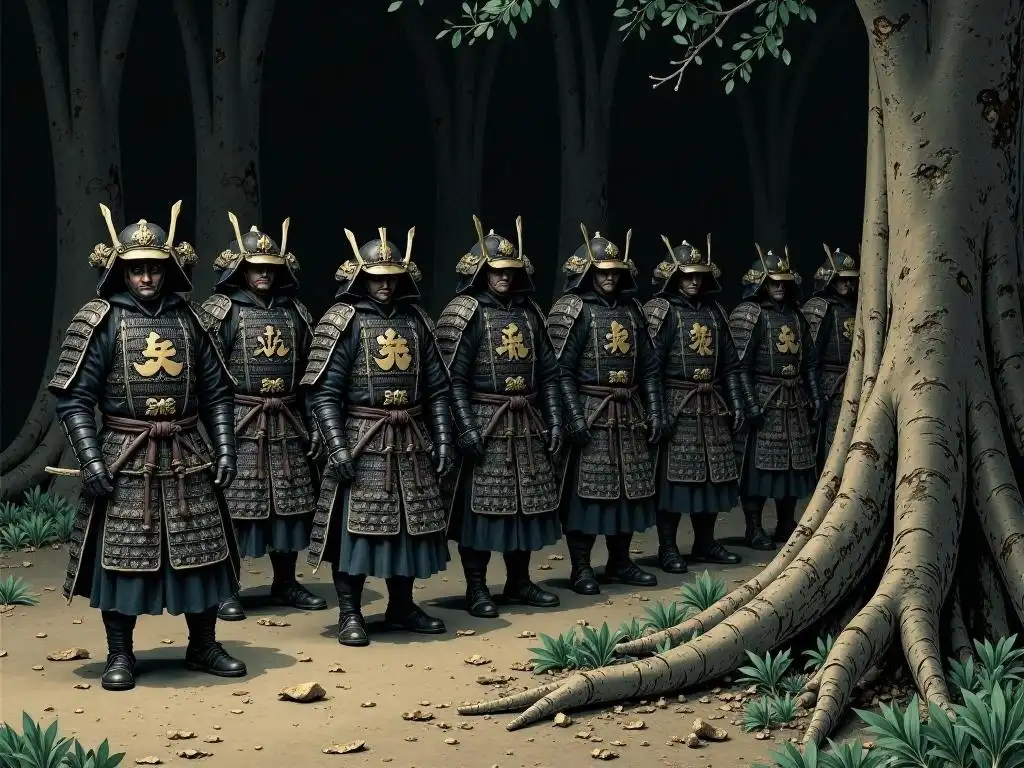
Welcome to Feudal Japan History, where we embark on a captivating journey through the intriguing world of Japan's feudal era. Delve into our latest article, "Tactical Retreats: Lessons from Samurai Warfare," and discover the strategic brilliance behind the legendary samurai warfare tactics that shaped history. What secrets did these warriors hold that allowed them to turn the tide of battle?
As you explore the intricate details of their military strategies, prepare to unlock a treasure trove of knowledge about the cultural and societal influences that defined this remarkable period. Join us as we unveil the complexities of samurai warfare tactics history—your next great adventure awaits!
Introduction to Samurai Warfare Tactics History
The history of samurai warfare is a rich tapestry woven with complex strategies, fierce battles, and a profound understanding of honor and combat. Central to this narrative is the concept of tactical retreats—an often misunderstood aspect of military strategy that showcases the depth and adaptability of samurai leaders.
While many envision the samurai as fearless warriors charging into battle, their true prowess often lay in their ability to recognize when to withdraw strategically, regroup, and strike with renewed vigor. This article aims to delve into the intricacies of samurai warfare tactics history, examining how tactical retreats were employed as a means of preserving strength and achieving victory in the long run.
Understanding the Importance of Strategy in Samurai Warfare
In the highly stratified society of feudal Japan, warfare was not merely a test of strength; it was a chess game of wits and tactics. Samurai were trained not only in combat but also in the philosophical underpinnings of strategy, influenced by texts such as The Book of Five Rings by Miyamoto Musashi. Key elements of strategy included:
- Terrain Awareness: Samurai often chose battlefields that provided natural advantages, allowing them to retreat to more defensible positions if necessary.
- Psychological Warfare: Understanding the morale of both their troops and the enemy was crucial. A tactical retreat could demoralize opponents or rally their own troops.
- Adaptability: The ability to change tactics mid-battle was pivotal. Samurai commanders often had to assess the situation rapidly and decide when a retreat was the best option.
Overview of Tactical Retreats in Military History
Tactical retreats are not exclusive to samurai warfare; they have been a fundamental component of military strategy across cultures and eras. Some notable examples include:
- The Greeks at Thermopylae: Despite their valiant stand, the Greeks retreated strategically to preserve their forces for future engagements.
- Napoleon’s Retreat from Moscow: A catastrophic retreat that, while poorly executed, highlighted the necessity of withdrawal in unfavorable conditions.
- The American Civil War: Various battles, such as the First Battle of Bull Run, demonstrated how retreats could be organized to preserve troop strength and morale.
In many cases, these retreats were not signs of weakness but rather calculated moves designed to ensure survival and regrouping for future encounters.
Historical Context of Samurai Warfare
To fully appreciate the tactical retreats of the samurai, it is essential to understand the historical context of their warfare. The samurai class emerged during the Heian period (794-1185 AD) and evolved through the Kamakura (1185-1333) and Muromachi (1336-1573) periods, facing various challenges that shaped their combat strategies.
The Evolution of Samurai Tactics Over the Centuries
As Japan transitioned through different periods of unrest and conflict, samurai tactics evolved significantly. Initially, samurai warfare was characterized by individual combat skills, but as conflicts escalated into larger battles, strategies became more sophisticated. Some key evolutionary points include:
- Introduction of Archery: Early samurai relied heavily on bows, leading to tactics that prioritized distance and mobility.
- Rise of Infantry: By the Sengoku period (1467-1603), samurai began to integrate infantry into their tactics, leading to complex formations and the need for strategic retreats.
- Gunpowder Warfare: The arrival of firearms in the late 16th century necessitated further adaptations, including new retreat strategies to avoid encirclement and maintain lines of fire.
Key Battles that Highlighted Tactical Retreats
Several pivotal battles in samurai history exemplify the effective use of tactical retreats:
- The Battle of Nagashino (1575): Tokugawa Ieyasu’s forces utilized retreats to lure the enemy into a vulnerable position, ultimately leading to victory.
- The Siege of Osaka (1614-1615): Tokugawa's forces executed strategic withdrawals to conserve manpower and resources in the face of a determined enemy.
- The Battle of Kawanakajima (1553): The famous conflict between Takeda Shingen and Uesugi Kenshin featured multiple tactical retreats that were instrumental in both leaders' strategies.
These historical examples not only illustrate the application of tactical retreats but also underscore their significance in the broader context of samurai warfare tactics.
The Philosophy Behind Tactical Retreats
In the complex world of samurai warfare, the concept of a tactical retreat was more than just a fallback; it was a strategic maneuver deeply embedded in the philosophy of combat. Samurai adhered to a code called Bushido, which emphasized honor, loyalty, and the skillful application of strategy over brute force. The ability to withdraw strategically was viewed not as a sign of weakness but as a critical aspect of survival and future success.
Tactical retreats allowed samurai to preserve their forces for future engagements, conserve resources, and regroup under more favorable conditions. This philosophy acknowledged that engaging in a battle without the upper hand could lead to unnecessary loss of life and resources, which in turn could jeopardize their clan's future. Thus, a well-timed retreat was seen as a wise decision that reflected a leader's prudence and foresight.
The Concept of 'Bunshin' in Samurai Warfare
The term 'Bunshin', which translates to "dividing oneself," was a critical tactical concept in samurai warfare. It embodies the idea of creating diversions or illusions during battle to mislead the enemy. This principle was not limited to the battlefield itself but extended to the art of retreat. By employing Bunshin, samurai could create the appearance of a strong front even while executing a strategic withdrawal. This would confuse and disorient their opponents, allowing the retreating forces to escape with minimal losses.
Bunshin was often implemented through feigned attacks, false retreats, or by sending out decoy forces to engage the enemy. This approach not only showcased the samurai's cunning but also reinforced the idea that a tactical retreat could be executed with honor and strategic depth. Hence, understanding and mastering Bunshin became essential for samurai leaders who sought to navigate the complexities of warfare while adhering to their code.
How Tactical Retreats Fit into the Samurai Code of Honor
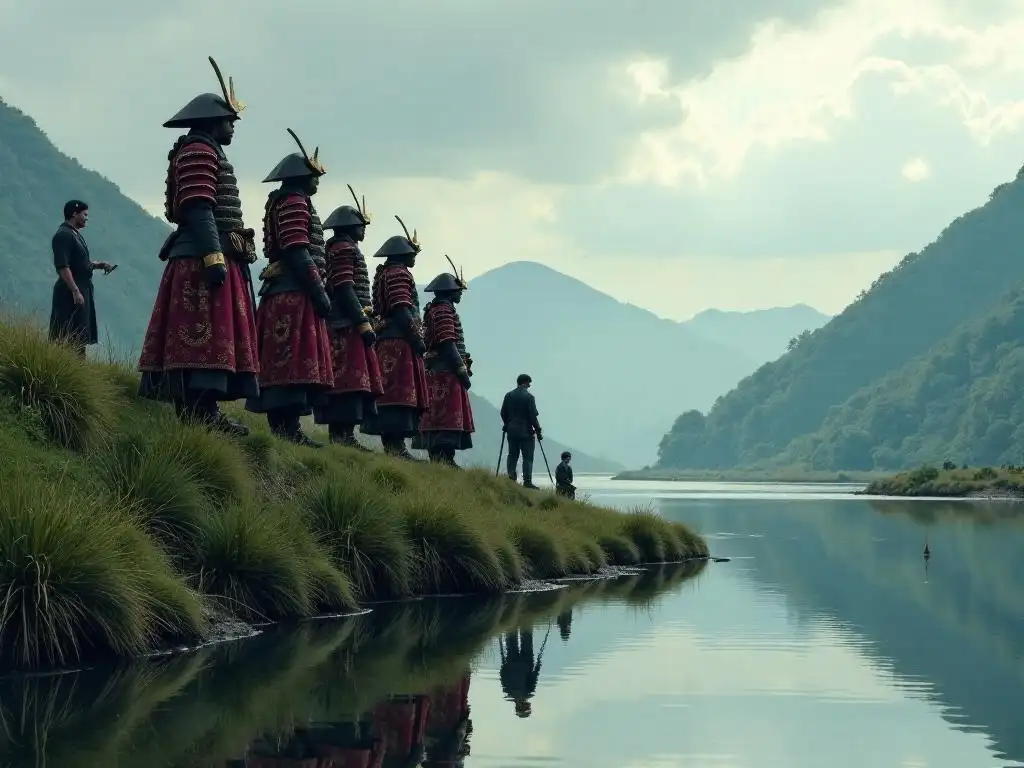
The samurai code of honor, or Bushido, emphasized values such as loyalty, courage, and strategic wisdom. Tactical retreats, when executed with purpose and foresight, aligned closely with these principles. A samurai who recognized when to retreat demonstrated not only tactical acumen but also a commitment to the welfare of their men and clan.
Retreats could preserve lives, allowing samurai to fight another day, which was a sign of wisdom rather than cowardice. The strategic choice to withdraw also reflected a leader's consideration for the long-term success of their clan. In this context, a tactical retreat was a manifestation of a samurai's intelligence in warfare, illustrating that sometimes the best path to honor and victory lies not in a direct confrontation but in a calculated withdrawal.
Analyzing Notable Tactical Retreats in Samurai History
Throughout samurai history, several notable tactical retreats have provided key insights into the effectiveness of this strategy. These instances highlight how samurai leaders navigated the complexities of warfare with strategic foresight and adaptability. Analyzing these events reveals the intricate balance between honor and pragmatism that characterized samurai warfare tactics.
The Battle of Nagashino: A Case Study
The Battle of Nagashino in 1575 stands as a prime example of tactical retreat in samurai warfare. During the battle, the forces of Takeda Katsuyori faced off against the Oda and Tokugawa alliance, which was bolstered by the innovative use of firearms. As the battle progressed unfavorably for the Takeda, Katsuyori recognized the impending disaster and ordered a tactical retreat.
This decision was grounded in the understanding that continuing the fight would lead to devastating losses. The retreat enabled the Takeda forces to regroup and reassess their strategies for future confrontations. This case illustrates how tactical retreats not only preserved the lives of samurai but also allowed for strategic recalibration, ultimately influencing future engagements in the ongoing conflict.
The Siege of Osaka: Retreat as Strategy
The Siege of Osaka (1614-1615) provides further insight into the use of tactical retreats. The Tokugawa shogunate faced formidable resistance from the Toyotomi clan, who defended Osaka Castle. As the siege intensified, the Toyotomi forces were compelled to retreat from certain positions to avoid encirclement and significant casualties.
Their retreat was not merely a withdrawal but a strategic maneuver aimed at regrouping and preserving their fighting capabilities. This decision allowed the Toyotomi to maintain a degree of resistance, illustrating how a tactical retreat could be employed to create opportunities for counterattacks. Ultimately, the siege demonstrated how the samurai's approach to warfare included recognizing the right moments to retreat in order to sustain their legacy and honor in battle.
The Role of Terrain in Samurai Tactical Retreats
The terrain played a crucial role in the execution of tactical retreats during samurai warfare. Understanding and leveraging geographical features enabled samurai commanders to enhance their chances of survival and regrouping after a setback. The effectiveness of a retreat often hinged on the ability to choose routes that minimized exposure to the enemy while maximizing the natural advantages of the landscape.
Understanding the Geographical Advantages
Samurai strategists were keenly aware of the significance of terrain in shaping military outcomes. Natural features such as mountains, rivers, forests, and valleys could be manipulated to create defensive positions or cover for retreating troops. For instance, mountainous regions allowed for rapid movement and provided natural barriers against pursuing forces. Similarly, dense forests could obscure troop movements, making it difficult for enemies to track their advance or retreat.
The knowledge of local geography was vital. Samurai often relied on scouts and local guides to inform them of the best pathways and escape routes. This understanding of terrain not only facilitated effective retreats but also served to regroup and prepare for counterattacks. The ability to navigate and utilize the land to one’s advantage was a hallmark of samurai tactics, setting them apart in the annals of military history.
Examples of Terrain Utilization in Retreat Strategies
Several notable historical instances illustrate the strategic application of terrain in samurai retreats. One prominent example is the Battle of Kawanakajima in 1561, where Takeda Shingen and Uesugi Kenshin faced off. After an initial clash, Takeda's forces retreated into the mountainous terrain, using the steep slopes to slow down Uesugi's pursuit. This enabled them to regroup and fortify their defenses, eventually leading to a counteroffensive.
Another example is during the Siege of Osaka (1614-1615), where the Tokugawa forces utilized the surrounding rivers and marshlands to create barriers against the attacking armies of Toyotomi Hideyori. By retreating into more navigable terrain, they could better manage their logistics and communications while denying the enemy the advantage of a direct assault.
Comparison of Tactical Retreats in Samurai Warfare and Other Cultures
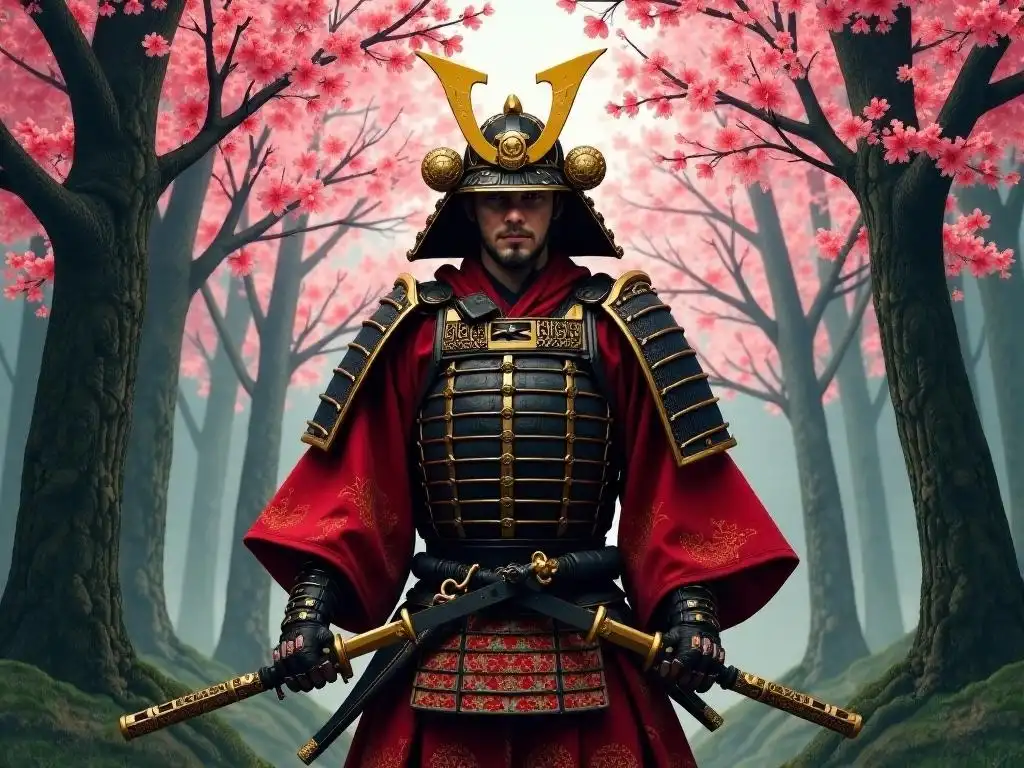
The concept of tactical retreats is not unique to samurai warfare; however, the execution and underlying philosophies differ significantly across cultures. Analyzing these similarities and differences offers insights into the broader context of military strategy in history.
Similarities with European Medieval Warfare Tactics
In both samurai and European medieval warfare, the strategic retreat was often employed as a means of preserving forces for future engagements. Commanders in both cultures recognized that a well-executed retreat could prevent total annihilation and allow for regrouping or re-strategizing. For instance, the use of fortified positions and natural barriers was common to both samurai and medieval European tactics, where armies would withdraw to more defensible locations rather than face overwhelming odds.
Additionally, both military traditions emphasized the importance of morale in retreats. Leaders would often conduct retreats in a manner that preserved the honor of their troops, maintaining a semblance of control and discipline even in the face of adversity. This cultural emphasis on honor and reputation helped frame the narrative of retreats as tactical maneuvers rather than signs of defeat.
Differences in Philosophy and Execution
Despite the similarities, significant differences exist in the philosophies behind tactical retreats in samurai warfare compared to other cultures. Samurai culture, steeped in the principles of bushido, placed a profound emphasis on honor, loyalty, and the warrior's code. This often meant that a retreat could be seen as dishonorable unless executed with clear strategic intent and under specific circumstances. Samurai were trained to fight to the last breath, making their retreats more calculated and often accompanied by a willingness to face the enemy again under more favorable conditions.
In contrast, many European military leaders historically adopted a more pragmatic approach to retreats, viewing them as necessary evils in the context of larger strategic objectives. The flexibility in execution often led to more frequent retreats without the same level of social stigma attached. This philosophical divergence reflects deeper cultural values, where samurai warfare was often intertwined with a personal code of conduct that influenced decisions on and off the battlefield.
While both samurai and medieval European tactics shared common ground in utilizing terrain and maintaining morale during retreats, the underlying philosophies and cultural implications of those retreats reveal a rich tapestry of military history that continues to inform our understanding of warfare today.
Lessons Learned from Samurai Tactical Retreats
Samurai warfare tactics were not solely focused on direct confrontation; they also emphasized the importance of strategic withdrawal. Tactical retreats allowed samurai to preserve their forces, regroup, and re-evaluate their strategies rather than plunge into fruitless battles. One of the most notable examples is the retreat of Takeda Shingen during the Battle of Kawanakajima, where he executed a calculated withdrawal to save his troops from a potentially disastrous engagement with Uesugi Kenshin.
This approach taught leaders the value of adaptability and the need to recognize when the cost of continuing a fight outweighs potential gains. Samurai warriors demonstrated that sometimes pulling back can be a sign of strength, allowing them to fight another day under more favorable conditions. Learning from these historical retreats can provide contemporary military strategists with insights into the importance of flexibility and the effective management of resources in high-stakes situations.
Key Takeaways for Modern Military Strategy
- Adaptability is Crucial: Modern military operations can benefit from the samurai principle of adapting strategies based on the situation at hand. Commanders should be prepared to alter their plans and retreat when necessary to avoid unnecessary losses.
- Preservation of Forces: Maintaining the integrity of one’s forces is vital. A tactical retreat can allow for regrouping and reinforcement, which is essential for future engagements. This preservation strategy is particularly relevant in modern warfare, where forces are often stretched thin.
- Situational Awareness: Just as samurai had to assess the battlefield conditions to decide when to retreat, contemporary military leaders must cultivate strong situational awareness and intelligence to make informed decisions.
- Psychological Warfare: Retreats can also serve as a psychological tactic, misleading opponents about one’s true capabilities or intentions. This aspect of samurai tactics can be applied in modern psychological operations to confuse and demoralize adversaries.
The Relevance of Samurai Warfare Tactics in Contemporary Conflict
The principles of samurai warfare tactics, including tactical retreats, continue to hold relevance in contemporary conflicts. Many modern military leaders study historical battles, including those of the samurai, to draw lessons applicable to current warfare contexts. The emphasis on flexibility, the preservation of resources, and the strategic use of retreats can inform contemporary military doctrines.
In conflicts characterized by asymmetric warfare, where smaller forces face larger adversaries, the ability to retreat and regroup can be vital for survival and eventual success. The samurai's approach to battlefield management encourages military leaders today to assess their strengths and weaknesses continually and to utilize retreats as a tactical option rather than a sign of defeat.
Conclusion: The Enduring Legacy of Samurai Warfare Tactics
The legacy of samurai warfare tactics, particularly their approach to tactical retreats, is a testament to the sophistication of their military strategies. By understanding the importance of withdrawal in the context of broader military objectives, modern strategists can learn valuable lessons about the dynamics of conflict.
Reflecting on the Impact of Tactical Retreats in History
The impact of tactical retreats in samurai warfare has shaped not just military strategies but also the cultural narratives surrounding honor and conflict in Japan. Historical accounts highlight that a well-executed retreat can preserve honor and reputation, allowing warriors to live to fight another day. This understanding of honor in retreat reinforces the idea that retreating is not synonymous with cowardice but rather a strategic choice made in the heat of battle.
Final Thoughts on the Significance of Samurai Warfare Tactics History
In examining the history of samurai warfare tactics, it becomes clear that the lessons learned from tactical retreats are enduring and significant. These principles can transcend time, offering insights not only for military leaders but for anyone interested in strategy and conflict resolution. The samurai’s legacy continues to influence modern military thought, emphasizing that sometimes the best way to win is to know when to step back and reassess, ensuring that the fight can continue under more advantageous circumstances.
- Introduction to Samurai Warfare Tactics History
- Historical Context of Samurai Warfare
- The Philosophy Behind Tactical Retreats
- The Concept of 'Bunshin' in Samurai Warfare
- How Tactical Retreats Fit into the Samurai Code of Honor
- Analyzing Notable Tactical Retreats in Samurai History
- The Role of Terrain in Samurai Tactical Retreats
- Comparison of Tactical Retreats in Samurai Warfare and Other Cultures
- Lessons Learned from Samurai Tactical Retreats
- Conclusion: The Enduring Legacy of Samurai Warfare Tactics
Frequently Asked Questions
What are Samurai warfare tactics?
Samurai warfare tactics encompass various strategies and techniques utilized by the samurai class during Japan's feudal era. These tactics include ambushes, flanking maneuvers, and the use of psychological warfare.
What is the significance of tactical retreats in Samurai warfare?
Tactical retreats were essential in preserving resources and maintaining the fighting spirit of the samurai. These retreats allowed for regrouping and planning more effective counterattacks rather than facing certain defeat.
How did the environment influence Samurai warfare tactics?
The geographical features of Japan, such as mountains and forests, significantly shaped Samurai tactics. Warriors often used the terrain to their advantage, employing guerrilla warfare and surprise attacks.
What role did honor play in Samurai warfare?
Honor was a central tenet of the samurai code, known as Bushido. Decisions in warfare were often influenced by the need to maintain personal and familial honor, which could lead to both valorous actions and tragic outcomes.
How can modern military strategies learn from Samurai tactics?
Modern military strategies can take cues from Samurai tactics by emphasizing the importance of flexibility, strategic retreats, and adaptation to the environment. The samurai's ability to innovate under pressure can inspire contemporary military planning.
Final Reflection: Embracing the Wisdom of Samurai Warfare Tactics
In exploring the intricate world of samurai warfare tactics, we uncover timeless lessons that resonate profoundly in our modern lives. The strategic principles of retreat, adaptability, and foresight not only shaped the battlefield but also offer invaluable insights into navigating the complexities of contemporary challenges. As we face our own battles—be they personal, professional, or societal—the wisdom of the samurai reminds us that sometimes, stepping back is the most courageous and strategic move we can make.
The influence of samurai tactics extends far beyond the historical context of feudal Japan; it has permeated various aspects of our cultural and social landscape. The art of strategic retreat teaches us the importance of resilience and the ability to reassess our circumstances. As the renowned philosopher Sun Tzu once said, In the midst of chaos, there is also opportunity.
This perspective encourages us to view setbacks not as failures but as opportunities for growth and reflection, echoing the samurai's approach to warfare and life itself.
As we conclude this exploration of samurai warfare tactics, I invite you to reflect on how these principles can be applied in your own life. Consider the moments when a tactical retreat could lead to greater clarity and strength. Embrace the idea that wisdom often lies in knowing when to advance and when to withdraw.
Let the lessons of the samurai inspire you to approach your challenges with a strategic mindset, fostering resilience and adaptability in the face of adversity. The path of the samurai is not just a historical narrative; it is a call to action for each of us to cultivate our own inner warrior.
Unleash Your Inner Samurai: Take Action Today!
Thank you for diving into the world of samurai warfare with us! We hope you enjoyed exploring the tactical retreats that shaped the battlefield strategies of these legendary warriors. Now that you've gained these valuable insights, it's time to channel your newfound knowledge into practical actions.
Here are a few steps to help you embrace the samurai spirit in your own life:
- Reflect and Apply: Identify a challenge you’re currently facing and consider how you can implement a strategic approach to overcome it. What steps can you take to reassess the situation and tackle it with a fresh perspective?
- Join the Conversation: Share your insights on tactical retreats in the comments section below! Let’s learn from each other's experiences and strategies.
- Explore Further: Delve deeper into samurai history by checking out our recommended readings and resources. Discover more about these heroes and their tactics to inspire your personal growth.
What strategic approach could you take to transform a setback into a comeback? We’d love to hear your thoughts!