
The Samurai’s Influence on Modern Japanese Military Strategies

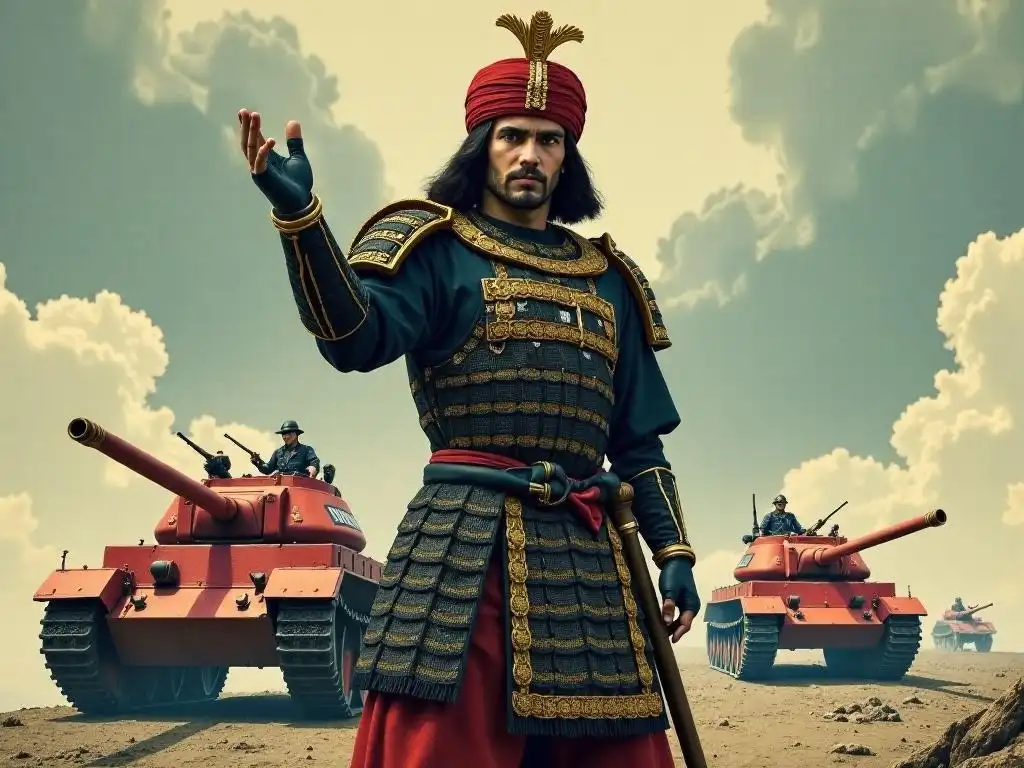
Welcome to Feudal Japan History, where we embark on a captivating journey through the rich tapestry of Japan's feudal era. Here, you’ll uncover the profound impact of the samurai on modern military strategies, a topic that intertwines the legacy of these legendary warriors with contemporary defense practices.
As you delve into our expertly crafted articles, prepare to be intrigued by the ways ancient customs and philosophies continue to shape today’s military landscape. Join us as we explore how the echoes of the past resonate in the present, igniting your curiosity to learn more about this fascinating intersection of history and modernity.
Introduction to Samurai and Their Role in Japanese History
The impact of the Samurai on modern Japanese military strategies is both profound and multifaceted. These elite warriors, who rose to prominence during Japan’s feudal era, not only shaped the battlefield tactics of their time but also laid down principles that resonate within contemporary military practices. Understanding their historical context is crucial to appreciate how their legacy continues to influence Japan's defense strategies today. This exploration delves into the Samurai's rich history, examining their warfare tactics, core values, and the overarching principles that have transcended the ages.
Overview of the Samurai Class in Feudal Japan
The Samurai were more than just skilled fighters; they were a distinct social class with a complex hierarchy and cultural significance. Emerged in the late 12th century, they served as military nobility, loyal to their feudal lords, the daimyo. The Samurai's role extended beyond the battlefield; they were also stewards of art, culture, and philosophy, embodying ideals that would shape the very fabric of Japanese society.
Key characteristics of the Samurai class included:
- Social Structure:
- Daimyo: Feudal lords who commanded Samurai.
- Samurai: Warriors sworn to serve the daimyo.
- Peasants: Farmers who supported the Samurai economically.
- Military Training: Samurai underwent rigorous training, mastering various weapons, including the katana, and developing strategies for both individual combat and large-scale warfare.
- Cultural Influence: The Samurai were patrons of the arts, engaging in practices such as tea ceremonies, poetry, and calligraphy, which enriched the cultural landscape of Japan.
Through this multifaceted existence, the Samurai became emblematic of Japanese martial values, establishing traditions that would influence generations to come.
The Evolution of Samurai Warfare Tactics
Over the centuries, Samurai warfare tactics evolved significantly, adapting to changing political landscapes and technological advancements. Initially, Samurai fought on horseback, employing archery and swordsmanship. However, with the introduction of firearms in the 16th century, strategies shifted dramatically.
- Key Tactical Shifts:
- From Cavalry to Infantry: As firearms became prevalent, Samurai adapted by forming infantry units.
- Strategic Alliances: The formation of alliances and coalitions became crucial, exemplified during the Sengoku period when various clans vied for power.
- Psychological Warfare: Samurai often utilized psychological tactics to intimidate opponents, emphasizing their reputation as fierce warriors.
These evolving tactics not only defined the Samurai's approach to combat but also laid the groundwork for modern military strategies, emphasizing adaptability and innovation.
The Samurai's Core Principles and Their Relevance
Central to the identity of the Samurai were their core principles, which emphasized honor, loyalty, and a strong moral code. These values, encapsulated in the concept of Bushido, significantly inform the ethos of the modern Japanese military.
Bushido: The Way of the Warrior
Bushido, or "the way of the warrior," is a code of conduct that guided Samurai in both life and combat. It extolled virtues such as courage, integrity, compassion, and respect. This ethical framework not only governed the Samurai's behavior but also shaped the moral compass of Japanese society as a whole.
- Core Tenets of Bushido:
- Courage: Facing fear with bravery in battle.
- Integrity: Upholding one's word and commitments.
- Compassion: Showing empathy and kindness, even towards enemies.
These principles continue to resonate in modern military training, promoting values that underpin a cohesive and disciplined fighting force.
Loyalty and Honor in Samurai Culture
Loyalty and honor were paramount in Samurai culture, not merely as personal virtues but as societal expectations. The relationship between a Samurai and their lord was sacred, often portrayed through the lens of loyalty that transcended even personal safety and life.
- The Concept of Seppuku:
- This ritual suicide was often performed by a Samurai who felt they had failed in their duty or dishonored their lord, illustrating the extreme importance of loyalty and honor.
- Modern Parallels:
- Today, these values are mirrored in the Japanese Self-Defense Forces, where loyalty to the nation and commitment to ethical conduct are emphasized.
The Samurai’s influence on modern Japanese military strategies is deeply rooted in their historical context, evolving tactics, and core principles. By understanding these aspects, we can appreciate how these ancient warriors continue to shape contemporary military ideologies in Japan.
Historical Context of Samurai Military Strategies
The samurai emerged as a distinct warrior class in Japan during the late Heian period (794-1185 AD), primarily characterized by their adherence to the bushido code, which emphasized loyalty, honor, and martial prowess. This period saw the rise of powerful clans, leading to a series of civil wars known as the Genpei War, which set the stage for the samurai's role in Japanese society. As the Kamakura shogunate was established, samurai became essential to the political and military framework of Japan, transforming from mere warriors to influential figures in governance.
Samurai strategies were heavily influenced by the geographical and sociopolitical dynamics of feudal Japan. The mountainous terrain of Japan necessitated tactics that favored mobility and surprise, resulting in the development of guerrilla warfare techniques. Additionally, the samurai's unique weaponry, particularly the katana, became a symbol of their martial identity, influencing both their combat strategies and their approach to warfare. As conflicts evolved, so did the samurai's methods, integrating psychological warfare and complex formations to maximize their effectiveness on the battlefield.
Key Battles and Campaigns Led by Samurai
Throughout Japan's feudal era, several key battles exemplified the strategic ingenuity of the samurai. One notable example is the Battle of Kurikara in 1183, where Minamoto no Yoshinaka's forces employed lightning-fast cavalry charges to defeat a numerically superior enemy. This battle showcased the samurai's ability to leverage speed and surprise, principles that remain relevant in modern military tactics.
Another significant engagement was the Battle of Nagashino in 1575, where Oda Nobunaga's forces innovatively combined samurai cavalry with firearms. The use of firearms marked a turning point in Japanese warfare, demonstrating how samurai leaders adapted to technological changes while maintaining traditional combat values. These key battles not only solidified the samurai's reputation as formidable warriors but also laid foundational strategies that would influence future military doctrines.
Innovations in Warfare Introduced by Samurai
Samurai warfare was marked by several innovations that had enduring impacts on military strategy. The introduction of the katana, with its distinctive curved blade, revolutionized close combat, allowing for swift slashing techniques that emphasized speed and precision. The samurai also pioneered the use of cavalry tactics, which included mounted archers who could engage enemies while remaining mobile.
Moreover, the samurai were adept at employing psychological tactics, such as the use of banners and war cries to intimidate opponents. These methods not only aimed to demoralize the enemy but also fostered unity and morale among samurai ranks. The emphasis on training and discipline within the samurai class ensured that these innovations were consistently implemented, shaping the nature of Japanese warfare for centuries.
The Transition from Feudal Warfare to Modern Military Strategies
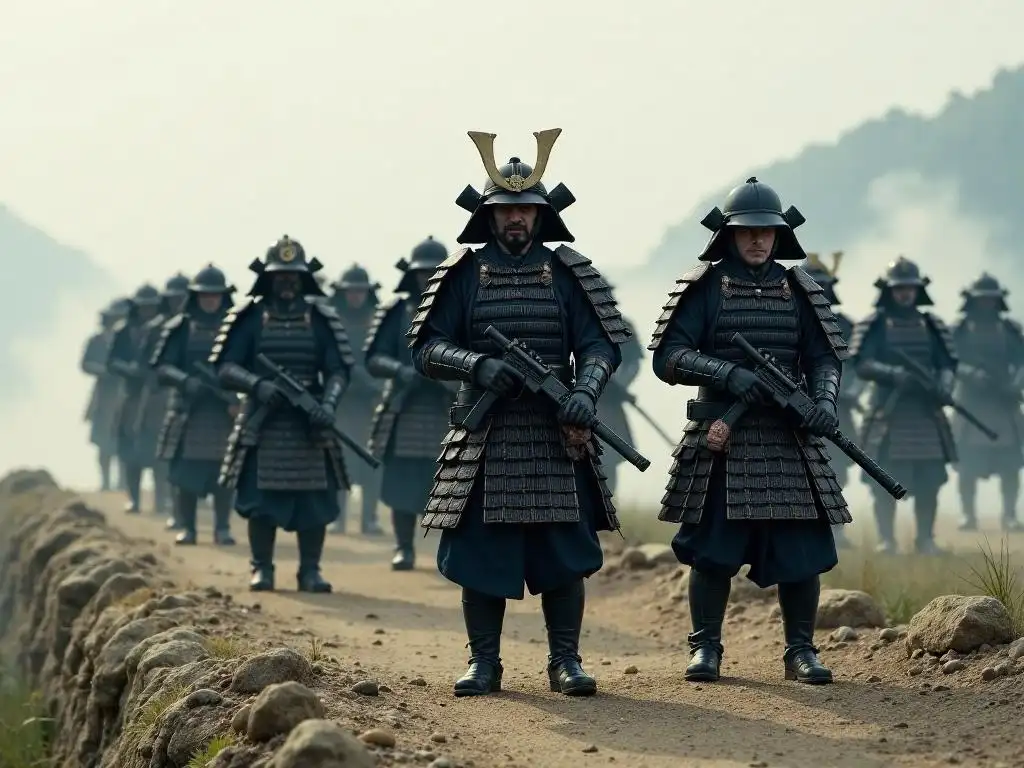
The transition from feudal warfare, characterized by the samurai's influence, to modern military strategies was a complex process that involved significant cultural and political shifts. The Meiji Restoration in 1868 marked a pivotal moment in Japan's history, leading to the dissolution of the feudal system and the establishment of a centralized government. This transition necessitated a reevaluation of military practices, as Japan sought to modernize its military to compete with Western powers.
The Meiji Restoration and Its Impact on Military Structure
The Meiji Restoration catalyzed profound changes in Japan's military structure. The new government dismantled the samurai class's privileges, integrating former samurai into a conscript army that emphasized universal military service. This shift was instrumental in replacing the traditional samurai hierarchy with a more egalitarian military structure that focused on merit and training rather than lineage.
During this period, Japan adopted Western military practices and technologies, leading to the establishment of a modern army that retained some samurai influences. For instance, the samurai ethos of loyalty and dedication was incorporated into the new military culture, promoting a sense of duty among soldiers. This blending of traditional values with modern military organization laid the groundwork for Japan's rapid advancement as a military power in the late 19th and early 20th centuries.
Incorporation of Samurai Tactics into Modern Military Doctrine
Despite the sweeping changes of the Meiji Restoration, elements of samurai tactics continued to influence modern military doctrine in Japan. The emphasis on mobility, strategic positioning, and decisive engagement can be traced back to samurai warfare. Moreover, the psychological aspects of combat—such as leadership, morale, and the importance of honor—remain integral components of Japan's military philosophy.
In contemporary military training, the principles of bushido still resonate, emphasizing discipline, respect, and strategic thinking. As Japan navigates modern conflicts, the legacy of the samurai can be seen in its approach to warfare, blending traditional values with modern strategies to create a unique military identity. This enduring influence underscores the significance of the samurai's impact on modern military practices, ensuring that their legacy persists in the contemporary landscape of Japanese defense.
The Samurai's Enduring Legacy in Contemporary Japanese Military
The legacy of the samurai is deeply woven into the fabric of modern Japanese military strategies, reflecting centuries of martial tradition and philosophy. The samurai, once the elite warrior class of feudal Japan, left behind a profound influence that can be observed in various aspects of today's military practices.
Their principles of discipline, honor, and strategic thinking continue to resonate within the ranks of the Japan Self-Defense Forces (JSDF) and beyond. The samurai's emphasis on loyalty, perseverance, and ethical conduct not only shaped their own era's warfare but also laid a foundation for the moral framework guiding modern military personnel.
Moreover, many historical texts and samurai philosophies, such as the Book of Five Rings by Miyamoto Musashi, are studied by military strategists and leaders today. These works provide insights into the psychological aspects of combat, the importance of adaptability, and the value of understanding one's opponent—lessons that are vital in contemporary military operations.
Influence on Modern Military Training Programs
Modern Japanese military training programs draw significantly from samurai traditions, integrating concepts that emphasize both individual skill and collective harmony. For instance, the practice of budo, which encompasses traditional martial arts, is not only a means of physical training but also a way to instill values such as respect, discipline, and mental fortitude among soldiers.
In the JSDF, training exercises often incorporate strategic simulations that echo samurai tactics, focusing on quick decision-making and adaptability in dynamic environments. This training regimen is designed to prepare personnel for modern conflicts while maintaining a link to Japan’s historical martial heritage.
Furthermore, the samurai's approach to team cohesion and unit integrity is mirrored in contemporary military exercises, where the importance of trust and cooperation is paramount. By fostering a sense of camaraderie akin to that of samurai warriors, modern training programs aim to build resilient and effective fighting forces.
Case Studies of Samurai Principles in Action
Several instances in modern military operations exemplify the application of samurai principles. One notable case is the JSDF's response to natural disasters, such as the 2011 Great East Japan Earthquake. The samurai code of bushido, which emphasizes duty and service to the community, was a guiding principle for military personnel as they assisted in relief efforts, embodying the samurai spirit of selflessness and dedication.
Another example is the strategic use of intelligence and reconnaissance, reminiscent of samurai tactics. In contemporary operations, Japanese forces utilize advanced technology for gathering information, paralleling the samurai's emphasis on understanding the battlefield and the enemy. This blend of traditional wisdom and modern techniques showcases the enduring relevance of samurai strategies in today's military context.
Comparative Analysis: Samurai Tactics vs. Modern Military Strategies
The examination of samurai tactics reveals both similarities and differences when compared to modern military strategies. Samurai warfare was characterized by individual combat prowess, strategic formations, and psychological warfare, while modern military operations emphasize technology, logistics, and large-scale coordination.
Strengths and Weaknesses of Samurai Warfare Techniques
Samurai tactics were notable for their emphasis on honor, skill, and the psychological impact of warfare. The strengths of these techniques included:
- Individual Skill: Samurai were highly trained in various forms of combat, allowing for adaptability in one-on-one engagements.
- Strategic Use of Terrain: Samurai often understood the importance of terrain and used it to their advantage in battle, which remains vital in modern warfare.
However, these techniques also had weaknesses:
- Rigidity in Formation: Samurai units could be inflexible, often relying on traditional formations that might not adapt well to evolving battlefield dynamics.
- Limited Resources: Unlike modern armies with access to extensive logistical support, samurai forces operated within the constraints of their time, which could hinder sustained military campaigns.
Lessons Learned from Samurai Strategies for Modern Warfare
Modern militaries can glean valuable lessons from samurai strategies that remain applicable today. Some key takeaways include:
- Adaptability: The ability to adjust tactics based on the situation at hand is crucial in modern warfare, a principle strongly emphasized by samurai generals.
- Psychological Warfare: Understanding the psychological aspects of conflict, including the morale of troops and the impact of fear on the enemy, is a lesson that transcends time.
- Discipline and Training: The rigorous training regimens of samurai serve as a reminder of the importance of discipline in achieving operational effectiveness.
The samurai's impact on modern military strategies is profound, with their principles and tactics continuing to inform and shape contemporary approaches to warfare. The integration of these historical insights into modern practices showcases the timeless relevance of samurai heritage in the evolving landscape of military strategy.
The Samurai Impact on Global Military Practices
The samurai, Japan’s iconic warrior class, have left an indelible mark not only on their own military practices but also on global military strategies. The principles of bushido, emphasizing honor, discipline, and loyalty, have resonated throughout history and influenced military thought beyond Japan's borders. The samurai's unique approach to warfare—characterized by meticulous planning, psychological warfare, and individual combat prowess—has inspired military leaders worldwide.
Additionally, the samurai's integration of strategy with philosophy, particularly during the Sengoku period, established a model for understanding warfare that transcended mere tactics. Concepts such as adaptability and the importance of morale became foundational elements in military training across various cultures. As nations modernized their military forces, the strategic insights derived from samurai practices were incorporated into military doctrines, influencing everything from infantry formations to leadership styles.
Influence of Japanese Military Strategies on Other Nations
Japanese military strategies, particularly those honed by the samurai, began to gain recognition during the late 19th and early 20th centuries. Japan’s victory in the Russo-Japanese War (1904-1905) served as a pivotal moment, showcasing the effectiveness of Japanese military tactics on the global stage. The innovative use of mobility, combined arms operations, and the strategic deployment of troops, all of which were informed by samurai principles, became subjects of study for military academies around the world.
Countries like Germany and the United States took particular interest in Japan's military successes. They analyzed samurai-inspired strategies, adopting concepts such as rapid maneuver warfare and the psychological aspects of engaging with the enemy. This cross-pollination of ideas led to the development of new military doctrines that emphasized flexibility and speed, attributes that can be traced back to samurai strategies.
Cross-Cultural Exchange of Military Tactics
The cross-cultural exchange of military tactics has been a hallmark of military evolution, with the samurai playing a significant role in this dynamic. The Meiji Restoration marked a period of intense modernization in Japan, during which Western military tactics were integrated with traditional samurai approaches. This blending of ideas allowed Japan to emerge as a formidable military power.
Moreover, during World War II, the samurai ethos was invoked to inspire troops, emphasizing resilience and the will to fight. The impact of samurai culture can be seen in various military institutions around the world that study Japanese military history and tactics. The emphasis on discipline, strategic thinking, and moral conduct has been particularly influential in shaping modern military education in numerous countries.
Conclusion: The Lasting Impact of Samurai on Modern Military
The legacy of the samurai is evident in modern military practices, with their influence permeating various aspects of military strategy and philosophy. The core tenets of bushido, such as loyalty, honor, and the warrior spirit, continue to resonate within contemporary military organizations. These values not only define the conduct of military personnel but also shape the leadership styles that guide modern armed forces.
Reflection on the Importance of Samurai Heritage in Military Ethics
The ethical framework established by the samurai remains relevant in today's military context. As modern militaries grapple with the complexities of warfare, the samurai's commitment to honor and ethical conduct serves as a guiding principle. The emphasis on integrity and moral responsibility in military operations reflects a direct lineage from samurai traditions.
Furthermore, the samurai's approach to conflict resolution and diplomacy has influenced modern military strategies, advocating for the importance of negotiation alongside combat readiness. This holistic view promotes a balance between the use of force and the pursuit of peaceful resolutions, underscoring the enduring significance of samurai heritage in military ethics.
Future Perspectives on Samurai Influence in Military Strategies
Looking ahead, the influence of the samurai on military strategies will likely continue to evolve. As global conflicts become more complex and multifaceted, the need for ethical frameworks rooted in historical traditions will be paramount. Military leaders are increasingly recognizing the value of integrating lessons from the past into modern strategy formulation.
Innovation in technology and warfare will further challenge traditional military paradigms; however, the fundamental principles of strategy, discipline, and honor championed by the samurai will remain vital. Future military strategies may increasingly draw upon samurai philosophies to navigate the ethical dilemmas of modern warfare, ensuring that the impact of the samurai on military practices endures well into the future.
References and Further Reading
The legacy of the samurai continues to resonate within modern military frameworks, influencing strategies, tactics, and even the ethos of contemporary armed forces. To gain a deeper understanding of this fascinating relationship, exploring a variety of resources is essential. Below is a curated selection of recommended books, articles, and online resources that delve into the intricacies of samurai warfare and their lasting impact on modern military strategies.
Recommended Books and Articles on Samurai and Military History
- "Bushido: The Soul of Japan" by Inazo Nitobe
- A seminal work that explores the ethical code of the samurai, Nitobe’s book provides insight into how the principles of bushido have shaped Japanese culture and military thought.
- "Samurai Warfare" by Stephen Turnbull
- This comprehensive guide discusses the tactics, weapons, and battles of the samurai, offering a detailed look at how these elements contribute to modern military practices.
- "The Samurai: A Military History" by John M. Maki
- Maki’s work outlines the evolution of samurai warfare and its techniques, providing context for its influence on contemporary military strategy.
- "The Art of War" by Sun Tzu, translated by Ralph D. Sawyer
- Though not exclusively about samurai, this ancient text is essential in understanding military strategies that have been adopted and adapted by samurai and modern military leaders alike.
- "Samurai: The Last Warrior" by John Man
- This book chronicles the life and times of the samurai, focusing on their transition into modernity and the lingering effects on Japan's military framework.
- Journal of Japanese Studies
- A scholarly journal that often features articles on samurai history and military tactics, providing peer-reviewed insights into the ongoing impact of samurai practices on modern military strategies.
Online Resources for In-Depth Study of Samurai Warfare
- The Samurai Archives
- An extensive online repository of articles, forums, and resources dedicated to samurai history and culture, ideal for both casual readers and serious researchers.
- The National Museum of Japanese History
- The museum’s website offers a wealth of digital exhibits and educational resources that explore the samurai’s place in Japanese history and their military contributions.
- JSTOR
- A digital library that hosts a variety of academic papers related to samurai warfare and military history, allowing for a deeper dive into specific topics relevant to the samurai’s influence on modern military strategies.
- The Asian Art Museum
- This museum’s online resources provide insight into samurai artifacts and their historical context, enhancing the understanding of how samurai warfare has influenced contemporary military practices.
- YouTube Channels like "History Time" and "The Great War"
- These channels often produce high-quality documentaries and discussions about samurai history and military strategies, making complex topics accessible to a wider audience.
By engaging with these resources, readers can enrich their understanding of the samurai's impact on modern military strategies, appreciating how the ethos, tactics, and values of these legendary warriors continue to shape contemporary Japan's defense policies and military conduct.
- Introduction to Samurai and Their Role in Japanese History
- The Samurai's Core Principles and Their Relevance
- Historical Context of Samurai Military Strategies
- The Transition from Feudal Warfare to Modern Military Strategies
- The Samurai's Enduring Legacy in Contemporary Japanese Military
- Comparative Analysis: Samurai Tactics vs. Modern Military Strategies
- The Samurai Impact on Global Military Practices
- Conclusion: The Lasting Impact of Samurai on Modern Military
- References and Further Reading
- What were the primary roles of the Samurai in feudal Japan?
- How did the Samurai contribute to modern military strategies in Japan?
- What cultural impacts did the Samurai have on Japan?
- Are there specific modern military units that draw inspiration from the Samurai?
- How does the legacy of the Samurai affect Japan's military identity today?
Frequently Asked Questions
What were the primary roles of the Samurai in feudal Japan?
The Samurai served as warriors, landowners, and military leaders, playing a crucial role in the political and social structures of feudal Japan.
How did the Samurai contribute to modern military strategies in Japan?
The strategies and tactics developed by the Samurai have significantly influenced modern Japanese military practices, emphasizing discipline, loyalty, and strategic planning.
What cultural impacts did the Samurai have on Japan?
The Samurai greatly shaped Japanese culture, influencing arts, literature, and philosophy, which continue to resonate in contemporary Japanese society.
Are there specific modern military units that draw inspiration from the Samurai?
Yes, certain modern military units in Japan incorporate Samurai principles such as honor, courage, and teamwork into their training and operational strategies.
How does the legacy of the Samurai affect Japan's military identity today?
The legacy of the Samurai instills a sense of pride and historical continuity in Japan's military, fostering a unique identity that honors its warrior traditions while adapting to modern warfare.
Final Reflection: The Enduring Legacy of the Samurai in Modern Military Strategy
The impact of the Samurai on modern military strategies is not merely a relic of the past; it is a living testament to the principles of discipline, honor, and strategic acumen that continue to shape Japan's defense policies today. As we navigate an increasingly complex global landscape, the lessons gleaned from the Samurai's code resonate deeply, reminding us that the essence of effective military strategy lies not just in technology, but in the values that guide our actions. The Samurai's influence is a powerful reminder that history can inform our present and future.
The cultural significance of the Samurai extends beyond the battlefield, permeating various aspects of Japanese society and military ethos. Their unwavering commitment to duty and self-discipline has inspired generations of leaders and soldiers. This legacy is evident in the modern Japanese Self-Defense Forces, where the principles of bushido still echo in training and operational strategies. The greatest victory is that which requires no battle.
This quote encapsulates the Samurai's strategic mindset, emphasizing the importance of preparation and moral fortitude over sheer force. The Samurai's impact on modern military strategies serves as a bridge between historical wisdom and contemporary practices, fostering a culture of resilience and adaptability.
As we reflect on the Samurai's profound influence, I invite you to consider how these timeless principles can be applied in your own life. Whether in personal challenges or professional endeavors, embracing the values of honor, discipline, and strategic thinking can lead to greater success and fulfillment. Let us honor the legacy of the Samurai by integrating their lessons into our daily actions, ensuring that their spirit continues to guide us in navigating the complexities of the modern world.
Unleash the Warrior Within: Apply Samurai Principles Today!
Thank you for taking the time to delve into the enduring influence of samurai on modern Japanese military strategies! You've journeyed through a rich tapestry of history, uncovering essential lessons in discipline, strategy, and honor. Now, it’s time to transform that knowledge into action.
Consider these impactful steps to honor the samurai way and enhance your understanding of modern military strategies:
- Embrace the Code: Reflect on the principles of Bushido—such as loyalty, courage, and respect—and consider how they can enhance your personal and professional life.
- Join a Community: Connect with local martial arts dojos or historical societies that study samurai culture. Engaging with others who are passionate about this topic can provide new insights and friendships.
- Share Your Insights: Write a brief post on social media or a blog about what you learned and how it can apply in today’s context. Inspiring others to explore this connection can broaden discussions!
Now, let’s spark a conversation: Which samurai principle resonates most with you, and how do you see it shaping today’s leadership styles? Share your thoughts below and join the dialogue!