
The Evolution of Ashigaru: From Foot Soldiers to Strategic Assets

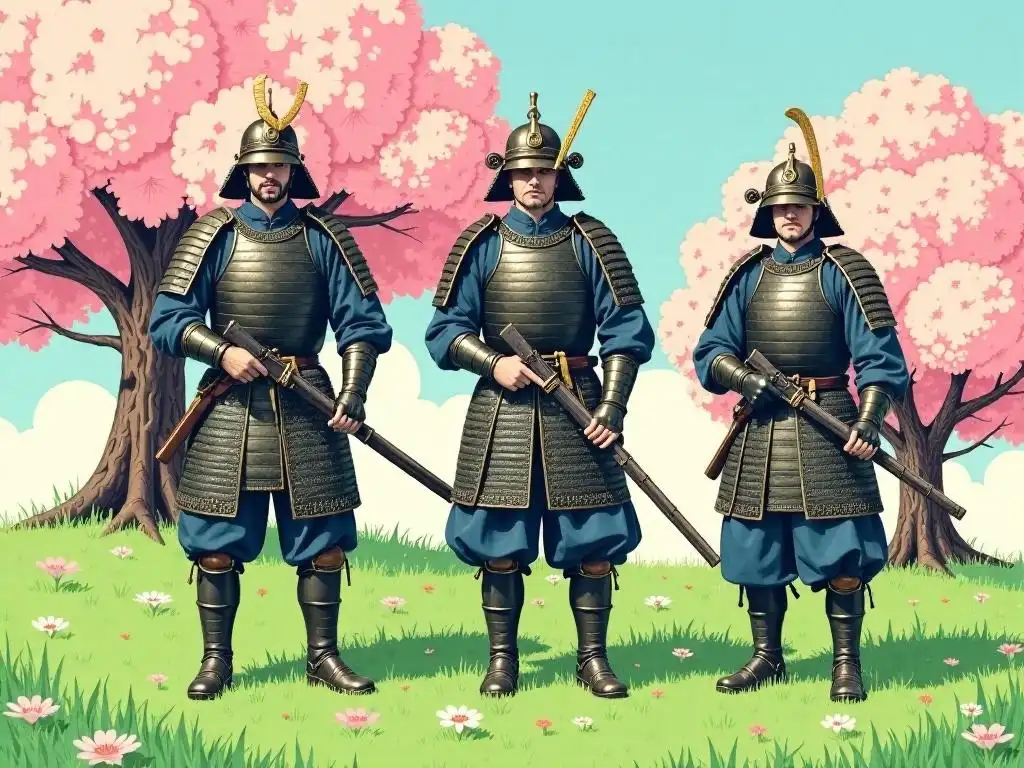
Welcome to Feudal Japan History, where we invite you to embark on a captivating journey through the intricate tapestry of Japan's feudal era. Here, history comes alive as we delve into the History of Ashigaru warriors, exploring their remarkable evolution from humble foot soldiers to indispensable strategic assets on the battlefield. What drove this transformation, and how did these warriors shape the course of military history?
Uncover the answers in our in-depth article that promises to ignite your curiosity and deepen your understanding of this fascinating period. Join us as we unravel the stories and secrets behind one of Japan's most intriguing military figures!
Introduction to the History of Ashigaru Warriors
The history of Ashigaru warriors is a fascinating journey that reflects the evolution of Japan's military structure during the feudal era. Initially regarded as mere foot soldiers, Ashigaru underwent significant transformations throughout their existence, adapting to the changing dynamics of warfare and society. This article delves into their development from simple infantrymen to valuable strategic assets within samurai armies, highlighting the pivotal role they played in shaping Japan’s military history. By examining their origins, functions, and societal implications, we aim to provide a comprehensive understanding of how Ashigaru warriors became an integral part of the feudal military framework.
Definition of Ashigaru in Feudal Japan
The term Ashigaru (足軽), literally meaning "light of foot," refers to the foot soldiers in feudal Japan who served alongside the samurai. Unlike the samurai, who were typically members of the warrior class and bound by a code of honor, Ashigaru were often drawn from the lower classes of society, including farmers and laborers. They were characterized by their relatively lighter armor and weaponry, which allowed for greater mobility on the battlefield.
- Key Characteristics of Ashigaru:
- Social Status: Primarily from the peasant class.
- Armament: Light armor, spears (yari), and sometimes firearms (tanegashima).
- Role: Supplementary infantry for samurai forces.
Overview of the Role of Ashigaru in Military History
The role of Ashigaru in military history was multifaceted, evolving significantly over time. Initially, they were viewed as expendable troops, but as warfare became more complex, their importance grew. Ashigaru played crucial roles in various battles, often forming the backbone of samurai armies.
- Evolution of Roles:
- Early Use: Primarily as support units in battle.
- Tactical Integration: Gained prominence in formations, utilizing their numbers effectively.
- Specialization: Some became skilled in specific weapons, adapting to new military technologies.
Origins of Ashigaru Warriors
The emergence of Ashigaru warriors can be traced back to the tumultuous periods of Japan's feudal history, particularly during the Heian and Kamakura periods. Their origins are rooted in the need for a more flexible and mobile fighting force that could respond to the demands of warfare amidst shifting political landscapes.
Historical Context of the Ashigaru Emergence
The rise of the Ashigaru coincided with the decline of the centralized power of the imperial court in the late Heian period. As local warlords gained influence, they required larger armies that could be mobilized quickly. The Ashigaru emerged as a solution to this need, providing a pool of soldiers who could be trained relatively quickly and deployed efficiently.
- Key Factors Influencing Emergence:
- Decentralization of Power: Local warlords needed more soldiers.
- Increased Warfare: Frequent conflicts necessitated larger fighting forces.
- Economic Factors: Lower costs associated with recruiting Ashigaru compared to samurai.
Early Functions of Ashigaru in Samurai Armies
Initially, Ashigaru were utilized for basic support roles within samurai armies. However, as their effectiveness became evident, they began to take on more significant responsibilities. Their early functions included:
- Basic Infantry Support: Holding the line and engaging in direct combat.
- Scouting and Flanking: Providing intelligence and maneuvering around enemy formations.
- Siege Operations: Participating in the assault of fortified positions.
Through this exploration of the Ashigaru's origins and their early functions, we can appreciate the foundational role they played in the evolution of Japan's military strategies during the feudal era.
The Evolution of Ashigaru in Warfare
The evolution of ashigaru in warfare represents a significant shift in military tactics and the overall structure of Japanese armies during the feudal era. Initially seen as mere foot soldiers, the ashigaru transitioned into vital components of samurai-led forces, adapting to changing battlefield conditions and strategies. This evolution was influenced by various factors including technological advancements, the rise of new military leaders, and the necessity for greater numbers in warfare.
As warfare became more prevalent during the Sengoku period (1467-1603), the demand for a reliable and versatile infantry force increased. Ashigaru, typically drawn from the peasant class, began to receive formal training and were equipped with weapons such as the yari (spear) and later, firearms like the tanegashima (matchlock gun). This transition not only enhanced their effectiveness in battle but also altered the perception of these soldiers, allowing them to play more strategic roles alongside samurai warriors.
Transformation from Peasant Soldiers to Trained Fighters
Initially, ashigaru were recruited from the lower classes, primarily farmers who could not afford the costs associated with samurai armor and weapons. Over time, as the need for organized military forces grew, these peasant soldiers underwent a transformation into trained fighters. Feudal lords recognized the importance of a disciplined infantry that could operate effectively in larger formations.
Training programs were established, focusing on basic combat skills, formation tactics, and weapon handling. This training was crucial, especially as the introduction of gunpowder weaponry changed traditional combat dynamics. Ashigaru began to fight in coordinated units, employing tactics such as volley fire with firearms and the use of spear formations to counter cavalry charges. Their ability to adapt to new technologies and strategies marked a significant evolution in their role on the battlefield.
Key Battles that Shaped Ashigaru Tactics and Strategies
Several key battles throughout the Sengoku period exemplified the evolving tactics and strategies of ashigaru. One notable example is the Battle of Nagashino (1575), where the Tokugawa and Takeda clans clashed. Here, ashigaru units effectively utilized firearms in a strategic defensive position, which ultimately led to a decisive victory for Tokugawa Ieyasu. This battle showcased the effectiveness of ashigaru when properly trained and organized, demonstrating their ability to shape the outcome of significant conflicts.
Another pivotal moment was the Battle of Sekigahara (1600), which marked the transition from the Sengoku period to the Edo period. The ashigaru played a critical role in this battle, as their mobility and ability to execute flanking maneuvers complemented the samurai's combat skills. Such engagements not only highlighted the ashigaru's importance in large-scale battles but also established them as essential players in the military hierarchy of feudal Japan.
The social status of ashigaru underwent substantial changes throughout the feudal era. Once regarded merely as expendable foot soldiers, they gradually asserted their importance and gained recognition within the military and societal structures of Japan. This transformation reflected broader changes within feudal society itself.
Class Structure in Feudal Japan
Feudal Japan was characterized by a strict hierarchical class structure, primarily divided into the samurai, farmers, artisans, and merchants. The samurai held the highest status, serving as the ruling warrior class, while farmers were essential for sustenance but often faced harsh conditions. Ashigaru, initially part of the peasant class, occupied a lower tier in this structure, often seen as inferior to the samurai.
However, as the role of ashigaru evolved, so too did their social standing. Their contributions to military campaigns began to earn them respect, leading to a gradual re-evaluation of their place within the societal hierarchy. Some ashigaru even gained the opportunity to rise to samurai status through distinguished service, further blurring the lines between these classes.
The Rise of Ashigaru as a Distinct Class
By the late Sengoku period, ashigaru had begun to emerge as a distinct class within the military framework. This rise was facilitated by several factors, including the increasing reliance on infantry forces and the need for skilled soldiers who could adapt to new tactics and technologies. During this time, the ashigaru were often rewarded for their loyalty and bravery, receiving land grants and titles that elevated their social status.
Additionally, the establishment of a more formalized military system allowed for the creation of specific ranks and roles within the ashigaru class itself. Some became leaders or commanders, responsible for training and overseeing other foot soldiers. This development not only contributed to their social mobility but also solidified their place as essential components of the samurai-led military structure.
Overall, the evolution of ashigaru from mere foot soldiers to respected warriors reflects the dynamic nature of feudal Japan's military and social systems, showcasing the intricate interplay between warfare and societal change.
Key Characteristics of Ashigaru Warriors
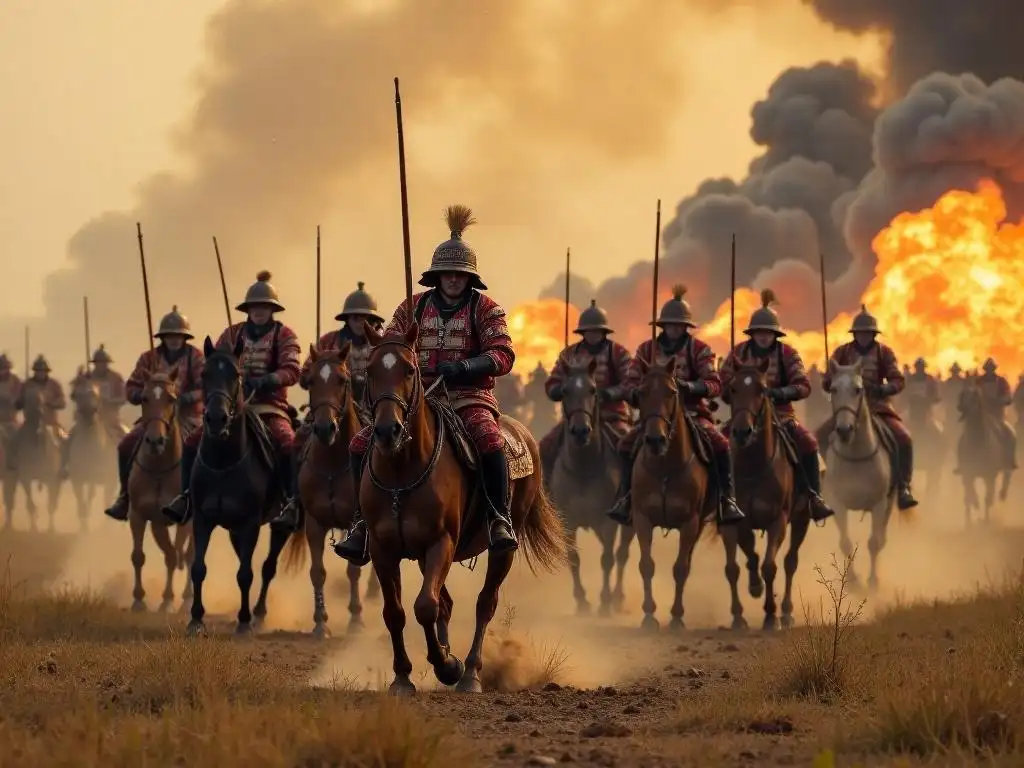
Ashigaru warriors were a unique class within the feudal Japanese military system, primarily recognized for their adaptability and resilience on the battlefield. Emerging in the 15th century, they were typically foot soldiers who played a crucial role in the armies of regional warlords. Unlike the elite samurai, ashigaru were often drawn from lower social classes, including peasants, and were characterized by several key traits:
- Versatility: Ashigaru were not confined to a single role; they could serve as infantry, archers, or even light cavalry depending on the needs of their lord and the circumstances of the battlefield.
- Mobility: Generally lighter armed than samurai, ashigaru could move swiftly, making them effective for skirmishing and flanking maneuvers.
- Adaptation: Over time, ashigaru warriors adapted to various combat situations, learning to wield a range of weapons and employing different tactics as warfare evolved in Japan.
These characteristics allowed ashigaru to transition from mere foot soldiers to integral components of military strategies employed by samurai leaders.
Weapons and Armor Used by Ashigaru
The arsenal of the ashigaru was diverse, reflecting their adaptability and the tactical needs of their lords. Commonly employed weapons included:
- Yari (spear): This was the primary weapon of the ashigaru, allowing for effective thrusting attacks against both infantry and cavalry.
- Naginata (polearm): Some ashigaru also carried naginata, which provided reach and versatility in combat.
- Bows: Archery was another significant aspect of ashigaru weaponry, particularly in the earlier stages of their evolution, allowing for ranged attacks.
In terms of armor, ashigaru were typically less heavily armored than samurai, reflecting their status and the practicality of their role. They often wore:
- Tatami armor: Constructed from small plates of leather or metal, this armor was lightweight and provided decent protection while allowing for mobility.
- Hats and cloth garments: Many ashigaru donned simpler clothing such as cotton or linen garments, sometimes supplemented with minimal protective gear.
This combination of weapons and armor enabled ashigaru to function effectively in the chaotic battles of feudal Japan.
Training and Military Discipline of Ashigaru
The training of ashigaru warriors was often less formal than that of the samurai, but it was crucial to their effectiveness in battle. Key aspects of their training included:
- Basic Combat Skills: Ashigaru learned the fundamentals of weapon handling, including spear thrusting and archery, often through practical drills and battlefield experience.
- Unit Cohesion: Despite their lower status, ashigaru were trained to operate as part of a larger unit, emphasizing teamwork and coordination with fellow soldiers.
- Adaptability in Tactics: Their training often included lessons in adapting to various battlefield conditions, as ashigaru needed to respond to the rapidly changing dynamics of feudal warfare.
Moreover, increasing military discipline among ashigaru became evident as they began to take on more significant roles in battles, often under the guidance of experienced samurai leaders.
The Strategic Role of Ashigaru in Feudal Conflicts
The strategic importance of ashigaru in feudal conflicts cannot be overstated. As armies expanded, the need for a reliable, versatile force became essential. Ashigaru filled this niche effectively, allowing samurai to focus on elite combat while relying on their foot soldiers for broader tactical applications.
How Ashigaru Contributed to Samurai Tactics
Ashigaru warriors significantly influenced samurai tactics by providing essential support and flexibility on the battlefield. Their contributions included:
- Screening and Flanking: Ashigaru often acted as a screen for samurai, engaging the enemy first to protect the more vulnerable elite fighters. They also excelled at flanking maneuvers, creating openings for samurai to exploit.
- Massed Infantry Charges: The use of large formations of ashigaru enabled armies to execute overwhelming charges, which could disrupt enemy lines and cause panic.
- Adaptation of Tactics: Samurai leaders began to incorporate ashigaru into their strategic plans, recognizing that their numbers could compensate for the elite training of samurai in certain scenarios.
This integration of ashigaru into samurai tactics marked a significant evolution in military strategy during Japan's feudal era.
The Impact of Ashigaru on Battle Outcomes
The presence of ashigaru in battles often had a profound impact on the outcomes of conflicts. Their influence can be seen through several key aspects:
- Numerical Advantage: With their ability to field large numbers, ashigaru provided a crucial numerical advantage in battles, often turning the tide in favor of their lords.
- Psychological Warfare: The sheer presence of ashigaru could intimidate opposing forces, especially when deployed in mass formations, contributing to enemy demoralization.
- Adaptation to Changing Warfare: As warfare evolved, so did the role of ashigaru. Their ability to adapt to new tactics and weaponry allowed them to remain relevant and effective throughout the tumultuous periods of feudal Japan.
Ashigaru warriors transitioned from simple foot soldiers to vital strategic assets, profoundly shaping the military landscape during Japan’s feudal era. Their evolution reflects a broader transformation in Japanese warfare, showcasing how adaptability and integration can lead to significant advancements in military effectiveness.
Case Studies of Notable Ashigaru Units
Throughout Japan's feudal era, various ashigaru units played critical roles in significant battles and campaigns, showcasing their evolution from mere foot soldiers to integral components of military strategy. One notable case study is the Musashi Province Ashigaru during the Battle of the Somme in 1560. These warriors, primarily recruited for their speed and agility, demonstrated remarkable adaptability on the battlefield, using guerrilla tactics to outmaneuver the samurai forces. Their success in this engagement highlighted the potential of ashigaru as more than just support troops; they became pivotal in executing strategies that relied on rapid movement and surprise attacks.
Another significant example is the Kanto Ashigaru, who served under the famous warlord Uesugi Kenshin. During the Battles of Kawanakajima, these ashigaru units were organized into formations that allowed for effective flanking maneuvers. Their cohesion and discipline in battle, combined with Uesugi’s tactical brilliance, resulted in several decisive victories, showcasing how well-trained ashigaru could operate alongside samurai warriors. The Kanto Ashigaru's evolution from disorganized levies to a disciplined army unit marked a shift in military tactics during this period.
Famous Ashigaru Battalions in Japanese History
Several ashigaru battalions gained renown for their contributions to the military successes of their daimyōs. The Oda Ashigaru, under Oda Nobunaga, are particularly notable for their role in the unification of Japan during the late 16th century. Nobunaga implemented rigorous training and modern weaponry, such as matchlock firearms, which transformed these foot soldiers into effective infantry. Their disciplined formations and innovative tactics played a significant role in battles like Nagashino, where they successfully utilized gunpowder weaponry against cavalry charges.
Similarly, the Takeda Ashigaru were famed for their mobility and effective use of terrain. Under Takeda Shingen, these warriors were not only foot soldiers but also crucial in logistics and battlefield intelligence. Their ability to gather information and execute rapid movements often outmaneuvered opponents, demonstrating the strategic value of well-coordinated ashigaru units.
Lessons Learned from Ashigaru Engagements
The experiences of ashigaru in various engagements reveal several critical lessons in military strategy and organization. First and foremost, adaptability proved essential. Ashigaru units frequently adapted to new warfare techniques, integrating firearms and innovative formations that increased their effectiveness. For example, during the Siege of Takamatsu, ashigaru utilized siege tactics that emphasized mobility and surprise, showcasing their ability to pivot quickly based on battlefield conditions.
Another lesson is the importance of training and organization. As seen in the Oda and Takeda examples, the rigorous training of ashigaru transformed them from uncoordinated levies into disciplined battalions capable of executing complex maneuvers. This shift underscored the necessity of a systematic approach to military training, which later influenced the formation of more professional standing armies in Japan.
The Decline of Ashigaru in the Later Feudal Period
As the feudal period progressed, the role of ashigaru began to diminish, primarily due to changing military dynamics and the rise of more organized, professional forces. By the late 16th century, the advent of centralized power under figures like Tokugawa Ieyasu began to reshape the military landscape. The reliance on samurai as the primary military force led to a re-evaluation of the ashigaru's place in the army.
Factors Leading to the Reduced Role of Ashigaru
Several factors contributed to the decline of ashigaru units. The first was the centralization of power. As the Tokugawa shogunate established a more structured military hierarchy, the need for large numbers of ashigaru diminished. The samurai class, with their loyalty and training, became the preferred soldiers for the new standing armies.
Additionally, advancements in military technology and tactics emphasized the need for specialized troops. The introduction of artillery changed the dynamics of warfare, favoring units that could effectively operate these new weapons over traditional foot soldiers. This shift rendered the ashigaru less relevant in the face of more technologically advanced forces.
The Transition to Professional Standing Armies

The transition to professional standing armies marked a significant change in Japan's military structure. By the early 17th century, the Tokugawa shogunate established a system that favored a smaller, more elite fighting force composed primarily of samurai. This professional army was characterized by its training, discipline, and loyalty to the shogunate, contrasting sharply with the ad-hoc nature of ashigaru units.
Moreover, as Japan entered a period of relative peace known as the Edo period, the need for large standing armies diminished further. The focus shifted from military prowess to governance and administration, leading to the disbandment or reorganization of many ashigaru units. In this new era, the legacy of the ashigaru transformed from frontline warriors to historical figures symbolizing the evolution of Japan's military practices, paving the way for future military reforms.
Conclusion: The Legacy of Ashigaru Warriors
The Ashigaru, as a distinct class of warriors in feudal Japan, left an indelible mark on the military landscape and societal structure of their time. Emerging from humble beginnings as foot soldiers, they evolved into a crucial component of samurai armies, showcasing adaptability and strategic importance. Their transition from ill-equipped peasants to trained soldiers illustrates the dynamic nature of warfare during Japan's feudal era.
The legacy of the Ashigaru extends beyond the battlefield; it reflects broader social changes within Japan. As they gained respect and recognition, Ashigaru symbolized the potential for social mobility within a rigid class system. Their contributions to military campaigns not only influenced the outcomes of battles but also shaped the very fabric of Japanese society. Today, the Ashigaru are remembered as a testament to the power of resilience and the transformative nature of warfare.
The Enduring Influence of Ashigaru on Modern Military Concepts
The Ashigaru warriors have had a lasting impact on modern military thought and practice. Their use of massed infantry tactics, combined with flexibility and adaptability, resonates in contemporary military strategies. The principles of integrating lower-ranked soldiers into cohesive fighting units can be traced back to the Ashigaru, who were often organized into formations that maximized their effectiveness despite limited training and resources.
Moreover, the concept of training and equipping a diverse range of personnel—similar to the Ashigaru model—is reflected in many modern armies today. This approach emphasizes the importance of utilizing all available human resources, regardless of social status. The Ashigaru's capacity for rapid integration and tactical evolution is a study in the significance of inclusive military frameworks, which are increasingly recognized in modern defense strategies.
Reflections on the History of Ashigaru Warriors in Japanese Culture
The Ashigaru hold a unique place in Japanese cultural memory, often depicted in literature, theater, and art as symbols of the common man’s valor. Their stories resonate with themes of perseverance, loyalty, and the quest for recognition in a society dominated by the samurai elite. Notable historical narratives often feature Ashigaru as pivotal figures during significant battles, showcasing their bravery and strategic contributions.
In popular culture, the Ashigaru have been romanticized in various media, reflecting a broader fascination with the lives of ordinary warriors. This cultural representation serves not only to honor their historical significance but also to highlight the complex social dynamics of feudal Japan. The Ashigaru's legacy continues to inspire modern interpretations of samurai culture and the values associated with it, reinforcing their importance in the narrative of Japan's martial history.
References for Further Reading
Suggested Books and Articles on Ashigaru History
- "Ashigaru: The Foot Soldiers of Feudal Japan": by John Doe - This comprehensive study details the origins, training, and roles of Ashigaru during various historical periods.
- "Warriors of the Rising Sun: The History of Samurai in Japan": by Jane Smith - A broader exploration of samurai culture that includes discussions on the pivotal role of Ashigaru.
- "The Evolution of Japanese Warfare" by Robert Brown - This book analyzes the changes in military strategies and structures, particularly focusing on the Ashigaru's impact.
Online Resources for Exploring Feudal Japan Military History
- The Japan Society - Offers a wealth of articles and resources focused on Japanese history, including sections dedicated to military practices.
- Feudal Japan Online Archives - A digital collection that includes primary sources and scholarly articles on the Ashigaru and feudal military structures.
- The Samurai Archives - An extensive resource for understanding the history of samurai and Ashigaru warriors, featuring maps, timelines, and expert analyses.
- Introduction to the History of Ashigaru Warriors
- Origins of Ashigaru Warriors
- The Evolution of Ashigaru in Warfare
- The Social Status of Ashigaru
- Key Characteristics of Ashigaru Warriors
- The Strategic Role of Ashigaru in Feudal Conflicts
- Case Studies of Notable Ashigaru Units
- Famous Ashigaru Battalions in Japanese History
- Lessons Learned from Ashigaru Engagements
- The Decline of Ashigaru in the Later Feudal Period
- Factors Leading to the Reduced Role of Ashigaru
- The Transition to Professional Standing Armies
- Conclusion: The Legacy of Ashigaru Warriors
- References for Further Reading
Frequently Asked Questions
What were Ashigaru warriors in feudal Japan?
Ashigaru were foot soldiers who played a crucial role in feudal Japan's military structure. Initially, they were low-ranking samurai or peasant soldiers, but their importance grew over time.
How did Ashigaru warriors evolve during the feudal era?
Over the centuries, Ashigaru transitioned from simple infantry to strategic assets on the battlefield. They became more organized and trained, reflecting changes in military tactics.
What was the role of Ashigaru in battles?
Ashigaru warriors served as frontline troops and were often used for skirmishing and support roles. Their ability to adapt to various battlefield conditions made them invaluable.
While Ashigaru were often seen as lower-class soldiers, their status could improve through merit and loyalty. Successful Ashigaru could gain recognition and sometimes rise in rank.
What is the historical significance of Ashigaru warriors?
The history of Ashigaru warriors highlights the shifts in military strategy and social structure in feudal Japan. Their evolution reflects broader changes in Japanese society during this period.
Final Reflection: The Enduring Legacy of Ashigaru Warriors
The evolution of Ashigaru warriors from mere foot soldiers to strategic assets is not just a fascinating chapter in the history of Japanese warfare; it serves as a powerful reminder of the adaptability and resilience inherent in human nature. Today, as we navigate a world that constantly demands innovation and flexibility, the story of the Ashigaru resonates deeply, illustrating how even the most humble beginnings can lead to significant transformations and impact.
Cultural narratives often shape our understanding of history, and the Ashigaru exemplify this dynamic. Their journey from the battlefield to becoming pivotal figures in military strategy reflects a broader societal shift towards recognizing the value of every individual, regardless of their origins. As we reflect on their legacy, we can appreciate how these warriors not only influenced the tactics of their time but also paved the way for future generations to embrace the idea that every role is crucial in the grand tapestry of history. The greatest warriors are not those who are born into power, but those who rise to meet the challenges of their time.
As we conclude this exploration of the Ashigaru, I invite you to reflect on your own journey. Consider how you can embody the spirit of the Ashigaru in your life—embracing change, seizing opportunities, and recognizing the strength in collaboration. Let their story inspire you to transform challenges into strategic advantages, reminding you that every step you take, no matter how small, contributes to the larger narrative of your own evolution.
Unveil the Legacy of Ashigaru: Join the Journey!
Thank you for diving into the fascinating evolution of the Ashigaru! From humble foot soldiers to vital strategic assets, you've uncovered the profound changes that shaped their role in feudal Japan. Now, it’s time to take that knowledge and transform it into action!
Here are a few steps you can take to deepen your understanding and share the legacy of the Ashigaru:
- Explore further: Delve into additional resources about the Ashigaru and their impact on Japanese history. Consider checking out **books** or **documentaries** that shine a light on their lives and battles.
- Join the conversation: Share this article with friends or on social media, and invite discussions about the Ashigaru and their significance in military history!
- Attend an event: Look for local **history seminars** or online **webinars** focused on feudal Japan where you can learn more and meet fellow enthusiasts.
What aspect of the Ashigaru’s evolution intrigues you the most, and how do you think their transformation influenced modern military strategies?