
The Transition from Feudal Warfare to Modern Martial Arts in Japan

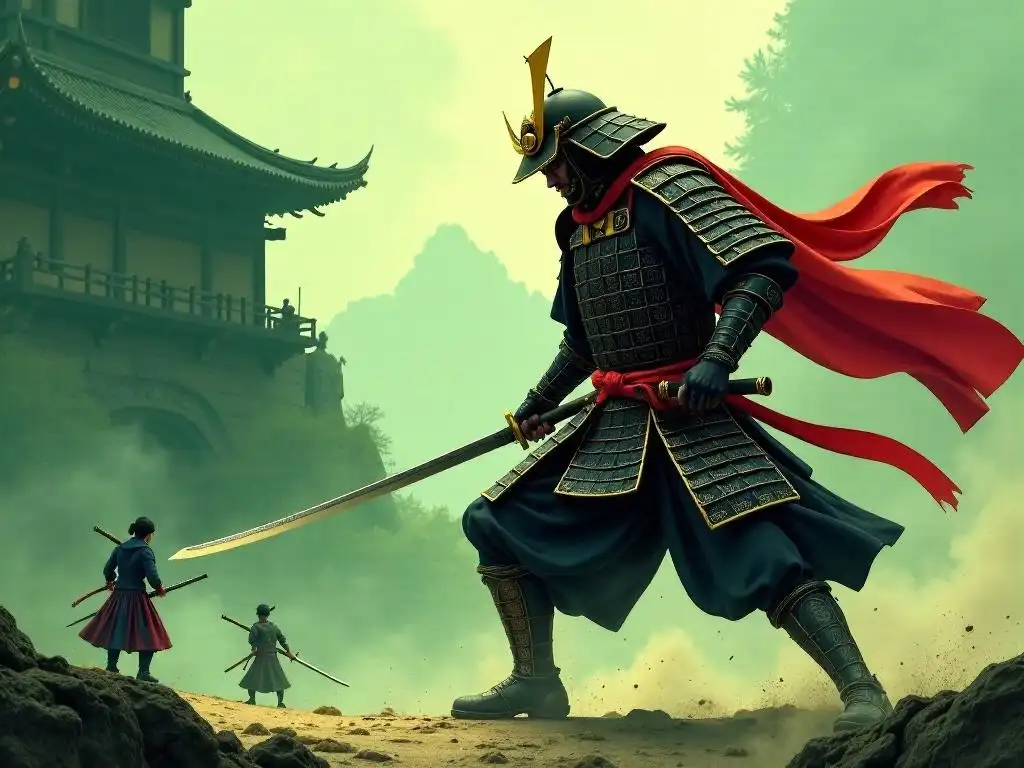
Welcome to Feudal Japan History, where we invite you to embark on a captivating journey through the intricate tapestry of Japan’s feudal era. Here, history comes alive as we delve into the fascinating evolution from feudal warfare to modern martial arts. What drove this transformation, and how did the skills of ancient warriors shape the martial arts we know today?
Prepare to uncover the rich cultural and societal layers that define this remarkable period. Join us as we explore these compelling questions and more in our in-depth articles that promise to ignite your curiosity and deepen your understanding of Japan’s military legacy.
The historical journey from feudal warfare to modern martial arts in Japan is a fascinating narrative that encapsulates the evolution of combat, culture, and societal values over centuries. This transformation reflects not only changes in military tactics and weapons but also a profound shift in the philosophical and ethical dimensions of Japanese martial practices.
The samurai, with their intricate code of honor known as Bushido, played a pivotal role in this transition, influencing both the art of war and the development of martial arts that are still practiced today. As we delve into this topic, we will explore the fundamental aspects of feudal warfare, the characteristics that defined it, and how these elements laid the foundation for modern martial arts.
Introduction to Feudal Warfare in Japan
Overview of Feudal Japan and Its Military Structure
Feudal Japan was characterized by a decentralized political system, where power was distributed among various clans and their leaders, known as daimyo. This period, spanning from the late 12th century until the mid-19th century, saw the rise of a warrior class that became instrumental in maintaining order and exerting control over territories. The military structure was hierarchical, with the emperor at the top, although actual power often resided with the shogun and the regional lords.
- Key Players in Feudal Japan:
- Emperor: Symbolic leader with limited power.
- Shogun: Military ruler who held real political power.
- Daimyo: Feudal lords controlling land and armies.
- Samurai: Warrior class serving the daimyo.
Key Characteristics of Feudal Warfare
Feudal warfare in Japan was marked by distinct characteristics that set it apart from Western military conflicts. Battles were often fought in seasonal campaigns, with strategic planning focused on territorial control.
- Notable Features:
- Siege Warfare: Common tactics included besieging castles.
- Cavalry Charges: Samurai cavalry played a crucial role.
- Individual Combat: Duels were not uncommon, reflecting personal honor.
Importance of Samurai in Feudal Society
The samurai were more than just warriors; they were the embodiment of feudal Japan’s values and ethics. Their role transcended mere martial prowess, as they were also administrators, poets, and philosophers.
- Cultural Significance:
- Bushido Code: The ethical framework guiding samurai behavior.
- Social Status: Samurai held a privileged position in society.
- Art and Culture: Contributions to literature, arts, and even tea ceremonies.
The Evolution of Combat Techniques
Traditional Weapons Used in Feudal Warfare
The weapons of feudal Japan were not only tools of war but also symbols of status and craftsmanship. The katana, or samurai sword, is perhaps the most iconic representation of this era.
- Key Weapons:
- Katana: The primary weapon of the samurai, known for its sharpness and craftsmanship.
- Yari: A spear used for both thrusting and throwing.
- Naginata: A polearm that combined the cutting power of a sword with the reach of a spear.
Training and Discipline of Samurai Warriors
Training was rigorous and multifaceted, designed to prepare samurai for the realities of combat while instilling discipline and resilience.
- Training Regimens:
- Kenjutsu: The art of sword fighting.
- Bojutsu: Techniques using a staff.
- Mental Conditioning: Emphasis on meditation and strategy.
Influence of Bushido: The Way of the Warrior
The Bushido code profoundly influenced not just samurai conduct on the battlefield, but also their approach to life, emphasizing honor, loyalty, and self-discipline.
- Core Principles:
- Loyalty: Absolute allegiance to one's lord.
- Honor: The importance of reputation and integrity.
- Courage: Facing death without fear.
As we navigate through this intricate history, we will uncover how these foundations of feudal warfare have transformed into the modern martial arts practiced across Japan today, blending tradition with contemporary techniques.
The Shift Towards Modern Martial Arts
The transition from feudal warfare to modern martial arts in Japan is a significant evolution that reflects changing societal values, technological advancements, and international influences. This shift can be traced through various historical milestones, from the end of the samurai era to the establishment of martial arts as a form of sport, discipline, and cultural expression.
As Japan moved towards modernization in the late 19th and early 20th centuries, traditional martial practices adapted to meet new social contexts, leading to the development of contemporary martial arts that emphasize not only combat skills but also personal growth, philosophy, and physical fitness.
Factors Influencing the Transition from Feudal Warfare
Several key factors contributed to the transition from feudal warfare to modern martial arts in Japan.
- Political Changes: The Meiji Restoration in 1868 marked the end of the samurai class's dominance and the feudal system. With the new government prioritizing modernization and Westernization, traditional fighting techniques had to evolve to fit a new national identity.
- Technological Advancements: The introduction of firearms and modern weaponry rendered many traditional samurai combat techniques obsolete. As a result, martial arts needed to adapt to remain relevant in a changing military landscape.
- Social Reforms: The decline of the samurai class led to a societal shift where martial arts became less about warfare and more about personal development and discipline, appealing to a broader audience beyond the warrior class.
- Cultural Integration: As Japan opened up to the West, there was an influx of foreign ideas and practices. This cultural exchange played a crucial role in shaping new martial arts forms that combined traditional techniques with Western practices.
Introduction of Western Martial Arts and Techniques
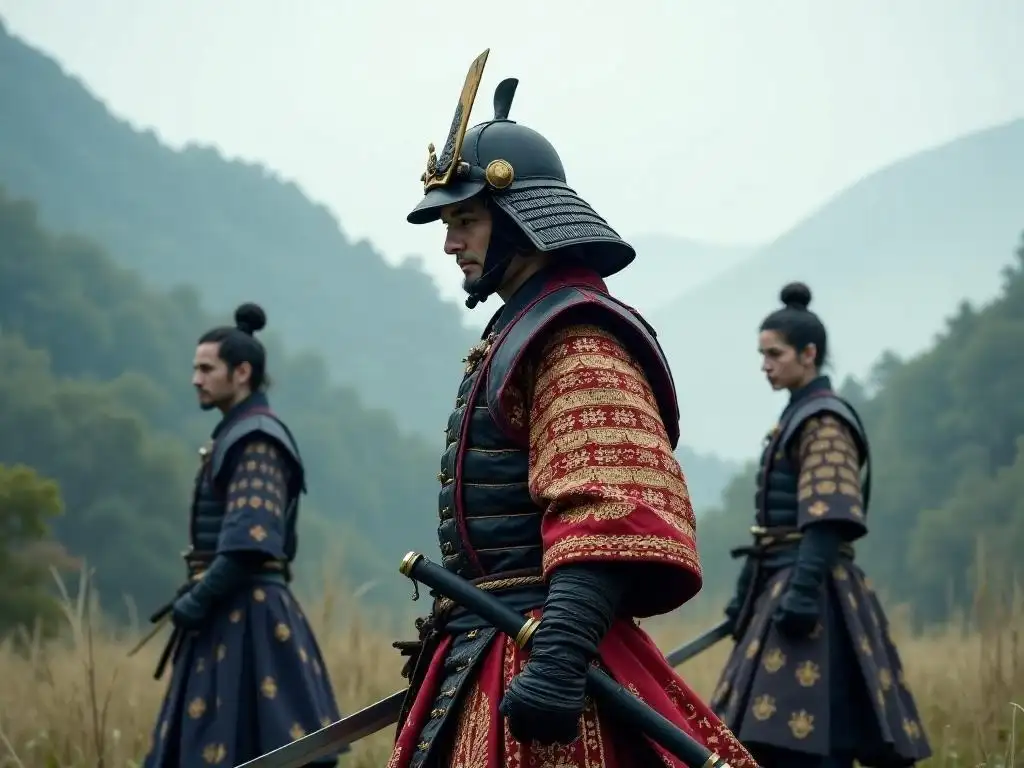
The encounter with Western martial arts during the late 19th and early 20th centuries significantly impacted the evolution of Japanese martial arts. Influences from boxing, fencing, and wrestling introduced new techniques, training methods, and philosophies. Japanese martial artists began integrating these elements into their practices, leading to the formation of hybrid styles that maintained traditional roots while embracing modernity.
For example, judo, founded by Jigoro Kano, incorporated principles of leverage and balance that resonated with Western scientific approaches to physical training. Similarly, kendo adapted to include rules and structure that mirrored modern sports, making it more accessible and appealing to the public. This synthesis of Eastern and Western martial arts laid the groundwork for the structured practices we see today.
Cultural Shifts: From Warfare to Sport and Discipline
The transition from feudal warfare to modern martial arts also reflects broader cultural shifts in Japanese society. As the focus of martial arts moved away from battlefield effectiveness, practitioners began to emphasize values such as discipline, respect, and personal growth.
- Martial Arts as a Sport: The establishment of martial arts as formal sports with competitive structures allowed for wider participation and societal acceptance. Events and tournaments became commonplace, fostering community and camaraderie among practitioners.
- Philosophical Underpinnings: Many modern martial arts incorporate philosophical teachings that promote self-discipline, mental clarity, and ethical behavior. Schools of thought such as bushido, the way of the warrior, transformed into principles that guide practitioners in their daily lives.
- Global Appeal: The globalization of martial arts has further shifted their perception from solely combative practices to forms of cultural exchange. Today, martial arts are practiced by millions worldwide, transcending their origins and becoming a symbol of Japanese culture.
Key Modern Martial Arts Originating from Feudal Practices
Several modern martial arts have directly evolved from historical feudal practices, each retaining elements of their heritage while adapting to contemporary contexts.
Kendo: The Way of the Sword
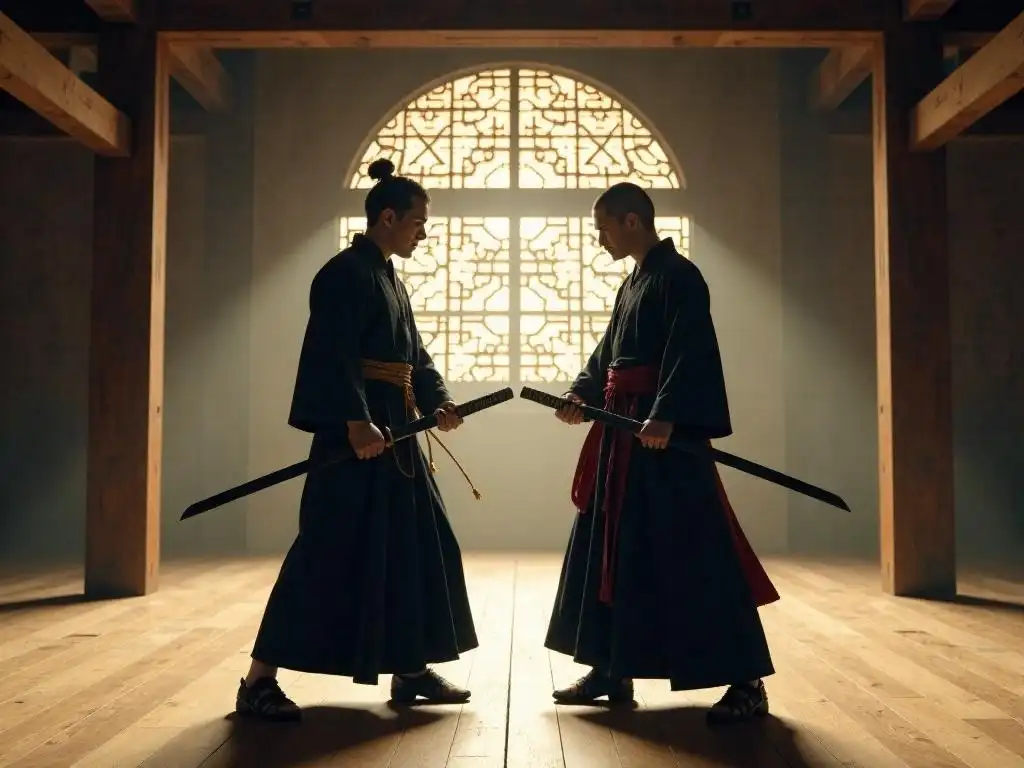
Kendo, meaning "the way of the sword," is a modern Japanese martial art that descends from traditional swordsmanship (kenjutsu). Practitioners engage in competitive sparring while wearing protective gear and using bamboo swords (shinai). Kendo emphasizes discipline, respect, and the development of character, reflecting its samurai roots.
As a formal sport, Kendo has a structured ranking system, and competitions are held both nationally and internationally, showcasing the skill and spirit of its practitioners. The practice promotes not only physical fitness but also mental fortitude, making it a holistic discipline.
Judo: The Gentle Way
Founded by Jigoro Kano in 1882, judo translates to "the gentle way." It is characterized by its focus on throws, pins, and submission holds rather than striking. Kano's vision was to create a martial art that emphasized technique and strategy over brute strength, making it accessible to people of all ages and physical abilities.
Judo incorporates principles of leverage and balance, allowing practitioners to use an opponent's force against them. It has gained worldwide recognition as an Olympic sport and is practiced by millions, exemplifying the successful adaptation of traditional martial arts to modern contexts.
Aikido: The Way of Harmony
Aikido, developed by Morihei Ueshiba in the early 20th century, embodies the philosophy of harmony and peace. Unlike many martial arts that focus on defeating an opponent, aikido emphasizes blending with the attacker's movements and redirecting their energy to neutralize the threat.
This approach reflects a significant ideological shift from the combative nature of feudal warfare to a practice that seeks to resolve conflict peacefully. Aikido practitioners train in techniques that promote self-defense while fostering a mindset of compassion and understanding. The art has gained international popularity, showcasing its adaptability and relevance in contemporary society.
The Cultural Impact of Martial Arts in Japan
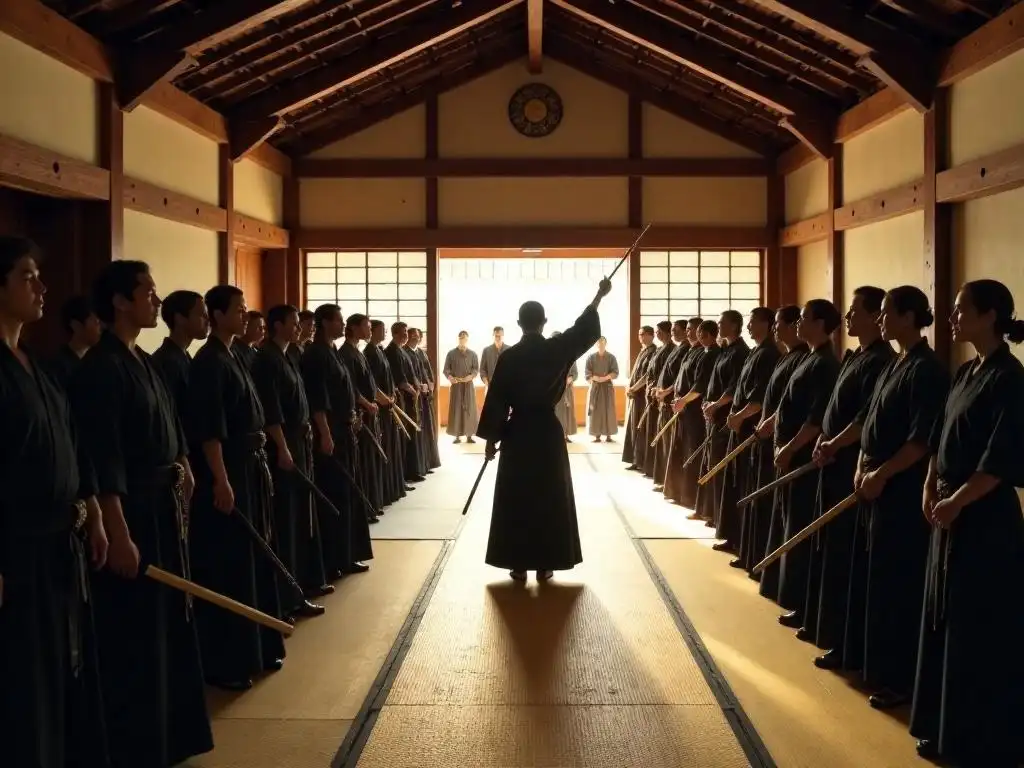
Martial arts in Japan have played a significant role in shaping the nation's cultural identity, reflecting its historical transitions and social values. From the samurai's code of conduct to modern sportsmanship, martial arts embody the principles of discipline, respect, and perseverance. These practices are not merely physical activities; they are deeply intertwined with Japan's heritage, spirituality, and communal ties.
The historical roots of martial arts date back to the feudal era, where the techniques and philosophies developed during warfare laid the groundwork for contemporary practices. As Japan transitioned from a feudal society into a modern nation, martial arts evolved, adapting to the changing societal landscape while maintaining their core values. Today, martial arts are celebrated not only as a means of physical training but also as a pathway to personal growth and cultural exchange.
Martial Arts as a Reflection of Japanese Values
Japanese martial arts serve as a microcosm of the country's broader values. Central to these values is the concept of Bushido, the way of the warrior, which emphasizes loyalty, honor, and self-discipline. This ethical framework has permeated various martial arts disciplines, such as Kendo, Judo, and Aikido, each reflecting different facets of these values through their practice and philosophy.
Moreover, martial arts training fosters qualities like humility, resilience, and respect for others. In a dojo, practitioners learn not only techniques but also how to embody these virtues in their daily lives. This educational aspect reinforces the idea that martial arts are not just about combat but also about character development, making them a vital part of Japan’s cultural fabric.
The Role of Martial Arts in Contemporary Japanese Society
In contemporary Japan, martial arts continue to play a significant role in various aspects of society, from education to recreation. Many schools incorporate martial arts into their physical education programs, promoting physical fitness and mental discipline among students. This early exposure helps instill a sense of respect and teamwork, preparing young individuals for their future roles in society.
Additionally, martial arts have become a popular form of recreational activity for people of all ages. Dojos can be found in urban and rural areas alike, offering classes that cater to various skill levels. This accessibility has contributed to a growing interest in traditional practices while also fostering community engagement and cultural exchange.
Furthermore, martial arts events and competitions, such as the All Japan Judo Championships or the All Japan Kendo Federation tournaments, draw significant public interest and participation, highlighting their importance in modern Japanese culture and society.
Global Influence of Japanese Martial Arts
Japanese martial arts have transcended national borders, evolving into a global phenomenon that influences martial arts practitioners around the world. Disciplines such as Karate, Judo, and Aikido have gained international recognition, with millions of practitioners engaging in training and competitions worldwide. These martial arts not only promote physical fitness but also serve as ambassadors of Japanese culture, fostering understanding and appreciation across diverse communities.
The globalization of Japanese martial arts has also led to the emergence of hybrid styles and practices, blending traditional techniques with modern training methods. This evolution highlights the adaptability and resilience of martial arts, ensuring their relevance in an ever-changing world.
Moreover, international tournaments and exchanges have created opportunities for cross-cultural interactions, allowing practitioners from different backgrounds to learn from one another and share their experiences. This cultural exchange enriches the martial arts community and further solidifies Japan's position as a key player in the global martial arts scene.
Conclusion: Bridging the Gap Between Feudal Warfare and Modern Practices
The transition from feudal warfare to modern martial arts in Japan encapsulates a profound transformation in both the approach to combat and the underlying philosophies governing these practices. While the techniques and purposes of martial arts have evolved, the core principles rooted in honor, respect, and discipline remain steadfast. This continuity not only preserves Japan’s rich martial heritage but also adapts it to fit contemporary values and lifestyles.
Summary of Key Changes from Feudal Warfare to Modern Martial Arts
The key changes from feudal warfare to modern martial arts can be summarized as follows:
- Purpose: Transition from survival and combat to personal development and competition.
- Philosophy: Shift from a focus on physical dominance to an emphasis on mental discipline and ethical conduct.
- Training Methods: Evolution of training from battlefield techniques to structured practices in dojos.
- Public Perception: From a warrior's necessity to a respected cultural and recreational activity.
These changes highlight the dynamic nature of martial arts in Japan, illustrating how they have adapted to meet the needs of society while honoring their historical roots.
Future of Martial Arts in Japan and Beyond
Looking ahead, the future of martial arts in Japan and globally appears promising. As interest in health and wellness continues to rise, more individuals are likely to embrace martial arts as a holistic approach to physical fitness and mental well-being. Furthermore, the growing trend of international collaboration and exchange programs will contribute to the preservation and evolution of these practices.
Japanese martial arts will continue to inspire new generations, serving as both a connection to the past and a foundation for future innovations. With their rich history and adaptability, martial arts in Japan stand poised to thrive, bridging the gap between tradition and modernity for practitioners around the world.
References and Further Reading on Feudal Warfare and Martial Arts
Understanding the evolution from feudal warfare to modern martial arts in Japan requires a deep dive into various historical texts, articles, and resources. This section provides a curated list of recommended readings and online resources that can help enhance knowledge about this fascinating transition.
Suggested Books and Articles on Feudal Japan and Martial Arts
-
"Samurai Warfare" by Stephen Turnbull
This book provides an in-depth analysis of samurai tactics, equipment, and battle strategies during Japan's feudal period. Turnbull's work is rich with illustrations and historical accounts that bring the samurai experience to life.
-
"Hagakure: The Book of the Samurai" by Yamamoto Tsunetomo
A classic text that offers insight into the bushido code and the philosophy of the samurai, "Hagakure" is essential for understanding the mindset that governed feudal warriors and how it influenced modern martial arts.
-
"The Book of Five Rings" by Miyamoto Musashi
Written by one of Japan's most famous swordsmen, this treatise on strategy and tactics remains relevant in both martial arts and broader contexts of combat and competition.
-
"Martial Arts of the World: An Encyclopedia of History and Innovation" by Thomas A. Green and Joseph R. Svinth
This comprehensive reference work covers various martial arts styles, including their historical backgrounds, making it a valuable resource for understanding the evolution of martial practices in Japan.
-
"The Spirit of the Sword: A Historical Study of Japanese Swordsmanship" by John M. K. B. Swords
This book delves into the history and philosophy of Japanese swordsmanship, exploring its origins in feudal warfare and its transformation into modern kendo and other martial arts.
Online Resources for Exploring Japanese Martial Arts History
-
The Samurai Archives
A rich repository of articles, images, and discussions related to samurai history, including aspects of warfare and martial arts. It serves as a great starting point for anyone looking to delve deeper into feudal Japan.
-
The Japan Times: Martial Arts Articles
This publication offers a variety of articles focusing on martial arts, their historical significance, and their modern-day application. Readers can explore both traditional and contemporary martial arts practices.
-
YouTube Channels such as "Kenshi 24/7"
This channel provides insightful videos on the history and techniques of various Japanese martial arts, along with interviews with practitioners and historians, making it an engaging way to learn more about the subject.
-
The Aikido Federation's Online Archives
With a focus on Aikido, this resource offers historical documents, articles, and insights into the martial art's development from its roots in feudal Japan to its current global practice.
These references and resources provide a comprehensive foundation for anyone interested in exploring the rich tapestry of Japan’s martial arts history from the era of feudal warfare to present-day practices.
- Introduction to Feudal Warfare in Japan
- The Evolution of Combat Techniques
- The Shift Towards Modern Martial Arts
- Factors Influencing the Transition from Feudal Warfare
- Introduction of Western Martial Arts and Techniques
- Cultural Shifts: From Warfare to Sport and Discipline
- Key Modern Martial Arts Originating from Feudal Practices
- Kendo: The Way of the Sword
- Judo: The Gentle Way
- Aikido: The Way of Harmony
- The Cultural Impact of Martial Arts in Japan
- Conclusion: Bridging the Gap Between Feudal Warfare and Modern Practices
- References and Further Reading on Feudal Warfare and Martial Arts
- What was the significance of feudal warfare in Japan's history?
- How did feudal warfare evolve into modern martial arts?
- What are some examples of martial arts that originated from feudal warfare?
- How did the societal roles of samurai change post-feudal era?
- What impact did the meiji restoration have on martial arts?
Frequently Asked Questions
What was the significance of feudal warfare in Japan's history?
Feudal warfare played a crucial role in shaping Japan's political landscape, establishing samurai culture, and influencing social hierarchies during the feudal era.
How did feudal warfare evolve into modern martial arts?
The transition from feudal warfare to modern martial arts involved the adaptation and refinement of ancient combat techniques, which became more focused on discipline and self-improvement.
What are some examples of martial arts that originated from feudal warfare?
Notable martial arts stemming from feudal warfare include Kendo, Aikido, and Judo, each embodying principles and techniques derived from traditional combat practices.
How did the societal roles of samurai change post-feudal era?
After the feudal era, the samurai transitioned from warriors to cultural icons, embracing roles as educators, administrators, and practitioners of arts.
What impact did the meiji restoration have on martial arts?
The Meiji Restoration led to the decline of feudal warfare and the promotion of modern martial arts, encouraging a shift towards physical education and international competition.
Final Reflection: From Feudal Warfare to Modern Martial Arts – A Journey of Transformation
The evolution from feudal warfare to modern martial arts in Japan is not just a historical transition; it is a profound testament to the resilience and adaptability of culture. In today's world, where the echoes of past conflicts still resonate, understanding this transformation allows us to appreciate the intricate relationship between martial practices and societal values. The journey from the battlefield to the dojo reflects a shift in priorities, emphasizing discipline, respect, and personal growth over mere combat.
Cultural practices rooted in feudal warfare have shaped not only Japan's martial arts but also its identity on the global stage. The principles of honor and discipline that emerged from the samurai code continue to influence modern practitioners, fostering a sense of community and personal development. As the renowned martial artist Bruce Lee once said, "> The martial arts are ultimately a way of life." This perspective highlights how the lessons learned from historical practices can inform our contemporary lives, encouraging us to seek balance and purpose beyond physical prowess.
As we reflect on this rich history, I invite you to consider how the lessons of transformation and adaptation can apply to your own life. Embrace the spirit of continuous growth and learning, just as martial artists do.
Whether you are a practitioner of martial arts or simply someone navigating the complexities of modern life, take a moment to reflect on how you can embody the values of discipline, respect, and resilience in your daily journey. The transition from feudal warfare to modern martial arts is not just a story of the past; it is a call to action for all of us to cultivate our own paths of personal evolution.
Unveil the Evolution of Martial Arts in Japan!
Thank you for diving into the fascinating journey from feudal warfare to the refined practice of modern martial arts in Japan! You have explored a pivotal era that shaped techniques, philosophies, and the warriors of the present day. Now, let’s take your newfound knowledge to the next level.
Here’s how you can deepen your understanding and connection to this incredible history:
- Join a local dojo to experience firsthand the martial arts techniques that evolved from this rich historical backdrop.
- Attend workshops or seminars on Japanese martial arts to explore various disciplines and their unique philosophies.
- Share your insights by writing an article or blog post about what you learned and invite others to join the conversation!
What aspects of Japan's martial arts history resonate most with you, and how do you see them influencing today's practices?