
The Art of War: Understanding the Samurai’s Strategy in Feudal Japan

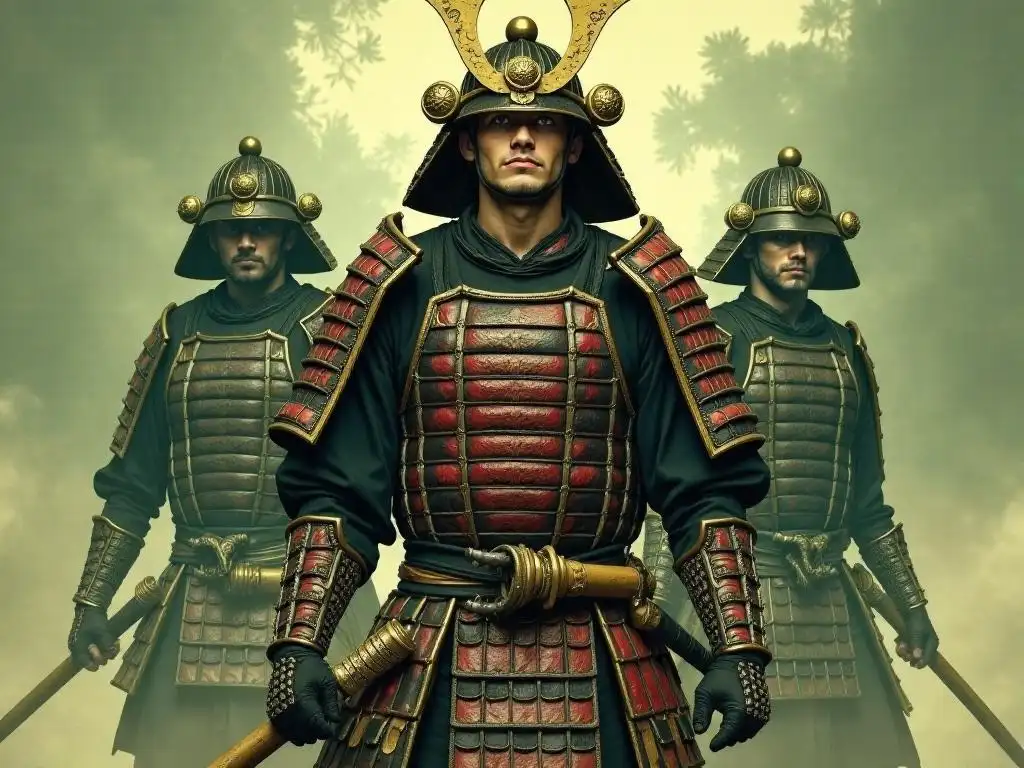
Welcome to Feudal Japan History, where we invite you to embark on a journey through the rich tapestry of Japan’s feudal era. Here, you will uncover the intricate layers of historical, cultural, and societal dynamics that shaped this fascinating period. In our featured article, “The Art of War: Understanding the Samurai’s Strategy in Feudal Japan,” we delve into the cunning tactics and formidable philosophies that defined the legendary samurai.
Prepare to be captivated as you explore how these warriors mastered the art of strategy, wielding not just their swords but also their minds. Keep reading to discover the secrets behind their formidable prowess and what it truly meant to be a samurai in an age of conflict and honor.
Introduction to Samurai Strategy in Feudal Japan
The samurai, often romanticized as noble warriors of Japan, were not only masters of martial arts but also strategic thinkers who played a pivotal role during the feudal era. Their strategies were not just reflections of combative prowess but also encompassed broader aspects of warfare, politics, and social hierarchy.
Understanding samurai strategy in feudal Japan involves delving into the intricate relationship between military tactics, cultural values, and the evolving landscape of Japanese society during this period. This article aims to provide a comprehensive exploration of the strategies employed by the samurai, examining how these methods were shaped by historical contexts and cultural imperatives.
Overview of Feudal Japan and Its Military Structure
Feudal Japan, spanning from the late 12th century to the early 17th century, was characterized by a rigid class system and a decentralized political structure. The military hierarchy was complex, comprising various classes of warriors, with the samurai at the top. Their role extended beyond mere fighters; they were also landholders and vassals to powerful lords (daimyōs).
Key Components of Military Structure:
- Daimyōs: Feudal lords who controlled vast territories and commanded samurai.
- Samurai: Elite warriors dedicated to their daimyō, skilled in various forms of combat and strategy.
- Ashigaru: Foot soldiers who supported samurai forces, often made up of commoners.
This stratification played a crucial role in shaping the battlefield dynamics, which were often influenced by alliances and rivalries among the daimyōs.
Importance of Samurai in Japanese Warfare
The samurai were not only crucial in battles but also embodied the moral and ethical codes of bushidō, which emphasized loyalty, honor, and discipline. Their influence extended beyond the battlefield, as they were instrumental in shaping Japan’s political landscape and cultural identity.
Key Contributions of Samurai in Warfare:
- Tactical Innovation: Development of unique battle formations and strategies that emphasized mobility and adaptability.
- Cultural Integration: The blending of martial practices with Zen Buddhism and Shinto beliefs, fostering a unique warrior ethos.
- Leadership and Command: Samurai were often at the forefront of military campaigns, showcasing their strategic acumen in both offense and defense.
The Evolution of Samurai Strategy
Samurai strategy underwent significant evolution throughout the feudal period, influenced by various internal and external factors. Understanding these developments provides insight into how the samurai adapted to changing circumstances and challenges.
Historical Context of Samurai Strategy Development
The rise of samurai strategy can be traced back to key historical events, such as the Genpei War (1180-1185) which marked the beginning of the Kamakura shogunate. This era introduced new forms of warfare, including the use of archery and cavalry maneuvers.
Important Historical Milestones:
- Genpei War: Established the foundations of samurai warfare and loyalty.
- Nanboku-chō Period: Highlighted the strategic shifts as various factions vied for power.
These events necessitated constant adaptation and refinement of military tactics, leading to the creation of more sophisticated strategies.
Key Influences on Samurai Military Tactics
Several factors influenced the evolution of samurai military tactics, including cultural exchanges, technological advancements, and the changing nature of warfare.
- Cultural Exchanges: Interaction with Chinese military philosophy and tactics enriched samurai strategies.
- Technological Advancements: The introduction of firearms in the late 16th century forced samurai to adapt their combat techniques.
Through these influences, samurai strategies became a blend of traditional values and innovative approaches, reflecting the complexities of warfare in feudal Japan. This intricate tapestry of strategy and culture is essential for understanding the samurai's lasting legacy in Japanese history.
Core Principles of Samurai Strategy

The samurai strategy in feudal Japan was deeply rooted in a combination of philosophy, ethics, and practical military tactics. Central to their approach was the concept of bushido, the "way of the warrior," which emphasized personal honor, loyalty to one's lord, and a deep commitment to martial skill. This ethos shaped not only how samurai fought but also how they lived, influencing their decision-making in both warfare and peace.
Another core principle was adaptability; samurai were trained to be flexible in their tactics, adjusting to the ever-changing dynamics of the battlefield. This adaptability allowed them to engage effectively in various combat scenarios, whether in individual duels or large-scale battles. The integration of strategy with psychological warfare was also significant, as samurai often employed deception and misdirection to outmaneuver their opponents.
Furthermore, the samurai's training emphasized discipline and mental fortitude. Meditation and mindfulness practices were integral, enabling warriors to maintain composure under pressure, make strategic decisions swiftly, and execute their combat techniques with precision. Thus, the art of war for the samurai was as much about mental preparation as it was about physical prowess.
The Philosophy Behind Samurai Warfare
At the heart of samurai warfare was a philosophy that interwove martial skill with ethical conduct. This philosophy was largely encapsulated in the bushido code, which dictated not only how samurai should engage in battle but also how they should lead their lives. The principles of courage, integrity, compassion, respect, honesty, honor, and loyalty were paramount and guided samurai in both their personal and military endeavors.
The samurai believed that true strength lay not only in physical capability but also in moral righteousness. Engaging in warfare was seen not just as a tactical necessity but as a means of upholding one’s honor and the honor of one’s clan or lord. This philosophical underpinning often led to a sense of fatalism; samurai accepted the inevitability of death in battle, viewing it as a path to honor. As a result, battles were often fought with a level of intensity and dedication that transcended mere survival, as samurai sought to achieve a noble death.
Key Concepts: Honor, Loyalty, and Duty
Honor, loyalty, and duty formed the tripartite foundation of samurai culture and strategy. Honor was of utmost importance; a samurai's reputation could be made or broken based on their actions in battle and their adherence to the bushido code. This emphasis on honor often dictated their approach to warfare, as they would rather face death than suffer dishonor, influencing not only individual samurai but entire clans.
Loyalty was another critical aspect. Samurai were bound to their lords and families, often serving them with unwavering fidelity. This loyalty translated into their strategies on the battlefield, where samurai would fight valiantly to protect their lords and fellow warriors. The expectation of loyalty meant that samurai had to carefully consider their alliances and the implications of betrayal, which could lead to devastating consequences for themselves and their families.
Duty, or giri, was the obligation felt by samurai to fulfill their roles as warriors, protectors, and vassals. This sense of duty often compelled samurai to engage in battles, even when personal feelings of fear or reluctance might have suggested otherwise. The combination of these three concepts created a complex tapestry of motivations that guided the samurai's actions in both warfare and peace, reinforcing their commitment to their roles as elite warriors.
Tactical Approaches of Samurai Warfare
The tactical approaches employed by samurai in warfare were diverse and meticulously developed, reflecting their extensive training and philosophical beliefs. Samurai warfare was characterized by both individual combat skills and coordinated group tactics, showcasing their ability to adapt to various situations on the battlefield.
Individual Combat Techniques and Skills
Samurai were trained in a variety of individual combat techniques, honing their skills in both armed and unarmed combat. The most iconic of these techniques involved the use of the katana, where precision, speed, and timing played crucial roles. Techniques such as kiri (cutting) and tsuki (thrusting) were foundational to their swordsmanship, allowing samurai to engage effectively in one-on-one duels.
In addition to sword techniques, samurai practiced judo and aikido, which emphasized grappling and joint locks, enabling them to subdue an opponent using their own force against them. Proficiency in these techniques required rigorous training, often starting from a young age, fostering a deep understanding of body mechanics and movement. The mastery of these skills not only prepared samurai for battle but also instilled a sense of confidence and discipline that permeated their lives.
Group Tactics: Formation and Coordination in Battle
While individual skills were crucial, samurai warfare also relied heavily on group tactics. Coordinated formations allowed samurai to maximize their effectiveness in battle. Common formations such as the kōbō (box formation) and hoko (flank formation) were designed to enhance defensive and offensive capabilities, allowing warriors to protect one another while launching coordinated attacks.
The samurai also developed strategies for flanking and ambushing, leveraging the terrain to their advantage. Communication and discipline were essential; samurai had to trust one another implicitly, as the success of their tactics depended on seamless coordination amid the chaos of battle. This group dynamic was further enhanced by the presence of ashigaru (foot soldiers), who often supported the samurai in battle, providing additional strength and numbers.
Use of Weapons: Katana, Bow, and Other Tools
The arsenal of a samurai included a variety of weapons, each serving a specific purpose in combat. The katana, known for its sharpness and balance, was the primary weapon of the samurai, symbolizing their status and skill. Its design allowed for quick draws and strikes, making it ideal for close combat.
In addition to the katana, the bow ( yumi) was a vital tool in a samurai's arsenal, particularly in the earlier periods of feudal Japan. Samurai archers were trained to shoot accurately while mounted, enabling them to engage enemies from a distance before closing in for hand-to-hand combat. The skill of kyujutsu, or archery, complemented their close combat techniques and showcased their versatility as warriors.
Other weapons, such as the naginata (polearm) and tanto (dagger), were also utilized, providing samurai with options for various combat scenarios. Each weapon required different techniques and training, allowing samurai to adapt their strategy based on the situation at hand. This multifaceted approach to weaponry demonstrated the samurai's commitment to mastering the art of war, further solidifying their place as elite warriors in feudal Japan.
Strategic Thinking: Famous Samurai Leaders
The feudal era of Japan was marked by powerful samurai leaders whose strategic thinking dramatically shaped the course of history. These leaders were not just warriors but also astute tacticians who employed innovative strategies to gain and maintain power. Their approaches to warfare and governance set precedents that would influence future generations and the very fabric of Japanese society. Through a careful examination of their strategies, we can gain insight into the military minds that defined this tumultuous period.
Oda Nobunaga: Innovations and Strategies
Oda Nobunaga (1534–1582) is often regarded as one of the most influential samurai leaders in Japanese history. His strategic innovations transformed the nature of warfare during his time. Nobunaga is best known for his use of firearms in battle, particularly at the Battle of Nagashino in 1575, where he effectively deployed arquebusiers in a three-line firing formation. This tactic allowed for continuous fire against the enemy while minimizing his own casualties.
Moreover, Nobunaga employed psychological warfare, utilizing surprise attacks and the element of fear to undermine his opponents. He famously burned down the Enryaku-ji temple, a powerful Buddhist stronghold, to send a message to rival clans. This willingness to embrace brutality, coupled with his innovative battlefield tactics, played a pivotal role in his efforts to unify Japan.
Toyotomi Hideyoshi: Unification Tactics
Toyotomi Hideyoshi (1537–1598), who rose from humble beginnings to become a formidable samurai leader, is celebrated for his unification of Japan after a century of internal conflict. His strategies emphasized diplomacy as much as military might. Hideyoshi was skilled in negotiating alliances and utilizing marriage as a political tool to secure loyalty from powerful clans.
In terms of military tactics, Hideyoshi introduced the concept of the "spear and sword" strategy, which combined the use of infantry and cavalry to create a versatile fighting force. He also implemented the "land survey" to assess resources and troops, optimizing supply chains for campaigns. His most notable military campaigns, such as the invasions of Korea in 1592 and 1597, showcased his ambitions but also highlighted the limits of his strategies, as they ultimately led to protracted conflicts without substantial gains.
Tokugawa Ieyasu: Defensive Strategies and Governance
Tokugawa Ieyasu (1543–1616) is perhaps best known for establishing the Tokugawa shogunate, which ruled Japan for over two and a half centuries. His strategies were marked by a focus on stability and governance rather than sheer military conquest. Ieyasu emphasized defensive strategies, building strong fortifications and establishing a network of loyal vassals to maintain peace throughout his realm.
One of his most significant contributions was the implementation of a centralized feudal system that fostered economic growth and social order. His victory at the Battle of Sekigahara in 1600 was pivotal, showcasing his adeptness in both military strategy and political maneuvering. Ieyasu’s long-term vision for a harmonious society led to policies that curtailed the power of the samurai, ultimately shaping the social structure of Japan for generations to come.
The Role of Terrain in Samurai Strategy
The geographical features of Japan significantly influenced samurai strategies in warfare. Understanding the terrain was crucial for planning battles and securing advantages over opponents. The varied landscapes, including mountains, rivers, and plains, not only shaped military tactics but also affected the movement of troops and supply lines. Samurai leaders were adept at leveraging these natural features to their advantage, often dictating the outcome of engagements.
Understanding the Japanese Landscape: Mountains and Rivers
Japan's mountainous terrain presented both challenges and opportunities for samurai warfare. The highlands could serve as natural fortifications, providing defensive positions from which samurai could launch surprise attacks. Conversely, traversing these mountains required careful planning and knowledge of the landscape, as the rugged terrain could hinder troop movements and logistical support.
Rivers played a dual role in samurai strategy. They could act as barriers, making crossings critical points in warfare. Commanders often sought to control river crossings to restrict enemy movements. Additionally, rivers provided vital resources for sustenance and transport. A commander’s ability to navigate and exploit these waterways was essential to securing victory in many campaigns.
Strategic Advantages of Various Battlefields
Different battlefields offered distinct strategic advantages that samurai leaders skillfully exploited. Open plains allowed for large-scale cavalry charges and the effective deployment of archers and firearms. In contrast, dense forests and rugged hills favored ambush tactics, enabling smaller, more mobile forces to outmaneuver larger armies.
The choice of battlefield could also influence troop morale and the psychological aspects of warfare. For instance, a well-chosen defensive position could not only provide a tactical edge but also boost the confidence of the defending samurai. Understanding the interplay between terrain and strategy was essential for samurai leaders, who meticulously planned their engagements to maximize their chances of success.
Through these analyses, it becomes evident that the samurai strategy in feudal Japan was a complex interplay of innovative leadership, terrain utilization, and tactical adaptability, which collectively shaped the military landscape of the era.
Psychological Warfare in Samurai Tactics
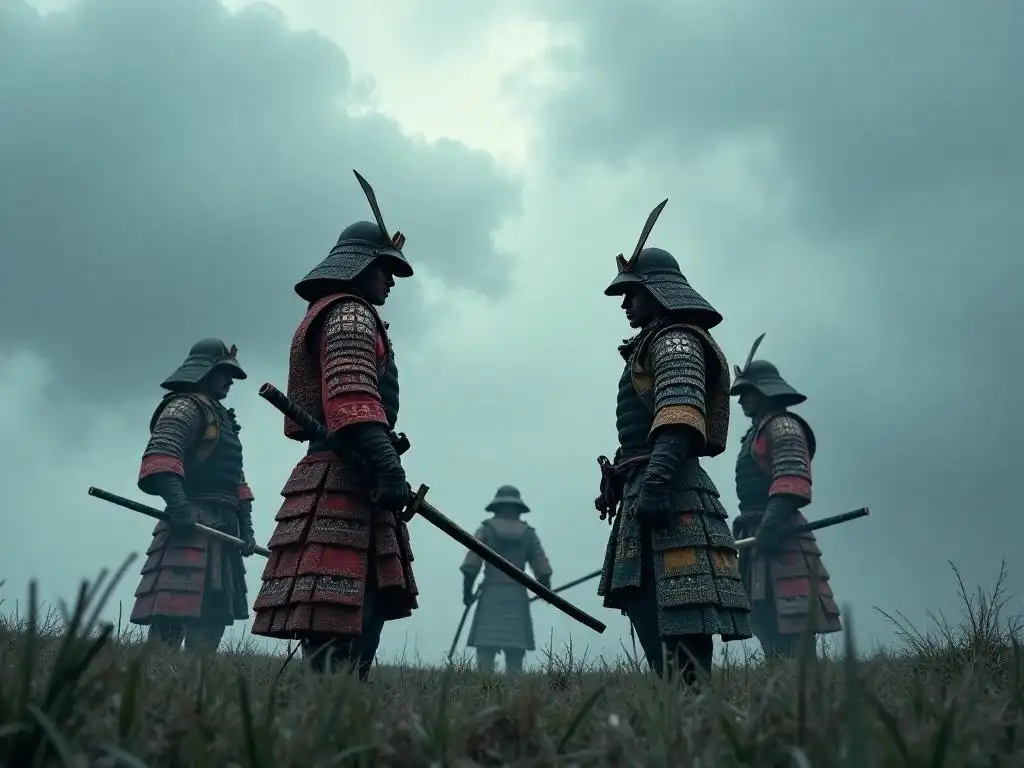
Psychological warfare was a crucial element in the arsenal of samurai strategy during feudal Japan. Samurai were not only skilled warriors but also adept at manipulating the emotions and perceptions of their enemies. By instilling fear, demonstrating prowess, and utilizing cunning tactics, they aimed to gain psychological superiority before engaging in physical combat. This approach often led to victories achieved without the need for prolonged conflict, as opponents could be demoralized or intimidated into submission.
The samurai’s understanding of human psychology informed their battlefield conduct, where they would employ various methods to unsettle their foes. From the use of dramatic displays of strength to the orchestration of surprise attacks, the samurai’s ability to influence the mental state of their adversaries was as important as their physical combat skills. This multifaceted approach to warfare highlights the strategic depth of samurai tactics, showcasing a blend of martial skill and psychological manipulation.
The Role of Fear and Reputation
Fear and reputation were significant components of the samurai's psychological strategy. The samurai cultivated a fierce reputation not only through their martial abilities but also by embodying the principles of bushido, the way of the warrior. Stories of their valor and prowess were disseminated throughout society, creating a formidable image that served to intimidate potential adversaries.
Moreover, the samurai often used fear as a weapon; for instance, they would sometimes engage in ruthless tactics that shocked their enemies. The infamous practice of displaying the heads of defeated foes as trophies was a potent reminder of their lethal capabilities and a deterrent against opposition. The psychological impact of such actions could lead enemies to reconsider their strategies or even abandon their ambitions altogether.
Deception and Misdirection in Conflict
Deception and misdirection played a vital role in samurai warfare. Samurai strategists understood that misleading an opponent could create opportunities for advantage. Techniques such as feigned retreats, ambushes, and diversions were commonly employed to confuse and mislead the enemy about their true intentions or strengths.
One notable example of this is the "Yamato" tactic, where samurai would pretend to be disorganized or in retreat, only to regroup and launch a surprise counterattack. Such tactics not only showcased their martial agility but also exemplified their strategic foresight. By manipulating the battlefield narrative, samurai could control the flow of combat and exploit the vulnerabilities of their adversaries, illustrating the importance of psychological acumen in their military strategies.
The Decline of Samurai Strategy
The strategies employed by the samurai evolved significantly over the centuries, and their decline marked a pivotal shift in Japanese warfare. As Japan transitioned into the modern era, the feudal system began to falter, leading to the erosion of the samurai’s unique martial role. Several factors contributed to this decline, including political, social, and technological changes that reshaped the landscape of warfare.
Factors Leading to the End of the Samurai Era
The end of the samurai era was precipitated by a combination of socio-political upheavals and the advent of modernization. The Meiji Restoration in 1868 marked a significant turning point, as Japan sought to modernize its military and society in response to Western influences. The samurai class, which had been a dominant force in Japanese society, began to lose its privileges and status as the new government focused on creating a conscripted army.
Additionally, the introduction of firearms drastically altered the nature of warfare. While the samurai excelled in hand-to-hand combat and the use of traditional weapons, the increasing reliance on guns and artillery diminished the effectiveness of their strategies. The samurai’s traditional tactics, rooted in individual combat prowess and psychological warfare, became less relevant in the face of modern military strategies that emphasized coordination, technology, and mass mobilization.
Transition to Modern Warfare and Its Implications
The transition to modern warfare in Japan signified not only the decline of the samurai but also a broader shift in military strategy. As Japan adopted Western military practices, the emphasis moved from the individual warrior to the collective force. This shift necessitated training and tactics that prioritized discipline, organization, and technological superiority, rendering traditional samurai strategies obsolete.
The implications of this transition were profound, leading to the dissolution of the samurai class and the reformation of Japan’s military structure. The legacy of samurai strategy, while diminished, continued to influence Japanese martial arts and military philosophy. Understanding this evolution helps contextualize the transformation of Japan from a feudal society to a modern nation-state, marking the end of an era while laying the groundwork for future developments in Japanese military history.
Conclusion: Legacy of Samurai Strategy in Modern Japan
The legacy of samurai strategy in modern Japan is profound and multifaceted, influencing not only military practices but also cultural identity and national pride. The principles of discipline, honor, and strategic thinking that characterized the samurai have transcended their historical context, permeating various aspects of contemporary Japanese society. This enduring legacy can be seen in how modern Japanese military forces, such as the Japan Self-Defense Forces, incorporate the strategic frameworks developed during feudal times into their operational doctrines. Furthermore, the samurai's emphasis on individual skill and leadership continues to inspire current military and martial arts training programs.
In addition to military influences, the samurai's strategic ethos has found its way into business and management philosophies in Japan. Concepts such as "kaizen" (continuous improvement) and "shuhari" (the stages of learning) echo the samurai's dedication to mastery and excellence. This cultural infiltration highlights how the samurai were not merely warriors but also philosophers and strategists whose principles can be applied to various fields in modern life.
Influence on Contemporary Military Practices
Contemporary military practices in Japan reflect a nuanced adaptation of samurai strategies, emphasizing both individual prowess and collective coordination. Modern Japanese forces incorporate strategic concepts that prioritize agility, adaptability, and collaboration—key aspects of samurai battle tactics. For instance, the samurai's understanding of terrain and environment is mirrored in modern military training, where soldiers are taught to leverage their surroundings for tactical advantage.
Moreover, the samurai's focus on psychological warfare and deception remains relevant today. Military exercises often simulate historical battles, allowing modern troops to learn from the strategic decisions made by samurai commanders. This historical perspective fosters a deeper understanding of warfare, encouraging contemporary military leaders to think critically about strategy and its execution in real-world scenarios.
Cultural Representation of Samurai Strategy in Media
The representation of samurai strategy in media has played a significant role in shaping public perception and appreciation of this historical warrior class. Films, literature, and video games often romanticize the samurai's strategies, portraying them as embodiments of honor, loyalty, and tactical genius. Works such as Akira Kurosawa's films and the "Seven Samurai" narrative explore the complexities of samurai warfare, illustrating how individual and group strategies intertwine in the face of adversity.
Additionally, modern media has adapted samurai strategies into various genres, from anime to historical fiction, effectively bringing these ancient techniques to new audiences. These representations not only entertain but also educate viewers about the intricacies of samurai warfare and the philosophical underpinnings of their strategies, ensuring that the samurai's legacy continues to resonate in contemporary culture.
References and Further Reading
Recommended Books on Samurai Warfare
-
"Hagakure: The Book of the Samurai" by Yamamoto Tsunetomo
A classic text that provides insight into the samurai way of life and their strategic approaches to warfare.
-
"The Book of Five Rings" by Miyamoto Musashi
Written by one of Japan's most famous swordsmen, this book explores strategy, tactics, and philosophy from a samurai perspective.
-
"Samurai: The Last Warrior" by John Man
An engaging narrative that chronicles the history and tactics of the samurai, highlighting their impact on Japanese culture.
Academic Articles on Feudal Japan Military History
-
"War and the Samurai: The Military History of Feudal Japan" by Richard McBride
This scholarly article examines the evolution of samurai warfare and its strategic innovations during feudal times.
-
"The Role of the Samurai in Japanese Culture and Warfare" by Michael E. Fortescue
An exploration of how samurai strategies shaped military practices and cultural identity in Japan.
-
"The Tactics of the Samurai: A Study of Feudal Japanese Battle Strategies" by Akira Nakai
This academic paper analyzes specific battles and the tactical decisions made by samurai leaders, providing a detailed account of their strategic reasoning.
- Introduction to Samurai Strategy in Feudal Japan
- Overview of Feudal Japan and Its Military Structure
- Importance of Samurai in Japanese Warfare
- The Evolution of Samurai Strategy
- Core Principles of Samurai Strategy
- Tactical Approaches of Samurai Warfare
- Strategic Thinking: Famous Samurai Leaders
- The Role of Terrain in Samurai Strategy
- Psychological Warfare in Samurai Tactics
- The Decline of Samurai Strategy
- Conclusion: Legacy of Samurai Strategy in Modern Japan
- References and Further Reading
Frequently Asked Questions
What is the significance of samurai strategy in feudal Japan?
Samurai strategy played a crucial role in shaping military tactics and governance during feudal Japan, influencing both battlefield outcomes and political dynamics.
How did samurai strategies evolve over time?
Over the centuries, samurai strategies adapted to changing warfare technologies, from traditional swordsmanship to incorporating gunpowder and cavalry tactics.
What were some common tactics used by samurai in battles?
Samurai utilized various tactics including flanking maneuvers, ambushes, and the use of terrain to gain strategic advantages over their enemies.
How did the samurai code of honor influence their strategies?
The Bushido code instilled principles of loyalty and honor, which influenced samurai strategies by prioritizing honorable engagements over ruthless victories.
What role did leadership play in samurai strategies?
Effective leadership was vital in samurai strategy; commanders needed to inspire troops, coordinate complex operations, and adjust tactics based on battlefield conditions.
Final Reflection: Embracing the Wisdom of Samurai Strategy
The lessons derived from the samurai's strategy in feudal Japan remain profoundly relevant today, as they teach us the importance of discipline, adaptability, and foresight in navigating the complexities of modern life. In an era marked by rapid change and uncertainty, the principles that guided these warriors can inspire us to approach our challenges with a strategic mindset, reminding us that success often lies in preparation and understanding our environment.
The influence of samurai strategy extends beyond the battlefield, permeating various aspects of our cultural and social landscape. From leadership styles in corporate environments to conflict resolution in personal relationships, the samurai's emphasis on honor, respect, and calculated decision-making resonates deeply. As Sun Tzu famously stated, In the midst of chaos, there is also opportunity.
This quote encapsulates the essence of samurai strategy, encouraging us to find clarity and purpose even in tumultuous times.
As we reflect on the teachings of the samurai, let us challenge ourselves to integrate these timeless strategies into our daily lives. Consider how you can embody the principles of discipline, adaptability, and strategic thinking in your own journey. Whether facing personal challenges or professional obstacles, remember that the spirit of the samurai lives on, urging us to act with intention and courage as we carve our own paths in the modern world.
Unveil the Secrets of the Samurai's Strategy!
Thank you for diving deep into the fascinating world of the Samurai! We hope you discovered valuable insights into their strategies and the principles that governed their way of life. Now, it’s time to take action and apply the lessons learned from these legendary warriors!
Here are a few steps you can take:
- Explore historical texts to immerse yourself in the philosophies of the Samurai by reading classic works such as "The Book of Five Rings."
- Engage with your community by sharing your insights; consider starting a discussion group or an online forum dedicated to the history and culture of Feudal Japan.
- Challenge yourself by practicing mindfulness through meditation or martial arts—integrating the discipline of the Samurai into your modern life.
What aspects of the Samurai's strategy do you find most relevant to today’s challenges? We invite you to share your thoughts below!