
The Connection Between Martial Arts and Japanese Theater in Feudal Times

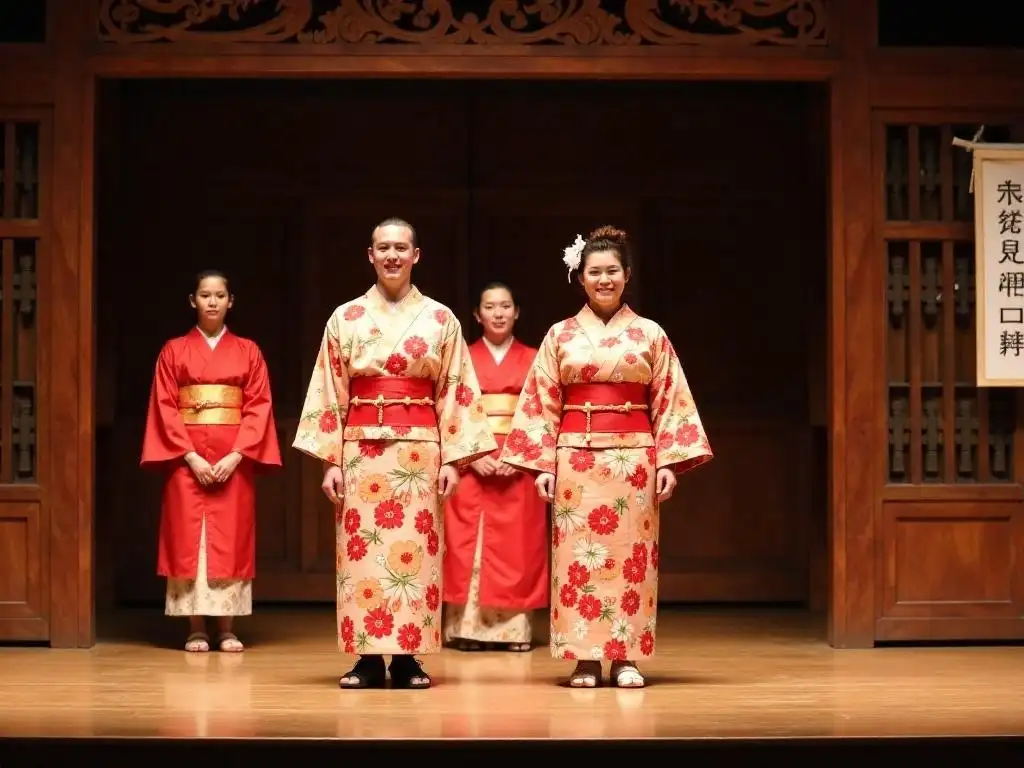
Welcome to Feudal Japan History, where we invite you to embark on a captivating journey through the intricate tapestry of Japan's feudal era. Here, you will uncover the dynamic connections between martial arts and Japanese theater, revealing how these two powerful forms of expression shaped each other and left an indelible mark on society.
As you delve into our in-depth article, "The Connection Between Martial Arts and Japanese Theater in Feudal Times," prepare to ignite your curiosity about the rich cultural heritage that flourished during this intriguing period. The stories, techniques, and philosophies of martial arts await—are you ready to explore this fascinating intersection?
Introduction to Martial Arts in Japanese Theater
In the rich tapestry of Feudal Japan, the interplay between martial arts and theater serves as a fascinating reflection of the era's cultural and societal dynamics. This connection is not merely incidental; it is a profound intertwining of physical discipline and artistic expression that shaped the identity of Japan during the feudal period.
Martial arts in Japanese theater transcended mere performance; they were a vital aspect of the cultural narrative, embodying the values, struggles, and philosophies of the samurai and common people alike. As we delve deeper into this relationship, we will uncover how these two seemingly disparate fields informed and influenced each other, creating a unique cultural phenomenon that endures to this day.
Overview of Martial Arts in Feudal Japan
Martial arts in Feudal Japan were not just forms of combat; they were disciplines steeped in tradition, philosophy, and ritual. Various styles emerged, including:
- Kendo (the way of the sword)
- Judo (the gentle way)
- Aikido (the way of harmony)
- Ninjutsu (the art of stealth)
Each style was developed to address specific needs, from battlefield prowess to personal development. The samurai class, in particular, played a crucial role in the evolution of these arts, as they were required to master various combat techniques for survival and honor. The training not only honed their physical skills but also reinforced the codes of conduct that defined their status in society.
Significance of Japanese Theater during the Feudal Era
During the feudal era, Japanese theater emerged as a prominent cultural force, providing entertainment and moral lessons to its audiences. Key forms of theater included:
- Noh: A highly stylized form that combines drama, music, and dance, often reflecting themes of the supernatural.
- Kabuki: Known for its vibrant costumes and dynamic performances, Kabuki was more accessible to the common people and often depicted historical events and moral dilemmas.
- Bunraku: A form of puppet theater that also conveyed rich narratives, blending artistry and storytelling.
These theatrical forms were not only a source of entertainment but also served to reinforce social hierarchies, convey historical narratives, and educate audiences. The artists often drew on martial themes, reflecting the martial culture of the samurai and the broader societal values of the time.
Historical Context of Martial Arts and Theater
Understanding the connection between martial arts and theater during Feudal Japan requires a look into the historical context that shaped both practices. This era, marked by significant social and political changes, allowed for the evolution of both martial disciplines and theatrical traditions.
The Evolution of Martial Arts in Japan
Martial arts in Japan evolved significantly throughout the feudal period, adapting to the changing needs of society. Originally developed for battlefield effectiveness, these arts transformed into means of personal development and philosophical exploration. Influential figures, such as the legendary swordsman Miyamoto Musashi, contributed to the discourse on martial strategy and mental discipline, further intertwining martial arts with the broader cultural narrative of Japan.
The Development of Japanese Theater Forms
Conversely, Japanese theater evolved as a reflection of societal changes and the fluctuating power dynamics of the feudal system. The emergence of new forms, such as Noh and Kabuki, allowed for the exploration of themes relevant to the samurai class, such as honor, loyalty, and the transient nature of life. The narratives often incorporated martial elements, showcasing not only the physical prowess of the samurai but also their emotional and ethical struggles.
The intricate relationship between martial arts and Japanese theater during Feudal Japan underscores the era's complex cultural landscape, where physical discipline and artistic expression coalesced to create a rich legacy that informs contemporary understandings of both fields.
Interrelationship Between Martial Arts and Japanese Theater
The connection between martial arts and Japanese theater during the feudal era is a fascinating intersection of culture, philosophy, and artistry. Both disciplines share a deep-rooted history in the samurai ethos, where the principles of discipline, honor, and skill were paramount. Martial arts were not only practical combat techniques but also a means of personal and spiritual development, which resonated profoundly in the theatrical traditions of the time.
In feudal Japan, theater forms such as Noh and Kabuki emerged, often incorporating martial themes, stories of valor, and the samurai way of life. The performances were not merely entertainment; they served as a medium to convey moral lessons and cultural narratives. As actors donned elaborate costumes and engaged in stylized movements, the influence of martial arts became evident, demonstrating the synergy between the two forms.
The depiction of martial arts in theater also played a crucial role in shaping public perception of samurai culture. It romanticized their bravery, skills, and the philosophical underpinnings of bushido, the way of the warrior. This interrelationship not only preserved martial traditions but also elevated them to an art form, allowing audiences to appreciate the beauty and complexity of combat as a narrative device.
The Influence of Samurai Culture on Theater
Samurai culture had a profound influence on the development of Japanese theater, particularly in the portrayal of heroism, loyalty, and the warrior's code. The samurai's dedication to their craft, whether in battle or performance, mirrored the meticulous training and discipline required in both martial arts and theater. This cultural backdrop provided rich material for playwrights and performers, who sought to capture the essence of the samurai spirit through their works.
In Noh theater, for example, the themes often revolved around historical battles, the lives of legendary warriors, and the spiritual journeys of samurai. The use of masks and minimalist staging in Noh emphasized the internal conflict and emotional depth of the characters, reflecting the samurai's struggles and ideals.
Kabuki, on the other hand, brought a more vibrant and dynamic representation of samurai culture to the stage. With exaggerated movements and elaborate costumes, Kabuki performances showcased the physical prowess and martial skills of the samurai, often incorporating sword fights and combat choreography that echoed the techniques practiced in dojos. This theatrical flair served to both entertain and educate the audience about the samurai's virtues and challenges.
Martial Arts Techniques in Theatrical Performances
Martial arts techniques were intricately woven into the fabric of theatrical performances, enhancing the authenticity and impact of the storytelling. In both Noh and Kabuki, specific martial arts forms influenced the choreography, with actors trained in techniques such as kenjutsu (swordsmanship) and naginatajutsu (polearm combat) to ensure realistic portrayals of combat scenarios.
In Kabuki, for instance, actors often performed acrobatic feats and stylized combat sequences that highlighted their martial training. These performances were not just about the fight itself, but also about the artistry and precision involved in executing complex movements. The incorporation of weaponry, such as swords, further added to the dramatic tension and visual appeal of the performances.
Moreover, the training in martial arts instilled a sense of discipline and focus that translated to the stage. Actors needed to master their movements, timing, and expressions, much like a martial artist perfecting their kata (forms). This cross-training resulted in a unique blend of physicality and expressiveness that defined the theatrical landscape of feudal Japan.
The Role of Movement and Choreography in Both Arts
Movement and choreography played a pivotal role in both martial arts and Japanese theater, serving as a bridge between combat and performance. In martial arts, practitioners develop a deep understanding of body mechanics, balance, and timing, which are crucial for effective martial execution. Similarly, actors in Noh and Kabuki must master these elements to create compelling performances.
In theater, choreography is not merely a series of movements but an expression of character and emotion. The precision of martial arts techniques enhances this expressive quality, allowing actors to convey complex narratives through their physicality. For instance, the fluidity of a sword draw in a performance can symbolize not only the act of combat but also the emotional state of the character, such as determination or despair.
The training involved in both disciplines fosters a connection between mind and body. This unity is essential for both martial artists and actors, as they must be attuned to their movements while also engaging with their audience. The shared emphasis on rhythm and flow creates a harmonious relationship between martial arts and theater, enriching the cultural fabric of feudal Japan.
Key Figures in Martial Arts and Theater
The relationship between martial arts and theater in feudal Japan was shaped by numerous key figures who excelled in both realms. These individuals not only influenced the evolution of martial practices but also left an indelible mark on the theatrical arts, creating a legacy that continues to resonate today.
Notable Samurai and Their Impact on Performing Arts
Several notable samurai played crucial roles in bridging the gap between martial arts and performing arts. One of the most influential figures was Yoshitsune Minamoto, a legendary warrior whose exploits were immortalized in various theatrical forms. His life story became a central theme in many Noh plays, showcasing the ideal samurai virtues of bravery and loyalty.
Another significant figure is Miyamoto Musashi, the famed swordsman and author of "The Book of Five Rings." Musashi's philosophies on combat and strategy influenced not only martial practitioners but also playwrights who sought to capture the essence of his teachings in their works. His reputation as a master swordsman transcended the battlefield, elevating him to a cultural icon within Japanese theater.
These samurai not only contributed to martial arts but also enriched the narratives portrayed on stage, ensuring that the values and struggles of the warrior class were preserved in the cultural consciousness.
Influential Theater Practitioners and Martial Artists
In the realm of theater, several practitioners were instrumental in integrating martial arts into their performances. Ichikawa Danjuro, a renowned Kabuki actor of the Edo period, was known for his dynamic portrayal of samurai characters. His performances often included intricate combat choreography that captivated audiences and set new standards for dramatic expression.
Additionally, Kan'ami, a key figure in the development of Noh theater, incorporated elements of martial arts into his works, emphasizing the spiritual and moral dimensions of the samurai experience. His commitment to realism in movement and character portrayal helped to establish Noh as a respected art form that conveyed profound philosophical themes.
These influential figures, both samurai and theater practitioners, played a vital role in shaping the interrelationship between martial arts and Japanese theater, ensuring that the legacy of the samurai spirit continued to thrive through performance art. Their contributions have left a lasting impact, illustrating the enduring connection between these two essential aspects of Japan's cultural heritage.
Themes and Symbolism in Martial Arts and Theater
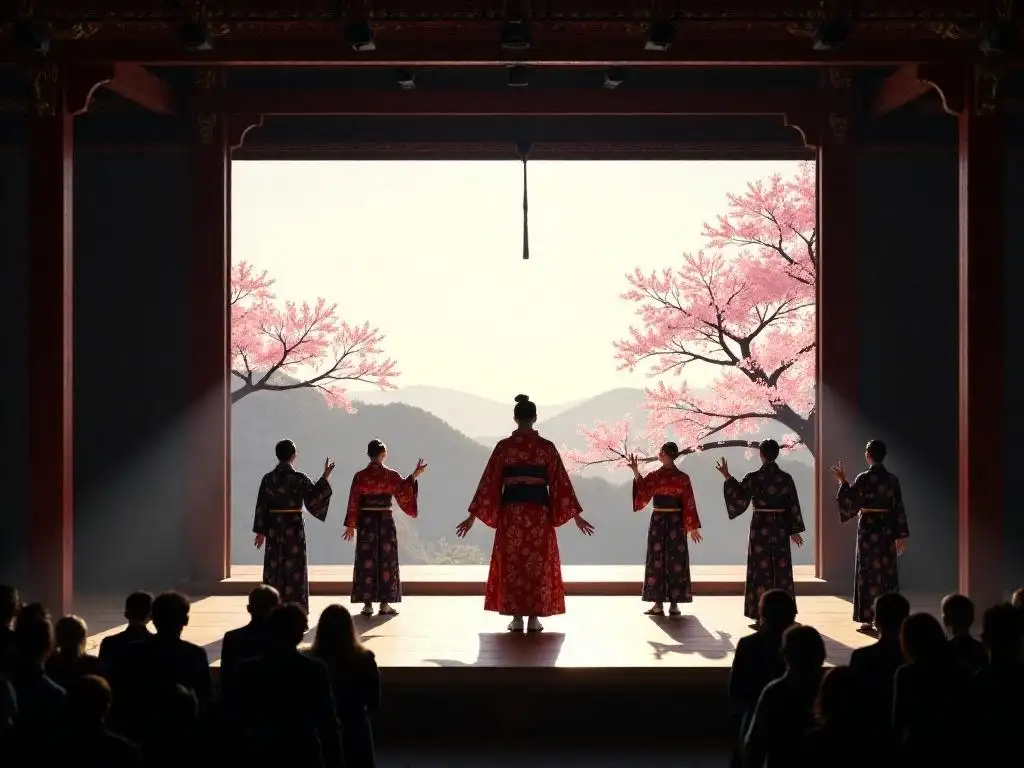
The connection between martial arts and Japanese theater in feudal times is deeply rooted in a shared language of themes and symbolism. This relationship is evident in various forms of traditional performance art, including Noh and Kabuki, where martial elements are not just present but are essential for conveying complex narratives. The portrayal of martial arts in theater often reflects broader societal values, such as honor, loyalty, and the struggle between good and evil. Through choreography, dialogue, and costume design, these performances encapsulate the essence of martial practices, intertwining physical prowess with artistic expression.
Common Themes of Honor and Valor
Honor and valor are paramount themes that resonate throughout both martial arts and Japanese theater. In feudal Japan, samurai were revered for their adherence to the code of bushido, which emphasized loyalty, bravery, and honor in battle. These themes are often dramatized in theatrical performances where characters embody the ideals of the samurai. For instance, in Kabuki theater, the depiction of a noble warrior facing insurmountable odds often serves to highlight the virtues of courage and sacrifice, resonating with audiences who value these qualities in their own lives.
Moreover, the narratives frequently revolve around the consequences of dishonor, illustrating the devastating effects on both the individual and their community. This thematic exploration not only entertains but also educates audiences about the cultural significance of these virtues in a samurai's life. Thus, martial arts, as a physical manifestation of these themes, enriches the storytelling in Japanese theater, creating a profound connection between the two.
Symbolic Representations of Martial Arts in Theater
Symbolism plays a crucial role in the representation of martial arts within Japanese theater. Specific martial techniques, stances, and movements are often imbued with deeper meanings, reflecting the philosophical underpinnings of the martial arts themselves. For example, the use of the katana in performances can symbolize not only the physical act of battle but also the concept of precision, discipline, and the samurai's connection to their spirit and heritage.
Costumes, props, and stage designs are also laden with symbolic meaning. The colors, materials, and designs of a samurai's armor or a warrior's attire often represent their rank, status, and personal history. Similarly, the choreography in fight scenes is meticulously designed to convey emotions and intentions, transforming martial arts into a narrative device that enhances the overall performance. By integrating these symbols into theatrical expressions, performers are able to create a rich tapestry that honors the martial traditions while engaging the audience on multiple levels.
The Legacy of Martial Arts in Japanese Theater
The influence of martial arts on Japanese theater extends far beyond feudal times, leaving an indelible mark on the performing arts that continues to evolve. The legacy of this connection can be seen in various contemporary forms of theater that draw upon historical martial techniques and themes, ensuring that the spirit of this unique partnership endures.
Lasting Impact on Modern Japanese Performing Arts
Modern Japanese performing arts, including contemporary theater, dance, and film, still reflect the foundational elements of martial arts. Choreographers and directors often incorporate traditional martial techniques into their works, blending them with modern storytelling methods to create innovative performances that resonate with contemporary audiences. This fusion not only honors the historical significance of martial arts but also revitalizes it, making it relevant in today's artistic landscape.
Moreover, the themes of honor, sacrifice, and the warrior spirit continue to inspire new works, allowing artists to explore the complexities of human emotions and relationships through the lens of martial arts. As such, the interplay between martial arts and theater remains a vibrant and dynamic aspect of Japan's cultural heritage.
Preservation of Martial Arts Techniques in Contemporary Theater
As Japanese theater continues to evolve, the preservation of traditional martial arts techniques within performance remains vital. Many contemporary theater companies actively seek to retain the authenticity of these techniques, often collaborating with martial arts practitioners to ensure accurate representation. Workshops, training sessions, and collaborative performances are common, providing actors with firsthand experience in the physicality and discipline that martial arts require.
This preservation effort not only enriches the performances but also serves to educate audiences about the historical context and significance of martial arts in Japanese culture. By integrating authentic martial practices into theatrical presentations, contemporary artists honor the legacy of their predecessors while fostering a greater appreciation for the intricacies of both martial arts and Japanese theater. In this way, the connection between the two continues to thrive, bridging the past with the present in a celebration of Japan's rich cultural tapestry.
Conclusion: The Cultural Significance of Martial Arts in Japanese Theater
The fusion of martial arts and Japanese theater during the feudal era represents a profound cultural synergy that shaped both art forms. This relationship not only enriched the theatrical performances of the time but also highlighted the values and philosophies inherent in martial practices. The martial arts reflected the samurai's code of honor, discipline, and skill, which were often illustrated through the narratives of theater, creating a captivating spectacle that resonated with audiences.
The cultural significance of this connection lies in its ability to convey deeper meanings through performance. Martial arts in Japanese theater were not merely for show; they served as a medium for storytelling, conveying themes of loyalty, bravery, and the complexities of human emotion in the face of conflict. This interplay allowed the audience to engage with the historical context of samurai life while also enjoying the aesthetic beauty of movement and choreography.
Moreover, the integration of martial arts into theater played a pivotal role in preserving the techniques and philosophies of these combat forms. The dramatization of martial skills on stage ensured that the essence of these practices continued to be respected and revered long after the feudal era had ended.
Reflection on the Intertwined Histories
The intertwined histories of martial arts and Japanese theater can be traced back to the foundations of both disciplines. As the samurai class rose to prominence, the need for martial efficiency and artistic expression became increasingly intertwined. The samurai's training in martial arts was not just about combat; it was a way to cultivate character and develop a deep understanding of aesthetics, which mirrored the principles of Noh and Kabuki theater.
In theatrical performances, martial arts techniques were often stylized and adapted to fit the narrative, creating a unique blend of realism and artistic interpretation. This melding of the two realms allowed performers to showcase not only their physical prowess but also their ability to embody complex characters and emotions. For instance, the portrayal of a samurai in a Kabuki play would often incorporate specific martial movements that were recognizable to the audience, thus deepening their connection to the story being told.
The historical documentation of this relationship reveals that many renowned actors were also skilled martial artists. This duality enriched the performances, as actors brought authenticity to their roles, further blurring the lines between the arts of war and performance. The legacy of this intertwined history continues to resonate in contemporary forms of Japanese theater, where the influence of martial arts is still evident.
The Continuing Influence of Feudal Practices in Modern Japan
The legacy of feudal practices, particularly those related to martial arts and theater, remains influential in modern Japan. Today, many martial arts schools still emphasize the philosophical and cultural teachings that originated in the feudal era, fostering a sense of respect for tradition among practitioners. Styles such as Kendo, Aikido, and Iaido not only focus on physical skill but also on the ethical codes that were prevalent among samurai.
In parallel, modern Japanese theater continues to draw inspiration from its historical roots. Contemporary productions often incorporate elements of traditional martial arts choreography, showcasing the elegance and discipline associated with these practices. This blend of old and new not only preserves the history of martial arts in Japanese theater but also introduces it to new generations, ensuring that these cultural practices remain relevant.
Moreover, the global interest in Japanese culture has led to a resurgence in the popularity of both martial arts and traditional theater. International audiences are now able to appreciate the intricate relationship between these two disciplines, recognizing the artistry involved in martial movements and the storytelling inherent in theatrical performances.
The connection between martial arts and Japanese theater in feudal times has left an indelible mark on the cultural landscape of Japan. This relationship continues to thrive, illustrating the enduring significance of martial arts in Japanese theater and the broader context of Japanese heritage.
- Introduction to Martial Arts in Japanese Theater
- Historical Context of Martial Arts and Theater
- Interrelationship Between Martial Arts and Japanese Theater
- Key Figures in Martial Arts and Theater
- Themes and Symbolism in Martial Arts and Theater
- The Legacy of Martial Arts in Japanese Theater
- Conclusion: The Cultural Significance of Martial Arts in Japanese Theater
- What is the significance of martial arts in Japanese theater during the feudal era?
- How did martial arts influence the development of Kabuki theater?
- Which martial arts styles were commonly represented in Japanese theater?
- How did societal views on martial arts shape theater during feudal Japan?
- Are there any modern influences of martial arts in contemporary Japanese theater?
Frequently Asked Questions
What is the significance of martial arts in Japanese theater during the feudal era?
Martial arts played a crucial role in Japanese theater, particularly in Noh and Kabuki performances, where combat techniques were often depicted to enhance storytelling and showcase warrior culture.
How did martial arts influence the development of Kabuki theater?
In Kabuki, the incorporation of martial arts movements allowed actors to portray dynamic fight scenes, adding a layer of realism and excitement that captivated audiences and emphasized the heroic aspects of characters.
Which martial arts styles were commonly represented in Japanese theater?
Common styles included Kendo, Jujutsu, and Iaido, each contributing unique techniques and philosophies that enriched the choreography and authenticity of performances within the theatrical traditions.
How did societal views on martial arts shape theater during feudal Japan?
The societal reverence for martial arts as a symbol of honor and discipline influenced theater, encouraging playwrights to weave themes of bravery, loyalty, and the samurai code into their narratives.
Are there any modern influences of martial arts in contemporary Japanese theater?
Yes, contemporary Japanese theater still draws from traditional martial arts, incorporating elements into performances to maintain the cultural heritage while appealing to modern audiences through dynamic choreography and storytelling.
Final Reflection: The Enduring Legacy of Martial Arts in Japanese Theater
The intricate relationship between martial arts and Japanese theater in feudal times remains profoundly relevant today, as it highlights the cultural synthesis that shaped Japan's artistic expressions. This connection not only enriched the performance arts but also fostered a deeper understanding of discipline, honor, and the human experience. As we navigate a world increasingly disconnected from its roots, recognizing these historical ties can inspire a renewed appreciation for the arts and their power to convey complex narratives.
The influence of martial arts on Japanese theater is a testament to the enduring power of tradition and storytelling. The physicality and precision of martial arts have left an indelible mark on theatrical performances, creating a unique blend of action and emotion that captivates audiences. As the renowned playwright Yukio Mishima once said, Theater is a mirror of life, and martial arts reflect the essence of that life.
This observation underscores how the principles of martial arts continue to resonate within the cultural fabric of Japan, shaping not only performance art but also the values and philosophies that guide society.
As we reflect on the lessons drawn from the intersection of martial arts and Japanese theater, I invite you to consider how these themes resonate in your own life. Embrace the discipline, creativity, and storytelling inherent in both martial arts and the performing arts, and allow them to inspire your personal journey. Whether through practice, performance, or simply appreciating the artistry around you, let this rich heritage encourage you to explore the depths of your own passions and the connections that bind us all.
Unveil the Secrets of Feudal Japan: Take Action Today!
Thank you for joining us on this fascinating journey through the intertwined worlds of martial arts and Japanese theater during feudal times! By understanding these connections, you've gained invaluable insights into the culture and artistry of this unique historical period. Now, it’s time to put that knowledge into action!
- Dive deeper: Explore local martial arts studios or theater productions that showcase traditional Japanese forms.
- Share your thoughts: Discuss this article with friends or on social media to spark engaging conversations about the cultural significance you've uncovered.
- Join a community: Find online forums or groups focused on feudal Japanese culture to expand your understanding and connect with like-minded enthusiasts.
What aspect of martial arts or Japanese theater intrigues you the most, and how might you incorporate it into your own life or practices?