
The Cultural Exchange of Martial Arts Between Japan and the West

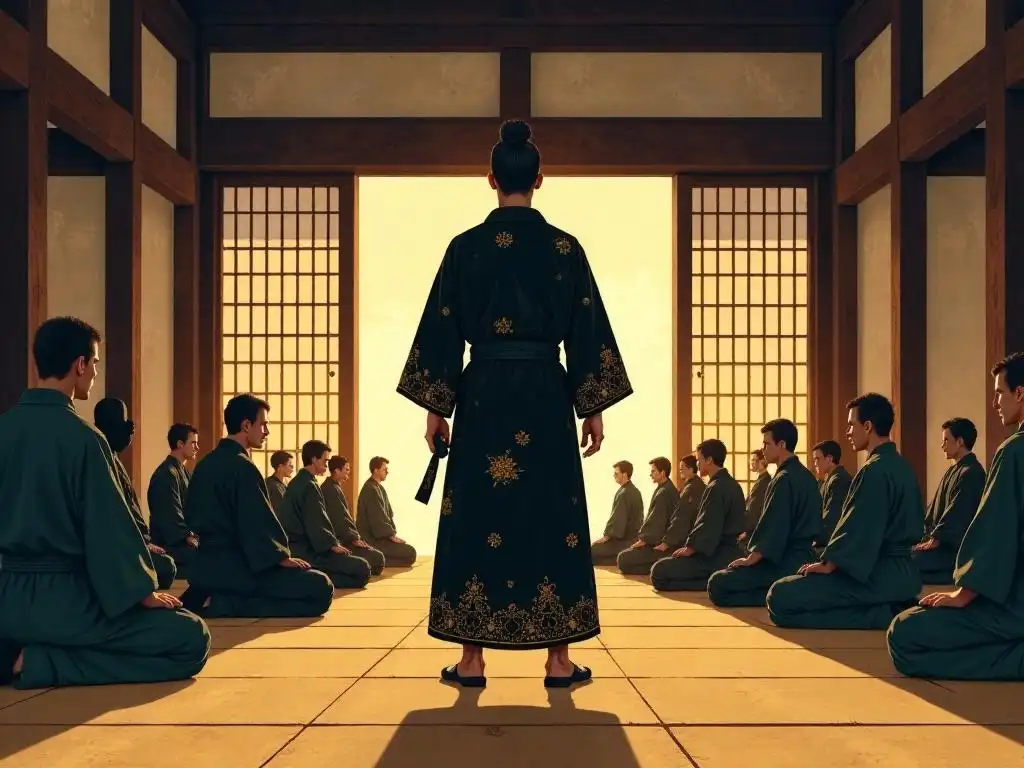
Welcome to Feudal Japan History, where we invite you to embark on a journey through the captivating stories and rich traditions of Japan's feudal era. Discover the intricate tapestry of historical, cultural, and societal elements that shaped this remarkable period. In our featured article, “The Cultural Exchange of Martial Arts Between Japan and the West,” we delve into the fascinating dynamics of martial arts as they crossed oceans and bridged cultures. What sparked this exchange, and how did it transform both societies? Prepare to uncover the answers and much more as you dive deeper into this enthralling narrative!
- Introduction to the Japan West Martial Arts Exchange
- Historical Context of Martial Arts in Japan
- The Emergence of Western Interest in Japanese Martial Arts
- Cross-Cultural Influences: Techniques and Philosophies
- The Modern Era: Globalization of Martial Arts
- Challenges and Misunderstandings in Cultural Exchange
- Conclusion: The Future of Japan West Martial Arts Exchange
- Further Reading and Resources
-
Frequently Asked Questions
- What is the significance of the Japan West martial arts exchange?
- How did martial arts influence Japanese culture during the feudal era?
- What are some key martial arts styles that emerged from this exchange?
- How did the exchange impact the global perception of martial arts?
- Are there any notable figures associated with the Japan West martial arts exchange?
- Final Reflection: Embracing the Legacy of Japan-West Martial Arts Exchange
- Explore the Transformative Journey of Martial Arts!
Introduction to the Japan West Martial Arts Exchange
The cultural exchange of martial arts between Japan and the West is a fascinating journey that highlights the interconnectedness of societies and the evolution of combat techniques over time. This exchange has not only shaped the way martial arts are practiced today but has also fostered a deeper understanding of each culture’s values and philosophies surrounding combat.
From the samurai's disciplined practices to the Western emphasis on competition, the cross-pollination of techniques and ideologies has created a rich tapestry of martial arts that transcends borders. In this article, we will delve into the historical context of the Japan-West martial arts exchange, exploring its roots, influences, and the profound impact it has had on both cultures.
Understanding Cultural Exchange in Martial Arts
Cultural exchange in martial arts refers to the mutual sharing and adaptation of techniques, philosophies, and training methods between different cultures. This process often involves:
- Historical Interactions: The exchange began in earnest during the late 19th and early 20th centuries as Japan opened its doors to the West. As Japanese martial arts like judo and kendo were introduced to Western audiences, they sparked interest and admiration.
- Adaptation and Fusion: Western martial arts, such as boxing and wrestling, began to incorporate techniques from Japanese arts. This led to the creation of hybrid forms and the evolution of existing practices, enriching both traditions.
- Philosophical Exchange: Beyond physical techniques, the philosophical underpinnings of martial arts—such as discipline, respect, and self-improvement—were exchanged, influencing training methodologies in both cultures.
The exchange has contributed to a more comprehensive understanding of martial arts, highlighting the importance of cultural context and historical significance.
Importance of Martial Arts in Japan's Feudal Era
Martial arts played a crucial role in Japan's feudal era, serving not only as a means of combat but also as a cultural cornerstone that shaped societal values and norms. Key aspects include:
- Warrior Class Training: The samurai, as the ruling class, dedicated their lives to mastering various martial arts, which were essential for survival and honor in battle. Techniques such as kenjutsu (swordsmanship) and iaijutsu (drawing the sword) were integral to their training.
- Philosophical Foundations: Martial arts during this era were deeply intertwined with Zen Buddhism and bushido (the way of the warrior). This connection facilitated a focus on mental discipline and moral conduct, elevating martial training to a spiritual practice.
- Cultural Rituals and Arts: Beyond combat, martial arts influenced various aspects of Japanese culture, including literature, theater, and visual arts. The aesthetics of martial movements and the values of the warrior class permeated Japanese society, creating a rich cultural heritage.
Martial arts were not merely skills for battle; they were a reflection of the values, beliefs, and societal structures of feudal Japan, laying the groundwork for the future exchange with the West.
Historical Context of Martial Arts in Japan
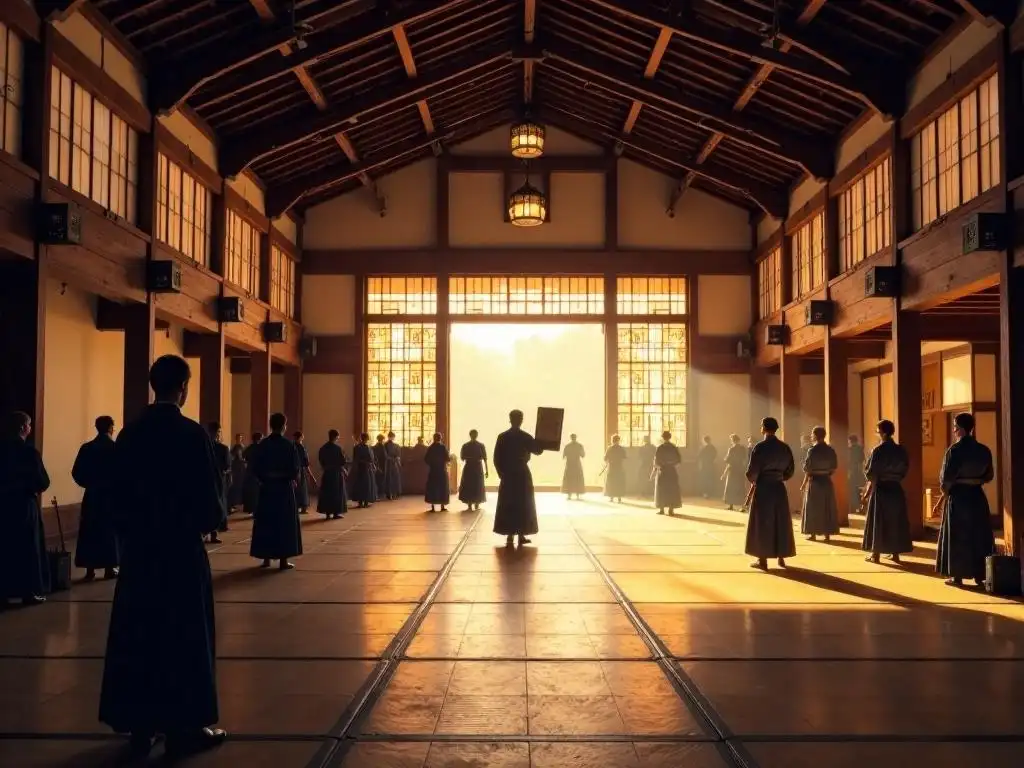
Overview of Traditional Japanese Martial Arts
Traditional Japanese martial arts, known collectively as budō, have deep roots in the cultural and military history of Japan. The origins can be traced back to the samurai class during the feudal era, where martial training was essential for survival and honor. These arts were not merely for combat; they encompassed spiritual and philosophical elements, emphasizing discipline, respect, and self-control.
The development of budō in Japan can be divided into three primary phases:
- Pre-Feudal Period: Early martial practices focused on battlefield techniques, utilizing weapons such as swords, spears, and bows. These practices were often informal and varied by region.
- Feudal Era: The establishment of a more structured approach to martial training occurred during the feudal period (1185-1603). Schools ( ryū) began to emerge, formalizing techniques and philosophies associated with various martial disciplines.
- Modern Era: In the late 19th and early 20th centuries, traditional arts were adapted for civilian practice and international competition, leading to the popularization of styles like judo and kendo.
Overall, the evolution of traditional Japanese martial arts reflects the changing sociopolitical landscape of Japan, showcasing a blend of practicality and philosophy.
Key Martial Arts Styles Developed During the Feudal Era
During the feudal era, several key martial arts styles emerged, each with its unique techniques, philosophies, and applications. Here are some notable examples:
- Kendo: Derived from the techniques of the samurai, kendo emphasizes sword fighting with bamboo swords ( shinai) and protective armor. It focuses on discipline, respect, and the spirit of the warrior.
- Iaido: This art centers on the smooth and controlled movements of drawing the sword and responding to an opponent. Iaido is characterized by its emphasis on mental focus and precision, often practiced through kata (forms).
- Jujutsu: A grappling-based martial art, jujutsu involves joint locks, throws, and strikes. It was developed as a means of self-defense for samurai when disarmed, leading to the creation of various offshoots like judo.
- Naginatajutsu: This style focuses on the use of the naginata, a pole weapon with a curved blade. It combines techniques of both sword and spear fighting, reflecting the versatility of samurai in battle.
- Bojutsu: The art of using the long staff ( bō), bojutsu incorporates strikes, thrusts, and sweeps. It emphasizes distance management and timing, essential skills for any martial artist.
These styles not only served as practical combat skills but also as ways to cultivate character and virtues among practitioners, reflecting the deeper philosophical aspects of martial arts.
The Role of Samurai in Martial Arts Evolution
The samurai played a pivotal role in the evolution of martial arts in Japan. As the ruling class during the feudal era, they were both warriors and scholars, embodying the ideals of loyalty, honor, and discipline. Their martial training was rigorous and comprehensive, often starting from a young age.
Key aspects of the samurai's influence on martial arts include:
- Formalization of Techniques: Samurai established schools and systems for teaching martial arts, leading to the codification of techniques and the creation of manuals that documented various fighting styles.
- Philosophical Integration: The samurai integrated Zen principles and bushido (the way of the warrior) into their training, emphasizing mental discipline and ethical conduct alongside physical skill.
- Cultural Transmission: As Japan opened up to the West, the samurai and their martial arts became symbols of Japanese culture. Their practices influenced Western martial arts and paved the way for cross-cultural exchanges.
- Preservation of Tradition: Samurai were key in preserving martial arts traditions, ensuring their survival through periods of peace when warfare was not prevalent. This preservation allowed the arts to evolve into modern practices.
The samurai's contributions to martial arts were significant, shaping not only the technical aspects but also the cultural legacy that continues to influence martial arts today. The exchange between Japan and the West regarding martial arts is rooted in this rich historical context, offering a profound understanding of both cultures.
The Emergence of Western Interest in Japanese Martial Arts
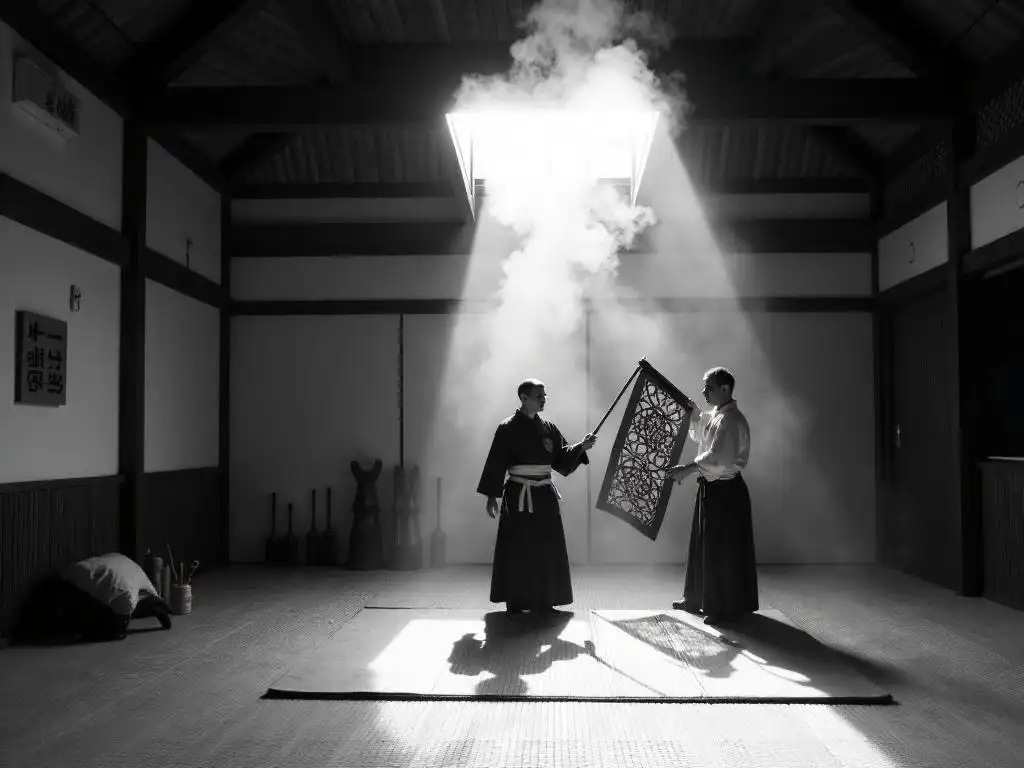
Early Encounters: The Influence of the Meiji Restoration
The Meiji Restoration of 1868 marked a significant turning point in Japan's history, leading to rapid modernization and a new openness to foreign influences. This period catalyzed the exchange of martial arts between Japan and the West, as Japan sought to modernize its military and cultural practices while simultaneously showcasing its unique traditions.
During the Meiji era, Japanese martial arts began to attract the attention of Western military officials and scholars. The introduction of the Kodokan Judo by Jigoro Kano in the 1880s exemplified this burgeoning interest. Kano's judo was not only a method of self-defense but also a philosophical system emphasizing discipline, respect, and moral development. Westerners were drawn to these principles, which contrasted with the often brutal nature of Western combat sports.
Moreover, the Sino-Japanese War (1894-1895) and the Russo-Japanese War (1904-1905) showcased Japan's military prowess, further piquing Western curiosity about its martial traditions. As Japanese soldiers displayed remarkable discipline and effectiveness in battle, military observers from the West sought to understand the training methods and philosophies behind these skills. This interest laid the groundwork for later exchanges in martial arts practices.
Key Figures in the Promotion of Martial Arts to the West
Several key individuals played a crucial role in promoting Japanese martial arts to Western audiences. Jigoro Kano, the founder of judo, was instrumental in this effort. He traveled extensively, demonstrating judo techniques in Europe and the United States. His participation in the 1910 Olympic Games helped establish judo as an international sport, showcasing its unique characteristics and attracting more practitioners.
Another influential figure was Miyamoto Musashi, whose philosophies on swordsmanship and strategy were disseminated through his writings, particularly "The Book of Five Rings." This text not only addressed martial techniques but also offered insights into the mindset of a warrior, resonating deeply with Western martial artists seeking a more comprehensive understanding of combat.
Masutatsu Oyama, the founder of Kyokushin Karate, also contributed significantly to the West's understanding of Japanese martial arts in the mid-20th century. His demonstrations and tournaments in the United States during the 1960s introduced karate to a broader audience, emphasizing its practical applications and spiritual dimensions.
The Role of Martial Arts Demonstrations and Exhibitions
Martial arts demonstrations and exhibitions have been pivotal in fostering the Japan West martial arts exchange. These events served as platforms for showcasing traditional practices, allowing Western audiences to engage with Japanese martial arts firsthand.
For instance, the World Judo Championships and various karate tournaments have not only highlighted the technical prowess of practitioners but also enriched cross-cultural understanding. Demonstrations often feature not just the physical aspects of martial arts but also cultural elements such as traditional attire (like the judogi or gi), rituals, and philosophical teachings. This holistic presentation has captivated audiences and opened the door for deeper exploration and appreciation of martial arts.
Additionally, martial arts films, particularly those featuring legends like Bruce Lee and Jackie Chan, have played a crucial role in popularizing martial arts in the West. These films showcased the aesthetics and effectiveness of Japanese martial arts, leading to increased interest and participation in dojos across America and Europe.
The emergence of Western interest in Japanese martial arts can be traced through key historical moments, influential figures, and cultural exchanges. As martial arts continue to evolve, the legacy of this exchange remains a vibrant part of the ongoing dialogue between Japan and the West.
Cross-Cultural Influences: Techniques and Philosophies
Adoption of Japanese Martial Arts in the West
The introduction of Japanese martial arts to the Western world marked a significant turning point in the global perception and practice of combat techniques. Initially, these arts were brought to the West in the late 19th and early 20th centuries, largely through immigrants and returning military personnel after World War II. Aspects of Japanese martial arts, such as the discipline, philosophy, and physical techniques, captivated Western practitioners and led to a broader interest in East Asian cultures.
One of the foremost influences was Judo, created by Jigoro Kano in 1882. This grappling art emphasizes the principles of leverage and balance, making it accessible for practitioners of all sizes. Judo was introduced in the United States in the 1900s, with the establishment of the first dojo by Yoshitsugu Yamashita in 1902. Its inclusion in the 1964 Tokyo Olympics further solidified its global status, inspiring the establishment of numerous judo clubs and competitions throughout the West.
Judo and Its Global Impact
The global impact of Judo cannot be overstated. It has become a foundational art for many martial artists and is essential in mixed martial arts (MMA) training. Judo promotes not only physical prowess but also mental discipline, respect for others, and resilience.
- Olympic Recognition: Judo's introduction to the Olympics allowed it to gain substantial popularity. Countries like France, Brazil, and the United States have produced world-class judokas.
- Cultural Exchange: Judo's philosophy of mutual welfare and benefit has resonated deeply with Western values, leading to the establishment of various international federations and competitions.
Karate: From Okinawa to the World
Karate, with its roots in Okinawa, made its way to mainland Japan in the early 20th century and subsequently to the West. The primary figures in its popularization were Gichin Funakoshi and Mas Oyama, who introduced this striking art to the mainland and later to the Western audience.
- Foundational Styles: Various styles emerged, such as Shotokan, Shito-Ryu, and Goju-Ryu, each with distinct techniques and philosophies. As karate schools proliferated, practitioners began to customize their training, leading to a unique blend of traditional and modern techniques.
- Media Influence: The rise of martial arts films in the 1970s, featuring stars like Bruce Lee and Chuck Norris, further fueled interest in karate. This cultural phenomenon attracted millions to martial arts training.
Karate's adaptability has allowed it to thrive in diverse environments, leading to various interpretations and practices across the globe.
Western Martial Arts Influencing Japanese Practices
While Japanese martial arts gained popularity in the West, Western combat techniques began to find their way back to Japan. This cross-pollination created a dynamic environment where martial arts evolved to incorporate new strategies and methodologies.
Integration of Western Combat Techniques
The integration of Western combat techniques into Japanese martial arts can be traced back to the post-World War II era, when Western military training and self-defense tactics began to influence traditional Japanese styles.
- Military Training: The Japanese Self-Defense Forces adopted various Western techniques, blending them with existing martial arts. This synthesis improved the effectiveness of training programs and led to the development of a more comprehensive approach to self-defense.
- Law Enforcement: Many Japanese police forces began incorporating techniques from Western martial arts, such as boxing and wrestling, into their training regimens, which emphasized practical self-defense and control techniques.
The result was a more versatile martial arts landscape in Japan, allowing practitioners to adapt to modern combat situations more effectively.
The Evolution of Hybrid Martial Arts Styles
The fusion of Japanese and Western martial arts has given rise to hybrid styles, which combine techniques, philosophies, and training methods from both traditions.
- Mixed Martial Arts (MMA): The rise of MMA has been a significant factor in this evolution. Fighters often train in various disciplines, including judo, karate, boxing, and Brazilian jiu-jitsu, showcasing a blend of techniques that reflect the influences from both Japan and the West.
- Contemporary Schools: Many modern dojos now teach hybrid styles, emphasizing adaptability and practical application of techniques. This trend has led to the creation of new martial arts that celebrate the best of both worlds.
The cultural exchange of martial arts between Japan and the West has not only enriched the practices themselves but has also fostered a deeper understanding of the philosophies behind these art forms. As martial arts continue to evolve, the ongoing dialogue between these traditions will undoubtedly shape their future.
The Modern Era: Globalization of Martial Arts
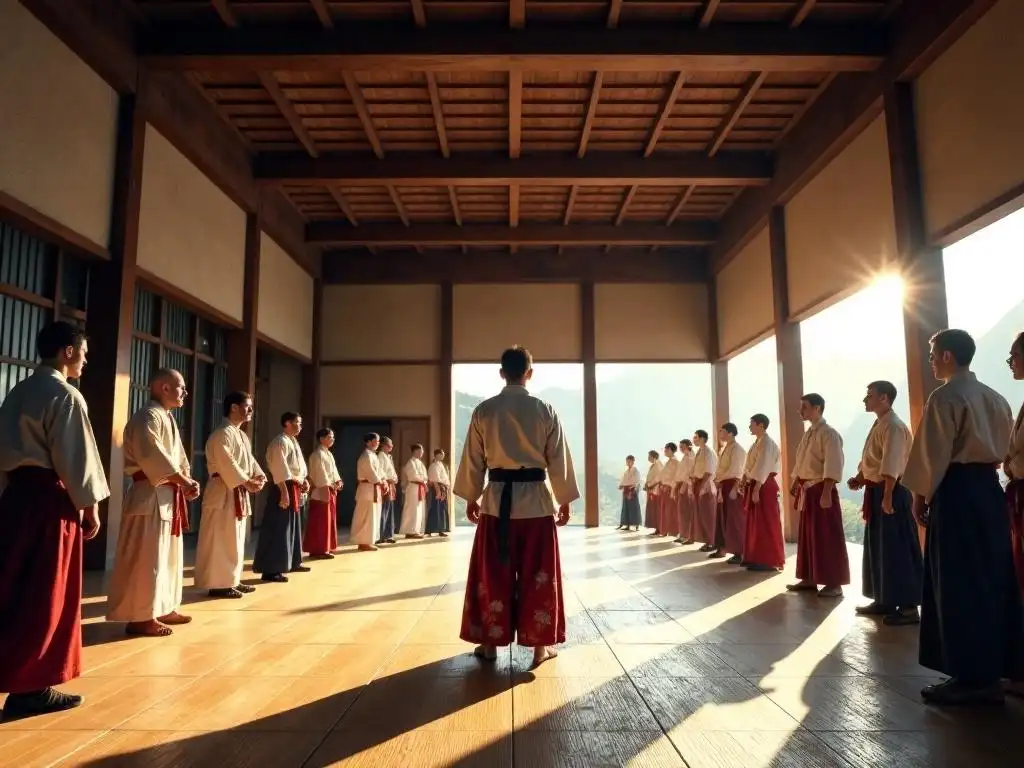
The modern era has witnessed a significant transformation in the landscape of martial arts, primarily driven by globalization. As cultures intermingle, the exchange of knowledge and techniques across borders has led to the evolution and adaptation of various martial arts forms. This section explores the impact of globalization on martial arts, particularly focusing on how Japan and the West have engaged in a rich exchange of techniques, philosophies, and practices.
The Rise of Mixed Martial Arts (MMA) and Its Japanese Roots
Mixed Martial Arts (MMA) has emerged as one of the most popular and commercially successful combat sports in the world, particularly in the West. Its roots can be traced back to various traditional martial arts, including Japanese disciplines such as Judo, Karate, and Brazilian Jiu-Jitsu, which itself is heavily influenced by Japanese Jujutsu.
- Historical Context:
- The integration of different martial arts is not a new phenomenon; it began in the early 20th century when Japanese martial arts started gaining recognition worldwide.
- Notably, the establishment of the Gracie family in Brazil, who trained in Judo and Jujutsu, led to the development of Brazilian Jiu-Jitsu, which became foundational for MMA.
- Techniques and Styles:
- MMA incorporates striking, grappling, and ground fighting techniques from a variety of disciplines.
- Key Styles:
- Karate: Known for its powerful strikes and kata (forms), Karate contributes to the striking game in MMA.
- Judo: With its emphasis on throws and takedowns, Judo practitioners often excel in clinch situations.
- Jujutsu: The groundwork techniques from Jujutsu and its derivatives play a crucial role in submissions and control on the mat.
- Cultural Exchange:
- As MMA grew in popularity, so did the interest in Japanese martial arts. This led to an influx of Western practitioners traveling to Japan to train in traditional dojos, fostering a deeper understanding and appreciation of the culture and techniques.
Popularity of Japanese Martial Arts in Western Pop Culture
Japanese martial arts have significantly influenced Western pop culture, permeating various media forms including film, television, and literature. This cultural exchange has not only popularized these arts but also shaped their perception in Western societies.
- Influential Media:
- Films: Movies such as "The Last Samurai" and "Kill Bill" have showcased the beauty and intensity of Japanese martial arts, sparking interest among audiences.
- Anime and Manga: Series like "Naruto" and "Dragon Ball Z" depict martial arts and have created a global fanbase, inspiring many to take up training in various Japanese martial disciplines.
- Martial Arts Competitions:
- Events like the UFC (Ultimate Fighting Championship) have brought the techniques of Japanese martial arts into the limelight, showcasing their effectiveness in high-stakes competitions.
- The presence of Japanese fighters in international competitions has further fueled interest in their training methodologies and philosophies.
- Cultural Festivals and Workshops:
- Various cultural festivals across the West now feature demonstrations and workshops on Japanese martial arts, allowing enthusiasts and newcomers to experience these traditions firsthand.
- This growing trend highlights the importance of cultural exchange and the desire for a more profound understanding of martial arts beyond mere physical practice.
The Role of Martial Arts Schools and Dojos Worldwide
The proliferation of martial arts schools and dojos around the globe has played a pivotal role in the exchange of techniques and cultural practices between Japan and the West. These institutions serve as hubs for learning, preserving traditional practices, and adapting them to contemporary contexts.
- Training Opportunities:
- Dojos often offer classes in various Japanese martial arts, creating a space for students to learn not only techniques but also the cultural values associated with them, such as discipline, respect, and perseverance.
- Many Western instructors study in Japan and return to teach, ensuring that authentic techniques and philosophies are passed on.
- Community Building:
- Dojos foster a sense of community among practitioners, bridging cultural gaps and allowing individuals from diverse backgrounds to connect through a shared interest in martial arts.
- Events such as tournaments, seminars, and cultural exchanges between dojos in Japan and the West significantly enhance this sense of community.
- Adaptation and Innovation:
- As martial arts schools adapt to local cultures, they also innovate, creating hybrid styles that blend traditional Japanese techniques with local practices.
- This evolution can lead to the development of new martial arts forms that continue to honor their Japanese roots while being relevant to modern practitioners.
The globalization of martial arts has led to a dynamic exchange between Japan and the West, fostering mutual respect and understanding. The rise of MMA, the popularity of Japanese martial arts in Western pop culture, and the role of dojos worldwide underscore the ongoing cultural dialogue that continues to enrich the martial arts landscape.
Challenges and Misunderstandings in Cultural Exchange
Misconceptions About Japanese Martial Arts in the West
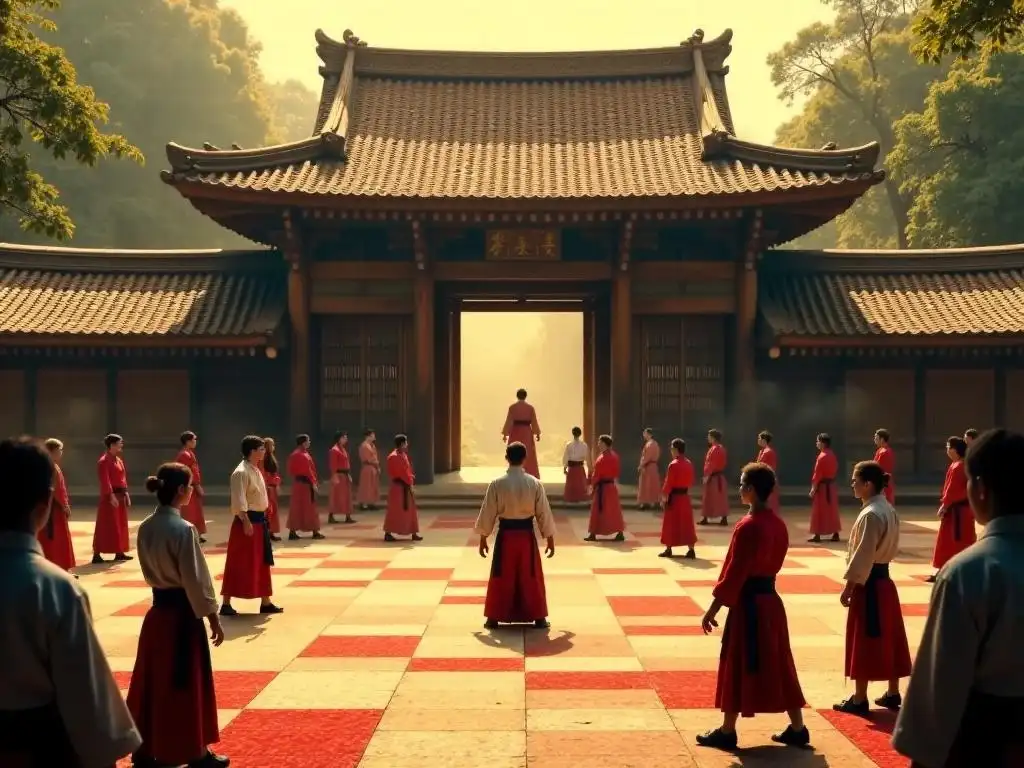
The exchange of martial arts between Japan and the West has been rich, yet it is often clouded by misconceptions that can hinder mutual understanding. One prevalent misconception is that all Japanese martial arts are purely about combat. While martial arts such as Judo and Karate do focus on self-defense and combat skills, many traditional forms emphasize philosophical, spiritual, and cultural dimensions. For instance, Aikido promotes harmony and the redirection of aggression, embodying a mindset that transcends mere physical confrontation.
Additionally, there is a tendency to conflate different styles of martial arts under a single umbrella. Western interpretations often overlook the nuanced differences between disciplines, such as the distinctions between Kendo (sword fighting) and Iaido (the art of drawing the sword). This lack of understanding can lead to oversimplified representations in media and popular culture, which may mislead practitioners and enthusiasts alike.
Moreover, the commercialization of martial arts in the West has contributed to a distorted view. Many dojos prioritize profit over authenticity, leading to the proliferation of hybrid styles that may dilute traditional techniques and philosophies. This commodification can result in a lack of respect for the cultural roots of these practices, which are deeply intertwined with Japanese history and society.
Cultural Appropriation vs. Cultural Appreciation
The distinction between cultural appropriation and cultural appreciation is crucial in the context of martial arts exchange. Cultural appropriation occurs when elements of one culture are adopted by another without permission, often stripping them of their original meaning and context. This is particularly evident when Western practitioners adopt Japanese martial arts without acknowledging or respecting their historical and cultural significance.
On the other hand, cultural appreciation involves a respectful understanding and honoring of the traditions and practices of another culture. This can lead to enriching exchanges where both parties benefit—Western practitioners gain genuine insight into Japanese martial arts, while Japanese masters receive recognition and validation of their art on a global stage.
To foster cultural appreciation, it is essential for practitioners to engage deeply with the philosophies underlying martial arts. This includes studying the historical context, participating in traditional ceremonies, and seeking mentorship from authentic masters. By doing so, practitioners can navigate the fine line between appropriation and appreciation, ensuring that their practice honors the legacy of Japanese martial arts.
The Importance of Respecting Tradition in Martial Arts Practice
Respecting tradition in martial arts practice is paramount for maintaining the integrity and authenticity of the art form. Each martial art carries with it a rich history, steeped in the cultural values and societal norms of its time. For instance, practices such as bowing and rituals before and after training are not merely formalities; they serve to instill a sense of respect and humility, fundamental principles in Japanese culture.
When Western practitioners engage with Japanese martial arts, it is essential to adhere to these traditions to fully appreciate the practice. This includes understanding the kata (forms), which are designed not only to teach techniques but also to convey the philosophy and ethics of the martial art. Ignoring these traditions can lead to a superficial understanding and practice, ultimately diluting the effectiveness and richness of the martial art.
Furthermore, respecting tradition fosters a sense of community and continuity among practitioners. As martial arts evolve and adapt to new contexts, maintaining traditional practices provides a link to the past and honors the generations of martial artists who have come before. This respect for tradition is not just about preserving the old; it is about ensuring that the essence of the martial art remains alive and relevant in the contemporary world.
The cultural exchange of martial arts between Japan and the West is a complex and multifaceted journey. By addressing misconceptions, differentiating between appropriation and appreciation, and respecting traditions, practitioners can create a more meaningful and authentic martial arts experience that honors both cultures involved.
Conclusion: The Future of Japan West Martial Arts Exchange
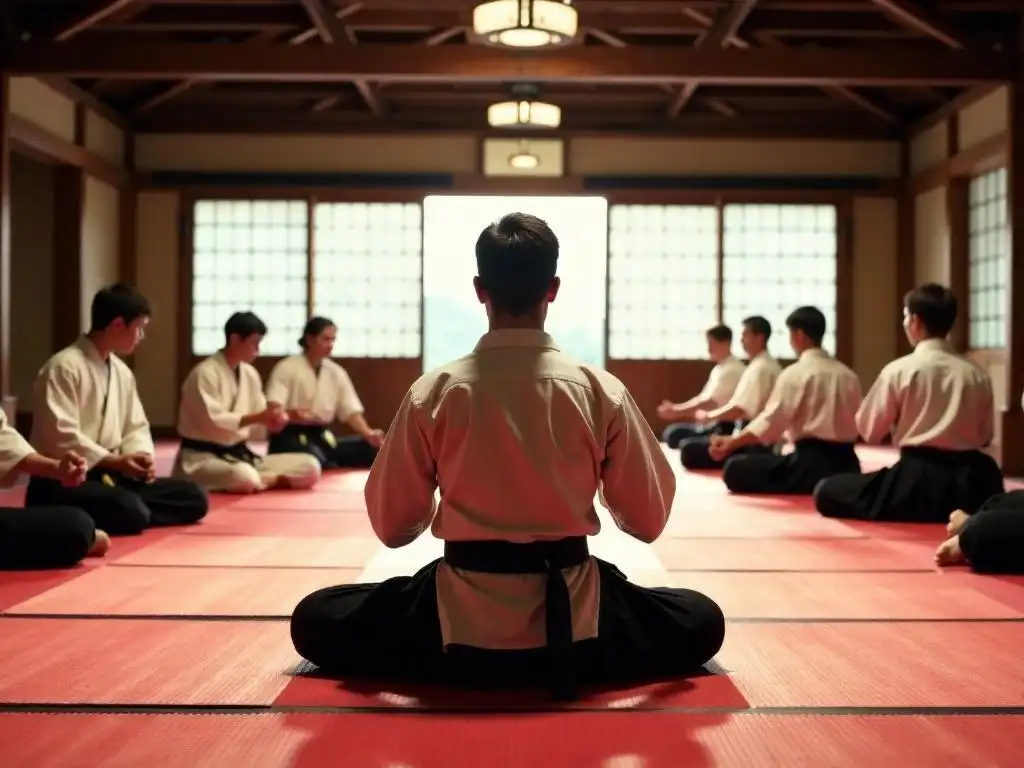
The cultural exchange of martial arts between Japan and the West has not only been a historical phenomenon but also a dynamic, ongoing process that continues to evolve. The future of this exchange promises to be rich with potential, as both regions draw upon their unique traditions while fostering deeper connections. This relationship is shaped by the shared enthusiasm for martial arts, which transcends geographical boundaries and promotes a global community united by respect and understanding.
Continuing the Legacy of Mutual Influence
As we look ahead, the legacy of martial arts exchange between Japan and the West remains vibrant and influential. The integration of Japanese martial arts, such as Judo, Karate, and Aikido, into Western culture has paved the way for new interpretations and adaptations. Schools and dojos in the West are increasingly offering not just traditional practices but also hybrid forms that blend techniques and philosophies from both cultures.
- Global Competitions: Events like the World Karate Federation (WKF) and the International Judo Federation (IJF) tournaments showcase athletes from both regions competing at high levels. These competitions not only enhance skills but also strengthen ties among practitioners, enriching their martial arts experience.
- Cross-Training Opportunities: Many martial artists are now cross-training in various disciplines, allowing for an exchange of techniques and philosophies. This trend fosters innovation and encourages practitioners to think beyond the confines of their traditional styles.
- Cultural Festivals and Workshops: Events dedicated to martial arts, such as the Martial Arts SuperShow in Las Vegas, offer a platform where Japanese masters and Western instructors come together to share their knowledge. These gatherings promote cultural exchange and foster international friendships through the love of martial arts.
The future of this exchange will rely on continued openness and collaboration, encouraging practitioners to learn from one another while preserving the rich heritage of their individual styles.
Promoting Understanding and Respect Through Martial Arts
Martial arts serve as a powerful medium for promoting understanding and respect between cultures. As the exchange between Japan and the West deepens, several key aspects emerge that highlight how martial arts can foster international goodwill:
- Shared Values of Discipline and Respect: Both Japanese and Western martial arts emphasize core values such as discipline, respect for instructors and peers, and personal development. These shared values create a foundation for mutual understanding, allowing practitioners to appreciate each other's backgrounds and philosophies.
- Cultural Appreciation: Engaging in martial arts from another culture provides practitioners with insights into the historical and philosophical contexts that shaped these disciplines. This appreciation fosters a more profound respect for the traditions and customs of others, essential in today's globalized world.
- Community Building: Martial arts training often emphasizes community and camaraderie, which can break down barriers and foster friendships across cultural lines. As practitioners train together, they not only improve their skills but also build connections that transcend cultural differences.
- Educational Exchanges: Educational programs that facilitate exchanges between Japanese and Western martial arts schools can enhance understanding. Students who travel to Japan for training or vice versa gain firsthand experience of the cultural roots of the martial arts they practice.
The future of Japan West martial arts exchange is bright, characterized by continued mutual influence and an unwavering commitment to promoting understanding and respect. As practitioners embrace the rich tapestry of martial arts traditions, they contribute to a global community that values diversity and shared passions. This ongoing dialogue between cultures will undoubtedly enrich the martial arts landscape for generations to come.
Further Reading and Resources
Recommended Books on Japanese Martial Arts History
Exploring the intricate history of Japanese martial arts is essential for understanding the cultural exchange between Japan and the West. Here are some recommended books that delve into this fascinating subject:
- The Book of Five Rings by Miyamoto Musashi
- This classic text, written by the legendary swordsman Miyamoto Musashi, provides insights into the philosophy and strategy behind martial arts. It is not only a manual for combat but also a reflection of the cultural values of the time.
- Japanese Swordsmanship: Technique and Practice by Donn F. Draeger
- Draeger’s work is a comprehensive exploration of traditional Japanese swordsmanship, detailing techniques and practices that have influenced martial arts globally.
- The Martial Arts of Renaissance Europe by Paul H. Smith
- This book offers a comparative analysis of martial arts from Japan and Europe during the Renaissance period, highlighting how these two worlds influenced each other.
- A History of Japanese Martial Arts: From Ancient Times to the Present by John Stevens
- Stevens provides a detailed account of the evolution of martial arts in Japan, from its origins to contemporary practices, emphasizing the interactions with Western martial arts.
- Budo: The Martial Way to a Meaningful Life by A. J. M. Roberts
- This book focuses on the philosophy of Budo and its impact on both Japanese society and the Western world, illustrating how martial arts serve as a bridge between cultures.
Notable Documentaries About Martial Arts Exchange
Documentaries can provide a visual and engaging perspective on the cultural exchange of martial arts. Here are some notable films to consider:
- The Last Samurai (2003)
- While a dramatization, this film captures the essence of the samurai culture and its interaction with Western influences during the Meiji Restoration.
- The Way of the Samurai (2006)
- This documentary explores the history, philosophy, and practice of samurai martial arts, including their adaptation and influence in Western martial arts.
- From the Shadows: The Secrets of the Samurai (2012)
- This film delves into the hidden techniques and philosophies of samurai martial arts, providing a unique perspective on their legacy and how they have been adopted in the West.
- The Art of Action: Martial Arts in Cinema (2018)
- This documentary examines how martial arts have been portrayed in Western cinema and the impact of these representations on public perception of Japanese martial arts.
Online Communities and Forums for Martial Arts Enthusiasts
Engaging with online communities can enhance understanding and appreciation for the exchange of martial arts between Japan and the West. Here are some vibrant forums and communities:
- r/martialarts (Reddit)
- A popular subreddit where martial artists from various disciplines discuss techniques, history, and personal experiences, fostering a collaborative learning environment.
- The Martial Arts Planet Forum
- An extensive forum that covers a wide range of martial arts topics, including historical discussions and cultural exchanges between different martial arts traditions.
- E-Budo
- A dedicated online community for traditional Japanese martial arts practitioners, featuring discussions on history, techniques, and cultural insights.
- Bullshido
- A forum that critically analyzes various martial arts, encouraging discussions about effectiveness, history, and the evolution of martial arts practices across cultures.
- Facebook Groups
- Various groups focused on martial arts history and practice, such as "Martial Arts History" and "Japanese Martial Arts," provide a platform for enthusiasts to share resources, ask questions, and connect with like-minded individuals.
These resources will deepen your understanding of the rich tapestry of martial arts and the significant exchanges that have shaped their evolution over time.
Frequently Asked Questions
What is the significance of the Japan West martial arts exchange?
The Japan West martial arts exchange highlights the cultural fusion between Japan and Western countries, promoting understanding and appreciation of diverse martial arts traditions.
How did martial arts influence Japanese culture during the feudal era?
During the feudal era, martial arts became a vital part of samurai training, shaping the values of honor, discipline, and skill that permeated Japanese culture.
What are some key martial arts styles that emerged from this exchange?
Key styles include Judo, Karate, and Aikido, which have roots in traditional Japanese martial arts but were greatly influenced by interactions with Western combat techniques.
How did the exchange impact the global perception of martial arts?
The exchange fostered a greater global appreciation for martial arts, leading to their incorporation into Western sports and fitness, while also enriching Japanese martial arts with new techniques.
Are there any notable figures associated with the Japan West martial arts exchange?
Yes, figures like Mitsuyo Maeda and Gichin Funakoshi played pivotal roles in introducing and adapting Japanese martial arts to Western audiences, thus shaping their global popularity.
Final Reflection: Embracing the Legacy of Japan-West Martial Arts Exchange
The cultural exchange of martial arts between Japan and the West is not just a historical phenomenon; it is a living testament to the power of shared knowledge and mutual respect. As we navigate an increasingly interconnected world, the lessons learned from this exchange remind us that cultural boundaries can be transcended through the art of combat, discipline, and philosophy. The journey of martial arts from Japan to the West is a striking example of how traditions can evolve while fostering understanding and appreciation across diverse cultures.
The influence of this exchange extends far beyond the dojo, shaping social dynamics and cultural identities in profound ways. The blending of techniques, philosophies, and practices has not only enriched martial arts but has also fostered a sense of community among practitioners worldwide. As Bruce Lee once said, "> Absorb what is useful, discard what is not, add what is uniquely your own." This sentiment encapsulates the essence of the Japan-West martial arts exchange, encouraging individuals to embrace the best of both worlds while forging their unique paths.
As we reflect on the significance of this cultural exchange, I invite you to consider how martial arts—whether through practice, philosophy, or community—can play a role in your life. How can you apply the principles of discipline, respect, and adaptability learned from this rich tradition to your personal journey? By engaging with the lessons of the past, we can cultivate a future that honors the spirit of collaboration and understanding, ultimately enriching our lives and the lives of those around us.
Explore the Transformative Journey of Martial Arts!
Thank you for diving into the fascinating world of cultural exchange in martial arts between Japan and the West! We hope this article has deepened your appreciation for the rich history and shared practices that connect these diverse cultures. Now, it’s time to take action and deepen your engagement with this incredible topic.
Here are some ways you can continue your journey:
- Join a local martial arts class to experience firsthand the techniques and principles discussed in this article.
- Share this article with friends and fellow martial arts enthusiasts to spark a conversation about cultural influences!
- Research a specific martial art that captured your interest and explore its development and impact in both Japan and the West.
What aspect of the cultural exchange in martial arts fascinates you the most, and how do you plan to explore it further?