
The Evolution of Jujutsu: From Samurai to Sport

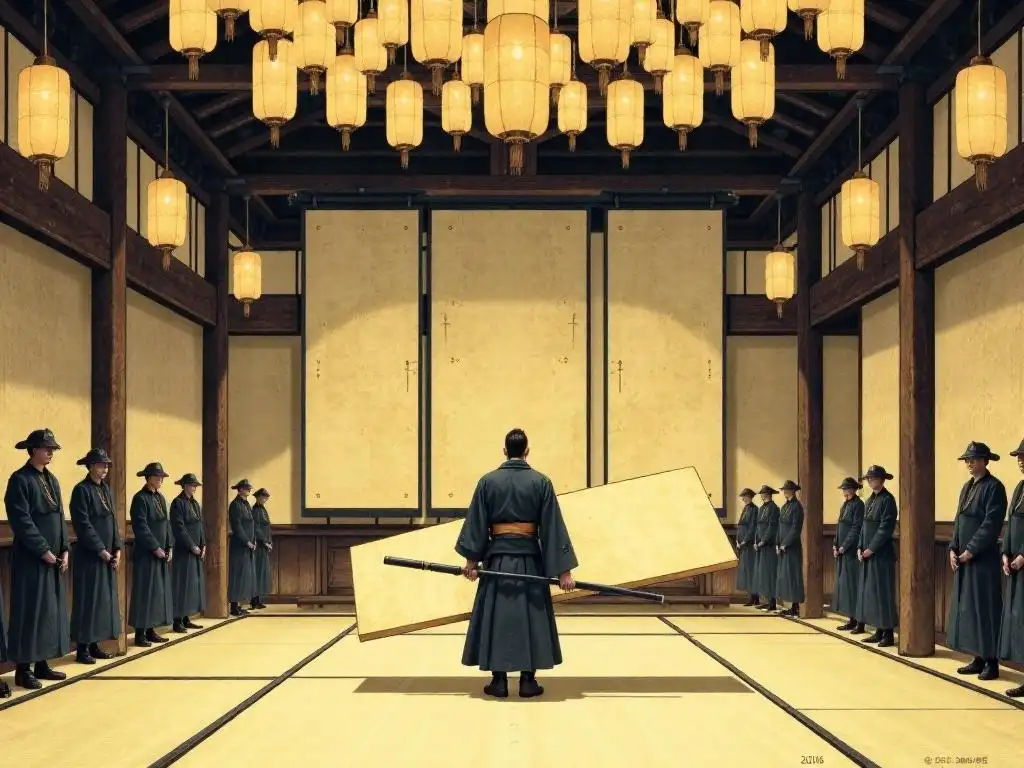
Welcome to Feudal Japan History, where we invite you to journey through the captivating tapestry of Japan’s feudal era. Here, we delve deep into the History of Jujutsu in Japan, exploring its remarkable evolution from the battlefields of the samurai to its modern-day sporting form. What secrets lie within the techniques that once shaped warriors? As you navigate through our expert-driven articles, prepare to uncover the intricate layers of culture, society, and martial prowess that defined an age. Join us in this exploration, and let the story of Jujutsu inspire your understanding of Japan’s rich military history!
Introduction to Jujutsu
The history of Jujutsu in Japan is not merely a tale of martial prowess; it is a fascinating narrative that intertwines the evolution of combat techniques with Japan’s rich cultural tapestry. Originating during the feudal era, Jujutsu emerged as a practical method for unarmed combat, primarily utilized by the samurai class. Over the centuries, this martial art has undergone significant transformations, evolving from a battlefield necessity to a modern sport embraced worldwide. This article will delve into the intricate layers of Jujutsu's history, exploring its origins, development, and the influences that have shaped its current form.
Definition of Jujutsu in Japanese Martial Arts
Jujutsu, often translated as "the gentle art," is a traditional Japanese martial art focused on using an opponent's energy and movements against them. Unlike other martial arts that emphasize striking techniques, Jujutsu incorporates a blend of joint locks, throws, and grappling techniques, allowing practitioners to subdue an opponent effectively. This adaptability makes Jujutsu a versatile form of self-defense and a foundational element in the development of other martial arts, such as Judo and Brazilian Jiu-Jitsu.
Overview of the History of Jujutsu in Japan
The history of Jujutsu in Japan can be traced back to the late 16th century, during the tumultuous period of the Sengoku (Warring States) era. Originally developed as a means for samurai to defend themselves in close-quarters combat, Jujutsu techniques were honed and passed down through generations. As Japan moved into the Edo period, the practice of Jujutsu expanded beyond the battlefield, becoming a means of training and discipline among the samurai. This evolution reflects the broader cultural shifts within Japan as the need for military combat decreased and the focus shifted toward personal development and the arts.
Historical Context of Jujutsu
Understanding the historical context of Jujutsu is vital for grasping its significance within Japanese martial arts. The development of Jujutsu is closely linked to the social and political structures of feudal Japan, particularly the samurai class and their code of conduct.
The Origins of Jujutsu in Feudal Japan
Jujutsu's origins lie in the need for effective unarmed combat techniques among samurai warriors. During the feudal era, samurai were required to be proficient not only with weapons but also without them, as situations could arise where they would be disarmed or face multiple opponents. Jujutsu emerged as a necessary skill for these warriors, allowing them to neutralize threats through a combination of leverage, balance, and timing.
Jujutsu's Role Among Samurai Warriors
Within the samurai community, Jujutsu was not just a fighting technique; it was a crucial aspect of a samurai's training regimen. It served both practical purposes in combat and as a means of instilling discipline, resilience, and mental fortitude. Samurai would practice Jujutsu to prepare for encounters that required close combat skills, ensuring they remained formidable opponents, regardless of the circumstances.
The Influence of Bushido on Jujutsu Techniques
The ethical code known as Bushido, which governed the samurai's way of life, significantly influenced the evolution of Jujutsu techniques. Bushido emphasized virtues such as loyalty, honor, and respect, which were integral to the practice of Jujutsu. As practitioners engaged in training, they not only refined their physical skills but also cultivated a mindset that aligned with these values. This melding of technique and philosophy helped to elevate Jujutsu from a mere fighting style to a disciplined art form, reflecting the deeper cultural significance of martial arts in Japan.
Through this exploration, we will uncover the rich legacy of Jujutsu, tracing its journey from the battlefield to the modern sport it has become today.
The Development of Jujutsu Techniques
The history of jujutsu in Japan is rich and intricate, characterized by a continuous evolution of techniques and practices that have been influenced by various factors throughout the centuries. Originating as a practical form of self-defense for samurai, jujutsu techniques were primarily designed for close combat situations where the use of weapons was either impractical or impossible. As time progressed, these techniques underwent significant transformation, adapting to changes in warfare, culture, and societal needs.
Traditional Techniques and Their Evolution
Traditional jujutsu techniques encompassed a wide array of methods, including throwing, grappling, and joint locks, which were essential for unarmed combat scenarios. The roots of these techniques can be traced back to the samurai era, where they were developed as a means for warriors to subdue opponents effectively.
Key elements of traditional jujutsu included:
- Nage-waza (Throwing Techniques): Techniques designed to throw an opponent to the ground, utilizing their momentum against them.
- Katame-waza (Grappling Techniques): Focused on controlling an opponent through holds and locks.
- Atemi (Striking Techniques): Incorporating strikes to vital points to disable or distract an adversary.
As the feudal era progressed, these techniques began to evolve in response to the changing landscape of combat. The increasing prevalence of firearms rendered traditional samurai combat less effective, leading to a need for more versatile and practical self-defense methods. This evolution resulted in a more refined system of jujutsu, incorporating techniques that emphasized leverage and body mechanics, rather than brute strength.
Key Historical Figures in Jujutsu Development
Throughout the history of jujutsu, several key figures played pivotal roles in its development and dissemination. Notable among these is Mitsusuke Sōke, a legendary figure known for establishing various jujutsu schools and promoting the art across Japan. His teachings emphasized the importance of adaptability and mental discipline, which became fundamental principles in the practice of jujutsu.
Another significant figure is Yasuda Sōke, who contributed to the formalization of jujutsu styles that laid the groundwork for modern martial arts. His efforts in codifying techniques and principles helped to standardize the practice, allowing it to be taught more systematically.
The influence of these figures, among others, helped shape jujutsu into a structured martial art, leading to the creation of various schools and styles that would emerge in the Edo period and beyond.
The Impact of Warfare on Jujutsu Practices
The dynamics of warfare significantly influenced the development of jujutsu practices throughout Japan’s feudal history. As warfare evolved from large-scale battles to more individualistic combat scenarios, the need for effective hand-to-hand combat techniques became increasingly important.
During periods of peace, such as the Edo period, the focus shifted from practical combat to the preservation and practice of martial arts. This transition led to the refinement of jujutsu techniques, emphasizing skill and artistry over sheer effectiveness in battle.
Moreover, the rise of the samurai code of conduct, known as Bushido, further shaped jujutsu practices. The principles of honor and discipline were integrated into training, transforming jujutsu into not just a means of fighting, but a holistic approach to personal development and martial ethics.
The Transition from Combat to Sport
As Japan transitioned into a more peaceful era, the purpose of jujutsu began to shift from a purely combative art to a sport that emphasized skill, competition, and physical fitness. This transition marked a significant turning point in the history of jujutsu, influencing its practice and perception within Japanese society.
The Shift in Jujutsu's Purpose in the Edo Period
The Edo period (1603-1868) was characterized by relative peace and stability in Japan, which allowed for the flourishing of cultural pursuits, including martial arts. During this time, jujutsu began to be viewed not merely as a method of self-defense but as a form of physical education and a competitive sport.
This shift was reflected in the establishment of training schools, or ryū, which focused on teaching jujutsu techniques to a wider audience. The emphasis on competition and skill development became key aspects of training, as practitioners sought to test their abilities against one another in a controlled environment, rather than in life-or-death situations.
The Formalization of Jujutsu as a Sport
With the transition towards a more sport-oriented practice, jujutsu underwent formalization processes that included the establishment of rules and regulations for competition. This formalization fostered a sense of community among practitioners and attracted a broader audience, including those outside the samurai class.
Jujutsu competitions began to take place, focusing on showcasing techniques and skill rather than lethal effectiveness. This era saw the introduction of match formats, weight classes, and scoring systems, which laid the groundwork for modern martial arts competitions.
The Establishment of Jujutsu Schools and Styles
The evolution of jujutsu into a sport led to the establishment of numerous schools and styles, each with its own unique techniques and philosophies. Prominent schools such as Kodokan Judo, founded by Jigoro Kano in the late 19th century, emerged from traditional jujutsu roots and further contributed to the evolution of the martial art into a competitive sport.
These schools played a crucial role in standardizing techniques and promoting jujutsu as a respected martial art. The development of various styles allowed practitioners to choose a path that resonated with their personal goals, whether for self-defense, physical fitness, or competition.
The journey of jujutsu from its samurai origins to a modern sport reflects a dynamic interplay of cultural, social, and historical factors that have shaped its techniques, practices, and philosophies over the centuries.
Modern Jujutsu and Its Global Influence
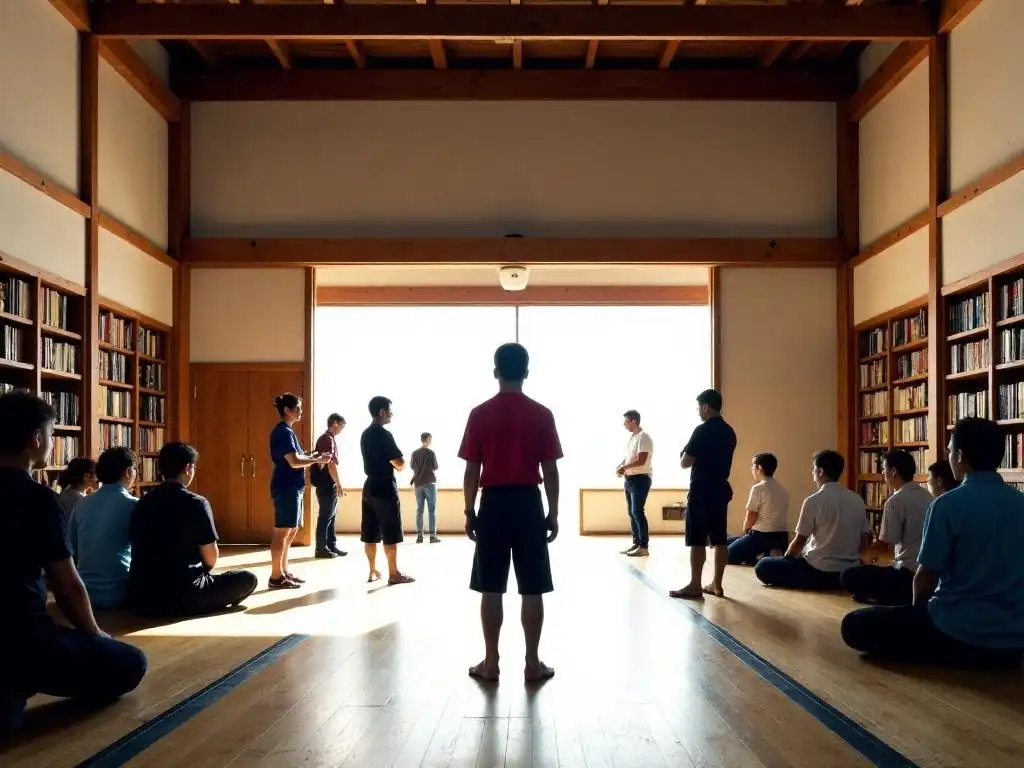
The evolution of jujutsu from its samurai origins has led to a significant transformation in its practice and perception worldwide. Today, modern jujutsu is recognized not only as a martial art but also as a competitive sport, drawing practitioners from diverse backgrounds. This evolution has been driven by a blend of traditional techniques and contemporary training methodologies, allowing jujutsu to adapt and thrive in an increasingly globalized martial arts landscape.
Jujutsu's incorporation into various martial arts schools and programs has facilitated its spread, showcasing its effectiveness in self-defense and physical fitness. As a result, many practitioners appreciate jujutsu not only for its combat applications but also for its philosophical underpinnings, which emphasize discipline, respect, and personal growth. The global influence of jujutsu can be attributed to its versatility, allowing it to integrate seamlessly with other martial arts, contributing to the rich tapestry of modern combat sports.
The Spread of Jujutsu Beyond Japan
The journey of jujutsu beyond Japan began in the late 19th and early 20th centuries when Japanese martial arts started gaining popularity in the West. Prominent figures such as Jigoro Kano, the founder of judo, played a vital role in introducing jujutsu to international audiences. Through demonstrations, competitions, and the establishment of schools, jujutsu began to establish its presence outside Japan.
In the mid-20th century, the rise of martial arts films and cultural exchanges further propelled jujutsu’s popularity. Practitioners and enthusiasts from around the world began to incorporate jujutsu techniques into their training regimens, leading to the establishment of jujutsu schools in various countries. Today, jujutsu is practiced globally, with organizations and federations dedicated to its promotion and further development, making it an integral part of the international martial arts community.
Jujutsu's Integration into Mixed Martial Arts (MMA)
Jujutsu has significantly impacted the evolution of mixed martial arts (MMA), contributing techniques and strategies that have become fundamental in the sport. The effectiveness of jujutsu, particularly its grappling and submission techniques, was showcased during the early days of MMA, notably in the Ultimate Fighting Championship (UFC). Brazilian Jiu-Jitsu, a derivative of jujutsu, gained prominence as fighters who trained in these disciplines often excelled in grappling exchanges.
As MMA continues to evolve, jujutsu remains a crucial component of training for fighters, emphasizing the importance of ground control and submissions. The integration of jujutsu into MMA has led to the development of hybrid styles, further popularizing the martial art and showcasing its adaptability to various combat scenarios. This cross-pollination of techniques has not only enhanced the competitive aspect of jujutsu but has also cemented its status as a vital influence in modern combat sports.
Contemporary Jujutsu Competitions and Their Format
Contemporary jujutsu competitions have evolved to cater to both traditional practices and modern sporting formats. The structure of these competitions varies widely, encompassing different rulesets and styles that reflect the diverse approaches to jujutsu. Some competitions focus on traditional forms and techniques, while others emphasize sport-oriented grappling, similar to Brazilian Jiu-Jitsu tournaments.
Common formats for jujutsu competitions include point-based scoring systems, where points are awarded for successful techniques, such as throws, submissions, and positional control. Additionally, there are no-gi competitions that require practitioners to compete without the traditional gi, further emphasizing the adaptability of jujutsu in various contexts. These competitions not only foster a spirit of camaraderie and sportsmanship among practitioners but also serve as a platform for showcasing the art's techniques and effectiveness.
Cultural Significance of Jujutsu in Japan
Jujutsu holds a unique place in Japanese culture, serving as a symbol of the country's martial heritage and philosophical values. Its historical roots, intertwined with the samurai code of bushido, emphasize virtues such as honor, discipline, and respect for one's opponent. The cultural significance of jujutsu extends beyond mere combat; it embodies the spirit of resilience and adaptability, reflecting the broader societal values that have shaped Japan over centuries.
The resurgence of interest in traditional practices has sparked a renewed appreciation for jujutsu, reinforcing its role as a cultural treasure. As practitioners engage in the study of jujutsu, they not only learn combat techniques but also immerse themselves in the rich history and philosophy that underpin this martial art, ensuring its legacy continues to thrive.
Jujutsu in Japanese Cinema and Media
Jujutsu has made a notable impact on Japanese cinema and media, often depicted as a powerful and respected martial art. Films and television shows frequently portray jujutsu practitioners as skilled warriors embodying honor and discipline, contributing to the art's mystique and allure. Iconic films such as "The Last Samurai" and various martial arts-centric dramas have showcased jujutsu techniques, highlighting their effectiveness and beauty.
Moreover, jujutsu's representation in popular media has played a crucial role in educating audiences about its history and techniques, fostering a sense of pride in Japan's martial heritage. As jujutsu continues to be featured in contemporary media, it not only entertains but also serves as a cultural ambassador, promoting the values and traditions associated with this esteemed martial art.
The Role of Jujutsu in Modern Japanese Society
In modern Japanese society, jujutsu plays a multifaceted role, serving as both a means of physical fitness and a tool for personal development. Many individuals practice jujutsu not only for self-defense but also to cultivate mental discipline, stress relief, and a sense of community. Dojos across Japan serve as gathering places where practitioners of all ages come together to train, fostering social connections and mutual support.
Additionally, jujutsu has been integrated into educational programs, with schools offering martial arts classes as part of physical education. This approach promotes physical fitness, self-discipline, and respect among students, aligning with traditional values while adapting to contemporary educational needs.
Preservation of Jujutsu Traditions in Contemporary Culture
The preservation of jujutsu traditions in contemporary culture is a testament to the enduring relevance of this martial art. Many dojos and organizations are dedicated to maintaining the original techniques and philosophies of jujutsu while adapting to modern practices. This balance between tradition and innovation ensures that the essence of jujutsu remains intact, even as it evolves.
Cultural festivals, demonstrations, and competitions serve as venues for showcasing jujutsu, allowing practitioners to share their knowledge and skills with the broader community. Furthermore, the establishment of international affiliations and exchanges promotes cross-cultural understanding and appreciation for jujutsu, enabling it to thrive on a global stage while honoring its rich heritage.
Conclusion
The evolution of jujutsu from a martial art practiced by samurai to a popular sport reflects the dynamic nature of Japanese culture and its adaptation over time. This journey showcases how the techniques and philosophies of jujutsu have transitioned from battlefield applications to modern-day sporting arenas, enriching the lives of countless practitioners. The historical significance of jujutsu cannot be overstated, as it encapsulates the martial traditions of feudal Japan, emphasizing the values of discipline, respect, and perseverance.
The rich heritage of jujutsu serves as a reminder of the past while shaping contemporary practices in martial arts. As the art continues to evolve, it retains its core principles, ensuring that the spirit of the samurai lives on in the dojo and competition mats of today. Understanding this evolution helps us appreciate the deep roots of jujutsu within Japan's military history and cultural identity.
The Lasting Legacy of Jujutsu in the History of Japan
Jujutsu's legacy in Japan is profound, intertwining with the country's historical narrative and cultural values. Originating as a battlefield art designed to neutralize armored opponents, jujutsu embodies the strategic mindset of the samurai. The techniques were not merely about physical prowess but also reflected mental discipline and moral integrity. This martial art emphasizes the importance of adaptability and leveraging an opponent's energy against them, principles that resonate deeply in Japanese philosophy.
Throughout the Edo period, jujutsu evolved into various styles, each contributing to the martial landscape of Japan. Schools such as the Tenshin Shoden Katori Shinto-ryu and the Yoshin Ryu played pivotal roles in preserving and transmitting these techniques. Moreover, jujutsu's integration into the education of samurai ensured that its techniques and ethical teachings were passed down through generations, influencing other martial arts like judo and Brazilian jiu-jitsu.
Today, jujutsu is celebrated not only as a historical artifact but also as a thriving martial art practiced worldwide. Its legacy is seen in the global proliferation of jujutsu schools and competitions, which continue to honor its rich heritage while adapting to contemporary needs. The enduring impact of jujutsu on martial arts and Japanese culture highlights its importance in the annals of history.
Future Directions for Jujutsu as a Martial Art and Sport
As jujutsu continues to develop in the modern era, its future appears bright, marked by both challenges and opportunities. The increasing globalization of martial arts has led to a greater awareness and appreciation of jujutsu beyond Japan's borders. This growth presents unique opportunities for cultural exchange and collaboration, allowing practitioners from various backgrounds to share insights and techniques.
The sport aspect of jujutsu is gaining traction, particularly with the rise of competitive formats such as Brazilian jiu-jitsu (BJJ) and mixed martial arts (MMA). These platforms provide a stage for jujutsu practitioners to showcase their skills and promote the art to new audiences. Consequently, jujutsu may continue to evolve, integrating more sporting elements while maintaining its foundational principles.
Moreover, the incorporation of technology, such as virtual training resources and online competitions, is shaping the future of jujutsu. These advancements can enhance accessibility, allowing practitioners to learn and connect regardless of geographical barriers. As jujutsu adapts to the digital age, it holds the potential to reach a broader audience, fostering a renewed interest in its history and techniques.
The future of jujutsu as both a martial art and a sport is poised for continued evolution. By embracing innovation while honoring its rich legacy, jujutsu can thrive in the modern world, ensuring that the wisdom and techniques of this ancient art continue to inspire future generations.
- Introduction to Jujutsu
- Historical Context of Jujutsu
- The Development of Jujutsu Techniques
- The Transition from Combat to Sport
- Modern Jujutsu and Its Global Influence
- Cultural Significance of Jujutsu in Japan
- Conclusion
Frequently Asked Questions
What is the historical significance of Jujutsu in Japan?
Jujutsu is a martial art that originated during Japan's feudal era, primarily used by samurai as a method of close combat. Its development reflects the cultural and military practices of the time.
How did Jujutsu evolve from a combat technique to a sport?
Over time, Jujutsu transitioned from a practical self-defense system for samurai to a competitive sport, influenced by the modernization of Japan in the late 19th century. This shift was marked by the establishment of formalized rules and training methods.
What are the key techniques used in Jujutsu?
Jujutsu encompasses a variety of techniques, including throws, joint locks, and strikes. These techniques aim to use an opponent's force against them, highlighting the art's emphasis on leverage and technique over brute strength.
How does Jujutsu relate to other martial arts in Japan?
Jujutsu is considered a foundation for many modern Japanese martial arts, including Judo and Aikido. Each of these arts has evolved from Jujutsu's principles, adapting them to different philosophies and training methods.
What role did the samurai play in the development of Jujutsu?
Samurai were pivotal in shaping Jujutsu as they needed effective combat techniques for warfare. Their warrior ethos and the demands of battle drove the refinement of Jujutsu techniques that emphasized skill and efficiency.
Final Reflection: The Journey of Jujutsu – From Ancient Art to Modern Sport
The evolution of jujutsu from its samurai roots to a globally recognized sport underscores the profound impact of cultural heritage on contemporary practices. Today, as we witness the rise of martial arts in popular culture, it is essential to recognize how jujutsu not only preserves historical techniques but also adapts to modern values of discipline, respect, and community. This transformation is a testament to the resilience and adaptability of traditional practices in the face of changing times.
Culturally, jujutsu has become a bridge connecting generations, fostering a sense of identity and belonging among practitioners. The art form has transcended its martial origins, becoming a symbol of personal growth and empowerment for many. As noted by martial arts expert Masahiko Kimura, Jujutsu is not just about fighting; it is about understanding oneself and others.
This perspective highlights the ongoing influence of jujutsu in shaping character and building community, reinforcing its relevance in today’s society.
As we reflect on the rich history of jujutsu in Japan, let us consider how we can incorporate its lessons into our own lives. I invite you to explore the principles of jujutsu—adaptability, respect, and perseverance—and apply them to your personal journey. Whether through physical practice or philosophical understanding, embracing these values can lead to profound personal transformation and a deeper connection with those around you. The legacy of jujutsu is not just in its techniques but in the spirit it inspires within us all.
Embrace the Legacy: Step into the World of Jujutsu!
Thank you for taking the time to explore the fascinating evolution of Jujutsu, from its rich samurai roots to its modern sporting presence. You've uncovered an inspiring journey that speaks to tradition, discipline, and self-improvement. Now, it's time to put that enthusiasm into action!
Here’s how you can connect with the incredible world of Jujutsu:
- Start your own journey: Consider enrolling in a local Jujutsu dojo to experience firsthand the techniques and philosophies that have shaped this martial art for centuries.
- Dive deeper into history: Read books or watch documentaries about the samurai era to enrich your understanding of Jujutsu's origins and its cultural significance.
- Share the love: Discuss your insights or experiences with friends and family, or join online forums to connect with other Jujutsu enthusiasts!
As you embark on your exploration, think about this: How do you see the principles of Jujutsu influencing not just martial arts, but also personal development in our modern lives? We’d love to hear your thoughts!