
Education and Class: Who Were the Scholars of Feudal Japan?

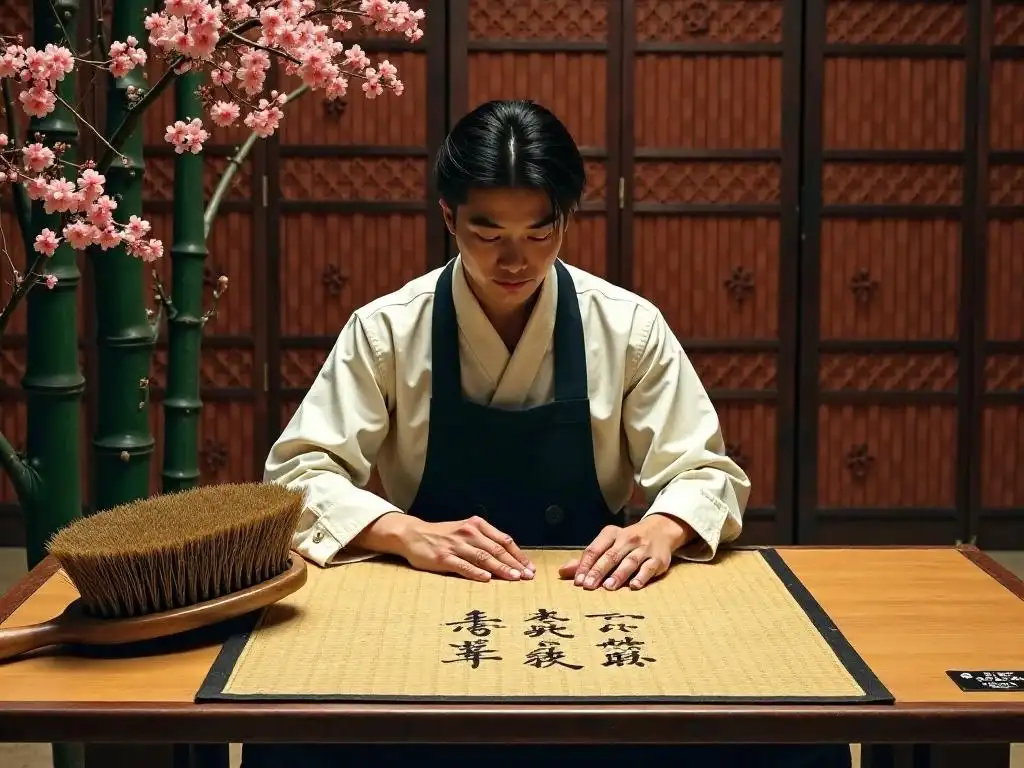
Welcome to Feudal Japan History, where we invite you to embark on a captivating journey through the intricate tapestry of Japan's feudal era. In our main article, “Education and Class: Who Were the Scholars of Feudal Japan?”, we delve deep into the lives of the intellectuals who shaped this fascinating period. Who were these scholars, and what roles did they play in a society defined by rigid class structures and cultural evolution?
Join us as we unravel the complexities of education and social hierarchy, sparking curiosity and illuminating the profound impact these figures had on Japan's history. Prepare to explore a world where knowledge was both a privilege and a pathway to power!
In the intricate tapestry of feudal Japan, the role of scholars emerges as a pivotal thread woven through the fabric of society. This era, spanning from the 12th to the 19th centuries, was marked by a complex class structure that dictated the lives of its inhabitants. Scholars, often seen as the intellectual elite, played a crucial part in shaping the cultural, philosophical, and political landscapes of their time.
This article delves into the multifaceted identity of scholars in feudal Japan, exploring their significance within the broader context of education and class dynamics. By examining the characteristics, roles, and societal comparisons of these scholars, we can gain a deeper understanding of their contributions to the development of Japanese civilization.
Introduction to Scholars in Feudal Japan
Overview of Feudal Japan's Class Structure
Feudal Japan was characterized by a rigid class hierarchy, primarily composed of the samurai, farmers, artisans, and merchants. At the apex were the samurai, who held military power and land, followed by farmers who provided sustenance for the society. Below them were artisans and merchants, whose roles, although economically vital, were often marginalized in the social hierarchy. Scholars, while not a distinct class in this structure, often found themselves straddling the lines between these social groups, particularly as educators and advisors.
- Class Hierarchy:
- Samurai (warriors and landowners)
- Farmers (providers of food)
- Artisans (craftsmen and skilled workers)
- Merchants (traders and sellers)
- Scholars (intellectuals and educators)
This class structure not only dictated social interactions but also influenced access to education and knowledge. Scholars, often originating from the samurai or wealthy merchant families, played a significant role in the dissemination of Confucian ideals and literacy.
Importance of Education in Feudal Society
Education in feudal Japan was predominantly influenced by Confucianism, which emphasized moral virtue, filial piety, and the importance of learning. The terakoya (temple schools) became the primary institutions for education, especially for children from merchant and samurai families. Literacy was considered essential for participating in governance and understanding philosophical texts.
- Key Aspects of Education:
- Moral Education: Emphasized virtues such as loyalty and respect.
- Literacy and Calligraphy: Skills deemed necessary for administration and cultural engagement.
- Philosophical Studies: Focus on Confucian texts, which shaped ethical and political thought.
Moreover, access to education was often a privilege of the upper classes, making scholars not only bearers of knowledge but also gatekeepers of social mobility and cultural continuity during this period.
The Role of Scholars in Feudal Japan
Definition and Characteristics of Scholars
Scholars in feudal Japan were individuals deeply engaged in the study and teaching of literature, philosophy, and history. They typically held positions as educators, advisors to samurai lords, or scribes in the court. The characteristics that defined them included:
- Intellectual Pursuits: Mastery of classical texts, poetry, and philosophy.
- Advisory Roles: Providing counsel to feudal lords on governance and ethics.
- Cultural Preservation: Contributing to the documentation and preservation of historical narratives.
These scholars often played a dual role as both educators and custodians of cultural heritage, ensuring that knowledge was passed down through generations.
Comparison of Scholars to Other Social Classes
When comparing scholars to other social classes, a distinct dynamic emerges. Unlike samurai, who wielded military power, or merchants, who focused on economic gain, scholars were primarily concerned with intellectual and cultural pursuits. Their influence was often felt in:
- Political Advisory: Scholars provided critical insights that shaped policies and governance.
- Cultural Development: They contributed to the arts, literature, and philosophy, enriching the cultural landscape of Japan.
- Social Mobility: While scholars could rise in status through education, their position was often contingent upon their familial connections and patronage from the samurai class.
Scholars in feudal Japan were integral to the society's intellectual and cultural fabric, operating within a complex class structure that both limited and defined their roles. Their contributions not only influenced their contemporaries but also laid the groundwork for future generations in Japan.
The Educational Institutions in Feudal Japan
Education in feudal Japan was a complex tapestry woven through various institutions, each serving distinct roles in the development of scholars and the dissemination of knowledge. The primary educational institutions during this period included temples, monasteries, and emerging samurai schools, which catered to different classes within society. These institutions not only shaped the intellectual landscape of Japan but also reinforced the social hierarchies prevalent during the feudal era.
Temples and Monasteries as Centers of Learning
Temples and monasteries were among the earliest educational institutions in Japan, primarily serving as centers for religious studies and philosophical discourse. They were instrumental in the preservation and transmission of Buddhist teachings as well as classical Chinese texts. Monastic education often focused on:
- Buddhism: Monks trained in Buddhist philosophies and practices, establishing a foundation for moral and ethical teachings within society.
- Literature and Calligraphy: The study of classical literature and the art of calligraphy were emphasized, as these skills were essential for religious documentation and cultural expression.
- Philosophy and Ethics: Discussions on moral conduct and philosophical inquiries were commonplace, influencing not only spiritual leaders but also lay scholars.
As temples became hubs of learning, they attracted students from various backgrounds, allowing for a fusion of ideas that would later influence the broader educational landscape of Japan.
The Emergence of Samurai Schools
With the rise of the samurai class, dedicated educational institutions known as "bushi" or samurai schools emerged. These schools were tailored to the specific needs of the warrior class, emphasizing both martial and scholarly training. Key characteristics of samurai schools included:
- Military Training: Students received instruction in various martial arts, strategy, and tactics, preparing them for a life of service and warfare.
- Literature and Philosophy: Alongside combat training, samurai were educated in literature, ethics, and philosophy, which were essential for leadership roles in society.
- Confucian Ideals: Many samurai schools incorporated Confucian teachings, which emphasized loyalty, honor, and moral integrity, aligning with the samurai code of conduct, known as "bushido".
These institutions significantly contributed to the intellectual and moral development of the samurai, shaping their identities as both warriors and scholars.
Influence of Confucianism on Education
Confucianism, which was introduced to Japan from China during the 6th century, had a profound impact on the educational framework of feudal Japan. It emphasized the importance of moral development, social harmony, and hierarchical relationships. The key influences of Confucianism on education included:
- Moral Education: Confucian teachings advocated for the cultivation of virtue and ethical behavior, which became central themes in educational curricula.
- Respect for Authority: The hierarchical nature of Confucianism reinforced the importance of respecting elders and authority figures, which mirrored the social structure of feudal Japan.
- Examinations and Merit: The Confucian tradition emphasized scholarship and civil service examinations, leading to the establishment of a meritocratic system that allowed individuals to rise based on their educational achievements.
As a result, Confucianism not only shaped the curriculum of educational institutions but also influenced the values and ideologies of scholars in feudal Japan.
Notable Scholars of Feudal Japan

Feudal Japan was home to numerous scholars who made significant contributions to various fields, including literature, philosophy, and the arts. These figures played a crucial role in shaping Japan's cultural heritage and intellectual traditions.
Prominent Figures and Their Contributions
Among the notable scholars of feudal Japan, several figures stand out for their impactful contributions:
- Kukai (Kobo Daishi): A prominent Buddhist monk and scholar, Kukai founded the Shingon school of Buddhism and was instrumental in bringing esoteric teachings to Japan. His writings on philosophy, poetry, and calligraphy greatly influenced Japanese culture.
- Miyamoto Musashi: Renowned as a swordsman and strategist, Musashi was also a philosopher and author. His book, "The Book of Five Rings," combines martial strategy with philosophical insights, making it a classic in both martial arts and literature.
- Mitsukuni Fujiwara: A noted historian and scholar, Fujiwara contributed to the understanding of Japan's history through his works, which combined historical analysis with a deep understanding of literature and culture.
These scholars not only excelled in their respective fields but also influenced generations of students and thinkers in feudal Japan.
The Role of Women Scholars in Feudal Japan
While the scholarly achievements of women in feudal Japan are often overlooked, they played a significant role in the intellectual landscape of the time. Women scholars contributed to literature, philosophy, and the arts, often within the constraints of their societal roles. Important aspects of their contributions included:
- Literary Works: Women such as Sei Shonagon and Murasaki Shikibu produced some of Japan's most cherished literary works, including "The Pillow Book" and "The Tale of Genji," respectively. Their writings provided deep insights into court life and the female experience in feudal Japan.
- Philosophical Contributions: Women engaged in philosophical discourse, often reflecting on moral and ethical issues within the context of Confucian teachings and Buddhist thought.
- Cultural Transmission: Women were key figures in the transmission of knowledge, often teaching their children and other women, thus ensuring that scholarly traditions persisted despite societal limitations.
The contributions of women scholars, though frequently marginalized, enriched the cultural and intellectual heritage of feudal Japan, underscoring the diverse landscape of scholarship during this era.
The Curriculum and Subjects Taught
The education system in feudal Japan was deeply influenced by the social hierarchy and the needs of the ruling class. Scholars, primarily from the samurai class, were educated in various subjects that not only cultivated their intellectual capabilities but also prepared them for their roles as leaders and warriors. The curriculum was diverse, focusing on classical literature, philosophy, practical skills, and military strategies.
Students often began their education at a young age, typically around six, and continued until their late teens. The education process was heavily influenced by Confucian ideals, which emphasized moral development, the importance of learning, and the role of education in governance. Schools known as "terakoya," often operated by local temples, provided basic education in reading, writing, and arithmetic, while higher education institutions focused on more specialized subjects.
Classical Literature and Poetry
Classical literature and poetry formed the cornerstone of the education system in feudal Japan. Texts such as "The Tale of Genji" and works by poets like Matsuo Bashō were integral to the curriculum, as they promoted not only literacy but also an appreciation for the arts.
Students studied the kana scripts, learning to read and write both hiragana and katakana. In addition to reading, students were encouraged to compose their own poetry, particularly haiku, which emphasized brevity and the beauty of nature. This literary education was essential for the samurai class, as it allowed them to engage in cultural dialogues, develop their own personal ethos, and present themselves as cultured leaders.
Philosophy and Ethics in Samurai Education
Philosophy and ethics were vital components of samurai education, reflecting the moral expectations placed upon the warrior class. Confucianism played a particularly significant role, teaching values such as loyalty, filial piety, and righteousness.
Samurai were instructed in the principles of Bushido, the "way of the warrior," which outlined the ethical framework governing their conduct. This included lessons on honor, courage, and self-discipline, essential for maintaining their status and responsibilities. Not only did this philosophical education prepare samurai for battle, but it also influenced their governance and interactions with the peasantry, fostering a sense of duty and moral obligation.
Practical Skills and Military Strategies
In addition to literary and philosophical studies, practical skills and military strategies were crucial aspects of the education for scholars in feudal Japan. Samurai were trained in various martial arts, weaponry, and tactics. This hands-on training was essential for their dual roles as both warriors and leaders.
Curriculum also included lessons in strategy, often derived from classical texts such as "The Art of War" by Sun Tzu. Scholars studied historical battles, learning from past successes and failures to develop their own strategic thinking. This combination of practical skills and theoretical knowledge equipped samurai with the tools they needed to lead their men effectively in the field and make informed decisions during conflicts.
The Relationship Between Scholars and the Samurai Class
The relationship between scholars and the samurai class was complex and multifaceted. Scholars often served as the intellectual backbone of samurai society, providing crucial insights and knowledge that influenced decision-making and governance. This relationship was particularly significant in the context of political stability and social order within feudal Japan.
Scholars as Advisors to Samurai Leaders
Many scholars in feudal Japan held positions as advisors to samurai leaders, leveraging their education to guide political and military strategies. These advisors, often highly respected for their knowledge, played pivotal roles in shaping the policies of their lords and the direction of their clans.
The influence of scholars was particularly pronounced during times of conflict, as their insights into strategy, ethics, and governance were invaluable. Samurai leaders relied on their advisors to interpret classical texts, provide counsel on moral dilemmas, and offer strategic advice that could affect the outcome of battles and the stability of their domains.
The Impact of Scholar-Samurai Relations on Governance
The relationship between scholars and the samurai class had profound implications for governance in feudal Japan. Scholars, through their teachings and advice, contributed to the development of a governance model that emphasized moral authority and ethical leadership.
This dynamic often resulted in a more enlightened approach to ruling, where samurai leaders sought to embody the virtues espoused by their scholarly advisors. The impact of this relationship was reflected in the governance practices of various clans, leading to varying degrees of benevolence and justice in their rule. As such, the collaboration between scholars and samurai was instrumental in shaping the political landscape of feudal Japan, fostering a society that valued both military prowess and intellectual achievement.
Challenges Faced by Scholars in Feudal Japan

Scholars in feudal Japan encountered a myriad of challenges that shaped their educational pursuits and intellectual contributions. These challenges were deeply intertwined with the rigid class structure, political instability, and societal attitudes of the era. Understanding these obstacles provides insight into the complexities of scholarly life during this unique historical period.
Societal Limitations and Class Barriers
In feudal Japan, society was stratified into distinct classes, including the samurai, farmers, artisans, and merchants. This hierarchical structure imposed significant limitations on access to education and scholarship. Education was primarily reserved for the samurai class, who were expected to be literate and knowledgeable in Confucian texts and military strategy. In contrast, the lower classes often lacked opportunities for formal education, as resources were scarce and the emphasis was placed on agricultural and trade skills rather than academic pursuits.
Moreover, the Confucian ideals that permeated Japanese society reinforced the notion that education was a privilege of the elite. This led to a devaluation of the knowledge possessed by commoners, who were often seen as unworthy of scholarly pursuits. Thus, many talented individuals from lower classes were unable to rise through the ranks of education and scholarship, stifling the potential for a more diverse scholarly community.
Political Turmoil and Its Effect on Scholars
The political landscape of feudal Japan was marked by instability, particularly during periods of civil conflict and power struggles among warlords. This turmoil severely affected the scholars of the time, as their work could be disrupted by wars, shifting allegiances, and the rise and fall of powerful clans. For instance, during the Sengoku period (1467-1603), many scholars were forced to flee their homes or adapt their teachings to align with the prevailing political powers.
Additionally, the shoguns and daimyo often dictated the themes and subjects that were deemed acceptable for study, which could limit scholarly freedom. Scholars were sometimes used as tools for political propaganda, their works manipulated to support the ruling class's ideologies. This intersection of scholarship and political power created an environment where intellectual pursuits were fraught with risk and uncertainty, compelling many scholars to navigate their careers with caution.
Conclusion: The Legacy of Scholars in Feudal Japan
The legacy of scholars in feudal Japan is profound, leaving an indelible mark on Japanese education and culture. Despite the numerous challenges they faced, these scholars managed to contribute significantly to the intellectual landscape of their time, laying the groundwork for future generations.
Lasting Influence on Modern Japanese Education
The educational frameworks established during the feudal era have had a lasting influence on modern Japanese education. The emphasis on literacy, particularly among the samurai, fostered a culture of learning that eventually permeated the wider society. The Confucian principles that shaped the curriculum of scholars in feudal Japan continue to resonate in contemporary education, emphasizing moral integrity, respect for authority, and the importance of learning.
Furthermore, many of the classic texts studied by scholars, such as "The Tale of Genji" and works of philosophy and history, remain integral to Japanese literature and educational syllabi today. This continuity underscores the scholars' enduring impact on Japan's cultural heritage.
Reflections on Class and Knowledge in Feudal Society
The relationship between class and knowledge in feudal Japan is a critical aspect of understanding the era’s social dynamics. Scholars often served as intermediaries between the ruling class and the common people, acting as educators, advisors, and cultural transmitters. However, their positions were often precarious, reflecting the broader societal tendencies to privilege certain classes over others.
This complex interplay invites a reflection on the evolving nature of knowledge and its accessibility. While the era was marked by exclusivity and rigid class boundaries, the intellectual contributions of scholars had the potential to transcend these limitations, influencing societal values and aspirations. The resilient spirit of these scholars serves as a reminder of the importance of knowledge in shaping social structures, ultimately paving the way for a more inclusive understanding of education in modern Japan.
References and Further Reading
Understanding the role of scholars in feudal Japan requires delving into a variety of resources that provide insights into their contributions to education, philosophy, and society as a whole. Below is a curated list of recommended literature and online resources that can enhance your knowledge on this topic.
Recommended Books and Articles on Scholars in Feudal Japan
-
"The World of the Shining Prince: Court Life in Ancient Japan" by Ivan Morris
This book explores the cultural and social dynamics of Heian Japan, providing context for the scholars who emerged during this era.
-
"Bushido: The Soul of Japan" by Inazo Nitobe
Although primarily focused on the samurai code, this work touches on the intellectual traditions that influenced the samurai class, including the scholars who shaped their education.
-
"Confucianism and Modernization in East Asia" by J. R. H. K. T. Wong
This scholarly article examines the Confucian roots of education in Japan, highlighting the role of scholars in the development of educational institutions.
-
"The Japanese Educational System: A Historical Perspective" by Takeo Inoue
This comprehensive study outlines the evolution of education in Japan, detailing the contributions of scholars throughout different periods, including the feudal era.
-
"The Samurai and the Sacred" by John M. M. McCulloch
This book provides insights into the educational practices among the samurai and their scholarly pursuits, offering a unique perspective on the intersection of class and education.
Online Resources for Exploring Feudal Japanese Education
-
Japan Society
This website features a variety of resources and articles that discuss Japanese history, including the role of scholars and their influence on education during the feudal period.
-
The British Museum: Japan
The British Museum’s website contains numerous articles and resources about Japanese history, art, and education that highlight the contributions of scholars in feudal Japan.
-
The National Diet Library of Japan
Their digital collections include a wealth of primary sources, literature, and academic papers on the history of education and scholars in Japan.
-
Stanford University's East Asia Studies Program
This program offers online courses, lectures, and resources focusing on East Asian history, including specific topics on feudal Japan and its educational frameworks.
-
JSTOR
An extensive database of academic articles and journals where you can find peer-reviewed articles on the educational practices and scholarly contributions during the feudal era in Japan.
By exploring these references and resources, you will gain a deeper understanding of the scholars in feudal Japan and their significant role in shaping the educational landscape of the time.
- Introduction to Scholars in Feudal Japan
- The Role of Scholars in Feudal Japan
- The Educational Institutions in Feudal Japan
- Notable Scholars of Feudal Japan
- The Curriculum and Subjects Taught
- The Relationship Between Scholars and the Samurai Class
- Challenges Faced by Scholars in Feudal Japan
- Conclusion: The Legacy of Scholars in Feudal Japan
- References and Further Reading
Frequently Asked Questions
What was the role of scholars in feudal Japan?
Scholars in feudal Japan played a crucial role in educating the samurai class and influencing cultural and political thought through their writings and teachings.
How did education differ among classes in feudal Japan?
Education was primarily available to the upper classes, especially the samurai, while the lower classes had limited access, focusing mostly on practical skills rather than formal education.
Who were the prominent scholars in feudal Japan?
Notable scholars included figures like Yamamoto Tsunetomo, known for his writings on samurai ethics, and Miyamoto Musashi, who contributed to the philosophy and strategy of martial arts.
What subjects did scholars in feudal Japan typically study?
Scholars often focused on subjects such as Confucianism, literature, history, and martial arts, blending philosophy with practical knowledge relevant to their roles in society.
How did scholars influence the political landscape of feudal Japan?
Through their writings and teachings, scholars shaped ideologies that influenced the ruling class, impacting decisions and the governance of feudal domains.
Final Reflection: Understanding the Scholars of Feudal Japan and Their Lasting Legacy
The exploration of scholars in feudal Japan reveals a profound connection between education and social class that resonates deeply in today's society. As we navigate a world increasingly defined by educational disparities, the lessons from feudal Japan remind us of the critical role that access to knowledge plays in shaping societal structures. The legacy of these scholars not only illuminates the past but also challenges us to confront the present realities of educational inequality.
The influence of these scholars extends beyond their historical context, shaping cultural and intellectual landscapes that persist today. The dedication of these individuals to knowledge and learning laid the groundwork for future generations, fostering a culture that values education as a means of social mobility. As we reflect on this, we are reminded of the words of the philosopher Confucius: Education breeds confidence. Confidence breeds hope. Hope breeds peace.
This quote encapsulates the transformative power of education, a theme that continues to resonate in our ongoing discussions about equity and access in the modern world.
As we conclude our exploration of scholars in feudal Japan, I invite you to reflect on your own relationship with education and knowledge. Consider how you can contribute to breaking down barriers in your community, ensuring that the pursuit of learning is accessible to all. Let the stories of these scholars inspire you to champion education as a tool for empowerment and change, fostering a future where knowledge knows no class boundaries.
Unveil the Legacy of Scholars in Feudal Japan!
Thank you for diving into the fascinating world of education and class in Feudal Japan! Your interest in this unique historical perspective not only enriches your knowledge but also highlights the scholars who shaped a vibrant cultural heritage. So what’s next? Let’s take your curiosity further!
- Explore the lives of renowned scholars by visiting local museums or credible online resources dedicated to the history of Feudal Japan—discover their significant contributions in detail!
- Share your insights with friends or fellow history enthusiasts—initiate a discussion on social media or in your local book club about the profound impact of education during this era.
- Engage with your community: consider joining online forums focused on Feudal Japan—connect with others who share your passion for this fascinating historical period!
Which scholar from Feudal Japan inspires you the most, and how do you think their teachings could influence modern educational practices?