
The Historic Significance of Ryokan in Japanese Travel Culture

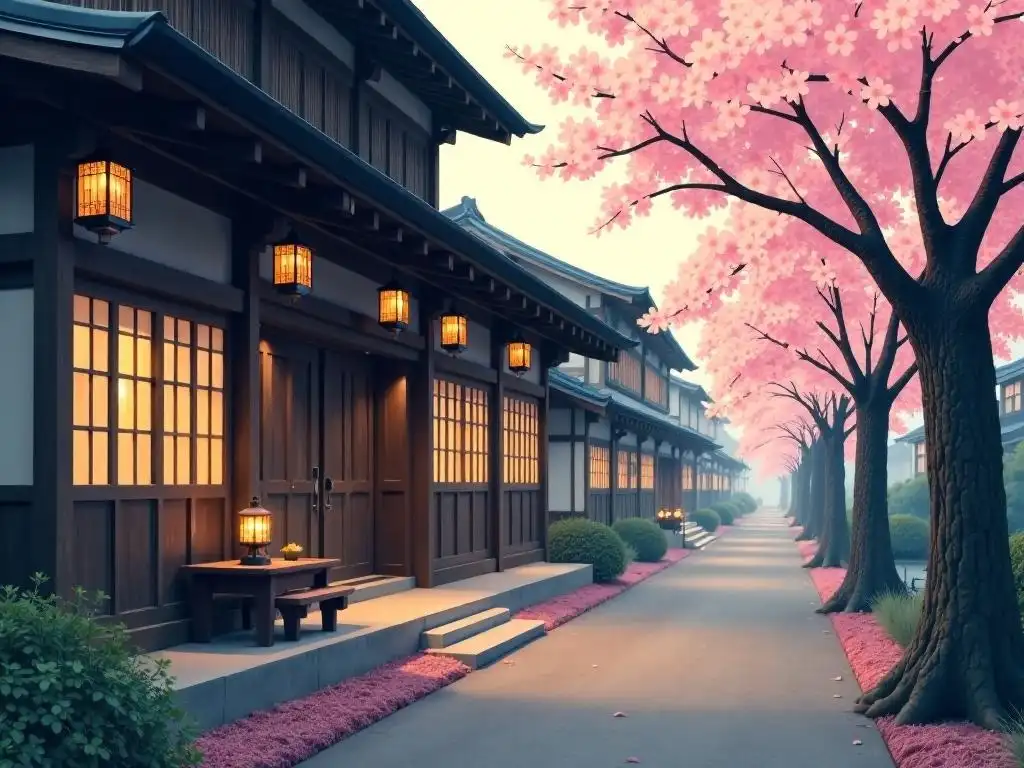
Welcome to Feudal Japan History, where we invite you to embark on a journey through the captivating world of Japan’s feudal era. Here, we delve into the intricacies of historical, cultural, and societal aspects that shaped this remarkable period. Our featured article, "The Historic Significance of Ryokan in Japanese Travel Culture," uncovers the fascinating role of ryokan—traditional inns that embody the heart of Japanese hospitality and culture. Discover how these charming establishments have influenced travel and tourism throughout history, and prepare to be intrigued as you explore the rich tapestry of feudal Japan. Your adventure awaits!
Introduction to Ryokan's Role in Japanese Culture
Ryokan, traditional Japanese inns, are more than just places to stay; they encapsulate the essence of Japan's rich cultural heritage and hospitality. Originating during the feudal era, these unique accommodations have evolved significantly over the centuries, reflecting the changing societal norms and values of Japanese life.
The significance of ryokan in Japanese culture extends far beyond their physical structures; they embody a philosophy of hospitality known as omotenashi, which emphasizes the anticipation of guests' needs and the provision of a warm, welcoming environment. For travelers seeking an authentic Japanese experience, staying in a ryokan offers a glimpse into the historical and cultural tapestry of Japan, making it an integral part of the country’s travel culture.
The Evolution of Ryokan: From Feudal Roots to Modern-Day
The journey of ryokan from humble lodgings to luxurious retreats highlights their resilience and adaptability through various historical phases. Initially, ryokan served as rest stops for travelers, offering basic accommodations and meals to those journeying along trade routes. However, as Japan transitioned into the Meiji era and beyond, the concept of ryokan began to transform, catering to a wider range of visitors, including foreign tourists and affluent locals. This evolution not only changed the physical appearance of ryokan but also influenced the services and experiences they provide today.
Early Origins of Ryokan in Feudal Japan
The origins of ryokan can be traced back to the feudal period, where they played a crucial role in facilitating travel across the archipelago. These inns were often located near important roads and pilgrimage routes, providing weary travelers with a place to rest. The architecture of early ryokan was simple, often constructed of wood with tatami mat flooring, embodying the minimalist aesthetic that is characteristic of traditional Japanese design. As hospitality was deeply ingrained in the samurai code, ryokan became essential in fostering a sense of community and cultural exchange among travelers.
Transformation of Ryokan Throughout the Meiji Era
The Meiji era marked a significant turning point in the development of ryokan as Japan opened its doors to the West. This period saw an influx of foreign visitors, which prompted ryokan owners to adapt their facilities and services to meet diverse expectations. Traditional elements, such as kaiseki dining and communal baths, were preserved, while Western influences led to the introduction of amenities like private bathrooms and modern furnishings. This blend of tradition and innovation not only enhanced the appeal of ryokan but also solidified their role as cultural ambassadors, showcasing the rich heritage of Japan to the world.
Cultural Significance of Ryokan in Japanese Society
Ryokan, the traditional Japanese inns, hold a significant place in Japanese culture, representing not just a form of accommodation but a way of life that reflects the values and traditions of Japan. These inns have been a part of the Japanese landscape for centuries, offering travelers a unique and immersive experience that connects them to the rich heritage of the country. Ryokan serve as a microcosm of Japanese society, embodying the principles of simplicity, harmony, and respect for nature.
The cultural significance of ryokan extends beyond mere lodging; they are places where guests can experience traditional customs and aesthetic values. The architecture and interiors of ryokan are designed to create a tranquil atmosphere, often using natural materials like wood and paper. This design philosophy resonates with the Japanese concept of wabi-sabi, which appreciates beauty in imperfection and the transient nature of life. Furthermore, ryokan often showcase regional arts and crafts, allowing guests to engage with local culture through decor and furnishings.
In contemporary society, ryokan continue to play an important role in preserving traditional Japanese culture. They serve as venues for cultural events, such as tea ceremonies and ikebana (flower arranging), providing opportunities for guests to learn and appreciate these age-old practices. This cultural immersion fosters a deeper understanding of Japan’s history and social values, reinforcing the importance of ryokan in the tourism landscape.
The Aesthetic Philosophy of Ryokan
The aesthetic philosophy of ryokan is grounded in the principles of minimalism and natural beauty, which are integral to Japanese culture. The design elements found in ryokan emphasize simplicity and functionality, often utilizing tatami mat flooring, sliding shoji doors, and futons for sleeping. These elements create a serene environment that encourages relaxation and reflection, aligning with the Japanese ideals of tranquility and harmony with nature.
The interiors of ryokan are often adorned with traditional artwork and crafts, showcasing the talents of local artisans. Natural materials are prioritized, with wood and stone being prominent in the architecture. The careful placement of windows and doors allows for an interplay between indoor and outdoor spaces, inviting the surrounding landscape into the living area. This connection to nature is central to the aesthetic philosophy of ryokan, as it promotes a sense of peace and mindfulness among guests.
Additionally, the concept of iki, which refers to a stylish yet understated elegance, permeates the aesthetic of ryokan. Attention to detail in design and decor reflects a deep appreciation for beauty and craftsmanship, where every element contributes to the overall atmosphere. This focus on aesthetics not only enhances the guest experience but also perpetuates a cultural heritage that values art and beauty in everyday life.
Ryokan as a Reflection of Japanese Hospitality (Omotenashi)
The essence of ryokan is deeply intertwined with the Japanese philosophy of hospitality known as omotenashi. This concept embodies selfless service and the anticipation of guests’ needs, creating an atmosphere of warmth and welcome. In a ryokan, staff are trained to provide a level of service that goes beyond the expected, often attending to the smallest details to ensure that guests feel comfortable and cared for.
Upon arrival, guests are often greeted with a warm welcome and offered traditional refreshments, setting the tone for a personalized experience. The staff’s attentiveness is evident in their ability to anticipate guests’ needs, whether it be adjusting room temperatures, providing extra pillows, or offering insights into local attractions. This level of service fosters a sense of connection between guests and staff, making the stay feel like a home away from home.
Moreover, the concept of omotenashi is reflected in the culinary offerings at ryokan. Guests are treated to kaiseki meals, which are meticulously prepared and beautifully presented. Each dish is crafted with seasonal ingredients and reflects regional culinary traditions, allowing guests to savor the flavors of Japan while enjoying the artistry of the presentation. This dedication to hospitality and culinary excellence is a hallmark of the ryokan experience, illustrating the significance of omotenashi in Japanese culture.
The Experience of Staying in a Ryokan
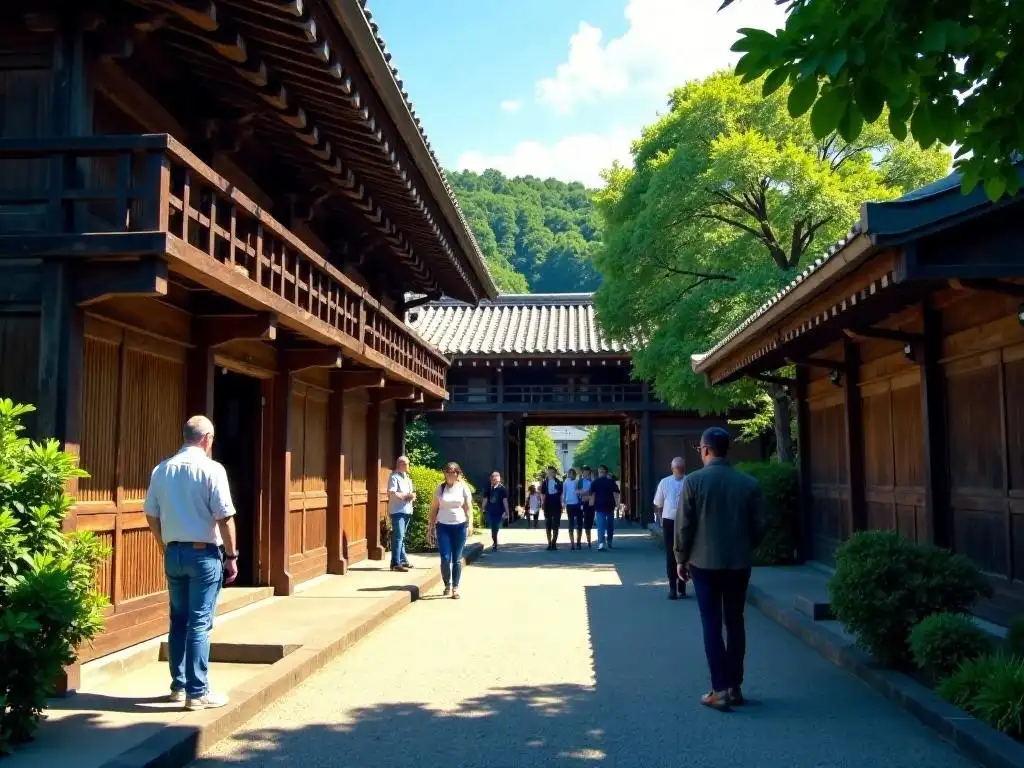
Staying in a ryokan offers a unique experience that immerses guests in traditional Japanese culture. This experience encompasses various aspects, from the architectural design to the culinary delights, providing a holistic understanding of Japan’s feudal heritage. Guests are invited to unwind and embrace the slower pace of life, allowing them to connect with the essence of Japanese hospitality and aesthetics.
Traditional Practices: Meals and Etiquette
One of the most notable aspects of the ryokan experience is the traditional meals served, particularly the kaiseki cuisine. Kaiseki is a multi-course dining experience that emphasizes seasonal ingredients and presentation. Each course is carefully planned to reflect the time of year, showcasing the natural beauty of the food. Guests often dine in private rooms, allowing for an intimate and culturally rich experience.
Etiquette plays a significant role during meals in a ryokan. Guests are typically expected to follow specific customs, such as expressing gratitude before and after the meal by saying “itadakimasu” and “gochisousama deshita.” Additionally, it is customary to enjoy tea served by the staff, further enhancing the communal aspect of dining. These practices not only enrich the dining experience but also reinforce the importance of respect and gratitude in Japanese culture.
The ryokan experience often includes other traditional practices, such as wearing yukata (a casual kimono) during the stay and participating in communal bathing at an onsen (hot spring). These activities allow guests to fully immerse themselves in the local culture, contributing to a deeper understanding of Japan's historical and societal values.
Unique Features of Ryokan Accommodation
Ryokan accommodation is characterized by its unique features that distinguish it from conventional hotels. Guests typically sleep on tatami mats with futons, which can be laid out each evening by the staff, creating a cozy and authentic atmosphere. The minimalist decor and use of natural materials enhance the calming ambiance, encouraging relaxation and introspection.
Another distinctive feature of ryokan is the inclusion of a private or communal onsen. Many ryokan are built near hot springs, allowing guests to experience the therapeutic benefits of natural mineral waters. The onsen experience is deeply rooted in Japanese culture, believed to promote physical and mental well-being, making it an integral part of the ryokan stay.
Additionally, ryokan often prioritize outdoor spaces, with gardens designed to be enjoyed by guests. These gardens may feature koi ponds, stone lanterns, and seasonal flowers, creating a serene environment that invites contemplation and appreciation of nature. The connection between the indoor and outdoor spaces is a hallmark of ryokan design, enhancing the overall experience and allowing guests to immerse themselves in the beauty of Japan’s landscape.
Ryokan offer a rich and immersive experience steeped in history, culture, and hospitality. They serve as a gateway for travelers to explore Japan’s feudal past while enjoying the contemporary relevance of these traditional inns.
Ryokan's Role in Promoting Japanese Culture to Tourists
Ryokan, the traditional Japanese inn, serves as a cultural bridge for tourists seeking an authentic experience of Japan's rich heritage. These establishments offer more than just accommodation; they immerse guests in a unique blend of history, architecture, and hospitality that reflects the essence of Japanese culture.
Guests at a ryokan often experience the beauty of tatami-matted rooms, sliding shoji doors, and low wooden tables, all of which evoke a sense of tranquility and simplicity. The aesthetic minimalism of ryokan is deeply rooted in Zen philosophy, emphasizing harmony with nature, which resonates with both domestic and international travelers. Furthermore, traditional practices such as the tea ceremony, kaiseki dining (a multi-course meal), and onsen (hot spring) bathing provide visitors with a deeper understanding of Japan's customs and traditions.
Additionally, ryokan staff are trained to deliver omotenashi, the Japanese concept of selfless hospitality. This principle enhances visitors' experiences, allowing them to feel welcomed and valued. By engaging tourists with cultural activities and local traditions, ryokan play a pivotal role in promoting Japanese culture, leaving a lasting impression that many travelers carry home long after their stay.
Popular Ryokan Destinations in Japan
Japan boasts numerous ryokan that showcase the country’s diverse landscapes and cultural richness. Here are some of the most renowned destinations where visitors can experience the charm of ryokan:
- Hakone: Famous for its hot springs and stunning views of Mount Fuji, Hakone is home to many luxurious ryokan that offer outdoor onsen baths and kaiseki cuisine.
- Kyoto: Known for its historic sites and traditional culture, Kyoto’s ryokan often feature beautiful gardens and are located near temples and shrines, enhancing the cultural experience.
- Nara: As one of Japan’s ancient capitals, Nara offers ryokan that allow visitors to explore its historical sites, such as Todai-ji Temple, while enjoying traditional lodging.
- Kinosaki Onsen: This charming town is famous for its seven public baths and is dotted with ryokan, each offering unique onsen experiences that attract travelers seeking relaxation.
- Miyajima: The picturesque island of Miyajima, home to the iconic Itsukushima Shrine, features ryokan that provide breathtaking views of the sea and the famous floating torii gate.
These destinations not only showcase the natural beauty of Japan but also provide a platform for visitors to engage with the local culture through traditional hospitality and cuisine.
The Impact of Ryokan on Modern Tourism
The rise of globalization and modernization has significantly impacted the tourism landscape in Japan, yet ryokan have managed to maintain their relevance and appeal. As travelers increasingly seek authentic experiences, ryokan provide a unique opportunity to step back in time and immerse themselves in Japan’s traditional way of life.
Modern tourism strategies have embraced the ryokan model by incorporating elements of sustainability and local culture. Many ryokan now use locally sourced ingredients for their meals, promote eco-friendly practices, and offer cultural workshops, such as calligraphy or kimono wearing, to enhance the visitor experience. This alignment with contemporary tourism trends helps preserve traditional practices while also appealing to the values of today’s travelers.
Moreover, the digital age has made it easier for ryokan to reach a global audience. Online platforms allow potential guests to discover and book stays in these traditional inns, making it simpler for international tourists to plan their visits. This increased visibility has led to a resurgence in interest in ryokan, contributing to the preservation of cultural heritage and supporting local economies.
Conclusion: The Enduring Legacy of Ryokan in Japanese Travel Culture
The enduring legacy of ryokan in Japanese travel culture cannot be overstated. These traditional inns offer a unique blend of hospitality, culture, and history that continues to captivate both domestic and international travelers. Through their commitment to preserving traditional practices and fostering a deep connection to Japanese culture, ryokan play an essential role in keeping the spirit of Japan alive.
As tourism evolves, ryokan remain a vital part of Japan’s cultural landscape, providing travelers with an unforgettable experience that goes beyond mere accommodation. By bridging the past with the present, ryokan not only enrich the travel experience but also ensure that the cultural heritage of Japan is celebrated and shared with future generations.
- Introduction to Ryokan's Role in Japanese Culture
- The Evolution of Ryokan: From Feudal Roots to Modern-Day
- Cultural Significance of Ryokan in Japanese Society
- The Experience of Staying in a Ryokan
- Ryokan's Role in Promoting Japanese Culture to Tourists
- Conclusion: The Enduring Legacy of Ryokan in Japanese Travel Culture
Frequently Asked Questions
What is a Ryokan?
A Ryokan is a traditional Japanese inn that provides guests with a unique experience of Japanese hospitality and culture. They often feature tatami-matted rooms, communal baths, and serve kaiseki meals.
How did Ryokans contribute to Japanese culture?
Ryokans play a significant role in promoting traditional Japanese customs and practices, serving as a link between history and modern travel experiences. They showcase local cuisine, architecture, and hospitality.
What amenities can one expect at a Ryokan?
Guests can expect traditional Japanese features such as tatami floors, futons for sleeping, communal baths, and meals made from seasonal ingredients. Each Ryokan offers a unique blend of comfort and culture.
Are Ryokans only found in rural areas of Japan?
While many Ryokans are located in scenic rural areas or near hot springs, they can also be found in urban settings. This allows travelers to experience traditional culture even in bustling cities.
How do Ryokans enhance the travel experience in Japan?
Staying at a Ryokan offers travelers an opportunity to immerse themselves in Japanese traditions, providing a peaceful retreat that emphasizes relaxation, nature, and cultural appreciation, making it a memorable part of their journey.
Final Reflection: The Enduring Legacy of Ryokan in Japanese Culture
The role of Ryokan in Japanese culture is not just a relic of the past; it is a vibrant thread woven into the fabric of contemporary travel experiences. As we navigate an increasingly globalized world, the essence of Ryokan continues to resonate, reminding us of the importance of hospitality, simplicity, and connection to nature. In a time when travel can often feel rushed and impersonal, the tranquil and immersive experience offered by Ryokan serves as a powerful antidote, inviting us to slow down and appreciate the beauty of our surroundings.
Culturally, Ryokan represents more than just a place to stay; it embodies a way of life that values mindfulness and respect for tradition. The influence of Ryokan can be seen in the growing trend of wellness retreats and eco-friendly accommodations that prioritize guest experience and environmental sustainability. As the Japanese philosopher Matsuo Bashō once said, “The journey itself is my home,” encapsulating the idea that the journey, much like the experience of staying in a Ryokan, is as significant as the destination. In every walk with nature, one receives far more than he seeks.
– John Muir.
As we reflect on the significance of Ryokan in our lives, let us embrace the lessons of tranquility and connection that these traditional inns offer. I invite you to seek out moments of stillness in your own travels, to immerse yourself in the local culture, and to honor the traditions that have shaped our world. By doing so, we not only enrich our own experiences but also contribute to the preservation of cultural legacies that continue to inspire generations.
Embrace the Heritage of Ryokan: Take Action Today!
Thank you for immersing yourself in the rich history of ryokan and their pivotal role in Japanese travel culture. We’ve unveiled the charm and tradition that these inns offer, and it’s time to take that knowledge beyond the page.
Here are a few actionable steps you can take to deepen your connection with Japan’s travel heritage:
- Plan a Visit: Book a stay at a ryokan during your next trip to Japan to experience its unique hospitality firsthand.
- Share Your Experience: Post your ryokan stories and pictures on social media using the hashtag #RyokanJourney, inspiring others to explore this beautiful aspect of Japanese culture.
- Dive Deeper: Explore local Japanese cuisine by trying recipes inspired by traditional ryokan meals at home to savor the flavors of history.
What memories do you hope to create during your ryokan stay, and how will they enhance your understanding of Japanese culture?