
Exploring the Unique Architecture of Ryokan: A Blend of Nature and Design

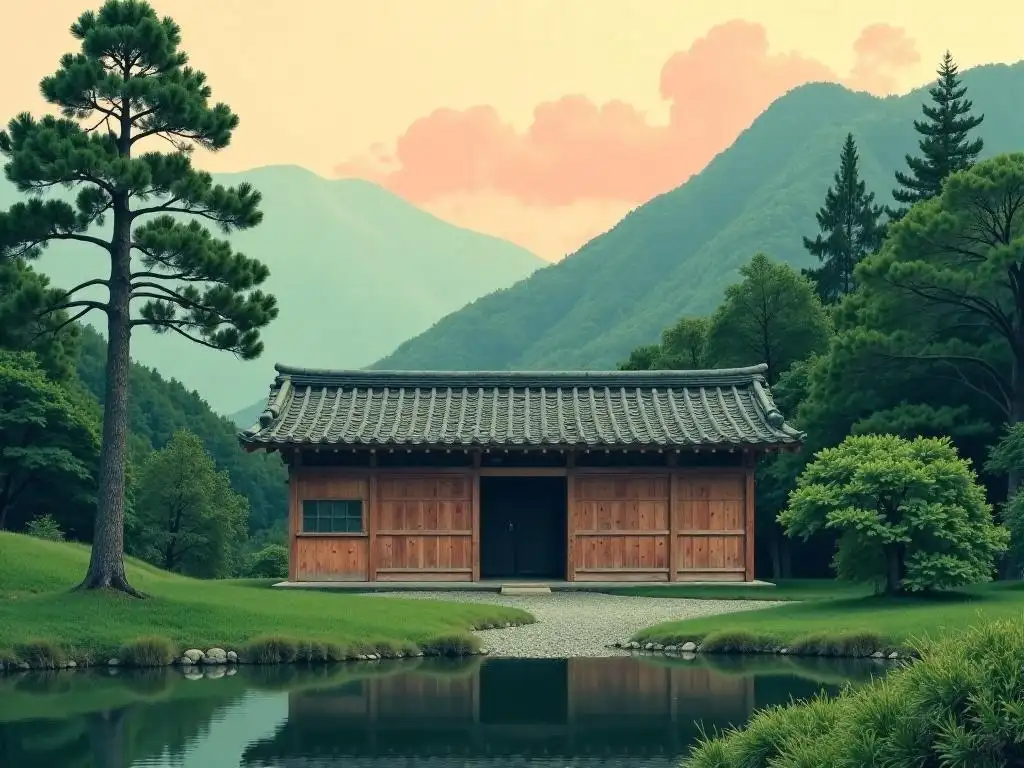
Welcome to Feudal Japan History, where we invite you to embark on an intriguing journey through time. In this immersive space, we explore the rich tapestry of Japan's feudal era, delving into its historical, cultural, and societal dimensions. Today, we shine a spotlight on traditional ryokan architecture in Japan, a fascinating intersection of nature and design that reflects the essence of Japanese hospitality and aesthetics.
What secrets do these architectural wonders hold? Dive into our feature article, Exploring the Unique Architecture of Ryokan, and discover how these serene retreats offer a glimpse into the past while enchanting modern travelers. Your adventure into the heart of feudal Japan begins here!
Introduction to Traditional Ryokan Architecture in Japan
The architectural beauty of ryokan, traditional Japanese inns, offers a remarkable glimpse into Japan's rich cultural heritage and deep-rooted connection with nature. Renowned for their unique design and tranquil atmosphere, ryokan are more than just places to stay; they embody the philosophy of harmony with the natural world, reflecting centuries of architectural refinement.
This article delves into the intricate aspects of traditional ryokan architecture in Japan, highlighting its significance in the travel and tourism landscape. Through a meticulous exploration of various elements, we will uncover how these structures have evolved while maintaining their essence, providing visitors with an authentic experience steeped in history and culture.
Key Elements of Traditional Ryokan Architecture
The architecture of ryokan is characterized by several distinctive features that collectively create a serene and welcoming environment. These elements not only enhance the aesthetic appeal but also promote functionality and comfort. Below, we explore the key components that define traditional ryokan architecture in Japan.
Tatami Mats: The Heart of Ryokan Design
Tatami mats are perhaps the most iconic feature of traditional ryokan. Made from rice straw and covered with woven rush grass, these mats serve as both flooring and a crucial element of the overall design.
- Cultural Significance: Tatami mats symbolize Japanese hospitality and comfort, engaging guests with their soft texture and natural aroma.
- Spatial Arrangement: The dimensions of tatami mats dictate the layout of rooms, encouraging a minimalist approach that enhances the sense of space.
- Maintenance and Durability: Despite their delicate appearance, tatami mats are durable and can last for years with proper care, contributing to the ryokan's long-lasting charm.
Shoji Screens: A Seamless Connection with Nature
Shoji screens, constructed from wooden frames and translucent paper, play a vital role in the architecture of ryokan. These screens allow natural light to filter into the space while maintaining privacy.
- Aesthetic Appeal: The delicate design of shoji screens adds an elegant touch, creating a tranquil ambiance that resonates with the natural surroundings.
- Versatility: Shoji can be adjusted or moved to create open spaces or private rooms, showcasing the ryokan's adaptability to guests' needs.
- Integration with Nature: By framing views of gardens or landscapes, shoji screens blur the boundaries between the indoor and outdoor environments, enhancing the overall experience of serenity.
Fusuma: Flexibility and Functionality in Space
Fusuma, sliding doors made from wood and paper, are another essential component of traditional ryokan architecture. They serve both functional and decorative purposes.
- Space Management: Fusuma allow for the reconfiguration of spaces, enabling ryokan to accommodate different groups and preferences, from intimate gatherings to larger parties.
- Artistic Expression: Often adorned with traditional Japanese paintings or patterns, fusuma contribute to the aesthetic narrative of the ryokan, reflecting local culture and artistry.
- Sound Insulation: These sliding doors provide a degree of sound insulation, ensuring that the tranquil atmosphere of the ryokan remains undisturbed.
The architecture of traditional ryokan encapsulates a harmonious blend of nature, design, and functionality, creating a unique experience for those who seek to immerse themselves in Japan's cultural heritage. In the following sections, we will continue to explore more aspects of ryokan and their enduring legacy in Japanese hospitality.
The Integration of Nature in Ryokan Architecture
Ryokan architecture is a beautiful representation of the harmonious relationship between humans and nature, a principle deeply rooted in Japanese culture. This unique architectural style emphasizes the seamless integration of the natural environment into the living space, creating serene sanctuaries for relaxation and reflection. The layout of traditional ryokan often incorporates natural elements, such as gardens, streams, and mountains, allowing guests to experience the beauty of the surrounding landscape from the comfort of their rooms.
The use of sliding doors, known as fusuma, and large windows enhances this connection, blurring the lines between indoor and outdoor spaces. These architectural features not only invite natural light but also provide stunning views of the changing seasons, further enriching the overall experience. In essence, ryokan serve as a bridge between the natural world and human habitation, illustrating the Japanese philosophy of mono no aware, which appreciates the beauty of transience and impermanence.
Garden Design: Bringing the Outside In
A hallmark of ryokan architecture is the meticulously designed gardens that accompany these traditional inns. These gardens are not merely decorative; they are thoughtfully crafted landscapes that reflect the principles of Zen Buddhism and the aesthetic values of Japanese culture. Often featuring elements such as koi ponds, rock formations, and meticulously pruned trees, these gardens create a tranquil atmosphere that encourages relaxation and contemplation.
The concept of shakkei, or "borrowed scenery," is frequently employed in garden design, where distant hills or trees are incorporated into the garden's composition, enhancing the perceived depth and beauty of the landscape. Guests can enjoy these gardens from various vantage points, whether through a window or while walking along the garden paths. This intricate relationship between the ryokan and its garden fosters a sense of peace and connection to nature, making the experience of staying in a ryokan truly unique.
Use of Natural Materials: Wood, Bamboo, and Stone
The choice of materials in ryokan architecture plays a significant role in emphasizing the connection to nature. Traditional ryokan are primarily constructed using natural materials, with wood, bamboo, and stone being the most prevalent. The warmth of wood, often left untreated to showcase its natural grain, creates a cozy and inviting atmosphere. Bamboo, known for its strength and flexibility, is used in various applications, from structural elements to decorative features, highlighting its versatility and aesthetic appeal.
Stone is also a vital component, often used in pathways, garden features, and even in the construction of the ryokan itself. The use of these natural materials not only enhances the beauty of the architecture but also contributes to its sustainability, as they tend to age gracefully and blend harmoniously with the surrounding environment. The careful selection and craftsmanship of these materials reflect a deep respect for nature, which is a core principle in traditional Japanese design.
Comparing Traditional Ryokan with Modern Inns
As the landscape of travel and accommodation evolves, a clear distinction emerges between traditional ryokan and modern inns. While both serve the purpose of providing lodging, their architectural styles, cultural significance, and overall experiences differ greatly. Understanding these differences can help travelers appreciate the unique aspects of staying in a ryokan.
Key Differences in Architectural Styles
Traditional ryokan architecture is characterized by its simplicity, elegance, and connection to nature. Features such as tatami mat flooring, sliding doors, and futon bedding reflect a minimalist lifestyle that emphasizes comfort and tranquility. In contrast, modern inns often prioritize functionality and convenience, with standardized rooms that may lack the distinctive features found in ryokan.
Furthermore, the aesthetic of ryokan is deeply influenced by traditional Japanese design principles, emphasizing asymmetry, natural materials, and an intimate relationship with the surrounding landscape. Modern inns, on the other hand, may incorporate contemporary designs and materials that cater to a wider audience, often sacrificing the unique charm and cultural significance that define traditional ryokan.
Advantages of Staying in a Traditional Ryokan
Staying in a traditional ryokan offers a plethora of advantages that extend beyond mere accommodation. First and foremost, it provides an immersive cultural experience, allowing guests to engage with Japanese customs and hospitality practices. The personalized service often found in ryokan, where staff may anticipate guests' needs, enhances the overall experience, fostering a sense of comfort and belonging.
Additionally, ryokan typically feature on-site dining options that highlight seasonal and regional cuisine, often served in private dining rooms or traditional settings. This culinary experience is an integral part of the ryokan stay, showcasing the rich flavors of Japanese cuisine.
Finally, the tranquil environment of a ryokan, combined with the thoughtful integration of nature, provides an ideal setting for relaxation and rejuvenation. Whether enjoying a soak in a traditional onsen (hot spring) or meditating in the garden, guests can find solace and peace in these unique accommodations, making their stay in a ryokan a truly memorable experience.
Notable Examples of Traditional Ryokan Architecture in Japan
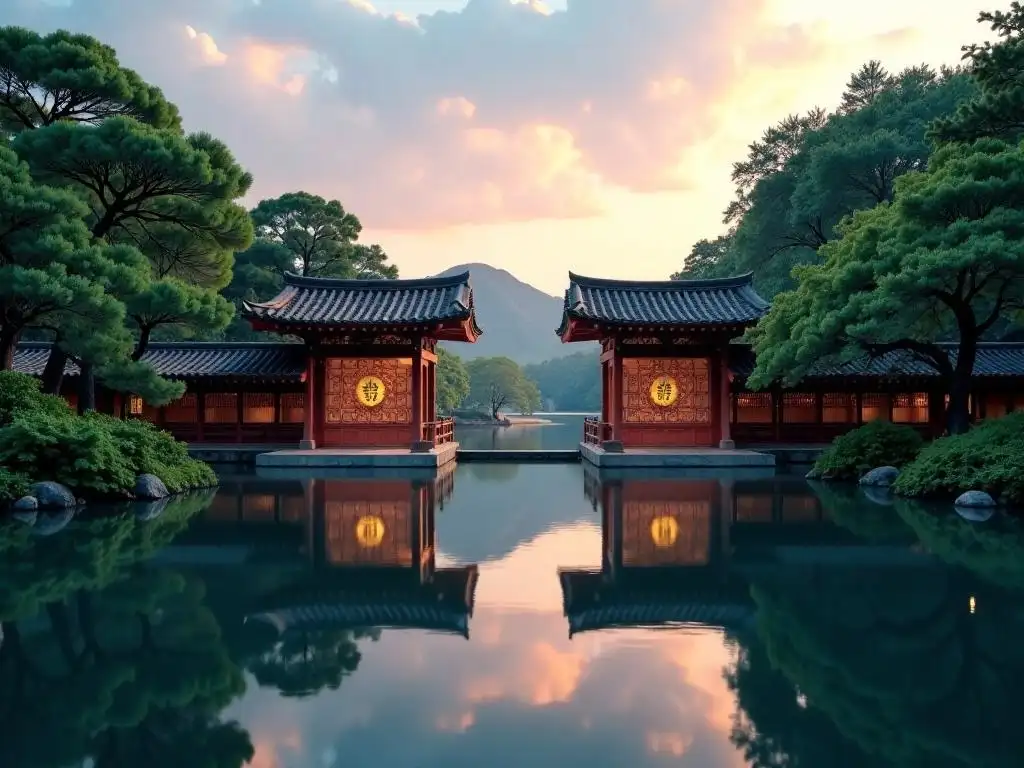
Traditional ryokan architecture in Japan is a fascinating blend of simplicity, elegance, and harmony with nature. These inns are characterized by features that reflect Japan's cultural heritage and aesthetic sensibilities. Here are two notable examples that stand out in their architectural significance:
Gion Shinmonso: A Historical Ryokan in Kyoto
Gion Shinmonso is a historic ryokan located in the heart of Kyoto's Gion district, known for its traditional wooden structures and serene atmosphere. Established over a century ago, this ryokan exemplifies the quintessential features of traditional ryokan architecture, such as tatami-matted rooms, sliding shoji doors, and a beautiful garden that seamlessly integrates with the building's design.
The architecture of Gion Shinmonso reflects the principles of wabi-sabi, celebrating imperfection and the beauty of natural materials. The ryokan's design incorporates local craftsmanship, with wooden beams and intricate joinery that showcase the skills of artisans. Guests can enjoy the tranquil surroundings while experiencing the authentic ambiance of old Kyoto, making it a perfect example of traditional ryokan architecture.
Tawaraya Ryokan: A Pinnacle of Traditional Design
Tawaraya Ryokan is often hailed as one of the most prestigious ryokan in Japan, offering a perfect blend of luxury and tradition. Dating back to the 17th century, Tawaraya showcases the elegance and sophistication of traditional ryokan architecture through its meticulous design and attention to detail.
The ryokan features spacious rooms adorned with tatami mats, antique furnishings, and exquisite artwork that reflects the rich history of the region. One of its standout architectural elements is the engawa, a wooden veranda that extends around the building, providing a seamless transition between indoor and outdoor spaces. The ryokan's gardens, designed to evoke the beauty of nature, further enhance the overall aesthetic appeal. Tawaraya's commitment to preserving traditional architectural practices makes it a shining example of ryokan design.
Tips for Experiencing Traditional Ryokan Architecture
To fully appreciate the beauty and intricacies of traditional ryokan architecture during your stay, consider the following tips:
Choosing the Right Ryokan for Your Stay
Selecting the right ryokan is crucial for experiencing authentic traditional architecture. Look for establishments that emphasize their historical significance and architectural integrity. Research ryokan that feature traditional design elements such as tatami flooring, sliding doors, and private gardens. Reading guest reviews can provide insight into the authenticity of the architectural experience.
Additionally, consider the location; staying in regions rich in cultural heritage, such as Kyoto or Takayama, will enhance your experience. Some ryokan also offer guided tours that delve into their architectural history, providing a deeper understanding of the structures' significance.
Engaging with Local Culture and Architecture
Engaging with the local culture can significantly enrich your experience of ryokan architecture. Participate in traditional tea ceremonies, attend local festivals, or take part in workshops that highlight regional crafts. These activities often take place within the ryokan premises or nearby, allowing you to immerse yourself in the cultural context surrounding the architecture.
Additionally, take the time to appreciate the details of the ryokan’s design. Notice the materials used, the layout of the rooms, and how natural light plays a role in the overall ambiance. Engaging with staff members, who are often well-versed in the ryokan's history, can also provide valuable insights into the architectural choices that define these unique inns.
Conclusion: The Enduring Appeal of Traditional Ryokan Architecture
Traditional ryokan architecture stands as a testament to Japan's rich cultural heritage, seamlessly blending the natural environment with human craftsmanship. The use of natural materials, such as wood and rice paper, creates an atmosphere of tranquility and harmony, inviting guests to experience a way of living that is deeply connected to nature. The minimalist design, characterized by open spaces and tatami mat flooring, encourages a sense of simplicity and peace, which resonates with the principles of Zen philosophy.
Moreover, the enduring appeal of ryokan architecture lies in its ability to adapt over time while preserving its core aesthetic and functional elements. Modern adaptations of ryokan maintain the essential features that define their charm, such as sliding shoji doors and beautiful gardens, while incorporating contemporary comforts. This evolution ensures that traditional ryokan remain relevant in today's fast-paced world, offering a unique retreat for both domestic and international travelers seeking a deeper cultural experience.
Ultimately, the architectural beauty of ryokan is more than just a visual feast; it is a living embodiment of Japan's history and traditions. Each ryokan tells its own story through its design, reflecting the local landscape, climate, and cultural nuances. As visitors immerse themselves in the serene environment of a ryokan, they gain a greater appreciation for the artistry and philosophy that underpin these exceptional structures, making traditional ryokan architecture an enduring symbol of Japan's architectural heritage.
Call to Action: Explore Japan’s Architectural Heritage
If you are captivated by the unique appeal of traditional ryokan architecture, it’s time to experience it for yourself! Japan offers a plethora of ryokan, each with its own distinct character and history. From the scenic hot springs of Hakone to the tranquil landscapes of Kyoto, there are numerous opportunities to stay in these traditional inns and immerse yourself in their architectural beauty.
Consider planning a trip that includes visits to renowned ryokan such as Gion Hatanaka in Kyoto or Tawaraya Ryokan, known for its exquisite design and hospitality. Take the time to explore the surrounding nature, engage in traditional tea ceremonies, or unwind in an onsen (hot spring) while marveling at the architectural details that make these spaces so special.
In addition to staying at ryokan, delve deeper into Japan’s architectural heritage by visiting museums and cultural sites that showcase historical buildings and design philosophies. Engage with local artisans and craftspeople who continue to preserve traditional building techniques.
Your journey into the heart of traditional ryokan architecture is just a trip away. Embrace the opportunity to connect with Japan’s rich history and enjoy the serene beauty of these remarkable structures. 🌸
- Introduction to Traditional Ryokan Architecture in Japan
- Key Elements of Traditional Ryokan Architecture
- The Integration of Nature in Ryokan Architecture
- Comparing Traditional Ryokan with Modern Inns
- Notable Examples of Traditional Ryokan Architecture in Japan
- Tips for Experiencing Traditional Ryokan Architecture
- Conclusion: The Enduring Appeal of Traditional Ryokan Architecture
- Call to Action: Explore Japan’s Architectural Heritage
- What is a ryokan in the context of traditional Japanese culture?
- How does ryokan architecture reflect Japanese aesthetics?
- What are the key features of traditional ryokan architecture in Japan?
- How has ryokan architecture evolved over time?
- Why is ryokan architecture significant in the study of feudal Japan?
Frequently Asked Questions
What is a ryokan in the context of traditional Japanese culture?
A ryokan is a traditional Japanese inn that emphasizes hospitality, featuring tatami mat flooring, futon bedding, and communal baths, often set in natural surroundings.
How does ryokan architecture reflect Japanese aesthetics?
Ryokan architecture showcases minimalism and harmony with nature, utilizing natural materials like wood and paper to create a tranquil atmosphere that promotes serenity and balance.
What are the key features of traditional ryokan architecture in Japan?
Key features include tatami rooms, sliding shoji doors, engawa (verandas), and communal bathing areas, all designed to foster a connection with the natural landscape.
How has ryokan architecture evolved over time?
While maintaining its traditional roots, modern ryokan may incorporate contemporary design elements, blending historical influences with modern comforts to appeal to a broader audience.
Why is ryokan architecture significant in the study of feudal Japan?
Ryokan architecture serves as a reflection of feudal Japan's social structure, values, and cultural practices, offering insights into the lifestyle and customs of that era.
Final Reflection: Embracing the Harmony of Nature and Design in Traditional Ryokan Architecture
The exploration of traditional ryokan architecture in Japan reveals a profound connection between human design and the natural world. As we navigate an increasingly urbanized and technology-driven society, the principles embodied in ryokan architecture serve as a poignant reminder of the importance of harmony with our environment. The delicate balance of aesthetics, functionality, and nature found in these traditional inns is not just a relic of the past; it is a guiding philosophy that resonates deeply in our contemporary lives.
Cultural landscapes are continually shaped by the values we hold, and the enduring influence of ryokan architecture is a testament to the beauty of simplicity and mindfulness. The design elements that prioritize natural materials, open spaces, and a seamless transition between indoor and outdoor environments encourage us to reflect on our own living spaces and the impact they have on our well-being. Architecture is a visual art, and the buildings speak for themselves.
This quote encapsulates the essence of ryokan, where every structure tells a story of tradition, respect for nature, and the pursuit of tranquility.
As we conclude our exploration of this unique architectural style, I invite you to reflect on how you can incorporate the principles of ryokan architecture into your own life. Consider the spaces you inhabit and how they connect with the world around you. Whether through mindful design choices, embracing natural elements, or simply taking a moment to appreciate the beauty of your surroundings, let the lessons of ryokan inspire you to cultivate a deeper connection with nature and a more harmonious way of living.
Unveil the Charm of Ryokan Architecture!
Thank you for taking the time to explore the captivating world of Ryokan architecture with us! We hope this article has inspired you to appreciate the beautiful blend of nature and design that defines these unique structures. Now, it’s time to put that inspiration into action!
Here are some exciting steps you can take:
- Visit a Ryokan: Plan a getaway to a traditional Ryokan and immerse yourself in the serene atmosphere and exquisite design. Experience firsthand how architecture harmonizes with nature.
- Share Your Experience: Capture your Ryokan journey with photos and stories! Share your adventures on social media or in our comments section to inspire others to explore this enchanting aspect of Japanese culture.
- Explore Deeper: Dive further into the world of Japanese architecture! Consider reading books or articles, or even watching documentaries that showcase the beauty and philosophy behind Ryokan.
How has the unique architecture of Ryokan influenced your perception of nature in design? We’d love to hear your thoughts!