
Ryokan Etiquette: Navigating the Cultural Nuances of Your Stay

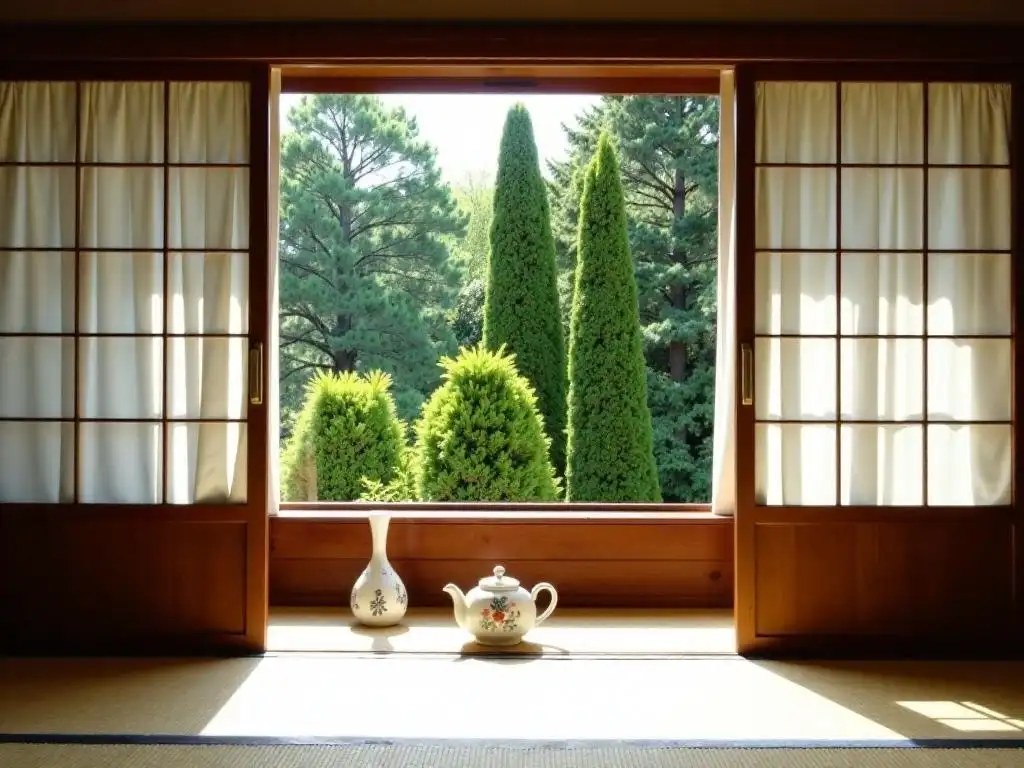
Welcome to Feudal Japan History, where we take you on a journey through the captivating tapestry of Japan's feudal era. In our latest article, “Ryokan Etiquette: Navigating the Cultural Nuances of Your Stay,” we delve into the intricate traditions and customs that define the ryokan experience. Whether you're planning a visit or simply curious about the rich cultural heritage of Japan, prepare to uncover the secrets that will enhance your stay. Join us as we explore the essential etiquette that every traveler should know, and discover how these nuances connect you to a world steeped in history and hospitality.
- Ryokan Etiquette for Travelers: A Comprehensive Guide
- Essential Ryokan Etiquette Tips for Travelers
- Common Missteps in Ryokan Etiquette and How to Avoid Them
- Enhancing Your Ryokan Experience: Additional Tips for Travelers
- Frequently Asked Questions
- Final Reflection: Embracing the Essence of Ryokan Etiquette
- Embrace the Experience: Elevate Your Ryokan Stay!
Ryokan Etiquette for Travelers: A Comprehensive Guide
Staying at a ryokan—a traditional Japanese inn—offers travelers a unique glimpse into Japan's rich history and cultural practices. This experience goes beyond merely finding a place to sleep; it immerses guests in the customs and etiquette that define Japanese hospitality. Understanding ryokan etiquette not only enhances your visit but also shows respect for the culture and traditions that have been preserved over centuries. In this guide, we will explore what a ryokan is, the significance of its customs, and the essential etiquette to navigate during your stay, ensuring a respectful and enriching experience.
Understanding Ryokan: What is a Traditional Japanese Inn?
A ryokan is more than just a hotel; it is a traditional Japanese inn that embodies the essence of Japanese hospitality, known as omotenashi. These inns typically feature:
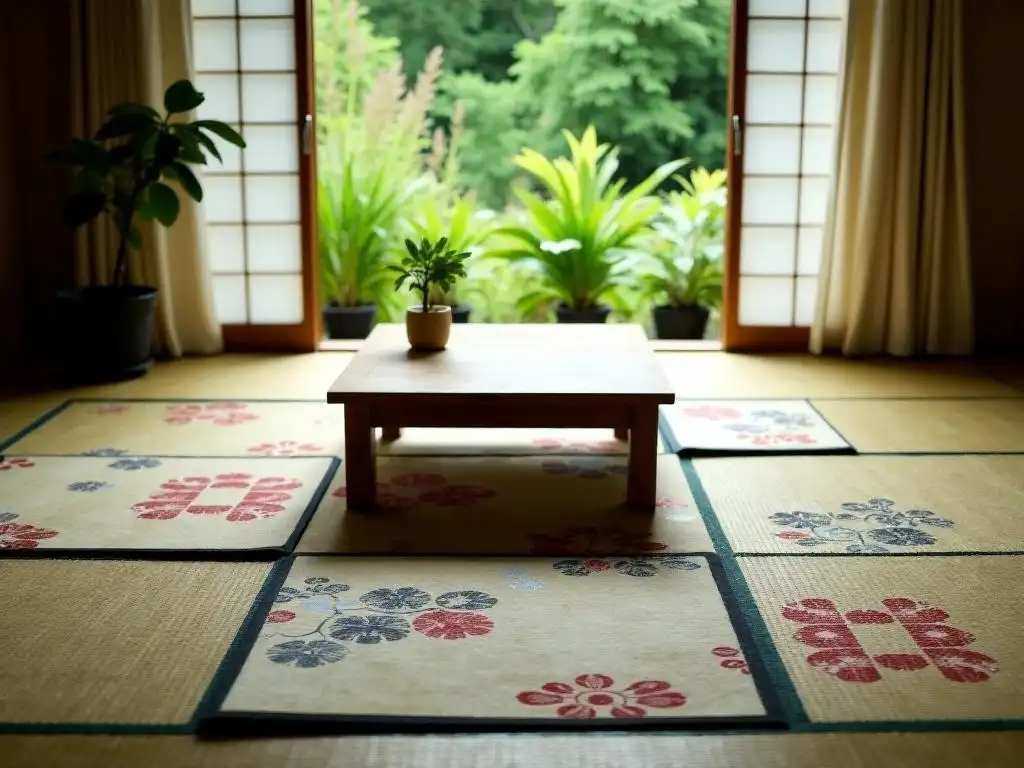
- Tatami floors: Straw mats that provide a unique aesthetic and comfort.
- Futons: Traditional bedding that is laid out on the tatami at night.
- Kaiseki meals: Multi-course dinners that showcase seasonal ingredients and culinary art.
Ryokans vary in style and amenities, but all share a common goal: to create a serene environment that reflects Japan's natural beauty and cultural heritage. Many ryokans are located in picturesque settings, such as near hot springs (onsen) or scenic landscapes, offering a tranquil escape from the hustle and bustle of daily life.
Why Ryokan Etiquette Matters for Travelers
Understanding and practicing ryokan etiquette is crucial for travelers who wish to fully appreciate their stay. Here are several reasons why etiquette is important:
- Cultural Respect: Adhering to local customs shows respect for Japanese culture and its traditions. This is especially significant in a ryokan, where every aspect is steeped in history.
- Enhanced Experience: Engaging in proper etiquette can lead to a more enjoyable and fulfilling experience. Guests who respect the customs often find that their hosts are more accommodating and willing to share insights about their traditions.
- Fostering Connections: Practicing good etiquette can help foster positive interactions with staff and other guests, creating a more inviting atmosphere.
- Avoiding Faux Pas: Being aware of the dos and don’ts can prevent misunderstandings and uncomfortable situations, allowing you to navigate your stay confidently.
By embracing the nuances of ryokan etiquette, travelers not only enrich their own experience but also honor the deep-rooted traditions that define these remarkable establishments. In the following sections, we will delve into specific customs and practices to ensure you navigate your ryokan stay with grace and respect.
Essential Ryokan Etiquette Tips for Travelers
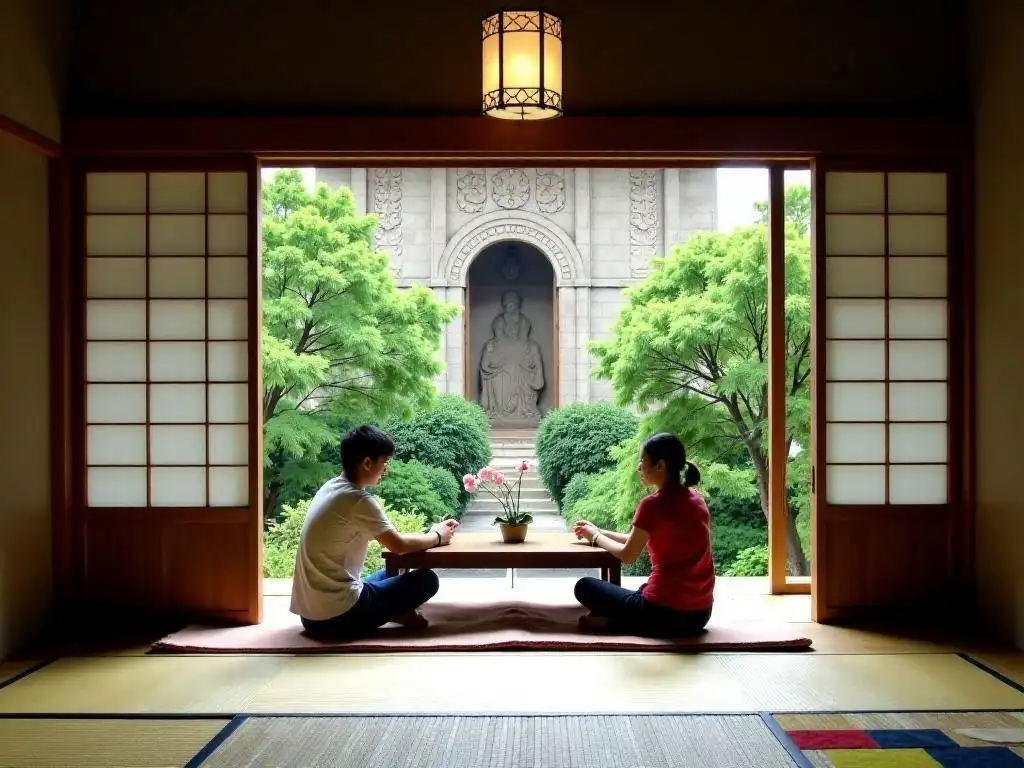
Staying in a ryokan offers travelers a unique glimpse into Japan's rich cultural heritage and hospitality. To ensure a respectful and enriching experience, understanding ryokan etiquette is essential. Here are some key guidelines to navigate your stay seamlessly.
Arrival Etiquette: First Impressions Count
When you arrive at a ryokan, the first impression is crucial. Here's how to make it count:
- Greetings: Upon entering, it is customary to bow slightly as a sign of respect. A simple "Konnichiwa" (こんにちは) or "Irasshaimase" (いらっしゃいませ) will suffice.
- Footwear: Remove your shoes at the entrance. Most ryokans provide indoor slippers for guests. Be attentive to the specific areas where you should wear slippers versus going barefoot.
- Check-In Process: When checking in, use polite language and gestures. Present your reservation confirmation calmly and wait for the staff to guide you through the check-in process.
- Personal Space: Respect the personal space of the staff and other guests. Maintain a quiet demeanor, as ryokans often prioritize a peaceful environment.
Note: Many ryokans have specific check-in times, so plan your arrival accordingly to avoid inconveniencing the staff.
In-Room Etiquette: Embracing the Tradition
Your room in a ryokan is a tranquil haven, and respecting its traditions is vital:
- Futon Setup: Futons are traditionally laid out in the evening. If you prefer to set up your own, do so respectfully, ensuring the bedding is placed neatly.
- Tatami Mats: Walk on tatami mats barefoot or in provided slippers. Avoid placing heavy objects on the mats, as they are a sign of cultural heritage.
- Personal Items: Keep personal items organized. Use the provided drawers and storage areas to maintain the room's serene atmosphere.
- Bathroom Etiquette: Ryokans typically have communal baths. If your room has a private bathroom, remember to rinse off before entering the tub to uphold cleanliness.
Dining Etiquette: Savoring Traditional Japanese Cuisine
Dining at a ryokan is often a highlight of the experience, showcasing seasonal and local ingredients. Here are tips for enjoying your meals:
- Traditional Seating: Meals are often served at low tables with guests sitting on tatami mats. Cross your legs comfortably or sit in seiza (kneeling position) if possible.
- Chopstick Use: Use chopsticks properly. Avoid sticking them upright in rice, as this resembles funeral practices. Instead, place them neatly on the designated rest when not in use.
- Savoring Each Course: Japanese dining emphasizes presentation and seasonality. Take time to appreciate each dish, as they are often crafted with care. Compliment the chef if the opportunity arises.
- Drinking Etiquette: When sharing drinks, it is customary to pour for others before pouring for yourself. Hold your glass with both hands when receiving a drink from someone else.
Tip: If you are unsure about how to handle a particular dish, observe the other guests or politely ask your server for guidance.
By adhering to these essential ryokan etiquette tips, travelers can ensure a respectful and enjoyable stay, fully immersing themselves in the beauty of Japan's cultural traditions.
Common Missteps in Ryokan Etiquette and How to Avoid Them
Top Etiquette Mistakes Made by Travelers
When visiting a ryokan, understanding the nuances of Japanese culture is essential to ensure a respectful and enjoyable stay. Here are some common missteps travelers often make, along with tips on how to avoid them:
- Ignoring Footwear Rules
- Many travelers forget to adhere to the footwear policies of a ryokan. Guests are usually required to remove their shoes upon entering the inn.
- Tip: Look for designated areas, often marked with a small mat, where you should leave your footwear. The inn will typically provide you with indoor slippers to wear.
- Misusing Yukata
- The yukata, a casual summer kimono, is generally provided for guests to wear during their stay. However, some travelers may wear it incorrectly or inappropriately.
- Tip: Ensure you wear the yukata with the left side over the right, as the reverse is reserved for funerals. Also, remember to tie the obi (waist sash) securely.
- Overlooking Onsen Etiquette
- If your ryokan features an onsen (hot spring), it’s crucial to follow the specific etiquette associated with these communal bathing areas.
- Tip: Always wash and rinse your body thoroughly before entering the onsen. Swimwear is not permitted, and loud noises should be avoided to maintain a peaceful environment.
- Neglecting to Express Gratitude
- Failing to express appreciation can be seen as impolite in Japanese culture. Simple gestures of gratitude can go a long way.
- Tip: Use phrases like "Arigatou gozaimasu" (thank you very much) when interacting with staff. A small bow when receiving service is also a sign of respect.
- Forgetting to Accept Hospitality
- In a ryokan, hospitality is a prominent feature, and guests are often treated with great care. Some travelers may feel uncomfortable accepting such attention.
- Tip: Embrace the hospitality offered, whether it’s a cup of tea or assistance with your bags. Accepting these gestures with gratitude enhances your experience.
- Being Unfamiliar with Meal Etiquette
- Traditional ryokan meals, often served in kaiseki style, come with their own set of etiquette rules.
- Tip: First, wait for everyone to be served before beginning your meal. Use chopsticks properly, and refrain from sticking them upright in rice, as this resembles a funeral offering.
- Disregarding Quietness
- Ryokans emphasize tranquility, and loud conversations or disruptive behavior can disturb the atmosphere.
- Tip: Keep your voice low and be mindful of your surroundings. Engage in conversations in private areas or outside.
By being aware of these common missteps in ryokan etiquette, travelers can enhance their cultural experience while showing respect for Japanese traditions. Adopting these practices will not only improve your stay but also deepen your appreciation of Japan's rich heritage.
Enhancing Your Ryokan Experience: Additional Tips for Travelers
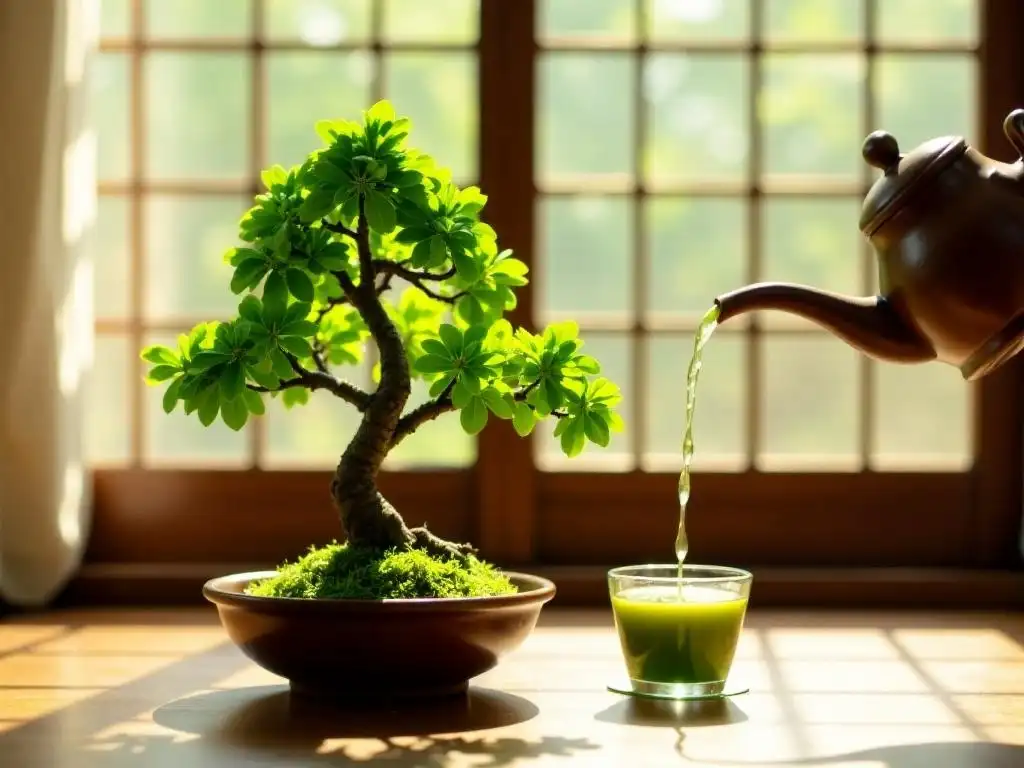
Staying at a ryokan is not just about enjoying a night’s rest; it’s an immersive experience that reflects the rich cultural heritage of Japan. To fully appreciate your stay, consider these additional tips that encapsulate Ryokan etiquette for travelers.
Recommended Ryokan Experiences to Try
- Kaiseki Dining:
- One of the highlights of staying in a ryokan is the traditional kaiseki meal, a multi-course dinner that showcases seasonal ingredients.
- Tip: Be sure to express gratitude by saying “Itadakimasu” before you start your meal and “Gochisosama deshita” after you finish. This demonstrates respect for the food and the effort that went into preparing it.
- Onsen (Hot Springs):
- Many ryokans have their own onsen facilities, offering a chance to unwind in natural hot springs.
- Tip: Before entering the onsen, wash yourself thoroughly at the provided stations. Bathing in the onsen is done nude, so be prepared for this cultural norm.
- Tatami Mat Etiquette:
- Sleeping on tatami mats is a unique experience that requires some etiquette.
- Tip: Avoid stepping on the tatami with shoes, and sit cross-legged or kneel when resting on them. This shows respect for the traditional flooring.
- Yukata Wearing:
- Most ryokans provide guests with a yukata, a casual kimono, to wear during your stay.
- Tip: When wearing a yukata, left side over right is the proper way, as right over left is reserved for funerals.
- Engaging with Staff:
- The ryokan staff is dedicated to ensuring your stay is pleasant.
- Tip: A polite bow or a simple “Arigato gozaimasu” (thank you) goes a long way in showing appreciation for their service.
Resources for Learning More About Ryokan Etiquette
To deepen your understanding of Ryokan etiquette for travelers, consider exploring the following resources:
- Books:
- "The Book of Tea" by Okakura Kakuzō: This classic text delves into Japanese culture, including traditional dining and hospitality practices.
- "Japanese Etiquette & Ethics in Business" by A. James McCormick: While focused on business, this book also covers general etiquette, including hospitality norms.
- Websites:
- Japan National Tourism Organization (JNTO): Offers insights into traditional Japanese customs and etiquette tailored for travelers.
- InsideJapan Tours Blog: Features articles on cultural practices, including detailed guides on staying at ryokans.
- Workshops:
- Many ryokan offer cultural workshops, such as tea ceremonies or calligraphy sessions. Participating in these can provide firsthand experience of Japanese traditions.
- YouTube Channels:
- Channels like Abroad in Japan or Only in Japan often feature content that highlights traditional experiences, including stays at ryokans.
By utilizing these resources, travelers can gain a richer perspective and enhance their experience while navigating the nuanced world of ryokan etiquette.
Frequently Asked Questions
What is a ryokan?
A ryokan is a traditional Japanese inn that offers guests a unique experience, combining hospitality with elements of Japanese culture, such as tatami flooring and kaiseki dining.
Why is ryokan etiquette important for travelers?
Understanding ryokan etiquette enhances your experience and shows respect for Japanese customs. It helps you navigate social norms and fosters a more authentic and enjoyable stay.
What are some key etiquette tips for staying in a ryokan?
Key tips include removing your shoes upon entering, using the provided yukata correctly, and being mindful of quietness in shared areas. Following these practices demonstrates respect for the establishment and its guests.
How does ryokan dining differ from regular dining?
Ryokan dining often features kaiseki, a multi-course meal that emphasizes seasonal ingredients and presentation. It's served in a formal setting, so understanding dining etiquette is crucial for appreciating the meal fully.
Can ryokans accommodate dietary restrictions?
Many ryokans can accommodate dietary restrictions if informed in advance. It’s best to communicate your needs when making a reservation to ensure a comfortable and enjoyable dining experience.
Final Reflection: Embracing the Essence of Ryokan Etiquette
In a world increasingly interconnected yet often culturally fragmented, understanding and practicing Ryokan etiquette for travelers is more relevant than ever. As we venture into the rich tapestry of Japanese culture, we are reminded that our experiences are not merely about the destinations we visit, but about the respect and appreciation we extend to the traditions that shape them. This awareness fosters deeper connections and enriches our journeys, transforming them from mere vacations into profound cultural exchanges.
Cultural nuances, such as those found in Ryokan etiquette, continue to influence our social interactions and perceptions of hospitality. The way we engage with different customs can either bridge gaps or create barriers in our understanding of one another. As travelers, we have the unique opportunity to embody the spirit of respect and mindfulness that is central to the Ryokan experience. Travel is fatal to prejudice, bigotry, and narrow-mindedness.
– Mark Twain. This sentiment resonates deeply as we navigate the intricacies of cultural etiquette, reminding us that every interaction is a chance to learn and grow.
As you reflect on your own travels, consider how you can integrate the lessons of Ryokan etiquette into your experiences. Embrace the opportunity to immerse yourself in the cultural practices of the places you visit, and let this understanding guide your actions. By doing so, you not only honor the traditions of others but also enrich your own life with the wisdom and beauty of diverse cultures. Let each journey be a testament to your commitment to respect, understanding, and connection in an ever-evolving world.
Embrace the Experience: Elevate Your Ryokan Stay!
Thank you for exploring the intricate world of ryokan etiquette with us! By understanding these cultural nuances, you're now better equipped to enjoy a truly authentic Japanese experience. Whether you’re planning a getaway or simply intrigued by Japanese culture, there are several ways to deepen your engagement.
Here are some practical actions you can take right now:
- Book your next ryokan stay—consider trying a boutique option that offers an authentic atmosphere to uncover hidden gems of traditional hospitality.
- Share your newfound knowledge with friends or family who are planning to visit Japan. Encourage them to respect and appreciate ryokan customs, too!
- Join or follow an online community focused on Japanese culture—sharing your experiences and learning new insights can enhance your journey even further.
As you think about your next adventure, here’s a question to ponder: How do you plan to integrate Japanese cultural practices into your own travel experiences?