
A Guide to Onsen Ryokan: Soaking in Tradition and Relaxation

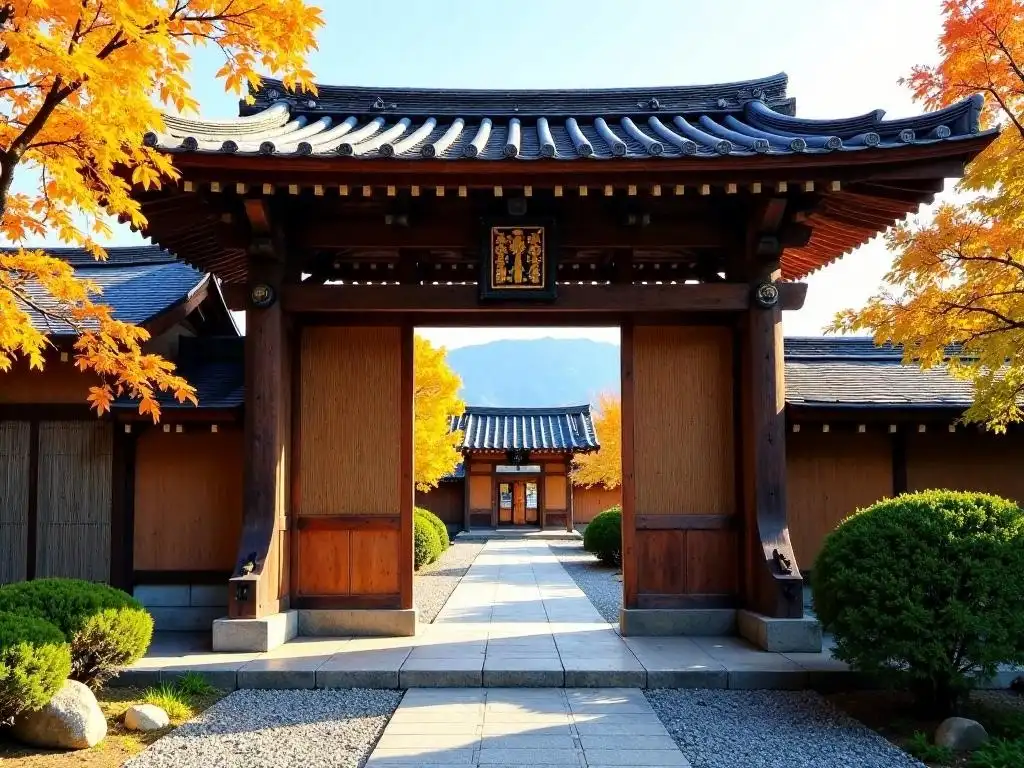
Welcome to Feudal Japan History, where we embark on an extraordinary journey through the captivating tales of Japan’s feudal era. Here, history meets culture in a rich tapestry woven with tradition and serenity. Dive into our latest feature, "A Guide to Onsen Ryokan: Soaking in Tradition and Relaxation," and discover the enchanting world of Traditional Onsen Ryokan Experiences.
Uncover the secrets of these tranquil retreats that have been cherished for centuries, and let your curiosity guide you deeper into the history and allure of Japan’s unique hospitality. Prepare to be transported to a realm where relaxation intertwines with heritage—your adventure awaits!
- Introduction to Traditional Onsen Ryokan Experiences
- The History of Onsen Ryokan in Feudal Japan
- Types of Traditional Onsen Ryokan Experiences
- Key Features of Traditional Onsen Ryokan Experiences
- Planning Your Visit to an Onsen Ryokan
- What to Expect During Your Stay at an Onsen Ryokan
- Essential Items to Bring for Your Onsen Ryokan Experience
- Conclusion: Embracing the Tradition of Onsen Ryokan
- Frequently Asked Questions
- Final Reflection: Embracing Tradition in the Heart of Relaxation
- Immerse Yourself in the Soothing World of Onsen Ryokan!
Introduction to Traditional Onsen Ryokan Experiences
Japan's rich history and culture are beautifully encapsulated in its traditional inns, known as ryokan, which often feature onsen (hot springs) as a central aspect of the experience. The concept of soaking in mineral-rich hot springs is not just about physical relaxation; it represents a deep connection to nature and a significant element of Japanese hospitality.
This article serves as a comprehensive guide to understanding traditional onsen ryokan experiences, exploring their historical roots, cultural significance, and the unique offerings that make them a must-visit for anyone seeking to immerse themselves in Japan's feudal traditions. From the serene ambiance to the meticulously crafted meals, a stay at an onsen ryokan is a journey into the heart of Japanese heritage and relaxation.
Overview of Onsen and Ryokan in Japanese Culture
Onsen and ryokan play a crucial role in Japanese culture, reflecting the country's appreciation for natural beauty and the art of hospitality. Onsen refers to hot springs that are heated by geothermal activity, while ryokan are traditional inns that provide accommodations for travelers. Here are some key aspects of their cultural significance:
- Historical Roots:
- The history of onsen dates back over a thousand years, with the first recorded mention in the 8th century. They were initially used for healing purposes, attracting visitors seeking health benefits.
- Ryokan evolved as places for weary travelers to rest, often located near onsen, providing a complete experience of relaxation and rejuvenation.
- Cultural Practices:
- Bathing in onsen is considered a ritualistic practice, emphasizing cleanliness and tranquility.
- Guests typically follow specific customs, such as washing before entering the communal baths and wearing yukata (a casual kimono) within the ryokan.
- Architectural Features:
- Traditional ryokan often showcase tatami mat flooring, sliding shoji doors, and futons, creating a serene atmosphere that enhances the overall experience.
- Many ryokan are situated in picturesque locations, surrounded by nature, allowing guests to appreciate the seasonal beauty of Japan.
Importance of Soaking in Tradition and Relaxation
The act of soaking in an onsen is far more than a mere leisure activity; it is deeply intertwined with the concepts of tradition and relaxation in Japanese society. Here are some reasons why these experiences hold such importance:
- Therapeutic Benefits:
- The mineral-rich waters of onsen are believed to have various health benefits, including improved circulation, relief from muscle tension, and skin rejuvenation.
- Many visitors regard onsen bathing as a way to detoxify the body and mind, promoting overall wellness.
- Cultural Connection:
- Engaging in onsen bathing allows visitors to connect with Japan's cultural heritage, experiencing firsthand the tranquility that has been cherished for centuries.
- The communal aspect of onsen encourages social interaction, fostering bonds between friends and family.
- Mindfulness and Peace:
- The serene environment of an onsen ryokan, often accompanied by scenic views, provides an ideal setting for mindfulness and meditation.
- Guests can disconnect from their daily routines, allowing space for relaxation and reflection in a world that often feels hurried.
In essence, traditional onsen ryokan experiences offer a unique blend of relaxation, culture, and history, making them an essential part of any journey through Japan. As travelers explore these peaceful retreats, they not only indulge in the soothing waters but also immerse themselves in a time-honored tradition that continues to thrive in modern times.
The History of Onsen Ryokan in Feudal Japan
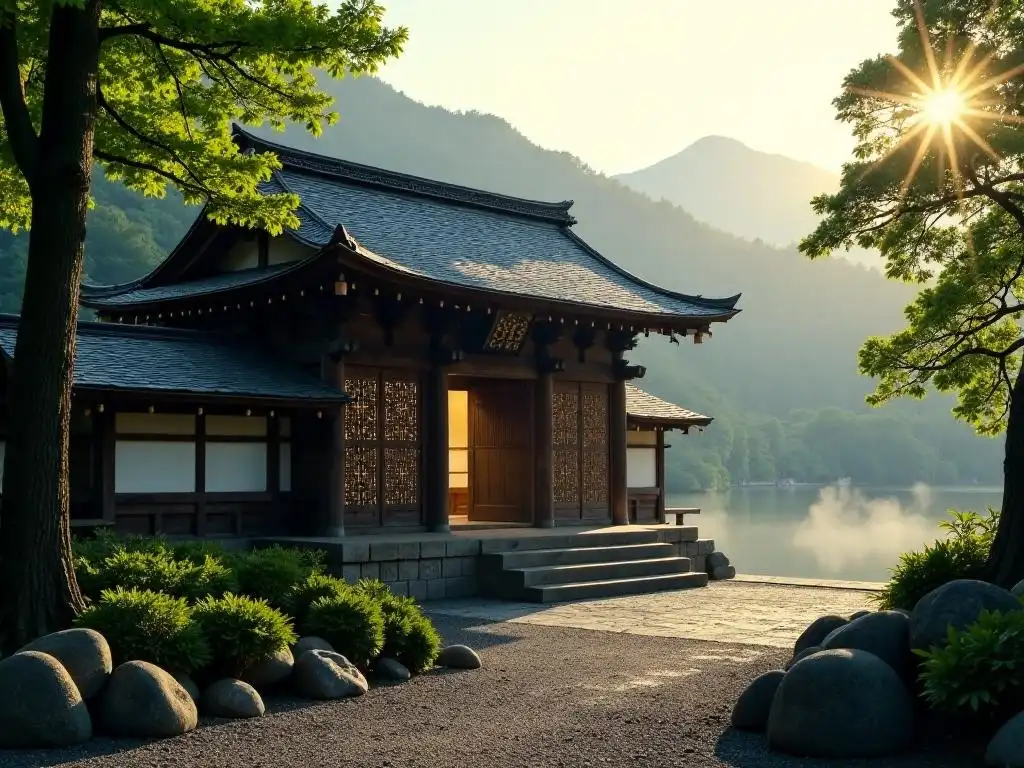
Origins of Onsen Use in Japan
The roots of onsen (hot springs) in Japan can be traced back to ancient times, with some historical records indicating their use as early as the 8th century. Initially, the Japanese utilized these natural hot springs for their therapeutic properties. The earliest evidence suggests that the indigenous Ainu people were among the first to discover and enjoy the warm waters for healing and relaxation.
As Buddhism spread to Japan, the introduction of spiritual practices intertwined with the use of onsen led to a deeper appreciation of their restorative benefits. The concept of purification before rituals found a natural ally in the bathing practices associated with onsen, establishing a tradition that linked physical and spiritual cleansing. Over the centuries, the use of onsen evolved beyond mere healing; it became a communal activity where people gathered to socialize, share stories, and connect with nature.
Evolution of Ryokan as Traditional Inns
The ryokan, a traditional Japanese inn, emerged around the Edo period (1603-1868) as a direct response to the increasing popularity of onsen across the nation. Originally, these inns served travelers, especially those on pilgrimages or engaging in trade, providing them with a place to rest and enjoy the local hot springs.
Ryokan were characterized by their tatami-matted rooms, sliding shoji doors, and futon bedding, embodying the essence of Japanese hospitality known as "omotenashi." As time progressed, ryokan began to incorporate more elaborate amenities, such as kaiseki (multi-course) meals showcasing seasonal ingredients, and communal baths that allowed guests to immerse themselves in the onsen experience. By the late 19th century, the ryokan had solidified its status as an integral part of Japan's cultural landscape, offering not just accommodation but also an immersive experience steeped in tradition.
Cultural Significance of Onsen in Japanese Society
Onsen and ryokan hold a special place in Japanese culture, symbolizing relaxation, rejuvenation, and a deep connection to nature. The communal aspect of onsen bathing is particularly noteworthy, as it reflects Japan's values of harmony and community. Bathing together fosters social bonds and allows individuals to unwind and engage in meaningful conversations, reinforcing social cohesion.
Moreover, the aesthetics of onsen culture are deeply ingrained in Japanese art and literature, with numerous poems, stories, and paintings depicting the serene beauty of these hot springs. The natural landscapes surrounding onsen often enhance the experience, with many located in picturesque settings such as mountains, forests, or coastal areas.
In contemporary Japan, onsen ryokan experiences have transformed into a popular form of domestic tourism, attracting both locals and international visitors seeking authentic cultural experiences. The careful preservation of traditions alongside modern amenities has ensured that ryokan continue to thrive, embodying the spirit of Japan's feudal past while adapting to present-day comforts.
Types of Traditional Onsen Ryokan Experiences
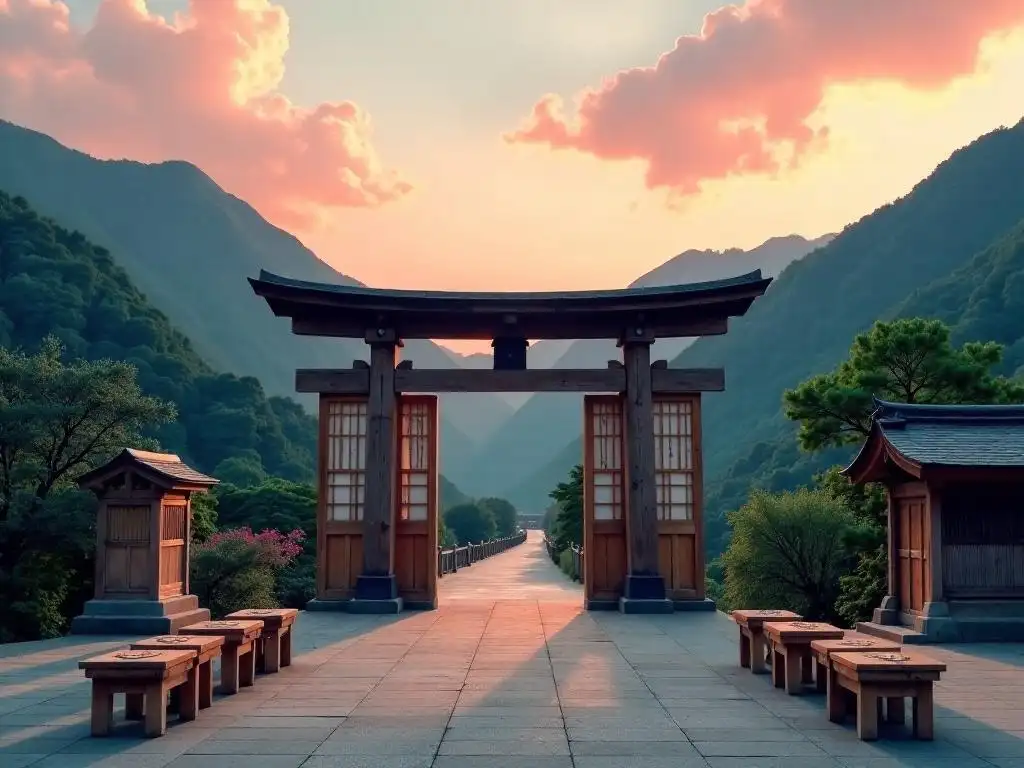
The experience of staying in a traditional onsen ryokan is one of the most enriching and immersive ways to appreciate Japan's cultural heritage. From luxurious to budget-friendly options, each ryokan offers unique experiences that cater to various preferences and budgets. Below, we explore two distinct categories of onsen ryokan experiences: luxury and budget-friendly.
Luxury Ryokan: Indulging in Opulence
Luxury ryokan provide an exceptional level of comfort and service, often set in picturesque locations that enhance the overall experience. Guests can expect exquisite architecture, meticulously designed interiors, and high-quality amenities that elevate the traditional ryokan stay to a premium experience. These establishments often feature private onsens, gourmet kaiseki meals, and personalized service that reflects the heart of Japanese hospitality.
Example: Gora Kadan – A Luxurious Stay in Hakone
One of the premier examples of a luxury ryokan is Gora Kadan, located in the scenic Hakone area. This ryokan is housed in a former retreat of the Imperial Family and offers a perfect blend of traditional aesthetics and modern luxury.
- Accommodations: Each room is spacious, featuring tatami flooring, futon bedding, and stunning views of the surrounding nature. Some rooms even include their own private onsen baths.
- Dining: Guests can savor seasonal kaiseki cuisine prepared with fresh, local ingredients, served in an elegant setting.
- Onsen Experience: The public and private onsens are crafted from natural stones, offering a tranquil atmosphere for relaxation. The mineral-rich waters of Hakone are known for their soothing properties.
Budget-Friendly Ryokan: Affordable Traditional Stays
For travelers seeking a more economical way to experience the allure of traditional ryokan, budget-friendly options abound. These ryokan provide essential comforts and authentic experiences without the extravagant price tag. Staying in a budget-friendly ryokan allows guests to immerse themselves in the local culture while enjoying the therapeutic benefits of an onsen.
Example: Yufuin Onsen Ryokan – A Hidden Gem in Oita
Yufuin Onsen Ryokan is a notable example of an affordable ryokan that doesn't compromise on quality or experience. Nestled in the charming Yufuin town, this ryokan captures the essence of traditional Japanese hospitality at a reasonable price.
- Accommodations: Rooms are designed in a simple yet inviting style, featuring tatami mats and futon bedding. Many rooms offer views of the beautiful Mount Yufu.
- Dining: Guests can enjoy hearty meals that showcase local ingredients, often served in a communal dining area or in-room.
- Onsen Experience: The ryokan features both public and private onsens, allowing guests to unwind in the soothing waters while enjoying the serene surroundings.
Exploring various types of traditional onsen ryokan experiences can significantly enhance your travel in Japan, allowing you to connect deeply with the culture, history, and natural beauty that the country has to offer. Whether you choose to indulge in luxury or seek a more budget-friendly stay, each experience promises a unique glimpse into Japan’s rich traditions.
Family-Friendly Ryokan: Accommodating All Ages
Family-friendly ryokan provide an ideal setting for families looking to immerse themselves in the rich cultural tapestry of Japan while enjoying the soothing experience of onsen bathing. These traditional inns are designed with the needs of all ages in mind, offering amenities and services that ensure a comfortable and enjoyable stay for everyone, from toddlers to grandparents.
Families can expect spacious rooms that often accommodate multiple guests, allowing families to stay together comfortably. Many ryokan also offer futon bedding, which can be an exciting experience for children. In addition to the sleeping arrangements, these establishments frequently provide family-oriented activities such as games, crafts, and even seasonal festivals to engage younger guests.
Dining is another critical aspect where family-friendly ryokan shine. Many establishments feature kaiseki meals that can cater to various dietary preferences, including kid-friendly options, ensuring that even the pickiest eaters find something they enjoy. Moreover, the communal atmosphere encourages families to bond over meals, sharing experiences and creating memories.
Example: Yamashiro Onsen – Perfect for Family Getaways
Yamashiro Onsen, located in the Ishikawa Prefecture, serves as a prime example of a family-friendly ryokan. This onsen town is renowned for its picturesque setting and numerous ryokan that cater specifically to families.
At Yamashiro Onsen, you’ll find ryokan like Kaga Hyakumangoku, which offers spacious family rooms with breathtaking views of the surrounding mountains. The ryokan features private onsen baths that families can reserve for exclusive use, allowing parents and children to relax together in a serene environment.
Furthermore, the area is rich in activities suitable for families. Nearby attractions include the historic Kaga Yuzen fabric dyeing workshops, where families can participate in hands-on experiences, creating their own souvenirs. The onsen town also hosts seasonal festivals, such as the annual Yamashiro Onsen Fireworks Festival, providing a vibrant atmosphere that families can enjoy together.
Family-friendly ryokan like those in Yamashiro Onsen exemplify the balance of tradition and modern comforts, making them an excellent choice for families seeking a memorable and relaxing getaway in the heart of Japan's cultural heritage.
Key Features of Traditional Onsen Ryokan Experiences
Traditional Onsen Ryokan experiences are not just about relaxation; they embody a rich tapestry of history, culture, and hospitality that has evolved over centuries. Here, we explore the key features that make these experiences truly unique and memorable.
Natural Hot Springs: Healing Properties and Benefits
At the heart of any Onsen Ryokan is its natural hot springs, known for their therapeutic properties. These geothermal waters, rich in minerals, are believed to offer various health benefits:
- Relaxation and Stress Relief: Soaking in hot springs can significantly reduce stress levels, providing a serene environment that promotes mental and physical relaxation.
- Skin Improvement: The minerals found in onsen water, such as sulfur, silica, and sodium bicarbonate, can enhance skin health, aiding in conditions like eczema or psoriasis.
- Muscle Recovery: The warmth of the water helps alleviate muscle pain and tension, making it an excellent choice for those recovering from physical exertion.
Many ryokan are located near volcanic regions, ensuring a consistent supply of naturally heated water. The experience of bathing in these springs, often set against picturesque landscapes, adds a layer of tranquility that is hard to replicate.
Tatami Rooms: The Authentic Japanese Experience
Staying in a ryokan typically means sleeping in a tatami room, which provides an authentic Japanese experience. These rooms are characterized by:
- Tatami Mats: Made from rice straw and covered with woven rush grass, tatami mats not only serve as flooring but also contribute to the room's aesthetic and comfort.
- Futons: Traditional Japanese futons are laid out on the tatami mats for sleeping. They are easy to roll up and store during the day, allowing the room to be used for various activities.
- Shoji Screens: These sliding doors made of wood and rice paper allow natural light to filter in while providing privacy.
The simplicity and minimalism of tatami rooms reflect the Japanese philosophy of living harmoniously with nature. Guests are encouraged to remove their shoes before entering, further enhancing the feeling of tranquility and respect for the space.
Kaiseki Cuisine: Savoring Traditional Japanese Meals
A stay at an Onsen Ryokan would be incomplete without indulging in kaiseki cuisine, a multi-course Japanese dinner that emphasizes seasonal ingredients and culinary artistry. Key elements include:
- Seasonality: Kaiseki meals are meticulously crafted to reflect the four seasons, showcasing the freshest local produce and seafood.
- Presentation: Each dish is presented with an artistic touch, often resembling a work of art. This attention to detail enhances the dining experience, making it visually appealing as well as delicious.
- Balance: A typical kaiseki meal consists of several courses, including appetizers, sashimi, grilled dishes, and a soup, culminating in a rice dish and dessert. This balance of flavors and textures is designed to complement the overall dining experience.
Dining in a ryokan is often a communal experience, where guests can enjoy their meals in a tranquil setting, sometimes accompanied by the soothing sounds of nature or the gentle flow of nearby streams.
In summary, Traditional Onsen Ryokan Experiences offer a remarkable blend of natural healing, authentic accommodations, and exquisite culinary delights, making it a must-try for any traveler seeking to immerse themselves in the rich cultural heritage of Japan.
On-site Amenities: Spa Services and Cultural Activities
Traditional Onsen Ryokan experiences offer a unique blend of relaxation and cultural immersion, making them a perfect retreat for travelers seeking solace and authenticity. The on-site amenities of these ryokan not only facilitate relaxation but also foster a deeper connection to Japan’s rich heritage.
Spa Services
One of the hallmark features of an Onsen Ryokan is its spa services, centered around the natural hot springs, or "onsen." These mineral-rich waters are believed to have healing properties, making them an essential aspect of the overall wellness experience.
- Types of Baths:
- Indoor and Outdoor Baths: Most ryokan provide both indoor and outdoor bathing options, allowing guests to enjoy the serene landscapes while soaking in the therapeutic waters.
- Private Baths: For those seeking solitude, many ryokan offer private onsen experiences, where guests can enjoy a tranquil soak away from the public baths.
- Massage and Treatments:
- Traditional Massages: Spa services often include traditional Japanese massages, such as Shiatsu or Anma, which focus on acupressure points to relieve tension and improve circulation.
- Aromatherapy: Some ryokan provide aromatherapy treatments using essential oils derived from local plants, enhancing the relaxation experience.
- Wellness Programs:
- Yoga and Meditation: Many ryokan offer guided yoga sessions or meditation classes, allowing guests to rejuvenate both body and mind in a peaceful environment.
- Seasonal Wellness Retreats: Special programs may be available that align with the seasons, focusing on the unique aspects of wellness that correspond to the time of year.
Cultural Activities
In addition to spa services, traditional Onsen Ryokan often feature a variety of cultural activities that enrich the guest experience and promote a deeper understanding of Japanese traditions.
- Tea Ceremonies:
- Many ryokan host traditional tea ceremonies, where guests can learn the art of preparing and serving matcha, a finely ground green tea. This ancient ritual emphasizes mindfulness and the appreciation of simplicity.
- Kimono Wearing:
- Guests are often encouraged to wear a yukata, a casual summer kimono, during their stay. Some ryokan provide kimono rental services, allowing visitors to immerse themselves in Japanese culture and take memorable photos.
- Calligraphy and Craft Workshops:
- Participating in workshops such as calligraphy or pottery provides guests with hands-on experiences of traditional Japanese arts. These activities not only serve as enjoyable pastimes but also allow guests to create souvenirs that reflect their cultural journey.
- Seasonal Festivals:
- Depending on the time of year, ryokan may organize or participate in local festivals, giving guests the chance to engage with the community and experience traditional Japanese celebrations.
The on-site amenities at traditional Onsen Ryokan extend far beyond mere accommodation. With a focus on spa services and cultural activities, these experiences offer guests the opportunity to unwind while gaining insights into Japan's rich traditions and wellness practices. The combination of relaxation and cultural immersion creates a memorable stay that embodies the essence of Japanese hospitality.
Planning Your Visit to an Onsen Ryokan
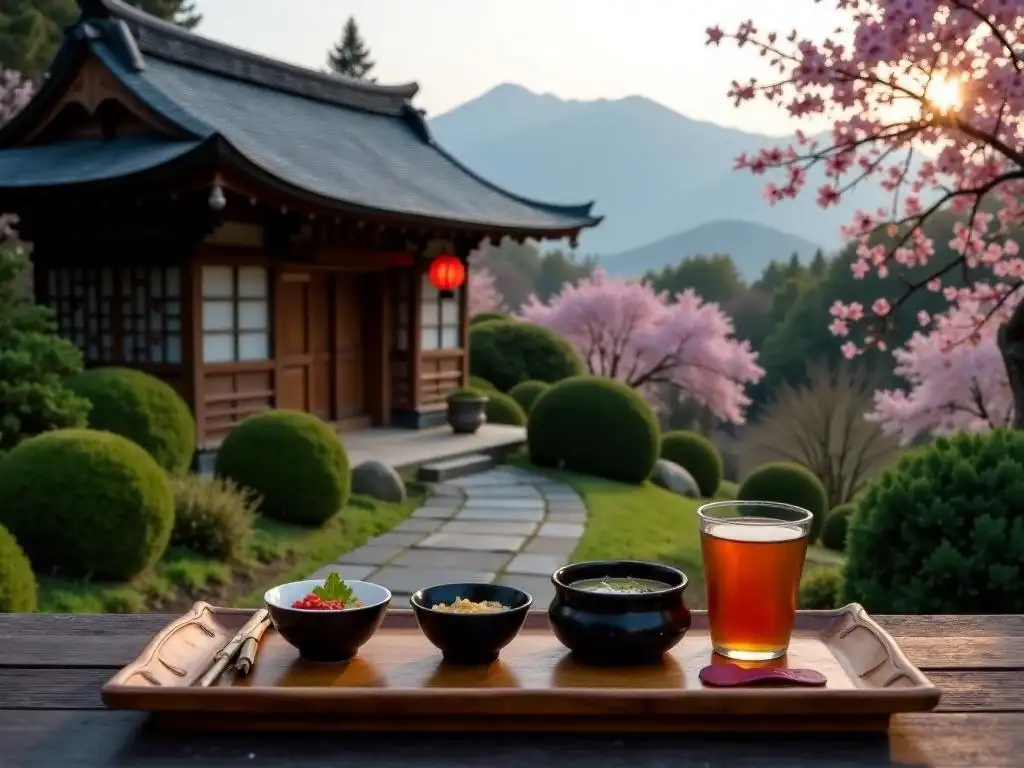
Visiting an onsen ryokan is not just about soaking in hot springs; it’s an immersive experience that combines nature, culture, and relaxation. To fully enjoy your stay, careful planning is essential. Here are key aspects to consider when organizing your trip to a traditional onsen ryokan in Japan.
Best Regions in Japan for Onsen Ryokan Experiences
Japan boasts numerous regions famous for their onsen ryokan experiences, each offering unique landscapes and cultural nuances. Below are some of the most celebrated areas where you can indulge in this traditional experience.
Top Onsen Areas: Hakone, Beppu, and Nara
- Hakone
- Location: Just a short train ride from Tokyo, Hakone is renowned for its stunning views of Mount Fuji and a plethora of hot springs.
- Features: Many ryokan in Hakone offer outdoor baths with picturesque mountain views. The area is also rich in art museums and natural beauty, making it a well-rounded destination.
- Recommended Ryokan: Gora Kadan, a luxurious ryokan featuring traditional tatami rooms and kaiseki dining.
- Beppu
- Location: Located on the island of Kyushu, Beppu is famous for its myriad of hot spring sources and unique "hells" (Jigoku).
- Features: Beppu offers a variety of onsen experiences, from mud baths to steam baths, providing an extraordinary experience for bath enthusiasts.
- Recommended Ryokan: Kamenoi Hotel, known for its diverse onsen facilities and stunning sea views.
- Nara
- Location: With its historical significance and proximity to Kyoto, Nara is a perfect blend of tradition and nature.
- Features: Nara’s ryokan often highlight local culture and offer serene gardens, making it a peaceful retreat ideal for relaxation after exploring historic sites.
- Recommended Ryokan: Naramachi Nigiwai, which offers a traditional ambiance alongside modern amenities.
Choosing the Right Ryokan for Your Needs
Selecting the right ryokan can significantly enhance your traditional onsen ryokan experience. Here are some important considerations to ensure you find the perfect match for your stay.
Considerations: Budget, Amenities, and Atmosphere
- Budget
- Determine your budget early on, as ryokan prices can vary significantly.
- Luxury Ryokan: Expect to pay upwards of ¥30,000 per person per night, often including gourmet meals.
- Mid-range Ryokan: Prices can range from ¥10,000 to ¥30,000, providing a balance of comfort and affordability.
- Budget Ryokan: Starting at around ¥5,000, these options may have fewer amenities but still offer a traditional experience.
- Determine your budget early on, as ryokan prices can vary significantly.
- Amenities
- Consider what amenities are important to you:
- Private Baths: Ideal for those seeking privacy.
- Kaiseki Meals: A multi-course traditional dining experience that showcases local ingredients.
- Cultural Activities: Some ryokan offer tea ceremonies or kimono rentals for an enhanced cultural experience.
- Consider what amenities are important to you:
- Atmosphere
- The ambiance of a ryokan can greatly affect your stay. Decide whether you prefer:
- Modern Ryokan: Typically feature contemporary designs while maintaining traditional elements.
- Traditional Ryokan: Emphasize historical architecture and decor, often found in rural areas.
- Family-Friendly Ryokan: Look for places that cater to families with children, offering facilities and activities suitable for all ages.
- The ambiance of a ryokan can greatly affect your stay. Decide whether you prefer:
By considering these factors, you can ensure a fulfilling and enjoyable stay at a traditional onsen ryokan, immersing yourself in the soothing culture and relaxation that Japan has to offer.
Booking Tips for Traditional Onsen Ryokan
When planning a visit to a traditional onsen ryokan, careful consideration of your booking strategy can enhance your experience significantly. Here are some essential tips to keep in mind:
- Research and Compare: Before making a reservation, research various ryokan options to find one that meets your preferences for location, amenities, and atmosphere. Comparing different ryokan will provide insight into the unique offerings of each, such as room types, onsen styles, and dining experiences.
- Check for Seasonal Offers: Many ryokan offer seasonal promotions or packages that include meals, activities, or spa treatments. Take advantage of these deals to enrich your stay while potentially saving money.
- Book in Advance: Onsen ryokan can be quite popular, especially during peak seasons such as cherry blossom season or autumn foliage. Booking well in advance ensures you secure your desired accommodation and allows you to enjoy a wider selection of ryokan.
- Inquire About Meal Plans: Traditional ryokan often include kaiseki meals as part of your stay. However, it’s essential to confirm meal options during the booking process, including dietary restrictions, special requests, and whether you prefer in-room dining or communal settings.
- Communicate Special Requests: If you're celebrating a special occasion or have specific preferences, don’t hesitate to communicate these when booking. Many ryokan are willing to accommodate special requests to enhance your experience.
Utilizing Platforms like Rakuten Travel and Agoda
When it comes to booking a traditional onsen ryokan, utilizing online travel platforms can streamline the process and offer valuable insights. Two notable platforms to consider are Rakuten Travel and Agoda.
- Rakuten Travel:
- Comprehensive Listings: Rakuten Travel offers a robust selection of ryokan, from luxurious options to budget-friendly stays. Users can filter search results based on various criteria, such as price range, guest ratings, and amenities.
- User Reviews: The platform features extensive user reviews, providing firsthand accounts of ryokan experiences. This feedback can help you gauge the quality of service and the overall ambiance before making a decision.
- Exclusive Discounts: Rakuten Travel often provides exclusive deals for members, making it a cost-effective option for booking.
- Agoda:
- Global Reach: Agoda is known for its extensive global reach and user-friendly interface. The platform allows you to book not only ryokan but also other types of accommodations, making it easier to plan your entire trip.
- Flexible Cancellation Policies: Many listings on Agoda come with flexible cancellation policies, providing peace of mind in case your travel plans change unexpectedly.
- Last-Minute Deals: Agoda frequently offers last-minute deals, which can be advantageous for spontaneous travelers looking for a ryokan experience without prior planning.
By leveraging these platforms, you can enhance your experience when seeking traditional onsen ryokan experiences, ensuring that your stay is both memorable and enjoyable.
What to Expect During Your Stay at an Onsen Ryokan
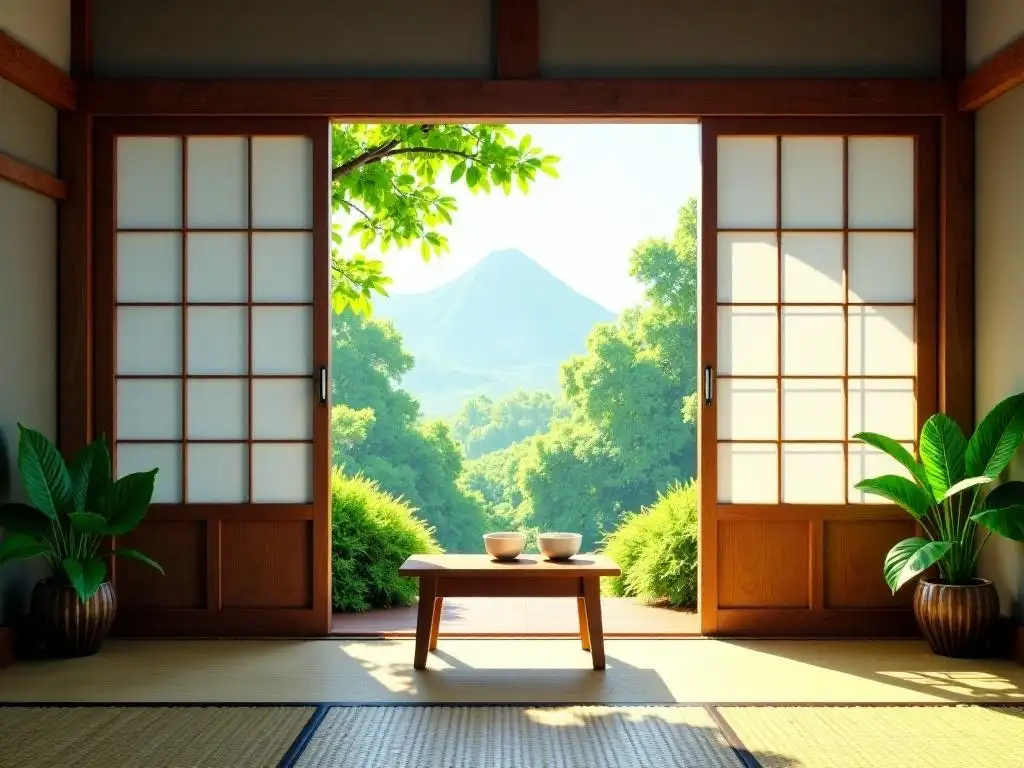
Staying at a traditional onsen ryokan offers a unique blend of relaxation, cultural immersion, and exquisite hospitality. This experience is deeply rooted in Japan’s history, where the art of hospitality, known as omotenashi, plays a crucial role. Visitors can anticipate a serene environment, where nature and tradition harmonize, providing not just a place to rest, but an experience to cherish.
Typical Check-in Procedures and Etiquette
When arriving at an onsen ryokan, the check-in process is often an integral part of the experience. Here’s a breakdown of what you can expect:
- Warm Welcome: Upon arrival, guests are greeted with a warm welcome, often accompanied by a cup of matcha (green tea). This gesture sets the tone for the hospitality that follows.
- Shoes Off: A fundamental aspect of Japanese culture is removing shoes before entering a home or ryokan. Be prepared to take off your shoes and wear provided slippers or go barefoot inside the ryokan.
- Tatami Rooms: Guests are usually shown to their rooms, which feature tatami mats made of rice straw. Respect the space by avoiding stepping on the tatami with your shoes.
- Room Setup: The room will typically be set up with a low table and cushions for seating. Futons are laid out in the evening for sleeping, which is part of the ryokan's tradition.
- Personalized Service: Expect personalized attention throughout your stay. Staff may ask about any dietary restrictions or preferences to tailor your meals accordingly.
Daily Schedule: Soaking, Meals, and Activities
A stay at an onsen ryokan is structured around relaxation and enjoyment of the onsen experience. Here’s a typical daily schedule:
- Morning Soak: Many guests start their day with an early morning soak in the onsen. This invigorating experience prepares you for the day ahead.
- Breakfast: Traditional Japanese breakfast is served, often consisting of grilled fish, miso soup, rice, and pickles. This meal emphasizes the freshness and simplicity of local ingredients.
- Midday Activities:
- Explore the surrounding nature, perhaps taking a scenic walk or visiting nearby attractions.
- Participate in cultural activities offered by the ryokan, such as tea ceremonies or calligraphy classes.
- Afternoon Soak: Another soak in the onsen is common, allowing guests to unwind and enjoy the therapeutic benefits of the hot springs.
- Kaiseki Dinner: In the evening, indulge in a kaiseki meal, which is a multi-course dining experience carefully crafted to highlight seasonal ingredients and artistic presentation. This dining ritual is an art form in itself.
- Evening Relaxation: After dinner, guests can return to the onsen for a final soak or enjoy a leisurely stroll in the ryokan's gardens, often beautifully illuminated at night.
Engaging with Local Culture: Festivals and Traditions
Staying at an onsen ryokan also provides opportunities to connect with local culture through various festivals and traditions:
- Seasonal Festivals: Depending on the time of year, guests may have the chance to attend local festivals, which often feature traditional music, dance, and food stalls. For example, the Natsu Matsuri (summer festival) may include fireworks and yukata-wearing.
- Cultural Workshops: Many ryokans offer workshops that allow guests to engage with local crafts, such as pottery or origami. Participating in these activities can deepen your understanding of Japanese culture.
- Nature Appreciation: Ryokans situated in scenic areas often encourage nature walks or guided tours, showcasing the beautiful landscapes and seasonal changes, such as cherry blossoms in spring or vibrant foliage in autumn.
- Traditional Performances: Some ryokans host traditional performances, such as Noh or Kabuki, providing insight into Japan’s rich performing arts history.
By immersing yourself in these cultural experiences, your stay at a traditional onsen ryokan transcends mere relaxation, becoming a memorable journey through Japan’s heritage and natural beauty.
Essential Items to Bring for Your Onsen Ryokan Experience
When preparing for a stay at an onsen ryokan, it's essential to consider what to pack to ensure a comfortable and authentic experience. While many items may be provided by the ryokan, bringing along a few essentials can enhance your visit and help you fully embrace the traditions of this unique Japanese accommodation.
Clothing: Yukata and Other Essentials
One of the most iconic elements of a stay in a traditional ryokan is the yukata, a casual cotton kimono provided to guests. Here are some key clothing items to consider:
- Yukata:
- What to Expect: Most ryokans offer a yukata for guests to wear during their stay. This comfortable garment allows for ease of movement, perfect for lounging and enjoying the onsen.
- Personal Yukata: If you prefer a specific style or size, you might consider bringing your own yukata.
- Underwear and Socks:
- While yukata is worn over nothing or a simple undergarment, packing comfortable underwear and traditional tabi socks can enhance your comfort level.
- Light Layers:
- Depending on the season, bring light layers as temperatures can fluctuate, especially in the evenings.
- Comfortable Footwear:
- Slip-on sandals or easy-to-remove shoes are ideal for transitioning between your room and the communal areas of the ryokan.
Toiletries: What You Can Expect from the Ryokan
Most ryokans provide basic toiletries and amenities to ensure your comfort. However, it's wise to consider the following:
- Provided Toiletries:
- Expect to find shampoo, conditioner, body wash, and face soap in your room or bathroom. Many ryokans use high-quality, often locally-sourced products that can enhance your bathing experience.
- Personal Toiletries:
- If you have specific preferences or sensitivities, consider bringing your own toiletries, including:
- Toothbrush and toothpaste
- Skincare products
- Hairbrush or comb
- If you have specific preferences or sensitivities, consider bringing your own toiletries, including:
- Towels:
- While ryokans typically provide towels for bathing, some guests prefer to bring their own, particularly if they have specific fabric preferences.
- Bathing Essentials:
- Don't forget your bathing suit if you plan to use public baths that allow swimwear, although many traditional onsens require nudity.
Travel Accessories: Best Products for Comfort
To ensure a comfortable and enjoyable stay at an onsen ryokan, consider packing the following travel accessories:
- Travel Pillow:
- A compact travel pillow can greatly enhance your comfort during the journey to the ryokan, especially if you're taking a long train ride.
- Portable Charger:
- Ensure your devices stay charged for capturing memories and navigating during your travels.
- Reusable Water Bottle:
- Staying hydrated is vital, especially if you’re soaking in hot springs. A reusable water bottle can help you stay refreshed.
- Lightweight Backpack:
- A small daypack is perfect for carrying personal items while you explore the surrounding area, especially if you plan to hike or visit local attractions.
- Noise-Canceling Headphones:
- These can help create a peaceful environment during your stay, allowing you to fully relax and enjoy the serene atmosphere of the ryokan.
By packing these essential items, you'll be well-prepared to immerse yourself in the traditional onsen ryokan experience, maximizing your comfort and enjoyment during your stay. 🌿
Conclusion: Embracing the Tradition of Onsen Ryokan
Final Thoughts on Traditional Onsen Ryokan Experiences
Traditional Onsen Ryokan experiences are more than just a getaway; they represent a deep-seated cultural ritual that has been celebrated for centuries in Japan. These inns provide an invaluable opportunity for visitors to immerse themselves in the serene world of Japanese hospitality, known as omotenashi.
Guests at an Onsen Ryokan can expect to unwind in natural hot springs, typically enriched with minerals that are believed to offer various health benefits. The experience is enhanced by the ryokan’s commitment to authenticity, from the architecture, which often features tatami mats and sliding shoji doors, to the meticulously prepared kaiseki meals that showcase seasonal ingredients.
A stay at an Onsen Ryokan invites guests to disconnect from the bustle of modern life, allowing them to soak in not only the hot springs but also the tranquil surroundings. The combination of calming waters, traditional aesthetics, and attentive service creates a holistic experience that rejuvenates both body and spirit. This unique blend of relaxation and cultural immersion makes traditional Onsen Ryokan experiences a must for anyone seeking a deeper understanding of Japan’s rich heritage.
Encouragement to Explore Japan’s Rich Cultural Heritage
As you consider your travel plans, we encourage you to explore the vast array of Onsen Ryokan scattered throughout Japan, each offering its own unique twist on the traditional experience. From the snow-laden landscapes of Hokkaido to the lush valleys of Kyushu, every region boasts its own distinct hot springs and cultural elements that enhance the ryokan experience.
Taking the time to visit an Onsen Ryokan allows for a personal connection with Japan’s history and traditions. It’s an opportunity to appreciate the art of hospitality, the beauty of nature, and the culinary craftsmanship that have been passed down through generations.
Whether you are looking to relax after a long day of travel or seeking a cultural experience steeped in tradition, embracing the Onsen Ryokan experience is a perfect way to delve into Japan’s rich cultural heritage. So, pack your bags, prepare for relaxation, and get ready to soak in the time-honored traditions of Japan!
Frequently Asked Questions
What is an Onsen Ryokan?
An Onsen Ryokan is a traditional Japanese inn that features natural hot springs. Guests can enjoy soaking in mineral-rich waters while experiencing authentic Japanese hospitality and culture.
How do I choose the best Onsen Ryokan experience?
To choose the best Onsen Ryokan, consider factors like location, the quality of the hot springs, room types, and available traditional meals. Research guest reviews and amenities to find one that suits your preferences.
What should I expect during my stay at an Onsen Ryokan?
During your stay, expect to enjoy tatami-matted rooms, kaiseki meals, and access to public or private onsen baths. The experience is designed for relaxation and immersion in Japanese traditions.
Are there any etiquette rules to follow at an Onsen Ryokan?
Yes, etiquette is important at an Onsen Ryokan. Always wash and rinse before entering the bath, keep towels out of the water, and respect others' privacy and space in the communal areas.
Can I find Onsen Ryokan experiences outside Japan?
While the authentic experience of an Onsen Ryokan is unique to Japan, some resorts and spas worldwide offer similar hot spring experiences. However, they may not fully capture the cultural essence of traditional ryokan stays.
Final Reflection: Embracing Tradition in the Heart of Relaxation
The allure of traditional onsen ryokan experiences resonates deeply in today's fast-paced world, where the need for relaxation and cultural connection has never been more vital. As we navigate our busy lives, the tranquil embrace of an onsen ryokan offers not just a retreat from the chaos, but a profound opportunity to immerse ourselves in the rich tapestry of Japanese culture. This unique blend of relaxation and tradition serves as a reminder of the importance of slowing down and appreciating the simple joys in life.
Cultural experiences like those found in onsen ryokan are not merely about physical relaxation; they shape our understanding of community, heritage, and mindfulness. The rituals surrounding onsen bathing, from the careful preparation to the serene soaking, foster a sense of belonging and reverence for nature. As the renowned Japanese philosopher Kitaro Nishida once said, The world is not a mere collection of things; it is a living unity.
This perspective invites us to see our experiences in onsen ryokan as a vital part of a larger narrative, one that connects us to the past and to each other.
As you reflect on the insights gained from exploring traditional onsen ryokan experiences, I encourage you to consider how you can incorporate moments of mindfulness and cultural appreciation into your own life. Take the time to seek out experiences that ground you, whether through travel, culinary exploration, or simply by embracing the beauty of your surroundings. Let the spirit of onsen ryokan inspire you to create your own sanctuary of relaxation and tradition, wherever you may be.
Immerse Yourself in the Soothing World of Onsen Ryokan!
Thank you for diving into the rich and relaxing world of Onsen Ryokan! You've uncovered the wonders of this traditional Japanese experience, and now it's time to take action and embrace the tranquility it offers.
Here’s how you can deepen your connection with this beautiful tradition:
- Plan your next getaway to an Onsen Ryokan and experience the soothing hot springs for yourself!
- Share your newfound knowledge about Onsen culture with friends or family—everyone deserves a taste of serenity.
- Explore local spa options that offer a similar experience and recreate the relaxing atmosphere at home.
Which aspect of Onsen Ryokan are you most excited to explore in your own life?