
How Ryokan Influence Modern Japanese Hospitality Trends

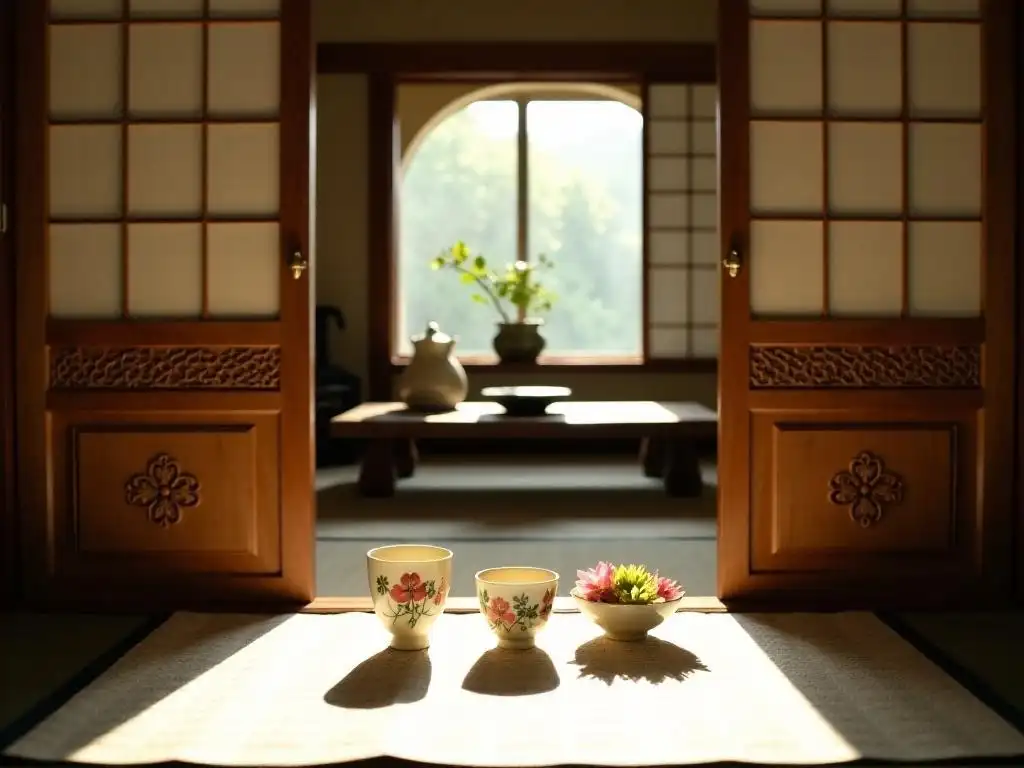
Welcome to Feudal Japan History, where we dive deep into the fascinating tapestry of Japan’s feudal era. Prepare to uncover the rich historical, cultural, and societal layers that have shaped this remarkable period. In our featured article, "How Ryokan Influence Modern Japanese Hospitality Trends," we invite you to explore the enduring legacy of the ryokan—traditional inns that have not only preserved ancient customs but also paved the way for contemporary hospitality trends.
What secrets do these serene retreats hold, and how do they continue to inspire modern travel experiences? Join us on this journey to discover the profound impact of ryokan on today’s hospitality landscape, and you'll be left eager for more insights into the enchanting world of feudal Japan.
- Understanding the Ryokan: A Historical Overview of Traditional Japanese Inns
- The Influence of Ryokan on Modern Hospitality Trends
- Key Elements of Ryokan Modern Hospitality Influence
- Case Studies: Ryokan's Impact on Notable Hotels
- Embracing Ryokan Influences: Recommendations for Travelers
- Conclusion: The Lasting Legacy of Ryokan in Modern Hospitality
- Frequently Asked Questions
- Final Reflection: Embracing the Timeless Influence of Ryokan in Modern Hospitality
- Unveil the Essence of Modern Japanese Hospitality!
Understanding the Ryokan: A Historical Overview of Traditional Japanese Inns
The ryokan, a quintessential element of Japan's rich hospitality landscape, represents more than just a place to stay; it embodies centuries of cultural evolution and societal values that have shaped the Japanese experience. Originating during the Heian period and gaining prominence throughout the feudal era, ryokan have traditionally served travelers and pilgrims, offering not only shelter but also a gateway into the heart of Japanese culture and hospitality.
This article delves into the influence of ryokan on modern hospitality trends, exploring their historical roots, defining characteristics, and significant role in Japanese society. Understanding the ryokan's journey from its inception to its contemporary relevance provides invaluable insight into how these traditional inns continue to inspire and inform the hospitality industry today.
The Origins of Ryokan in Feudal Japan
The history of ryokan can be traced back to the Heian period (794-1185), when these inns primarily catered to travelers and pilgrims venturing to sacred sites. Initially, they were simple lodgings, often attached to temples or shrines. As Japan transitioned into the Kamakura (1185-1333) and Muromachi periods (1336-1573), ryokan began to evolve, reflecting the growing importance of travel, trade, and cultural exchange.
During the Edo period (1603-1868), the establishment of the Tokaido Road, a major route connecting Kyoto and Edo (modern-day Tokyo), significantly boosted the popularity of ryokan. These inns started to incorporate elements of local culture and hospitality, offering guests a taste of regional cuisine and customs. This period also saw the rise of onsen ryokan, which are traditional inns located near hot springs, further enhancing their appeal.
Key Features of Traditional Ryokan
Traditional ryokan are characterized by distinct architectural and design elements that create a unique atmosphere for guests. Key features include:
- Tatami Mats: Flooring made of rice straw, providing a natural and comfortable surface for guests.
- Fusuma and Shoji: Sliding doors and paper screens that allow for flexible space usage and privacy.
- Kaiseki Cuisine: A multi-course dining experience that emphasizes seasonal ingredients and local flavors.
- Engawa: A wooden veranda that connects the indoor and outdoor spaces, offering serene views of gardens or landscapes.
- Yukata: Casual cotton robes provided to guests for comfort during their stay.
These features not only reflect the aesthetic values of simplicity and harmony but also promote a deep connection to nature and the surrounding environment.
The Role of Ryokan in Japanese Culture and Society
Ryokan have played a pivotal role in shaping Japanese culture and societal norms. They serve as a microcosm of traditional Japanese hospitality, known as omotenashi, which emphasizes selfless service and attention to detail. This cultural ethos has influenced modern hospitality practices, both in Japan and globally.
Additionally, ryokan have been instrumental in preserving and promoting cultural heritage through:
- Cultural Activities: Many ryokan offer guests the opportunity to participate in traditional arts, such as tea ceremonies, calligraphy, and ikebana (flower arranging).
- Local Tourism: By providing insights into regional customs and attractions, ryokan support local economies and encourage visitors to engage with the community.
- Environmental Sustainability: The traditional practices of ryokan often align with modern sustainability efforts, focusing on local sourcing and eco-friendly operations.
In essence, the ryokan stands as a living testament to Japan's historical journey, bridging the past with contemporary hospitality trends while continuing to inspire and influence the experiences of modern travelers.
The Influence of Ryokan on Modern Hospitality Trends
The Ryokan, a traditional Japanese inn, has played a crucial role in shaping modern hospitality trends, both in Japan and internationally. By emphasizing service, aesthetics, and cultural immersion, Ryokan have established a foundation for contemporary hospitality practices that prioritize guest experience and satisfaction. As the world becomes increasingly interconnected, the principles and practices of Ryokan are influencing hotels, resorts, and other lodging establishments to adopt a more personalized and culturally rich approach.
How Ryokan Principles Shape Contemporary Hospitality
The core principles of Ryokan hospitality are deeply rooted in Japanese culture and philosophy. These principles include:
- Omotenashi: The spirit of selfless hospitality, where hosts anticipate guests' needs without being intrusive.
- Attention to Detail: Every aspect of service, from room preparation to meal presentation, is meticulously crafted.
- Cultural Authenticity: Guests are immersed in local customs, cuisine, and traditions, creating a unique experience.
In modern hospitality, these principles manifest as:
- Anticipatory Service: Hotels are increasingly training staff to recognize and respond to guest needs proactively, drawing on the Ryokan tradition of omotenashi.
- Experiential Offerings: Many establishments are incorporating local experiences, such as cultural workshops or guided tours, that reflect the Ryokan’s commitment to cultural immersion.
- Sustainability: The Ryokan's traditional practices often emphasize local sourcing and environmental harmony, resonating with the growing trend toward eco-friendly hospitality.
The Aesthetic Appeal of Ryokan: Minimalism and Zen
The aesthetic design of Ryokan is a significant influence on modern hospitality, promoting a minimalist and Zen-inspired approach that resonates with contemporary sensibilities. Key elements include:
- Natural Materials: Ryokan often utilize wood, bamboo, and paper to create a serene environment, fostering a connection with nature.
- Open Spaces: The layout encourages harmony and tranquility, which modern hotels are adopting to provide guests with a peaceful retreat.
- Tatami Mats and Futons: These traditional furnishings emphasize comfort and simplicity, inspiring contemporary accommodations to incorporate similar elements for a more authentic experience.
This aesthetic appeal is crucial as it aligns with current trends in wellness and mindfulness, encouraging guests to unwind and rejuvenate in their surroundings. Many hotels are now integrating elements of Japanese design, such as:
| Design Element | Modern Implementation |
|---|---|
| Natural Light | Large windows and skylights |
| Indoor Gardens | Incorporating plants and water features |
| Clean Lines | Minimalist furniture and decor |
Personalized Guest Experiences: Lessons from Ryokan
One of the standout features of Ryokan is the highly personalized guest experience, setting a benchmark for modern hospitality. This personalization can be broken down into several key aspects:
- Customizable Itineraries: Guests often have the option to tailor their stay, choosing from a variety of activities and dining experiences that reflect their interests.
- Personalized Service: Staff members often remember guests' preferences, creating a sense of familiarity and comfort, which is now seen in luxury hotels worldwide.
- Local Cuisine: Ryokan typically serve seasonal, locally sourced meals that reflect regional flavors, encouraging hotels to focus on authenticity in their culinary offerings.
The emphasis on personalized guest experiences has led to a shift in the hospitality industry, where brands are increasingly recognizing the importance of customization and individual attention. As a result, many hotels and resorts are implementing systems to track guest preferences and feedback, ensuring that every stay is memorable.
The influence of Ryokan on modern hospitality trends is profound and multifaceted. By embodying the principles of omotenashi, minimalism, and personalized service, Ryokan serve as a model for contemporary establishments aiming to provide unique and immersive guest experiences. The legacy of Ryokan continues to inspire the evolution of hospitality, ensuring that the essence of Japanese tradition remains relevant in today's fast-paced world.
Key Elements of Ryokan Modern Hospitality Influence
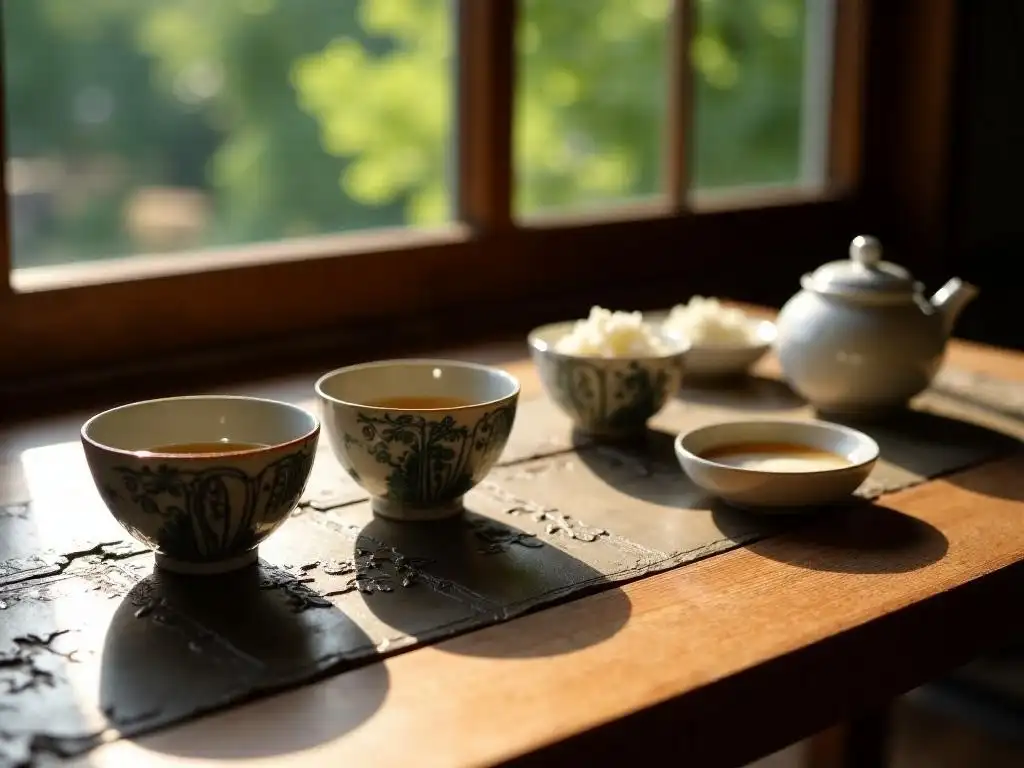
The traditional ryokan, or Japanese inn, has played a pivotal role in shaping contemporary hospitality trends in Japan and beyond. With their unique blend of cultural practices, architectural designs, and culinary offerings, ryokan have left an indelible mark on the hospitality industry. Understanding these key elements helps to appreciate how ryokan continue to influence modern hospitality standards.
Traditional Practices that Inspire Modern Service Standards
The essence of ryokan hospitality lies in its adherence to time-honored practices that prioritize guest experience. These traditions resonate in today's modern hotels, creating a distinct service culture that emphasizes attentiveness and personalization.
Omotenashi: The Spirit of Japanese Hospitality
At the heart of ryokan hospitality is the concept of omotenashi, which embodies selfless service and an acute awareness of guests' needs. This principle goes beyond mere hospitality; it involves anticipating needs before they are articulated, creating a seamless experience for guests.
- Personalized Attention: Modern hotels are increasingly adopting this philosophy, training staff to observe and respond intuitively to guests' desires.
- Attention to Detail: From the arrangement of towels to the presentation of meals, every detail is curated to enhance guest satisfaction, mirroring the meticulous care found in ryokan service.
Omotenashi is not just about service; it’s about creating a memorable experience that leaves a lasting impression.
Seasonal Menus and Local Ingredients: A Culinary Tradition
Ryokan are renowned for their kaiseki dining, which features multiple courses that highlight seasonal ingredients and local produce. This culinary tradition has influenced modern hospitality in several ways:
- Farm-to-Table Philosophy: Many contemporary restaurants within hotels now emphasize local sourcing, reflecting the ryokan's commitment to using fresh, seasonal ingredients.
- Culinary Experiences: Modern hotels are incorporating cooking classes and chef demonstrations, allowing guests to engage more deeply with local cuisine, akin to the immersive dining experiences found in ryokan.
Architectural Influences from Ryokan in Modern Hotels
The architectural style of ryokan has left a lasting legacy on the design of modern hotels. Elements such as space utilization, aesthetic simplicity, and the integration of nature have become essential features in contemporary hospitality environments.
Tatami Mats and Sliding Doors: Incorporating Tradition in Design
The use of tatami mats and fusuma (sliding doors) in ryokan reflects a deep respect for space and atmosphere. These elements have inspired modern hotel designs:
- Flexible Spaces: Hotels are adopting tatami-like materials to create versatile spaces that can be reconfigured based on guest needs.
- Cultural Aesthetics: Sliding doors that blend indoor and outdoor spaces encourage a connection with nature, a principle increasingly embraced in contemporary architecture.
| Element | Ryokan Influence | Modern Application |
|---|---|---|
| Tatami Mats | Natural fibers, warmth | Eco-friendly flooring |
| Sliding Doors | Space efficiency | Open-concept layouts |
Natural Elements: Water Features and Gardens in Hospitality Spaces
Ryokan often feature tranquil gardens and water elements, fostering a serene atmosphere that speaks to the Japanese appreciation for nature. This influence is evident in modern hospitality trends:
- Incorporation of Nature: Hotels are increasingly integrating gardens, water features, and natural light into their designs, creating spaces that invite relaxation and reflection.
- Wellness Focus: The rise of wellness tourism aligns with the ryokan philosophy of harmony with nature, leading many hotels to create spa experiences that reflect this natural connection.
The influence of ryokan on modern hospitality trends is profound and multifaceted. By embracing traditional practices, architectural elements, and culinary philosophies, contemporary hotels are not only preserving cultural heritage but also enriching the guest experience. The ryokan modern hospitality influence continues to shape the landscape of travel and tourism, ensuring that the essence of Japanese hospitality remains alive and thriving.
Case Studies: Ryokan's Impact on Notable Hotels
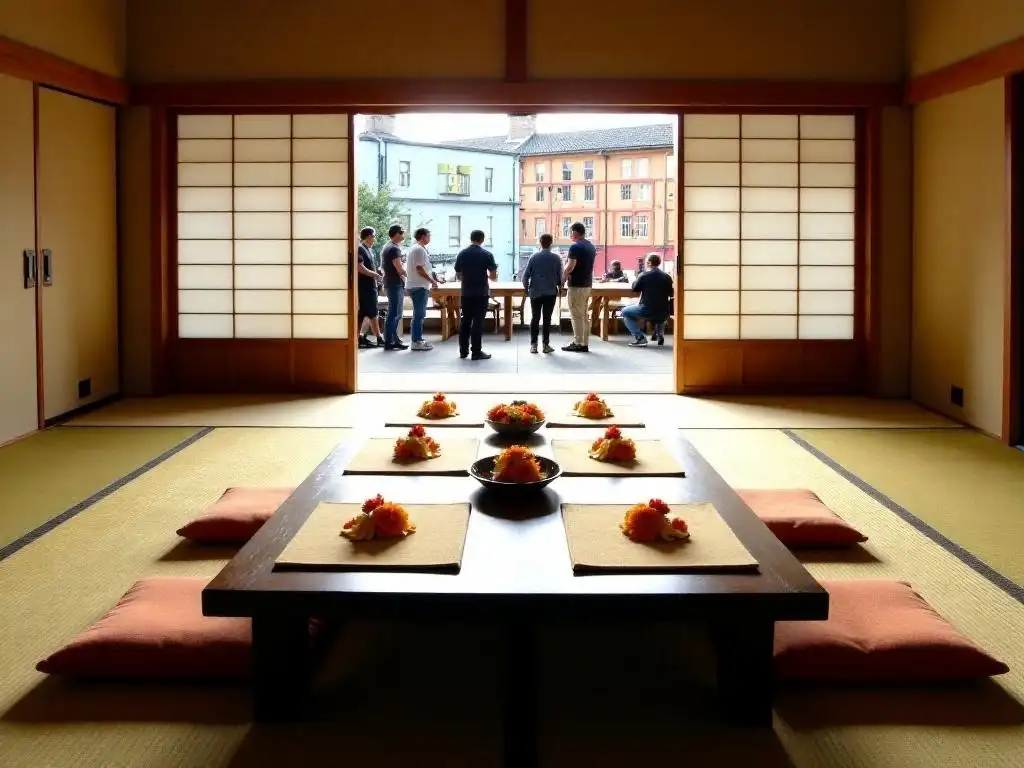
The Ritz-Carlton, Kyoto: Blending Luxury with Tradition
The Ritz-Carlton, Kyoto stands as a prime example of how traditional Ryokan elements are seamlessly integrated into luxury hospitality. This five-star hotel embraces the essence of Ryokan culture, offering guests a unique experience that reflects both opulence and Japanese heritage.
- Architectural Design: The hotel's architecture draws inspiration from traditional Ryokan, featuring wooden structures, sliding shoji doors, and tatami mat flooring in certain areas. The design promotes a harmonious relationship with nature, evident in the stunning views of the Kamo River and surrounding mountains.
- Guest Experience: The Ritz-Carlton, Kyoto emphasizes personalized service akin to that found in Ryokan. Upon arrival, guests are greeted with warm oshibori towels, followed by a welcome drink of matcha tea. The attentive staff is trained to anticipate guest needs, mirroring the traditional Ryokan philosophy of omotenashi, or selfless hospitality.
- Culinary Offerings: The hotel's dining options include kaiseki-style meals, showcasing seasonal ingredients and intricate presentation. This aligns with Ryokan dining traditions, where the meal is an art form, reflecting the cultural significance of food in Japan.
Hoshinoya Resorts: A Modern Take on Ryokan Principles
Hoshinoya Resorts has redefined the concept of Ryokan by merging traditional practices with contemporary luxury. This innovative approach has garnered attention and acclaim within the hospitality industry.
- Design Philosophy: Each Hoshinoya property emphasizes local culture and landscape, creating a unique ambiance that resonates with the Ryokan ethos. The resorts are designed to blend seamlessly with their surroundings, utilizing natural materials and local craftsmanship.
- Wellness Integration: Hoshinoya incorporates wellness and relaxation as core components of the guest experience. Traditional practices such as onsen bathing (hot spring) are integral, providing a serene environment that promotes rejuvenation—an essential element of the Ryokan experience.
- Sustainability Focus: The brand is committed to sustainability, sourcing local ingredients and engaging with communities to preserve cultural heritage. This aligns with the Ryokan's historical role as stewards of local traditions and environments.
The Influence of Ryokan on Boutique Hotels Worldwide
The principles of Ryokan are not confined to Japan; they have inspired a wave of boutique hotels around the globe. These establishments adopt Ryokan characteristics to create unique and culturally rich experiences for their guests.
- Design and Aesthetic: Many boutique hotels incorporate minimalist design principles, similar to Ryokan, focusing on simplicity, natural light, and the use of local materials. This aesthetic promotes tranquility and connection to place, appealing to modern travelers seeking authenticity.
- Culinary Experiences: Boutique hotels often curate dining experiences that reflect local culture and culinary traditions, akin to the Ryokan's focus on kaiseki. This includes farm-to-table concepts, where menus change seasonally based on local produce, enhancing the connection to the surrounding area.
- Personalized Service: Inspired by the Ryokan's dedication to guest care, boutique hotels emphasize personalized service. Staff are trained to provide a tailored experience, fostering a sense of intimacy and familiarity that resonates with the Ryokan tradition of hospitality.
The influence of Ryokan on modern hospitality is profound and multifaceted. From luxury hotels like The Ritz-Carlton, Kyoto to innovative resorts like Hoshinoya and boutique hotels worldwide, the essence of Ryokan continues to shape the landscape of contemporary hospitality, ensuring that the spirit of Japanese tradition endures in the modern era.
Embracing Ryokan Influences: Recommendations for Travelers
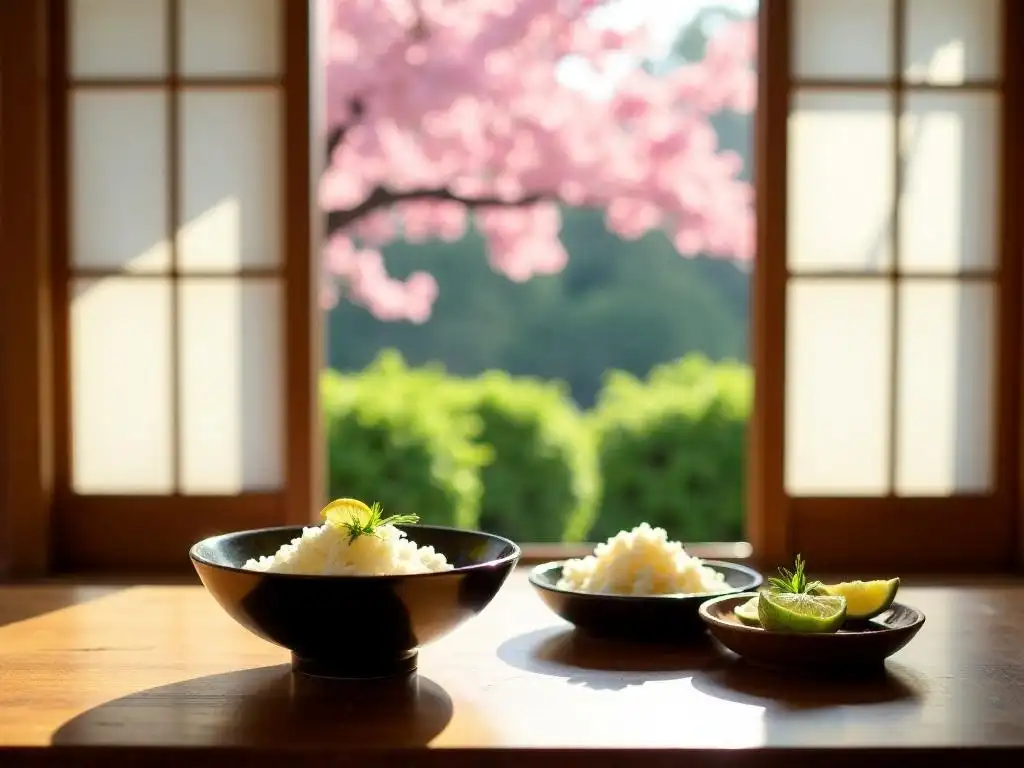
Travelers seeking to immerse themselves in the essence of Japanese culture have much to gain from embracing the influences of ryokan in modern hospitality. These traditional inns offer a unique experience that seamlessly blends the past with the present, providing guests not only a place to stay but also a cultural encounter that can enhance their journey. To fully appreciate the ryokan experience, travelers should follow some recommendations that focus on authenticity, comfort, and cultural engagement.
Choosing a Ryokan for Your Stay: What to Look For
When selecting a ryokan, it is crucial to consider several factors that contribute to a genuine experience. Here are some key elements to keep in mind:
- Location: Opt for ryokan situated in scenic areas or near historical sites. This enhances the cultural immersion and offers stunning views.
- Room Type: Traditional tatami mat rooms provide an authentic experience. Look for options that include futon bedding for a complete ryokan stay.
- Onsen (Hot Springs): Many ryokan feature onsen. Enjoying a soak in these natural hot springs is a quintessential part of the experience.
- Cuisine: Inquire about the meals offered. A ryokan that serves kaiseki, a multi-course Japanese dinner, showcases culinary art and local ingredients.
- Hospitality: Look for ryokan that pride themselves on exceptional service, as the warmth of the staff enhances the overall experience.
Authenticity vs. Modern Amenities: Finding the Right Balance
Travelers often face the dilemma of choosing between authenticity and modern amenities. While some may prefer a more traditional experience, others might seek the comfort of contemporary conveniences. Here are some considerations:
- Preserving Tradition: Authentic ryokan often maintain historical architecture, traditional decor, and customs. This can include omotenashi, the Japanese concept of selfless hospitality, which is integral to the ryokan experience.
- Modern Comforts: Many ryokan now incorporate modern amenities such as Wi-Fi, air conditioning, and en-suite bathrooms without sacrificing their traditional essence.
- Hybrid Options: Some ryokan offer a blend of both worlds. For example, they might feature traditional rooms while providing modern dining experiences or wellness facilities.
By understanding these dynamics, travelers can choose a ryokan that meets their personal preferences while still embracing the rich cultural heritage of Japan.
Top Ryokan to Experience in Japan
To fully appreciate the influence of ryokan on modern hospitality trends, consider these exceptional ryokan that embody the spirit of traditional Japanese inns, while also integrating contemporary elements.
Gion Hatanaka: Unique Features and Guest Experiences
Located in the historic Gion district of Kyoto, Gion Hatanaka stands out for its commitment to preserving the charm of traditional ryokan. Here are some unique features:
- Cultural Performances: Guests can enjoy geiko and maiko performances, providing insight into the rich cultural heritage of the area.
- Traditional Kaiseki Meals: The ryokan offers exquisite kaiseki dinners prepared with seasonal ingredients, elevating the dining experience.
- Personalized Service: The staff at Gion Hatanaka provide attentive service, ensuring guests feel welcomed and valued throughout their stay.
The combination of historical ambiance and immersive cultural experiences makes Gion Hatanaka a must-visit for those interested in the ryokan influence on hospitality.
Tawaraya Ryokan: Combining Tradition with Luxury
Tawaraya Ryokan is one of Japan's most renowned ryokan, celebrated for its luxurious accommodations and commitment to tradition. Notable aspects include:
- Elegant Interiors: Each room is meticulously designed with traditional aesthetics, showcasing exquisite craftsmanship.
- Private Onsen: Tawaraya features private onsen facilities, allowing guests to enjoy a serene bathing experience in the comfort of their own space.
- Exceptional Hospitality: The ryokan is famous for its personalized service, where attention to detail creates a memorable and unique experience for each guest.
Tawaraya Ryokan exemplifies how modern hospitality trends can be harmoniously integrated with traditional values, making it a prime example of ryokan's enduring influence in the hospitality industry.
Ryokan are not just places to stay; they are cultural experiences that resonate with the values of modern hospitality, emphasizing comfort, authenticity, and exceptional service. Whether you're a first-time visitor or a seasoned traveler, embracing these influences can significantly enrich your journey through Japan.
Conclusion: The Lasting Legacy of Ryokan in Modern Hospitality
The influence of Ryokan, traditional Japanese inns, extends far beyond their historical context, shaping modern hospitality trends in profound ways. As we reflect on their legacy, it becomes evident that the unique blend of cultural, aesthetic, and service-oriented principles established by Ryokan continues to resonate within contemporary hospitality practices.
Reflecting on Ryokan's Role in Shaping Future Hospitality Trends
Ryokan embody a philosophy of hospitality that prioritizes personal connection and immersive experiences. This ethos has laid the groundwork for several modern hospitality trends:
- Personalized Service: Ryokan staff are trained to anticipate the needs of their guests, often knowing their preferences even before they express them. This emphasis on personalized service has influenced luxury hotels worldwide to adopt similar practices.
- Cultural Immersion: By offering experiences that allow guests to engage with local traditions, such as tea ceremonies or calligraphy, Ryokan have inspired hotels and resorts to integrate cultural elements into their offerings. This trend is now evident in hospitality sectors globally, where local culture is highlighted to enhance guest experiences.
- Minimalist Aesthetics: The simplicity and natural beauty of Ryokan design, which often features tatami mats, sliding doors, and wooden structures, promote a sense of calm and tranquility. Modern hospitality has increasingly adopted these minimalist principles, emphasizing clean lines and natural materials to create inviting environments.
- Wellness and Mindfulness: The serene atmosphere of Ryokan contributes to mental and physical well-being. This has paved the way for wellness tourism trends, where hotels and resorts incorporate yoga, meditation, and spa services, drawing on the holistic approach of Ryokan hospitality.
The Continued Relevance of Ryokan Principles in Global Tourism
As global tourism continues to evolve, the principles established by Ryokan remain relevant, offering valuable insights for the industry:
- Sustainability: Many Ryokan emphasize eco-friendly practices, such as using locally sourced materials and seasonal ingredients in their cuisine. This focus on sustainability is increasingly important to modern travelers, influencing hotels worldwide to adopt greener practices.
- Community Engagement: Ryokan often serve as cultural hubs, fostering connections between travelers and local communities. This model encourages modern hospitality businesses to develop community-centric programs that enhance guest experiences while supporting local economies.
- Experiential Travel: The trend toward experiential travel, where guests seek authentic experiences rather than mere sightseeing, can be traced back to the immersive offerings of Ryokan. This shift has prompted many hospitality providers to create unique, memorable experiences that connect travelers with the essence of a destination.
The enduring influence of Ryokan on modern hospitality trends underscores the importance of thoughtful, culturally rich, and personalized service in creating memorable guest experiences. As the hospitality industry continues to innovate and adapt, the legacy of Ryokan serves as a guiding light, reminding us that true hospitality is about connection, respect, and an appreciation for the beauty of simplicity.
Frequently Asked Questions
What is a Ryokan?
A Ryokan is a traditional Japanese inn that offers a unique lodging experience, characterized by tatami mat floors, futons, and often serves kaiseki cuisine.
How has Ryokan culture influenced modern hospitality in Japan?
The hospitality principles of Ryokan, such as attention to detail and customer service, have greatly influenced modern Japanese hotels, emphasizing personalized experiences and traditional aesthetics.
What are the key features of modern hotels influenced by Ryokan?
Modern hotels have incorporated elements of Ryokan, such as onsen baths, seasonal decor, and local cuisine, creating a blend of traditional and contemporary hospitality.
Why are Ryokan important for understanding Japanese culture?
Ryokan serve as a cultural bridge, showcasing traditional customs, arts, and hospitality, allowing guests to experience the essence of Japanese heritage firsthand.
How can travelers experience the influence of Ryokan today?
Travelers can seek out Ryokan-style accommodations, participate in tea ceremonies, and enjoy local cuisine to immerse themselves in the rich hospitality traditions that continue to shape modern Japan.
Final Reflection: Embracing the Timeless Influence of Ryokan in Modern Hospitality
The essence of Ryokan, with its deep-rooted traditions and serene aesthetics, continues to shape the landscape of modern hospitality today. As we navigate an increasingly fast-paced world, the principles of Ryokan—simplicity, attention to detail, and a profound respect for nature—serve as a guiding light for contemporary hospitality practices. This enduring influence reminds us that true hospitality transcends mere service; it is an art form that fosters genuine connections and nurtures the spirit.
The impact of Ryokan on the cultural and social fabric of hospitality is profound and ongoing. From the minimalist design of boutique hotels to the personalized experiences offered by modern inns, the Ryokan ethos encourages a return to authenticity and mindfulness. As travelers seek deeper connections with their surroundings, the Ryokan model stands as a testament to the beauty of simplicity and intentionality. > “Hospitality is not about the service; it’s about the experience and the memories created.” This quote encapsulates the heart of Ryokan's influence, urging us to prioritize meaningful interactions over superficial encounters.
As we reflect on the lessons imparted by Ryokan, let us carry forward the spirit of hospitality that values warmth, respect, and connection. I invite you to explore how you can incorporate these principles into your own life, whether in your personal interactions or professional endeavors. By embracing the timeless wisdom of Ryokan, we can cultivate a more compassionate and enriching environment for ourselves and those around us, ensuring that the legacy of this remarkable tradition continues to thrive in the modern world.
Unveil the Essence of Modern Japanese Hospitality!
Thank you for taking the time to explore the rich influence of Ryokan on contemporary Japanese hospitality. We hope you gained valuable insights into how traditional practices continue to inspire and shape today’s experiences. Now, it's time to take action and immerse yourself further in this fascinating topic!
- Embark on a journey to a local Ryokan or a similar traditional inn to experience authentic hospitality firsthand.
- Connect with fellow enthusiasts on social media; share your thoughts and experiences with the hashtag #RyokanExperience to keep the conversation alive.
- Dive deeper into the world of Japanese culture — explore local workshops or online resources to enhance your understanding of hospitality traditions.
What aspect of Ryokan hospitality do you find most inspiring in today’s modern practices?