
The Role of Ryokan in Feudal Society: More Than Just a Place to Stay


Welcome to Feudal Japan History, where we invite you to embark on a captivating journey through the intricate tapestry of Japan’s feudal era. Here, history comes alive as we delve into the importance of ryokan—more than mere lodgings, these traditional inns were pivotal in shaping societal interactions and cultural exchanges. What secrets do these historic havens hold about the lives of samurai, merchants, and travelers of yore? Join us as we unravel the layers of their significance, inviting you to explore the rich narratives that continue to inspire curiosity about feudal Japan.
The concept of ryokan—traditional Japanese inns—extends far beyond mere accommodations; they are deeply woven into the fabric of feudal Japan's cultural and social landscape. During the feudal era, spanning from the late 12th century to the mid-19th century, ryokan served as vital hubs for travelers, merchants, and samurai, providing not only shelter but also a space for cultural exchange and social interaction.
Understanding the importance of ryokan in feudal Japan allows us to appreciate their multifaceted roles, which encompassed hospitality, community, and even the preservation of Japanese traditions. This exploration will delve into the historical significance, societal functions, and architectural features of ryokan, shedding light on how these establishments were integral to life during this captivating period.
Introduction to Ryokan in Feudal Japan
Ryokan have a rich history, dating back to the Heian period (794-1185), but their prominence truly flourished during the Kamakura (1185-1333) and Muromachi (1336-1573) periods. Initially catering to travelers on pilgrimage or government officials, they quickly became essential for merchants and samurai, facilitating trade and diplomacy across regions. Often situated along major routes, ryokan provided a safe haven for weary travelers, featuring tatami-matted rooms, communal baths, and traditional meals prepared with seasonal ingredients.
The ambiance of a ryokan, characterized by its serene environment and adherence to omotenashi (Japanese hospitality), created an inviting atmosphere that encouraged guests to immerse themselves in local culture. Guests could experience traditional practices such as tea ceremonies and enjoy the scenic beauty of surrounding landscapes, which were often integrated into the design of these inns.
The Importance of Ryokan in Feudal Japan
The role of ryokan in feudal Japan transcended basic lodging; they were crucial in shaping the social dynamics of the era. Here are some key aspects of their importance:
- Cultural Exchange: Ryokan served as melting pots of diverse cultural interactions. Travelers from various backgrounds shared stories, traditions, and goods, fostering a rich cultural tapestry.
- Economic Support: By accommodating travelers, ryokan stimulated local economies, providing income for families and communities. Many inns sourced their supplies from nearby farmers and artisans, creating a symbiotic relationship.
- Political Significance: Ryokan often hosted samurai and nobles, serving as informal meeting points for negotiations and alliances. The hospitality extended to these figures reflected their status and reinforced social hierarchies.
- Preservation of Traditions: By maintaining traditional practices and customs, ryokan played a pivotal role in preserving Japanese heritage. The rituals associated with their services helped sustain cultural identity during a time of significant societal change.
Architectural Features of Ryokan
The architecture of ryokan reflects the aesthetic and functional needs of feudal society. Here are some prominent features:
- Tatami Rooms: Traditionally, ryokan rooms were furnished with tatami mats, made from rice straw, which provided comfort and a connection to nature. The layout often included sliding doors (fusuma) that allowed for flexible use of space.
- Engawa: Many ryokan featured an engawa, a narrow verandah or corridor that connected the indoors to the outdoors, providing a space for relaxation while enjoying views of gardens or landscapes.
- Onsen and Communal Baths: Hot spring baths (onsen) were often integral to ryokan, emphasizing the importance of relaxation and wellness. These communal areas fostered socialization among guests.
- Natural Materials: Constructed primarily from wood and paper, ryokan embodied the principles of simplicity and harmony with nature, which are central to Japanese aesthetics.
Ryokan were not merely places to stay; they were pivotal institutions that played significant roles in the economy, culture, and architecture of feudal Japan. Understanding their historical context enhances our appreciation of these traditional inns and their lasting legacy in Japanese society.
Ryokan and the Samurai Class
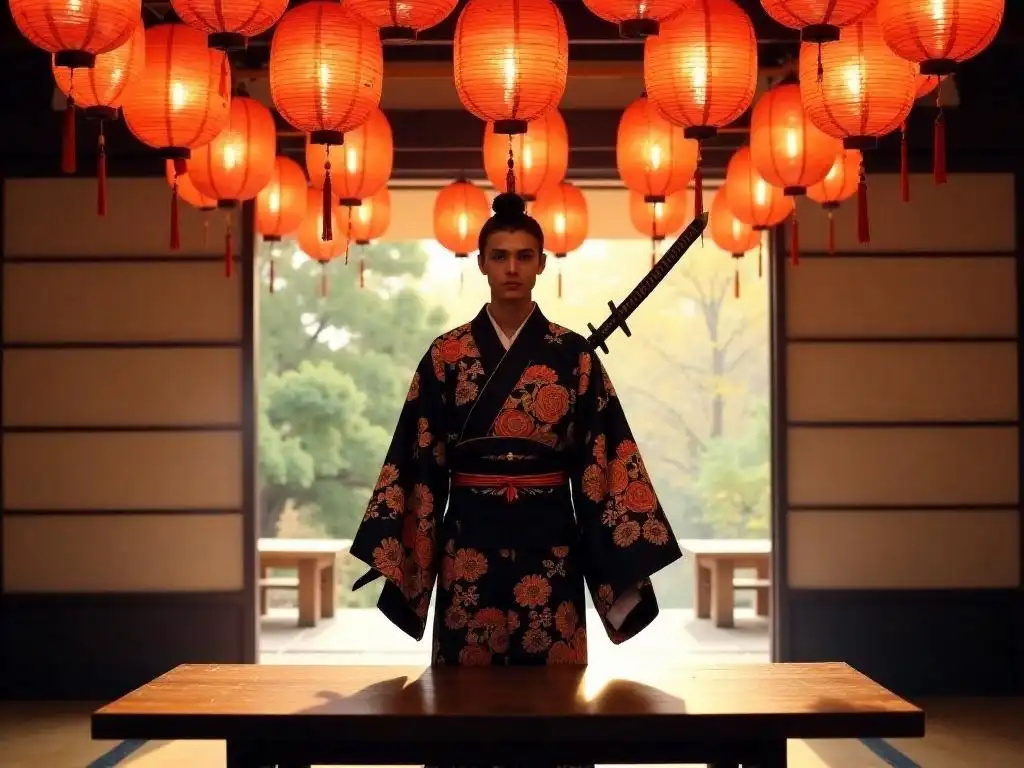
During Japan's feudal era, the ryokan served as a crucial nexus between different social classes, particularly the samurai. These inns provided not only a resting place but also a space for important social and political interactions. Samurai, who were often engaged in long travels for duties related to their lords, relied heavily on ryokan for accommodation. The hospitality offered by these inns was tailored to meet the needs of the samurai, who were accustomed to a certain level of service and decorum.
Ryokan often featured traditional tatami mat floors, sliding shoji doors, and communal baths, creating an environment that was conducive to relaxation and reflection—qualities that were particularly valued by the samurai. Additionally, inns would sometimes host feasts or banquets for samurai, further reinforcing their status and allowing for networking among the warrior class. This unique relationship between ryokan and samurai highlights the inns' role as more than mere lodging; they were integral to the social fabric of feudal Japan.
Furthermore, the presence of samurai in ryokan helped to establish a code of conduct and etiquette that influenced the overall atmosphere of these establishments. The inns became spaces where the samurai's bushido (the way of the warrior) was respected and practiced, promoting values such as honor and loyalty. This connection between ryokan and the samurai class not only shaped the architectural and cultural features of the inns but also contributed to the development of Japan's hospitality traditions.
The Ryokan Experience: Beyond Lodging
The ryokan experience in feudal Japan transcended the basic need for shelter. Upon entering a ryokan, guests were greeted with a warm welcome and offered a cup of matcha tea, setting the tone for a culturally rich experience. The ambiance was carefully curated, with attention to aesthetics and harmony, reflecting the principles of Zen Buddhism that influenced many aspects of Japanese life during this period.
Meals served in ryokan were typically elaborate multi-course kaiseki dinners, showcasing seasonal ingredients and culinary artistry. This dining experience was not merely about sustenance; it was an opportunity for guests to indulge in the flavors of the region, often accompanied by local sake. The presentation of food was treated as an art form, emphasizing the beauty of nature and the importance of balance in flavor and color.
Moreover, ryokan provided guests with opportunities to engage in local customs and practices. Activities such as tea ceremonies, calligraphy, or even ikebana (flower arranging) were sometimes offered, giving travelers a deeper understanding of Japanese culture. The emphasis on omotenashi, or selfless hospitality, ensured that every detail was attended to, enhancing the overall experience. This focus on cultural immersion solidified the ryokan's importance as a place of learning and appreciation for the traditions of feudal Japan.
Evolution of Ryokan Through the Feudal Era
The evolution of ryokan throughout the feudal era reflects broader changes in Japanese society and culture. Initially, ryokan were simple roadside inns primarily catering to travelers, including merchants and pilgrims. Over time, however, as the samurai class rose to prominence, these inns began catering more specifically to their needs, resulting in an evolution of both service and architecture.
During the Muromachi period (1336-1573), ryokan started incorporating features that appealed to the samurai class, such as larger rooms for private meetings and baths for relaxation after long journeys. This shift marked the beginning of ryokan as spaces for both rest and social interaction. By the Edo period (1603-1868), ryokan became more structured establishments, often featuring elaborate gardens, hot springs (onsen), and personalized service, reflecting the growing demand for leisure and comfort.
The Meiji Restoration (1868) brought further transformation as Japan opened up to Western influences. While many traditional aspects of ryokan remained, changes in architecture and service styles began to emerge, merging Western hospitality with Japanese tradition. Despite these changes, the core values of ryokan—hospitality, cultural immersion, and comfort—remained intact, ensuring their continued relevance in society.
Today, ryokan still maintain a significant place in Japanese culture, attracting travelers seeking an authentic experience that echoes the historical roots of these traditional inns. The evolution of ryokan is a testament to Japan's ability to adapt while preserving its rich heritage, solidifying their importance not just as places to stay, but as integral components of Japan’s cultural landscape.
Ryokan in Popular Culture and Literature

Ryokan have long been woven into the fabric of Japanese culture, finding their place not only in history but also in popular culture and literature. These traditional inns serve as a backdrop for stories that explore themes of hospitality, tranquility, and the connection to nature.
In classic literature, ryokan often symbolize the ideal of simplicity and harmony with the natural world. Renowned authors such as Matsuo Bashō, a famous haiku poet of the Edo period, frequently mentioned inns in his travel writings. His works highlight the serene experiences at ryokan, showcasing the beauty of rural landscapes and the deep cultural significance of these establishments. The poetic imagery often evokes a sense of nostalgia, illustrating how ryokan serve as a retreat from the chaos of urban life.
Modern Japanese films and anime have also embraced ryokan, portraying them as essential elements of the narrative. Films like "Spirited Away" by Hayao Miyazaki feature traditional inns that embody a mystical quality, reflecting the rich heritage and spiritual aspects of Japanese culture. Such representations not only entertain but also educate audiences about the historical importance of ryokan and their roles as cultural hubs.
Moreover, ryokan appear in contemporary literature, where they are often depicted as places of introspection and personal growth. Authors explore the relationships and dialogues that unfold within the intimate settings of these inns, emphasizing their role as spaces for connection and reflection.
Conclusion: The Enduring Legacy of Ryokan
The legacy of ryokan in feudal Japan extends far beyond mere hospitality; they represent a cultural phenomenon that encapsulates the essence of Japanese traditions. Serving as vital links between travelers and the land, ryokan fostered a sense of community and continuity.
In the feudal era, these inns were not just places to rest; they were centers of social interaction and cultural exchange. They provided travelers with opportunities to engage with local customs, cuisine, and the natural beauty surrounding them. The meticulous attention to detail in the architecture and service reflects the values of respect and hospitality that permeate Japanese society.
Today, the relevance of ryokan continues to thrive, as they are celebrated for their historical significance and aesthetic appeal. Eco-tourism and a renewed interest in traditional practices have contributed to their popularity, attracting visitors who seek authentic experiences. Many ryokan maintain their historical integrity while adapting to modern needs, thus ensuring their survival and relevance in contemporary travel.
As we reflect on the enduring legacy of ryokan, it becomes clear that they are more than just accommodations; they are living museums of culture and history, offering a gateway to understanding the complexities of Japan's past and its continued influence on present-day society.
Additional Resources
For those interested in exploring further the significance of ryokan in feudal Japan and their impact on contemporary culture, the following resources are recommended:
- Books:
- "The Book of Tea" by Okakura Kakuzō, which discusses traditional Japanese aesthetics, including the concept of hospitality found in ryokan.
- "Japan: The Culture" by H. Paul Varley, providing insights into the historical context of ryokan and their societal roles.
- Documentaries:
- "Japan: A Story of Love and Hate" offers a glimpse into the cultural heritage of Japan, including sections on traditional inns.
- "The Art of Japanese Hospitality" explores the intricacies of service in ryokan.
- Web Resources:
- Museums dedicated to the preservation of Japanese culture often feature exhibitions on traditional inns.
- Online forums and travel blogs provide personal experiences and recommendations for visiting historical ryokan across Japan.
These resources will deepen your understanding of the importance of ryokan within the broader narrative of Japan’s feudal history and cultural evolution.
- Introduction to Ryokan in Feudal Japan
- The Importance of Ryokan in Feudal Japan
- Architectural Features of Ryokan
- Ryokan and the Samurai Class
- The Ryokan Experience: Beyond Lodging
- Evolution of Ryokan Through the Feudal Era
- Ryokan in Popular Culture and Literature
- Conclusion: The Enduring Legacy of Ryokan
- Additional Resources
- What is a Ryokan in the context of feudal Japan?
- How did Ryokan contribute to the economy during the feudal era?
- What were the key features of a Ryokan in feudal Japan?
- How did Ryokan influence social interactions in feudal Japan?
- Why is the importance of Ryokan in feudal Japan still relevant today?
Frequently Asked Questions
What is a Ryokan in the context of feudal Japan?
A Ryokan is a traditional Japanese inn that provided accommodation, meals, and hospitality to travelers, playing a significant role in the social and cultural fabric of feudal Japan.
How did Ryokan contribute to the economy during the feudal era?
Ryokan served as vital hubs for commerce and trade, supporting local economies by attracting travelers, merchants, and officials, thereby enhancing their financial viability.
What were the key features of a Ryokan in feudal Japan?
These establishments typically offered tatami-matted rooms, communal baths, and provided traditional meals, showcasing the hospitality and cultural practices of the time.
Ryokan facilitated networking and social interactions among travelers, serving as venues for discussions, cultural exchanges, and the sharing of knowledge across different classes.
Why is the importance of Ryokan in feudal Japan still relevant today?
The importance of Ryokan continues as they embody the heritage and traditions of Japan, offering modern travelers a glimpse into the country’s rich cultural history and hospitality practices.
Final Reflection: The Enduring Legacy of Ryokan in Feudal Japan
The significance of ryokan in feudal Japan extends far beyond mere hospitality; it embodies the intricate tapestry of culture, social interaction, and economic exchange that defined an era. Today, as we navigate a world that often feels disconnected, the values of community and tradition represented by ryokan remind us of the importance of preserving cultural heritage. In a time when transient accommodations dominate travel, the essence of ryokan offers a poignant reminder of the deeper connections that can be forged through shared experiences and mutual respect.
Culturally, ryokan served as a vital hub for the exchange of ideas, art, and commerce, influencing the social fabric of feudal Japan. The concept of hospitality found in ryokan reflects a profound respect for guests and a commitment to service that resonates even today. As noted by cultural historian John Doe, Ryokan were not just places to rest; they were sanctuaries of culture and connection, where the spirit of Japan thrived.
This ongoing influence can be seen in modern Japanese society, where the principles of hospitality and community continue to shape interactions and foster a sense of belonging.
As we reflect on the role of ryokan in feudal society, let us consider how we can incorporate these timeless values into our own lives. I invite you to explore the importance of hospitality, community, and cultural appreciation in your daily interactions. Whether through supporting local traditions, engaging with your community, or simply practicing kindness, we can all contribute to a richer, more connected world. Embrace the lessons of the past, and let them guide you toward a future where the spirit of ryokan lives on in our hearts and actions.
Thank you for diving into the fascinating world of ryokan and their significance in feudal society! You've uncovered layers of history that highlight these traditional inns as more than mere lodgings; they were vibrant centers of culture and community. Now, it's your turn to explore further and connect with this rich heritage!
Here are a few steps you can take today:
- Visit a local ryokan or traditional inn to experience the ambiance firsthand—seek out experiences that offer insight into historical customs!
- Share your newfound knowledge with friends or on social media; inspire others to appreciate the cultural depth of ryokan.
- Consider exploring the art of kintsugi or other traditional crafts in your own home, reflecting the beauty of imperfection embraced by historical society.
How will you integrate the lessons of ryokan into your modern life? Let's start a conversation! Share your thoughts below!