
EcoFriendly Ryokan: A Sustainable Approach to Traditional Hospitality

Welcome to Feudal Japan History, where we invite you to journey through the captivating tapestry of Japan’s feudal era. As we delve into the intriguing world of sustainable traditional Japanese ryokan, discover how these eco-friendly inns not only preserve cultural heritage but also embrace modern sustainability practices. Are you ready to explore the harmonious blend of tradition and innovation that defines these unique establishments? Join us as we uncover the secrets behind eco-conscious hospitality and its profound impact on travel and tourism in Japan. Your adventure into history starts here!
The concept of sustainability is increasingly becoming a pivotal focus in the travel industry, and Japan's traditional inns, known as ryokan, are no exception. These establishments, deeply rooted in the cultural and historical fabric of Japan, now embrace eco-friendly practices that honor both their heritage and the environment.
In this article, we will explore the evolution of sustainable traditional Japanese ryokan, examining how they integrate environmentally conscious methods into their operations while preserving the essence of Japanese hospitality. This comprehensive exploration will also delve into the intricate balance between tradition and modernity, showcasing how these inns provide a unique travel experience that is both enriching and responsible.
Introduction to Sustainable Traditional Japanese Ryokan
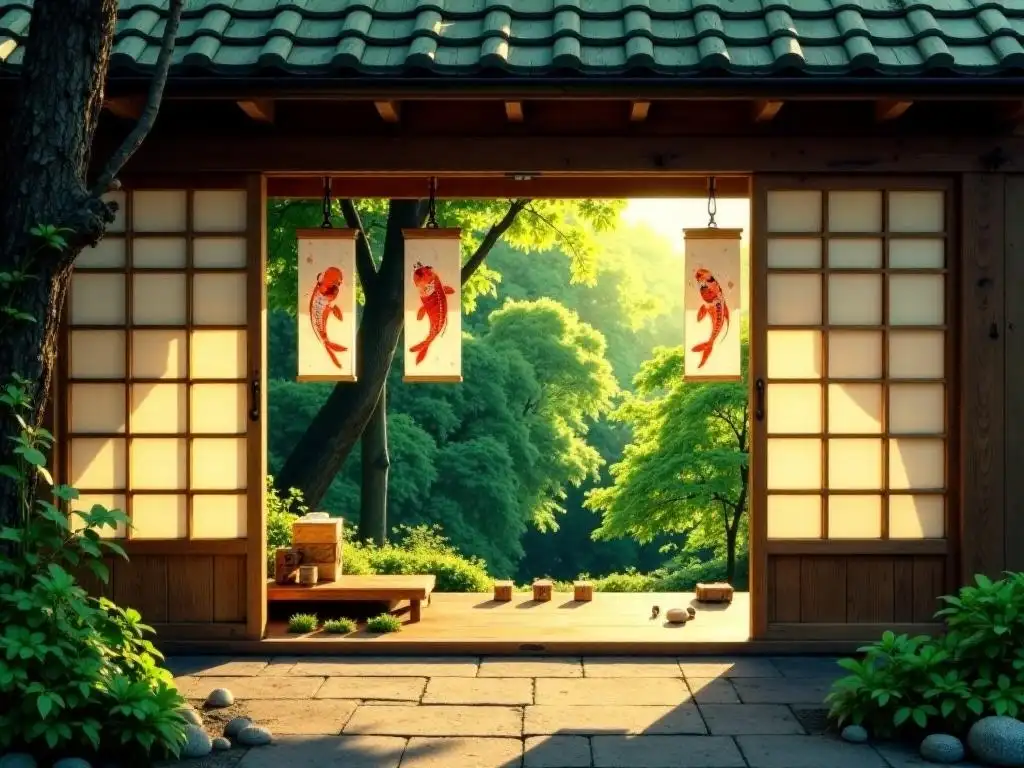
The traditional ryokan offers a unique glimpse into Japan's rich heritage, characterized by tatami mat flooring, sliding shoji doors, and communal baths. However, the definition of a ryokan is evolving as more establishments are adopting sustainable practices. Guests are increasingly seeking accommodations that not only provide luxury and comfort but also prioritize environmental stewardship. This shift reflects a broader awareness of the impact of tourism on local ecosystems and communities.
Many ryokan are now implementing eco-friendly initiatives such as utilizing locally sourced materials, reducing waste, and promoting cultural preservation. This commitment to sustainability not only enhances the guest experience but also contributes to the longevity of these cherished traditions for future generations.
Understanding Sustainable Practices in Ryokan
Sustainable practices in ryokan encompass a myriad of strategies that aim to minimize environmental impact while enriching the guest experience. Here are some key aspects:
- Local Sourcing: Many ryokan prioritize the use of local ingredients in their meals, supporting regional farmers and reducing carbon footprints associated with transportation.
- Energy Efficiency: The integration of energy-efficient appliances and renewable energy sources, such as solar panels, helps reduce energy consumption.
- Waste Management: Implementing robust recycling programs and promoting zero-waste initiatives are common practices among eco-friendly ryokan.
- Water Conservation: Many establishments have adopted water-saving technologies and practices to minimize their usage in baths and kitchens.
These practices not only serve to protect the environment but also enhance the authenticity of the guest experience, connecting visitors to the local culture and community.
What Makes a Ryokan Eco-Friendly?
An eco-friendly ryokan stands out through several distinctive features:
- Architectural Design: Structures that harmonize with natural surroundings, often using traditional building techniques and materials.
- Natural Amenities: Many ryokan utilize natural hot springs ( onsen) for baths, promoting wellness while being environmentally sustainable.
- Cultural Education: Providing guests with insights into local customs, sustainability practices, and the importance of preserving cultural heritage.
These elements combine to create a holistic experience that is both luxurious and sustainable, allowing guests to immerse themselves in Japan's natural beauty while respecting its traditions.
The Role of Traditional Japanese Values in Sustainability
Traditional Japanese values play a crucial role in the sustainability of ryokan. Concepts such as wabi-sabi (finding beauty in imperfection) and mottainai (a sense of regret over wastefulness) influence how these establishments operate. This deep-rooted cultural ethos encourages:
- Simplicity: Emphasizing minimalism in design and offerings, which aligns with sustainable practices.
- Respect for Nature: A cultural appreciation for nature fosters practices that seek to protect and preserve the environment.
- Community Engagement: Many ryokan involve local communities in their sustainability efforts, promoting a sense of shared responsibility and cultural pride.
By integrating these values into their operations, ryokan not only provide a sustainable hospitality model but also serve as a testament to Japan's cultural commitment to environmental stewardship.
Eco-Friendly Features of Sustainable Traditional Japanese Ryokan
Sustainable traditional Japanese ryokan embody eco-friendly practices that respect both the environment and cultural heritage. These inns combine modern sustainability concepts with traditional hospitality, offering travelers an immersive experience that minimizes ecological impact. Key features include the use of natural materials, energy-efficient systems, water conservation techniques, and waste reduction strategies. Many ryokan also prioritize local sourcing of materials and ingredients, supporting nearby communities and reducing transportation emissions. By focusing on these eco-friendly practices, sustainable ryokan provide a unique opportunity for visitors to enjoy Japan's rich culture while fostering environmental stewardship.
Traditional Architecture and Design
The architecture and design of sustainable traditional Japanese ryokan play a crucial role in promoting eco-friendliness. Constructed using natural materials such as wood, bamboo, and rice straw, these inns often feature tatami mat flooring and shoji screens, allowing for natural ventilation and light. This design not only enhances the aesthetic appeal but also reduces reliance on artificial heating and cooling systems.
Moreover, traditional architectural techniques, such as engawa (a wooden veranda), encourage outdoor living and connection with nature. The layout of ryokan often maximizes the use of natural light and views, promoting a tranquil environment that encourages relaxation while minimizing the need for energy consumption. By preserving these traditional designs, sustainable ryokan maintain cultural integrity while championing environmental responsibility.
Sustainable Culinary Practices
Culinary practices at sustainable traditional Japanese ryokan focus on using seasonal, locally-sourced ingredients, minimizing the carbon footprint associated with food production and transportation. Many ryokan embrace the philosophy of "shun," which emphasizes the consumption of fresh, in-season produce that reflects regional flavors. This not only supports local farmers but also enhances the overall dining experience for guests.
Additionally, sustainable ryokan often incorporate organic and chemical-free ingredients into their meals, promoting health and well-being. They may also practice waste reduction techniques, such as composting food scraps and using every part of an ingredient, ensuring minimal waste. By prioritizing sustainable culinary practices, these ryokan provide a dining experience that is both delicious and environmentally conscious.
Case Studies: Notable Sustainable Traditional Japanese Ryokan
Sustainable traditional Japanese ryokan are gaining recognition for their commitment to eco-friendliness while providing exceptional hospitality. Here are notable examples that showcase how these inns implement sustainable practices.
Kagaya Ryokan: A Model of Sustainability
Kagaya Ryokan, located in the Noto Peninsula, stands out as a model of sustainability. This ryokan has implemented numerous eco-friendly initiatives, including energy-efficient lighting, solar power utilization, and water-saving fixtures throughout the facility. The ryokan's commitment to sourcing ingredients from local fisheries and farms ensures that guests enjoy fresh, authentic meals while supporting the regional economy.
Moreover, Kagaya actively engages in community conservation efforts, including beach clean-up initiatives and wildlife preservation projects, making it a leader in integrating hospitality with environmental awareness. Guests at Kagaya can enjoy a luxurious experience while contributing to sustainable practices.
Gora Kadan Ryokan: Blending Luxury with Eco-Friendliness
Gora Kadan, situated in Hakone, seamlessly blends luxury and eco-friendliness. This ryokan is designed with traditional Japanese aesthetics and modern sustainability in mind. The inn utilizes geothermal heating and has implemented an extensive recycling program to minimize waste.
Gora Kadan also prioritizes local ingredients, offering seasonal kaiseki meals that highlight the region's culinary heritage. The ryokan's stunning gardens, which use native plants and organic gardening methods, create a natural habitat for wildlife while providing a serene environment for guests. This combination of luxury and sustainability makes Gora Kadan a premier destination for eco-conscious travelers.
Yoshida-sanso Ryokan: Preserving Tradition with a Green Approach
Yoshida-sanso Ryokan, located in the mountainous region of Takayama, is dedicated to preserving traditional practices while adopting sustainable methods. This ryokan features traditional wooden structures and utilizes energy-efficient technologies to reduce its environmental impact.
Yoshida-sanso takes pride in its farm-to-table dining experience, sourcing ingredients from its own organic garden and local producers. The ryokan also emphasizes the importance of reducing waste through composting and reusing materials whenever possible. By maintaining its traditional charm alongside modern eco-friendly practices, Yoshida-sanso Ryokan exemplifies how sustainable hospitality can honor Japan's rich cultural heritage.
Benefits of Staying in Sustainable Traditional Japanese Ryokan
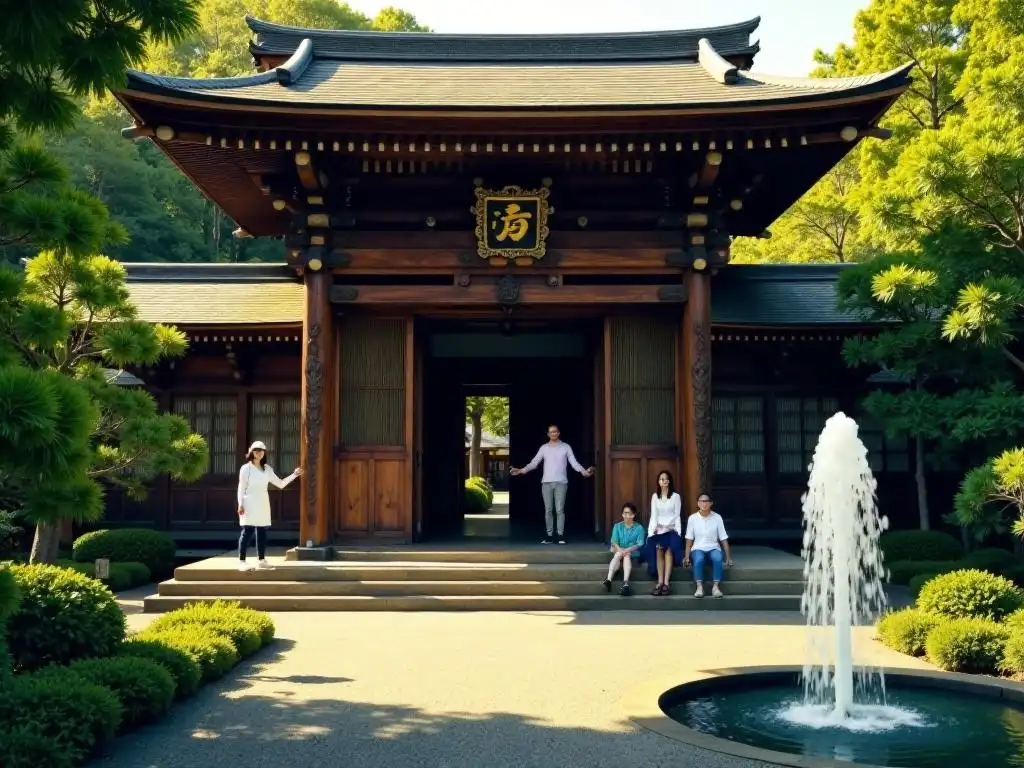
Staying in a sustainable traditional Japanese ryokan offers a unique blend of cultural immersion and eco-consciousness. These inns not only provide an authentic experience of Japan’s rich heritage but also contribute positively to the environment and local communities. The benefits of choosing a sustainable ryokan extend beyond personal enjoyment; they promote responsible tourism and foster a deeper understanding of Japan's environmental and cultural landscape.
Enhancing the Guest Experience
When you opt for a sustainable ryokan, you engage in a more meaningful travel experience. These establishments often prioritize local materials and traditional craftsmanship, resulting in accommodations that are not only aesthetically pleasing but also rich in cultural significance. Guests can expect:
- Authenticity: Sustainable ryokan typically preserve traditional practices, allowing visitors to experience Japanese hospitality (omotenashi) in its most genuine form.
- Wellness and Relaxation: Many sustainable ryokan offer natural onsen (hot springs) sourced from the local environment, promoting relaxation and well-being while minimizing energy use.
- Culinary Delights: Sustainable ryokan often feature seasonal, locally sourced cuisine (kaiseki) that highlights regional ingredients, providing guests with a taste of the area’s culinary heritage.
By choosing a ryokan that emphasizes sustainability, travelers not only enjoy a restful stay but also feel a connection to the local culture and environment.
Supporting Local Communities and Economies
Staying at a sustainable traditional Japanese ryokan also means contributing to the well-being of local communities. These inns often prioritize:
- Local Employment: Many sustainable ryokan employ local staff, providing jobs and supporting the regional economy.
- Community Involvement: Some ryokan engage in community projects, such as conservation efforts or local festivals, which enrich the cultural experience for guests.
- Environmental Stewardship: By adopting eco-friendly practices like waste reduction, energy conservation, and sustainable sourcing, these establishments help protect the environment, ensuring that the natural beauty of Japan remains intact for future generations.
Supporting sustainable ryokan encourages a cycle of economic and environmental sustainability, making travel more responsible and impactful.
How to Choose the Right Sustainable Traditional Japanese Ryokan
Finding the perfect sustainable ryokan for your stay requires careful consideration of various factors. It’s essential to align your preferences with the values and practices of the ryokan you are considering.
Key Factors to Consider
When searching for a sustainable traditional Japanese ryokan, keep these key factors in mind:
- Sustainability Certification: Look for ryokan that are certified by recognized environmental organizations or have received awards for their sustainable practices.
- Local Sourcing: Investigate whether the ryokan uses locally sourced materials and ingredients. This not only supports the local economy but also reduces the carbon footprint.
- Cultural Authenticity: Ensure the ryokan maintains traditional Japanese customs and practices. This can enhance your experience and appreciation of the culture.
- Guest Reviews: Read reviews from previous guests about their experiences, focusing on aspects related to sustainability and overall hospitality.
- Amenities and Services: Consider what amenities are offered, such as onsen, local tours, or cultural experiences, as these can significantly enhance your stay.
By taking the time to research and evaluate these factors, you can select a ryokan that aligns with your values and provides an enriching experience.
Recommended Sustainable Ryokan for Your Visit
For those interested in experiencing sustainable traditional Japanese ryokan, here are a few highly recommended options:
| Ryokan Name | Location | Key Features |
|---|---|---|
| Gion Hatanaka | Kyoto | Eco-friendly practices, local cuisine |
| Kosekiya Ryokan | Takayama | Traditional architecture, local crafts |
| Yufuin Geta House | Yufuin | Natural hot springs, farm-to-table meals |
| Yamanaka Onsen | Nagano | Sustainable building materials, community involvement |
These ryokan not only provide comfortable accommodations but also embody the principles of sustainability, making them ideal choices for environmentally conscious travelers seeking an authentic experience in Japan.
Conclusion: The Future of Sustainable Traditional Japanese Ryokan
As the global emphasis on sustainability continues to rise, the future of traditional Japanese ryokan lies in their ability to adapt and embrace eco-friendly practices. These inns, steeped in centuries of history and culture, have the unique opportunity to blend their rich heritage with modern sustainability initiatives. By implementing green practices such as energy efficiency, waste reduction, and the use of locally sourced materials, ryokan can not only enhance their appeal to environmentally conscious travelers but also contribute positively to the communities in which they operate.
Moreover, the integration of traditional Japanese philosophies—such as wa (harmony) and mottainai (the feeling of regret over waste)—into sustainable practices offers a compelling narrative that resonates with both domestic and international guests. This fusion of old and new not only preserves the essence of ryokan but also ensures their relevance in a rapidly changing world. As travelers increasingly seek authentic experiences that align with their values, ryokan that prioritize sustainability will likely thrive, paving the way for a new era of traditional hospitality that respects nature and cultural heritage alike.
Call to Action
Are you ready to experience the charm of a sustainable traditional Japanese ryokan? Explore our curated list of eco-friendly inns that honor Japan’s rich heritage while committing to environmental stewardship. Whether you’re planning a serene getaway or an immersive cultural experience, choosing a sustainable ryokan is a step towards responsible tourism.
Join the movement towards eco-conscious travel and make your next stay a memorable one, filled with the tranquility and sustainability of Japan’s traditional inns. Book your stay today and contribute to a greener future! 🌿✨
- Introduction to Sustainable Traditional Japanese Ryokan
- Understanding Sustainable Practices in Ryokan
- Eco-Friendly Features of Sustainable Traditional Japanese Ryokan
- Case Studies: Notable Sustainable Traditional Japanese Ryokan
- Benefits of Staying in Sustainable Traditional Japanese Ryokan
- How to Choose the Right Sustainable Traditional Japanese Ryokan
- Conclusion: The Future of Sustainable Traditional Japanese Ryokan
- Call to Action
Frequently Asked Questions
What is a ryokan?
A ryokan is a traditional Japanese inn that offers a unique cultural experience, often featuring tatami mats, futons, and communal baths.
How do eco-friendly ryokans differ from traditional ones?
Eco-friendly ryokans prioritize sustainability by using renewable resources, minimizing waste, and often sourcing food locally, making them more environmentally conscious than traditional options.
What are the benefits of staying in a sustainable ryokan?
Staying in a sustainable ryokan supports local communities, reduces your carbon footprint, and provides a chance to experience traditional hospitality in a more responsible manner.
How can I find a sustainable ryokan in Japan?
You can find a sustainable ryokan by researching online, looking for certifications related to eco-friendliness, or consulting travel guides focused on sustainable tourism in Japan.
What role does local cuisine play in eco-friendly ryokans?
Local cuisine in eco-friendly ryokans emphasizes seasonal ingredients, reducing food miles and supporting local farmers, which enhances both the dining experience and sustainability.
Final Reflection: Embracing Sustainability in Traditional Hospitality
The concept of sustainable traditional Japanese ryokan is not just a trend; it is a vital necessity in our rapidly changing world. As we face the consequences of climate change and environmental degradation, the principles of sustainability embedded in the ryokan culture offer a beacon of hope. These establishments, steeped in history and tradition, remind us that hospitality can coexist harmoniously with nature, encouraging us to rethink our own practices and values in the modern age.
Cultural heritage and environmental stewardship are intertwined, and the eco-friendly practices of ryokan embody this connection. The way these traditional inns prioritize local resources, minimize waste, and foster a deep respect for nature serves as a powerful model for contemporary hospitality and beyond. As we navigate the complexities of modern living, we can draw inspiration from the wisdom of the past. > “Sustainability is not a destination; it is a journey.” This quote encapsulates the ongoing commitment we must all embrace as we strive to create a more sustainable future.
Now is the time to reflect on our own choices and actions. How can we incorporate the values of sustainability into our daily lives, just as ryokan do? Whether it’s choosing eco-friendly accommodations, supporting local artisans, or simply being more mindful of our consumption, every small step counts. Let us take inspiration from the ryokan's commitment to balance and harmony, and commit ourselves to nurturing our planet for generations to come. Together, we can create a world where tradition and sustainability thrive hand in hand.
Embrace Sustainability: Transform Your Travel!
Thank you for exploring the enchanting world of eco-friendly ryokans with us! Your interest in sustainable travel not only enriches your journey but also contributes to preserving our beautiful planet. Now that you’ve discovered the unique charm and benefits of sustainable hospitality, it’s time to take action!
Here are a few ways you can support eco-friendly travel:
- Book your next stay at an eco-friendly ryokan to experience the rich traditions of Japan while minimizing your environmental impact.
- Share your newfound knowledge with friends and family! Encourage them to consider sustainable options when planning their travels.
- Join a local conservation group dedicated to environmental preservation, allowing you to contribute positively to your community.
As you plan your next adventure, remember to consider how your travel choices can make a significant difference.
What steps will you take today to make your travel more sustainable?