
Serenity and Simplicity: The Spiritual Experience of Staying in a Ryokan

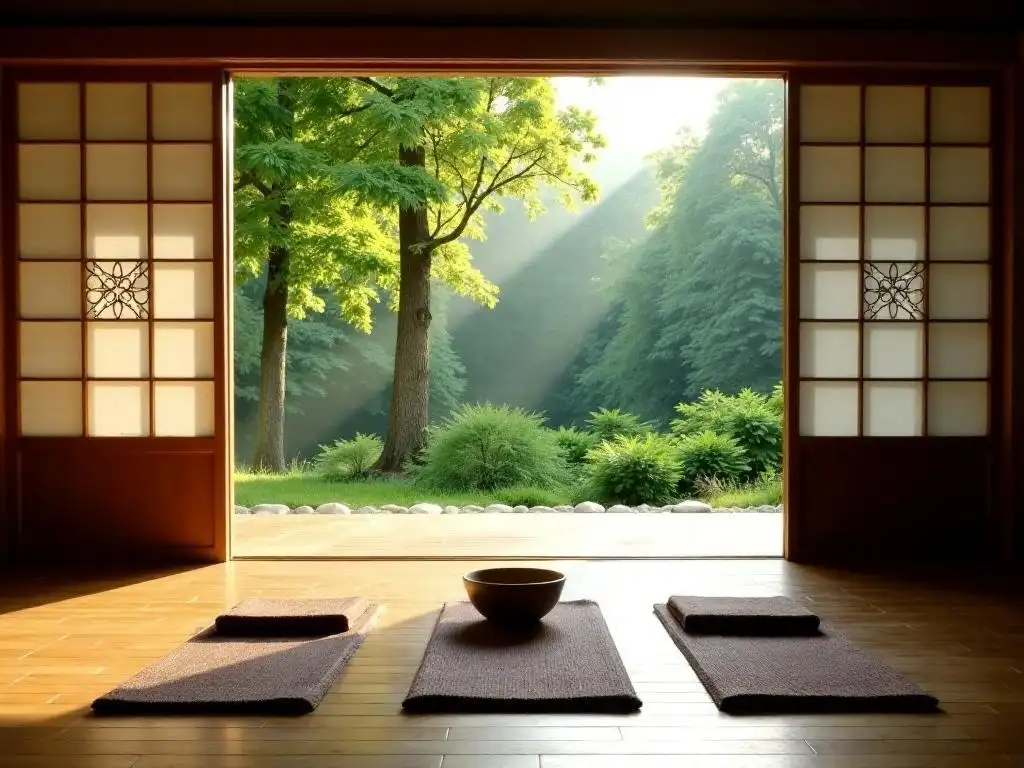
Welcome to Feudal Japan History! Immerse yourself in the rich tapestry of Japan’s feudal era, where history, culture, and society intertwine in fascinating ways. In our latest article, “Serenity and Simplicity: The Spiritual Experience of Staying in a Ryokan,” we invite you to discover how these traditional inns provide a unique glimpse into the tranquil heart of Japanese hospitality. What hidden treasures await you in the serene ambiance of a ryokan? Journey with us as we unveil the spiritual essence of this remarkable experience, sparking your curiosity and inspiring your next adventure in the enchanting world of feudal Japan.
- Introduction to the Spiritual Experience of Staying in a Ryokan
- The Historical Significance of Ryokans in Feudal Japan
- Exploring the Unique Features of Ryokans
- The Spiritual Experience: Rituals and Practices at Ryokans
- Choosing the Right Ryokan for Your Spiritual Journey
- Preparing for Your Stay: Tips for a Spiritual Experience
- Conclusion: The Lasting Impact of a Ryokan Stay on Your Spiritual Journey
- Additional Resources
- Frequently Asked Questions
- Final Reflection: Embracing Serenity and Simplicity in Our Lives
- Embrace Tranquility: Experience the Magic of a Ryokan Stay!
Introduction to the Spiritual Experience of Staying in a Ryokan
Staying in a ryokan is more than just a simple lodging experience; it embodies a deep spiritual journey that resonates with Japan's rich cultural heritage. These traditional inns, often nestled in serene natural settings, offer guests a unique opportunity to immerse themselves in the tranquility of Japanese aesthetics and hospitality.
The keyword "spiritual experience staying in ryokan" encapsulates the essence of what these establishments provide—an oasis of peace that fosters reflection, relaxation, and rejuvenation. In this article, we will explore the intricate layers of the ryokan experience, delving into its cultural significance and the profound sense of calm it instills in visitors.
Understanding the Concept of Ryokan in Japanese Culture
A ryokan is more than just a place to rest; it is a reflection of the Japanese way of life, steeped in tradition and simplicity. Originating during the Edo period (1603-1868), these inns were designed to cater to travelers along Japan's highways. Today, they serve as havens of peace, where guests can experience the essence of Japanese hospitality, known as omotenashi.
- Key Features of Ryokan:
- Tatami Mats: Most ryokan rooms are adorned with tatami mats, made from rice straw and covered with soft rush grass, creating a warm and inviting atmosphere.
- Futon Bedding: Instead of traditional beds, guests sleep on futons, which are laid out on the tatami floor, allowing for a closer connection to the ground and nature.
- Kaiseki Cuisine: Dining in a ryokan often features kaiseki, a multi-course meal that highlights seasonal ingredients and aesthetic presentation, further enhancing the overall experience.
The concept of ryokan embodies the Japanese philosophy of harmony with nature and simplicity, making it a significant aspect of cultural identity.
The Spiritual Journey: Why Choose a Ryokan for Relaxation?
Choosing to stay in a ryokan can transform your travel experience into a spiritual journey, offering benefits that go beyond mere relaxation. Here are a few reasons why a ryokan may be the ideal choice for those seeking peace and rejuvenation:
- Connection to Nature:
- Many ryokan are situated in picturesque locations, such as mountains, rivers, or coastal areas. This proximity to nature encourages guests to engage in mindful practices, such as meditation or quiet reflection.
- Mindful Living:
- The minimalist design and tranquil ambiance of ryokan promote a slower pace of life. Guests are encouraged to embrace simplicity, leading to a deeper sense of mindfulness and presence.
- Cultural Immersion:
- Staying in a ryokan allows visitors to experience traditional Japanese customs, from tea ceremonies to onsen (hot spring) bathing, which can be spiritually enriching and provide a greater appreciation for Japanese culture.
- Holistic Wellness:
- Many ryokan offer wellness programs, including yoga sessions and healing treatments, designed to promote physical and mental well-being, further enhancing the spiritual experience.
The spiritual experience of staying in a ryokan is multifaceted, drawing on Japan's rich cultural heritage and natural beauty to provide a unique journey towards tranquility and self-discovery. Whether you are a weary traveler or a seeker of serenity, a ryokan stay can offer a profound connection to the essence of Japan.
The Historical Significance of Ryokans in Feudal Japan
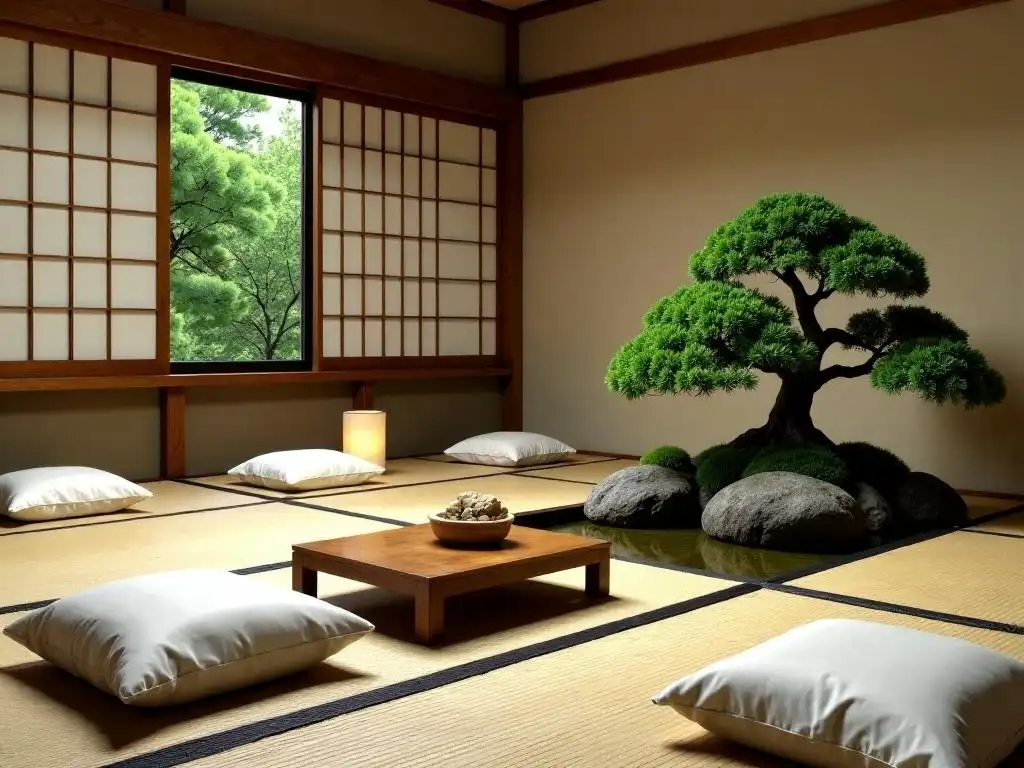
The concept of ryokans, traditional Japanese inns, is deeply rooted in the historical and cultural fabric of Japan, particularly during the feudal era. These establishments not only served as accommodation for travelers but also played a vital role in the social and economic dynamics of the time. The serene atmosphere of ryokans reflects the aesthetic principles of simplicity and tranquility that characterize Japanese culture, offering a unique spiritual experience that resonates with visitors even today.
Origins of Ryokans: From Samurai to Common Folk
Ryokans can trace their origins back to the Heian period (794-1185), where they initially catered to the needs of samurai and aristocrats traveling between provinces. These early inns, known as "yadoya," were often located near important roads and served as rest stops for weary travelers. However, during the Kamakura period (1185-1333), as the samurai class began to establish their dominance, ryokans evolved to accommodate not only the elite but also the growing number of common folk.
- Samurai Influence: The samurai's need for rest and sustenance during their travels led to the establishment of ryokans that offered a glimpse into the lives of these warriors. The inns featured simple yet elegant designs, emphasizing natural materials and minimalistic decor, aligning with the samurai's values of honor and restraint.
- Cultural Shift: As trade routes expanded and travel became more accessible, ryokans began to emerge as a vital part of the hospitality industry in Japan. The influx of travelers from various backgrounds allowed ryokans to adapt and diversify their offerings, integrating local customs and culinary specialties, which enriched the overall spiritual experience staying in a ryokan.
In essence, the origins of ryokans reflect a blend of practicality and cultural richness, evolving from exclusive accommodations for samurai to inclusive havens that welcomed people from all walks of life.
The Role of Ryokans in Japanese Society During the Feudal Era
During the feudal era, ryokans became significant social hubs, facilitating interactions between different classes and fostering a sense of community. They served various purposes beyond mere lodging, influencing both the social fabric and economic landscape of Japan.
- Cultural Exchange: Ryokans provided a unique platform for the exchange of ideas and cultural practices among travelers. Guests often engaged in conversations, sharing stories that contributed to the broader understanding of regional customs and traditions. This cultural exchange created a sense of unity and respect for diversity within Japanese society.
- Economic Impact: The rise of ryokans coincided with increased travel for trade and pilgrimage. As a result, these inns became crucial for local economies, generating income for communities through hospitality services and local craftsmanship. The popularity of ryokans led to the development of infrastructure, such as roads and marketplaces, which further stimulated regional economies.
- Spiritual Experience: The design and ambiance of ryokans, often enhanced by elements such as tatami mats and sliding shoji doors, evoke a sense of calm and mindfulness. Guests could immerse themselves in the tranquil environment, engaging in practices like tea ceremonies or meditation, thus enhancing the spiritual experience staying in ryokan. This aspect of ryokans remains a significant draw for modern travelers seeking respite from the hustle of contemporary life.
Ryokans during the feudal era were more than just accommodations; they were integral to the social, economic, and spiritual landscape of Japan. Their enduring legacy continues to influence the way hospitality is perceived and experienced in contemporary Japan, making them a cherished aspect of the country's rich cultural heritage.
Exploring the Unique Features of Ryokans
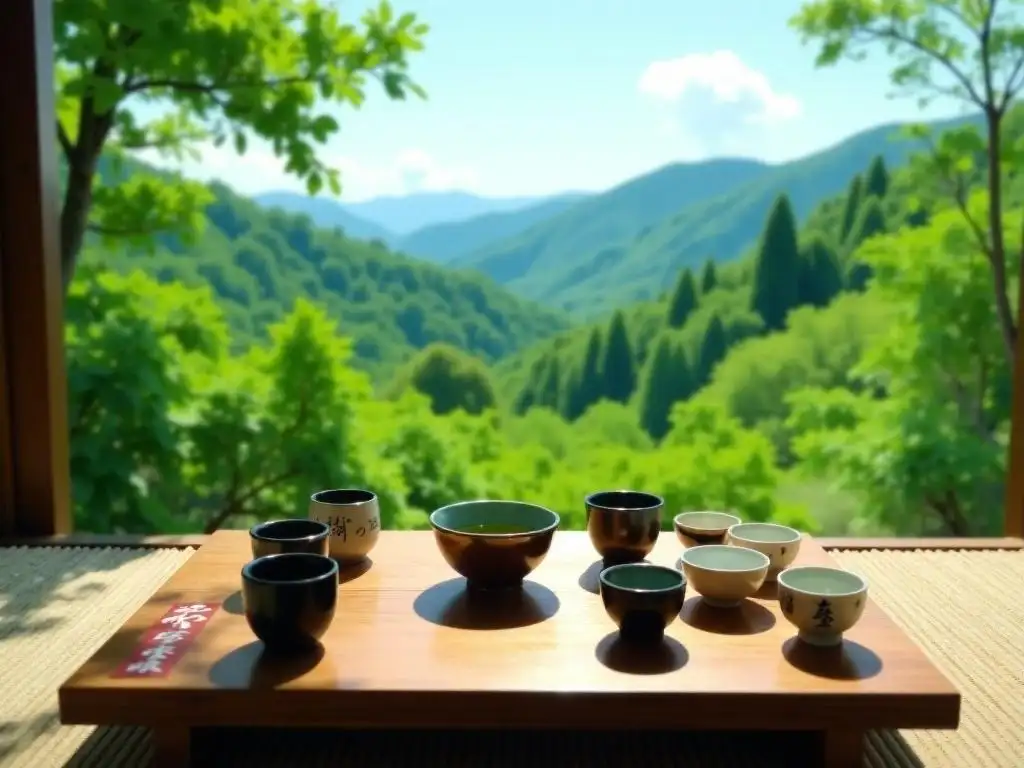
Ryokans, traditional Japanese inns, offer a unique blend of hospitality, culture, and history that creates a profound spiritual experience for visitors. Staying in a ryokan allows guests to immerse themselves in the tranquility and simplicity of Japanese customs. Let’s delve into the defining features that contribute to this enriching experience.
Traditional Japanese Architecture: Aesthetic and Spiritual Elements
The architecture of ryokans is a harmonious reflection of nature, designed to foster a sense of peace and contemplation. Key elements include:
- Natural Materials: Ryokans are typically constructed from wood, paper, and bamboo, materials that resonate with the environment. These elements create a warm, inviting atmosphere, enhancing the spiritual experience.
- Shōji Screens: These sliding doors made of thin wooden frames and translucent paper allow natural light to permeate the space, while also providing a sense of privacy and connection to the surrounding gardens. The gentle play of light and shadows invites contemplation and mindfulness.
- Engawa: The traditional wooden verandas that connect indoor and outdoor spaces encourage guests to step outside and appreciate the natural beauty of their surroundings. This transition promotes a feeling of unity with nature, fostering a deeper spiritual connection.
- Zen Gardens: Many ryokans feature meticulously designed gardens that embody the principles of Zen. The simplicity and tranquility of these spaces serve as a backdrop for meditation and reflection, enhancing the overall spiritual experience.
Tatami Mats and Futons: Creating a Serene Atmosphere
The interiors of ryokans are characterized by tatami mats and futons, which play a significant role in shaping the spiritual ambiance:
- Tatami Mats: Made from rice straw and covered with woven rush grass, tatami mats provide a natural, soft surface that invites guests to walk barefoot, promoting a sense of grounding and connection to the earth. The scent of tatami is often described as calming, further enhancing relaxation.
- Futons: Traditional Japanese bedding, known as futons, are laid directly on the tatami mats. Their simplicity and comfort encourage a restful night’s sleep, allowing guests to awaken refreshed and ready to embrace the day's spiritual journey.
- Minimalist Design: The minimalist aesthetic prevalent in ryokans reduces distractions and clutter, fostering a serene environment conducive to introspection and mindfulness.
Onsen (Hot Springs): The Healing Power of Natural Baths
Onsen, or natural hot springs, are integral to the ryokan experience, offering both physical and spiritual benefits:
- Therapeutic Properties: The mineral-rich waters of onsens are believed to have healing properties, promoting relaxation and rejuvenation. Bathing in these natural springs can alleviate stress and enhance emotional well-being, contributing to a holistic spiritual experience.
- Connection to Nature: Many ryokans are situated near scenic landscapes, allowing guests to soak in onsen while surrounded by breathtaking views. This connection to nature further deepens the spiritual experience, enabling guests to appreciate the beauty and tranquility of their environment.
- Cultural Rituals: The practice of bathing in onsen is steeped in tradition, often involving rituals that emphasize respect for nature and self-care. Engaging in these customs allows guests to connect with Japan's cultural heritage, enhancing their overall spiritual journey.
The unique features of ryokans—including traditional architecture, tatami mats, futons, and onsen—create a serene and spiritually enriching experience for guests. Each element contributes to a holistic environment that fosters mindfulness, relaxation, and a deep appreciation for Japanese culture and nature.
The Spiritual Experience: Rituals and Practices at Ryokans
The spiritual experience of staying in a ryokan is deeply intertwined with the rituals and practices that define this traditional Japanese lodging. Ryokans are not mere accommodations; they embody a philosophy of simplicity, tranquility, and a profound connection to nature. Guests are encouraged to immerse themselves in the serene environment, engaging in activities that promote mindfulness and reflection.
The Art of Tea Ceremony: A Meditative Experience
The tea ceremony, or chanoyu, is an essential aspect of the ryokan experience, transforming the act of drinking tea into a ritual of mindfulness and respect. This practice is more than just preparing and serving tea; it is about creating a serene atmosphere that encourages participants to appreciate the present moment.
- Preparation and Presentation: The meticulous preparation of the tea, often matcha (powdered green tea), involves precise movements and an appreciation for aesthetics. The utensils used—such as the whisk, bowl, and tea caddy—are often handcrafted and reflect the beauty of simplicity.
- Mindful Consumption: Guests are invited to partake in the tea ceremony, which includes a moment of silence to center oneself before sipping the tea. This practice encourages individuals to focus on the flavors and sensations, enhancing their spiritual experience.
- Symbolism and Philosophy: Each aspect of the tea ceremony is steeped in symbolism, from the choice of tea to the arrangement of the room. The four principles of the tea ceremony—harmony ( wa), respect ( kei), purity ( sei), and tranquility ( jaku)—guide participants toward a deeper understanding of their surroundings and themselves.
Zen Gardens: Connecting with Nature During Your Stay
Zen gardens, or karesansui, are another integral element of the ryokan experience, providing a tranquil space for reflection and contemplation. These gardens, characterized by their minimalist design, are meticulously arranged with rocks, gravel, and occasionally plants, creating a serene landscape that encourages mindfulness.
- Symbolic Elements: The rocks represent mountains or islands, while the raked gravel symbolizes water. This simplification of nature invites guests to reflect on their place within the larger universe, fostering a spiritual connection with the environment.
- Meditative Practices: Many ryokans offer spaces where guests can practice meditation or simply sit in silence, allowing the beauty of the garden to inspire introspection. The sound of gravel shifting underfoot, combined with the visual serenity of the garden, creates an ideal setting for a mindful escape.
- Seasonal Changes: The experience of a Zen garden can change dramatically with the seasons, offering different perspectives and reflections throughout the year. This cyclical nature encourages visitors to embrace impermanence and appreciate the transient beauty of life.
Mindfulness and Meditation: Enhancing the Spiritual Experience
Staying in a ryokan provides an excellent opportunity to practice mindfulness and meditation, integral to enhancing the spiritual experience. The peaceful ambiance, coupled with traditional practices, creates a conducive environment for personal reflection.
- Structured Activities: Many ryokans offer guided meditation sessions and mindfulness workshops, allowing guests to explore various techniques such as breath awareness and body scanning. These structured activities can help participants deepen their understanding of mindfulness.
- Personal Reflection: Guests are encouraged to engage in personal meditation practices, whether it be through guided sessions or quiet reflection in their room or the gardens. The simplicity of the ryokan environment supports this journey inward, free from the distractions of modern life.
- Integration into Daily Life: The principles of mindfulness learned during a stay in a ryokan can easily be integrated into daily life. The emphasis on simplicity and presence encourages guests to carry these lessons beyond their visit, fostering a lasting spiritual connection.
The spiritual experience of staying in a ryokan is enriched by its rituals and practices, such as the tea ceremony, Zen gardens, and opportunities for mindfulness and meditation. Each element serves to create an immersive environment that nurtures personal reflection and connection with nature, making the ryokan a unique and transformative experience.
Choosing the Right Ryokan for Your Spiritual Journey
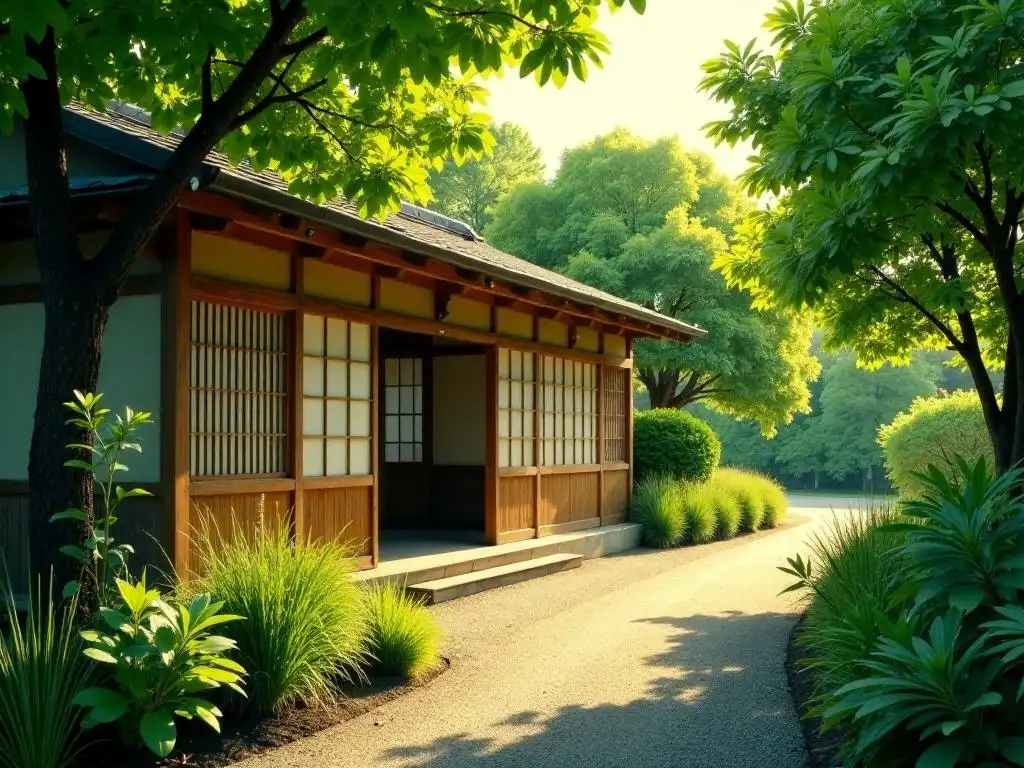
Top Ryokans to Experience Spirituality in Japan
When embarking on a spiritual experience staying in ryokan, the choice of the inn can profoundly influence your journey. Here are some top ryokans celebrated for their serene environments and deep-rooted traditions.
Gora Kadan: A Tranquil Escape in the Mountains
Nestled in the Hakone mountains, Gora Kadan offers a serene atmosphere characterized by its stunning natural surroundings. This ryokan, which was once a summer retreat for the imperial family, combines traditional Japanese aesthetics with modern comforts.
- Key Features:
- Onsen (Hot Springs): The ryokan features private outdoor baths fed by natural hot springs, allowing guests to immerse themselves in nature while enjoying a therapeutic soak.
- Zen Gardens: Carefully manicured gardens provide a space for meditation and reflection, enhancing the spiritual ambiance.
Guests often describe their stay as a journey towards inner peace, with the crisp mountain air and the sound of rustling leaves contributing to a meditative experience.
Tawaraya Ryokan: Traditional Elegance Near Kyoto
Tawaraya Ryokan is one of the oldest ryokans in Japan, established over 300 years ago in Kyoto. This ryokan epitomizes traditional Japanese hospitality, where every detail is meticulously crafted to enhance the guest experience.
- Key Features:
- Tatami-Matted Rooms: The rooms are adorned with tatami mats and sliding shoji doors, offering an authentic Japanese aesthetic that promotes tranquility.
- Kaiseki Cuisine: Guests can indulge in multi-course kaiseki meals prepared with seasonal ingredients, reflecting the philosophy of simplicity and harmony.
Staying at Tawaraya allows visitors to connect with the rich cultural heritage of Japan while enjoying the serene atmosphere that fosters introspection.
Hoshinoya Kyoto: Luxury and Spirituality by the Sea
Located alongside the picturesque Hozu River, Hoshinoya Kyoto seamlessly blends luxury with the spiritual essence of ryokan hospitality. This innovative ryokan has gained recognition for its commitment to environmental sustainability, making it a unique choice for conscious travelers.
- Key Features:
- Nature Immersion: Each room offers breathtaking views of the surrounding nature, creating a bond between guests and the natural world.
- Cultural Experiences: Hoshinoya offers various activities, including Zen meditation sessions and traditional tea ceremonies, enriching the spiritual experience.
The harmonious design and tranquil setting of Hoshinoya Kyoto encourage guests to unwind and reconnect with their inner selves, making it ideal for those seeking spiritual rejuvenation.
Factors to Consider When Selecting a Ryokan
Choosing the right ryokan for your spiritual journey involves more than just the amenities; it requires a thoughtful approach to the overall experience.
Location and Environment: Finding Your Peace
The environment surrounding a ryokan plays a pivotal role in shaping the spiritual experience.
- Natural Surroundings: Look for ryokans located in tranquil areas, such as mountains, rivers, or coastal regions, that promote a sense of peace.
- Accessibility to Nature: Proximity to nature trails or sacred sites can enhance the experience of solitude and reflection.
Optimal locations often lead to deeper spiritual connections, allowing guests to immerse themselves fully in their surroundings.
Amenities and Services: Enhancing Your Stay
While the ambiance is crucial, the amenities and services offered by a ryokan can significantly impact your comfort and overall experience.
- Onsen Facilities: Hot springs are essential for relaxation and rejuvenation, making them a key feature to consider.
- Dining Options: Look for ryokans that provide traditional kaiseki meals, as the connection to food and culture can elevate your spiritual journey.
- Cultural Activities: Participation in activities like tea ceremonies or calligraphy can deepen your understanding of Japanese spirituality and traditions.
Evaluating these factors ensures that your stay aligns with your spiritual goals, enhancing the overall experience of staying in a ryokan.
Preparing for Your Stay: Tips for a Spiritual Experience
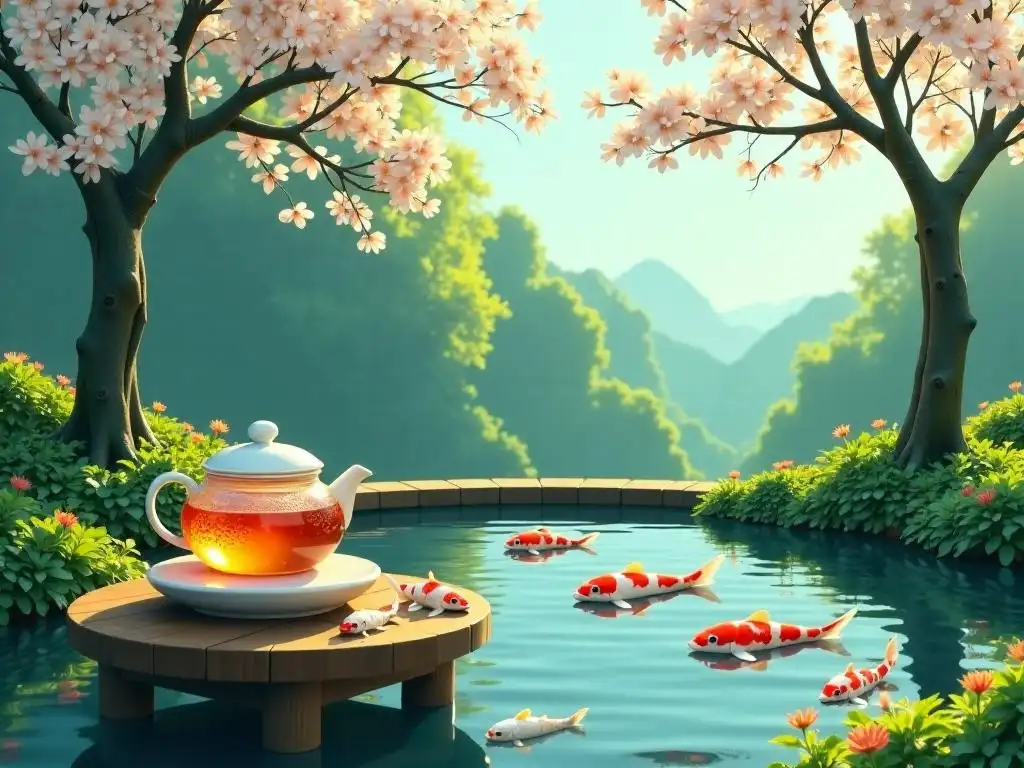
Staying in a ryokan offers a unique opportunity to immerse oneself in the tranquility and simplicity of Japanese culture, making it a perfect setting for a spiritual experience. Here are some tips to ensure that your stay is both enriching and respectful of the traditions that define these traditional inns.
What to Bring for a Spiritual Journey in a Ryokan
To enhance your spiritual experience while staying in a ryokan, consider packing the following items:
- Comfortable Clothing:
- Loose-fitting garments, such as kimono or yukata, are ideal for the ryokan environment.
- Bring layers to adjust to the varying temperatures of your room and the communal areas.
- Personal Meditation Items:
- A small mat or cushion for meditation can be beneficial.
- If you practice mindfulness or meditation, consider bringing a journal to reflect on your experiences.
- Essential Oils or Incense:
- A calming scent can enhance the serene atmosphere. Opt for subtle fragrances like sandalwood or lavender.
- Footwear:
- Indoor slippers are often provided, but you may want to bring your own pair that you find comfortable and calming.
- A Good Book:
- Select a book that resonates with your spiritual journey, whether it’s poetry, philosophy, or religious texts.
By bringing these items, you can cultivate a deeper connection to your surroundings and enhance your overall experience.
Etiquette and Customs: Respecting the Tradition
Understanding and practicing the etiquette associated with staying in a ryokan is crucial for a spiritually fulfilling experience. Here are some customs to keep in mind:
- Shoes Off:
- Remove your shoes upon entering your room and any tatami-matted areas. This practice shows respect for the space and maintains its cleanliness.
- Politeness:
- Bowing slightly when greeting staff is customary and reflects the deep-rooted respect within Japanese culture.
- Communal Bathing Etiquette:
- If your ryokan features an onsen (hot spring), remember to wash and rinse your body thoroughly before entering the communal bath. This is a sign of respect for other guests.
- Dining Etiquette:
- When enjoying a kaiseki meal, take a moment to appreciate the presentation and flavors. Avoid rushing through your meal; instead, savor each bite as part of your spiritual journey.
- Quietness:
- Maintain a peaceful atmosphere by keeping noise to a minimum. This enhances the tranquil environment that ryokans are known for.
Familiarizing yourself with these customs will not only show respect for the ryokan's traditions but also enrich your spiritual experience.
Activities to Engage in for a Deeper Spiritual Connection
Engaging in specific activities during your stay can significantly deepen your spiritual experience in a ryokan. Here are some suggestions:
- Meditation and Mindfulness:
- Dedicate time each day to meditate in your room or in a quiet garden. The serene environment is conducive to deep reflection.
- Nature Walks:
- Explore the surrounding natural landscape. Many ryokans are situated near beautiful gardens, mountains, or rivers, offering a perfect backdrop for contemplation.
- Tea Ceremony:
- Participate in a traditional tea ceremony, if available. This ritual emphasizes mindfulness and the appreciation of simplicity, aligning perfectly with the spiritual ethos of ryokans.
- Cultural Workshops:
- Look for opportunities to engage in traditional crafts or cooking classes. Learning about Japanese culture firsthand can foster a deeper spiritual connection.
- Journaling:
- Spend time writing about your thoughts and experiences during your stay. This practice can help you process your journey and deepen your self-awareness.
By incorporating these activities into your stay, you can cultivate a more profound spiritual experience, leaving you rejuvenated and inspired.
Conclusion: The Lasting Impact of a Ryokan Stay on Your Spiritual Journey
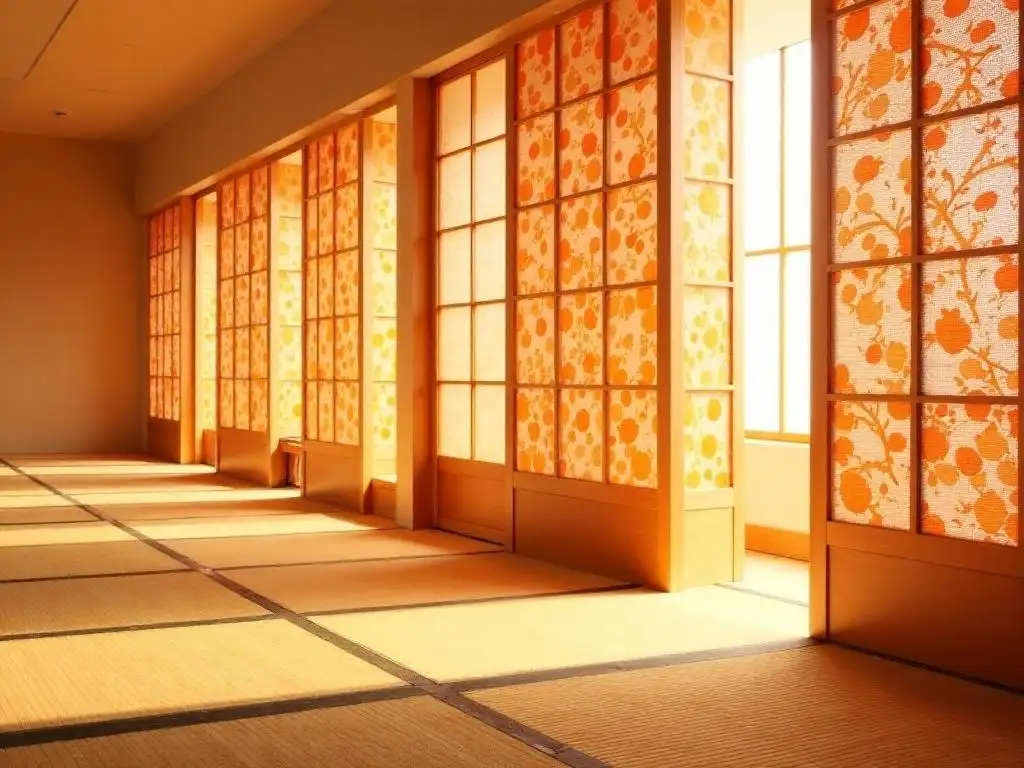
Staying in a ryokan is not merely a trip; it is a transformative journey that touches the soul and nurtures the spirit. The serene atmosphere, traditional architecture, and meticulous attention to detail in these inns create an ideal setting for introspection and reflection. As guests immerse themselves in the tranquil surroundings, they often find a renewed sense of peace and clarity, which can have a lasting impact on their spiritual journey.
The experience of staying in a ryokan encapsulates the principles of wabi-sabi—the Japanese aesthetic that finds beauty in imperfection and simplicity. This philosophy encourages visitors to appreciate the fleeting nature of life and the beauty of everyday moments. Through this lens, guests can begin to cultivate a deeper appreciation for their own lives, fostering a spiritual connection that transcends the physical experience.
Reflecting on Your Experience: Journaling and Sharing
To deepen the spiritual experience of staying in a ryokan, many guests find it beneficial to engage in reflective practices such as journaling. By documenting their thoughts, feelings, and observations during their stay, visitors can process their experiences and enhance their connection to the serene environment.
Here are some prompts to consider while journaling during your ryokan stay:
- What emotions arise as I immerse myself in the tranquil surroundings?
- How does the simplicity of my accommodations affect my mindset?
- What moments of beauty or insight did I encounter today?
Sharing these reflections with others can also amplify the impact of the experience. Whether through social media, blogs, or personal conversations, articulating your journey can inspire others to seek their own spiritual awakening through a stay at a ryokan.
How Staying in a Ryokan Can Transform Your Understanding of Serenity
A stay in a ryokan offers more than just a unique lodging experience; it can fundamentally alter your perception of serenity. The environment is intentionally designed to promote relaxation and mindfulness.
Key aspects of ryokan that contribute to a deeper understanding of serenity include:
- Natural Elements: Many ryokan are set in picturesque landscapes, from lush gardens to serene mountains. This connection to nature fosters a sense of calm and helps guests disconnect from the chaos of modern life.
- Traditional Practices: The experience often includes traditional tea ceremonies and onsen (hot spring) baths, which encourage mindfulness and presence. Engaging in these practices allows guests to slow down and savor the moment.
- Minimalist Aesthetics: The simplicity of furnishings and decor in a ryokan embodies the essence of tranquility. This minimalist approach invites guests to focus on what truly matters, leading to a clearer understanding of their own desires and goals.
In essence, the spiritual experience of staying in a ryokan is not merely about the physical space but about the profound sense of peace and reflection it cultivates within. This transformation can resonate long after the stay, enriching one's spiritual journey and enhancing everyday life.
Additional Resources
Recommended Reading on Ryokan and Spirituality
Exploring the spiritual experience of staying in a ryokan can be greatly enhanced by delving into literature that captures the essence of these traditional inns and their deep-rooted cultural significance. Below are some recommended readings that provide insight into the interplay between ryokan, Japanese aesthetics, and spirituality:
-
"The Book of Tea" by Okakura Kakuzō
This classic text explores the philosophy of tea, which is closely tied to the ryokan experience. It delves into concepts of simplicity, beauty, and tranquility that resonate with the spiritual ambiance of these inns.
-
"In Praise of Shadows" by Jun'ichirō Tanizaki
Tanizaki's essay is a profound reflection on Japanese aesthetics, focusing on the interplay of light and shadow. It provides an understanding of how these elements contribute to the serene atmosphere found in ryokans.
-
"Zen and the Art of Motorcycle Maintenance" by Robert M. Pirsig
While not exclusively about ryokan, this philosophical work addresses the concept of quality and the appreciation of simplicity, echoing the values found in the ryokan experience.
-
"Wabi-Sabi: For Artists, Designers, Poets & Philosophers" by Leonard Koren
This book explores the Japanese aesthetics of wabi-sabi, which celebrates imperfection and transience—key elements of the ryokan experience that contribute to its spiritual nature.
-
"The Essence of Japanese Design" by H. J. P. B.
An exploration of traditional Japanese design principles, this book illustrates how these concepts manifest in ryokan architecture and decor, enhancing the overall spiritual experience.
Links to Booking Platforms for Authentic Ryokan Experiences
Finding the right ryokan for an authentic spiritual experience can be simplified with the following booking platforms:
-
A well-known platform for travelers seeking authentic Japanese experiences, including a wide selection of ryokan accommodations across Japan.
-
This global platform features numerous ryokan listings, allowing users to filter results based on amenities, location, and guest reviews.
-
For those seeking unique stays, Airbnb offers several ryokan options that provide the chance to experience traditional Japanese hospitality in a more personalized setting.
-
A Japanese travel site that specializes in local accommodations, including a variety of ryokan, offering exclusive deals for travelers.
-
A comprehensive travel site that specializes in ryokan bookings, providing detailed descriptions and user reviews to help travelers make informed choices.
By immersing oneself in the recommended readings and utilizing these booking resources, travelers can maximize their spiritual experience while staying in a ryokan, embracing the tranquility and simplicity that these traditional inns offer.
Frequently Asked Questions
What is a ryokan?
A ryokan is a traditional Japanese inn that offers guests a unique experience of Japanese culture, hospitality, and cuisine, often set in beautiful natural surroundings.
How does staying in a ryokan provide a spiritual experience?
Staying in a ryokan allows guests to immerse themselves in serenity and simplicity, promoting relaxation and a deeper connection to Japanese traditions and nature.
What amenities can I expect at a ryokan?
Ryokans typically feature tatami mat rooms, communal baths, and kaiseki meals—a multi-course dinner that emphasizes seasonal ingredients and presentation, enhancing the overall experience.
Are ryokans suitable for all types of travelers?
Yes, ryokans cater to various travelers, including those seeking a cultural experience, couples on a romantic getaway, or individuals looking for peace and tranquility.
How do I choose the right ryokan for my stay?
Consider factors like location, price, and the specific amenities you desire, such as meals, onsen (hot springs), and the overall atmosphere to select the ryokan that aligns with your spiritual experience goals.
Final Reflection: Embracing Serenity and Simplicity in Our Lives
In a world that often prioritizes chaos and complexity, the spiritual experience of staying in a ryokan reminds us of the profound beauty found in simplicity. The tranquil atmosphere, traditional practices, and deep-rooted cultural significance of these inns offer a unique opportunity to reconnect with ourselves and the world around us. As we navigate our fast-paced lives, the lessons learned from a ryokan stay resonate more than ever, urging us to seek moments of stillness and reflection amidst the noise.
The influence of this experience extends beyond the confines of a ryokan; it permeates our cultural and social landscapes, encouraging a collective shift towards mindfulness and appreciation for simplicity. The act of slowing down and embracing the present moment fosters a deeper connection to our surroundings and to each other. Simplicity is the ultimate sophistication.
– Leonardo da Vinci. This quote encapsulates the essence of what a ryokan stay offers: a chance to strip away the unnecessary and focus on what truly matters, allowing us to cultivate a more meaningful existence.
As you reflect on the insights gained from this article, I invite you to consider how you can incorporate the principles of serenity and simplicity into your daily life. Take a moment to pause, breathe, and appreciate the beauty in the ordinary. Whether through a weekend retreat or simply creating a peaceful space in your home, let the spirit of the ryokan inspire you to find tranquility in the chaos and nurture your soul. The journey towards a more serene life begins with a single step—embrace it today.
Embrace Tranquility: Experience the Magic of a Ryokan Stay!
Thank you for taking the time to explore the serene world of ryokans with us! You've uncovered the beauty of simplicity and the profound spiritual experiences these traditional inns offer. Now, let’s turn that inspiration into action!
- Plan your getaway: Start researching ryokans in Japan and choose one that resonates with your spirit.
- Share your journey with friends and community: Post your ryokan discoveries on social media, and invite your friends to explore this unique experience together.
- Explore local customs: Dive deep into the traditions surrounding ryokans, and consider learning a few Japanese phrases to enhance your visit.
What aspect of a ryokan stay excites you the most: the culinary delights, the cultural immersion, or the peaceful environment?