
From Serfs to Lords: The Fluidity of Class in Japan's Feudal Era

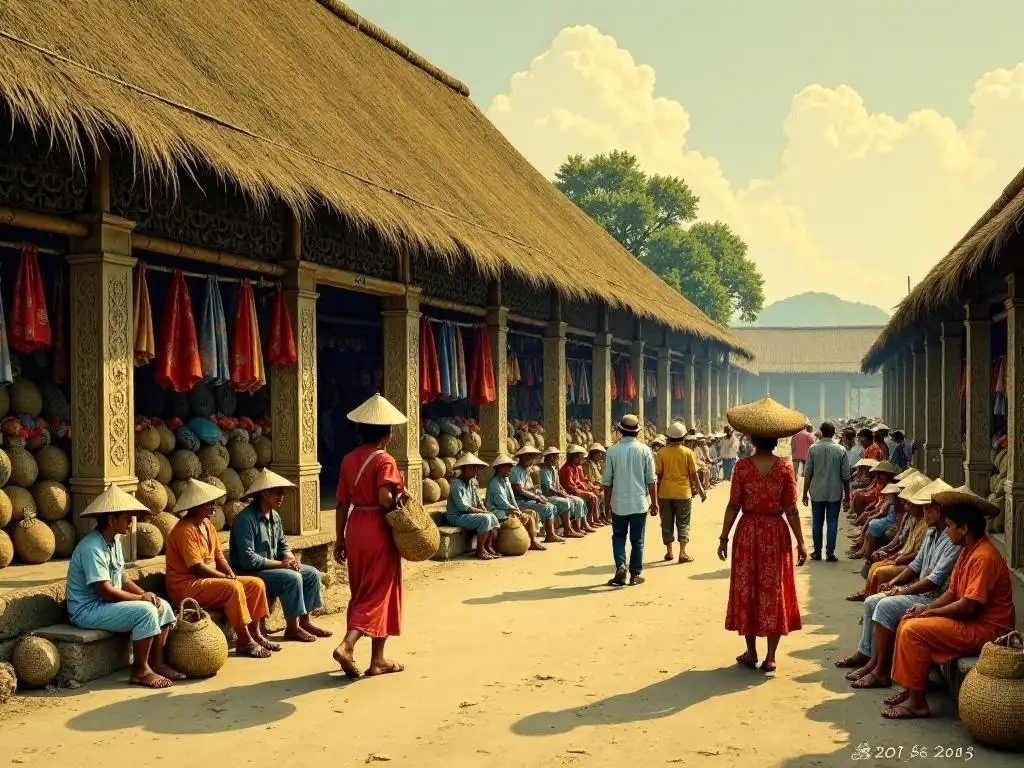
Welcome to Feudal Japan History! Step back in time and immerse yourself in the intricate tapestry of Japan's feudal era. Here, we unravel the captivating narratives that shaped a society defined by its unique class structure.
In our featured article, "From Serfs to Lords: The Fluidity of Class in Japan's Feudal Era," we delve into the dynamic roles and relationships that characterized this fascinating period. Prepare to discover how status and power shifted, revealing the complexities of social hierarchy in a time where everything was not as fixed as it may seem. Join us on this journey through time and explore the layers of history that continue to influence Japan today.
- Introduction to Class Structure in Japan's Feudal Era
- The Hierarchical Class System in Feudal Japan
- Fluidity of Class in Feudal Japan
- Cultural Perspectives on Class Structure
- The Legacy of Class Structure in Japan's Feudal Era
- Conclusion: Understanding Class Structure in Japan's Feudal Era
- Frequently Asked Questions
- Final Reflection: The Fluidity of Class in Japan's Feudal Era
- Unveil the Layers of Feudal Japan's Class Dynamics!
Introduction to Class Structure in Japan's Feudal Era
The class structure in Japan's feudal era is a fascinating and complex topic that encapsulates the dynamic social hierarchy of the time. This period, spanning from the late 12th century to the mid-19th century, witnessed the rise of a warrior class, the samurai, who wielded significant power and influence over society. Understanding the fluidity of class within this era provides crucial insights into the sociopolitical landscape of feudal Japan, where social mobility was often dictated by military prowess, land ownership, and allegiance rather than strict hereditary lines.
This exploration reveals the intricate relationships among different classes, including serfs, peasants, artisans, and lords, illustrating how their interactions shaped the cultural and societal norms of the time. As we delve deeper into this topic, we will uncover the nuances of class dynamics and their lasting impact on Japanese history.
Overview of Japan's Feudal Era
Japan's feudal era, known as the Edo period, was marked by a rigid yet sometimes fluid class structure that evolved throughout the centuries. The period began in 1185 with the establishment of the Kamakura shogunate and persisted until the Meiji Restoration in 1868. During this time, the country was primarily agrarian, with society organized around a system of land ownership and loyalty.
The class hierarchy was generally divided into several key groups:
- Emperor: The figurehead of the state, often relegated to a ceremonial role.
- Shogun: The military leader who held actual power, often controlling the samurai class.
- Samurai: The warrior class, responsible for maintaining order and serving their lords.
- Peasants: The bulk of the population, primarily farmers who worked the land.
- Artisans and Merchants: Skilled workers and traders who, despite their lower social status, began to gain economic power.
This hierarchical structure, while seemingly rigid, allowed for instances of social mobility, particularly among the samurai and wealthy merchants, challenging the notion of a static society.
Importance of Class Structure in Historical Context
The class structure in Japan's feudal era is vital for understanding the broader historical context of the country. It influenced various aspects of daily life, from governance to cultural practices. The relationships and obligations between different classes shaped the political landscape and set the stage for future changes.
- Political Power: The samurai's loyalty to their lords created a system of feudal obligations that dictated military service and land management.
- Economic Influence: As merchants gained wealth, they began to challenge the traditional class system, leading to shifts in power dynamics.
- Cultural Developments: The interactions between classes fostered a rich cultural exchange, resulting in the development of unique art forms, literature, and philosophies that reflected the complexities of feudal life.
The exploration of class structure in Japan's feudal era not only sheds light on the sociopolitical framework of the time but also reveals the intricate tapestry of relationships that defined this significant period in Japanese history. Understanding these dynamics is essential for grasping the evolution of modern Japan and its societal values.
The Hierarchical Class System in Feudal Japan
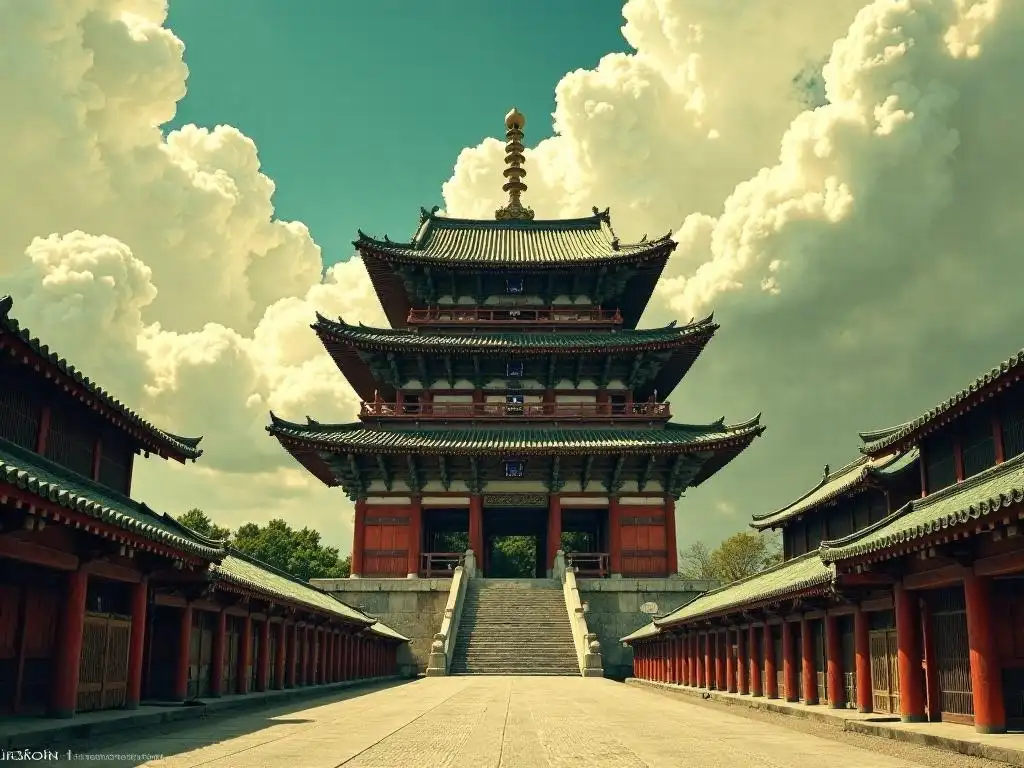
The class structure in Japan's feudal era was characterized by a strict hierarchy that dictated social roles, responsibilities, and privileges. At its core, this system was organized into four main classes: the samurai, farmers, artisans, and merchants, each with distinct roles that contributed to the functioning of society. This rigid structure, however, was not entirely impermeable; movements and shifts between classes were possible, influenced by factors such as wealth, military success, and political changes.
The Samurai: Lords of the Land
The samurai were the elite warrior class, holding significant power and prestige in feudal Japan. As protectors of their lords and the land, they were not merely soldiers but also landowners who governed their territories.
Roles and Responsibilities of Samurai
The primary responsibilities of samurai included:
- Military Service: Samurai were trained warriors expected to defend their lord's land and uphold their interests. They participated in battles, maintained order, and enforced the law within their domains.
- Administrative Duties: Beyond warfare, samurai also managed lands and collected taxes. They played essential roles in local governance, ensuring that the interests of their lords were upheld.
- Cultural Patronage: Samurai were often patrons of arts and culture. They supported various forms of artistic expression, including poetry, tea ceremonies, and calligraphy, which were crucial for maintaining social status and cultural identity.
The Honor Code: Bushido and Its Impact on Class
Central to the samurai's identity was Bushido, the "Way of the Warrior," which emphasized virtues such as loyalty, honor, and discipline. This ethical code not only dictated the samurai's conduct in battle but also shaped their interactions with other classes. Key aspects of Bushido included:
- Loyalty to One's Lord: Samurai were expected to serve their lords faithfully, often placing this loyalty above their own lives.
- Honor and Reputation: A samurai's honor was paramount; actions that brought shame could lead to seppuku (ritual suicide) to restore personal and familial honor.
- Social Responsibility: The samurai were seen as protectors of the community, expected to uphold justice and maintain peace, further solidifying their status above other classes.
The Peasantry: Serfs and Farmers
The peasantry formed the backbone of Japan's feudal economy, primarily composed of farmers who worked the land and produced food for society. Despite their lower status, peasants played a vital role in sustaining the feudal system.
Daily Life of Peasants in Feudal Japan
Peasants lived a life marked by hard work and limited resources. Their daily routines included:
- Agricultural Labor: The majority of peasants were engaged in farming rice, the staple food of Japan, along with other crops such as millet and barley. They worked from dawn until dusk, relying on traditional methods and tools.
- Community Engagement: Villages operated collectively, with communal activities such as festivals and rituals that reinforced social bonds and provided a sense of belonging.
- Tax Obligations: Peasants were required to pay a portion of their harvest as taxes to their samurai lords, often leaving them with just enough to sustain their families.
Economic Contributions of Peasants to Society
Despite their lowly status, peasants were essential to the economy of feudal Japan. Their contributions included:
- Food Production: Peasants provided the agricultural output that fed the samurai and urban populations, making their role crucial for the survival of the feudal system.
- Labor Force: They formed the primary labor force for agriculture and other economic activities, such as textile production and handicrafts, which were vital for local economies.
- Social Mobility: Although the class structure was rigid, successful peasants could sometimes gain wealth and status, leading to upward mobility and even the possibility of becoming samurai if they amassed enough resources or demonstrated loyalty in service.
The class structure in Japan's feudal era was complex and dynamic, with the samurai at the top and the peasantry forming the foundation of the economy. Understanding the fluidity within this system reveals the intricate relationships and interdependencies that defined Japanese society during this historical period.
The Role of Artisans and Merchants
In the feudal era of Japan, the class structure was not solely dominated by the samurai and the ruling elite. Artisans and merchants played pivotal roles that contributed significantly to the economy and culture of the time. While they were often regarded as lower in status compared to the samurai, their contributions were integral to the functioning of society. Understanding their roles provides a more nuanced view of the class dynamics during this period.
Status of Artisans within the Class Structure
Artisans in feudal Japan occupied a unique position within the class hierarchy. Typically seen as part of the lower class, they were skilled craftsmen who produced goods essential for daily life. Their work encompassed a wide range of trades, including pottery, textiles, metalwork, and woodworking. Although they were not afforded the same status as samurai, artisans often enjoyed a degree of respect due to their specialized skills.
- Guilds and Organization: Artisans frequently organized themselves into guilds, known as za, which not only provided a support network but also regulated trade practices and standards. Membership in these guilds allowed artisans to maintain a collective bargaining power and establish their influence within local economies.
- Economic Contributions: Despite their lower status, artisans contributed significantly to the economy. Their products were in demand among both the samurai and commoners, leading to a vibrant marketplace where goods were traded. This economic activity helped stimulate the growth of urban centers during the Edo period.
- Cultural Impact: Artisans were also key players in the cultural landscape of feudal Japan. Their craftsmanship played a critical role in the development of Japanese aesthetics, as seen in traditional arts such as kimono weaving and ceramics. The artistry of these goods often reflected the values and ideals of the society, showcasing the importance of craftsmanship in everyday life.
The Rise of Merchants: From Lowly Traders to Influential Figures
Merchants in feudal Japan experienced a remarkable transformation throughout the era. Initially regarded with disdain and often considered the lowest class due to their role as intermediaries in trade, they gradually emerged as influential figures within society.
- Initial Perception: Merchants were typically viewed as opportunists, engaging in trade primarily for profit. This perception was rooted in Confucian values, which prioritized agricultural and military contributions over commerce. As a result, many samurai looked down upon merchants, viewing them as unworthy of respect.
- Growing Influence: As Japan entered the Edo period (1603-1868), the stability provided by the Tokugawa shogunate fostered a flourishing economy. Merchants capitalized on this environment, expanding their trade networks and amassing wealth. The rise of cities and urban centers allowed merchants to gain prominence, leading to the establishment of powerful merchant families, such as the Mitsui and Sumitomo.
- Cultural and Political Power: With their newfound wealth, merchants began to exert influence beyond the economic sphere. They became patrons of the arts, supporting artists and artisans, which contributed to the cultural richness of the period. Moreover, some merchants leveraged their financial power to gain political influence, creating a complex relationship with the samurai class. This shift in status marked a significant change in the class dynamics of feudal Japan, as merchants began to ascend the social ladder, challenging traditional hierarchies.
The roles of artisans and merchants in feudal Japan highlight the complexities of the class structure during this era. While they may have been positioned lower than the samurai, their contributions to society and the economy were indispensable, reflecting the dynamic nature of class fluidity in Japan's feudal history.
Fluidity of Class in Feudal Japan

The class structure in Japan's feudal era was characterized by a remarkable degree of fluidity, which allowed for shifts in social standing that were not commonly found in other contemporary societies. While the rigid hierarchy of the samurai, farmers, artisans, and merchants typically defined this period, various factors contributed to the dynamic nature of social classes. This section delves into the factors influencing class mobility, as well as notable case studies illustrating transitions between classes.
Factors Influencing Class Mobility
Economic Opportunities and Land Ownership
Economic opportunities played a pivotal role in shaping the class structure in Japan's feudal era. The ownership of land was a key determinant of social status. Here are some important points regarding land ownership and its implications:
- Land Redistribution: Feudal lords often redistributed land to cultivate loyalty among their samurai and retainers. This practice allowed some lower-class individuals to acquire land and elevate their social standing.
- Agricultural Innovations: Technological advancements in agriculture led to increased productivity. Peasants who could leverage these innovations often found themselves in a better economic position, enabling them to invest in land or businesses.
- Merchant Class Emergence: The rise of the merchant class, particularly during the Edo period (1603-1868), provided new economic avenues. Merchants who accumulated wealth could acquire land, leading to elevated status and even alliances with samurai families.
War and Its Impact on Social Mobility
War has historically been a catalyst for social change, and feudal Japan was no exception. The various conflicts, particularly during the Sengoku period (1467-1603), created unique opportunities for individuals to ascend the social hierarchy:
- Warrior Meritocracy: Samurai who distinguished themselves in battle could be rewarded with titles, land, or even positions of power. This merit-based recognition allowed individuals of lower birth to rise within the ranks.
- Displacement of Nobility: As feudal lords fell in battle, their lands and titles became available, creating openings for ambitious peasants and lesser samurai to claim power. The chaotic nature of war often disrupted traditional hierarchies.
- Alliances and Betrayals: Shifting alliances during times of conflict could lead to unexpected social mobility. Individuals who aligned themselves with victorious factions often found themselves rewarded with status and land.
Case Studies of Class Transition
Notable Samurai Who Became Peasants
While the samurai class was typically seen as the pinnacle of feudal society, there were notable instances where samurai transitioned to peasant status, often due to economic pragmatism or changes in fortune:
- The Case of Yamamoto Tsunetomo: Once a samurai, Tsunetomo famously renounced his warrior status to pursue a life of simplicity. His writings, including Hagakure, reflect on the philosophy of bushido while illustrating his departure from samurai ideals.
- Fallen Samurai After Wars: After decisive battles, many samurai found themselves landless and impoverished. As a result, some sought to become farmers, leveraging their skills to survive, albeit at a lower social status.
Examples of Peasants Rising to Power
Conversely, there are numerous examples of peasants who ascended to positions of power, transforming the rigid class structure:
- The Rise of the Ikko-Ikki: During the 15th and 16th centuries, the Ikko-Ikki, a movement of warrior monks and peasant armies, challenged established samurai authority. Their success in battle allowed many peasants to rise in status and gain control over territories.
- Farmers Who Became Village Leaders: Some industrious peasants, through hard work and strategic alliances, were able to assume leadership roles within their communities. This not only elevated their own status but also altered local power dynamics.
Conclusion
The fluidity of class in Japan's feudal era is a testament to the complexities of social dynamics during this period. Economic opportunities, the impacts of war, and individual ambition all contributed to a landscape where social mobility was possible, albeit often fraught with challenges. Understanding these transitions helps illuminate the broader narrative of feudal Japan's history and society.
Cultural Perspectives on Class Structure

Literature and Class in Feudal Japan
Depictions of Class in Historical Texts
The literature of feudal Japan offers a rich tapestry of insights into the class structure of the era. Works such as "The Tale of Genji" and "The Tale of Heike" illustrate the lives, struggles, and aspirations of various social classes. In these narratives, the distinction between the aristocracy (kuge) and the commoners (heimin) is palpable.
- The Aristocracy: Characters from noble families often exhibit refined manners, education, and a connection to the court, emphasizing their elevated status.
- Common Folk: In contrast, commoners are frequently depicted as laborers or merchants, with their stories reflecting the hardships of daily life and the desire for upward mobility.
These literary portrayals serve not only to entertain but also to critique and reflect upon the rigid class boundaries that defined society. The narrative depth allows readers to understand the fluidity and complexities of class dynamics, showing that while social mobility was limited, it was not entirely absent.
The Influence of Noh and Kabuki Theatre
Noh and Kabuki theatre emerged as significant cultural platforms during Japan's feudal era, each offering unique perspectives on class structure.
- Noh Theatre: Known for its slow, deliberate movements and poetic dialogue, Noh often portrayed themes of the supernatural and historical events. The characters represented a range of social classes, from samurai to peasants, reflecting the societal hierarchy while also exploring the human condition and existential themes.
- Kabuki Theatre: In contrast, Kabuki was more flamboyant and accessible, appealing to the common people. The performances often featured stories of revenge, love, and social injustice, allowing audiences to engage with class struggles in a more direct manner. The portrayal of heroes from humble backgrounds rising to prominence resonated with the aspirations of the lower classes.
Both forms of theatre contributed to shaping public perceptions of class, illustrating the tensions and aspirations that existed within the social hierarchy.
Religious Influences on Class Dynamics
Buddhism and the Concept of Equality
Buddhism, which gained prominence in Japan during the Heian period and beyond, introduced ideas that challenged the rigid class structure. The core teachings of Buddhism emphasize the concept of equality among all beings, which had a notable impact on the perception of social status.
- Karma and Rebirth: The belief in karma suggests that one's actions in this life affect future lives, potentially offering a form of hope for those in lower classes. This idea allowed individuals to aspire to improve their status in subsequent reincarnations, creating a nuanced relationship with the existing social order.
- Temples as Community Centers: Buddhist temples often served as places of refuge and community for all classes, providing education and support regardless of social status. This accessibility helped to blur the lines of class distinction at a spiritual level.
Shinto Beliefs and Their Impact on Social Structure
Shinto, the indigenous spirituality of Japan, also played a crucial role in shaping class dynamics during the feudal era.
- Divine Hierarchy: Shinto beliefs emphasize a hierarchical relationship between deities and humans, which mirrored the societal structure. However, this hierarchy also reinforced the concept of loyalty and duty, especially among the samurai class, who viewed their service as divinely sanctioned.
- Rituals and Festivals: Community rituals often brought together individuals from various social strata, fostering a sense of unity and shared identity. Such gatherings allowed for interactions that could occasionally transcend class boundaries, albeit temporarily.
Both Buddhism and Shinto contributed to the understanding of class structure in Japan's feudal era, providing frameworks that allowed for both hierarchy and a degree of fluidity within the social fabric. As such, the interplay between religion and class dynamics reveals the complexities of societal organization during this period.
The Legacy of Class Structure in Japan's Feudal Era

Long-term Effects on Modern Japanese Society
The class structure in Japan's feudal era has left a profound and lasting impact on modern Japanese society, shaping its social dynamics, cultural norms, and economic interactions. While Japan has transitioned from feudalism to a modern state, the remnants of this historical class system can still be observed in various aspects of contemporary life.
- Social Hierarchy:
- The rigid social hierarchy established during the feudal era has evolved but not disappeared. Modern Japan still exhibits a strong reverence for seniority and hierarchy in both corporate and social settings. For example:
- Corporate Culture: Age and rank often dictate interactions in the workplace, where senior employees are respected and consulted more than their junior counterparts.
- Social Etiquette: Understanding of hierarchy influences everyday interactions, such as the use of honorifics in language, which denote respect based on age and status.
- The rigid social hierarchy established during the feudal era has evolved but not disappeared. Modern Japan still exhibits a strong reverence for seniority and hierarchy in both corporate and social settings. For example:
- Cultural Norms and Values:
- Many cultural traditions can trace their roots back to feudal times, including the concepts of loyalty, honor, and duty, which were paramount among the samurai class. These values continue to resonate within modern Japanese society:
- Loyalty to Family and Company: The notion of loyalty remains a cornerstone in both family structures and corporate environments, often leading to lifelong employment practices.
- Community and Group Harmony: The importance of group over individual identity, a value that was solidified during the feudal period, is still prevalent in modern Japan, affecting social cohesion and community relationships.
- Many cultural traditions can trace their roots back to feudal times, including the concepts of loyalty, honor, and duty, which were paramount among the samurai class. These values continue to resonate within modern Japanese society:
- Economic Disparities:
- The economic divisions that arose during the feudal era have contributed to contemporary wealth disparities. The transition from land-based wealth to industrial and financial capital has not eliminated class distinctions:
- Wealth Accumulation: Although modern Japan boasts a robust economy, the historical concentration of wealth among the ruling classes can still be seen in the disparities present today. This affects access to education, healthcare, and opportunities for upward mobility.
- The economic divisions that arose during the feudal era have contributed to contemporary wealth disparities. The transition from land-based wealth to industrial and financial capital has not eliminated class distinctions:
- Political Structures:
- The centralized political power established under the shogunate system has influenced modern governance. The remnants of feudal governance practices can be observed in the bureaucratic nature of the Japanese government, which includes:
- Meritocratic Elements: While modern Japan espouses meritocracy, the legacy of connections and relationships, known as "kankei," often plays a significant role in political and business success.
- The centralized political power established under the shogunate system has influenced modern governance. The remnants of feudal governance practices can be observed in the bureaucratic nature of the Japanese government, which includes:
Lessons Learned from Historical Class Fluidity
The fluidity of class in Japan's feudal era offers several valuable lessons that resonate with contemporary society. Understanding these dynamics can provide insights into the nature of class systems and their implications for social mobility.
- Adaptability and Change:
- The ability of individuals to rise through the class ranks—such as the emergence of the merchant class—demonstrates that class structures can be more porous than they appear. This adaptability encourages a mindset of resilience and innovation in the face of socio-economic barriers.
- The Role of Education:
- Education emerged as a key factor in upward mobility during the feudal period, particularly with the rise of educational institutions. This lesson underscores the importance of access to quality education as a means to bridge class divides and foster social equality today.
- Impact of Economic Shifts:
- The transition from a land-based to a commerce-driven economy highlights how external economic forces can reshape class structures. Today's society can learn from this by recognizing the potential for shifts in the economy to alter social dynamics, prompting the need for adaptability in career paths and industries.
- Preserving Historical Awareness:
- Acknowledging the historical context of social structures fosters a deeper understanding of modern issues related to class and inequality. It encourages individuals and policymakers to consider historical patterns when addressing current social challenges, ensuring that solutions are informed by past experiences.
The legacy of class structure in Japan's feudal era is intricately woven into the fabric of modern Japanese society. The lessons derived from its historical fluidity can serve as guiding principles for navigating contemporary social landscapes, promoting a more equitable future.
Conclusion: Understanding Class Structure in Japan's Feudal Era
Recap of Key Points
The class structure in Japan's feudal era was intricate and fluid, shaped by various socio-political factors that influenced the lives of individuals across different strata. Here are the key points we've explored:
- Hierarchical Society: The feudal system in Japan was characterized by a rigid hierarchy, with the emperor at the top, followed by the shogun, daimyos, samurai, and then the commoners, which included peasants, artisans, and merchants. Each class had specific roles and responsibilities that were essential for the functioning of feudal Japan.
- Fluidity of Class: Contrary to the rigid structures often associated with feudal systems, Japan's class dynamics allowed for a certain degree of mobility. For instance, successful merchants could amass wealth and gain influence, while samurai could fall from grace and lose their status.
- Economic Influence: Economic factors played a significant role in determining class status. The rise of commerce during the Edo period led to the emergence of a wealthy merchant class, challenging the traditional aristocracy and shifting societal values.
- Cultural Impacts: The cultural landscape of feudal Japan was deeply intertwined with class structure. The samurai code of Bushido emphasized loyalty and honor, while the arts flourished among various classes, showcasing the diverse talents across society.
- Legal Framework: Laws and regulations, such as the Shinokosho, enforced class distinctions but also allowed for some exceptions, enabling individuals to rise or fall within the social hierarchy based on merit, wealth, or favor.
Final Thoughts on Class Dynamics in Historical Context
Understanding the class structure in Japan's feudal era offers valuable insights into the complexities of social relations during this period. The interplay between various classes not only influenced individual lives but also shaped the broader socio-political landscape of Japan.
As we reflect on these dynamics, it's important to recognize that the feudal system was not static; it evolved in response to various internal and external pressures. The rise of powerful merchants during the late feudal period exemplifies how economic shifts can challenge established hierarchies and redefine social norms.
The fluidity of class in Japan's feudal era is a testament to the resilience and adaptability of society. This historical analysis allows us to appreciate the nuanced nature of class relations and their lasting impact on Japanese culture, governance, and identity, serving as a reminder of the ever-changing nature of social structures throughout history.
Frequently Asked Questions
The class structure in Japan's feudal era primarily consisted of samurai, farmers, artisans, and merchants. Each class had distinct roles and responsibilities within the society.
How did the samurai class influence Japanese culture?
The samurai class played a crucial role in shaping Japanese culture, promoting values such as honor, loyalty, and martial skill. Their influence extended beyond warfare to arts, literature, and philosophy.
While the class structure was generally rigid, there were instances of social mobility. Notably, successful merchants or farmers could gain wealth and status, sometimes even becoming samurai or daimyō.
What role did the emperor play in the feudal hierarchy?
The emperor was considered the highest authority but held little political power during the feudal era. Real power often resided with the shogunate and the daimyō, who governed regions.
How did the feudal system impact rural life in Japan?
Rural life in Japan during the feudal era was shaped by agricultural production and land ownership. Farmers worked the land for daimyō, facing heavy taxes but also being essential to the economy.
Final Reflection: The Fluidity of Class in Japan's Feudal Era
The exploration of class structure in Japan's feudal era reveals a profound truth about societal dynamics: class is not a static condition but a fluid spectrum shaped by power, opportunity, and circumstance. Today, as we navigate a world grappling with class disparities and social mobility, understanding the historical context of Japan's feudal system can illuminate the complexities of our own societal structures. The rise and fall of serfs and lords in Japan serve as a striking reminder that the barriers of class can be transcended, albeit through struggle and resilience.
Culture and society are inextricably linked to the class structures that define them, and the lessons from Japan's feudal era resonate deeply in our contemporary world. The fluidity observed during this period challenges us to reconsider our perceptions of class and privilege. As historian John W. Hall noted, The past is never dead. It's not even past.
This sentiment echoes in our current discussions about social equity, urging us to reflect on how historical class dynamics continue to influence modern society and the ongoing quest for justice and equality.
As we conclude this exploration, I invite you, dear reader, to reflect on your own position within the class structures of today. Consider how the lessons from Japan's feudal era can inspire you to challenge the status quo and advocate for a more equitable society.
Whether through activism, education, or personal growth, each of us has the power to contribute to a world where class is not a barrier but a bridge to understanding and collaboration. Let us carry forward the wisdom of the past as we shape a future that honors the fluidity of class and the potential for transformation within us all.
Unveil the Layers of Feudal Japan's Class Dynamics!
Thank you for joining us on this journey through Japan's intriguing feudal history! We hope you gained valuable insights into the fluidity of class during this fascinating era. Now, it's your turn to delve deeper!
- Explore Further: Dive into related articles on the social structures of various feudal societies to see how they compare and contrast with Japan's unique history.
- Join the Discussion: We want to hear from you! Engage with fellow history enthusiasts in our comments section or on social media platforms.
- Get Creative: Consider writing a short story or a reflective piece inspired by the themes you've encountered—imagine what life would be like as a peasant or a noble during this period.
What aspects of class fluidity in feudal Japan do you find most intriguing, and why? Let's spark some engaging discussions!