
Calligraphy Challenges: 5 Exercises to Elevate Your Craft

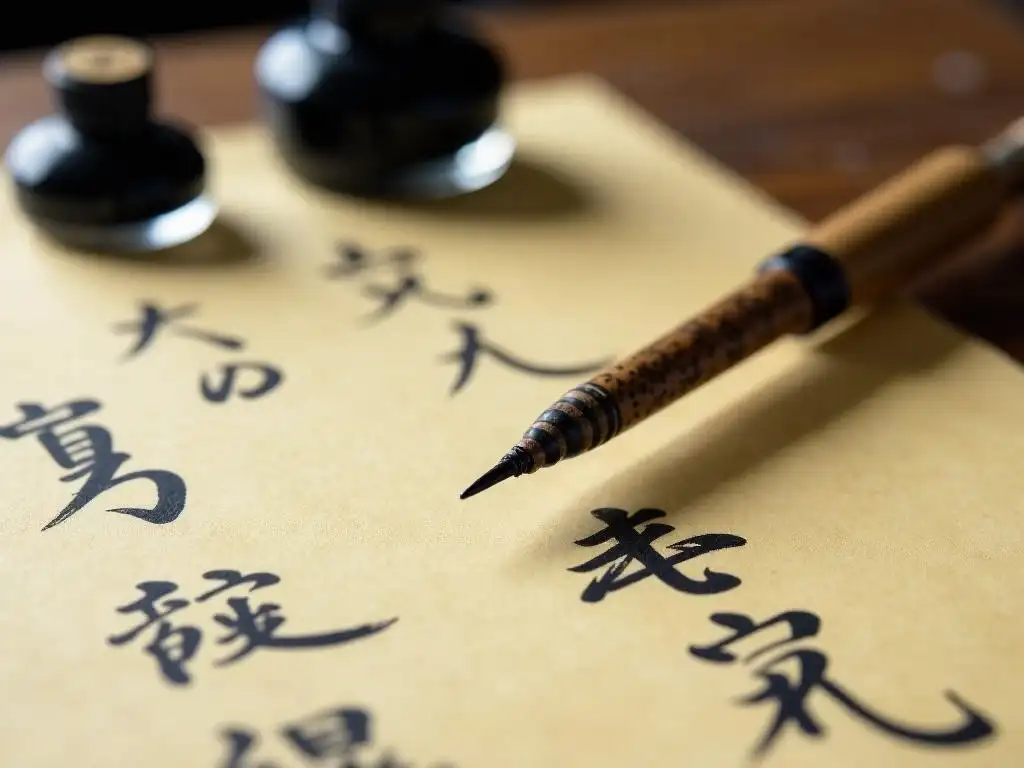
Welcome to Feudal Japan History, where we unravel the rich tapestry of Japan's feudal era through expert insights and captivating narratives. Here, you’ll discover the intricate art of Japanese calligraphy, a timeless skill that not only connects you to the past but also enhances your creativity. Dive into our latest article, "Calligraphy Challenges: 5 Exercises to Elevate Your Craft," and uncover the essential exercises designed for beginners that will transform your writing into a beautiful expression of cultural heritage. Are you ready to unlock the secrets of this elegant art form? Continue exploring, and let your journey begin!
- Introduction to Japanese Calligraphy Exercises for Beginners
- Challenge 1: Basic Strokes and Their Significance in Japanese Calligraphy
- Challenge 2: Writing Hiragana and Katakana Characters
- Challenge 3: Creating Beautiful Kanji Characters
- Challenge 4: Developing Your Personal Style in Japanese Calligraphy
- Challenge 5: Composition and Layout in Japanese Calligraphy
- Conclusion: Elevating Your Craft with Japanese Calligraphy Exercises
-
Frequently Asked Questions
- What are the benefits of practicing Japanese calligraphy exercises for beginners?
- How can beginners get started with calligraphy exercises?
- Are there specific calligraphy exercises recommended for beginners?
- How often should one practice Japanese calligraphy to see improvement?
- Where can I find resources for Japanese calligraphy exercises?
- Final Reflection: Elevating Your Craft Through Japanese Calligraphy
- Elevate Your Calligraphy Skills Today!
Introduction to Japanese Calligraphy Exercises for Beginners
Japanese calligraphy, or shodō (書道), is an ancient art form that combines the beauty of writing with the depth of expression. As a significant cultural aspect of Japan, it reflects not only the technical skills of the practitioner but also their emotional and spiritual connection to the art.
For beginners embarking on this journey, Japanese calligraphy exercises serve as foundational tools to develop their skills, enhance their understanding, and cultivate a deeper appreciation for this exquisite craft. In this article, we will explore various exercises designed specifically for novices, enabling them to elevate their calligraphic abilities while immersing themselves in the rich traditions of feudal Japan.
Understanding the Art of Japanese Calligraphy
Japanese calligraphy is more than just writing; it is a meditative practice that embodies the harmony between brush, ink, and paper. Originating from China, the art was adapted in Japan, evolving into a unique style that emphasizes fluidity, balance, and expression.
- Brush Techniques: The choice of brush, or fude, plays a crucial role in the outcome of the artwork. Different brushes yield different strokes, impacting the overall aesthetic.
- Ink and Paper: Traditional ink, known as sumi, and high-quality rice paper are essential elements that contribute to the final piece. The texture of the paper can enhance the ink's flow and appearance.
- Strokes and Characters: Understanding the various strokes and how they form characters is key. Each brushstroke carries meaning and emotion, making practice essential for mastery.
For beginners, mastering the basic strokes and characters is the first step towards creating beautiful calligraphy. Exercises will help develop muscle memory, enabling artists to express themselves more freely and confidently.
Importance of Practicing Calligraphy Exercises
Practicing calligraphy exercises is crucial for several reasons:
- Skill Development: Regular practice helps to refine motor skills, allowing artists to gain better control over their brush movements, which is vital for producing intricate characters.
- Understanding Composition: Exercises teach beginners about the balance and composition of characters on the page, fostering a sense of harmony in their work.
- Cultural Connection: Engaging in calligraphy connects practitioners to Japan's rich cultural heritage, allowing them to appreciate the historical significance of the art form.
- Mindfulness and Focus: The act of practicing calligraphy promotes mindfulness, enabling individuals to concentrate and find tranquility in their movements.
- Building Confidence: As beginners progress through various exercises, they build confidence in their abilities, encouraging them to explore their unique style and expression.
Incorporating these exercises into your routine not only enhances your technical skills but also deepens your connection to the art of Japanese calligraphy. As we delve into the specific exercises designed for beginners, you will find that each one serves as a stepping stone towards mastering this beautiful art form.
Challenge 1: Basic Strokes and Their Significance in Japanese Calligraphy
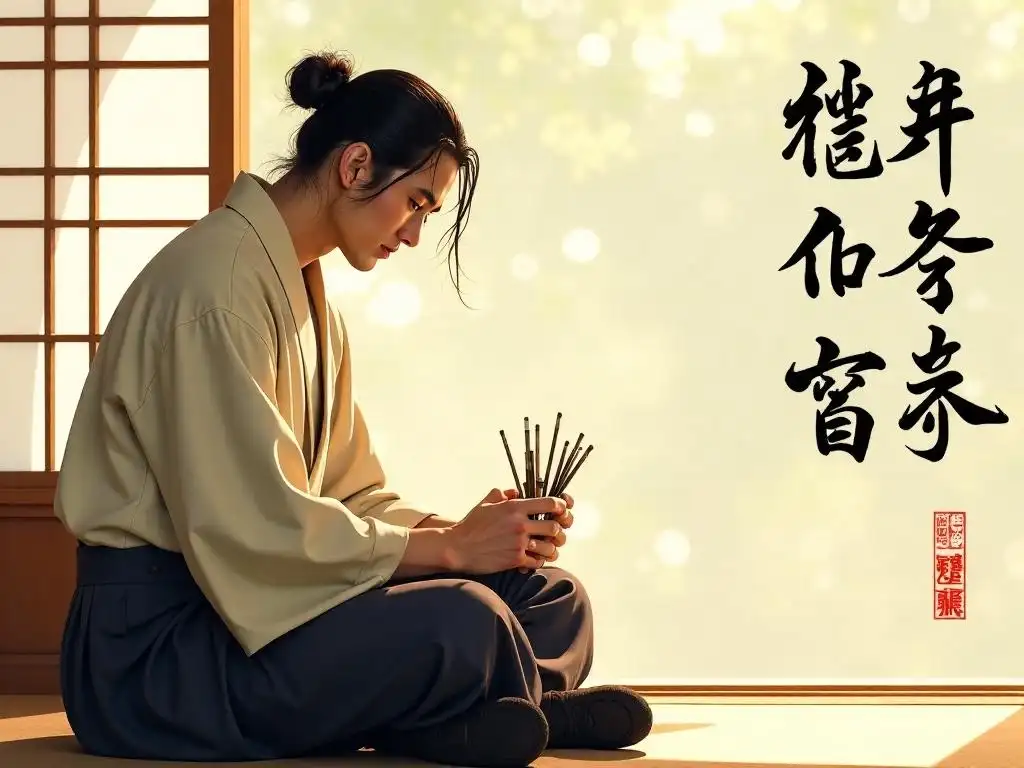
Overview of Basic Strokes
In Japanese calligraphy, mastering the basic strokes is crucial for beginners aiming to develop their skills. These strokes form the foundation upon which all characters are built. Understanding their significance not only enhances your technical ability but also deepens your appreciation of the art form.
The primary strokes include:
- Hiki (引き): This is a pulling stroke, often used in characters like 口 (kuchi) meaning "mouth."
- Tatebō (立棒): A vertical stroke that conveys strength and stability, seen in characters like 一 (ichi) meaning "one."
- Yokobō (横棒): A horizontal stroke that represents balance and calmness, as found in the character 二 (ni) meaning "two."
- Kakko (角): A corner stroke that adds complexity to characters, such as in 田 (ta) meaning "rice field."
By practicing these strokes, you will not only improve your coordination and control but also gain insight into the aesthetic principles of Japanese calligraphy. Each stroke carries its own rhythm and flow, contributing to the overall expression of the characters.
Recommended Tools for Practicing Basic Strokes
To effectively practice these basic strokes, you will need the right tools that enhance both your experience and outcomes. Here’s a list of essential items:
- Brush (Fude):
- Look for a brush with soft bristles for fluid strokes.
- A brush size of 2-3 cm is ideal for beginners.
- Ink (Sumi):
- Use traditional sumi ink for its rich texture.
- Pre-made ink is convenient for beginners, though grinding your own ink can be a rewarding experience.
- Paper (Washi):
- Choose washi paper, which is absorbent and enhances the ink's flow.
- Practice sheets with grid patterns can help maintain stroke proportions.
- Ink Stone (Suzuri):
- This tool is essential for grinding ink sticks and mixing ink.
- A flat surface will allow for even ink distribution.
- Calligraphy Practice Book:
- A book with templates for basic strokes can guide your practice.
- Look for books specifically designed for beginners, emphasizing stroke order.
By equipping yourself with these tools, you’ll create an optimal environment for mastering the foundational strokes of Japanese calligraphy.
Exercise Steps for Mastery
Now that you have a grasp of the basic strokes and the necessary tools, here are the steps to practice effectively:
- Warm-Up:
- Start with simple lines and curves to loosen your wrist.
- Practice drawing vertical and horizontal lines, focusing on pressure and flow.
- Stroke Individuality:
- Dedicate time to each basic stroke. Spend 5-10 minutes on each, focusing on form and rhythm.
- Pay attention to the beginning and end of each stroke, as these are crucial for achieving the desired aesthetic.
- Combine Strokes:
- Once comfortable with individual strokes, begin combining them to form simple characters.
- Characters like 一 (one) and 二 (two) can be excellent for practicing combination strokes.
- Reflection:
- After each session, review your work. Identify areas of improvement and note the strokes that felt natural versus those that felt challenging.
- Keep a log of your progress to track your development over time.
- Seek Feedback:
- If possible, share your work with experienced calligraphers or peers. Constructive feedback can provide insights that significantly enhance your practice.
By following these steps, you will cultivate a strong foundation in Japanese calligraphy, allowing you to advance to more complex characters and styles as your skills grow. Remember, the journey of mastering calligraphy is as important as the destination. Happy practicing!
Tips for Improvement
Improving your skills in Japanese calligraphy, particularly when focusing on basic strokes, requires practice and patience. Here are some effective tips to elevate your calligraphy craft while mastering these foundational strokes:
-
Consistent Practice:
Set aside a specific time each day dedicated to practicing your strokes. Consistency is key in developing muscle memory, which will lead to improved precision and fluidity.
-
Use Quality Materials:
Invest in good-quality brushes, ink, and paper. The right materials can significantly affect your control and the overall appearance of your strokes. Look for:
- Brushes: A variety of sizes for different stroke applications.
- Ink: Traditional sumi ink is preferred for its rich color and smooth application.
- Paper: Choose rice paper or other absorbent papers designed for calligraphy.
-
Focus on Posture and Grip:
Your posture and how you hold the brush can influence your writing. Maintain an upright posture and hold the brush lightly yet firmly. Use your wrist and arm, not just your fingers, to control the movement.
-
Analyze and Imitate:
Study examples of master calligraphers. Pay attention to the strokes, angles, and flow. Try to imitate their techniques to understand how to achieve similar results.
-
Break Down Each Stroke:
Instead of practicing entire characters, break them down into their component strokes. Focus on perfecting each stroke before combining them into complete characters.
-
Use Grids for Guidance:
Employ grid paper to help maintain proportions and alignments. This can be particularly useful when learning the correct spacing and size of your strokes.
-
Seek Feedback:
Share your work with experienced calligraphers or join a calligraphy group. Constructive criticism can provide insights into areas that need improvement and encouragement to keep practicing.
-
Record Your Progress:
Keep a journal of your practice sessions. Documenting your progress not only helps track improvements but also highlights the areas you need to focus on.
-
Stay Relaxed and Mindful:
Calligraphy is as much about the mind as it is about the hand. Stay relaxed and breathe deeply while practicing. This mindfulness can lead to a more fluid and expressive writing style.
-
Experiment with Different Styles:
While focusing on basic strokes, don’t hesitate to experiment with various calligraphy styles. This can open new avenues for creativity and enhance your overall skill set.
By integrating these tips into your practice routine, you will find that your strokes become more controlled, confident, and expressive, laying a solid foundation for advancing in Japanese calligraphy. Happy writing!
Challenge 2: Writing Hiragana and Katakana Characters
Importance of Hiragana and Katakana in Calligraphy
Hiragana and Katakana, the two phonetic scripts of the Japanese writing system, are essential components of Japanese calligraphy. Understanding their significance is crucial for anyone pursuing Japanese calligraphy exercises for beginners.
- Hiragana is primarily used for native Japanese words and grammatical elements. It embodies a fluid, cursive style, which emphasizes the beauty of stroke order and balance.
- Katakana, on the other hand, is utilized for foreign words, technical terms, and onomatopoeia. Its angular shapes provide a stark contrast to the softer curves of Hiragana.
Mastering these scripts not only enhances your calligraphy skills but also deepens your understanding of the Japanese language. Practicing Hiragana and Katakana helps to develop muscle memory, which is essential for achieving fluidity and elegance in your strokes.
As you progress in your calligraphy journey, these scripts will serve as the foundation for more complex kanji characters, making them indispensable for any aspiring calligrapher.
Best Resources for Learning Hiragana and Katakana
To effectively practice Hiragana and Katakana, leveraging quality resources is key. Here are some recommended materials and tools:
- Workbooks and Practice Sheets:
- Tuttle Japanese Hiragana & Katakana for Beginners: This workbook provides structured exercises and stroke order illustrations.
- Hiragana and Katakana Flash Cards: These handy cards can assist in memorization and quick recall of characters.
- Online Courses:
- JapanesePod101: Offers comprehensive video lessons focusing on Hiragana and Katakana, suitable for beginners.
- Duolingo: A language-learning app that includes interactive exercises for practicing these scripts in a fun and engaging manner.
- YouTube Channels:
- Learn Japanese with JapanesePod101: Features tutorials specifically designed for calligraphy enthusiasts.
- The Japanese Calligraphy Channel: Provides demonstrations of Hiragana and Katakana strokes, which can be immensely helpful for visual learners.
- Mobile Applications:
- Kanji Study: This app includes features for practicing Hiragana and Katakana, complete with quizzes and writing tests.
- Write It! Japanese: Focused on stroke order, this app allows you to practice writing characters with immediate feedback.
By utilizing these resources, beginners can effectively learn the intricacies of Hiragana and Katakana, paving the way for their calligraphy development.
Step-by-Step Guide to Practicing Character Formation
To master Hiragana and Katakana, it's essential to practice each character meticulously. Here’s a step-by-step guide to facilitate your learning process:
- Select a Character: Start with a simple Hiragana or Katakana character, such as い (i) or ア (a).
- Understand Stroke Order:
- Research the correct stroke order for your chosen character. For instance, the character い is formed with two strokes:
- First Stroke: A downward left curve.
- Second Stroke: A horizontal line at the top.
- Research the correct stroke order for your chosen character. For instance, the character い is formed with two strokes:
- Use Practice Sheets:
- Print practice sheets that provide grids for stroke placement. Aim to fill in each grid square with the character, adhering to the stroke order.
- Repetition:
- Write the character multiple times, focusing on consistency and maintaining the correct proportions. Aim for at least 10 repetitions for retention.
- Incorporate Flourishes:
- Once comfortable with basic stroke formation, experiment with slight flourishes to develop your unique calligraphy style.
- Reflect and Adjust:
- After a session, review your work. Identify areas that need improvement, such as spacing or stroke thickness.
- Seek Feedback:
- Share your work with peers or online communities focused on Japanese calligraphy. Constructive feedback can be invaluable for growth.
- Progress to More Complex Characters:
- Once you’ve mastered some basic characters, gradually move on to more complex ones, integrating them into phrases or sentences.
By diligently following this guide, beginners can enhance their calligraphy skills and gain confidence in their ability to write beautiful Hiragana and Katakana characters.
Common Mistakes and How to Avoid Them
When practicing Hiragana and Katakana characters, beginners often encounter several common mistakes that can hinder their progress. Understanding these pitfalls and learning how to avoid them can significantly enhance your calligraphy skills. Here are some of the most frequent errors made by learners, along with practical tips for overcoming them:
-
Incorrect Stroke Order
One of the most critical aspects of writing Japanese characters is adhering to the correct stroke order. Beginners may often ignore this, leading to awkward-looking characters and difficulty in writing fluidly.
Tip: Familiarize yourself with the correct stroke order for each character. Use resources such as worksheets or apps that demonstrate the proper sequence visually. Repeatedly practicing the correct order will help reinforce muscle memory. -
Poor Character Proportions
Many beginners struggle with maintaining consistent character proportions, which can result in uneven and unbalanced writing. This issue is particularly evident in more complex characters.
Tip: Use grid paper or specially designed calligraphy sheets that provide guidelines for character proportions. Additionally, practice writing each character multiple times, paying close attention to height, width, and spacing. -
Lack of Pressure Control
Mastering the pressure applied to the brush or pen is key to achieving the desired thickness and fluidity of strokes. Beginners often apply too much or too little pressure, leading to inconsistent line quality.
Tip: Experiment with different writing tools to understand how pressure affects stroke appearance. Practice drawing lines with varying pressure to get a feel for how to control your tool effectively. -
Not Paying Attention to Balance and Spacing
A common mistake is neglecting the balance and spacing between characters. Poor spacing can disrupt the flow of writing and make it difficult to read.
Tip: When writing multiple characters, take a moment to observe the spacing and balance. Practice writing words or phrases to develop a sense of how characters relate to one another spatially. Over time, this will improve your overall composition. -
Rushing Through Practice
Many beginners are eager to progress quickly, often rushing through their practice sessions. This haste can lead to sloppy writing and reinforce bad habits.
Tip: Focus on quality over quantity. Set aside dedicated time for practice, ensuring you work slowly and mindfully. Take breaks to reflect on your technique and make adjustments as necessary.
By being aware of these common mistakes and implementing the tips provided, you can enhance your practice of Hiragana and Katakana calligraphy. Consistent, mindful practice will lead to improved skills and a deeper appreciation for the art of Japanese calligraphy.
Challenge 3: Creating Beautiful Kanji Characters
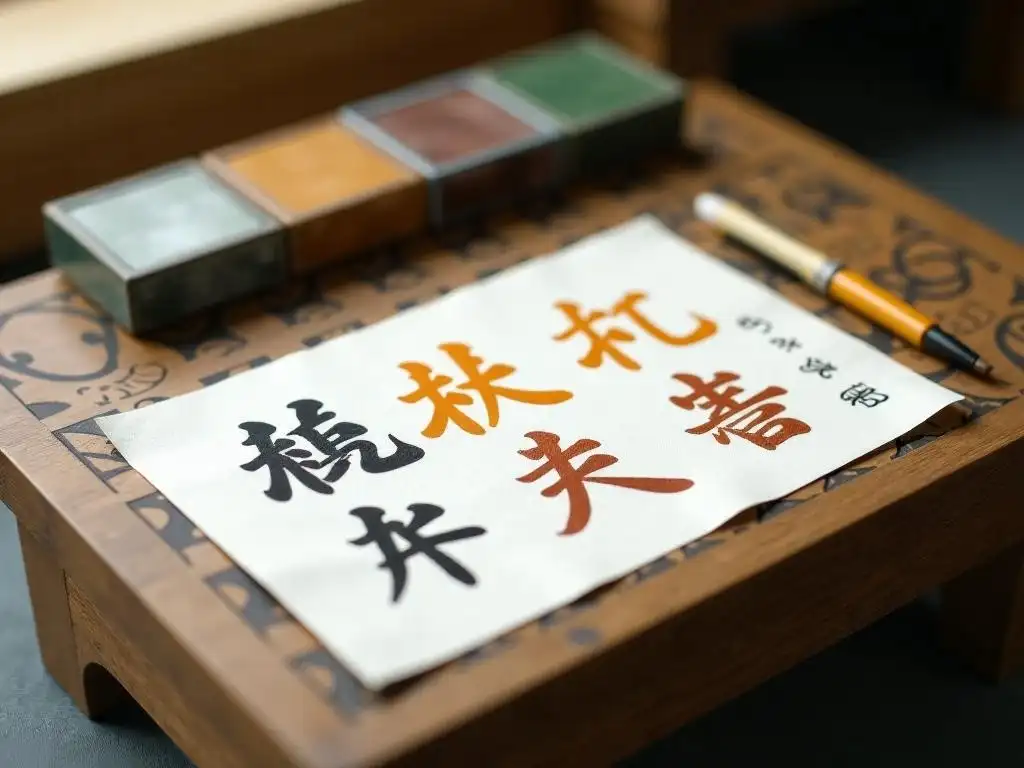
Understanding the Structure of Kanji
Kanji characters, originating from Chinese script, are an essential component of the Japanese writing system. Each kanji represents a concept or idea, making their mastery crucial for anyone delving into Japanese calligraphy exercises for beginners. Understanding the structure of kanji involves recognizing the following key elements:
- Radicals: These are the building blocks of kanji, often providing clues about the meaning or pronunciation. For example, the radical for water (水) is found in kanji like 河 (river) and 海 (sea).
- Strokes: Each kanji is composed of a specific number of strokes, and the order in which they are written is important. Adhering to the correct stroke order helps in achieving a more aesthetically pleasing and legible character.
- Components: Many kanji are formed by combining different radicals and components. Familiarizing oneself with these combinations can significantly enhance writing skills and understanding.
Example of Stroke Order:
To illustrate, let’s consider the kanji for "tree" (木). Here’s the correct stroke order:
- Top horizontal line
- Vertical line down
- Bottom horizontal line
- Two diagonal strokes forming the roots
Learning the stroke order can be practiced using grid paper, which allows beginners to follow the right path as they develop their calligraphy skills.
Recommended Reference Material for Kanji Practice
To effectively practice kanji, it’s essential to utilize high-quality reference materials. Here are some recommended resources that can enhance your learning journey:
- Books:
- Kanji Look and Learn by the Japan Times: This book provides visual representations of kanji along with mnemonic devices to aid memory.
- Remembering the Kanji by James Heisig: A comprehensive guide that focuses on the meanings and writings of kanji through memorable stories.
- Online Resources:
- Websites like WaniKani offer structured kanji learning programs with spaced repetition systems.
- YouTube channels focusing on Japanese calligraphy often provide tutorials on kanji stroke order and techniques.
- Practice Sheets:
- Printable kanji practice sheets (available on educational websites) help beginners trace and learn correct stroke orders and placements.
Using these resources, beginners can systematically improve their kanji writing skills, making the learning process more engaging and effective.
Exercises for Mastering Kanji Writing Techniques
To elevate your kanji writing skills, consider incorporating these targeted exercises into your practice routine:
- Stroke Order Drills:
- Choose a set of 5 kanji characters and practice writing them using the correct stroke order. Repeat this exercise daily to reinforce muscle memory.
- Character Composition:
- Create a composition of kanji characters that convey a specific theme or story. For instance, write kanji related to nature: 木 (tree), 山 (mountain), and 水 (water). This aids in understanding their meanings and relationships.
- Calligraphic Styles:
- Experiment with different calligraphic styles, such as Kaisho (block style) and Gyosho (semi-cursive). This will help you discover your unique style while mastering the fundamentals.
- Mirror Writing:
- Practice writing kanji in reverse (mirror writing). This can improve your spatial awareness of the characters and help you visualize their structures from different angles.
- Timed Challenges:
- Set a timer for 5 minutes and attempt to write as many kanji characters as you can. Focus on maintaining legibility and proper stroke order. This exercise helps in building speed and confidence.
By integrating these exercises into your daily practice, you will not only enhance your skills but also develop a deeper appreciation for the art of Japanese calligraphy. Embrace the challenge, and let the beauty of kanji transform your artistic journey!
Analyzing Famous Calligraphers’ Works for Inspiration
Exploring the masterpieces of renowned calligraphers can provide invaluable insights and inspiration for beginners looking to elevate their Japanese calligraphy skills. By studying the techniques, styles, and philosophies of these artists, you can enhance your understanding of the art form and discover new approaches to your own practice.
One of the most celebrated calligraphers in Japanese history is Ogata Korin (1658-1716), known for his elegant and expressive characters. His work often embodies a fluidity that captures the essence of nature, making it a perfect reference for beginners. When analyzing Korin's work, pay attention to the balance and proportion of the characters. Notice how he employs varying brush pressures to create a rhythmic flow, which adds dynamism to the composition.
Another significant figure is Shinoda Tōkō (1896-1976), who modernized traditional calligraphy by infusing it with contemporary aesthetics. His bold strokes and innovative use of space can inspire beginners to experiment with their own styles. Try to replicate some of his pieces, focusing on the contrast between thick and thin lines, which can help you develop a stronger hand and better control of the brush.
Additionally, Kawai Kanjiro (1890-1966) is a notable calligrapher whose work reflects the influence of Zen philosophy. His characters often exhibit a sense of simplicity and tranquility, inviting viewers to contemplate deeper meanings. When studying Kanjiro’s pieces, consider how the emotional aspect of calligraphy plays a role in its execution. Aim to express your feelings through your strokes, allowing your personality to shine through in your work.
To maximize your learning experience, create a reference board featuring images of these calligraphers' works. As you analyze their techniques, try to identify key elements that resonate with you and incorporate them into your practice. This exercise not only enhances your technical skills but also fosters a deeper appreciation for the art of Japanese calligraphy.
Analyzing the works of famous calligraphers offers a wealth of inspiration for beginners. By observing their techniques and philosophies, you can gain new perspectives that will help you refine your skills and develop your unique style. Embrace the challenges of imitation and innovation, and let the masters guide you on your journey in Japanese calligraphy.
Challenge 4: Developing Your Personal Style in Japanese Calligraphy
The Importance of Personal Style in Calligraphy
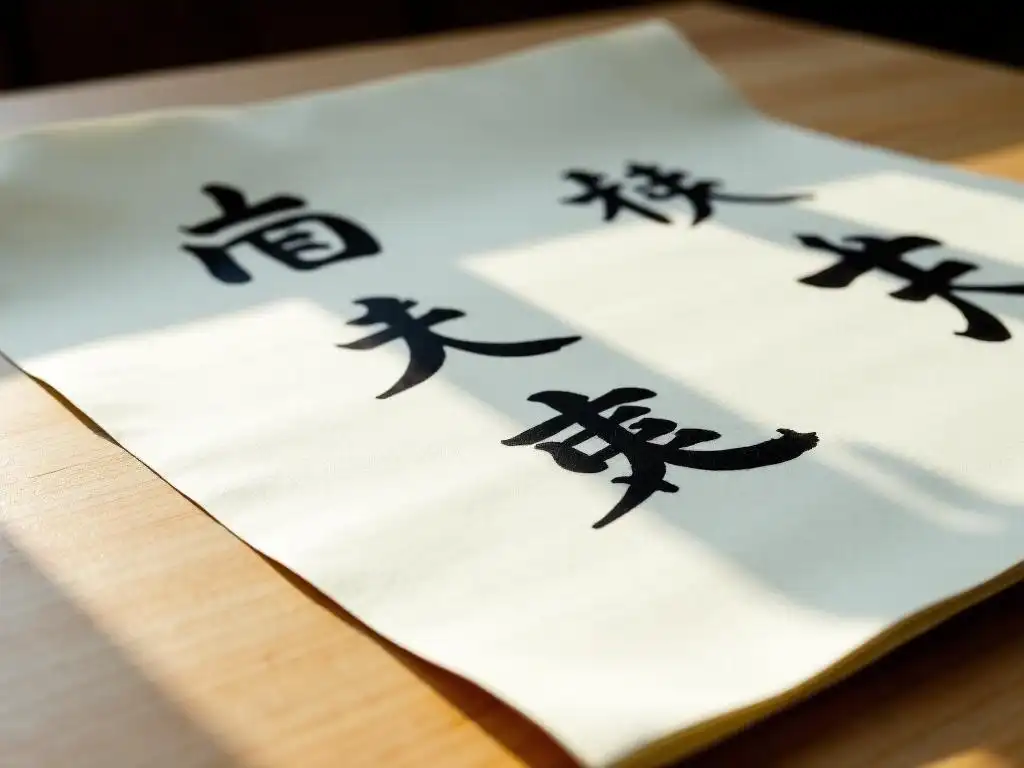
Developing a personal style in Japanese calligraphy is crucial for any aspiring artist. Personal style not only reflects the individual’s character and emotions but also distinguishes one’s work from others. In the context of Japanese calligraphy, which is steeped in tradition, having a unique style can create a bridge between honoring the past and expressing contemporary thoughts.
- Expression of Identity: A distinct style allows artists to convey their identity and emotions. This is particularly important in Japanese calligraphy, where each brushstroke carries meaning and intent.
- Cultural Connection: While personal style is essential, it should also resonate with the cultural significance of the characters being written. Calligraphy is a form of art that transcends mere writing; it embodies the spirit of the Japanese language and culture.
- Artistic Growth: As you develop your personal style, you’ll notice improvement in your skills. Experimenting with different techniques and forms fosters growth and helps you to become more versatile.
Tools for Experimenting with Different Styles
To truly explore and refine your personal style in Japanese calligraphy, it is essential to utilize the right tools. Here’s a comprehensive list of tools that can aid in your journey:
| Tool | Description |
|---|---|
| Brushes | Different sizes and types of brushes (fude) allow for varying stroke styles and widths. |
| Inks | Experiment with different types of ink, such as sumi ink, which offers rich contrast. |
| Paper | Use various types of paper, like washi or rice paper, to see how they affect your strokes. |
| Calligraphy Guides | Reference books or templates with examples of various styles can provide inspiration. |
| Digital Tools | Consider using digital tablets for flexibility in practicing and experimenting with styles. |
These tools not only enhance your practice but also encourage creative exploration, enabling you to combine traditional techniques with modern innovations.
Exercises to Explore and Refine Your Style
To develop a personal style in Japanese calligraphy, engage in exercises that challenge your abilities and encourage creativity. Here are some effective exercises:
- Character Variation:
- Choose a single character and write it in different styles. Focus on altering the stroke order, thickness, and overall form.
- Goal: Understand how subtle changes can alter the perception of the character.
- Expressive Strokes:
- Focus on individual brush strokes, writing them repeatedly with varying pressure and speed.
- Goal: Discover how different stroke dynamics can influence the overall feel of your writing.
- Style Emulation:
- Study the works of renowned calligraphers and attempt to replicate their style. Pay attention to the nuances in their technique.
- Goal: Gain insights into how to incorporate elements of different styles into your work.
- Freeform Exploration:
- Set aside structured practice and engage in freeform writing, allowing your thoughts and emotions to guide your brush.
- Goal: Unleash your creativity and discover your natural tendencies in brushwork.
- Monthly Reflection:
- At the end of each month, review your works and note patterns, preferences, and areas for improvement.
- Goal: Develop an awareness of your evolving style and set goals for future practice.
By integrating these exercises into your routine, you will not only hone your skills but also cultivate a unique identity in your Japanese calligraphy practice. Embrace the journey of exploration, and let your style emerge naturally!
Sharing your Japanese calligraphy work is not only a way to celebrate your progress, but it also opens up opportunities for feedback, inspiration, and community engagement. Here are some effective platforms and methods to showcase your unique style:
1. Social Media Platforms
Social media is a powerful tool for artists to connect with a global audience. Consider these popular platforms:
- Instagram: Create a dedicated account for your calligraphy. Use relevant hashtags like #JapaneseCalligraphy or #Shodo to reach enthusiasts. Share your work regularly, and don't hesitate to use Stories to document your creative process.
- Facebook: Join groups focused on calligraphy and share your pieces. Engaging with fellow members can provide support and constructive criticism.
- Pinterest: This platform is ideal for visual inspiration. Pin your calligraphy pieces and link them back to your personal blog or website to drive traffic.
2. Online Communities and Forums
Engaging with online communities can enrich your calligraphy journey:
- Calligraphy Forums: Websites such as Calligraphy Forums or Reddit’s r/Calligraphy allow you to share your work and participate in discussions with fellow calligraphers.
- Art Platforms: Consider joining platforms like DeviantArt or ArtStation, where you can upload your pieces, receive feedback, and connect with other artists.
3. Personal Blog or Website
Creating a personal blog or website dedicated to your calligraphy can serve multiple purposes:
- Portfolio: Showcase your best pieces in a visually appealing format. This can act as an online portfolio for potential clients or collaborators.
- Tutorials and Tips: Share your learning journey, tips, and exercises that have helped you develop your style. This not only showcases your skill but also positions you as a knowledgeable resource in the community.
4. Local Art Shows and Exhibitions
Participating in local art shows can provide a tangible way to connect with your community:
- Exhibitions: Look for opportunities to display your work in local galleries or community centers. This can lead to networking with other artists and art enthusiasts.
- Workshops: Consider hosting or participating in workshops where you can demonstrate your calligraphy skills and share your style with attendees.
5. Print Media
Don’t overlook traditional media as a way to showcase your work:
- Art Magazines: Submitting your pieces to art magazines or journals can gain you recognition within the art community.
- Postcards and Greeting Cards: Create printed materials featuring your calligraphy, which can be sold or given away, allowing others to experience your art firsthand.
By utilizing these platforms and methods, you can effectively showcase your personal style in Japanese calligraphy. Sharing your work not only builds your confidence but also encourages growth and connection within the vibrant world of calligraphy.
Challenge 5: Composition and Layout in Japanese Calligraphy
Importance of Composition in Calligraphic Works
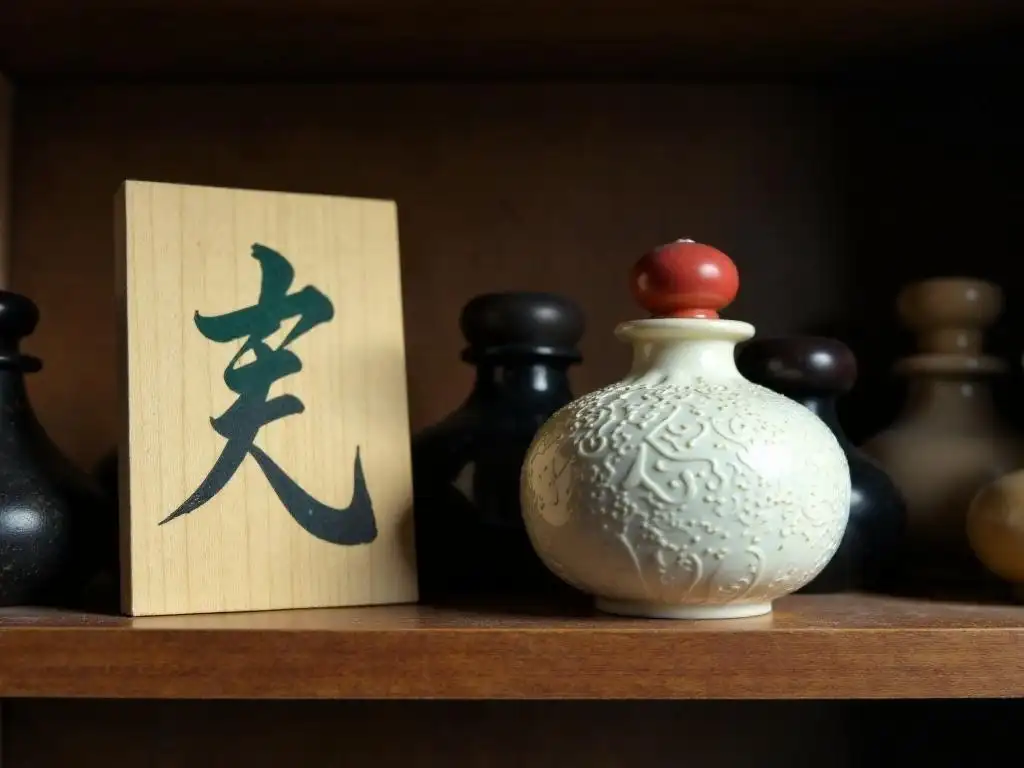
In Japanese calligraphy, composition plays a pivotal role in conveying not only the aesthetic beauty of the characters but also the intended meaning and emotional resonance of the work. A well-thought-out composition can elevate a piece from mere text to a profound artistic expression. Here are some key aspects of composition in calligraphy:
- Balance: Achieving a harmonious balance between characters and negative space is crucial. This balance creates a sense of unity and flow in the artwork.
- Proportion: Understanding the proportion of characters to the overall space is essential. Different characters may require varying amounts of space to maintain visual integrity.
- Flow: The arrangement should guide the viewer’s eye smoothly across the piece. This can be achieved by varying the size and orientation of characters, creating a dynamic movement that captivates the audience.
- Emphasis: Strategically placing specific characters can draw attention and convey importance. Utilizing size, boldness, and placement can enhance the message being communicated.
Overall, mastering composition is fundamental for beginners aiming to develop their skill in Japanese calligraphy, as it directly influences how the work is perceived and appreciated.
Recommended Tools for Layout Planning
To effectively plan the layout of your calligraphic works, the following tools can be beneficial:
- Grid Paper: Using grid paper can help beginners visualize the spacing and alignment of characters. It provides a structured framework that simplifies the layout process.
- Calligraphy Brushes: Different brushes can produce various effects. Experimenting with brush sizes and shapes can lead to unique compositions.
- Practice Sheets: Pre-made practice sheets with guidelines for character placement can serve as valuable resources. They often feature outlines or examples of balanced compositions.
- Ruler and Pencil: For more precise measurements, a ruler can help create guidelines for character placement. Light pencil marks can be used to draft initial layouts before applying ink.
- Digital Tools: Software such as Adobe Illustrator allows for digital experimentation with layout and composition. This can be particularly useful for visualizing complex arrangements before committing to paper.
By utilizing these tools, beginners can develop a strong foundation in layout planning, enhancing their overall calligraphy skills.
Exercises to Improve Layout Skills
Here are some targeted exercises designed to help beginners refine their layout skills in Japanese calligraphy:
- Character Arrangement Exercise:
- Write out a simple phrase in kanji or hiragana.
- Experiment with different arrangements on the page.
- Focus on varying the spacing between characters and observe how it influences the overall composition.
- Negative Space Practice:
- Create a piece where the focus is on the negative space around the characters.
- Draw the characters lightly and leave significant space around them to see how the empty areas interact with the text.
- Grid Layout Challenge:
- Use grid paper to draft a calligraphy piece.
- Choose a character and fill a grid square, then expand into larger squares.
- This exercise helps in understanding proportion and space management.
- Layering Text:
- Write the same phrase multiple times, layering different styles or sizes of characters.
- Observe how overlapping characters affect readability and overall aesthetics.
- Dynamic Flow Composition:
- Create a series of sketches that explore different orientations of characters (diagonal, circular, etc. ).
- Focus on creating a sense of movement and flow within your layout.
By consistently practicing these exercises, beginners can significantly enhance their ability to compose visually appealing and meaningful calligraphic works.
Examples of Effective Compositions in Japanese Calligraphy
When it comes to mastering Japanese calligraphy, understanding effective compositions is crucial to creating visually appealing and meaningful pieces. Here are several examples that illustrate the principles of composition in Japanese calligraphy:
1. Balanced Layouts
A well-balanced layout is essential in calligraphy. This means distributing visual weight evenly across your piece. For instance, when writing a kanji character, consider its size and placement on the paper. A common practice is to position larger characters towards the center and smaller ones towards the edges, creating a harmonious balance.
2. Use of Negative Space
Negative space, or the empty areas around your characters, plays a vital role in composition. In Japanese calligraphy, leaving sufficient space can enhance the overall aesthetic and allow viewers to appreciate the beauty of each stroke. For example, in a piece that features the phrase "心" (kokoro, meaning heart), surrounding it with ample white space can draw more attention to the character itself.
3. Vertical vs. Horizontal Orientation
Traditionally, Japanese calligraphy is often written in a vertical format, which can create a sense of flow and movement. However, combining horizontal and vertical elements can lead to a dynamic composition. For example, using a vertical stroke followed by a horizontal flourish can create an engaging visual rhythm that captivates the viewer.
4. The Rule of Thirds
Applying the rule of thirds can enhance the aesthetic appeal of your calligraphy. Imagine dividing your paper into a 3x3 grid. Placing your focal point (such as a key character) at the intersection points can create a more engaging composition. For instance, writing the word "愛" (ai, meaning love) at one of these intersections can emphasize its significance in the piece.
5. Incorporation of Images or Patterns
Incorporating images or decorative patterns alongside your calligraphy can create a rich visual experience. For example, pairing the word "桜" (sakura, meaning cherry blossom) with delicate cherry blossom illustrations enhances the theme and creates a cohesive composition. This not only showcases your calligraphy skills but also demonstrates a connection to Japanese culture.
By studying these examples of effective compositions in Japanese calligraphy, beginners can gain insights into how to elevate their craft. Understanding the nuances of layout, balance, and space will ultimately lead to more impactful and aesthetically pleasing works.
Conclusion: Elevating Your Craft with Japanese Calligraphy Exercises
Japanese calligraphy, or shodō, is not only an art form but also a discipline that requires dedication and practice. The exercises discussed in this article serve as foundational steps for beginners seeking to master this elegant craft. By engaging with these challenges, you will not only enhance your technical skills but also deepen your appreciation for the cultural significance of calligraphy in Japan.
Recap of the 5 Calligraphy Challenges
To summarize, here are the five exercises that can help elevate your Japanese calligraphy skills:
-
Basic Strokes Practice
Understanding and mastering basic strokes are essential. This exercise focuses on practicing the fundamental strokes that form the building blocks of kanji and kana characters.
-
Character Formation
This challenge involves writing simple characters while paying attention to stroke order and balance. It promotes muscle memory and precision.
-
Ink Control
Here, the focus is on controlling the ink flow and pressure applied to the brush, which is crucial for producing varying line thickness and texture.
-
Copying Masterpieces
By replicating works of renowned calligraphers, you can learn advanced techniques and styles, gaining insight into the aesthetic values of shodō.
-
Creating Your Own Compositions
This final challenge encourages creativity. It involves selecting meaningful phrases or words and expressing them through your unique style, integrating everything learned from previous exercises.
Encouragement to Pursue Continuous Improvement
As you embark on your journey with these Japanese calligraphy exercises for beginners, remember that improvement comes with patience and persistence. Calligraphy is a lifelong pursuit where every stroke teaches you something new. Embrace the process, and don’t be afraid to make mistakes; they are often the best teachers. Set aside regular practice time, and consider keeping a journal of your progress to reflect on your development over time.
Further Resources for Aspiring Calligraphers
For those eager to continue their exploration of Japanese calligraphy, numerous resources can enhance your learning experience:
- Books: Seek out instructional books that cover techniques, history, and philosophies of shodō.
- Online Tutorials: Websites and platforms offering video tutorials can provide visual guidance to complement your practice.
- Local Workshops: Find classes or workshops in your area to gain hands-on experience and feedback from professional calligraphers.
- Community Groups: Join online forums or local clubs where you can share your work, receive constructive criticism, and connect with fellow calligraphy enthusiasts.
By engaging with these resources and consistently practicing the exercises outlined, you will undoubtedly find joy and fulfillment in the art of Japanese calligraphy. Happy writing!
Frequently Asked Questions
What are the benefits of practicing Japanese calligraphy exercises for beginners?
Practicing Japanese calligraphy helps improve fine motor skills, enhances concentration, and fosters a deeper appreciation for Japanese culture and artistic expression.
How can beginners get started with calligraphy exercises?
Beginners can start by gathering basic supplies, such as brushes, ink, and paper, and following structured exercises that focus on mastering fundamental strokes and characters.
Are there specific calligraphy exercises recommended for beginners?
Yes, beginners should focus on basic strokes, simple characters, and repetition exercises to build muscle memory and confidence in their calligraphy skills.
How often should one practice Japanese calligraphy to see improvement?
Regular practice, ideally 30 minutes a day, can lead to noticeable improvement over time. Consistency is key in refining technique and mastering characters.
Where can I find resources for Japanese calligraphy exercises?
Many online platforms, including tutorials, videos, and downloadable worksheets, offer valuable resources for Japanese calligraphy exercises tailored for beginners.
Final Reflection: Elevating Your Craft Through Japanese Calligraphy
In a world that often prioritizes speed and efficiency, the art of Japanese calligraphy reminds us of the beauty in patience and precision. The exercises outlined in this article not only serve as a foundation for beginners but also as a pathway to deeper self-expression and mindfulness. As we navigate our fast-paced lives, the practice of calligraphy stands as a testament to the power of slowing down and appreciating the intricate details of our craft.
Calligraphy is not merely about creating beautiful letters; it is a cultural bridge that connects us to history, tradition, and the essence of artistry. The ongoing influence of Japanese calligraphy can be seen in various aspects of contemporary art and design, where the elegance of brush strokes continues to inspire. Art is not what you see, but what you make others see.
– Edgar Degas. This quote encapsulates the transformative power of calligraphy, inviting us to share our unique perspectives and emotions through each stroke of the brush.
As you embark on your journey with these Japanese calligraphy exercises, I encourage you to reflect on the deeper meanings behind your practice. Consider how each character you create can tell a story, express a feeling, or connect you to a larger community of artists. Embrace the challenges and celebrate your progress, knowing that every effort you make elevates not only your craft but also your understanding of yourself and the world around you. Let this be the beginning of a beautiful exploration that transcends the page and enriches your life.
Elevate Your Calligraphy Skills Today!
Thank you for exploring the world of calligraphy through this article! You've discovered essential exercises that can enhance your craft and deepen your appreciation for this beautiful art form. Now it's time to take what you've learned and put it into action!
Here’s how you can enhance your calligraphy journey:
- Start with one exercise from the recommended list and practice it daily to build your skills and confidence.
- Share your progress on social media platforms and connect with fellow calligraphy enthusiasts to inspire each other.
- Join an online calligraphy community or class to receive feedback, tips, and support from other artists.
What new techniques are you excited to incorporate into your calligraphy practice? We'd love to hear your thoughts and experiences!