
The Role of Women in Feudal Japanese Martial Arts

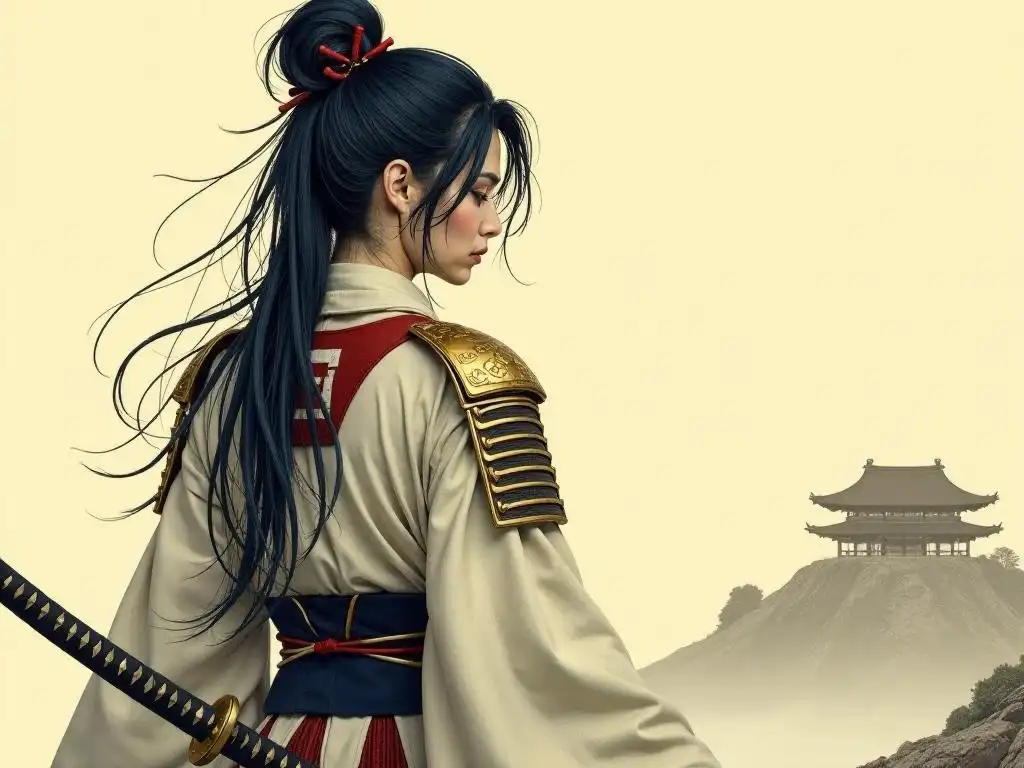
Welcome to Feudal Japan History, where we invite you to embark on a journey through the captivating tapestry of Japan’s feudal era. Here, we delve into the intricate historical, cultural, and societal aspects that shaped this remarkable period. Our featured article, "The Role of Women in Feudal Japanese Martial Arts," uncovers the often-overlooked contributions of women to the martial traditions of this time.
What roles did they truly play in a society dominated by warriors? Join us as we shed light on their remarkable stories and challenge the conventional narratives of history. Your adventure into the depths of feudal Japan begins now— read on to discover the unexpected!
The exploration of women's contributions to martial arts during Japan's feudal era reveals a rich and often overlooked aspect of history. While the narrative of martial prowess in feudal Japan frequently highlights the male samurai, it is essential to recognize that women also played significant roles in the martial arts landscape. This article delves into the historical, cultural, and societal contexts that shaped the experiences of women in Japanese martial arts, shedding light on their contributions and the evolution of gender roles within this sphere.
Introduction to Women in Japanese Martial Arts
In feudal Japan, martial arts were not solely the domain of men. Women trained in various combat styles, often motivated by the need for self-defense and the protection of their families. The martial practices they engaged in ranged from traditional weapons training to hand-to-hand combat techniques. Understanding their involvement requires a comprehensive look at the societal norms and expectations of the time, as well as the martial arts disciplines that flourished.
Overview of Feudal Japan's Martial Arts Landscape
The martial arts landscape of feudal Japan was diverse, encompassing a myriad of styles and techniques. Key elements included:
- Kenjutsu (swordsmanship): The art of the sword was central to samurai training but also saw participation from women, especially in the context of family defense.
- Bojutsu (staff techniques): This weapon-based art proved to be versatile, allowing women to wield longer weapons effectively.
- Jujutsu (unarmed combat): Many women practiced jujutsu for self-defense, emphasizing techniques that leveraged an opponent's strength against them.
The integration of these arts into women's training varied by region and social status, highlighting a complex interplay between tradition and necessity.
Importance of Gender Roles in Feudal Society
In feudal Japan, gender roles were rigidly defined, with men largely occupying the public sphere while women were expected to manage the household. However, the role of women was multifaceted, often extending into the realms of martial training, particularly in the following ways:
- Family Defense: Women were responsible for defending their homes, especially during times of conflict.
- Cultural Guardianship: Many women preserved and transmitted martial arts knowledge through familial and community ties.
- Symbol of Honor: Women who trained in martial arts were often viewed as protectors of their family's honor and reputation.
This context illustrates the nuanced roles women occupied, balancing societal expectations with their agency in martial practice.
Historical Context of Women in Japanese Martial Arts
To fully appreciate the role of women in Japanese martial arts, it is essential to examine historical accounts that document their participation and contributions.
Early Historical Accounts of Female Martial Artists
Historical records reveal that women have been involved in martial arts since ancient times. Notable figures include:
- Tomoe Gozen: A legendary warrior from the late Heian period, famed for her prowess in battle and her involvement in significant military campaigns.
- Hōjō Masako: The wife of a shogun who trained in martial arts, showcasing the potential for women to engage in combat.
These accounts not only illuminate the existence of female martial artists but also challenge the narrative that limits martial skill to men.
The Influence of Samurai Culture on Women’s Roles
The samurai culture significantly impacted women's roles within martial arts. While samurai ideals traditionally emphasized male valor, women were often trained to uphold these values within their families. The concept of bushi (warrior) extended to women, particularly in the context of:
- Bushido: The samurai code of conduct that also influenced women's training and their responsibilities within the household.
- Martial Training: Many samurai families ensured their daughters received martial training as part of their upbringing, emphasizing the importance of honor and skills in defense.
This cultural framework created a duality in women's roles, allowing them to embody both traditional femininity and martial prowess.
Changing Perceptions of Women in Feudal Japan
Over time, perceptions of women in martial arts evolved, influenced by broader societal changes and historical events. Factors contributing to this evolution include:
- Warfare and Conflict: As conflicts arose, the necessity for women to defend themselves and their families grew, leading to increased acceptance of female martial artists.
- Cultural Shifts: The rise of Zen and other philosophies began to value the internal discipline and strength women exhibited through martial arts.
- Historical Narratives: As historical narratives began to shift, more attention was placed on women's contributions, leading to a reevaluation of their roles in martial arts.
This ongoing transformation illustrates the dynamic nature of women's involvement in martial arts within the feudal context, paving the way for future generations.
Types of Martial Arts Practiced by Women
In feudal Japan, women participated in various martial arts, not just limited to self-defense but also as a means of empowerment and cultural expression. While the predominant narrative often emphasizes male practitioners, historical texts and records reveal that women were active participants in several forms of martial arts. The most notable among these include Kenjutsu, Naginatajutsu, and other disciplines like Bojutsu and Iaijutsu. Each of these martial arts offered women avenues to develop skills that were crucial for both personal safety and the defense of their households during tumultuous times.
Kenjutsu: The Art of the Sword
Kenjutsu, the art of the sword, is one of the most recognized martial arts in Japan, and women practiced it with dedication and skill. During the feudal era, particularly in the Edo period, women from samurai families were trained in Kenjutsu. This training was not merely for physical combat but also instilled discipline, focus, and a sense of honor.
Women often trained in Kenjutsu to protect their homes during the absence of men, particularly when they were away for battles or duties. The sword, a symbol of the samurai class, also became a means for women to assert their status and capabilities within a patriarchal society. Notably, some women became proficient enough to be acknowledged as masters in their own right, contributing to the evolving techniques and philosophies of Kenjutsu.
Naginatajutsu: The Use of the Naginata
Naginatajutsu, the art of wielding the naginata, a polearm with a curved blade at the end, was particularly popular among women. The naginata's long reach and versatility made it an effective weapon for those who might not have the physical strength to wield a sword effectively.
Women trained in Naginatajutsu were often associated with the warrior class, and this martial art was seen as a means of empowerment. Historical documents indicate that women trained not only for self-defense but also to protect their families and communities. The naginata was also embraced by various schools and became a symbol of women's contributions to martial arts.
Additionally, Naginatajutsu was incorporated into various dojo practices, allowing women to gain recognition and respect as formidable warriors in their own right. It is noted that women who excelled in Naginatajutsu were sometimes celebrated in literature and art, highlighting their importance in the martial landscape of feudal Japan.
Other Forms: Bojutsu and Iaijutsu
In addition to Kenjutsu and Naginatajutsu, women also engaged in Bojutsu, the art of the staff, and Iaijutsu, the technique of drawing a sword. Bojutsu, utilizing a long wooden staff, was accessible to women due to its manageable weight and length, allowing for effective defense against attackers. The practice of Bojutsu helped women develop agility and coordination, essential skills for self-defense.
Iaijutsu, on the other hand, focused on the swift drawing and cutting of a sword, often practiced in a kata format that emphasized precision and technique over brute strength. This discipline was significant in teaching women the principles of timing and movement, which were invaluable in combat situations.
Through the practice of these martial arts, women in feudal Japan not only honed their physical skills but also embraced the underlying philosophies of martial arts, which included mental discipline, respect, and honor.
Contributions of Women to Japanese Martial Arts
The contributions of women to Japanese martial arts during the feudal era are often overlooked, yet they are significant. Women played essential roles not only as practitioners but also as influencers within the martial arts community. Their involvement helped shape the evolution of various martial disciplines, and their legacy can still be observed in modern practices.
Notable Female Figures in Feudal Japanese Martial Arts
Throughout Japan's feudal history, several notable female figures emerged in the world of martial arts. These women not only excelled in their respective disciplines but also became influential in their communities. For instance, Tomoe Gozen, a legendary female warrior, is often celebrated for her prowess in battle and mastery of Kenjutsu.
In the realm of Naginatajutsu, women like Hojo Masako contributed to training and promoting the art, emphasizing its importance among women in samurai households. These figures not only paved the way for future generations of female martial artists but also challenged the gender norms of their time, proving that women could be formidable warriors.
Women as Instructors and Leaders in Martial Arts
Women also took on significant roles as instructors and leaders in martial arts schools. As the demand for women’s training in martial arts grew, many established their own dojos or joined existing institutions as instructors. These women imparted their knowledge and skills, contributing to the training of both male and female students.
Their leadership roles fostered an environment where martial arts were more inclusive, allowing women to participate actively in the martial arts community. Thus, female instructors not only enhanced the technical aspects of martial arts but also inspired a new generation of female practitioners.
The Role of Women in Samurai Households and Training
In samurai households, women were often involved in the training and preparation of their families for battle. They were taught martial arts not only as a means of self-defense but also as a way to instill values of courage, honor, and resilience in their children.
Mothers played a critical role in passing down martial traditions, ensuring that their children understood the importance of martial arts within their cultural context. This familial transmission of knowledge contributed to the preservation and evolution of martial arts practices, allowing women to maintain their relevance within the samurai class.
The role of women in feudal Japanese martial arts was multifaceted and significant, with contributions that shaped various disciplines and influenced the cultural dynamics of the time. Their legacy continues to inspire contemporary discussions about gender and martial arts, highlighting the importance of recognizing women's achievements in historical contexts.
Training and Education of Women in Martial Arts
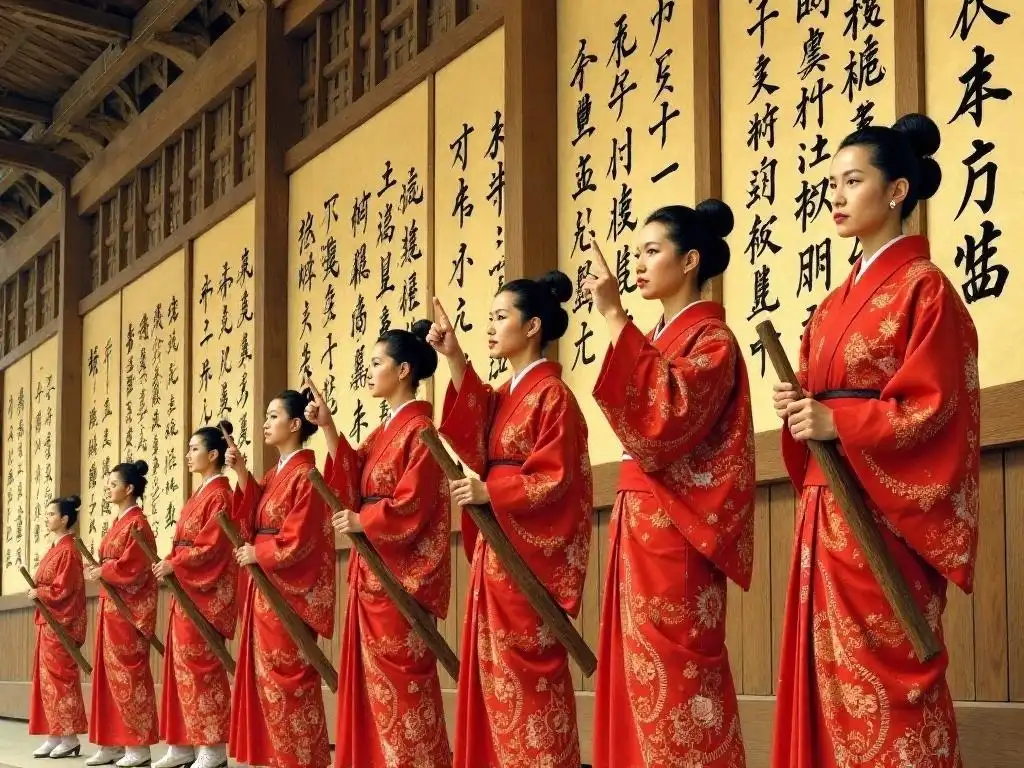
In feudal Japan, the training and education of women in martial arts were not as prevalent or formalized as their male counterparts. However, this does not imply that women lacked the capability or interest in martial practices. Many women, particularly from samurai families, engaged in training to defend themselves and their families. This training often took place within the confines of the household, with mothers teaching daughters fundamental techniques of self-defense and weaponry, particularly with the naginata or the tanto.
Access to Martial Arts Training for Women
Access to martial arts training for women in feudal Japan varied significantly based on social class and regional customs. While women from samurai families had the privilege of receiving formal instruction, those from lower classes typically learned through informal means. Samurai women often trained alongside men and were instructed by masters in various martial disciplines, including kenjutsu (swordsmanship) and iaijutsu (the art of drawing one’s sword).
In contrast, peasant women had limited access to formal training; however, they often learned practical skills for defending themselves against intruders or during times of conflict. Some communities offered basic self-defense workshops, but overall, the opportunities for women to engage in martial arts were constrained by the societal norms of the time.
Impact of Social Class on Women’s Martial Arts Training
Social class had a profound impact on the training opportunities available to women in martial arts. Nobility and samurai classes afforded their women a degree of training that was often formalized and rigorous. For instance, the wives of samurai were expected to be proficient in the use of weapons, ensuring that they could protect their homes in the absence of their husbands.
Conversely, women of lower classes had limited access to such training. Their focus was typically on agricultural work or domestic responsibilities, which left little time for martial arts. Nevertheless, some peasant women organized themselves into groups to learn self-defense skills, highlighting a communal approach to martial training despite their social limitations. This disparity in access reflects the broader societal structures of feudal Japan, where class stratification influenced all aspects of life, including martial capabilities.
The Evolution of Women's Training Techniques
The techniques employed by women in martial arts have evolved significantly over time, influenced by historical context, societal changes, and cultural exchanges. Initially, the training focused on practical self-defense techniques, empowering women to protect themselves and their families. As the role of women began to shift, particularly during the Edo period, more structured forms of training emerged.
During this period, disciplines such as naginatajutsu gained popularity among women, emphasizing not only strength but also agility and strategy. The naginata, a polearm weapon, was seen as suitable for women due to its reach and ease of use. Training centers dedicated to women's martial arts began to appear, allowing for a more formalized approach to learning.
By the late 19th and early 20th centuries, with the influence of Western martial arts and the modernization of Japan, women began to adopt and adapt various techniques, leading to a richer, more diverse set of martial skills that incorporated both traditional and modern elements.
Cultural Representation of Women in Martial Arts
The representation of women in martial arts throughout Japanese culture has been a fascinating journey, marked by both admiration and romanticism. From historical texts to contemporary media, female warriors have often been depicted as symbols of strength, resilience, and honor.
Literature and Art Depictions of Female Warriors
Historical literature and art have played a crucial role in shaping the perception of women in martial arts. Female warriors, known as "onna-bugeisha," have been celebrated in various texts, including "The Tale of Heike" and works by the famous ukiyo-e artists. These depictions often illustrated women as skilled fighters, wielding weapons with grace and power, challenging the stereotypical notions of femininity prevalent during their time.
Moreover, art forms such as noh and kabuki theater often showcased female warriors, highlighting their bravery and martial prowess. These representations not only contributed to the cultural narrative surrounding women in martial arts but also served as a source of inspiration for future generations.
The Role of Women in Martial Arts Festivals and Performances
Women have traditionally played significant roles in martial arts festivals and performances throughout Japan's history. Festivals such as the Aoi Matsuri and various local events often featured female participants showcasing their martial skills in ceremonial displays. These performances served to honor the martial traditions of Japan while also allowing women to demonstrate their abilities in a public setting.
Participation in these festivals was not merely symbolic; it provided women with a platform to express their martial prowess and to gain recognition within their communities. Over time, women's involvement in martial arts festivals contributed to a broader acceptance of female martial artists, paving the way for future generations to pursue martial arts with greater legitimacy.
Modern Interpretations of Historical Female Martial Artists
In contemporary society, the legacy of historical female martial artists continues to inspire modern interpretations and practices. Films, literature, and martial arts schools often draw upon the rich history of women in Japanese martial arts, portraying them as formidable figures who broke societal constraints.
Modern martial arts dojos increasingly celebrate the contributions of women, integrating historical narratives into their training and outreach. Workshops and seminars dedicated to female martial artists aim to educate both men and women about the significance of these pioneers, fostering an environment where women can thrive in martial arts.
This resurgence in interest not only honors the past but also encourages a new generation of female martial artists to embrace their heritage and pursue their training with confidence and pride.
Challenges Faced by Women in Martial Arts
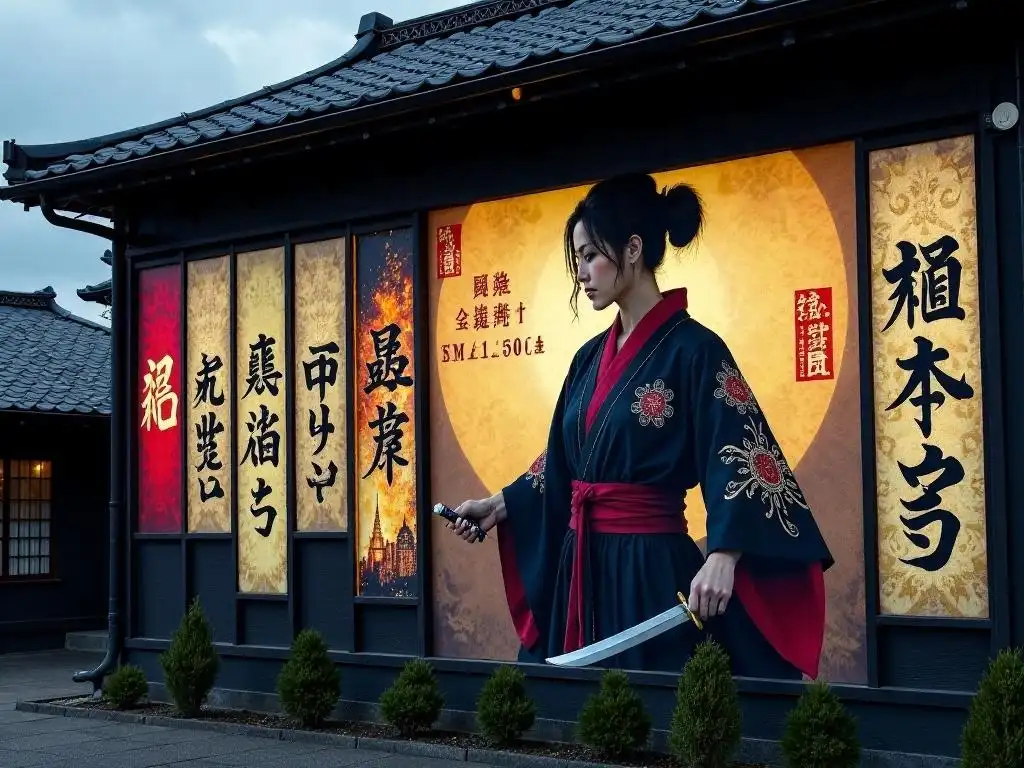
Women in feudal Japan faced numerous challenges within the realm of martial arts, which were often deeply rooted in the societal norms and gender roles of the time. Despite their capabilities and contributions, women were frequently marginalized in martial disciplines, leading to a complex relationship between gender and martial arts training. Understanding these challenges provides insight into the historical context of women’s participation in martial arts, revealing both the obstacles they faced and their resilience in overcoming them.
Societal Limitations and Restrictions
In feudal Japan, societal norms dictated clear roles for men and women, often relegating women to domestic spheres. The prevailing Confucian ideals emphasized male authority and female obedience, which limited women’s opportunities in various fields, including martial arts. Training was predominantly male-dominated, and women who aspired to learn martial skills encountered significant barriers:
- Restricted Access: Many dojos and schools were male-only environments. Women had limited access to formal training, which stifled their development as martial artists.
- Cultural Perceptions: The perception that martial arts were unsuitable for women played a significant role in discouraging participation. Women were often viewed as caretakers rather than warriors, limiting their involvement in combat training.
- Family Expectations: Women were expected to prioritize familial duties over personal ambitions, leaving little room for martial arts practice. This expectation was particularly pronounced among the samurai class, where women were often tasked with managing households.
The Impact of War and Conflict on Women’s Roles
While war typically exacerbated gender inequalities, it also provided unique opportunities for some women to engage in martial practices. During periods of conflict, such as the Sengoku period, women's roles shifted as societal needs evolved:
- Warrior Women: Some women, especially those from samurai families, took on active roles in warfare, defending their homes and managing estates. The legendary figures of Onna-bugeisha, female warriors trained in martial arts, emerged during this time, illustrating that women could embody the warrior spirit.
- Training and Skill Development: In times of crisis, women sometimes received training to protect their families and communities. This necessity led to the development of specialized skills, although such training was often informal and lacked the recognition afforded to male counterparts.
- Camaraderie and Support: Conflict fostered alliances among women, allowing them to share knowledge and experiences, which would later influence martial arts practices and contribute to a sense of community among female practitioners.
Gender Discrimination in Historical Context
Historically, gender discrimination in Japan was deeply ingrained and influenced various aspects of life, including martial arts. The prevailing patriarchal values shaped perceptions of women’s capabilities in combat:
- Legal and Institutional Barriers: Laws and customs often explicitly prohibited women from participating in certain martial traditions. For instance, women were usually barred from inheriting land or titles, limiting their access to resources that could support martial training.
- Misrepresentation in Literature: Historical texts, literature, and folklore often depicted women as weak or submissive, reinforcing the notion that martial prowess was inherently masculine. This cultural narrative contributed to the marginalization of women in martial arts.
- Resistance and Resilience: Despite these challenges, women found ways to resist and assert their identities as martial artists. By forming informal groups and sharing techniques, they created a subculture that celebrated female strength and skill.
The Legacy of Women in Japanese Martial Arts
The legacy of women in feudal Japanese martial arts is profound, shaping not only historical practices but also influencing modern martial arts. Their contributions, often overlooked, laid the groundwork for contemporary discussions about gender and martial arts.
Lasting Influence on Modern Martial Arts
The impact of women who practiced martial arts in feudal Japan can still be felt today. Their persistence and achievements have inspired generations of female martial artists:
- Integration of Techniques: Many modern martial arts draw from traditional practices that included women's contributions, such as techniques from jujutsu that highlight leverage and agility, often utilized by women to overcome larger opponents.
- Role Models and Pioneers: Historical figures like the Onna-bugeisha serve as role models, demonstrating that women can excel in martial disciplines. Their stories encourage women today to pursue martial arts, fostering a sense of empowerment and equality.
- Evolution of Training Spaces: The increasing acceptance of women in martial arts schools reflects a shift in societal attitudes. Many dojos now promote inclusivity and actively encourage female participation, building on the legacy of those who fought for their rightful place in martial arts.
Preservation of Traditions and Practices
Women played a crucial role in preserving traditional martial arts practices, ensuring that skills and knowledge were passed down through generations:
- Oral Histories and Teaching: Women often served as informal instructors, passing down techniques and philosophies to younger generations, which helped maintain the integrity of martial arts traditions.
- Cultural Celebrations: Events such as festivals and demonstrations have historically included women’s performances, showcasing their skills and fostering appreciation for their contributions to martial arts.
- Revival Movements: In contemporary times, there has been a growing movement to revive and honor the contributions of women in martial arts history. This resurgence emphasizes the importance of acknowledging women’s roles in shaping martial arts traditions.
Continued Advocacy for Gender Equality in Martial Arts Today
Today, women in Japanese martial arts continue to advocate for gender equality, striving to address the disparities that have persisted over centuries:
- Increased Representation: Female practitioners are increasingly taking leadership roles in dojos and organizations, helping to shape policies that promote inclusivity and support for women in martial arts.
- Awareness Campaigns: Initiatives aimed at raising awareness about the historical contributions of women in martial arts are becoming more common, fostering an environment where their achievements are celebrated.
- Empowerment Through Training: Modern martial arts programs often emphasize empowerment, encouraging women to embrace their strength and capabilities. This approach not only promotes equality but also builds a supportive community for female martial artists.
Through these efforts, the legacy of women in Japanese martial arts is not only preserved but also celebrated, paving the way for future generations to thrive in a more equitable martial arts landscape.
Conclusion: Reflecting on the Role of Women in Japanese Martial Arts
The role of women in feudal Japanese martial arts is a complex and often overlooked aspect of history. While traditional narratives predominantly highlight the achievements of male samurai, women also played significant roles in martial arts, both as practitioners and as influencers within their families and communities. Understanding this multifaceted contribution not only enriches our comprehension of Japanese martial arts but also presents a more inclusive view of feudal Japanese society.
Summary of Key Points
- Historical Participation: Women in feudal Japan were not mere bystanders; they engaged actively in martial arts training. They learned various techniques for self-defense and contributed to the preservation and transmission of martial knowledge within their families.
- Cultural Significance: The participation of women in martial arts reflects deeper cultural values regarding honor, strength, and resilience. These values transcended gender boundaries, allowing women to embody the samurai spirit, albeit in different societal roles.
- Influence on Martial Traditions: Women influenced the development of various martial arts schools and styles. Their involvement often led to the creation of techniques specifically designed for women, addressing their unique physical strengths and societal roles.
- Challenging Gender Norms: The existence of women warriors and martial artists challenged contemporary gender norms, showcasing their capabilities and encouraging a reevaluation of women's roles in society.
The Importance of Acknowledging Women’s Contributions
Recognizing the contributions of women in Japanese martial arts is crucial for several reasons. First, it promotes a more nuanced understanding of history that includes diverse perspectives, particularly those of marginalized groups. By highlighting the achievements of female martial artists, we can appreciate the full spectrum of martial arts evolution and the societal structures that shaped it.
Moreover, acknowledging these contributions can inspire future generations, particularly young women, to engage in martial arts. It reinforces the idea that martial arts are not solely a male domain but a field where anyone, regardless of gender, can excel and find empowerment.
Future Directions for Research and Recognition
There is a pressing need for further research into the role of women in Japanese martial arts. Future studies can explore various aspects, such as the methodologies women employed in martial training, the societal attitudes towards female warriors, and the impact of women's martial arts on contemporary practices.
Additionally, recognizing women’s contributions in martial arts can be integrated into educational curricula, exhibitions, and cultural narratives. By celebrating female martial artists' legacies and achievements, we can foster a more inclusive martial arts community that honors the diverse histories and experiences of all practitioners.
The role of women in Japanese martial arts is a rich field worthy of exploration, and it is imperative to continue uncovering and celebrating their contributions, both historically and in modern practice.
- Introduction to Women in Japanese Martial Arts
- Historical Context of Women in Japanese Martial Arts
- Types of Martial Arts Practiced by Women
- Contributions of Women to Japanese Martial Arts
- Training and Education of Women in Martial Arts
- The Evolution of Women's Training Techniques
- Cultural Representation of Women in Martial Arts
- Challenges Faced by Women in Martial Arts
- The Legacy of Women in Japanese Martial Arts
- Conclusion: Reflecting on the Role of Women in Japanese Martial Arts
- What was the role of women in feudal Japanese martial arts?
- Did women have formal training in martial arts during feudal Japan?
- How did societal views affect women in martial arts during this era?
- What types of martial arts did women practice in feudal Japan?
- Are there notable historical figures of women in Japanese martial arts?
Frequently Asked Questions
What was the role of women in feudal Japanese martial arts?
Women in feudal Japanese martial arts played a significant role, often engaging in training and combat techniques, particularly in self-defense and family protection.
Did women have formal training in martial arts during feudal Japan?
Yes, women had access to formal training in certain martial arts, primarily through their family lineage or schools that emphasized self-defense techniques suited for women.
How did societal views affect women in martial arts during this era?
Societal views often restricted women's roles; however, those who practiced martial arts were sometimes seen as exceptional and were respected for their skills, breaking traditional gender norms.
What types of martial arts did women practice in feudal Japan?
Women practiced various forms of martial arts, including Kenjutsu (swordsmanship) and Bojutsu (staff techniques), adapting these arts to their physical capabilities and societal roles.
Are there notable historical figures of women in Japanese martial arts?
Yes, several women, such as Tomoe Gozen, are celebrated in history for their martial prowess and have become symbols of strength and skill in Japanese culture.
Final Reflection: The Enduring Legacy of Women in Japanese Martial Arts
The exploration of women in Japanese martial arts reveals a profound and often overlooked narrative that resonates deeply with contemporary discussions on gender equality and empowerment. As we reflect on the historical contributions of women in feudal Japan, we recognize that their roles were not merely supportive; they were pivotal in shaping the martial traditions that continue to inspire practitioners today. This legacy underscores the importance of acknowledging and celebrating the strength and resilience of women throughout history.
Clearly, the influence of women in martial arts extends beyond the dojo and into the broader cultural landscape, challenging stereotypes and redefining what it means to be a warrior. The stories of these women serve as a reminder that martial arts are not solely about physical prowess; they embody values of discipline, respect, and perseverance.
As noted by martial artist and historian Dr. Rachael O’Connor, > “The history of women in martial arts is a testament to their strength and determination, proving that the spirit of a warrior knows no gender.” This ongoing influence continues to inspire new generations, encouraging women to embrace their power and pursue their passions in martial arts and beyond.
As we move forward, let us take a moment to reflect on our own journeys and the lessons learned from the remarkable women who paved the way in Japanese martial arts. I invite you to consider how you can honor this legacy in your own life—whether through practice, advocacy, or simply by sharing these stories. By recognizing and uplifting the contributions of women in martial arts, we can contribute to a more inclusive and equitable future, ensuring that the spirit of these warriors lives on in every dojo and every practitioner.
Empower Your Understanding of Women in Martial Arts!
Thank you for taking the time to explore the enriching world of women in feudal Japanese martial arts. By delving into this fascinating topic, you've uncovered the strength, resilience, and contributions of women who played pivotal roles in shaping martial traditions. Now, let’s take this knowledge to the next level!
Here are some exciting actions you can take right now:
- Join a local martial arts class that incorporates the history and techniques inspired by female warriors. Discover their unique skills while honoring their legacy!
- Share your newfound knowledge with friends or on social media—start conversations about the impact of women in martial arts and inspire others to explore this rich history.
- Explore further by reading books or watching documentaries focused on influential female figures in martial history. You’ll be amazed by their remarkable stories!
What lessons do you think today’s martial arts practitioners can learn from the women of feudal Japan? Share your thoughts below!