
The Hidden Stories of Female Artisans in Feudal Japan

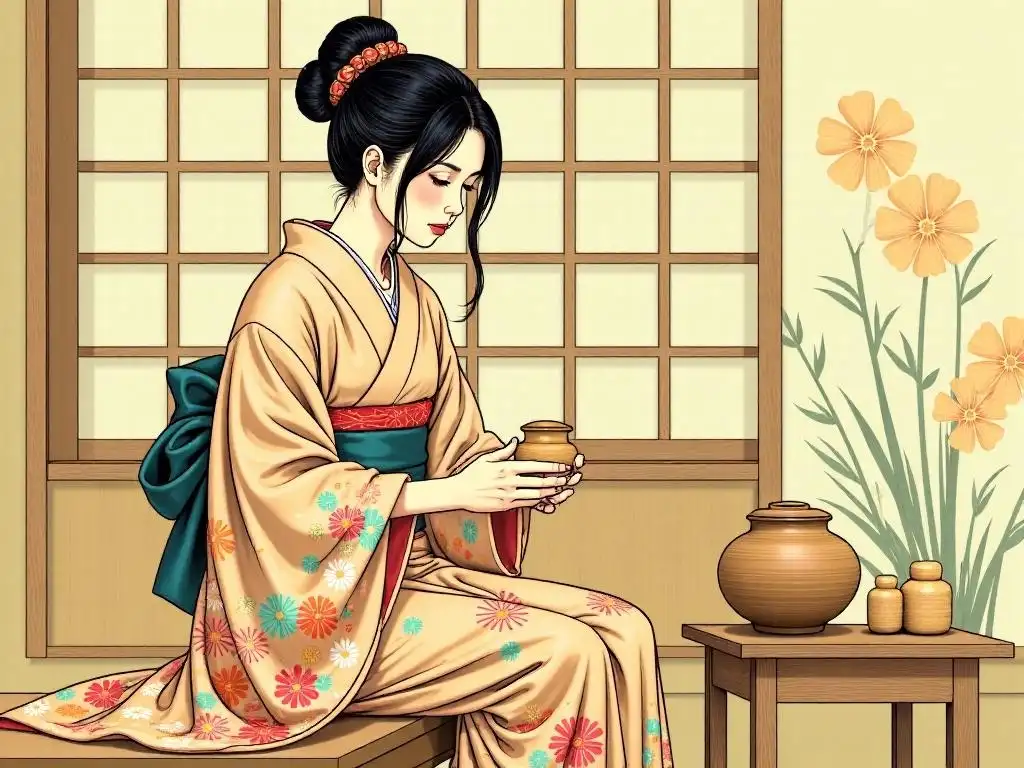
Welcome to Feudal Japan History, where we delve into the intriguing depths of Japan's feudal era. Prepare to uncover the hidden stories of the remarkable female artisans in feudal Japan—a topic often overshadowed by their male counterparts. In this exploration, we shine a light on the creativity, resilience, and cultural significance of these talented women who shaped society in profound ways.
Join us as we embark on a journey through time, revealing the untold narratives that await within our articles. Your adventure into the past begins here—don’t miss the chance to discover the artistry and influence of these pioneering figures!
Introduction to Female Artisans in Feudal Japan
In the intricate tapestry of feudal Japan, where samurai warriors and noble families often dominate narratives, the contributions of female artisans are frequently overshadowed. However, these skilled women played a pivotal role in shaping the cultural and economic landscape of their communities. This article delves deep into the hidden stories of female artisans, exploring their skills, challenges, and lasting impacts during a time when their achievements were often overlooked. By illuminating their contributions, we aim to provide a more comprehensive understanding of the social dynamics in feudal Japan and the invaluable roles women held in artisan crafts and trade.
Overview of the Feudal Era in Japan
The feudal era in Japan, spanning from the 12th to the 19th centuries, was characterized by a rigid social hierarchy and the dominance of the samurai class. This period saw the rise of powerful clans and the establishment of a system where land was exchanged for military service. While the samurai and nobility received much attention, the era also fostered a diverse range of artisans and merchants who contributed significantly to the economy and culture.
- Key Features of the Feudal Era:
- Social Hierarchy: At the top were the emperor and shogunate, followed by the samurai, artisans, farmers, and merchants.
- Economic Structure: Agriculture was the backbone of the economy, but artisans and merchants played crucial roles in local and regional markets.
- Cultural Flourishing: The era witnessed significant developments in arts, crafts, and literature, with artisans often being the unsung heroes of these movements.
Importance of Female Artisans in Historical Context
The presence of female artisans in feudal Japan not only highlights the contributions of women in a male-dominated society but also reflects the fluidity of gender roles within specific cultural contexts. While societal norms often confined women to domestic roles, many defied these boundaries and engaged in various artisanal trades, from textiles to pottery.
- Notable Contributions:
- Textile Production: Women were integral in weaving and dyeing fabrics, which were essential for both everyday wear and ceremonial garments.
- Ceramics and Pottery: Many female artisans specialized in pottery, creating functional as well as decorative pieces that were highly valued in their communities.
- Cultural Traditions: Female artisans played a crucial role in preserving and innovating traditional crafts, ensuring that cultural practices were passed down through generations.
The Role of Women in Feudal Japanese Society
Gender Roles and Expectations
In feudal Japan, gender roles were strictly defined, often relegating women to subordinate positions within the household. However, the reality was more complex, with many women actively participating in economic activities and community life.
- Expectations of Women:
- Domestic Responsibilities: Women were typically expected to manage the household and raise children.
- Artisan Work: Despite domestic duties, many women engaged in artisanal work, often alongside their male counterparts or even independently.
- Social Mobility: Successful female artisans could achieve a degree of social mobility and recognition, challenging traditional gender norms.
Contribution of Women to Economic Activities
Female artisans significantly contributed to the economic fabric of feudal Japan. Their involvement in various crafts not only supported their families but also enriched the local economies and cultural heritage.
- Economic Impact:
- Market Participation: Women frequently participated in local markets, selling their handmade goods and contributing to household incomes.
- Skill Transmission: Many women passed down their skills and knowledge to daughters, ensuring the continuity of artisanal traditions.
- Community Influence: Female artisans often played key roles in their communities, fostering social networks and supporting local economies through their crafts.
The stories of female artisans in feudal Japan reveal a rich yet often overlooked aspect of history. Their resilience and creativity not only challenged societal norms but also left an indelible mark on the cultural and economic landscape of their time. This exploration seeks to honor their legacy and shed light on the indispensable roles they played in shaping feudal Japan.
Types of Female Artisans in Feudal Japan
In feudal Japan, women played a crucial yet often overlooked role in the artisan community. While many records primarily highlight male artisans, female artisans contributed significantly across various craft sectors. Their work not only served local economies but also ensured the continuation of cultural practices and traditions. Here are some prominent types of female artisans from this era:
Textile and Clothing Artisans
Textile production was one of the most significant areas where female artisans excelled. Women were often responsible for weaving, dyeing, and sewing garments, with skills passed down through generations.
- Weavers: Many women engaged in weaving using traditional looms to create intricate fabrics, such as silk and cotton. Their expertise in weaving patterns reflected regional styles and preferences.
- Dyers: Female artisans specialized in dyeing fabrics, often using natural dyes derived from plants, minerals, and insects. This knowledge of color and technique was essential in creating vibrant textiles that were highly valued.
- Tailors: Women also took on the role of tailors, crafting clothing items for families and individuals. Their work included both everyday wear and ceremonial garments, showcasing their skill in tailoring and design.
The textile industry not only provided economic opportunities for women but also allowed them to express creativity through their craft.
Pottery and Ceramics Craftswomen
The art of pottery and ceramics was another domain where female artisans thrived. Women often worked in local pottery workshops, creating functional and decorative items that were integral to daily life.
- Functional Pottery: Female artisans produced a variety of everyday ware, including dishes, bowls, and storage jars. Their craftsmanship ensured that these items were both durable and aesthetically pleasing.
- Decorative Ceramics: Some women specialized in decorative pottery, creating pieces that featured intricate designs and glazes. These items were often used in tea ceremonies and other cultural practices, highlighting the artisans' artistic skills.
The contribution of female potters to the ceramics industry is a testament to their creativity and resourcefulness in utilizing available materials.
Woodworking and Furniture Making
While woodworking was traditionally male-dominated, many women participated in this craft as well, particularly in the making of smaller wooden items and furniture.
- Carpenters: Some women were skilled carpenters, constructing furniture such as tables, chests, and storage units. Their designs often reflected the needs of their households and communities.
- Crafts of Daily Life: Female artisans also created items like wooden utensils, tools, and household decorations, which were essential for everyday living.
The work of female woodworkers showcased their technical skills and ability to adapt to their surroundings, making significant contributions to their communities.
Calligraphy and Painting by Female Artisans
In the realm of arts, female artisans were prominent in calligraphy and painting, which were highly regarded skills in feudal Japan.
- Calligraphers: Women practiced calligraphy, producing beautiful written works that conveyed poetry, literature, and religious texts. Their mastery of the brush and ink was essential for preserving cultural heritage.
- Painters: Female painters contributed to various art forms, including screen painting (byōbu) and hanging scrolls (kakejiku). Their artwork often depicted nature, seasonal themes, and daily life, thereby enriching the visual culture of Japan.
These artistic endeavors allowed women to express their individuality and creativity, while also playing a pivotal role in the cultural landscape of feudal Japan.
Training and Skills of Female Artisans
The skills of female artisans in feudal Japan were often honed through rigorous training and apprenticeship. This section explores how women acquired their craft skills and the techniques they employed.
Apprenticeship and Mentorship Programs
For many female artisans, formal apprenticeship programs were vital for skill development. Young women would often apprentice under established artisans in their families or communities, learning through hands-on experience.
- Family Traditions: In many cases, women learned their crafts from mothers or grandmothers, ensuring that knowledge and skills were passed down through generations.
- Community Workshops: Female artisans often gathered in community workshops where they shared techniques and supported one another in their craft. This collaborative environment fostered growth and innovation.
Through mentorship, female artisans not only gained technical skills but also developed a sense of community and identity within their craft.
Skills Development and Craftsmanship Techniques
The development of skills among female artisans was deeply tied to the techniques they practiced and the materials they used.
- Innovative Techniques: Female artisans were known for their unique approaches to crafting. For instance, in textile arts, they often utilized intricate weaving patterns that showcased their creativity.
- Material Knowledge: Mastery of various materials was essential. Women learned to select and prepare raw materials, whether it was silk for textiles or clay for pottery, enhancing their craftsmanship.
The combination of traditional techniques and innovative practices allowed female artisans to create high-quality products that were both functional and artistic, contributing significantly to the economy and culture of feudal Japan.
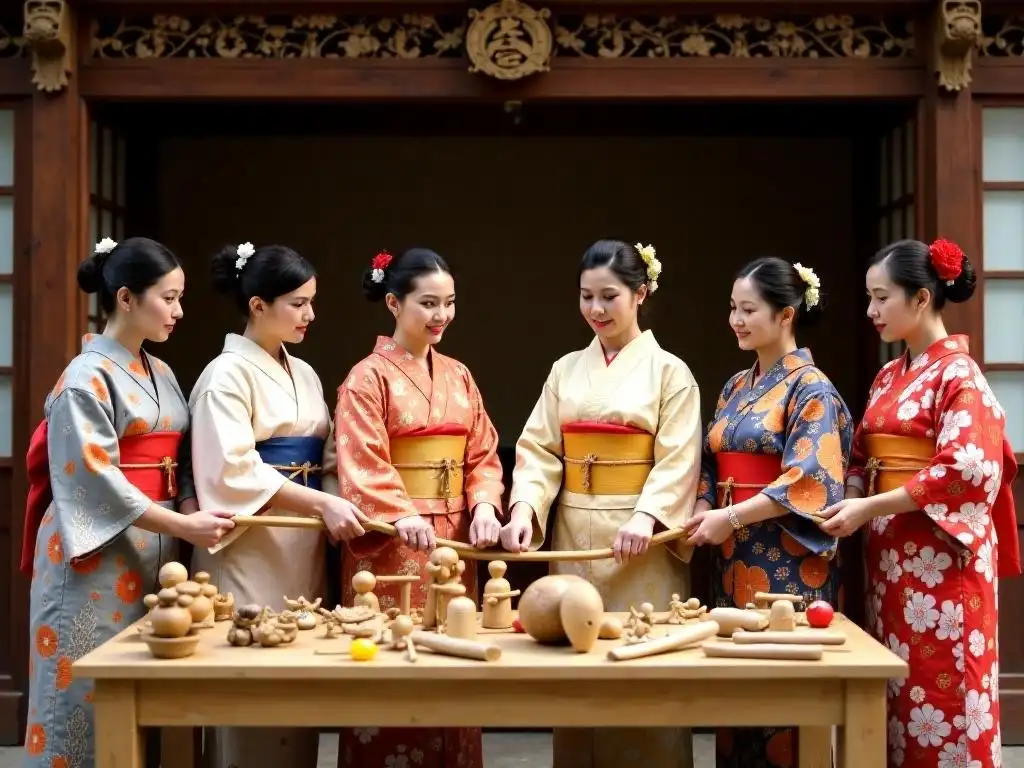
In feudal Japan, the social status of female artisans was complex and varied significantly based on their craft, class, and the region in which they lived. Unlike their male counterparts, women often faced societal limitations that restricted their opportunities for recognition and advancement. However, many female artisans managed to carve out a respected space within their communities, demonstrating skill and creativity despite the prevailing patriarchal norms.
Class Distinctions among Artisans
Class distinctions played a pivotal role in determining the status of female artisans. Within the hierarchy of artisans, those who produced luxury goods such as textiles or pottery often held more prestige than those engaged in everyday crafts. Women who belonged to the higher echelons of society, particularly those from merchant families, could gain access to superior training and resources. Conversely, lower-class female artisans, such as those in rural areas, faced more significant challenges, including limited access to education and material resources.
- Craft Types and Status:
- High-status crafts: Textiles, ceramics, and fine arts
- Mid-status crafts: Woodwork and metalwork
- Low-status crafts: Household items and agricultural tools
Despite these distinctions, many female artisans were able to achieve recognition for their craftsmanship, often through family connections or local patronage.
Recognition and Respect for Craftswomen
Recognition of female artisans varied by region and craft. In some areas, women who demonstrated exceptional skill in their craft gained respect and were acknowledged as masters. The practice of apprenticeship allowed some women to train under reputable artisans, gaining recognition for their expertise. Additionally, festivals and local markets provided platforms for female artisans to showcase their work, garnering admiration and financial support.
However, despite these achievements, systemic biases often meant that women’s contributions were overshadowed by their male counterparts. Many historical records focus on male artisans, leaving the stories of women in the shadows. It is important to highlight that while they may not have received the same formal recognition, female artisans significantly impacted their communities and the broader cultural landscape of Japan.
Challenges Faced by Female Artisans
Female artisans in feudal Japan encountered numerous challenges that impacted their ability to thrive. Key challenges included:
- Gender Discrimination: Societal norms often relegated women to subordinate roles, limiting their opportunities for advancement and recognition.
- Access to Resources: Many women lacked the necessary resources, such as funding and training, to develop their skills fully. This disparity often led to reliance on familial support or local patrons.
- Balancing Roles: Many female artisans were also responsible for household duties, creating a dual burden that made it difficult to devote time and energy to their craft.
- Legal Restrictions: There were instances where laws and customs limited women's participation in certain trades, further entrenching their marginalization within the artisan community.
Despite these challenges, many women persisted, innovating and adapting their practices to maintain their craft and support their families.
Influence of Female Artisans on Japanese Culture
The contributions of female artisans to Japanese culture were profound and multifaceted. Their work not only enriched local economies but also played a crucial role in the preservation and evolution of traditional crafts. By weaving their unique perspectives into their creations, female artisans helped shape the cultural narrative of feudal Japan.
Artistic Contributions and Innovations
Female artisans made significant artistic contributions across various crafts. Notable examples include:
- Textile Arts: Women were often at the forefront of textile production, creating elaborate kimonos and fabric designs that reflected cultural trends and regional styles. Their techniques in dyeing and weaving were highly regarded, leading to innovations in fabric quality and aesthetic appeal.
- Ceramics and Pottery: Many female potters developed distinctive styles and glazing methods, influencing the local pottery traditions. Their work often emphasized functionality alongside beauty, setting trends that would endure for generations.
- Painting and Calligraphy: Women contributed to the arts of painting and calligraphy, often producing works that conveyed subtle emotional and spiritual themes. Their artistic representations of nature and daily life offered unique insights into the experiences of women in their societies.
Through their crafts, female artisans preserved and communicated cultural values, contributing to a rich artistic legacy.
Impact on Local Economies and Communities
The influence of female artisans extended beyond artistic contributions; they played a vital role in local economies and community structures. By engaging in trade, female artisans:
- Stimulated Economic Growth: Their crafts contributed to local markets, boosting trade and creating jobs within their communities.
- Promoted Cultural Exchange: Female artisans often participated in regional fairs and markets, facilitating cultural exchange through their goods and fostering connections between different communities.
- Empowered Women: The success of female artisans often inspired other women to pursue their crafts, creating a cycle of empowerment and skill development within their communities.
Female artisans in feudal Japan were not only skilled practitioners of their crafts but also influential figures who shaped the cultural and economic landscapes of their time. Their hidden stories deserve recognition and celebration, as they reflect resilience, creativity, and a significant, yet often overlooked, contribution to Japan’s rich history.
Case Studies of Notable Female Artisans
Female artisans in feudal Japan played a crucial role in shaping the cultural and artistic landscape of their time. Their contributions, often overshadowed by their male counterparts, reveal a rich tapestry of talent and creativity. This section highlights two prominent figures who exemplified the skills and influence of female artisans during this era.
Kōetsu: Contributions and Legacy
Kōetsu, also known as Hon'ami Kōetsu, was a multifaceted artisan whose work transcended various art forms, including ceramics, calligraphy, and painting. Although he is primarily recognized for his connections to the tea ceremony and the art of kintsugi, the female artisans in his circle, notably his mother and female apprentices, contributed significantly to his artistic legacy.
Kōetsu's workshop was a hub of creativity where women played vital roles in the production of beautiful tea utensils and ceramics. The intricate designs and craftsmanship of these pieces were often the result of collaborative efforts. For instance, Kōetsu's mother, known for her exceptional potting skills, greatly influenced his early works, blending aesthetics with functionality.
The legacy of Kōetsu can still be seen today, as his approach to art emphasized the importance of harmony and balance, principles that were equally valued by the women in his workshop. Their contributions are a testament to the collaborative spirit of artisanship in feudal Japan, emphasizing that the art scene was not solely dominated by men but was enriched by the talents of female artisans.
Sen no Rikyū: Influence on Future Generations
Sen no Rikyū, the revered tea master of the 16th century, is often associated with the refinement of the Japanese tea ceremony. While his influence is primarily recognized in the realm of tea culture, the role of female artisans in supporting and enhancing these practices cannot be overlooked. Women were essential in crafting the utensils and tools that defined the tea ceremony, thus ensuring that the aesthetic ideals set forth by Rikyū were realized in tangible forms.
Female artisans were responsible for creating exquisite tea bowls (chawan) and tea caddies (natsume) that embodied the wabi-sabi philosophy of simplicity and beauty in imperfection. These artisans not only produced functional items but also infused them with artistic value, often drawing from nature for inspiration. Such pieces became integral to the tea ceremony, further solidifying the connection between Rikyū's teachings and the artistry of women in this field.
Rikyū's teachings influenced future generations of both male and female artisans, encouraging a more profound appreciation for the simplicity and elegance of handcrafted items. This ripple effect led to a greater acknowledgment of the vital role women played in the artisan community, ultimately shaping the cultural heritage of Japan.
The Decline of Female Artisans in the Edo Period
The Edo period (1603-1868) marked a significant transformation in Japanese society, which had profound implications for female artisans. While the earlier periods saw a flourishing of female craftsmanship, the Edo period brought about a decline in their visibility and opportunities within the artisan community.
Societal Changes and Their Impact on Women
The Edo period was characterized by a rigid social hierarchy and a focus on the samurai class, which marginalized the roles of women in many aspects of society, including artisanship. The emergence of a more structured guild system meant that women were often excluded from formal training and apprenticeship opportunities. This shift led to a decrease in the number of female artisans, as they were increasingly relegated to domestic roles or smaller-scale crafts that lacked the prestige of their male counterparts.
Moreover, the societal expectation of women to fulfill traditional roles as wives and mothers further limited their participation in the artisan workforce. The focus on family and home life often overshadowed their artistic talents, leading many skilled women to abandon their crafts in favor of domestic responsibilities.
Factors Leading to the Reduction of Female Artisans
Several factors contributed to the reduction of female artisans during the Edo period. First, the consolidation of power within the samurai class created a demand for goods that favored male artisans, leading to a perception that craftsmanship was a male-dominated field. As economic structures evolved, the market increasingly recognized and rewarded male artisans, further marginalizing women.
Second, the rise of commercialism and the importance of guilds reduced opportunities for women to work independently. Many women, who had previously operated as individual artisans, found it challenging to compete in a market that favored established male guilds. This shift not only diminished their presence in the artisan community but also restricted the transmission of craft knowledge to future generations of women.
While female artisans once played a vital role in Japan's feudal society, the Edo period saw significant challenges that led to their decline. Despite these obstacles, the hidden stories of their contributions remain an essential part of Japan's rich cultural heritage.
Myths and Realities about Female Artisans in Feudal Japan
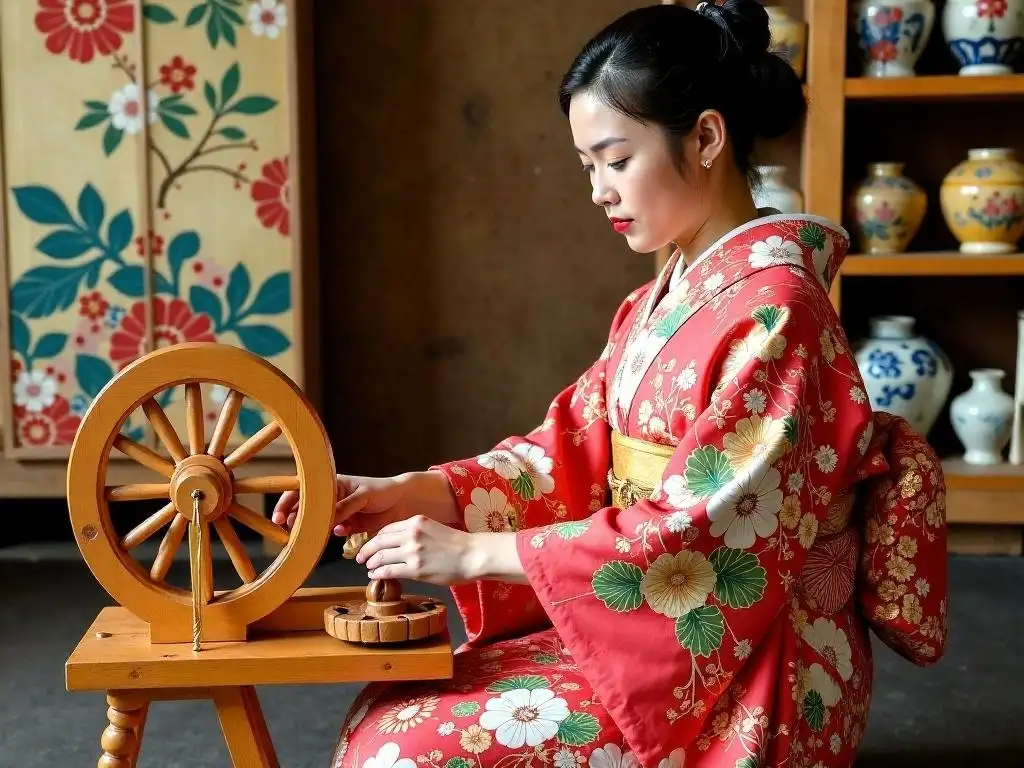
In the tapestry of feudal Japan, female artisans often remain in the shadows, their stories overshadowed by the more prominent narratives of male artisans and samurai. Several myths have arisen about the roles of women in this period, leading to a skewed understanding of their contributions. While it is true that women faced societal limitations, the reality is more nuanced. Female artisans played significant roles in various crafts, from textiles to pottery, and their work was integral to the economy and culture of their communities.
Common Misconceptions about Women’s Roles
One prevalent misconception is that women were relegated solely to domestic duties and had no involvement in economic activities. In fact, many women were actively engaged in artisanal work, especially in rural areas where they contributed to family businesses. Women often managed workshops, participated in trade, and even held apprenticeships in various crafts. This misconception stems from a narrow interpretation of historical texts, which often highlight male figures while neglecting the contributions of women.
Another myth is that female artisans were less skilled than their male counterparts. Historical records indicate that many women were exceptionally talented and produced high-quality work. For instance, female textile artisans in the Edo period were renowned for their intricate designs and techniques. This skill was not only a reflection of their craftsmanship but also of their deep cultural knowledge passed down through generations.
The True Impact of Female Artisans on Society
The contributions of female artisans had a profound impact on their communities and the larger feudal society. Their work not only supported family economies but also contributed to the cultural fabric of Japan. For example, women often created traditional garments and textiles that were essential for ceremonies and festivals, thereby preserving cultural heritage.
Additionally, female artisans played a role in the local economy by participating in markets and trade. They were known to be adept negotiators, and their involvement expanded the reach of their crafts. Some women even established their own businesses, challenging the norms of their time. The success of these female artisans helped to elevate the status of women in certain regions, showcasing their important role in economic sustainability.
Conclusion: The Legacy of Female Artisans in Feudal Japan
The stories of female artisans in feudal Japan are not merely footnotes in history; they are vital chapters that reveal the complexity of social dynamics during this era. Recognizing their legacy allows for a deeper understanding of Japan's cultural evolution and societal structures.
Reflection on Historical Contributions
Reflecting on the contributions of female artisans, it becomes clear that they were not only skilled craftsmen but also pivotal figures in their communities. Their ability to navigate the constraints of their time and make meaningful contributions speaks to their resilience and creativity. By examining their stories, we can appreciate the diverse roles women played in shaping the cultural and economic landscape of feudal Japan.
Importance of Recognizing Hidden Stories in History
Acknowledging the hidden stories of female artisans is essential for a comprehensive understanding of history. These narratives challenge the traditional male-dominated perspectives and highlight the importance of inclusivity in historical discourse. By bringing these stories to light, we not only honor the contributions of women in feudal Japan but also inspire future generations to recognize the value of diverse voices in history.
References and Further Reading
The exploration of female artisans in feudal Japan reveals a rich tapestry of cultural, social, and economic contributions made by women during this era. To gain a deeper understanding of their roles and experiences, the following resources provide valuable insights and scholarly perspectives.
Suggested Books on Female Artisans in Feudal Japan
-
"Women and the Arts in Japan" by Melissa McCormick
This book delves into the contributions of women in various artistic fields, including textiles, ceramics, and visual arts. It highlights the lives of female artisans and their influence on Japan's artistic heritage.
-
"The Female Artisan in Japan: A Historical Perspective" by Kimi Matsumoto
This comprehensive work focuses specifically on female artisans, detailing their craftsmanship, societal roles, and the challenges they faced in a predominantly male-dominated field.
-
"Crafting a Culture: The Role of Women in Japan’s Artisanal Economy" by Takako Saito
Saito examines how women shaped the artisanal economy in feudal Japan, emphasizing the importance of their work in various crafts and trades while navigating societal expectations.
-
"Hidden Histories: Women in Feudal Japan" by Hiroko Ota
This book uncovers the often-overlooked contributions of women in feudal Japan, including artisans, and provides a broader context of their significance within Japanese history.
-
"Artisans and Their Crafts in Edo Japan" by David A. H. Smith
While focusing on the Edo period, this book provides insights into the lives of artisans, including female contributors, and the dynamics of craft production during this time.
Academic Articles and Journals on Social History in Japan
-
"Gender and Craft in Early Modern Japan"
This article discusses the intersection of gender and craftsmanship, highlighting how female artisans navigated their social roles while contributing to the artisanal landscape of feudal Japan.
-
"Women’s Work in Edo: A Study of Female Artisans"
Published in the Journal of Japanese Studies, this research article presents case studies of female artisans in Edo, exploring their work, community roles, and the economic implications of their craftsmanship.
-
"The Role of Women in the Artisanal Economy of Japan"
This scholarly article examines the contributions of women to various crafts in feudal Japan and analyzes the socio-economic factors that influenced their work.
-
"Revisiting the Invisible: The Lives of Women Artisans in the Tokugawa Period"
This paper provides a detailed analysis of the experiences of women artisans during the Tokugawa period, shedding light on their struggles and achievements.
-
"Crafting Gender: Women Artisans in Feudal Japan"
This journal article explores the gender dynamics within the artisan community, focusing on how female artisans challenged traditional gender roles through their work.
These references serve as a starting point for those interested in uncovering the hidden narratives of female artisans in feudal Japan, contributing to a deeper understanding of their vital role in Japan's social history.
- Introduction to Female Artisans in Feudal Japan
- The Role of Women in Feudal Japanese Society
- Types of Female Artisans in Feudal Japan
- Training and Skills of Female Artisans
- The Social Status of Female Artisans
- Influence of Female Artisans on Japanese Culture
- Case Studies of Notable Female Artisans
- The Decline of Female Artisans in the Edo Period
- Myths and Realities about Female Artisans in Feudal Japan
- Conclusion: The Legacy of Female Artisans in Feudal Japan
- References and Further Reading
- What role did female artisans play in feudal Japan?
- Were there any notable female artisans in feudal Japan?
- How did the social structure of feudal Japan impact female artisans?
- Did female artisans receive formal training in feudal Japan?
- What were the challenges faced by female artisans in feudal Japan?
Frequently Asked Questions
What role did female artisans play in feudal Japan?
Female artisans contributed significantly to craftsmanship and trade, often specializing in textiles, pottery, and other crafts that were essential for daily life and cultural expression.
Were there any notable female artisans in feudal Japan?
Yes, several female artisans gained recognition for their skills, such as Katsushika Hokusai's daughter, Oi, who became known for her woodblock prints and contributions to the art form.
The strict social hierarchy of feudal Japan often limited women's opportunities, but many women found ways to navigate these constraints and establish their own workshops or join family businesses.
Did female artisans receive formal training in feudal Japan?
While some female artisans learned their crafts through apprenticeships or family traditions, formal training was often limited, and many relied on informal education passed down through generations.
What were the challenges faced by female artisans in feudal Japan?
Female artisans faced various challenges, including patriarchal norms, limited access to markets, and competition from male artisans, which often made it difficult to achieve widespread recognition for their work.
Final Reflection: Unveiling the Legacy of Female Artisans in Feudal Japan
The stories of female artisans in feudal Japan resonate powerfully today, reminding us that creativity and resilience often flourish in the shadows of history. As we delve into the lives of these remarkable women, we uncover not just their artistic contributions but also the societal constraints they navigated. Their legacy is a testament to the strength of the human spirit, challenging us to recognize the often-overlooked narratives that shape our cultural heritage.
The influence of female artisans extends far beyond their time, weaving a rich tapestry of creativity and empowerment that continues to inspire contemporary artists and craftspeople. Their ability to innovate within restrictive societal frameworks serves as a powerful reminder of the importance of perseverance and self-expression. Art is the most beautiful of all lies.
– Claude Debussy. This quote encapsulates the essence of how these artisans transformed their struggles into beauty, leaving behind a legacy that speaks to the heart of artistic endeavor.
As we reflect on the hidden stories of these female artisans, let us embrace the lessons they impart about resilience, creativity, and the importance of recognizing every voice in our shared history. I invite you to explore your own creative potential and seek out the untold stories in your life and community. By doing so, we honor the legacy of those who came before us and pave the way for future generations to express themselves freely and authentically.
Unveil the Legacy of Female Artisans!
Thank you for diving into the hidden stories of female artisans in feudal Japan! By exploring their remarkable journeys, you've gained a unique perspective on their invaluable contributions and the rich tapestry of history they wove. Now, it’s time to take action and continue this exploration.
Here are some ways you can connect further with this inspiring topic:
- Join a local or online workshop featuring traditional Japanese crafts to experience the artistry firsthand.
- Share this article with friends and family! Let’s spread the word about these unsung heroines and their craft.
- Start a discussion in community forums or social media groups about female artisans throughout history to connect with like-minded enthusiasts.
What hidden talents or stories have you uncovered about artisans in your own community? **Let’s keep this conversation going! **